 Save
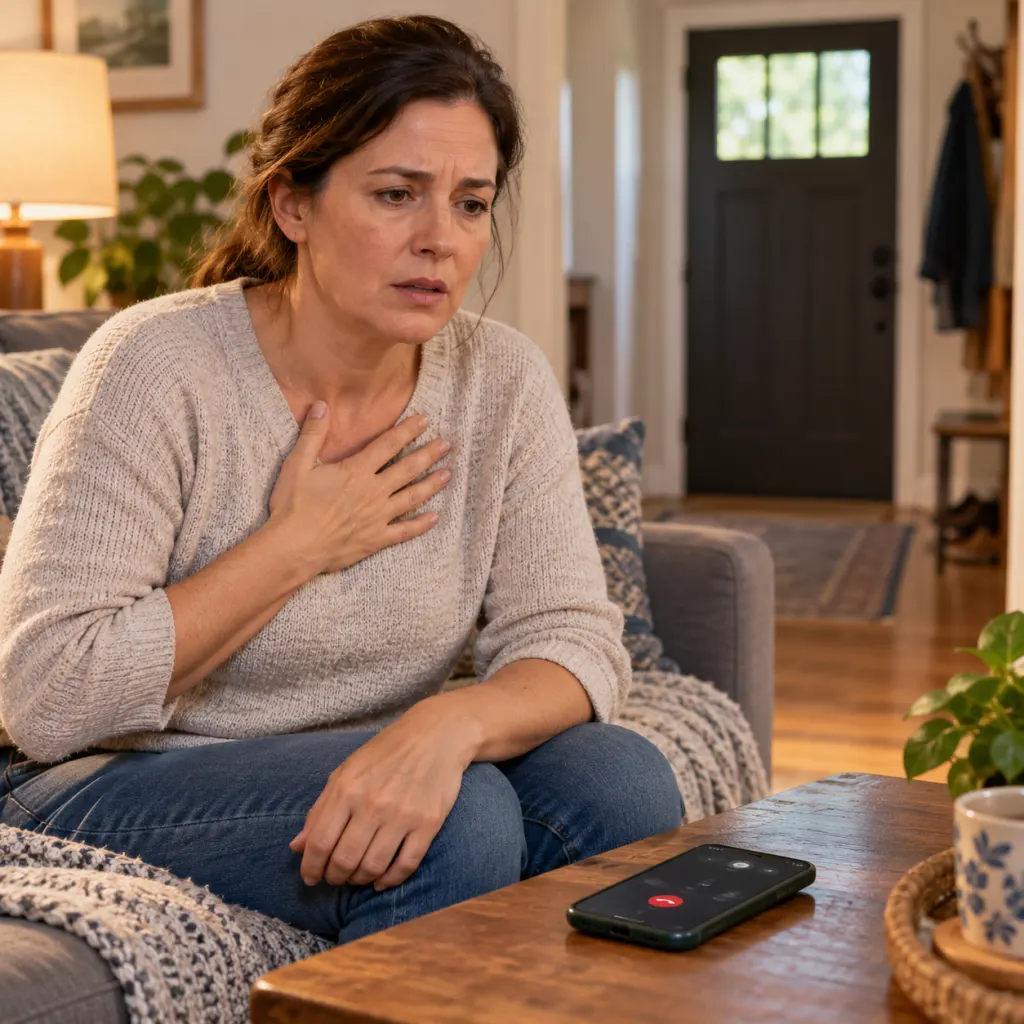
If you are alone and think you may be having a heart attack, the first step is simple and urgent: call 911, or your local emergency number, right away. Put the phone on speaker, sit or lie down, unlock the door if you can do it without exertion, and stay with the dispatcher. Do not drive yourself and do not wait to see if the feeling goes away. The CDC says heart attack symptoms can include chest discomfort, shortness of breath, discomfort in the jaw, neck, back, arm, or shoulder, weakness, lightheadedness, cold sweat, unusual tiredness, nausea, or vomiting, and it advises calling 9-1-1 immediately when symptoms appear CDC.
This guide focuses on the first few minutes at home, in a parked car, in a hotel room, or anywhere else you might be alone. It is not a substitute for emergency care. It is a practical sequence you can remember under stress: recognize the possible warning signs, call for help first, reduce effort, stay reachable, and let trained responders guide the next decision.
Why acting quickly matters
A heart attack, also called a myocardial infarction, happens when part of the heart muscle does not get enough blood. The CDC explains that the longer blood flow is reduced, the greater the damage to the heart muscle can become CDC. That is why the key decision is not whether you are completely certain. The key decision is whether symptoms are serious enough that a heart attack is possible.
Many people expect dramatic chest pain, but symptoms can be mild, shifting, or confusing. The National Heart, Lung, and Blood Institute notes that heart attack symptoms can start slowly, may come and go over hours, and can differ from person to person NHLBI. Some people feel pressure or heaviness. Others mainly notice breathlessness, sweating, nausea, lightheadedness, unusual tiredness, or discomfort in the back, jaw, shoulder, neck, arm, or upper belly.
Step 1: Treat possible symptoms as urgent
If symptoms feel new, severe, unexplained, or concerning, treat them as urgent. You do not need to prove that it is a heart attack before calling. The American Heart Association advises calling 911 when heart attack warning signs appear, even when you are not sure American Heart Association.
Possible warning signs include:
- Pressure, squeezing, fullness, aching, or discomfort in the center or left side of the chest.
- Shortness of breath, with or without chest discomfort.
- Discomfort in one or both arms, shoulders, back, neck, jaw, or upper belly.
- Cold sweat, nausea, vomiting, lightheadedness, sudden dizziness, or unusual weakness.
- Unusual tiredness that feels out of proportion, especially when paired with other symptoms.
If you already have a known heart condition, do not assume a familiar symptom is harmless. If the pattern is stronger, longer, different, or not settling with rest, use emergency services. For related background on symptom patterns, see 10 Signs of Possible Blocked Arteries and Pain on the Left Side of the Body: What It Could Mean.
Step 2: Call emergency services before doing anything else
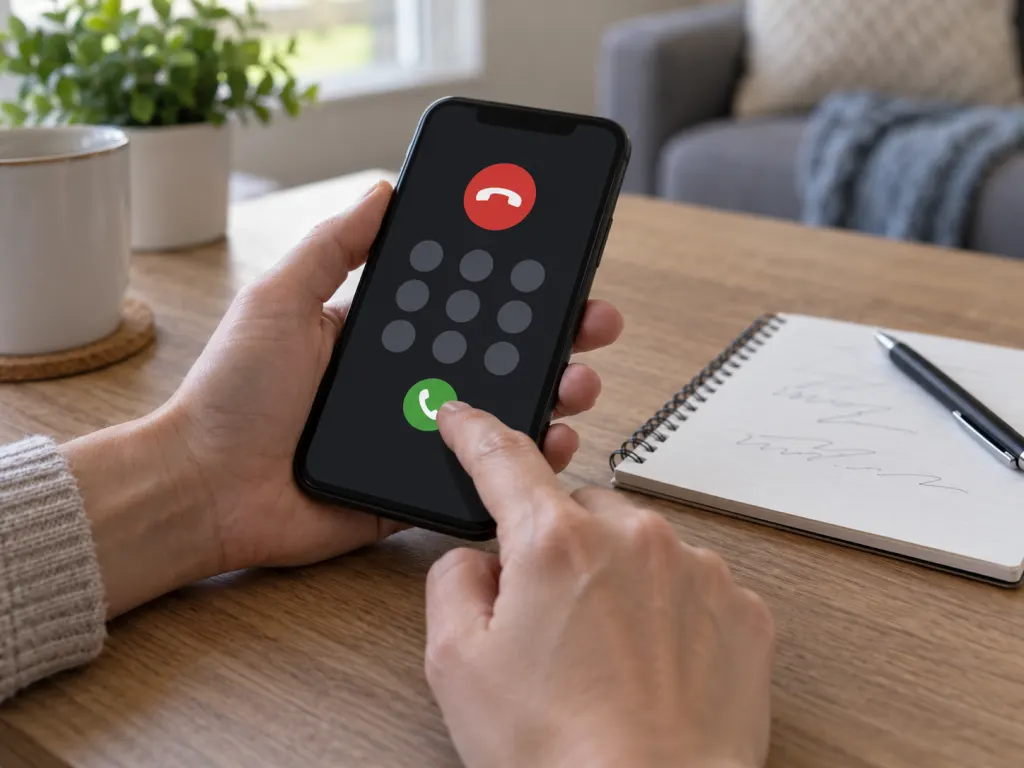
Calling 911 is the central step because it brings trained responders to you and starts the emergency system. NHLBI says any time you think you might be having a heart attack, you should call 9-1-1 for emergency medical care, even if you are not sure, and it specifically says not to drive yourself or have someone else drive you when an ambulance is available NHLBI.
If you are alone, use speakerphone so your hands are free. Say your address first, then your symptoms, then that you are alone. If you are in an apartment building, hotel, workplace, or parking area, give the clearest location you can: floor, room number, entrance, nearby landmark, gate code, or vehicle description. If the call drops, dispatchers may be able to call back, but do not rely on that if you can stay connected.
Do not use the first minutes to search the web, text several people, look for a ride, or gather belongings. A friend can be helpful, but a friend is not a replacement for emergency services. If you can make one quick call or text after calling 911, ask someone nearby to come unlock the door, wait for responders, or bring pets away from the entrance. Keep the emergency line active as your priority.
Step 3: Reduce effort and make it easy to reach you
Once the call is made, reduce physical effort. Sit in a supported position or lie down if you feel faint. Loosen tight clothing around the chest or neck. Avoid stairs, showers, packing a bag, moving furniture, or walking outside to meet the ambulance unless the dispatcher tells you to move. The goal is to conserve energy and lower the chance that you collapse somewhere responders cannot find you quickly.
If you can do these things without strain, unlock the door, turn on an outside light, and keep your phone with you. If you have a medical ID bracelet, a wallet card, or a list of conditions and regular prescriptions nearby, place it next to you, but only if it is within easy reach. If you are caring for a child or another dependent person, tell the dispatcher immediately so they can help coordinate safety.
People sometimes hesitate because they do not want to be embarrassed if symptoms turn out to have another cause. That hesitation can cost valuable time. Mayo Clinic describes a heart attack as a medical emergency and advises calling 911 or local emergency help if you think you or someone else might be having one Mayo Clinic. Emergency teams would rather evaluate a possible heart attack early than arrive after a dangerous delay.

Step 4: Follow dispatcher instructions, especially about aspirin or pills
After the call is underway, let the dispatcher guide you. They may ask about symptoms, age, location, allergies, current prescriptions, prior heart problems, bleeding history, or whether you are awake and breathing normally. Answer as clearly as you can. Short answers are fine. If talking makes symptoms worse, say so.
Do not delay the call while looking for aspirin, nitroglycerin, or any other pill. Mayo Clinic says aspirin may be taken if recommended, but not unless a healthcare professional or emergency operator says to do so, and it emphasizes calling for emergency help first Mayo Clinic. The 2024 American Heart Association and American Red Cross first aid guideline similarly says emergency response should be activated for acute chest pain, and if there is uncertainty about aspirin, it is reasonable to wait for EMS arrival AHA and American Red Cross.
If you have a prescribed plan from your own clinician for chest symptoms, tell the dispatcher about it and follow their direction. Do not borrow someone else's pills. Do not take extra amounts of anything because you are frightened. The safest sequence is call first, stay connected, and let emergency professionals decide what information matters next.
Step 5: Do not drive yourself or rely on internet tricks
Driving yourself during possible heart attack symptoms is dangerous because symptoms can worsen suddenly. NHLBI says an ambulance is the best and safest way to get to the hospital, and EMS personnel can monitor you and begin care right away NHLBI. Even if the hospital is close, the trip can become unsafe if pain, dizziness, breathlessness, confusion, or faintness escalates.
Also avoid social media tricks that claim you can manage a heart attack by coughing forcefully. The American Heart Association says it does not endorse so-called cough CPR and that the practice should not be taught in lay-rescuer CPR courses American Heart Association. Coughing can distract from the steps that matter most: call emergency services, rest, stay reachable, and follow professional instructions.
Heart attack and cardiac arrest are related but different emergencies. During a heart attack, the heart usually has not stopped beating, but the problem can become life-threatening. If you are alone and become unresponsive, you cannot start CPR on yourself. That is another reason to call early, keep the line open, and make it easier for responders or a nearby person to reach you.
What to say on the 911 call
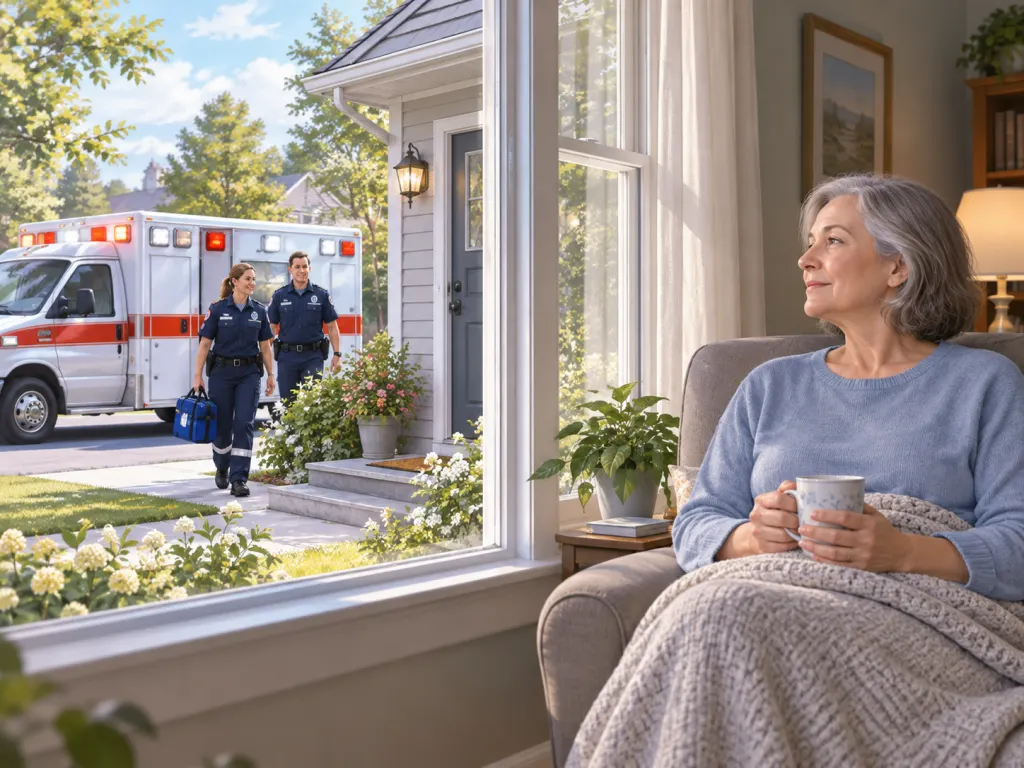
A simple script can help when you are frightened. Start with: "I may be having a heart attack. I am alone. My address is..." Then give your main symptoms and when they began. If you are not at home, describe the location in layers: business name, street, entrance, floor, room, vehicle, or landmark. If you cannot speak in full sentences, say that. If you feel faint, say that too.
Keep the dispatcher updated if symptoms change. Tell them if pain spreads, if breathing becomes harder, if you feel like you might pass out, or if you vomit. If a neighbor, security guard, hotel clerk, or coworker arrives, ask them to speak with the dispatcher while you rest. They can watch for the ambulance, secure pets, bring responders to you, and share your location if you become less able to speak.
How to prepare before an emergency
Preparation is not a substitute for calling 911, but it can make the first minutes easier. Keep your address visible near a phone, especially if visitors, older relatives, or babysitters may need to call for help from your home. Add emergency contacts and key health information to your phone's emergency screen if available. If you live alone, consider giving a trusted neighbor or relative a way to access your home in an emergency.
It can also help to keep a short, updated health summary in your wallet or on the refrigerator: name, date of birth, emergency contacts, major conditions, regular prescriptions, allergies, and clinician contact details. Readers who want more context on medicines and heart-related risk discussions can also read Medication Warnings About Blood Clots and Heart Attack Risk and Could Amlodipine Be Affecting Your Daily Life?.
Wrap-Up
When you are alone and heart attack symptoms may be starting, the safest plan is to act before certainty arrives. Call 911 or your local emergency number first, use speakerphone, rest in a safe position, unlock the door if you can, and follow dispatcher instructions. Do not drive yourself, do not wait for symptoms to prove themselves, and do not rely on internet tricks. Emergency responders can assess you, begin care, and transport you more safely than a private ride. If the symptoms turn out to have another cause, the call was still reasonable because the warning signs can overlap and minutes matter.
Frequently Asked Questions
- → What is the first thing to do if I think I am having a heart attack alone?
Call 911 or your local emergency number immediately. Put the phone on speaker, give your exact location, say you may be having a heart attack and that you are alone, then follow the dispatcher's instructions.
- → Should I drive myself to the hospital if I live nearby?
No. NHLBI advises using an ambulance because EMS personnel can monitor you, begin care, and get you to the hospital safely. Symptoms can worsen suddenly, making driving unsafe for you and others.
- → What if I am not sure it is really a heart attack?
Call anyway. Heart attack symptoms can be mild, come and go, or feel different from what people expect. Emergency services can help decide the next step, and waiting for certainty can waste important time.
- → Can I take aspirin while waiting for the ambulance?
Only if a 911 dispatcher, emergency operator, or qualified clinician tells you to do so. Do not delay calling while looking for aspirin, and do not take any pill when you have been told not to or are unsure whether it is safe for you.
- → What should I do after I call 911?
Rest in a safe position, keep your phone with you, unlock the door if you can without strain, turn on an outside light if it is easy, and avoid walking around. Tell the dispatcher if symptoms change or if you feel faint.
- → Does coughing help if I am alone during a heart attack?
No. The American Heart Association does not endorse so-called cough CPR for lay rescuers. Calling emergency services, resting, staying reachable, and following dispatcher guidance are the important steps.
References
This content was developed and refined using reliable sources.
- https://www.cdc.gov/heart-disease/about/heart-attack.html
- https://www.nhlbi.nih.gov/health/heart-attack/symptoms
- https://www.heart.org/en/health-topics/heart-attack/warning-signs-of-a-heart-attack
- https://www.mayoclinic.org/first-aid/first-aid-heart-attack/basics/art-20056679
- https://cpr.heart.org/en/resuscitation-science/2024-first-aid-guidelines
- https://www.heart.org/en/health-topics/cardiac-arrest/emergency-treatment-of-cardiac-arrest/cough-cpr