 Save
The main warning sign of diverticulitis is constant abdominal pain, often in the lower left abdomen, that may appear suddenly or build over several days. It can come with fever, chills, nausea, vomiting, tenderness when the belly is touched, constipation, or diarrhea. Diverticulitis happens when small pouches in the colon, called diverticula, become inflamed or infected, according to the National Institute of Diabetes and Digestive and Kidney Diseases. Because the same symptoms can also occur with other digestive and abdominal problems, the useful question is not “Can I diagnose this at home?” It is “Does this pattern deserve medical attention?” For many people, the answer is yes when pain is persistent, worsening, or paired with fever, vomiting, rectal bleeding, or a major change in stool habits.
What Diverticulitis Is, in Plain Language
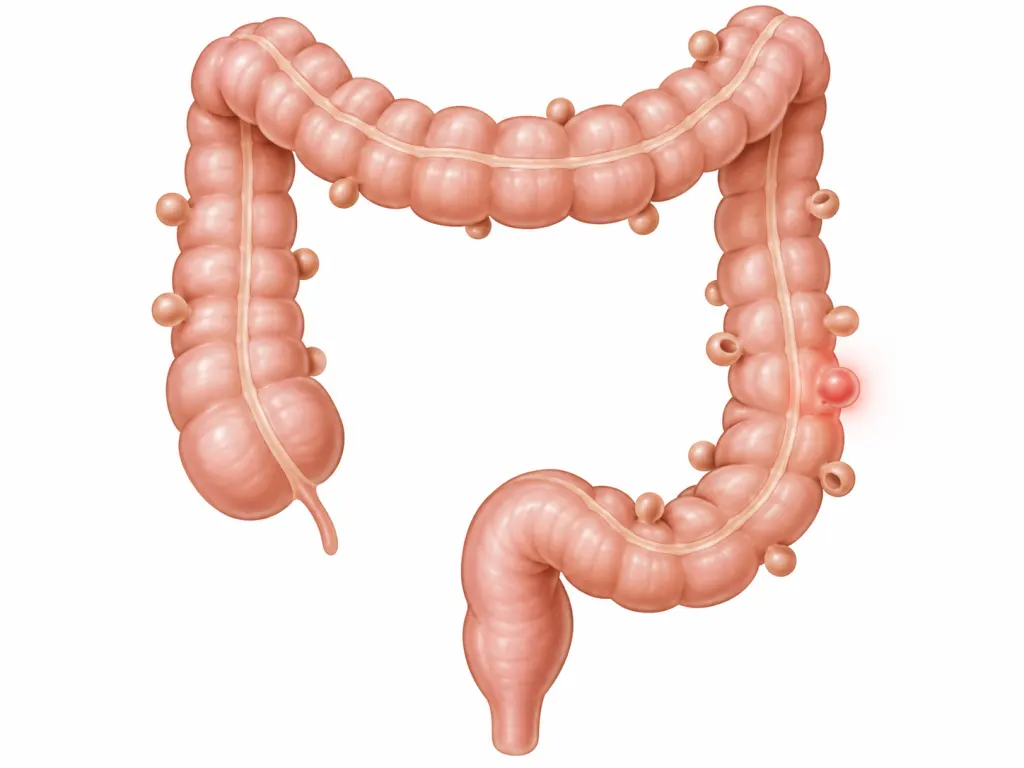
Diverticula are small pouches that can form in weak spots in the wall of the colon. Having these pouches is called diverticulosis. Many people with diverticulosis never know they have it, and the pouches may cause no symptoms. Diverticulitis is different: it means one or more of those pouches has become inflamed, and sometimes infected. Mayo Clinic explains that diverticula are common, especially after age 50, and that diverticulitis can cause severe pain, fever, nausea, and changes in stool habits Mayo Clinic.
This distinction matters because a person can have diverticulosis without having diverticulitis. Mild bloating or irregular bowel habits can happen for many reasons, including constipation, irritable bowel syndrome, food changes, infection, or other bowel conditions. Diverticulitis warning signs are more concerning when they form a cluster: localized pain, a tender abdomen, fever or chills, nausea or vomiting, and a noticeable change from your usual bathroom pattern.
The Pain Pattern People Most Often Notice
The classic pain pattern is steady discomfort in the lower left side of the abdomen. The NIDDK says diverticulitis pain is most often on the lower left side, is typically severe and sudden, but may also start mildly and worsen over several days NIDDK. Some people feel tenderness in one particular spot rather than vague all-over stomach upset. Pain may feel sharp, cramping, sore, or pressure-like, and it may become harder to ignore as normal movement, coughing, or pressing the area makes it worse.
Location is helpful, but it is not a perfect rule. The NHS notes that some people can have pain on the right side, and that symptoms can resemble conditions such as irritable bowel syndrome NHS. That is why a warning-sign article should never suggest that lower-left pain automatically means diverticulitis. It is a clue, not a diagnosis. New, persistent abdominal pain deserves attention because doctors may need to consider several possible causes.
Other Warning Signs That Often Travel With the Pain
Diverticulitis is often a pattern rather than one isolated sensation. Watch for symptoms that arrive together or intensify over time:
- Fever or chills: temperature changes can suggest the body is responding to inflammation or infection.
- Nausea or vomiting: feeling sick to the stomach can accompany an abdominal flare.
- Constipation or diarrhea: a sudden change from your usual stool pattern can be part of the picture.
- Tenderness: the abdomen may feel sore when touched or when moving.
- Bloating or abdominal fullness: this is nonspecific, but it can add context when paired with localized pain.
- Blood or mucus in stool: this should be taken seriously and discussed promptly with a medical professional.
MedlinePlus lists fever, nausea, vomiting, chills, sudden belly or back pain that worsens or becomes very severe, and blood in stool among reasons to contact a medical professional when diverticulitis is possible MedlinePlus. The practical takeaway is simple: the more symptoms you have, the more persistent they are, and the more they differ from your normal pattern, the less reasonable it is to wait and guess.

When Symptoms Should Be Treated as Urgent
Some symptoms call for same-day help rather than watchful waiting. Seek prompt medical care for abdominal pain that is constant, unexplained, or worsening, especially if it comes with fever, chills, vomiting, or major bowel changes. Mayo Clinic specifically advises medical care for constant, unexplained abdominal pain, particularly with fever and notable stool changes Mayo Clinic. The NHS advises urgent help for worsening or persistent tummy pain, high temperature, repeated vomiting, blood or mucus in stool, or diarrhea lasting more than seven days NHS.
Emergency-level symptoms include severe abdominal pain with vomiting, a swollen abdomen, inability to pass stool or gas, heavy rectal bleeding, confusion, breathlessness, very abnormal temperature, or pale or blotchy skin. Those signs can point to a more serious abdominal problem or a body-wide response that needs immediate evaluation. If a person looks very unwell, is faint, confused, or has severe pain, calling emergency services is safer than trying to sort out the cause at home.
Why Mild Symptoms Can Be Confusing
Early or mild symptoms can overlap with everyday digestive issues. Bloating, constipation, diarrhea, and lower abdominal cramps can occur with chronic symptoms related to diverticula even without diverticulitis, and the NIDDK notes that irritable bowel syndrome and other conditions can cause similar symptoms NIDDK. This overlap is exactly why the article’s focus is warning signs, not self-diagnosis. A symptom diary can help you describe timing, location, fever, stool changes, and food or activity patterns, but it cannot confirm what is happening inside the colon.
If you already have a history of diverticular disease, it can be tempting to assume every familiar ache is another episode. That assumption can be risky because new abdominal pain can still have a different cause. The reverse is also true: a person with no known history of diverticula can still develop diverticulitis. The safest approach is to treat a changed pattern as information to bring to a clinician, especially when pain is localized, persistent, or paired with fever or vomiting.

Possible Complications Behind the Red Flags
Most discussions of warning signs include complications not to frighten readers, but to explain why certain symptoms matter. Cleveland Clinic describes diverticulitis as uncomplicated most of the time, but notes that severe or persistent inflammation can lead to problems such as abscess, obstruction, fistula, bleeding, perforation, or peritonitis Cleveland Clinic. Johns Hopkins Medicine also lists possible complications including infection, tears, blockage, bleeding, colitis, and peritonitis Johns Hopkins Medicine.
In everyday terms, this is why symptoms such as heavy bleeding, a rigid or very tender abdomen, repeated vomiting, inability to pass stool or gas, or feeling severely ill should not be minimized. They do not prove a complication, but they are serious enough to need timely assessment. A clinician may use a physical exam, blood or stool testing, urine testing, CT imaging, colonoscopy after recovery, or other steps depending on the situation. The specific workup depends on age, health history, severity, and which symptoms are present.
What to Tell a Healthcare Professional
Clear details can make the appointment more useful. Be ready to explain where the pain is, when it started, whether it is constant or comes and goes, whether it is getting worse, and whether you have fever, chills, nausea, vomiting, constipation, diarrhea, bloating, blood, or mucus. Mention any previous diverticulosis or diverticulitis, recent abdominal procedures, known bowel conditions, and whether symptoms are affecting eating, drinking, work, sleep, or normal movement.
Also bring a current list of medicines and supplements, including pain relievers, because some medicines may matter when doctors assess digestive bleeding, constipation, or complication risk. Do not stop or start prescribed medicine based on an article. Instead, use the visit to ask what symptoms should trigger urgent care, what foods or liquids are appropriate during your current episode, when to resume normal routines, and whether follow-up testing is recommended after symptoms settle.
Food, Fiber, and the “Nuts and Seeds” Question
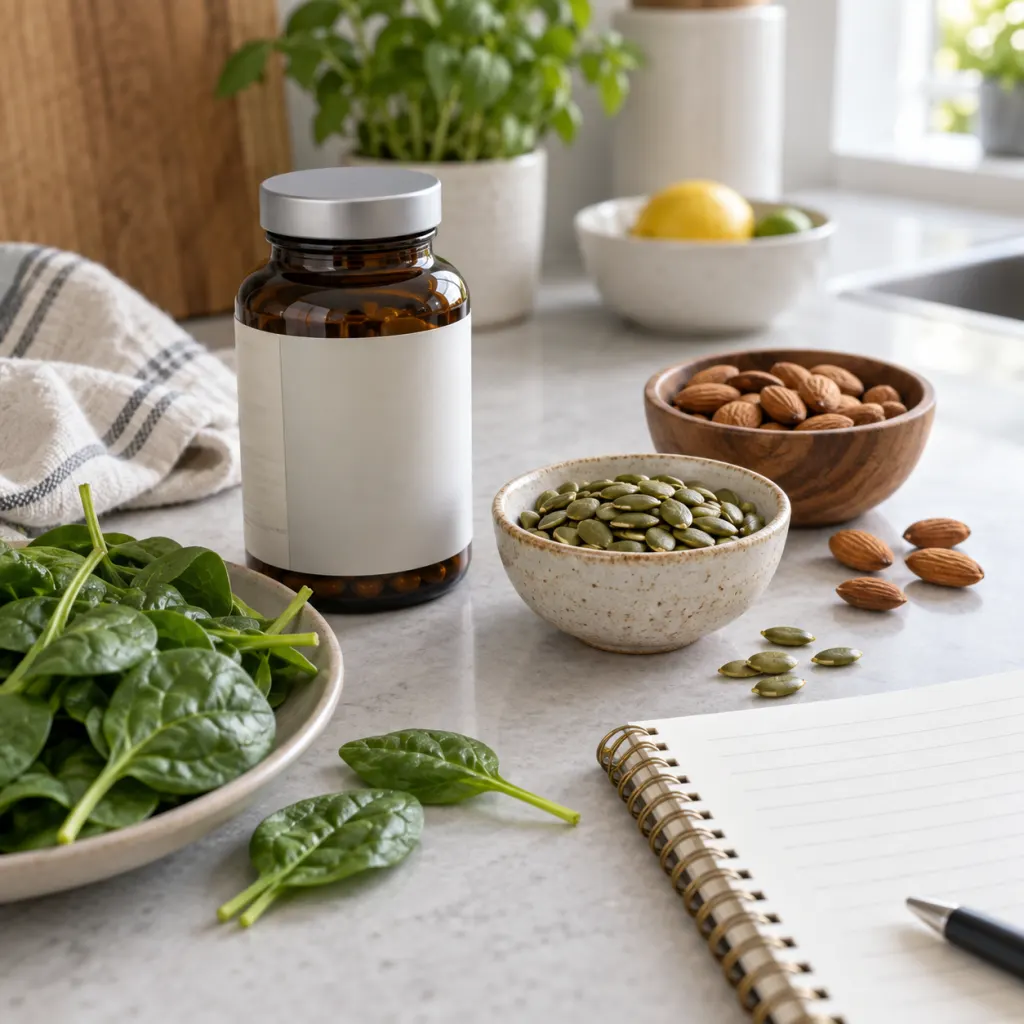
Many readers arrive at this topic because they have heard old advice about avoiding nuts, seeds, or popcorn. Current patient education is more nuanced. Mayo Clinic says studies have shown these foods do not increase the risk of diverticulitis, and the NHS says there are no specific foods everyone with diverticular disease needs to avoid Mayo Clinic NHS. Long-term eating patterns may be discussed differently from what to eat during an acute episode, so it is worth asking your clinician what applies to your current situation.
The NIDDK says doctors may recommend a clear liquid diet for a short time for some people with diverticulitis and then slowly add solid foods as symptoms improve, but that severe cases, complications, or high-risk situations may need hospital care NIDDK treatment guidance. That is another reason not to copy someone else’s food plan. The right advice depends on whether symptoms are mild, severe, recurring, complicated, or linked to other medical issues.
How This Fits With Other Warning-Sign Guides
Warning-sign articles work best when they teach pattern recognition without turning symptoms into certainty. A swollen belly, bowel change, pain, or fatigue may mean different things in different contexts. If you are comparing symptom patterns, you may also find these related health explainers useful: Visible Signs of Liver Disease and 15 Kidney Warning Signs That Need Attention. The shared lesson is the same: new, persistent, severe, or clustered symptoms deserve careful attention, not panic and not guesswork.
A Calm Decision Guide
If symptoms are mild and brief, write down what happened and watch for change. If pain is localized, persistent, worsening, or paired with fever, vomiting, chills, blood, mucus, or major bowel changes, arrange medical care promptly. If pain is severe, the abdomen is swollen or rigid, bleeding is heavy, vomiting prevents fluids from staying down, or the person seems confused, faint, breathless, or seriously unwell, seek emergency help. Diverticulitis is one possible explanation for these patterns, but the key action is getting the right level of care for the severity of the symptoms.
Wrap-Up
Diverticulitis warning signs usually center on persistent abdominal pain, often lower-left, plus fever, nausea, vomiting, tenderness, constipation, diarrhea, or other stool changes. The same symptoms can overlap with other conditions, so the goal is not to self-diagnose. Use the pattern, severity, and persistence of symptoms to decide when to call a clinician, seek urgent care, or use emergency services. Blood in stool, repeated vomiting, worsening pain, high temperature, a swollen abdomen, or signs of serious illness should be handled promptly.
Frequently Asked Questions
- → What is usually the first warning sign of diverticulitis?
The most common early warning sign is abdominal pain, often in the lower left side. It may come on suddenly or start mildly and worsen over several days. Fever, nausea, vomiting, tenderness, constipation, or diarrhea can make the pattern more concerning.
- → Can diverticulitis feel like gas or constipation?
It can overlap with gas, constipation, bloating, and other digestive problems, which is why symptoms alone cannot confirm the cause. Persistent, localized, worsening, or unusual abdominal pain should be discussed with a qualified health professional.
- → When should I seek urgent care for possible diverticulitis?
Seek prompt care for constant or worsening abdominal pain, especially with fever, chills, vomiting, blood or mucus in stool, or a major bowel change. Severe pain, heavy bleeding, confusion, breathlessness, a swollen abdomen, or inability to pass stool or gas can require emergency help.
- → Does blood in stool always mean diverticulitis?
No. Blood in stool can have several causes, and it should not be assumed to be diverticulitis. Because bleeding can sometimes be serious, contact a medical professional promptly if you notice rectal bleeding or blood in stool.
- → Should I avoid nuts, seeds, or popcorn if I worry about diverticulitis?
Many older food rules have changed. Current patient education from major health sources does not support a blanket need to avoid nuts, seeds, or popcorn for everyone. Ask your clinician what is appropriate for your history and current symptoms.
References
This content was developed and refined using reliable sources.
- https://www.niddk.nih.gov/health-information/digestive-diseases/diverticulosis-diverticulitis/symptoms-causes
- https://www.niddk.nih.gov/health-information/digestive-diseases/diverticulosis-diverticulitis/treatment
- https://www.mayoclinic.org/diseases-conditions/diverticulitis/symptoms-causes/syc-20371758
- https://medlineplus.gov/ency/article/000257.htm
- https://www.nhs.uk/conditions/diverticular-disease-and-diverticulitis
- https://my.clevelandclinic.org/health/diseases/10352-diverticulitis
- https://www.hopkinsmedicine.org/health/conditions-and-diseases/diverticular-disease