 Save
The simple answer is this: 40°C is often warmer than everyday laundry needs. For normally soiled shirts, jeans, pajamas, light towels, and mixed household loads, a 30°C or cold cycle can usually do the job when the care label, detergent, and machine program support it. That matters because heating wash water is one of the main energy costs in laundry, and repeated warm washing can be harder on dyes and fibers than cooler programs.
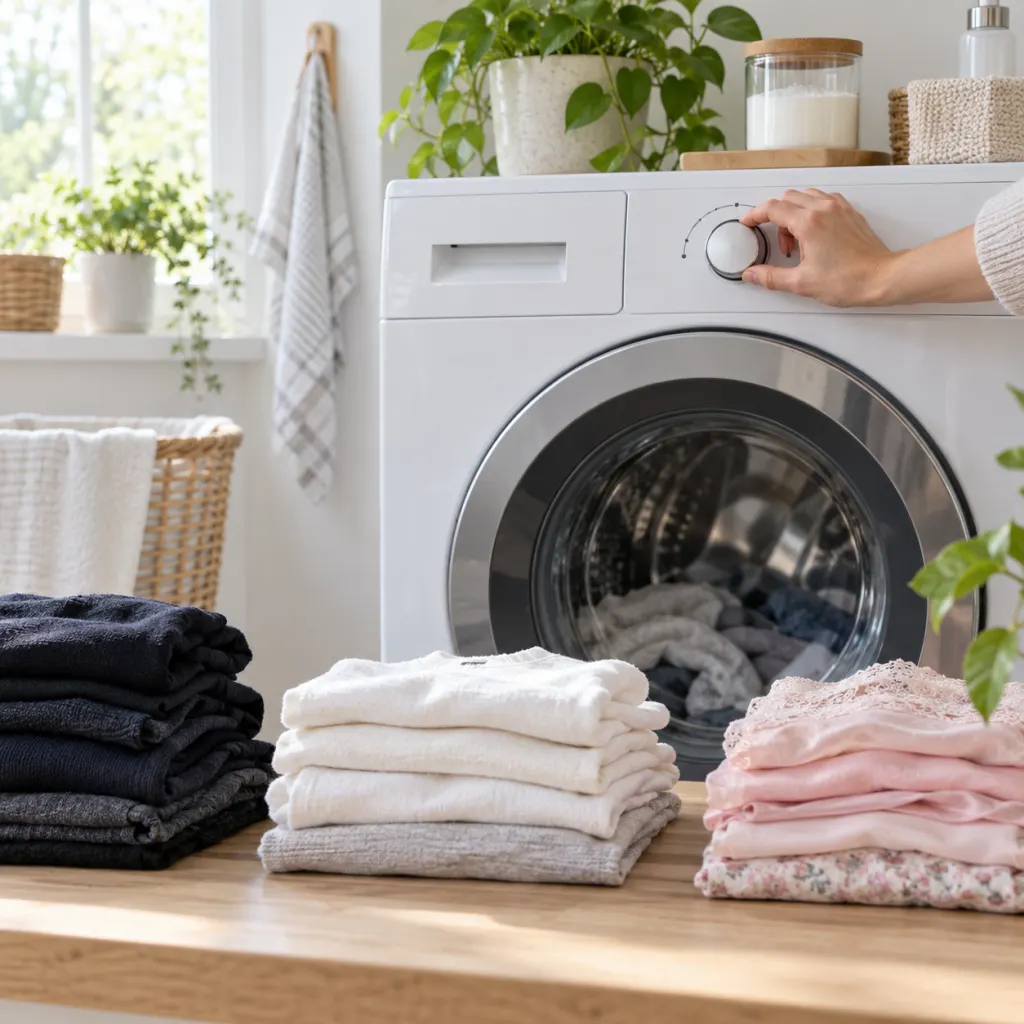
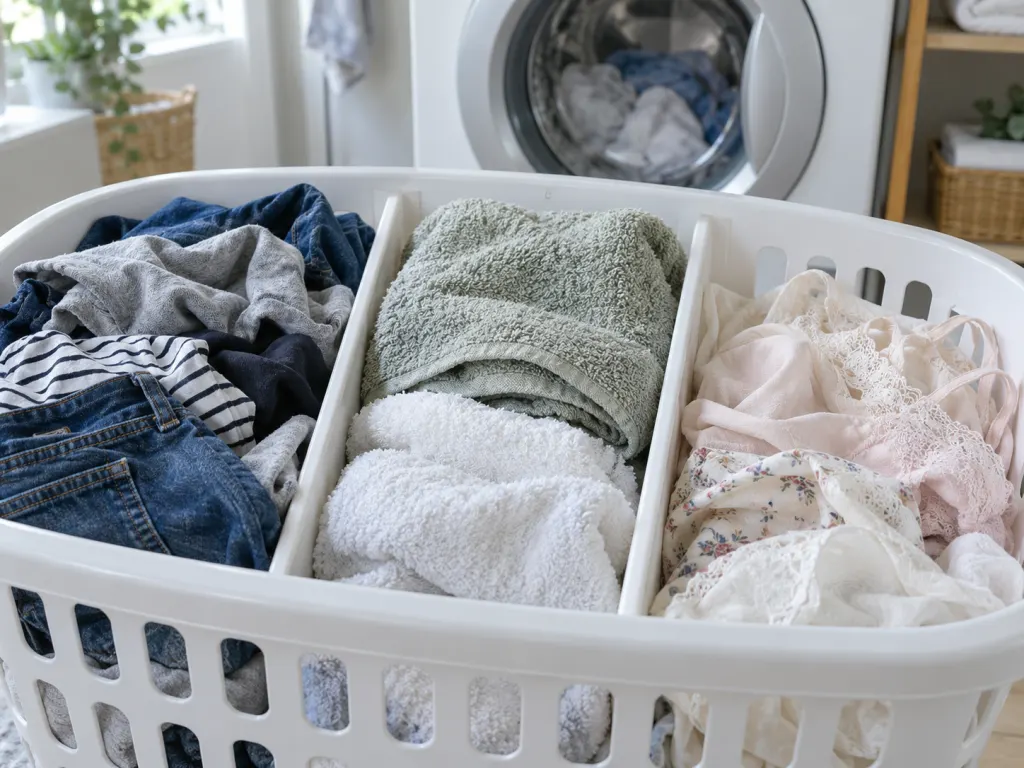
This does not mean 40°C is always wrong. It means it should be a choice, not a reflex. A smarter laundry routine starts with the care label, separates items by fabric and soil level, pretreats visible stains, fills the drum properly, and saves warmer settings for loads that genuinely call for them.
The Short Answer
A 40°C wash sits in the middle of the temperature scale: warmer than cold, cooler than truly hot. That makes it feel like a safe compromise, but compromise is not always efficiency. ENERGY STAR advises washing in cold water when possible and explains that water heating consumes about 90% of the energy it takes to operate a clothes washer. It also notes that cold water generally cleans well unless a load has oily stains. ENERGY STAR
Public energy advice points in the same direction. Ofgem, the energy regulator for Great Britain, recommends setting a washing machine to 30°C, filling the machine completely, and using shorter wash cycles because modern machines and detergents can clean at lower temperatures. Ofgem The practical takeaway is not to wash everything colder at any cost. It is to stop treating 40°C as the universal starting point.
Why 40°C Became The Middle Setting
Many people learned laundry through simple categories: cold for delicate colors, hot for whites, and 40°C for everything else. That habit made more sense when detergents were less effective in cooler water and machines offered fewer specialized cycles. Today, the washer, detergent chemistry, spin speed, load size, and cycle length all matter. Temperature is only one part of cleaning.
Care labels also show why a single default is too blunt. The U.S. Federal Trade Commission care-label rule defines machine-wash temperature terms: cold is up to 86°F, or 30°C; warm is 87°F to 111°F, or about 31°C to 44°C; hot is 112°F to 145°F, or about 45°C to 63°C. Federal Trade Commission In other words, 40°C is a warm wash. It is not a mild version of cold, and it is not the same as a high-temperature hygiene cycle.
The Energy Argument
The strongest everyday reason to avoid defaulting to 40°C is energy. A washing machine must either heat water itself or draw warm water that was heated elsewhere. That heating is where much of the energy goes. If the load is lightly or normally soiled and the label permits lower-temperature washing, dropping to 30°C or cold can reduce the heat demand without changing the basic task: water, detergent, movement, and rinsing still do the cleaning work.
Efficiency standards also show that modern laundry is built around measured programs, not one old habit. The European Commission explains that household washing machines and washer-dryers must include an eco 40-60 cycle for normally soiled cotton declared washable at 40°C or 60°C, as well as a 20°C cycle for lightly soiled cotton laundry. It also says energy labels report energy consumption, water consumption, duration, and related performance information. European Commission That is a useful reminder: the named temperature on the dial does not tell the whole story. Program design, load size, and duration matter too.
Clothes Often Prefer Cooler Water
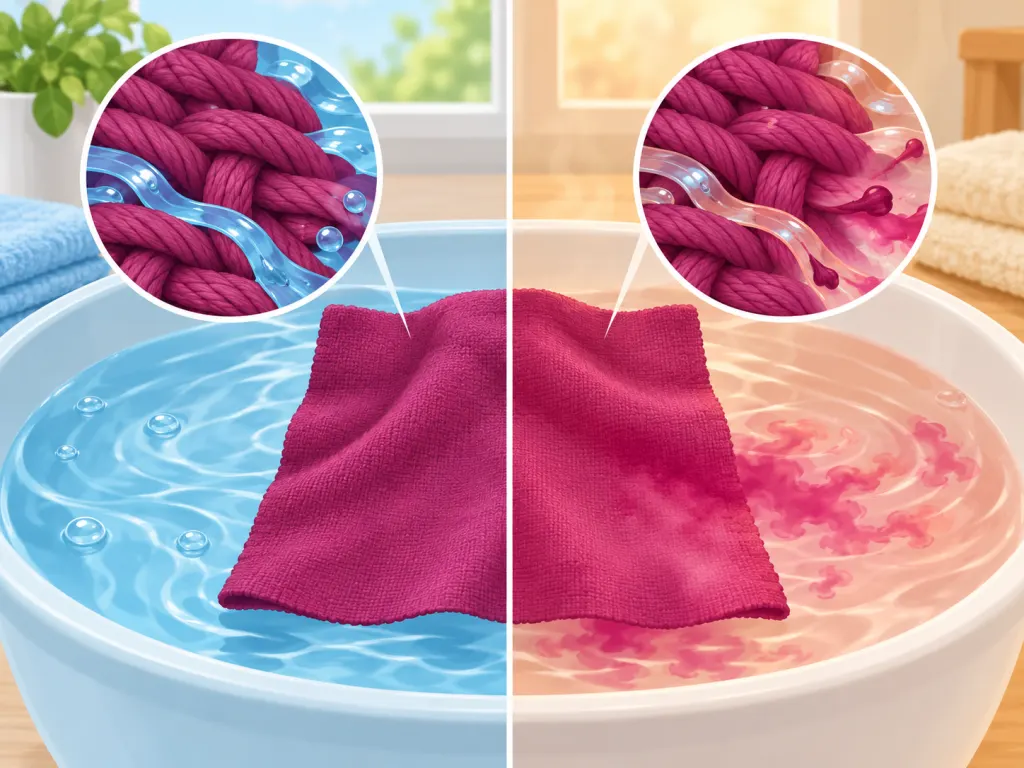
Lower temperatures can help clothes look better for longer, especially darks, brights, printed fabrics, stretch blends, and items that are washed often. A University of Leeds repository record for a peer-reviewed Dyes and Pigments study reports that a 40°C, 85-minute cycle caused significantly greater color loss and color transfer than a cold-quick 25°C, 30-minute cycle, and that microfiber release was also greater in the warmer, longer cycle. White Rose Research Online
That does not mean every garment will visibly fade after one 40°C wash. Fabric type, dye quality, detergent, water hardness, and drying method all affect the result. But laundry damage is cumulative. If a T-shirt, blouse, sweater, or pair of leggings is washed every week, a small amount of extra dye loss, friction, or fiber stress can add up over months. Cooler washing is a quiet way to reduce that routine wear.
A separate peer-reviewed laundry study archived by Northumbria University found that microfiber release from real soiled consumer loads decreased when wash loads were fuller within the tested range, and that colder, quicker cycles reduced microfiber generation compared with a conventional 40°C cycle. The authors also concluded that complete, not overfilled, loads can help reduce microfiber release. Northumbria University Research Portal
For a household routine, this points to a practical rule: use cooler water, but do not ask cooler water to do everything alone. Help it with better sorting and stain handling:
- Wash darks and bright colors inside out when the care label allows it.
- Pretreat visible food, mud, sweat, and oil marks before the item goes into the drum.
- Use the detergent amount recommended for the load size and water hardness.
- Choose a full but freely tumbling load, rather than a half-empty drum or a packed one.
- Use a longer low-temperature cycle when clothes are normally soiled, instead of raising the heat by habit.
Where 40°C Still Makes Sense
The point is not to ban 40°C. It can be a useful setting for sturdy cottons, some towels, bed linens, washable underwear, kitchen cloths, and moderately soiled loads when the care label permits it. It may also help with oily or greasy soils that do not respond well to cold water. If a garment label says warm wash, 40°C may be within the intended range, depending on the machine and region.
There are also hygiene situations where a warmer or specially designed program may be appropriate. The CDC explains, in a health-care laundry context, that laundering action comes from a combination of mechanical, thermal, and chemical factors, and that hot water can be part of laundry disinfection. It also notes that lower-temperature cycles rely more heavily on the correct detergent or laundry additive process. CDC Home laundry is not the same as institutional laundry, but the principle is useful: temperature is only one part of the cleaning system, and higher-hygiene loads should be handled according to fabric labels, washer instructions, and product directions.
A Practical Temperature Map
If you want a simpler routine, think in categories rather than one default temperature. Use cold or 20°C for lightly worn clothes, dark colors, delicate washable items, and anything you mainly want to freshen. Use 30°C for most everyday mixed loads when the items are normally soiled and the detergent is suitable for lower temperatures. Consider 40°C for durable, care-label-approved items with more soil, body oils, or household use. Save hotter programs or sanitary cycles for the limited loads your washer manual and textile labels say can tolerate them.
The wash temperature should also match the rest of the cycle. A very short cold cycle may be fine for lightly worn clothing, but it may not be enough for a full load of work clothes or towels. A longer 30°C cotton or eco cycle can clean better than a rushed warm cycle because it gives detergent, water, and movement more time to work. The best setting is the one that fits the load, not the one that feels most familiar.
The Bottom Line
You should not wash clothes at 40°C by default because many loads do not need that much heat. Lower temperatures can save energy, reduce routine color and fiber stress, and still clean everyday laundry when you sort well, pretreat stains, use the right detergent, and load the washer correctly. The smarter habit is selective washing: cold or 30°C for ordinary loads, 40°C for sturdy items that benefit from it, and hotter or specialty cycles only when the fabric and situation truly call for them.
Wrap-Up
A 40°C wash is useful, but it is not the best automatic setting for every basket. For normal everyday laundry, cooler cycles often make more sense because water heating uses substantial energy and research on laundering has linked colder, quicker cycles with less color loss and lower microfiber release in tested conditions. Keep 40°C for durable, care-label-approved loads that need more cleaning power, and build the rest of your routine around sorting, pretreating, correct detergent use, and a full but not overloaded drum.
Frequently Asked Questions
- → Is 40°C bad for all clothes?
No. A 40°C wash can be appropriate for sturdy, washable items when the care label permits warm water. The issue is using it automatically for every load. Many lightly or normally soiled garments can be washed at 30°C or cold, which may save energy and be gentler on color.
- → Will 30°C really clean everyday laundry?
Often, yes. Ofgem says modern washing machines and detergents clean clothes at lower temperatures and recommends 30°C for saving energy. For best results, pretreat visible stains, avoid overloading, and choose a detergent designed to work in cooler water.
- → When should I choose 40°C instead of 30°C?
Choose 40°C when the care label allows it and the load is more soiled, oily, or made of durable cottons or household textiles that benefit from warm water. If an item is delicate, dark, printed, wool, silk, embellished, or marked cold wash, a cooler or specialty cycle is usually the safer starting point.
- → Does a cooler wash mean I need more detergent?
Not automatically. Too much detergent can leave residue and may require extra rinsing. Use the product directions for your load size, soil level, machine type, and water hardness. If stains remain, pretreating and choosing a more suitable cycle are usually better first steps than simply adding more detergent.
- → Is the eco 40-60 cycle the same as washing everything at 40°C?
No. The European Commission describes eco 40-60 as a regulated program for normally soiled cotton declared washable at 40°C or 60°C, with performance requirements for efficiency, function, duration, and water use. It is a specific program, not a universal instruction for all fabrics.
References
This content was developed and refined using reliable sources.
- https://www.energystar.gov/products/clothes_washers
- https://www.ofgem.gov.uk/information-consumers/energy-advice-households/save-money-on-your-energy-bill
- https://energy-efficient-products.ec.europa.eu/product-list/washer-dryers_en
- https://www.ftc.gov/legal-library/browse/rules/care-labeling-textile-wearing-apparel-certain-piece-goods-text
- https://eprints.whiterose.ac.uk/id/eprint/154480
- https://researchportal.northumbria.ac.uk/en/publications/microfiber-release-from-real-soiled-consumer-laundry-and-the-impa
- https://www.cdc.gov/infection-control/hcp/environmental-control/laundry-bedding.html