 Save
Some fabric sneakers can go through a washing machine, but shoes with leather, suede, delicate trim, or glued-on details need gentler care. This guide shows you how to prepare washable shoes, protect them during the cycle, and dry them without heat. It also covers basic cleaning-product safety so the job stays simple and low-risk.
Step 1: Check that the shoes can be washed
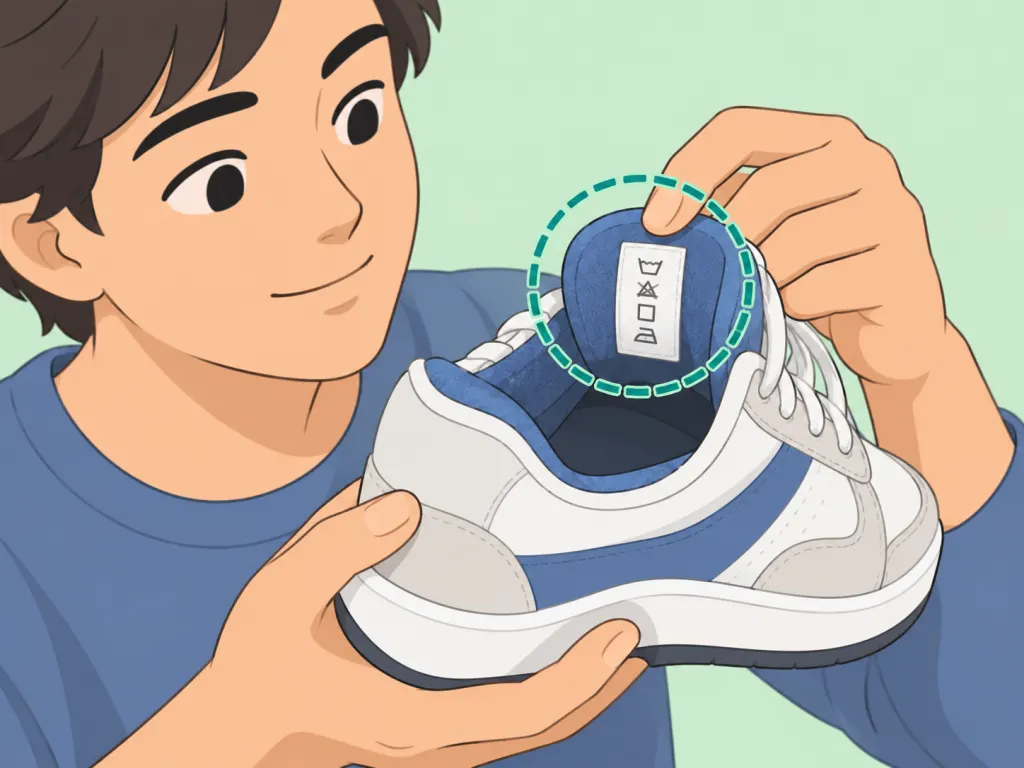
Look for a care tag, box insert, or manufacturer care page before using the washer. If the instructions say hand-wash, spot-clean, or keep the shoes dry, follow that instead. For care wording, the FTC explains that machine washing involves water, detergent, agitation, and a washing machine, so fragile shoes may not tolerate it well.
Step 2: Remove the laces and insoles
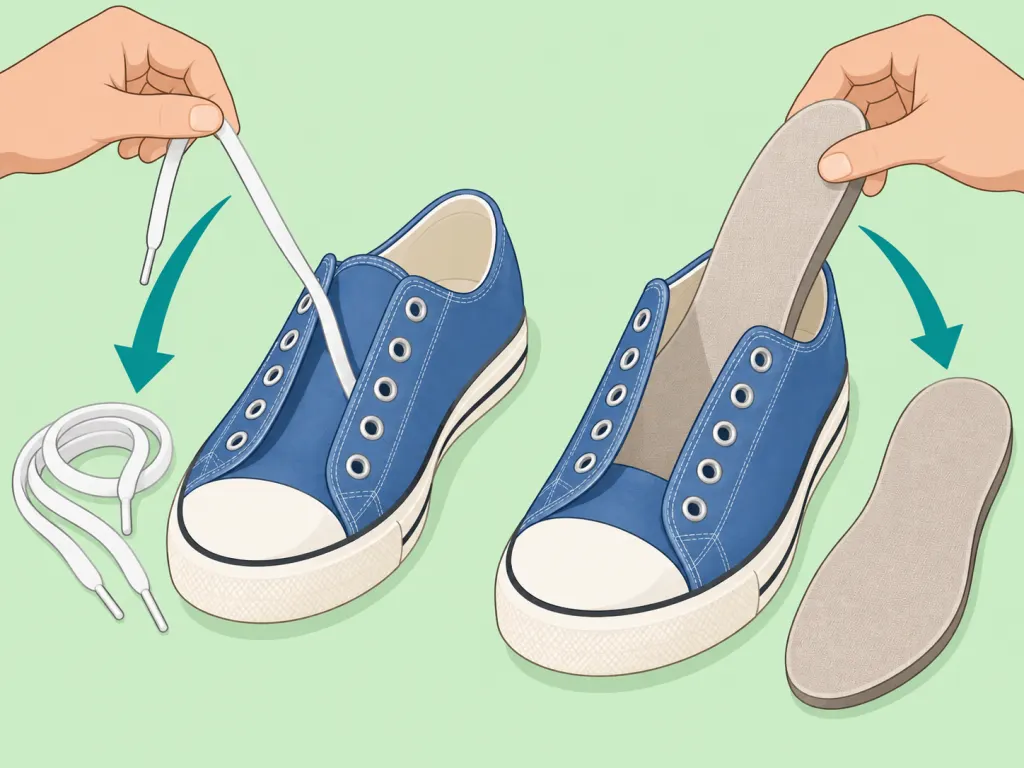
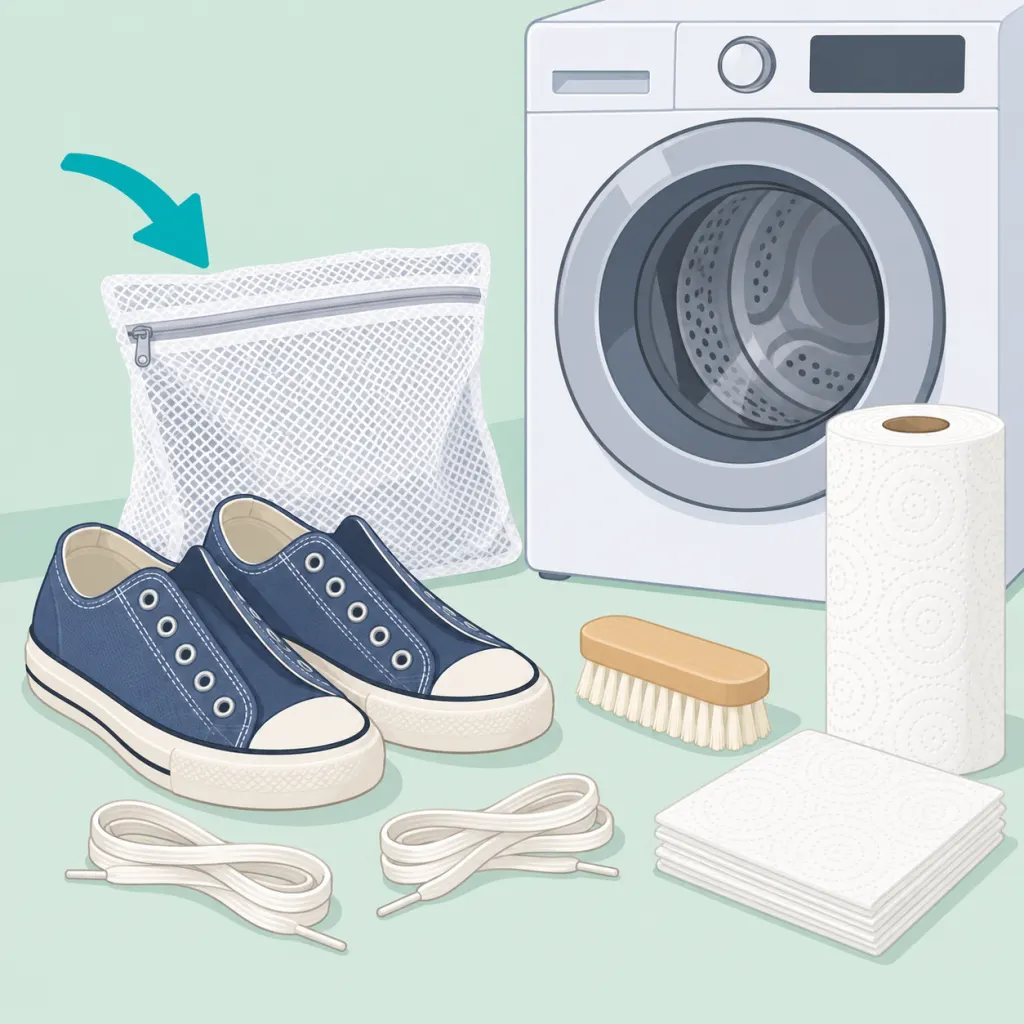
Take out the laces so the tongue and eyelets can rinse clean, then pull out removable insoles so they do not warp or trap water. Wash laces in a small mesh bag or by hand. Wipe insoles separately with a damp cloth and let them air-dry before reassembling the shoes.
Step 3: Brush off mud and packed-in grit
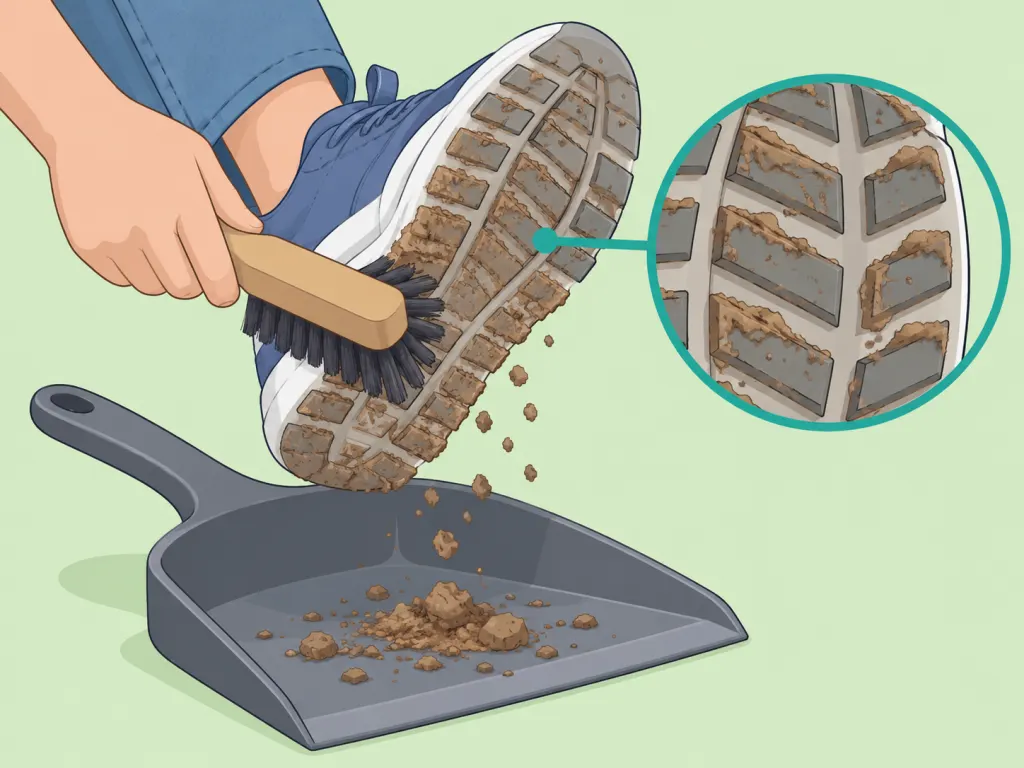
Let wet mud dry first, then tap the soles together outside and brush away as much loose dirt as possible. Purdue Extension recommends removing dried mud from tennis shoes before cleaning, then using gentle scrubbing for what remains. Pay extra attention to tread grooves because University of Wisconsin Extension notes that debris can pack into footwear tread and needs brushing or rinsing out.
Step 4: Pre-clean stained areas gently
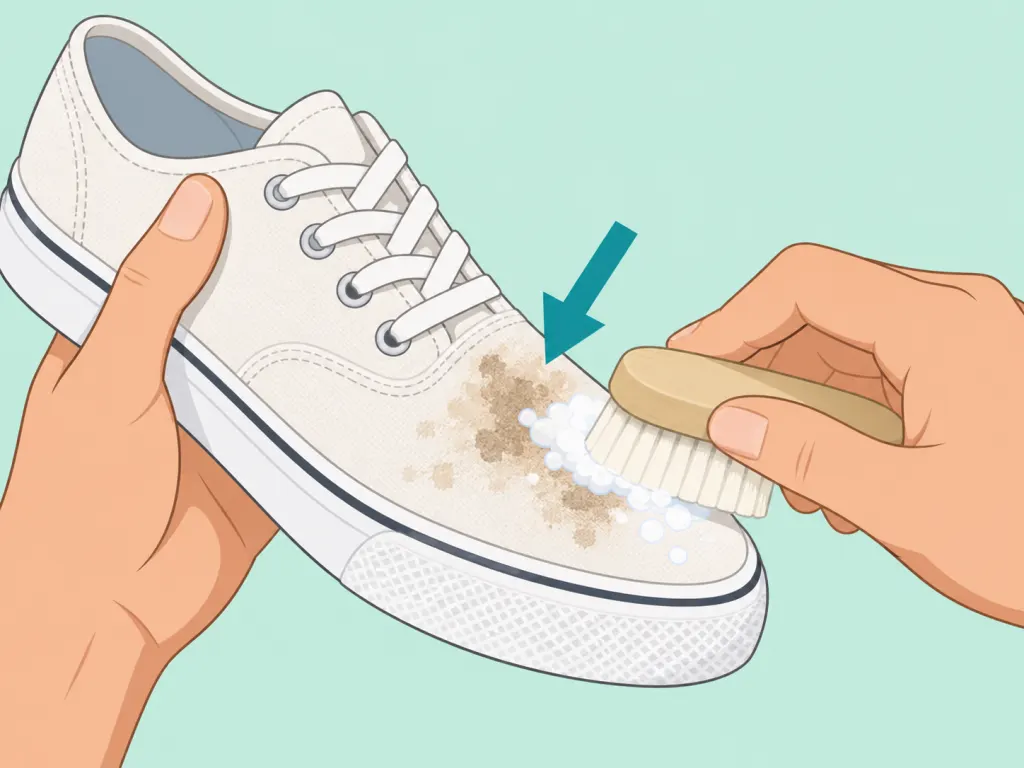
Dab visible fabric stains with cool water and a small amount of mild laundry detergent, then scrub lightly with a soft brush. Avoid soaking shoes for a long time, especially if they have foam, glued overlays, or decorative trim. Purdue Extension's tennis-shoe guidance supports a mild soap solution and gentle scrubbing before air-drying.
Place each shoe in a mesh laundry bag or tied pillowcase so it cannot hit the drum as sharply during the wash. Add the laces in their own small bag if you are washing them at the same time. Wash shoes with a few old towels in similar colors to cushion the load and help the washer stay balanced.
Step 6: Choose a cold gentle cycle with a small amount of detergent
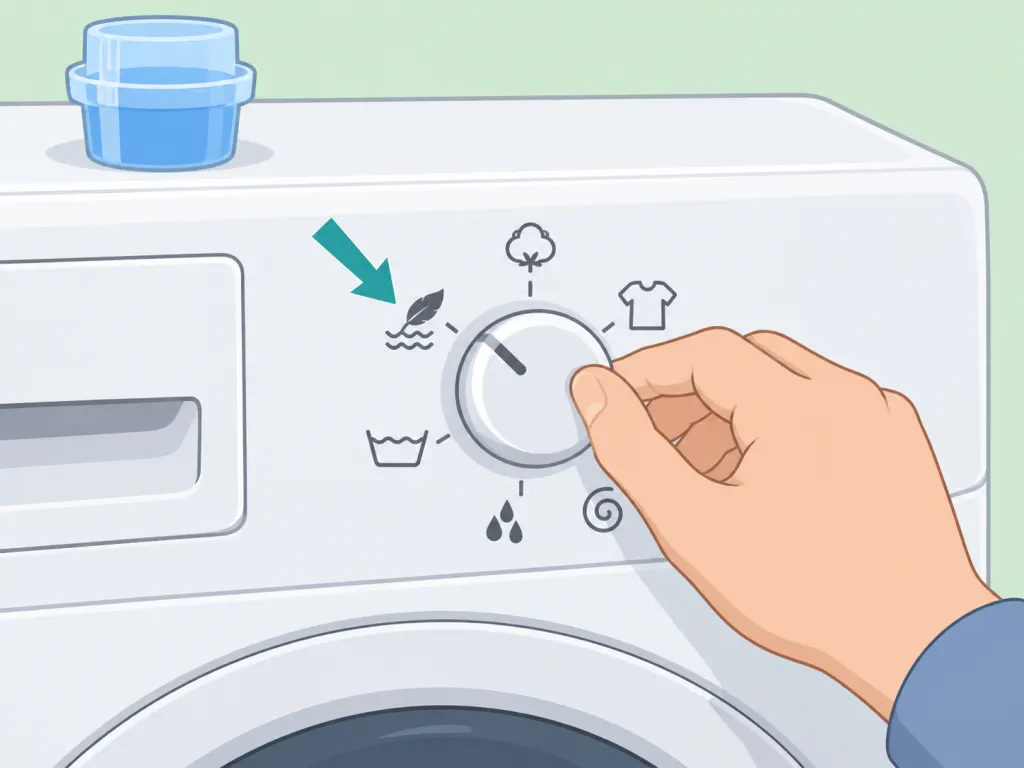
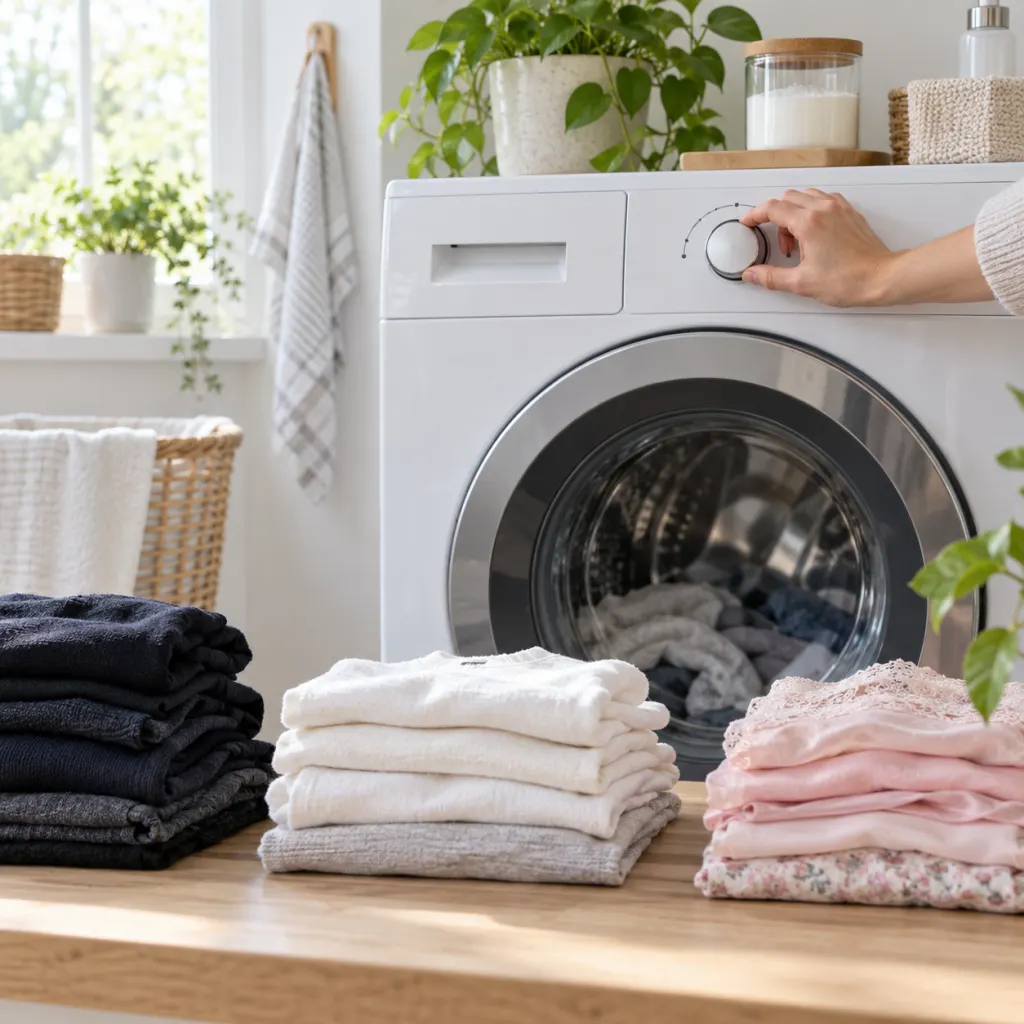
Select cold water and a gentle or delicate cycle, then add only a small amount of liquid laundry detergent. ENERGY STAR says cold water generally cleans well unless oily stains are involved, while the FTC describes gentle cycles as slower agitation with reduced wash time. Too much detergent can leave residue inside fabric uppers and insoles.
Step 7: Skip bleach, disinfectants, and strong cleaners
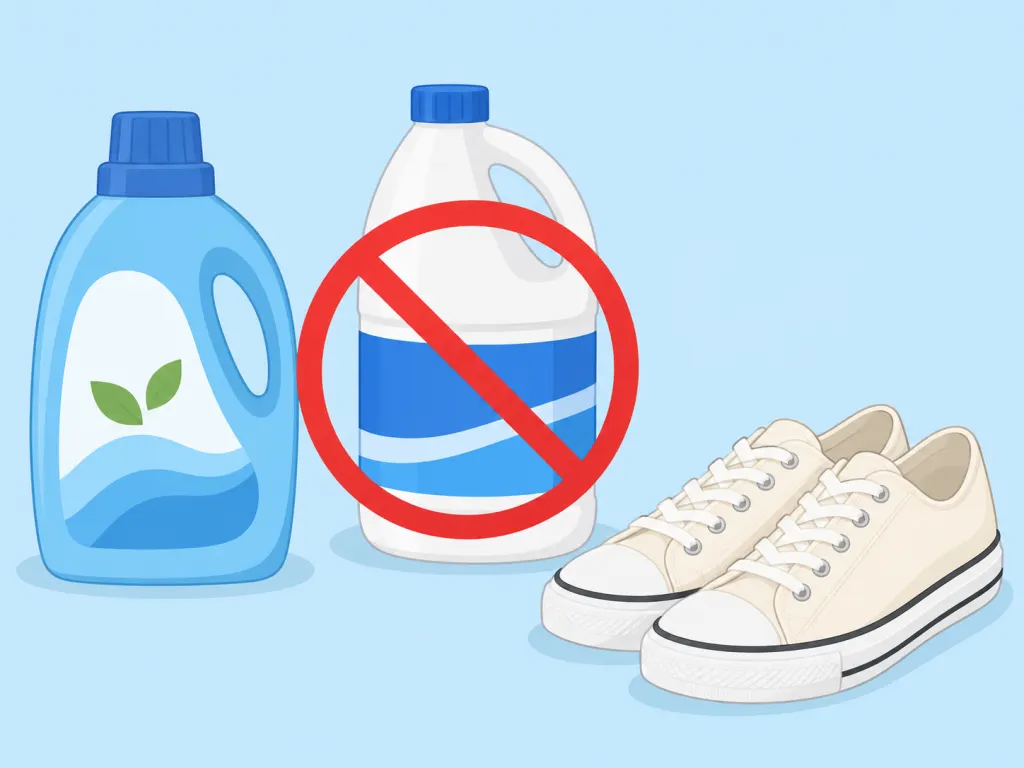
Use plain laundry detergent unless the shoe maker gives a different instruction. CDC guidance says household bleach and disinfectants should never be mixed with other cleaners, and NIOSH warns that cleaning chemicals may require ventilation, gloves, or eye protection depending on the product. Strong cleaners can also discolor fabric and weaken trim.
Step 8: Air-dry the shoes completely
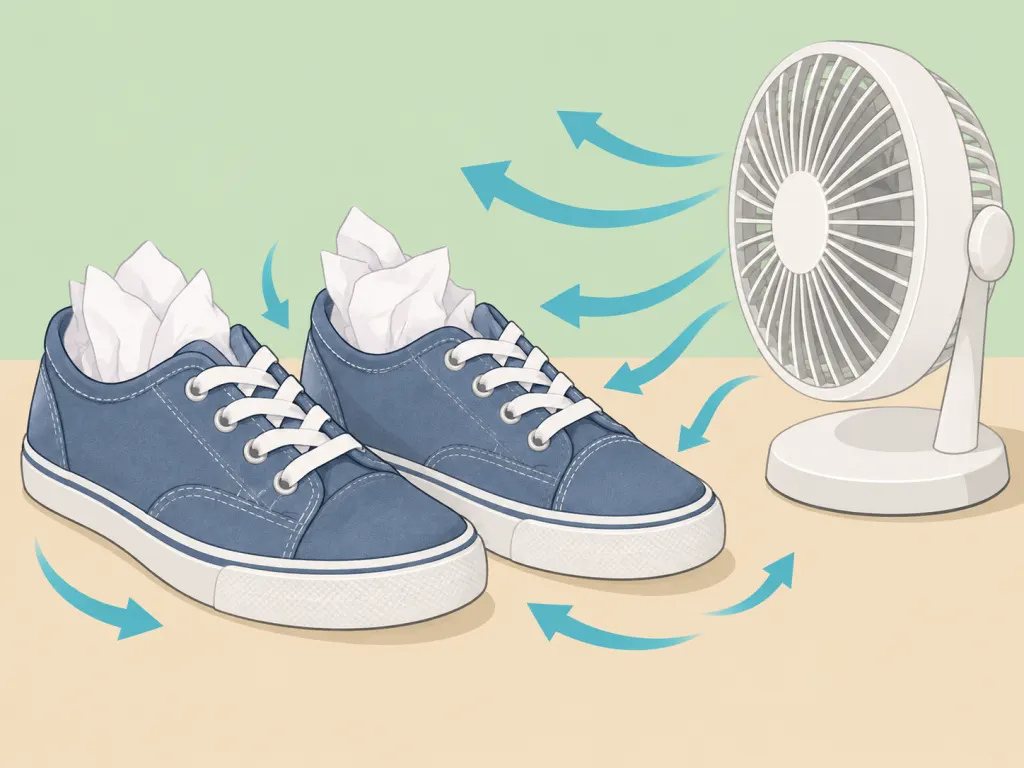
Remove the shoes as soon as the cycle ends, reshape them with clean white paper towels, and set them in a well-ventilated place away from direct heat. Purdue Extension recommends stuffing tennis shoes with clean paper towels and letting them air-dry, and ENERGY STAR notes that air-drying can help items last longer. Replace damp paper as needed until the inside is fully dry.
Step 9: Seek help if a cleaning product affects your skin, eyes, or breathing
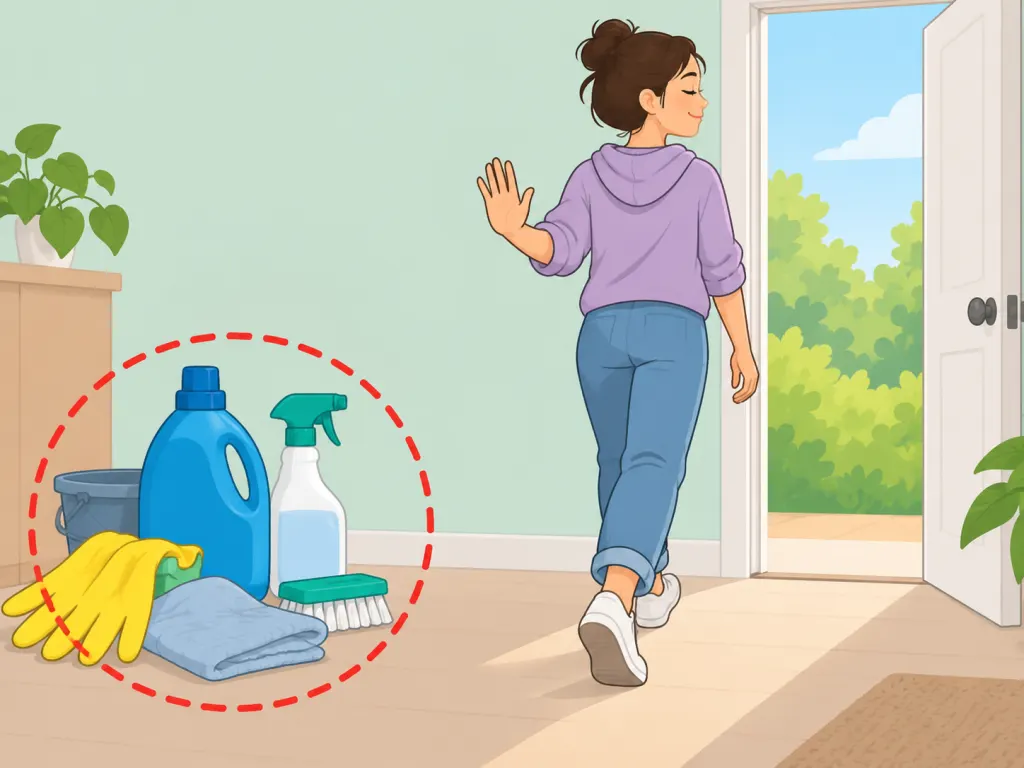
Move to fresh air and rinse exposed skin or eyes with clean water if a product causes irritation. CDC's ammonia fact sheet says to get away, get clean, and get help after chemical exposure, and it lists the Poison Help Line at 1-800-222-1222. For urgent breathing trouble, severe eye pain, or a concerning exposure, call emergency services.
Wrap-Up
The bottom line: machine-wash only shoes that can handle water and agitation, use a cold gentle cycle with a small amount of detergent, and let them air-dry completely. Most damage comes from skipping prep, using harsh products, or rushing the drying step.
Frequently Asked Questions
- → Can all shoes go in the washing machine?
No. Machine washing is best limited to shoes that are clearly washable and mostly made from fabric or synthetic mesh. Skip the washer for leather, suede, delicate trim, electronics, or shoes that already have loose soles or cracked materials.
- → Should I wash the insoles with the shoes?
Remove insoles before the wash. Hand-clean them with a damp cloth and mild soap if they can get wet, then let them air-dry fully before putting them back.
- → What cycle should I use for shoes?
Use a cold, gentle or delicate cycle. The FTC describes a gentle cycle as slower agitation with reduced time, which is a better fit for bulky items than a heavy-duty cycle.
- → Can I put shoes in the dryer after washing them?
Air-drying is the safer choice for most washed shoes. ENERGY STAR notes that air-drying can help items last longer, and heat can be rough on shoe shape, adhesives, and inserts.
- → Why do my shoes still smell after washing?
They may not be fully dry inside, or the insoles may need separate cleaning. Let the shoes dry with airflow, change the paper stuffing when it gets damp, and wait until the inside feels completely dry before wearing them.
- → Can I use bleach to wash white shoes?
Use bleach only if the shoe maker specifically allows it. CDC guidance says bleach products should be used with good ventilation and should never be mixed with other cleaners or disinfectants.
References
This content was developed and refined using reliable sources.
- https://extension.purdue.edu/news/county/white/2020/09/End-of-Summer-Cleaning.html
- https://livestock.extension.wisc.edu/articles/step-into-biosecurity-with-clean-and-disinfected-boots
- https://www.energystar.gov/products/clothes_washers
- https://www.ftc.gov/legal-library/browse/rules/care-labeling-textile-wearing-apparel-certain-piece-goods-text
- https://www.cdc.gov/hygiene/about/cleaning-and-disinfecting-with-bleach.html
- https://www.cdc.gov/chemical-emergencies/chemical-fact-sheets/ammonia.html
- https://stacks.cdc.gov/view/cdc/11929