 Save
Women with few or no friends often share one broad pattern: they may value meaningful, trustworthy connection more than a large social calendar. That can be healthy when solitude is chosen and life still feels supported. It can become harder when caution, past hurt, major life changes, or fear of judgment make connection feel unsafe or exhausting. Research on social connection shows that both the number and quality of relationships matter, and that loneliness is different from simply spending time alone. The CDC defines loneliness as feeling disconnected or lacking a sense of belonging, while social isolation is having few contacts or little support CDC. So the useful question is not, “Why does she have so few friends?” It is, “Does her current circle match what she needs, or has protection turned into isolation?”
First, A Fairer Way To Read The Headline
A headline like this can easily sound judgmental, as if women with small circles are a single personality type. They are not. Some are introverted, some are outgoing but busy, some are rebuilding after a move or breakup, and some are surrounded by people yet still feel unseen. Adult friendship is voluntary and usually built through trust, emotional support, companionship, and mutual disclosure; a systematic review of adult friendship research found that friendship quality and time spent socializing with friends are tied to wellbeing, while also noting gaps and mixed findings across studies PMC.
That matters because a woman can have three close friends and feel deeply supported, or she can have dozens of contacts and still feel lonely. A small circle is not the problem by itself. The real concern is whether she has someone she can count on, whether she wants more connection than she currently has, and whether her habits leave room for reciprocal, imperfect human relationships. The five characteristics below are best read as patterns, not labels. They can help someone understand herself more gently, or help a friend respond with less pressure and more care.
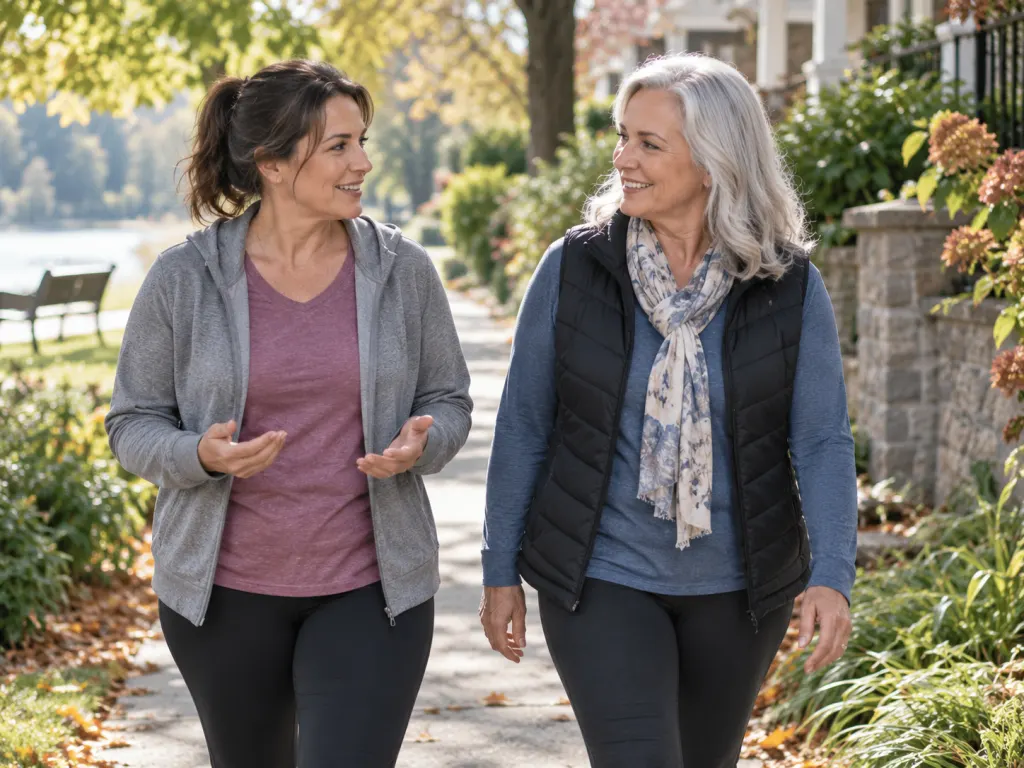
1. They May Be Selective About Closeness
One common characteristic is selectiveness. Some women do not treat every pleasant interaction as the beginning of a friendship. They may be warm at work, kind to neighbors, and friendly in group settings, yet still reserve the word friend for people who have earned trust over time. This can look distant from the outside, but it may simply mean they separate acquaintances from emotionally close relationships.
Research supports the idea that not everyone needs the same number of connections. In a Harvard Gazette interview about the Harvard Study of Adult Development, Robert Waldinger noted that there is no set number of relationships everyone needs, and that some people need fewer relationships than others, while most people benefit from at least one solid relationship they can count on Harvard Gazette. Selectiveness becomes a strength when it protects time for reliable, mutual bonds. It becomes limiting when standards turn so exacting that no ordinary person can meet them. A good self-check is whether the essentials are clear: kindness, honesty, dependability, respect for boundaries. Preferences beyond that, such as identical hobbies, constant availability, or never disappointing each other, may need more flexibility.
2. They Often Prefer Depth Over Constant Availability
Some women with few friends are not avoiding friendship; they are avoiding shallow performance. They may prefer a long honest conversation to a crowded brunch, or a quiet walk with one trusted person to a busy group thread that never rests. They may find constant social maintenance draining, especially when the interaction feels based on gossip, comparison, or keeping up appearances.
This does not make light connection worthless. Casual contact can be pleasant and can sometimes grow into trust. But people differ in how they bond. A woman who values depth may need repeated, low-pressure contact before she feels safe sharing more. The adult friendship review describes friendship as involving companionship, help, emotional security, loyalty, self-validation, and intimacy, which includes mutual self-disclosure PMC. When those ingredients are missing, she may step back rather than maintain a relationship that feels socially busy but emotionally thin.

3. They May Protect Their Energy After Conflict Or Transition
Another pattern is caution after change. A woman may have had a full social life at one point, then lost friends after a move, divorce, workplace change, caregiving season, or values shift. The CDC lists experiences such as divorce, unemployment, loss of a loved one, limited transportation, discrimination, and limited access to community resources among factors that can raise the risk of loneliness or isolation CDC. In real life, these experiences rarely arrive neatly. They can happen together and quietly reduce the energy available for friendship.
Conflict can also change how a person relates. If a friendship ended through betrayal, repeated criticism, or emotional one-sidedness, a woman may become slower to reply, slower to trust, or more alert to warning signs. That is understandable. The risk is that old hurt can start making every new person look unsafe. A balanced approach is to keep protective boundaries while testing trust gradually. Instead of sharing everything immediately or sharing nothing at all, she might let connection grow through small, observable steps: one invitation, one honest answer, one follow-up message, one repaired misunderstanding.
4. They May Be Comfortable With Solitude, But Not Always With Social Performance
Comfort with solitude is different from being lonely. Some women genuinely enjoy their own company. They read, cook, create, study, garden, pray, walk, plan, or rest without needing a constant audience. That can be a sign of inner steadiness. A person who can spend time alone without panic may be less likely to accept poor treatment just to avoid an empty weekend.
Still, solitude and avoidance can look similar from the outside. The difference is often how the person feels afterward and whether fear is making the decision. NIMH explains that social anxiety involves anxiety or fear in situations where a person may be judged, and that avoidance can interfere with daily life and relationships when it becomes persistent NIMH. Personality also plays a role. A study of older adults found that higher extraversion and agreeableness were associated with larger social network sizes, which suggests that some differences in circle size may reflect ordinary personality variation rather than failure PMC. The practical question is simple: does solitude feel restorative, or does it feel like hiding from something wanted?

5. They May Need Safer, Lower-Pressure Ways To Reconnect
Women with small circles often do better with connection that has a natural structure. Open-ended socializing can feel awkward, especially when everyone is expected to mingle, perform, or disclose quickly. A shared activity reduces that pressure. The CDC suggests small acts and community involvement as ways to build connection, including spending quality time with others, volunteering, joining community activities, getting to know neighbors, or sharing things a person already does CDC.
Helpful options often have three traits: they repeat, they create a shared focus, and they do not demand instant intimacy. For example:
- Join a class, book group, walking group, volunteer shift, faith group, or hobby circle that meets more than once.
- Invite one person into an existing routine, such as coffee after errands or a walk after work.
- Use a specific invitation instead of a vague one, such as “Would you like to meet for tea Thursday?”
- Let acquaintances become familiar before expecting them to become close.
- Practice small disclosures, then notice whether the other person responds with care and reciprocity.
How To Tell Chosen Solitude From Isolation
The difference between chosen solitude and isolation is not always visible. Chosen solitude usually feels spacious. The person may enjoy quiet time, but she can still reach out, accept support, and participate when something matters. Isolation feels narrower. It may include wanting connection but declining every invitation, assuming rejection before it happens, or having no one to call when life becomes difficult.
A useful reflection is to look at the pattern over time. Ask: Do I have at least one person who knows what is really happening in my life? Do I avoid people because I prefer peace, or because I expect judgment? Do I leave room for others to be imperfect, or do I end contact at the first awkward moment? Do my boundaries protect my values, or do they protect me from all vulnerability? None of these questions require self-blame. They simply separate a chosen small circle from a circle that became small because life hurt and the door quietly stayed closed.
A Compassionate Takeaway
Having few or no friends does not automatically mean a woman is unfriendly, difficult, or broken. It may mean she is selective, tired, cautious, introverted, in transition, or still looking for people who fit her values. At the same time, connection is a real human need, and a small circle deserves attention if it no longer feels chosen. The healthiest goal is not popularity. It is having enough trustworthy connection to feel known, supported, and able to show up as yourself.
Wrap-Up
Women with few or no friends may be selective, depth-oriented, protective after difficult experiences, comfortable with solitude, or in need of lower-pressure ways to connect. A small circle can be peaceful and healthy when it is chosen. It deserves care when it is driven by fear, unresolved hurt, or lack of support. The best path is not to force a bigger social life, but to build relationships slowly around trust, shared values, and realistic expectations.
Frequently Asked Questions
- → Is it unhealthy for a woman to have only one or two friends?
Not necessarily. The number matters less than whether the relationships are supportive, reciprocal, and reliable. Some people feel satisfied with a very small circle. It becomes more concerning when a person wants more connection but feels unable to build it, or when there is no one trustworthy to turn to during a difficult time.
- → What is the difference between being private and pushing people away?
Privacy means choosing what to share and with whom. Pushing people away usually means rejecting closeness even when part of you wants it. A private person can still accept invitations, offer care, and build trust slowly. Someone who is pushing people away may end contact quickly, assume bad intent, or avoid every chance for deeper connection.
- → Can past friendship hurt make someone more selective?
Yes. After a painful friendship ending, it is common to become more cautious. Selectiveness can be wise when it helps you notice respect, consistency, and shared values. It can become isolating when every new person is judged by an old experience before they have had a chance to show who they are.
- → How can someone with no close friends start again without feeling overwhelmed?
Start with repeated, low-pressure contact instead of trying to create instant closeness. Choose an activity that meets regularly, invite one acquaintance to something specific, or reconnect with someone kind from the past. The goal is not to become suddenly social. It is to create small openings where trust can grow naturally.
- → Should friends be mostly similar to each other?
Shared values help, but identical personalities are not required. A friendship can work when people differ in style but show respect, reliability, curiosity, and care. Sometimes a small circle becomes too small because the filter is based on sameness rather than character. Look for emotional safety first, then allow room for differences.
References
This content was developed and refined using reliable sources.
- https://www.cdc.gov/social-connectedness/risk-factors/index.html
- https://pmc.ncbi.nlm.nih.gov/articles/PMC9902704
- https://news.harvard.edu/gazette/story/2023/02/work-out-daily-ok-but-how-socially-fit-are-you
- https://www.nimh.nih.gov/health/publications/social-anxiety-disorder-more-than-just-shyness
- https://www.cdc.gov/social-connectedness/improving/index.html
- https://pmc.ncbi.nlm.nih.gov/articles/PMC10226003