 Save
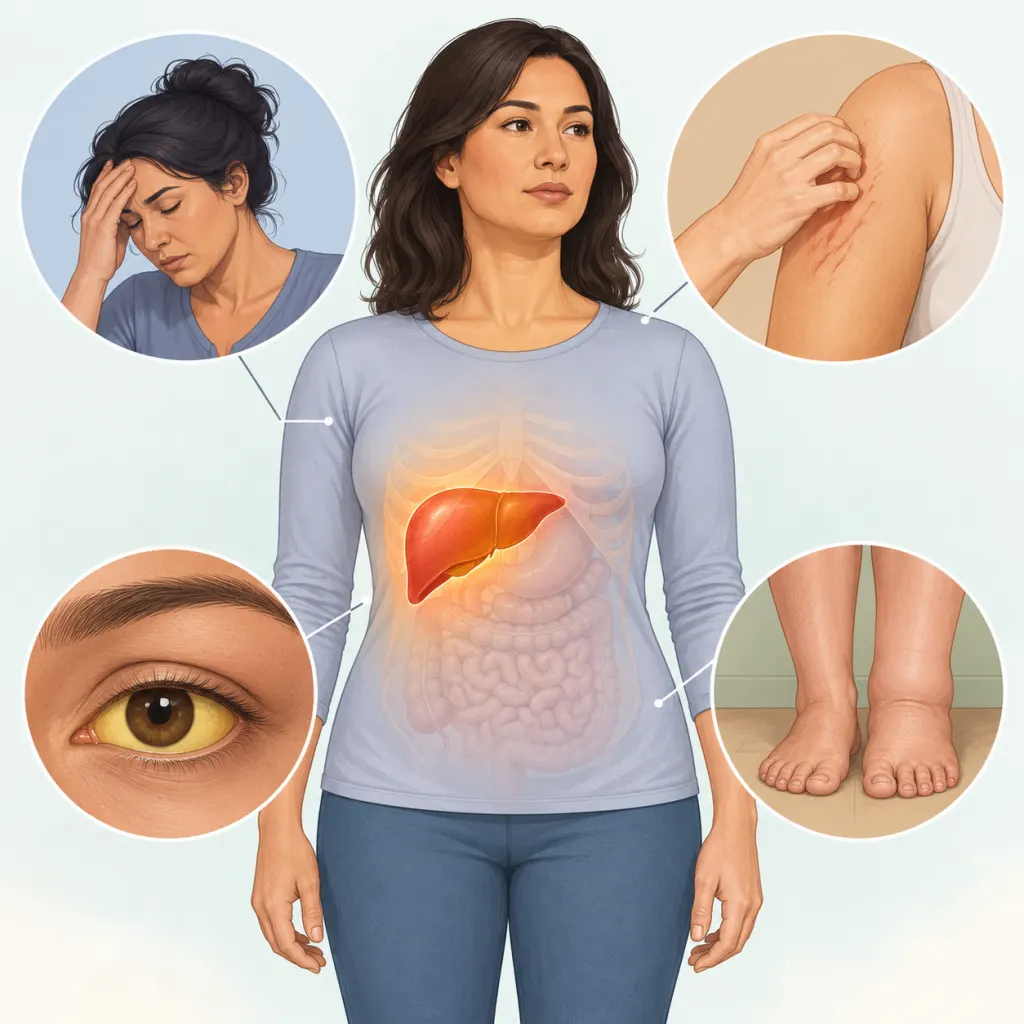
The main warning signs of possible liver problems are persistent tiredness, appetite changes, nausea, discomfort under the right ribs, itching without a clear rash, yellow eyes or skin, dark urine, pale stool, easy bruising, swelling in the legs or belly, unexplained weight or muscle loss, and changes in thinking or sleep. Liver disease can also be quiet at first, so the pattern matters more than any single symptom. Authoritative sources including the NIDDK and Mayo Clinic note that visible or felt symptoms may not appear until liver damage is more advanced.
Why Liver Problems Can Be Easy to Miss
The liver sits under the rib cage on the right side and helps with many daily tasks, including processing nutrients, making bile, handling waste products, and making clotting factors. Because it has a lot of reserve capacity, early liver trouble may not feel dramatic. A person may feel generally run down, mildly queasy, or less hungry and blame stress, aging, sleep, or a busy week. That is why this article focuses on patterns: symptoms that last, symptoms that arrive together, or symptoms that point toward bile flow, blood clotting, fluid balance, or brain function.
None of the signs below proves that the liver is the cause. Fatigue, nausea, itching, swelling, and belly discomfort can come from many conditions. Still, the same signs appear across medical references for liver disease, cirrhosis, jaundice, alcohol-related liver disease, and viral hepatitis. MedlinePlus notes that liver function tests may be used when symptoms such as fatigue, jaundice, swelling, dark urine, light-colored stool, or frequent itching are present, while also explaining that abnormal results usually need more evaluation to find the cause: MedlinePlus liver function tests.

1. Tiredness That Does Not Fit Your Day
Feeling tired is common, but fatigue linked with liver problems is often persistent, hard to explain, and paired with other changes. The NIDDK lists feeling tired or weak among early cirrhosis symptoms, and the CDC includes tiredness among symptoms that can occur with viral hepatitis: CDC viral hepatitis basics. The practical question is not whether one tired day matters. It is whether your energy has changed for weeks, whether usual rest does not help, or whether fatigue appears with appetite loss, nausea, darker urine, yellowing of the eyes, swelling, or bruising.
2. Losing Interest in Food
A poor appetite can be one of the quieter clues. The liver is closely involved in digestion and energy handling, so appetite changes can show up before more obvious signs. NIDDK includes poor appetite and unintentional weight loss among early cirrhosis symptoms. NHS information on alcohol-related liver disease also lists feeling less hungry, weight loss, nausea, vomiting, and upper-right abdominal discomfort among early symptoms: NHS alcohol-related liver disease. Appetite changes deserve attention when they are new, persistent, or not explained by a short illness or clear life event.
3. Nausea or Vomiting Without a Clear Cause
Nausea can be frustrating because it is nonspecific. It may come from infection, stress, medication effects, migraine, stomach conditions, foodborne illness, or many other causes. Still, nausea and vomiting appear repeatedly in liver-related symptom lists, including NIDDK cirrhosis guidance, Mayo Clinic liver disease information, CDC hepatitis guidance, and NHS alcohol-related liver disease guidance. The more useful clue is context: nausea that keeps returning, nausea with appetite loss, nausea with right upper belly discomfort, or nausea with yellowing eyes, dark urine, or pale stool should not be brushed aside.
4. Discomfort Under the Right Ribs
Liver-related discomfort is often described around the upper right abdomen, beneath the ribs. It may be mild rather than sharp. NIDDK describes mild pain or discomfort over the liver in the upper right side of the abdomen among possible early cirrhosis symptoms. Mayo Clinic also lists belly pain and swelling among symptoms that may occur with liver disease. Severe belly pain is different: Mayo Clinic advises seeking medical help right away if belly pain is so bad that you cannot stay still.
5. Itchy Skin With No Obvious Rash
Itching can come from dry skin, eczema, allergies, new soaps, insect bites, and many other ordinary causes. Liver-related itching is worth considering when it is widespread, persistent, not clearly linked to a rash, or paired with jaundice, dark urine, pale stool, or fatigue. NIDDK lists itching in early cirrhosis and severe itchy skin as liver function worsens. Mayo Clinic also includes itchy skin in its liver disease symptom list. This is a good example of a sign that is easy to dismiss until it sits beside other clues.
6. Yellowing of the Eyes or Skin
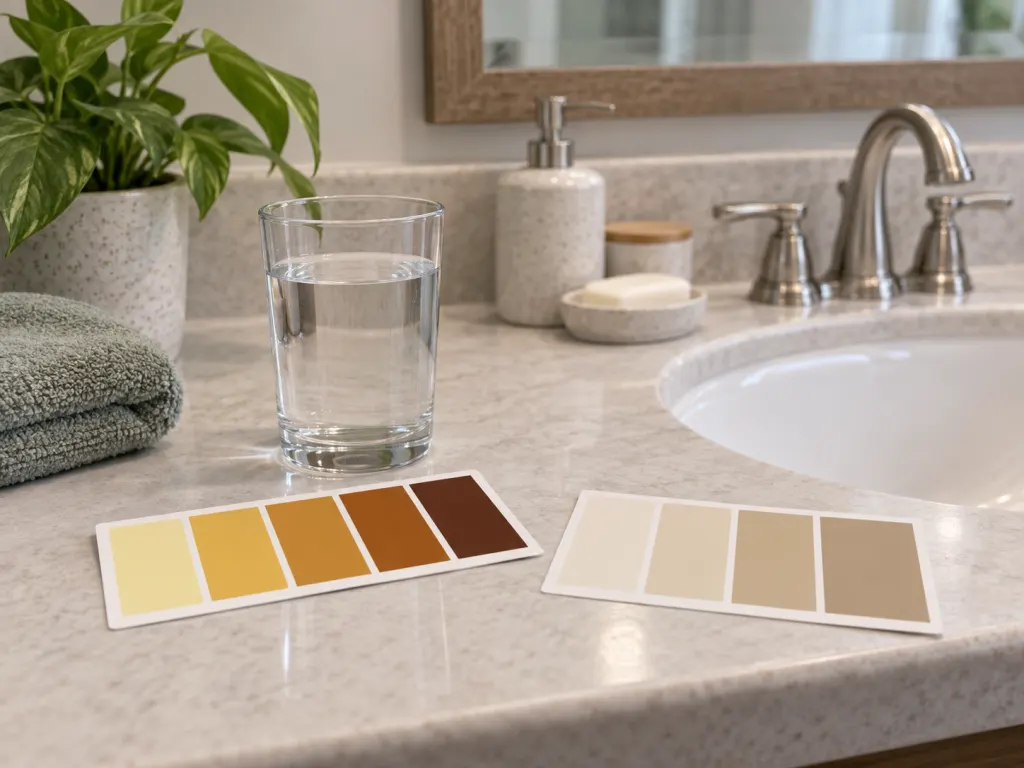
Yellowing of the whites of the eyes or skin is called jaundice. It can be easier to see in the eyes, especially on brown or Black skin, where skin color changes may be less noticeable. The NHS describes jaundice as yellowing of the skin or whites of the eyes and says it can be a sign of something serious, including liver disease: NHS jaundice. Jaundice happens when bilirubin builds up in the body, and it needs prompt medical attention rather than watchful waiting at home.
7. Dark Urine That Is Not Explained by Dehydration
Urine can look darker after heavy sweating, limited fluids, or certain foods and medicines. But dark urine that persists, especially if it looks tea-colored or appears with yellow eyes, pale stool, itching, nausea, or fatigue, can be a liver-related clue. NIDDK lists darkening urine color as cirrhosis worsens, and CDC lists dark urine among symptoms that can occur with viral hepatitis. Because color descriptions are subjective, the pattern and timing matter: a change that remains after normal hydration or appears with other signs is more concerning.
8. Pale, Gray, or Clay-Colored Stool
Stool color varies, but very pale, gray, or clay-colored stool can signal a problem with bile reaching the intestines. Mayo Clinic includes pale stool among possible liver disease symptoms, while CDC lists clay-colored stools among viral hepatitis symptoms. NHS jaundice guidance also mentions paler stool along with darker urine and itching. This sign is easy to miss because people do not always look before flushing, but it can be one of the more specific color changes to report clearly when speaking with a clinician.
9. Bruising or Bleeding More Easily
The liver helps make proteins involved in normal blood clotting. When liver function is impaired, some people bruise more easily or notice unusual bleeding. Mayo Clinic lists bruising easily among liver disease symptoms, and NIDDK lists bruising and bleeding easily as cirrhosis becomes worse. This does not mean every bruise is liver-related; bumps, blood-thinning medicines, aging skin, and other conditions can explain bruising. The concern rises when bruising is new, frequent, unexplained, or paired with swelling, jaundice, dark urine, or black stools.
- Book medical care soon for persistent fatigue, appetite loss, nausea, itching, dark urine, pale stool, swelling, or easy bruising that is new or unexplained.
- Seek urgent help for yellow eyes or skin, vomiting blood, black tarry stool, severe belly pain, sudden confusion, trouble staying awake, or shortness of breath.
- Bring details about alcohol use, prescribed medicines, over-the-counter products, supplements, recent travel, possible hepatitis exposure, family liver history, and when symptoms began.
10. Swelling in the Legs, Ankles, Feet, or Belly
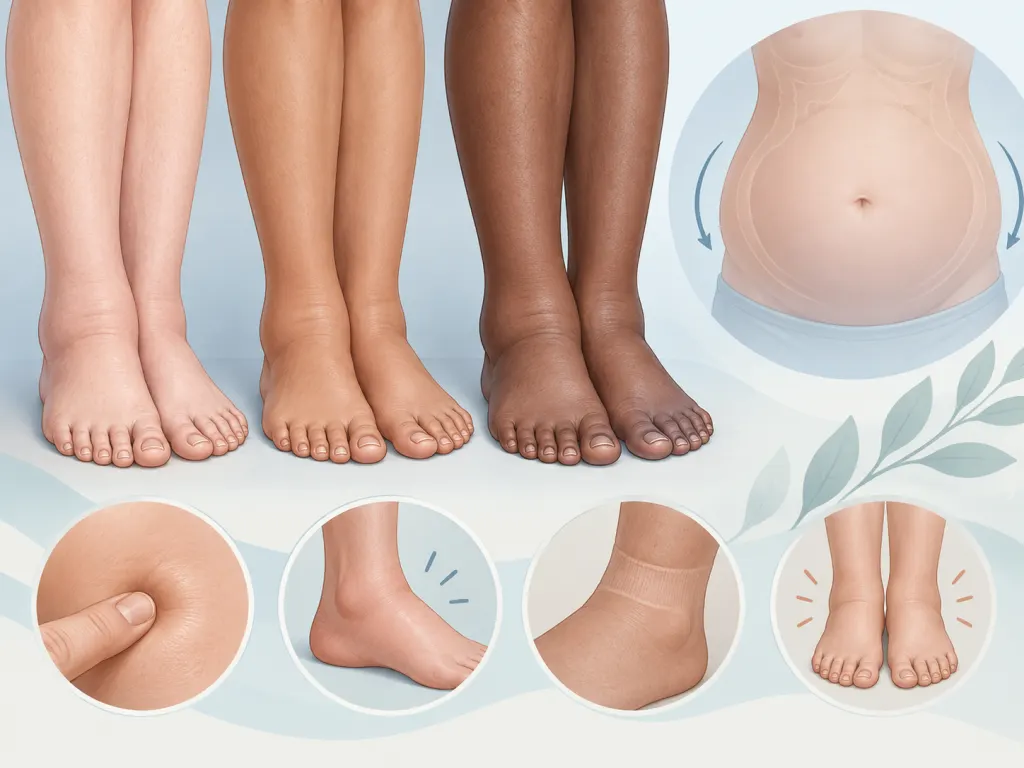
Fluid buildup can show up as swelling in the lower legs, ankles, or feet, or as a swollen abdomen. NIDDK names leg, ankle, and foot swelling as edema and abdominal fluid buildup as ascites. Mayo Clinic also lists swelling in the legs and ankles and belly pain and swelling among liver disease symptoms. Swelling has many possible causes, including heart, kidney, vein, medication, and hormone-related issues, so the safest interpretation is not self-diagnosis. It is a reason to be evaluated, especially when swelling is increasing or arrives with breathlessness, jaundice, or confusion.
11. Unexplained Weight Loss or Muscle Loss
Unintentional weight loss can reflect many health issues, but it appears in liver-related guidance because chronic liver disease can affect appetite, energy use, and muscle. NIDDK lists losing weight without trying, muscle loss, and weakness among early cirrhosis symptoms. NHS alcohol-related liver disease guidance also lists losing weight without trying among early symptoms. A bathroom scale alone does not tell the whole story. Looser clothing, reduced strength, a smaller appetite, and fatigue can be useful details to share with a health professional.
12. Confusion, Sleep Changes, or Personality Changes
Changes in thinking can be one of the more serious warning signs. NIDDK lists confusion, difficulty thinking, memory loss, personality changes, and sleep disorders among symptoms that can occur as liver function worsens. NHS guidance on alcohol-related liver disease warns that sudden confusion, dizziness, difficulty staying awake, vomiting blood, black sticky stool, breathing difficulty, or significant abdominal pain requires emergency help. Do not wait to see whether sudden confusion clears on its own, especially if liver disease is known or suspected.
How Doctors Sort Out What Is Going On
A clinician usually starts with the story: what changed, when it began, whether symptoms come and go, and what risk factors are present. NIDDK says cirrhosis may be evaluated with medical history, physical exam, blood tests, and imaging tests. MedlinePlus explains that liver function tests can show patterns suggesting inflammation, bile duct problems, or impaired liver function, but the tests alone usually cannot identify one exact disease. That distinction matters. A single abnormal number or a single symptom rarely provides a complete answer; the pattern across symptoms, history, exam, and testing is what guides the next step.
Why the Same Sign Can Mean Different Things
Many liver warning signs overlap with common conditions. Itching may be dermatologic. Fatigue may be sleep-related. Nausea may be gastrointestinal. Swelling may be circulatory. Dark urine may be dehydration. The reason liver signs deserve attention is that they can cluster. Yellowing eyes plus dark urine and pale stool tells a different story than one dark morning urine sample after a hot day. Ongoing fatigue plus appetite loss and upper-right abdominal discomfort is different from a single tired weekend. Good observation helps a medical visit become more useful without turning every small change into panic.
A Calm Way to Prepare for an Appointment
If you are worried about possible liver symptoms, write down concrete observations before your visit. Note when the symptom started, whether it is worsening, whether anything improves or triggers it, and whether other signs appeared around the same time. Include alcohol use honestly, even if it feels uncomfortable, because it can change which tests are useful. List prescribed medicines, over-the-counter products, supplements, and recent changes. Also mention travel, possible exposure to hepatitis, tattoos or piercings, injection drug use, blood exposure, family liver conditions, and previous abnormal liver blood tests.
It is also worth taking photos of visible changes, such as yellowing in the eyes, unusual swelling, or bruising, especially if they come and go. For stool and urine color, plain descriptions are enough: tea-colored urine, very pale stool, black sticky stool, or blood. Do not stop prescribed medicines, begin supplements, or make major alcohol changes without professional guidance. NHS guidance specifically warns that people who regularly drink too much alcohol should get medical help before trying to stop suddenly, because sudden withdrawal can be dangerous.
Wrap-Up
Liver problems can be quiet early, and the most useful clue is often a pattern rather than one isolated symptom. Persistent fatigue, appetite loss, nausea, right upper belly discomfort, itching, jaundice, dark urine, pale stool, easy bruising, swelling, unexplained weight or muscle loss, and confusion all deserve attention when they last, worsen, or appear together. Seek urgent medical help for yellow eyes or skin, vomiting blood, black tarry stool, severe belly pain, sudden confusion, trouble staying awake, breathing difficulty, or rapidly increasing swelling. For non-urgent concerns, bring a clear symptom timeline and a complete list of medicines, supplements, alcohol use, and risk factors to a doctor or qualified health professional.
Frequently Asked Questions
- → Can liver problems happen without symptoms?
Yes. Several authoritative sources note that liver disease or hepatitis may cause no obvious symptoms at first. That is why risk factors, routine blood work, and persistent patterns of symptoms matter. A doctor can decide whether testing is appropriate.
- → Is yellowing of the eyes always related to the liver?
Not always, but it is important. Jaundice can have several causes, including liver disease, gallstones, hepatitis, and other conditions. Because some causes are serious, yellow eyes or skin should be assessed promptly by a qualified health professional.
- → Are dark urine and pale stool enough to know the cause?
No. Dark urine can happen with dehydration, and stool color can vary. But dark urine together with pale or clay-colored stool, itching, yellowing eyes, nausea, or fatigue is a stronger reason to seek medical advice.
- → What symptoms need urgent help?
Seek urgent help for yellow eyes or skin, vomiting blood, black tarry stool, severe belly pain, sudden confusion, trouble staying awake, breathing difficulty, or rapidly increasing belly swelling. These can signal serious illness and should not be watched at home.
- → What should I tell my doctor about possible liver symptoms?
Share when symptoms began, whether they are changing, alcohol use, medicines, supplements, recent travel, possible hepatitis exposure, family liver history, and any previous abnormal liver blood tests. Clear details help the clinician choose the right evaluation.
References
This content was developed and refined using reliable sources.
- https://www.niddk.nih.gov/health-information/liver-disease/cirrhosis/symptoms-causes
- https://www.mayoclinic.org/diseases-conditions/liver-problems/symptoms-causes/syc-20374502
- https://www.medlineplus.gov/lab-tests/liver-function-tests
- https://www.cdc.gov/hepatitis/about
- https://www.nhs.uk/conditions/Jaundice
- https://www.nhs.uk/conditions/alcohol-related-liver-disease-arld