 Save
The fastest safe way to clear mucus and phlegm from the throat and nose is to keep secretions moist, reduce irritation, and help the nose drain normally. Sip fluids, use a cool-mist humidifier if the air is dry, try saline spray, and consider a saline nasal rinse only with sterile, distilled, previously boiled, or properly filtered water. Mucus is not automatically a bad sign; it traps particles and keeps delicate airway surfaces from drying out. The problem is usually not that the body makes mucus, but that swelling, dryness, infection, allergies, or irritants make it thicker, stickier, or harder to move. This guide explains what is happening, which home steps are reasonable, and when symptoms should be checked by a clinician.
What You Are Feeling
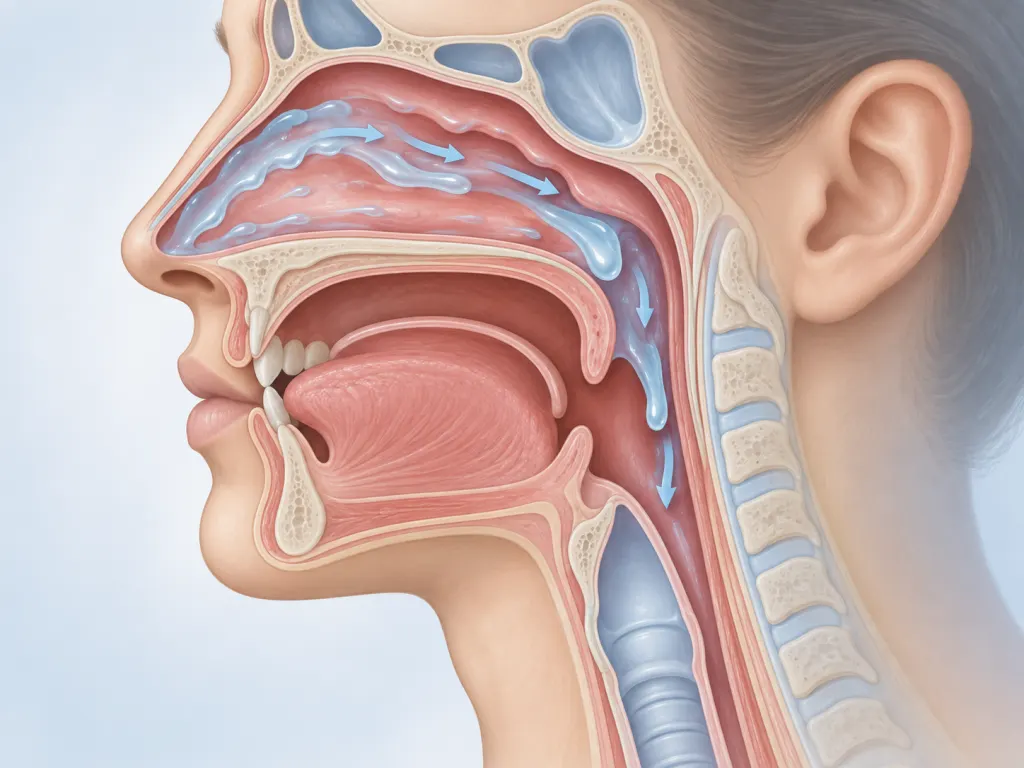
Mucus lines the nose, sinuses, throat, and lower airways. It helps trap dust, pollen, smoke particles, and germs before they travel deeper. Phlegm is usually used for thicker mucus that comes from the lower airways or is coughed up from the throat. Postnasal drip happens when mucus drains from the nose or sinuses toward the back of the throat, where it can cause throat clearing, cough, hoarseness, or a feeling that something is stuck. Cleveland Clinic describes postnasal drip as excess mucus moving down the throat, often linked with colds, allergies, sinus problems, reflux, weather changes, or certain irritants https://my.clevelandclinic.org/health/diseases/23082-postnasal-drip.
Color alone does not prove what caused the congestion. Clear mucus can appear with allergies, cold air, or a viral cold. Thicker yellow or green mucus can happen as immune cells and fluids collect, but it does not by itself prove a bacterial problem. More useful clues are the whole pattern: how long symptoms have lasted, whether fever is present, whether drainage is on one side, whether breathing is affected, and whether symptoms arrive with a clear trigger such as pollen, cleaning fumes, dusty rooms, spicy food, or a weather shift. MedlinePlus notes that cough and nasal symptoms often have many possible causes, so persistent or severe symptoms deserve context rather than guesswork https://www.medlineplus.gov/ency/article/003049.htm.
- Cold or respiratory virus: often starts with sore throat, runny nose, congestion, cough, and tiredness, then improves gradually.
- Allergic rhinitis: often brings sneezing, itchy eyes or nose, watery drainage, and repeat patterns around pollen, pets, mold, or dust.
- Nonallergic rhinitis: can flare with weather changes, odors, smoke, fumes, foods, or other non-allergic triggers.
- Dry indoor air: can make mucus feel thick and sticky, especially overnight.
- Reflux or throat irritation: may create throat clearing, hoarseness, or mucus sensation without much nasal blockage.
Make Secretions Easier To Move
Start with simple comfort measures that support moisture. Drink enough fluids that your mouth and throat do not feel dry. Warm drinks may feel soothing, but they do not need special ingredients to be useful. A cool-mist humidifier can help when indoor air is dry, as long as it is cleaned regularly so it does not spread mineral dust or microbes. A warm shower may loosen dried nasal mucus, but avoid leaning over a pot of boiling water or using steam that can burn the skin or airway. MedlinePlus specifically cautions against inhaling hot steam for cough care because of burn risk https://www.medlineplus.gov/ency/article/003049.htm.
Use Saline Rinses Safely
Saline spray and saline rinse are different. Saline spray lightly moistens the nose and is usually easier for beginners. A rinse, often done with a squeeze bottle or neti pot, sends a larger amount of salt water through the nasal passages. Rinsing may help wash out mucus, pollen, and irritants for some people, and Mayo Clinic lists saline nasal irrigation among self-care measures that may help with seasonal allergy symptoms https://www.mayoclinic.org/diseases-conditions/hay-fever/in-depth/seasonal-allergies/art-20048343. The safety step is the water: the FDA says nasal rinse water should be distilled, sterile, previously boiled and cooled, or passed through a filter designed to remove potentially harmful organisms https://www.fda.gov/consumers/consumer-updates/rinsing-your-sinuses-neti-pots-safe.
If you rinse, use clean hands, a clean device, and a saline packet or recipe made for nasal use. Follow the device instructions, lean over a sink, breathe through the mouth, and stop if rinsing causes ear pressure, nosebleed, or significant discomfort. Rinse devices also need time to air-dry between uses. Do not share them. People with a weakened immune system, recent nasal or sinus surgery, frequent nosebleeds, or ear problems should ask a qualified professional before making nasal rinsing part of a routine.

Match The Cause To The Setting
Congestion that appears every spring, after mowing, around pets, or after cleaning dusty rooms points toward an exposure pattern. Mayo Clinic advises reducing pollen exposure by checking pollen counts, closing windows during high-pollen times, showering after outdoor exposure, and using air conditioning when appropriate https://www.mayoclinic.org/diseases-conditions/hay-fever/in-depth/seasonal-allergies/art-20048343. If symptoms flare around smoke, perfumes, cleaning odors, temperature changes, or spicy foods, the pattern may fit nonallergic rhinitis, where avoidance of personal triggers can matter more than pollen strategies. Mayo Clinic describes nonallergic rhinitis as chronic sneezing, congestion, or runny nose without an allergic cause, often connected with irritants, weather, foods, or other factors https://www.mayoclinic.org/diseases-conditions/nonallergic-rhinitis/diagnosis-treatment/drc-20351235?p=1.
A simple symptom diary can be surprisingly useful. Write down the time symptoms start, where you were, what the air was like, whether windows were open, whether you were near smoke or strong scents, and whether symptoms eased after leaving the setting. This does not diagnose the cause, but it can show patterns that help a clinician or pharmacist suggest safer next steps. It can also keep you from changing too many things at once. If every evening feels worse, the answer might be bedroom dust, dry air, reflux after late meals, or postnasal drainage that becomes more noticeable when lying down.
What To Avoid
Be cautious with strong essential oils, menthol-heavy products, and very spicy mixtures near the nose. Some people like the sensation, but strong scents can irritate nasal passages, and irritation can make congestion feel worse. Avoid smoking and secondhand smoke because smoke irritates the airway lining. Do not put garlic, onion juice, vinegar, undiluted oils, or other harsh substances inside the nose. They can injure delicate tissue. Also be careful with repeated use of medicated nasal sprays unless a clinician has advised it; some products can lead to rebound congestion when used too long. If a product label gives a time limit, take that limit seriously and ask a pharmacist or clinician when unsure.

When To Seek Medical Care
Most mild congestion linked with a cold improves with time and supportive care. Get medical advice promptly if mucus or phlegm comes with breathing trouble, chest pain, blue lips, confusion, severe weakness, facial swelling, severe headache, stiff neck, blood, or a high fever. Also check in if symptoms last more than about ten days without improvement, improve and then suddenly worsen, or include thick drainage from only one nostril with a bad smell. MedlinePlus advises contacting a health care provider for cough with symptoms such as shortness of breath, fever, thick yellow-green phlegm, wheezing, or cough lasting longer than expected https://www.medlineplus.gov/ency/article/003049.htm. Children, older adults, and people with chronic lung, heart, or immune conditions may need earlier advice.
A Practical Day Plan
For an ordinary stuffy-nose day, keep the plan plain and repeatable. In the morning, drink fluids, gently blow the nose one side at a time, and use saline spray if the nose feels dry. During the day, reduce obvious triggers: keep away from smoke, strong scents, dusty areas, and outdoor pollen when counts are high. If you use a rinse, prepare it safely and clean the device afterward. In the evening, raise the head slightly if postnasal drip is more noticeable lying flat, run a clean cool-mist humidifier if the room is dry, and give the body time to recover. The goal is not to force every bit of mucus out. The goal is to make normal drainage easier while watching for signs that the situation is more than routine congestion.
Wrap-Up
Mucus and phlegm are part of the body’s normal airway defense, but they can become uncomfortable when secretions thicken or drainage slows. The most useful home steps are gentle: fluids, moist air, saline spray, safe saline rinsing, trigger reduction, and patience while a short illness runs its course. Use only safe water for nasal rinses, avoid hot steam and harsh substances in the nose, and seek medical care when symptoms are severe, prolonged, one-sided, bloody, linked with breathing trouble, or concerning for your age or health background.
Frequently Asked Questions
- → Is mucus in the throat always coming from the lungs?
No. A throat full of mucus can come from postnasal drip, where mucus drains from the nose or sinuses toward the back of the throat. It can also come from the lower airways, reflux irritation, dry air, or a respiratory illness. The pattern matters: nasal stuffiness, sneezing, itchy eyes, cough, fever, or shortness of breath point in different directions.
- → Can I use tap water in a neti pot or nasal rinse bottle?
Do not use plain tap water for nasal rinsing. The FDA advises using distilled, sterile, previously boiled and cooled water, or water passed through a filter designed for this purpose. Nasal rinse devices should also be cleaned and allowed to air-dry between uses.
- → Does yellow or green mucus mean I need antibiotics?
Color by itself is not enough to decide the cause or the right care. Mucus can change color during common respiratory illnesses. More important signs include how long symptoms have lasted, whether they are worsening, whether fever or breathing trouble is present, and whether drainage is one-sided or foul-smelling. A clinician can judge the full pattern.
- → What helps mucus feel less sticky at night?
Try fluids through the day, a clean cool-mist humidifier if the bedroom air is dry, saline spray before bed, and reducing dust or smoke exposure. Some people notice more postnasal drip lying flat, so a slight head elevation may feel more comfortable. Avoid hot steam because it can burn.
- → When should I stop managing mucus at home and ask for help?
Ask for medical advice if symptoms are severe, last longer than expected, improve and then worsen, or come with breathing trouble, chest pain, high fever, facial swelling, blood, confusion, or one-sided foul-smelling nasal drainage. People with chronic health conditions, older adults, young children, or anyone who feels unusually unwell should seek advice sooner.
References
This content was developed and refined using reliable sources.
- https://my.clevelandclinic.org/health/diseases/23082-postnasal-drip
- https://www.medlineplus.gov/ency/article/003049.htm
- https://www.mayoclinic.org/diseases-conditions/hay-fever/in-depth/seasonal-allergies/art-20048343
- https://www.fda.gov/consumers/consumer-updates/rinsing-your-sinuses-neti-pots-safe
- https://www.mayoclinic.org/diseases-conditions/nonallergic-rhinitis/diagnosis-treatment/drc-20351235?p=1