 Save
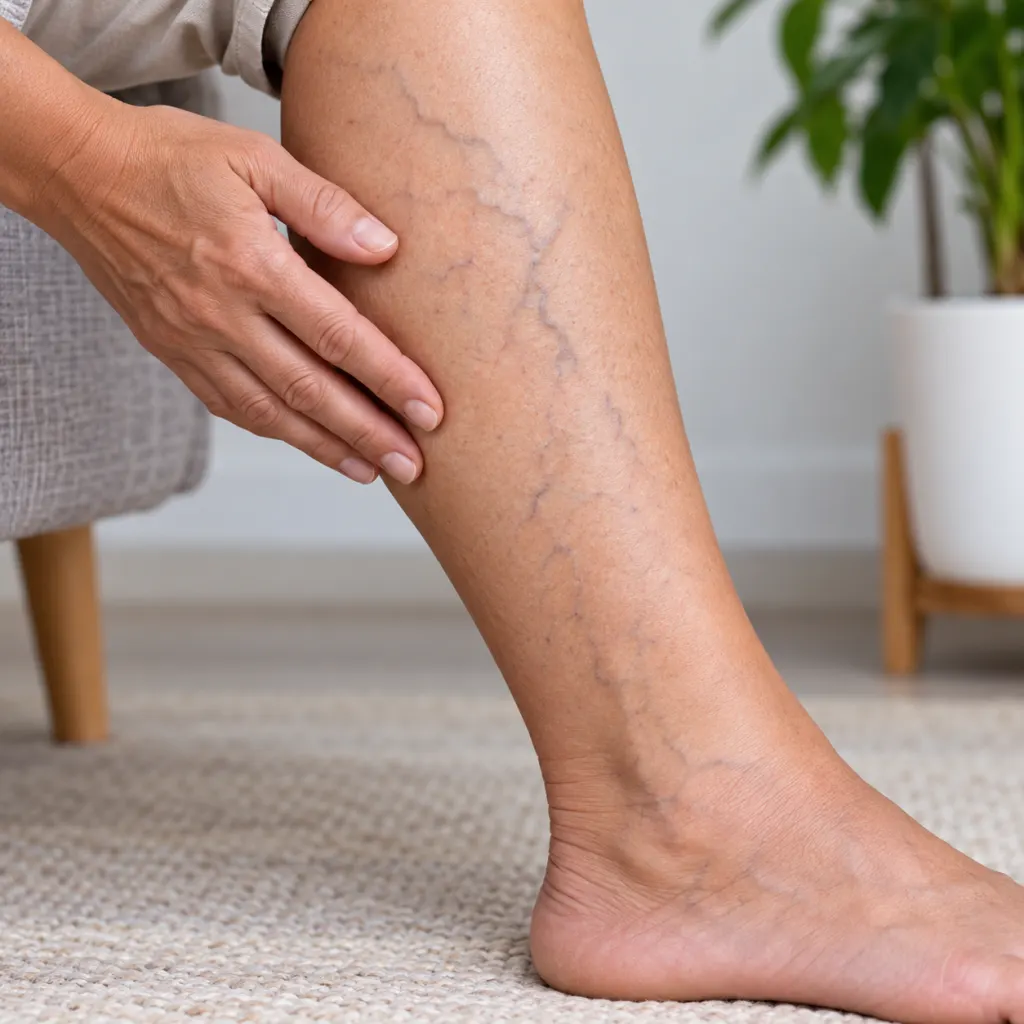
Visible veins do not automatically mean something is wrong. In many people, they simply show through thinner skin, appear after exercise or heat, or become more noticeable with age. They deserve closer attention when they are new, bulging, painful, itchy, warm, bleeding, linked with swelling, or paired with skin color changes or sores. The main question is not only, Can I see a vein? It is, What else is happening around it?
This article focuses on visible veins in the legs, hands, arms, and face, with special attention to spider veins, varicose veins, and signs that should be checked by a clinician. It cannot identify the cause from appearance alone, but it can help you sort normal variation from changes that need a conversation with a qualified health professional.
The quick answer: appearance alone is not the whole story
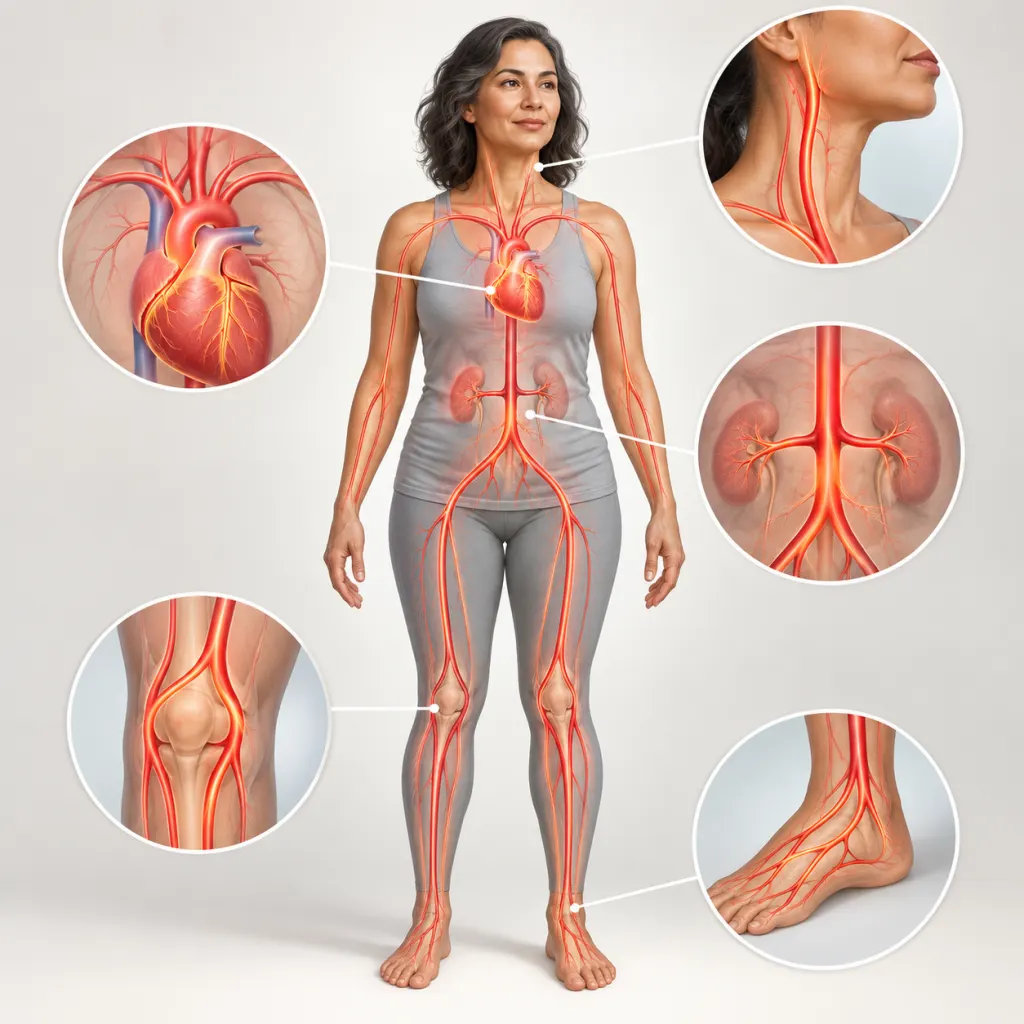
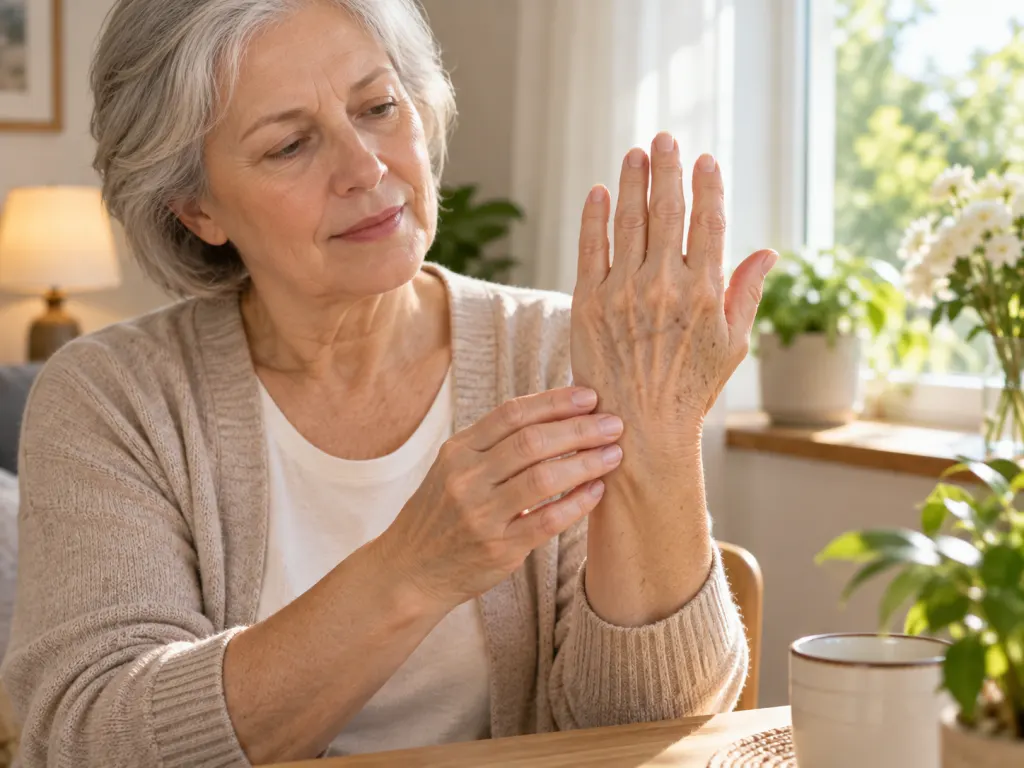
Veins carry blood back toward the heart. Some are deep, and some are closer to the skin. When a superficial vein is close to the surface, it may be easy to see, especially on the hands, forearms, feet, or legs. Skin also changes over time. The National Institute on Aging explains that skin tends to become thinner, paler, and less elastic with age, and blood vessels can become more fragile, which can make vascular changes easier to notice https://www.nia.nih.gov/health/skin-care/skin-care-and-aging.
Why veins can become easier to see
Several ordinary factors can make veins stand out for a while. Heat can widen blood vessels near the skin. Exercise can make veins more prominent because working muscles need increased blood flow. Lower body fat or thinner skin can make veins easier to see. Aging, sun exposure, and natural changes in collagen and elastin can also change how much the vessels beneath the skin show through.
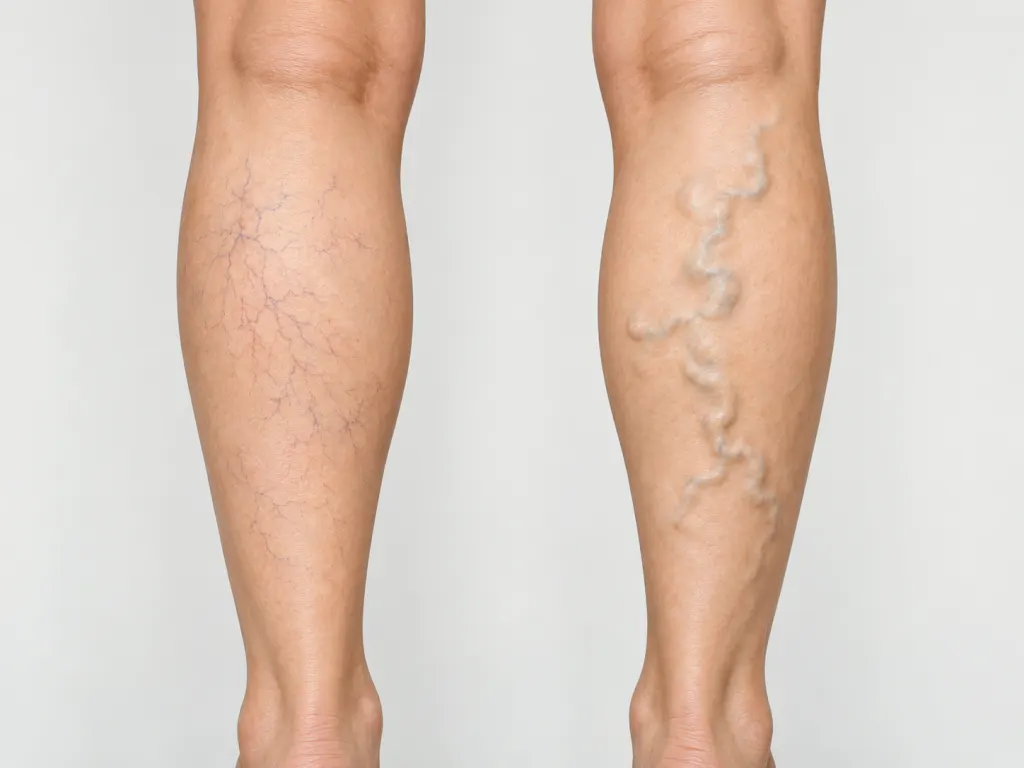
Location matters too. A blue-green line on the back of the hand may be a normal superficial vein. Fine red, blue, or purple branching lines on the face or legs are more consistent with spider veins. Larger, twisted, raised veins in the legs or ankles are more consistent with varicose veins. The National Heart, Lung, and Blood Institute describes varicose veins as swollen, twisted veins just under the skin, usually in the legs https://www.nhlbi.nih.gov/health/varicose-veins.
Spider veins and varicose veins are not the same
Spider veins are usually small, flat, branch-like visible blood vessels. Cleveland Clinic notes that spider veins are often harmless on their own, though they may sometimes appear alongside other blood flow problems https://my.clevelandclinic.org/health/diseases/24567-spider-veins. Varicose veins are larger and may look twisted, raised, rope-like, or bulging. They are most common in the legs because leg veins work against gravity.
- More likely ordinary: visible but flat veins without pain, swelling, warmth, sores, bleeding, or a major recent change.
- Worth scheduling a check: veins that are bulging, itchy, heavy-feeling, aching, or worse after long standing.
- Needs prompt care: sudden leg swelling, tenderness, warmth, redness or discoloration, shortness of breath, chest discomfort, bleeding from a varicose vein, or a new sore near the ankle.
Symptoms that matter more than color
Color can be misleading. Veins may look blue, purple, green, red, or harder to see depending on skin tone, lighting, and depth below the surface. A visible vein that is painless and stable is different from one that arrives with heaviness, cramping, burning, swelling, or skin changes. NHLBI lists symptoms of varicose veins that can include bulging bluish veins, itching or burning discomfort, skin color changes, leg swelling, aching, heaviness, and nighttime leg cramps https://www.nhlbi.nih.gov/health/varicose-veins.
Visible veins may also be one sign of chronic venous insufficiency, a longer-term problem in which leg veins have trouble sending blood back toward the heart. MedlinePlus explains that weakened vein walls or damaged valves can allow blood to remain in the leg veins, especially when standing https://www.medlineplus.gov/ency/article/000203.htm. Symptoms can include dull aching, heaviness, cramping, itching, tingling, swelling, irritated skin, varicose veins on the surface, thickened skin near the lower legs or ankles, and wounds that are slow to heal.
When visible veins may point to a clot concern
A clot in a deep vein is different from a visible surface vein, and you usually cannot diagnose it by looking at the skin. The Centers for Disease Control and Prevention says common signs of deep vein thrombosis can include swelling, pain or tenderness, warmth, and redness or discoloration in the affected leg or arm; possible pulmonary embolism symptoms can include trouble breathing, chest discomfort, a fast or irregular heartbeat, coughing blood, very low blood pressure, lightheadedness, or fainting https://www.cdc.gov/blood-clots/about/.
That means a newly visible vein is not the same thing as a clot. But sudden one-sided swelling, tenderness, warmth, redness, or discoloration should be taken seriously, especially if it follows prolonged immobility, injury, recent surgery, or another personal risk factor. Breathing symptoms or chest discomfort call for emergency medical help.
What a clinician may check
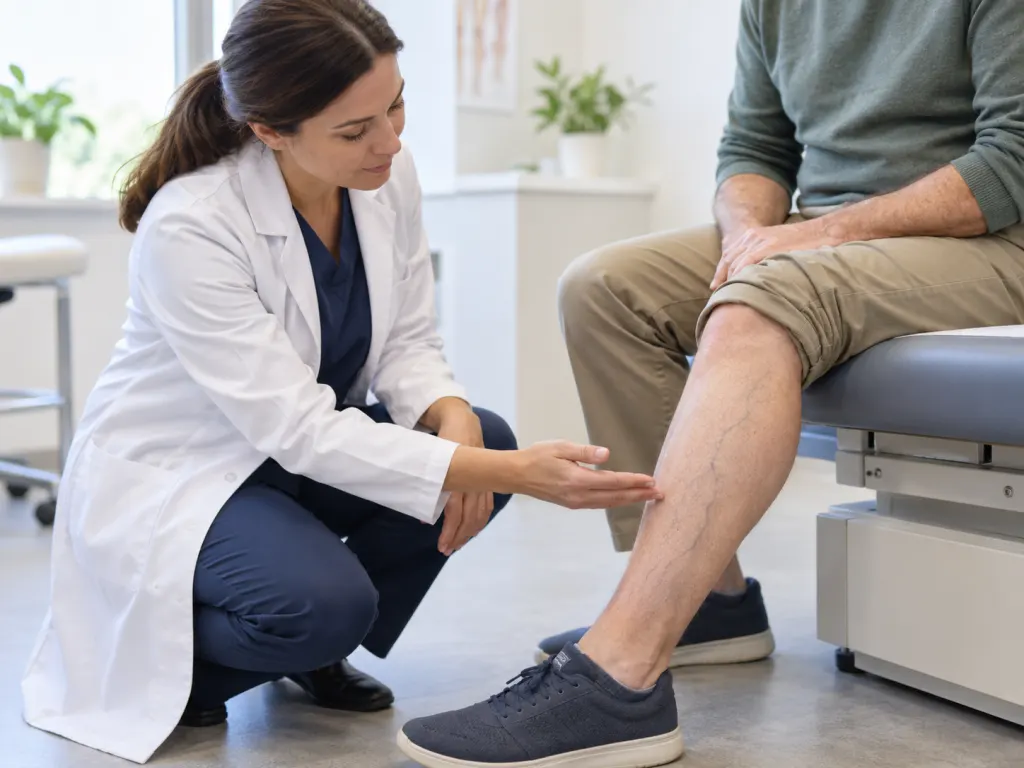
If you ask about visible veins, a clinician will usually start with a history and physical exam: when the veins appeared, whether they changed quickly, whether symptoms worsen after standing, whether leg elevation helps, and whether there are skin changes, sores, bleeding, or swelling. For suspected varicose veins or venous insufficiency, an ultrasound may be used to look at blood flow and check for other concerns. MedlinePlus notes that duplex ultrasound can check how blood flows in the veins and look for problems such as a blood clot https://www.medlineplus.gov/ency/article/000203.htm.
Everyday habits that support vein comfort
Simple habits may ease mild leg discomfort related to prolonged sitting or standing. Movement helps the calf muscles assist blood return from the legs. NHLBI suggests staying physically active, changing position often, elevating the feet when sitting, and avoiding long periods in one position for varicose-vein symptom relief https://www.nhlbi.nih.gov/health/varicose-veins. These steps are not a substitute for care when warning signs are present, but they can make day-to-day leg heaviness less likely for some people.
Compression stockings are sometimes recommended for swelling, heaviness, or venous insufficiency, but the right type and pressure depend on the person. Ask a clinician before choosing medical compression if you have significant leg pain, numbness, skin sores, circulation concerns, or uncertain symptoms. The goal is to match support to your situation, not to guess based on an online description.
A practical way to track what you see
If visible veins worry you but there are no urgent symptoms, write down a few details before your appointment. Note where the veins are, whether they are flat or raised, whether both sides look similar, when you first noticed them, whether they change after standing, exercise, heat, or elevation, and whether you feel heaviness, itching, burning, cramping, swelling, tenderness, or fatigue. Photos taken in the same lighting can help you notice real change without checking repeatedly throughout the day.
Also look at the surrounding skin. Dryness, irritation, new discoloration, a sore near the ankle, or skin that looks shiny, tight, crusted, weepy, or thickened can shift the conversation from appearance to circulation and skin health. The National Institute on Aging advises checking skin regularly and talking with a doctor about changes that worry you https://www.nia.nih.gov/health/skin-care/skin-care-and-aging.
Bottom line
Visible veins are common and often harmless, especially when they are stable, flat, painless, and not paired with swelling or skin changes. They may reflect normal anatomy, thinner skin, heat, exercise, aging, or spider veins. They deserve medical attention when they are bulging, painful, itchy, bleeding, linked with leg heaviness or swelling, or accompanied by warmth, redness, discoloration, sores, or sudden one-sided symptoms. The safest reading is balanced: do not panic over visibility alone, but do not ignore symptoms around the vein.
Wrap-Up
Visible veins can be a normal part of how skin, body composition, heat, activity, and aging affect appearance. The more meaningful clues are change, texture, symptoms, and the surrounding skin. Flat, stable veins without discomfort are usually less concerning than raised, twisted veins or veins paired with aching, swelling, warmth, discoloration, bleeding, or sores. When symptoms are sudden, one-sided, or involve breathing or chest discomfort, seek medical help promptly.
Frequently Asked Questions
- → Are visible veins always a sign of poor circulation?
No. Visible veins can be normal, especially on the hands, forearms, feet, or after exercise or heat exposure. Concern rises when the veins are new, raised, painful, itchy, bleeding, or paired with swelling, warmth, discoloration, sores, or heaviness.
- → What is the difference between spider veins and varicose veins?
Spider veins are usually small, flat, branching red, blue, or purple lines near the skin surface. Varicose veins are usually larger, raised, twisted, or rope-like, most often in the legs, ankles, or feet. Varicose veins are more likely to come with aching, heaviness, itching, swelling, or skin changes.
- → When should I seek urgent help for visible veins?
Seek prompt medical help for sudden one-sided leg swelling, tenderness, warmth, redness or discoloration, bleeding from a varicose vein, a new sore near a vein, shortness of breath, chest discomfort, coughing blood, fainting, or severe unexplained symptoms.
- → Can aging make veins easier to see?
Yes. Skin tends to become thinner and less elastic with age, and blood vessels can become more fragile. Those changes can make veins and other skin findings more noticeable, especially on the hands, arms, legs, and areas with sun exposure.
- → Should I use compression stockings for visible veins?
Compression can help some people with leg swelling or heaviness, but the right choice depends on symptoms and medical history. Ask a qualified health professional before using medical compression if you have significant pain, numbness, skin sores, or uncertain circulation symptoms.