 Save
The practical answer is this: vitamins can support overall kidney-related wellness when they fill real nutrient gaps, but supplements should not be treated as a kidney fix. The kidneys are part of a larger filtering and balancing system, so vitamin choices need context: food pattern, lab history, medications, kidney function, and clinician guidance. NIDDK explains that healthy kidneys filter blood, remove extra fluid and wastes, and help maintain minerals such as sodium, calcium, phosphorus, and potassium in the blood through normal kidney function. That is why “more vitamins” is not automatically better. A thoughtful plan focuses on enough, not excess.
Why Vitamins And Kidneys Are Connected
Kidneys are often described as filters, but that word understates how much balancing work they do. NIDDK notes that kidneys remove wastes and extra fluid, help manage acid, and maintain a healthy balance of water, salts, and minerals in the blood as part of daily kidney function. Vitamins enter that picture because many nutrients depend on fluid balance, mineral balance, food intake, and organ function. Vitamin D is the clearest example: it helps the body absorb calcium, while calcium and phosphorus balance are closely tied to kidney and bone health.
It also helps to separate two ideas that often get mixed together. First, vitamins are essential nutrients; MedlinePlus lists 13 vitamins the body needs and says most people can usually get vitamins from the foods they eat in a balanced pattern. Second, supplement products are concentrated sources that can be useful in selected situations but can also create problems when taken casually. For kidney health, that distinction matters because kidney-related nutrition is often more individualized than a general wellness routine.
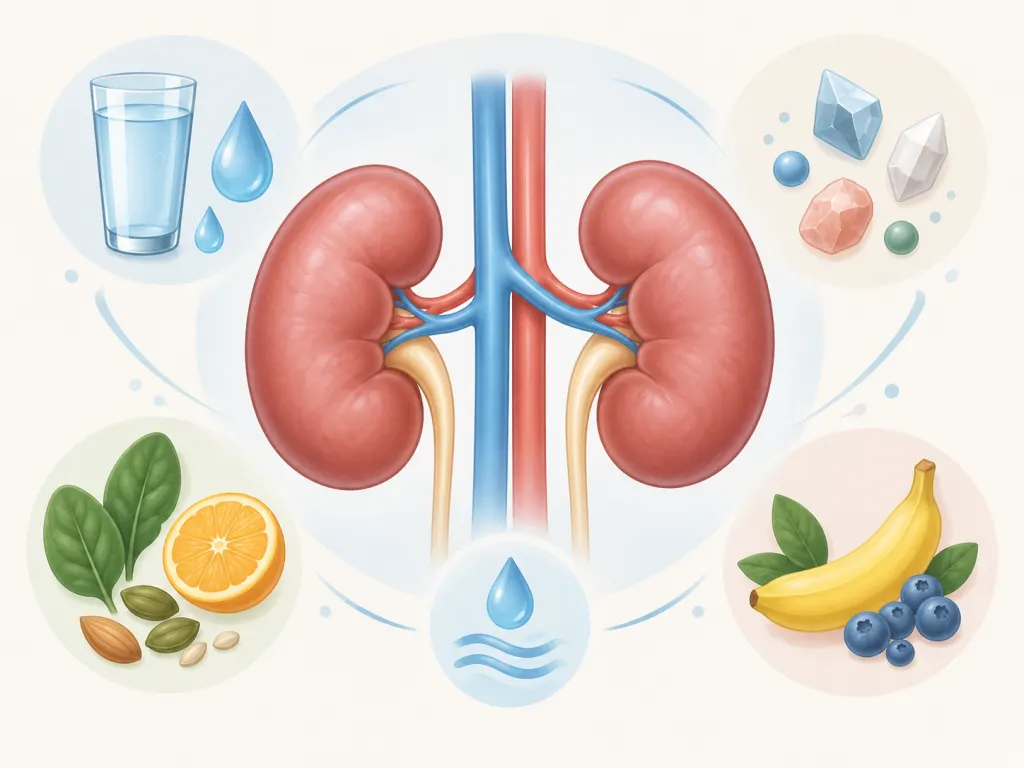
Start With Food Before Capsules
A food-first approach gives vitamins along with fiber, minerals, protein, fats, and other compounds that work together in ordinary meals. MedlinePlus summarizes the general principle simply: the best way to get enough vitamins is to eat a balanced variety of foods, while supplements may be useful in some cases after asking a health care provider for individual guidance. For kidney-aware eating, that variety still needs judgment. Some nutritious foods are rich in potassium or phosphorus, and those minerals may need closer attention in people receiving kidney-related care.
Vitamin D Deserves Careful Attention
Vitamin D is central to many kidney-health conversations because it helps the body absorb calcium and supports bones, muscles, nerves, and immune function, according to the NIH Office of Dietary Supplements vitamin D fact sheet. The same source explains that vitamin D comes from food, sunlight, and supplements, and that fortified foods provide much of the vitamin D in many U.S. diets. Fatty fish, fortified milk or plant beverages, some fortified cereals, and egg yolks can contribute modestly or substantially depending on the food.
Vitamin D is also a good reminder that supplement amount matters. The NIH fact sheet states that too much vitamin D can be harmful and that very high intake is almost always from supplements rather than sun exposure as described by ODS. For a kidney-focused reader, the key takeaway is not to avoid vitamin D automatically or to take it automatically. The safer question is whether intake, lab history, food pattern, sun exposure, and clinician recommendations point toward a need.
What B Vitamins Add To The Picture
B vitamins are a family, not one nutrient, and they support many normal body processes. Vitamin B12 is a useful example because it helps keep blood and nerve cells healthy and helps make DNA, according to the NIH Office of Dietary Supplements B12 fact sheet. Foods from animals naturally contain B12, and some breakfast cereals, nutritional yeasts, and other products are fortified. This matters for readers whose eating pattern contains little or no animal food, because B12 is one of the nutrients most likely to need deliberate planning.
For kidney health, the practical point is not that B12 “targets” the kidneys. It is that overall nourishment affects the whole body, and kidney-related eating plans can become complicated. Appetite changes, food restrictions, and limited variety can make it harder to keep meals balanced. NIDDK notes that nutritional needs can change as chronic kidney disease advances and that a registered dietitian may help create an individualized eating plan for adults with CKD. That kind of individualized review is more useful than guessing from a supplement aisle.

Vitamin C: Helpful Nutrient, Not A Free Pass
Vitamin C is water-soluble and found in fruits and vegetables. The NIH Office of Dietary Supplements says it acts as an antioxidant, helps the body make collagen, improves absorption of iron from plant foods, and supports normal immune function in its vitamin C overview. Citrus fruits, peppers, kiwi, broccoli, strawberries, tomatoes, and potatoes are common sources. For many people, ordinary foods can cover needs without a high-strength product.
Kidney-aware choices again come back to context. Some vitamin C-rich foods may also be high in potassium, and some supplement products provide far more than a meal would. The ODS vitamin C fact sheet notes that too much vitamin C can cause digestive upset and lists upper limits for intake from all sources in its safety section. That does not make vitamin C bad; it means a capsule, powder, gummy, or drink mix should be evaluated as a concentrated product, not as a harmless shortcut.
How Kidney-Related Nutrition Changes The Usual Advice
General vitamin advice often says “eat more fruits and vegetables,” but kidney-related nutrition can be more nuanced. NIDDK explains that damaged kidneys may have trouble removing phosphorus or potassium, and that sodium, liquids, protein, and calories may need attention in chronic kidney disease care depending on the person. MedlinePlus similarly describes chronic kidney disease diets as plans that may adjust fluids, protein, salt, potassium, phosphorus, and calories under professional guidance.
That is why kidney health articles can be misleading when they name one “best” vitamin. A vitamin can be appropriate in one setting, unnecessary in another, and unwise in a third. The body’s needs depend on current intake, absorption, lab results, food access, medications, and stage of care. The most kidney-friendly supplement strategy is often a review strategy: identify what is missing, check what is already being consumed, and avoid stacking multiple products with overlapping ingredients.
A Safer Supplement Checklist
Before adding a vitamin product to a kidney-focused routine, use a practical checklist rather than a promise on the front label:
- Read the Supplement Facts panel. Check the exact vitamin form and amount per serving.
- Look for overlap. A multivitamin, fortified shake, gummy, and single-nutrient pill may all contain the same nutrient.
- Prefer simple products. Long blends make it harder to know what is doing what.
- Keep a written list. Include vitamins, minerals, herbal products, powders, and fortified drinks.
- Bring the list to appointments. A clinician, pharmacist, or registered dietitian can spot concerns faster with the label details in front of them.
The FDA explains that dietary supplements are intended to add to the diet and are regulated differently from conventional medical products. It also advises talking with a health care professional before taking a supplement, especially because some products can be risky in high amounts or when combined with other products according to FDA supplement guidance. For kidney-minded readers, the most useful label habit is to treat every supplement as an active choice, not background noise.

When Food Sources Are Easier To Judge
Food sources of vitamins are often easier to fit into everyday judgment because they arrive with familiar portions. A serving of salmon, an egg, fortified milk, a bowl of fortified cereal, bell peppers, strawberries, greens, or beans can be considered as part of a meal. Supplements are more abstract: a small tablet may contain many times the amount found in a serving of food. That does not make the tablet wrong, but it does make the decision less casual.
A kidney-aware pantry can still be varied and enjoyable. The practical goal is to build meals that include vitamin-containing foods while respecting any individualized mineral or fluid guidance already in place. For example, a breakfast might include a fortified cereal or fortified beverage; a lunch might include a vitamin C source chosen with potassium needs in mind; dinner might use fish, eggs, or a plant-based pattern that has been reviewed for B12. The details vary, but the logic is steady: vitamins are part of the whole meal, not a separate promise.
Signs A Vitamin Claim Needs More Skepticism
Some supplement marketing uses confident language around kidney support, energy, cleansing, or whole-body renewal. A cautious reader should slow down when a product makes a dramatic promise, hides amounts inside a proprietary blend, uses testimonials instead of transparent evidence, or suggests that ordinary medical follow-up is unnecessary. FDA guidance notes that supplements can be beneficial in some situations but can also carry risks, and that “natural” does not automatically mean safe for consumers evaluating products.
Another warning sign is a product that treats kidney health as one simple pathway. Kidneys interact with hydration, blood pressure, blood sugar, minerals, acid balance, medications, and overall nutrition. A single nutrient can matter, but it does not replace the larger picture. The more complicated the health situation, the more important it becomes to bring labels, lab history, and food routines into one conversation with a qualified professional.
What To Ask At A Nutrition Visit
A good appointment question is specific, not broad. Instead of asking whether “vitamins are good for kidneys,” ask which nutrients are already adequate, which foods fit current goals, and whether any current supplements duplicate each other. It is also reasonable to ask whether a registered dietitian with kidney experience would be useful. NIDDK describes medical nutrition therapy as nutrition counseling from a registered dietitian to help meet medical or health goals in kidney-related care.
Bring practical details: a usual breakfast, lunch, dinner, snacks, beverages, supplement labels, fortified drinks, protein powders, and any foods that are hard to give up. That information helps turn a vague vitamin conversation into a realistic plan. The best answer may be a food adjustment, a lab check, a supplement change, or simply reassurance that the current routine is already covering basics.
The Bottom Line
Vitamin support for kidney health works best as a careful, evidence-based part of overall nutrition. Vitamin D, B12, and vitamin C each have legitimate roles in the body, but none should be treated as a stand-alone kidney strategy. Kidneys balance minerals and fluids; food patterns affect that balance; supplements concentrate nutrients; and individual needs can differ widely. A calm plan starts with food variety, checks labels, avoids excess, and uses professional guidance for personal decisions.
Wrap-Up
Vitamins matter for kidney health because they are part of overall nutrition, mineral balance, bone support, blood cell support, and ordinary body function. The safest approach is not to chase one nutrient, but to meet real needs without stacking unnecessary products. Vitamin D is especially important to discuss thoughtfully because it is linked with calcium use and can be harmful in excess. B12 and vitamin C show why food pattern, absorption, and supplement amount matter. Use food first when possible, read labels carefully, and bring supplement details to a doctor or qualified health professional for personal guidance.
Frequently Asked Questions
- → Is there one best vitamin for kidney health?
No single vitamin is the best choice for everyone. Vitamin D is often discussed because of its role in calcium and bone support, but kidney-related nutrition depends on food intake, lab history, medications, and individual care goals.
- → Can food provide enough vitamins for kidney wellness?
Many people can meet vitamin needs through a varied eating pattern, but kidney-related meal planning may require more individual attention to minerals, fluids, protein, and fortified foods. A registered dietitian can help match food choices to personal needs.
- → Why can vitamin D supplements be risky in excess?
Vitamin D is fat-soluble, and high supplemental amounts can raise safety concerns. NIH guidance notes that too much vitamin D can be harmful, so supplement decisions should be based on individual need rather than routine guessing.
- → Are multivitamins safer than single-vitamin products?
Not automatically. A multivitamin may contain several nutrients that overlap with fortified foods, drinks, powders, or other supplements. Reading the Supplement Facts panel and keeping a full product list makes review easier.
- → What should I bring to a clinician or dietitian visit?
Bring supplement bottles or clear photos of labels, a list of fortified foods and drinks, and a simple description of usual meals. Those details help a qualified professional evaluate total intake instead of looking at one product at a time.
References
This content was developed and refined using reliable sources.
- https://www.niddk.nih.gov/health-information/kidney-disease/kidneys-how-they-work
- https://www.niddk.nih.gov/health-information/kidney-disease/chronic-kidney-disease-ckd/healthy-eating-adults-chronic-kidney-disease
- https://ods.od.nih.gov/factsheets/VITAMIND-Consumer
- https://ods.od.nih.gov/factsheets/VitaminB12-Consumer
- https://ods.od.nih.gov/factsheets/VitaminC-Consumer
- https://medlineplus.gov/vitamins.html
- https://www.medlineplus.gov/ency/article/002442.htm
- https://www.fda.gov/consumers/consumer-updates/fda-101-dietary-supplements