 Save
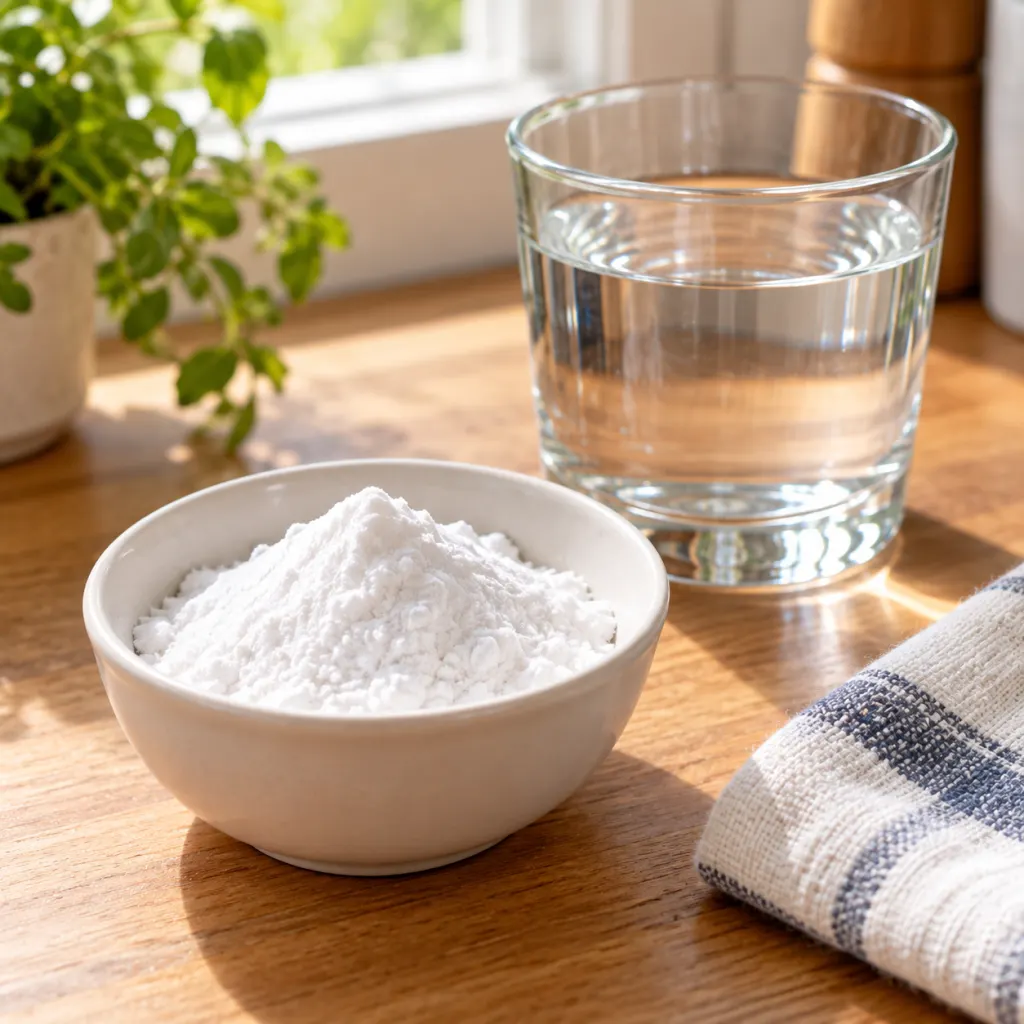
Baking soda—sodium bicarbonate—is a white crystalline powder most people first encounter as a baking ingredient. Its mild alkalinity and softly abrasive texture, however, translate into practical uses that extend well beyond the mixing bowl. Thirteen ideas below explore where those properties apply in personal care, oral hygiene, and home freshness routines. The World Health Organization’s expert committee on food additives has assigned sodium bicarbonate an “Acceptable Daily Intake: Not Limited” designation—its highest safety classification for food use—based on decades of evaluation. That reassuring baseline does not mean every application is without consideration: internal antacid use has dosage limits and health contraindications, and topical use involves pH effects on the skin worth understanding. The ideas here are practical starting points, not prescriptions. Consult a qualified health professional for decisions that relate to your own health.
What Makes Baking Soda So Versatile
Sodium bicarbonate sits at the mildly alkaline end of the pH scale, around pH 8.3 in water solution. When it contacts an acid—the kind found in food odors, on tooth surfaces, or in sweat—a neutralization reaction occurs: baking soda converts the acidic molecule into a non-volatile salt, water, and carbon dioxide gas. The salt has no odor and does not evaporate, which is why the reaction removes smells rather than simply masking them.
Its crystalline structure is a second key property. The crystals are moderately firm but dissolve rapidly in water, making them capable of dislodging surface deposits without the sustained abrasion that harder mineral grinds can cause. Dental researchers have confirmed this in clinical reviews, finding that baking soda dentifrices achieve effective stain removal at a lower relative dentin abrasion value than many conventional toothpastes—meaning they are gentler on enamel while still being effective at removing surface stains.
A third property is pH buffering: sodium bicarbonate resists sudden changes in acidity in either direction, stabilizing the environment around it. The U.S. FDA recognizes this as the mechanism underlying its approval as an over-the-counter antacid active ingredient. Together, these three properties—alkalinity, gentle abrasion, and pH buffering—explain why one pantry ingredient turns up in so many different household and personal care contexts.
Four Personal Care Ideas
The following four uses draw on baking soda’s odor-neutralizing and mild abrasive properties for everyday personal care. None are treatments for medical conditions, and each works best with modest quantities used occasionally rather than daily.
- Deodorant paste. Mix a small amount of baking soda with just enough water to form a thin paste and apply it sparingly under the arms after bathing. The alkaline environment helps counter the acidic compounds produced by skin bacteria that contribute to odor. Start with a minimal amount; some people with sensitive skin experience redness or irritation because the pH shift affects the underarm’s naturally acidic surface, so discontinue if any reaction develops.
- Body exfoliation scrub. Combine roughly three parts baking soda with one part water, or substitute a small amount of a mild carrier oil for a richer texture. Massage over damp skin in gentle circular motions, then rinse thoroughly and apply a moisturizer. The alkaline rinse-water can temporarily alter the skin’s surface pH, so moisturizing promptly afterward is important. Occasional use—at most once a week—is preferable to daily application.
- Scalp clarifying rinse. Stir a teaspoon of baking soda into a cup of water and work it gently through the scalp before your usual shampoo routine to help loosen product buildup. Rinse thoroughly, then condition. Infrequent use is key: habitual alkaline exposure can affect the scalp’s natural acid mantle and lead to dryness over time.
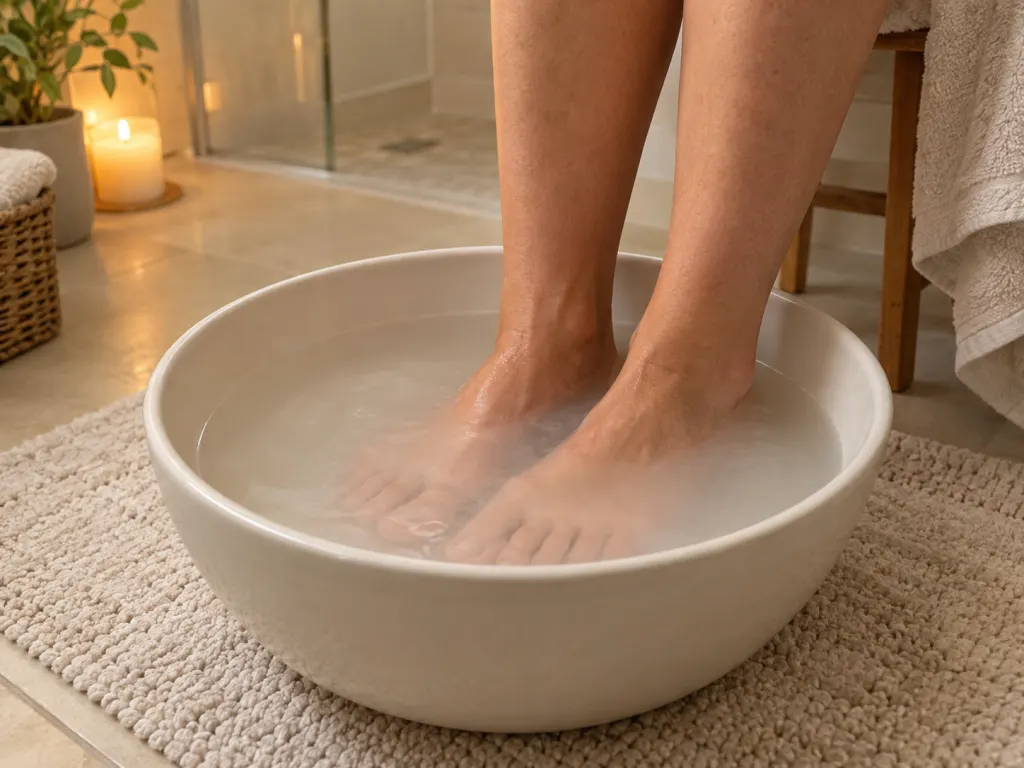
- Foot soak. Dissolve two tablespoons of baking soda in a basin of comfortably warm water and soak for ten to fifteen minutes. The alkaline soak softens rough skin on the heels, making gentle exfoliation of calluses easier afterward. Rinse, dry thoroughly between the toes, and apply moisturizer.
For any of these, applying a small amount to a discreet patch of skin and waiting twenty-four hours before wider use is a sensible first step, particularly for people with reactive or sensitive skin.
Topical Comfort Uses
Three further ideas focus on brief topical comfort rather than ongoing grooming. The evidence here is largely observational and traditional; none should replace standard medical attention for significant skin concerns.
Insect bite paste. Combine baking soda and water in a roughly 3-to-1 ratio to make a thick paste. Apply it to the affected area for ten to fifteen minutes, then rinse off. The alkaline paste may provide brief, mild comfort by counteracting the acidic compounds in insect saliva that trigger the itch response. Anything beyond mild, transient irritation warrants prompt standard medical care.
After-sun cooling application. A cool baking soda paste or a diluted soak can feel briefly soothing on mildly overheated skin. This is a comfort measure, not a treatment for sunburn. Significant sun damage—blistering, pronounced redness, or fever—calls for adequate hydration, avoiding further sun exposure, and medical evaluation if symptoms are serious.
Rough-patch softening. A diluted baking soda paste applied to noticeably rough areas—dry elbows, rough knuckles—and massaged lightly for a minute before rinsing can gently lift surface texture. Moisturize immediately after to help the skin barrier recover its natural acidity.
Skin science context: the healthy skin surface has a naturally acidic pH of roughly 4.5 to 5.5. Baking soda solution sits around pH 8.3, so contact temporarily shifts that surface pH. Research into skin barrier function has noted that disrupting the acid mantle can increase dryness and sensitivity in some individuals. Brief contact followed by thorough rinsing and immediate moisturizing is consistently better tolerated than prolonged or habitual topical use.
Oral Hygiene Support
Baking soda’s role in tooth care is among the most research-supported of its supplementary uses. Multiple clinical reviews published in the Journal of the American Dental Association found that toothpastes containing sodium bicarbonate achieve effective surface stain removal and whitening while maintaining a notably low relative dentin abrasion value, meaning they are gentler on enamel than many standard abrasive toothpastes. An additional benefit is the neutralization of plaque acids, which supports the conditions for enamel to remineralize between brushings.
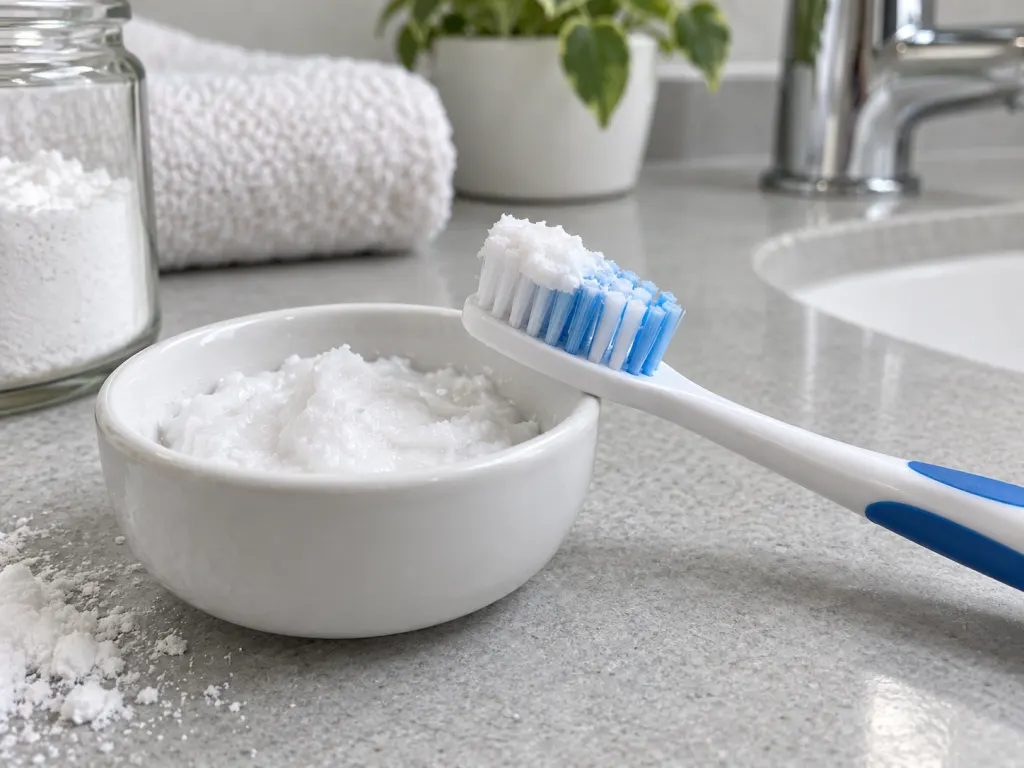
Occasional tooth-brushing supplement. Mix a small amount of baking soda with water to form a paste and apply it with a soft toothbrush, or blend a small amount into your regular toothpaste before brushing. Occasional use—once or twice a week at most—is appropriate as a supplement. It is not a replacement for fluoride toothpaste, which provides remineralization benefits baking soda alone cannot replicate. Discuss any changes to your oral care routine with your dentist.
Fresh breath rinse. Dissolve half a teaspoon of baking soda in a full glass of water and swirl the solution around your mouth for about thirty seconds before spitting. The alkaline rinse temporarily neutralizes volatile odor compounds that contribute to bad breath. This is a complementary step in an oral hygiene routine, not a substitute for regular brushing and flossing.
Home and Kitchen Uses
Several of baking soda’s most practical applications involve no internal use and no prolonged skin contact at all. These household uses carry the lowest risk profile and are where it functions most reliably as a simple, inexpensive utility ingredient.
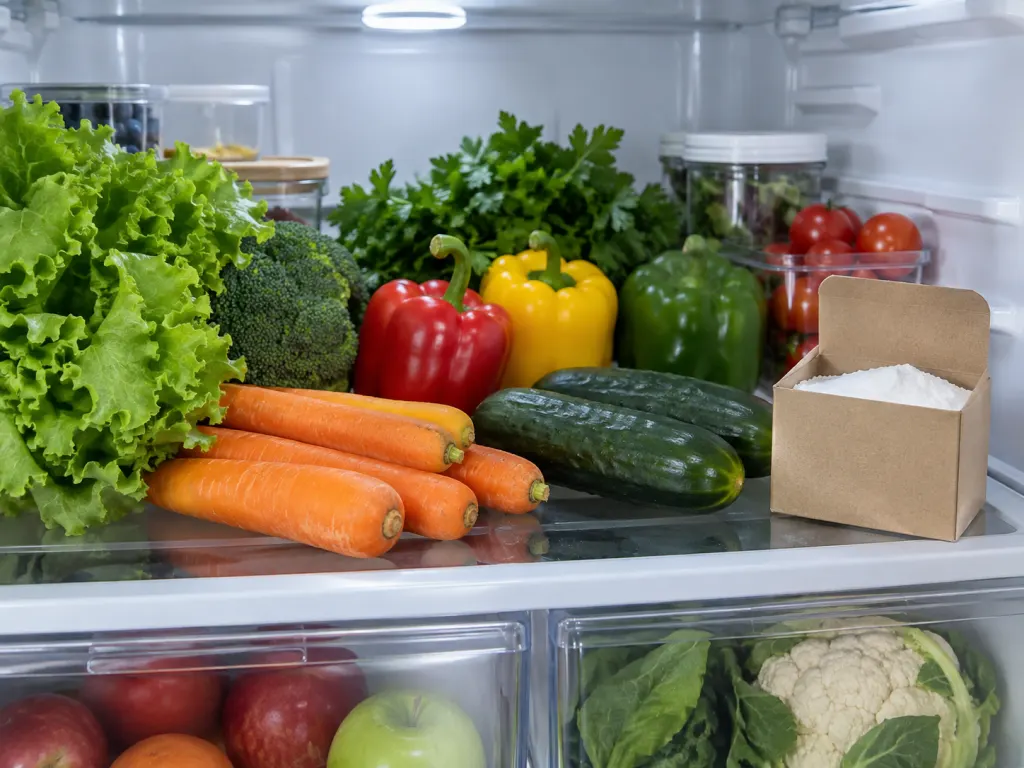
Fridge odor absorber. Place an open box or shallow dish of dry baking soda on a refrigerator shelf. As acidic odor molecules from stored foods drift into the air, the alkaline powder neutralizes them—converting volatile compounds into odorless salts rather than masking smells with fragrance. Replace the baking soda every one to three months, or sooner if odors return. The USDA Food Safety and Inspection Service recommends baking soda as a food-compatible method for keeping refrigerator interiors fresh.
Silver jewelry polishing. Make a paste from baking soda and a small amount of water, and rub it onto tarnished silver using a soft cloth or sponge. The mild abrasion combined with alkaline chemistry loosens tarnish (silver sulfide) without scratching the metal surface. Rinse thoroughly and dry completely. Avoid using this paste on pieces that include porous gemstones such as pearls, opals, or coral, which can be damaged by alkaline solutions.
Bean soaking aid. Adding a small pinch of baking soda to the water when soaking dried beans or chickpeas overnight raises the water’s pH slightly, which can help soften bean skins and may shorten the preparation time before cooking. Rinse the beans thoroughly before cooking to avoid any residual soapy flavor in the finished dish.
Laundry freshening. Half a cup of baking soda added to a standard wash load alongside regular laundry detergent helps neutralize fabric odors. It works particularly well for sports clothing or kitchen linens where acidic sweat and food odors accumulate. Baking soda does not replace detergent but complements it as a gentle odor-neutralizing additive.
Dosage Guidance and Key Safety Notes
The safety picture for baking soda is reassuring at a broad level. The WHO’s JECFA committee assigned sodium bicarbonate an “Acceptable Daily Intake: Not Limited” designation in 1965—a classification reserved for food additives with a very low hazard profile at amounts relevant to food use. For the personal care and household applications described above, which involve brief contact, rinsing, and small quantities, the risk profile remains modest for most healthy adults.
The most important safety considerations apply specifically to internal use as an antacid. According to MedlinePlus and the FDA-approved label monograph, the standard adult antacid dose is half a teaspoon dissolved completely in at least four ounces of water, taken no more frequently than once every two hours, and not exceeding six doses per twenty-four hours. Adults over sixty should not exceed three doses per day. This approach should not continue for more than two weeks without medical guidance.
Each dose contains approximately 716 mg of sodium—a meaningful quantity for people managing blood pressure, heart conditions, or kidney disease, or who are on a sodium-restricted diet. Cleveland Clinic notes that sodium bicarbonate can interact with several prescription drugs, including certain antibiotics and lithium. Children under twelve should not use it as an antacid without a doctor’s direction. Frequent or persistent digestive discomfort is a reason to seek a proper medical evaluation rather than ongoing home management with any over-the-counter remedy.
Wrap-Up
Baking soda is sodium bicarbonate, a mildly alkaline white powder with a WHO “Acceptable Daily Intake: Not Limited” classification and FDA recognition as an over-the-counter antacid ingredient. Its core chemistry—acid neutralization, pH buffering, and gentle abrasion—supports thirteen practical household and personal care applications: personal grooming (deodorant paste, exfoliation scrub, scalp rinse, foot soak), brief topical comfort (insect bites, after-sun use, rough patches), oral hygiene support (tooth-care supplement, breath rinse), and home use (fridge freshening, silver polishing, bean soaking, laundry deodorizing). Topical uses are generally well tolerated when applied briefly, rinsed off promptly, and followed by moisturizing. Internal antacid use requires attention to dosage limits, sodium content, and potential drug interactions. Used proportionately and with professional guidance where needed, baking soda remains a genuinely useful kitchen ingredient well beyond its role in baking.
Frequently Asked Questions
- → Can baking soda replace my regular toothpaste?
No. Dental research supports baking soda as an effective supplemental tooth cleaner with low enamel abrasivity and useful stain-removal properties, but it lacks fluoride. Fluoride toothpaste helps protect enamel and supports remineralization between meals. Use baking soda occasionally alongside—not instead of—a fluoride-containing toothpaste, and discuss any changes to your dental routine with your dentist.
- → How often should I replace the baking soda in my fridge?
Every one to three months is a common guideline, or sooner if you notice odors returning. Over time the powder absorbs moisture and odor molecules, reducing its effectiveness. Used fridge baking soda can be poured down a kitchen drain, where it may help freshen drain pipes, but should not be reused for food or personal care purposes.
- → Why does baking soda sometimes cause skin irritation?
Healthy skin has a naturally acidic surface at roughly pH 4.5 to 5.5. Baking soda solution sits around pH 8.3, so contact temporarily shifts that surface pH and may disrupt the skin’s protective acid mantle, leading to dryness, redness, or a rash in some people. Patch testing first, keeping contact time brief, rinsing thoroughly, and moisturizing afterward all reduce the likelihood of a reaction.
- → Is a baking soda foot soak safe for everyone?
Most healthy adults tolerate a brief, rinse-off foot soak well. People with diabetes, peripheral artery disease, poor circulation, or open wounds on their feet should avoid home foot soaks without first consulting a healthcare provider. These conditions can affect skin healing and sensitivity in ways that make self-managed soaks potentially risky.
- → How much sodium is in a baking soda antacid dose?
One standard antacid dose—half a teaspoon dissolved in water—contains approximately 716 mg of sodium. This is a meaningful amount for people on sodium-restricted diets or those managing blood pressure, heart disease, or kidney conditions. Topical and household uses involve no ingestion, so they do not affect dietary sodium intake.
- → Is baking soda the same as baking powder?
No. Baking powder is a mixture containing sodium bicarbonate combined with an acidifying agent (such as cream of tartar or sodium aluminum sulfate) and usually a starch. It is designed to self-activate in baking recipes without requiring a separate acidic ingredient. For the personal care and household uses described in this article, only pure baking soda—sodium bicarbonate alone—is appropriate.
References
This content was developed and refined using reliable sources.
- https://medlineplus.gov/druginfo/meds/a682001.html
- https://my.clevelandclinic.org/health/drugs/18322-sodium-bicarbonate-tablets
- https://dailymed.nlm.nih.gov/dailymed/fda/fdaDrugXsl.cfm?setid=79702bcd-65c4-4265-8139-93d93e983e75&type=display
- https://apps.who.int/food-additives-contaminants-jecfa-database/Home/Chemical/1099