 Save
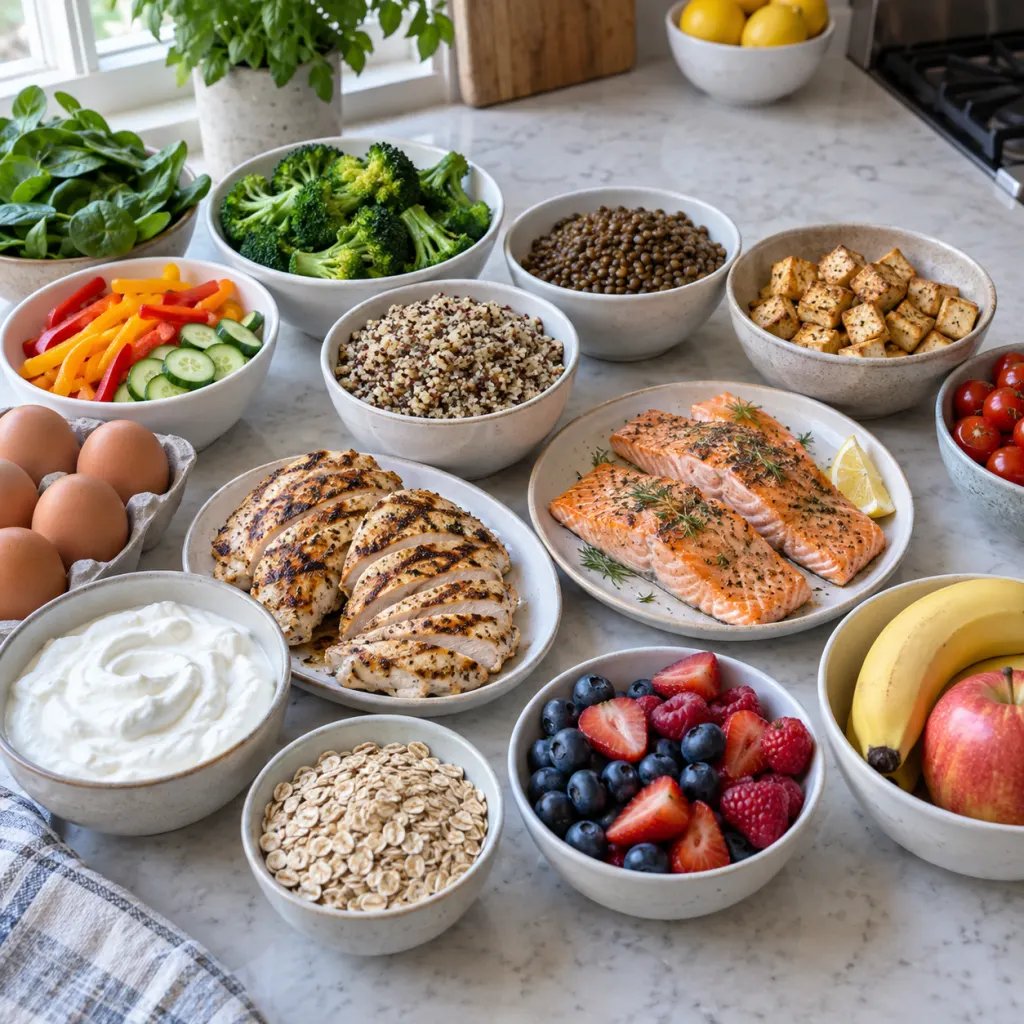
The best foods for increasing muscle mass are protein-rich staples that fit into repeatable meals: eggs, Greek yogurt or cottage cheese, chicken or turkey, fish, soy foods with beans or lentils, and whole grains such as quinoa or oats. They are not magic foods. They help most when your overall eating pattern provides enough energy, you train consistently, and you spread protein across the day. MedlinePlus explains that protein foods provide amino acids, the building blocks the body uses to maintain and repair tissues, while the NIH Office of Dietary Supplements notes that athletes need adequate calories, carbohydrates, protein, fat, fluids, vitamins, and minerals for physical performance and recovery https://medlineplus.gov/ency/article/002467.htm https://ods.od.nih.gov/factsheets/ExerciseAndAthleticPerformance-HealthProfessional/.
What Food Can and Cannot Do for Muscle
Muscle gain is a training-and-food project, not a shopping list project. Resistance training gives muscle a reason to adapt. Food supplies the amino acids and energy that make the adaptation possible. A 2022 dose-response meta-analysis in PubMed concluded that increased protein intake supported strength gains when paired with resistance training, while protein without resistance training did not show the same strength effect https://pubmed.ncbi.nlm.nih.gov/36057893/. That distinction matters because it keeps expectations realistic: adding salmon to dinner can improve the quality of the plate, but it will not replace progressive training, sleep, and enough total food.
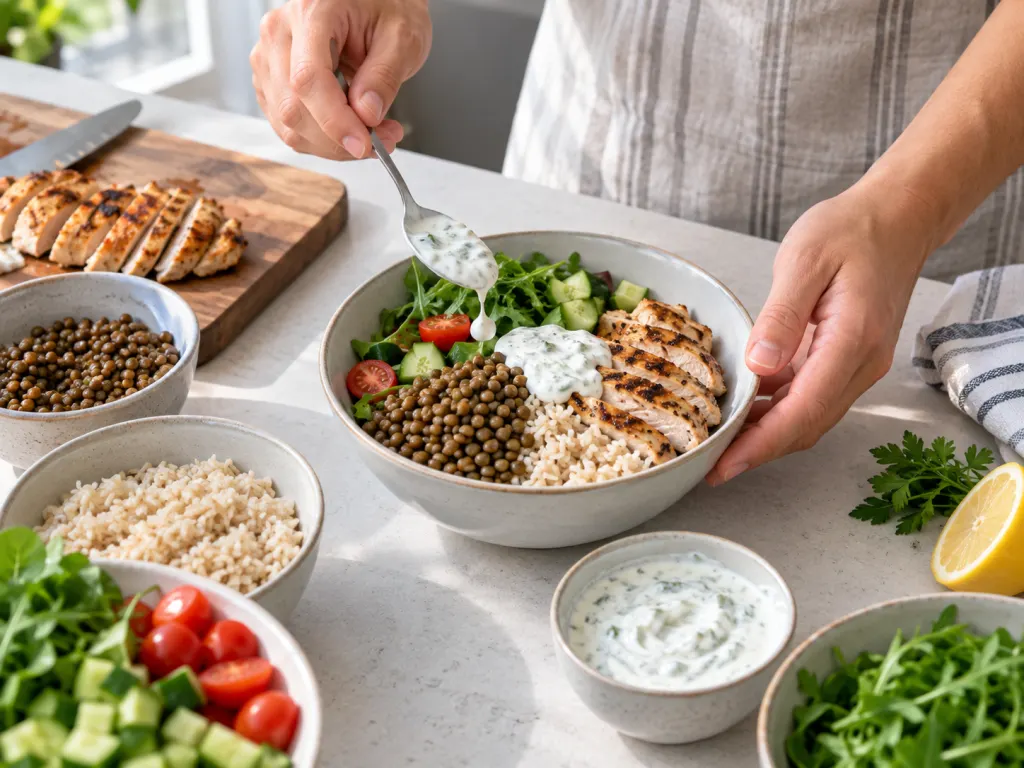
For everyday planning, think in meals instead of isolated nutrients. A plate that supports muscle-building usually includes a clear protein food, a carbohydrate-rich food for training energy, produce or another plant food for variety, and enough fat to make the meal satisfying. The current Dietary Guidelines for Americans page from the Office of Disease Prevention and Health Promotion emphasizes nutrient-dense foods across protein, dairy, vegetables, fruits, healthy fats, and whole grains https://odphp.health.gov/our-work/nutrition-physical-activity/dietary-guidelines/current-dietary-guidelines. That broad pattern is more dependable than chasing one perfect food.
How to Choose Muscle-Supporting Foods
The most useful choices share a few traits: they provide meaningful protein per serving, they are easy to repeat during busy weeks, and they work in meals you actually enjoy. MedlinePlus notes that meat, milk, fish, eggs, soy, beans, legumes, nut butters, and some grains can all contribute protein; it also explains that essential amino acids do not need to be eaten at every single meal because the overall balance across the day matters https://medlineplus.gov/ency/article/002467.htm. That gives home cooks flexibility. A vegetarian meal can work. A dairy-based snack can work. A simple chicken bowl can work. The goal is consistency.
A practical kitchen checklist looks like this:
- Pick a main protein: eggs, dairy, poultry, fish, soy foods, beans, lentils, or lean meat.
- Add training fuel: rice, potatoes, oats, quinoa, pasta, bread, fruit, or another carbohydrate food that fits the meal.
- Include variety: rotate animal and plant proteins when possible so the plate brings different nutrients and textures.
- Make it repeatable: keep at least two quick options ready for days when cooking time is limited.
- Adjust portions to appetite and goals: a smaller person, a larger person, a beginner, and a high-volume lifter may not need the same amount of food.
1. Eggs
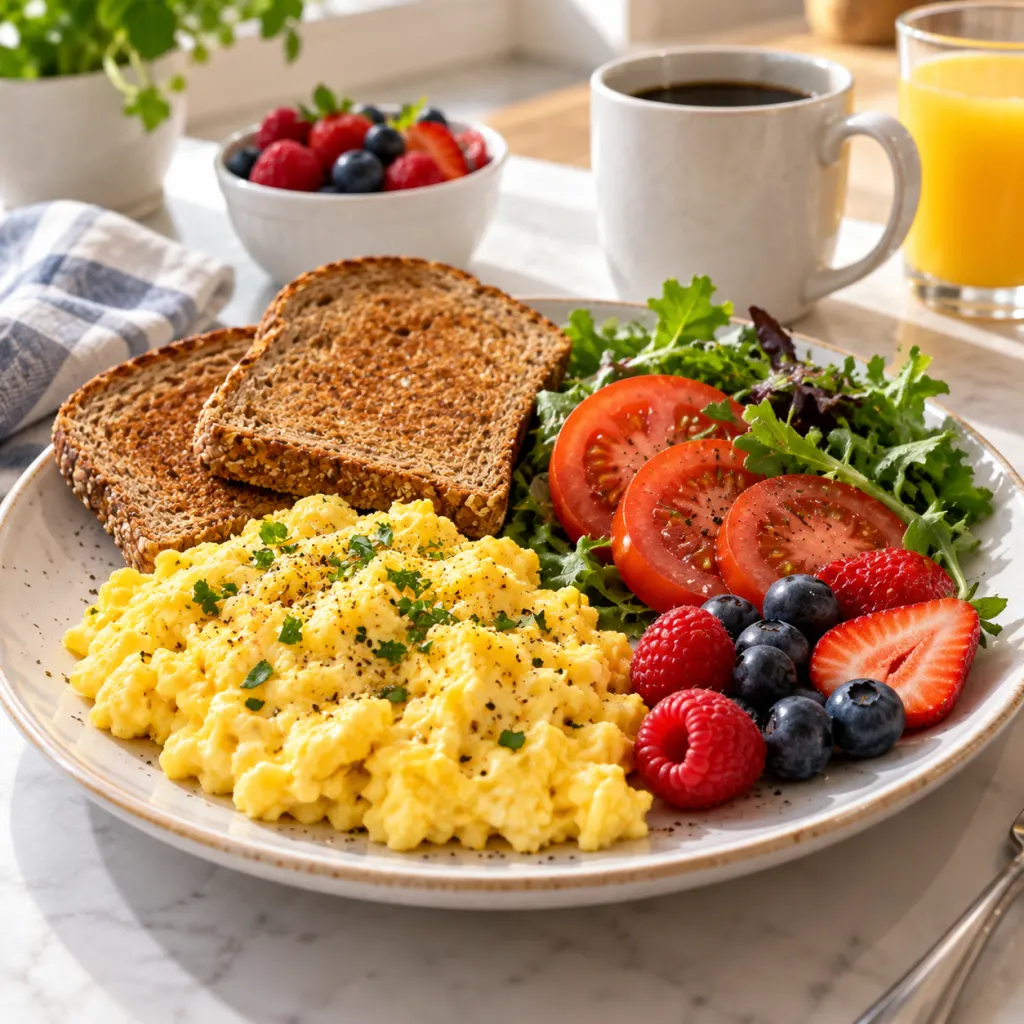
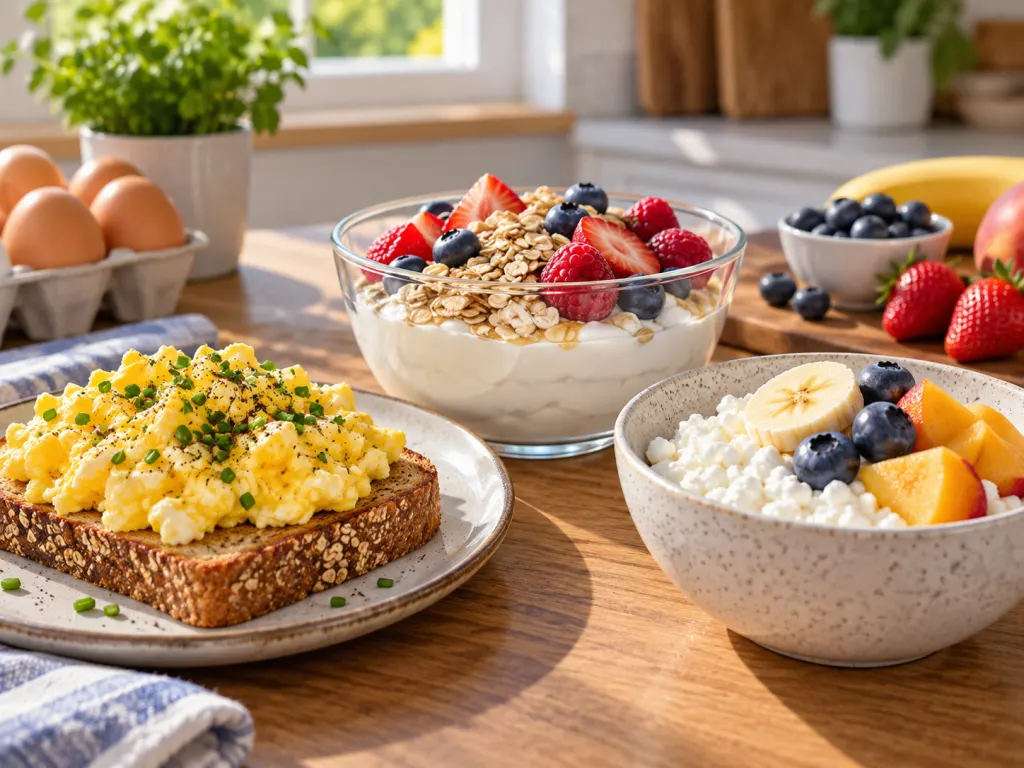
Eggs are a compact, affordable protein food that can fit breakfast, lunch, dinner, or a snack plate. MedlinePlus lists one large egg as an example of an ounce-equivalent protein food and includes eggs among animal sources of amino acids https://medlineplus.gov/ency/article/002467.htm. For muscle-focused meals, their biggest advantage is convenience. A pan of scrambled eggs can anchor toast and fruit after a morning workout. Hard-cooked eggs can turn a grain bowl or salad into something more substantial. An omelet can carry vegetables, cheese, beans, or leftover potatoes without feeling like a separate “fitness meal.”
Eggs also help people who struggle to eat enough at breakfast because they cook quickly and pair with both savory and sweet sides. If you need a larger meal, eggs can be combined with oats, tortillas, rice, roasted potatoes, yogurt, or fruit. If you prefer a lighter meal, one egg with toast and a side of yogurt may be enough to keep the routine steady. The value is not that eggs are uniquely powerful; it is that they are easy to use often.
2. Greek Yogurt and Cottage Cheese
Greek yogurt and cottage cheese are useful because they deliver protein in a ready-to-eat form. The NIH ODS fact sheet notes that many foods, including dairy products, contain protein, and it describes casein as a complete milk protein that digests more slowly than whey https://ods.od.nih.gov/factsheets/ExerciseAndAthleticPerformance-HealthProfessional/. In kitchen terms, this means dairy can be more than a side item. A bowl of Greek yogurt with oats and fruit can become a training-day breakfast. Cottage cheese can be spooned onto toast, blended into a savory dip, or served beside potatoes and vegetables.
Choose plain versions when you want more control over sweetness and add your own fruit, honey, jam, nuts, seeds, or cereal. If dairy does not suit you, fortified soy yogurt or soy milk may fit better than many other plant-based alternatives because soy is a protein-rich plant option. The best choice is the one you can tolerate, afford, and repeat without turning eating into a chore.
3. Chicken, Turkey, and Lean Meats
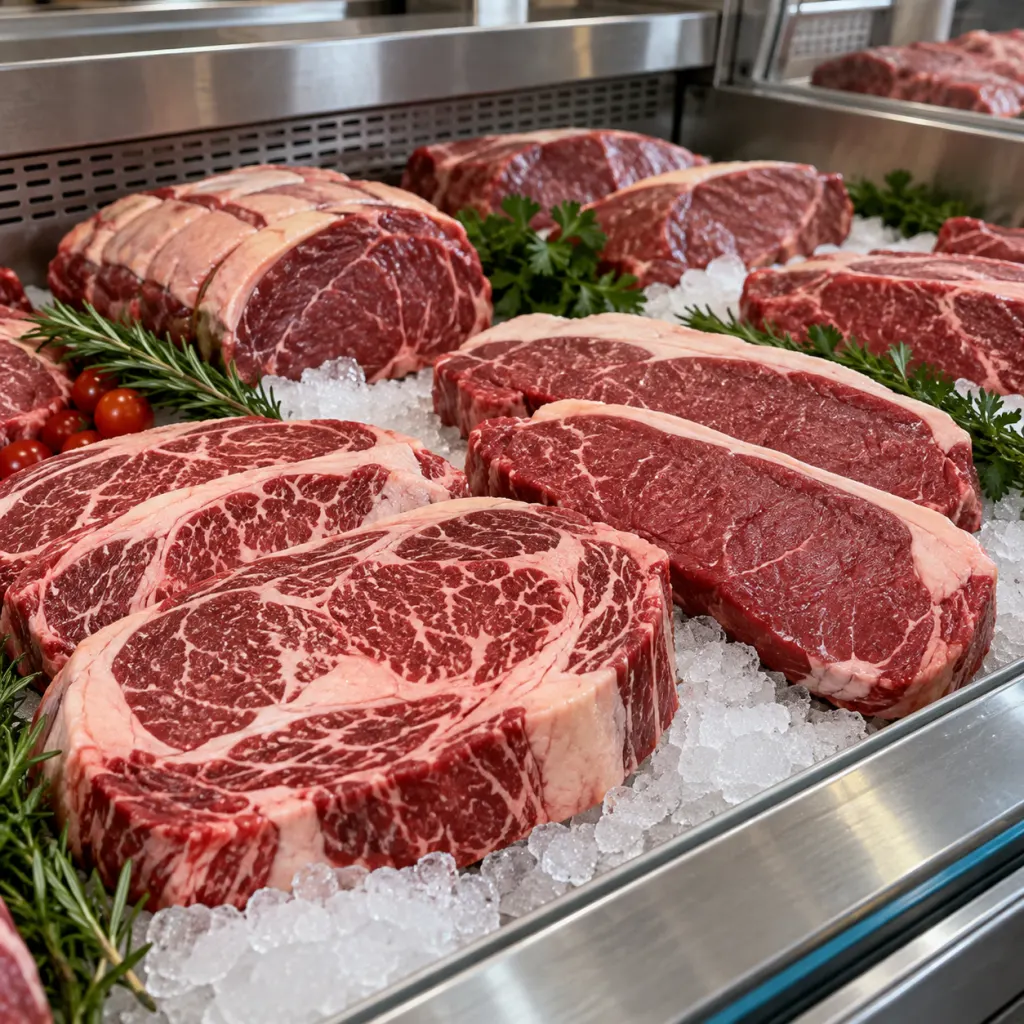
Chicken, turkey, and lean cuts of meat are classic muscle-supporting foods for a simple reason: they make it easy to build a plate around a recognizable protein portion. MedlinePlus lists meat, fish, and poultry among protein-rich foods and notes that one ounce of many protein-rich foods provides about seven grams of protein https://medlineplus.gov/ency/article/002467.htm. For a home cook, this makes planning straightforward. Roast a tray of chicken thighs or breasts, slice turkey for sandwiches, or cook lean meat with rice, beans, vegetables, and sauce.
Lean does not have to mean dry or plain. Marinades, yogurt sauces, citrus, herbs, spices, salsa, tomato-based sauces, and slow cooking can all make poultry or lean meat easier to eat regularly. The most useful strategy is batch cooking one protein and changing the meal around it: chicken with rice and vegetables one day, chicken tacos the next, then chicken in soup or pasta. That kind of repetition reduces decision fatigue while still giving the body a steady supply of protein foods.
4. Fish
Fish is another high-quality protein option, and it brings variety when a week has become too centered on poultry or eggs. MedlinePlus includes fish among animal protein sources, and the Dietary Guidelines page emphasizes a nutrient-dense pattern that includes protein foods and healthy fats https://medlineplus.gov/ency/article/002467.htm https://odphp.health.gov/our-work/nutrition-physical-activity/dietary-guidelines/current-dietary-guidelines. Salmon, tuna, cod, trout, sardines, and shrimp can all work, depending on budget, taste, and access.
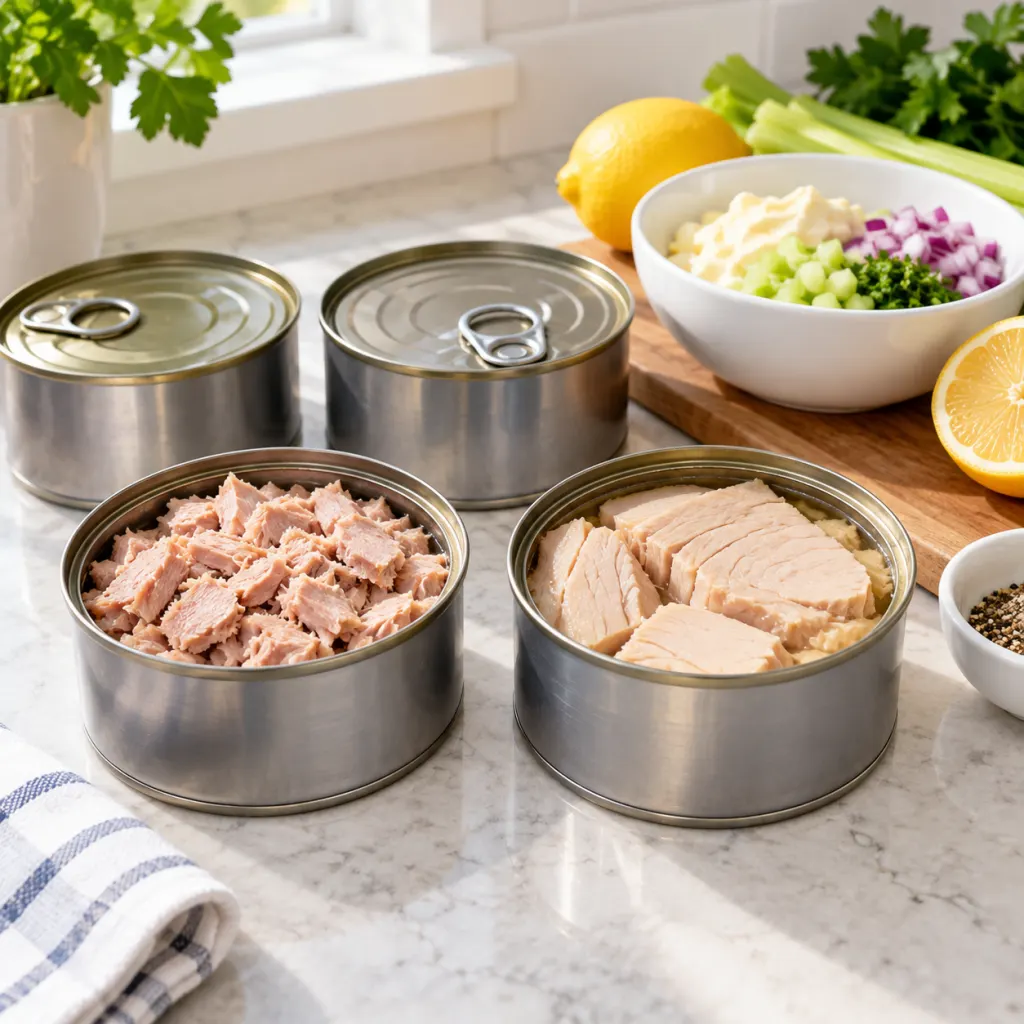
For muscle-building meals, fish works especially well when paired with a carbohydrate source. Think salmon with rice, tuna on whole-grain toast, cod with potatoes, shrimp with noodles, or sardines with crackers and a side salad. Canned and frozen options count too. In fact, canned tuna, canned salmon, and frozen fish fillets can make fish more realistic for a weekday kitchen. The aim is not to eat fish every day; it is to use it as one of several protein anchors so meals stay varied enough to last.
5. Soy Foods, Beans, and Lentils
Plant proteins deserve a serious place in a muscle-focused kitchen. MedlinePlus lists soy, beans, legumes, nut butters, and some grains as protein sources, and it notes that people do not need animal products to get the protein they need when the overall pattern is adequate https://medlineplus.gov/ency/article/002467.htm. Tofu, tempeh, edamame, lentils, black beans, chickpeas, split peas, and bean-based pastas can all help build satisfying meals.
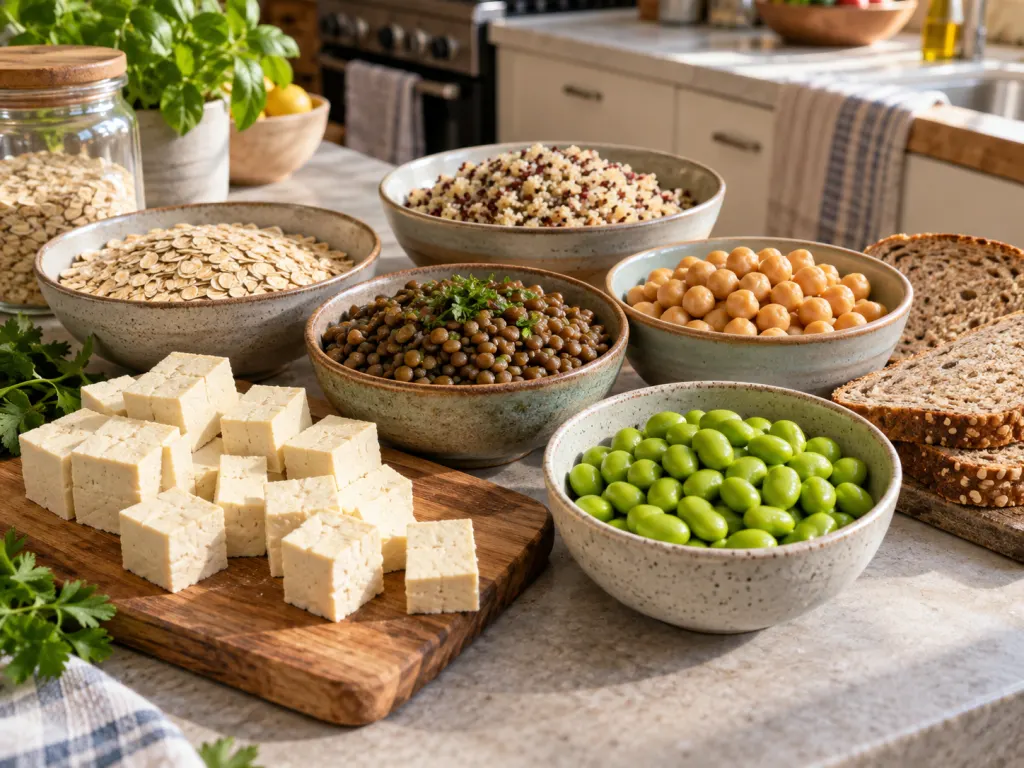
Soy foods are especially convenient because tofu and tempeh can stand in as the main protein in stir-fries, sheet-pan meals, sandwiches, and bowls. Beans and lentils bring protein plus slow-burning carbohydrates, which makes them helpful in meals before or after training. A lentil stew with bread, bean chili with rice, tofu scramble with potatoes, or chickpea pasta with tomato sauce can all support the same goal: eating enough high-quality food often enough for training to progress.
6. Quinoa, Oats, and Whole Grains
Whole grains are sometimes overlooked because they are not as protein-dense as eggs, dairy, fish, poultry, soy, or legumes. Still, they can make a meaningful contribution, especially when they appear more than once a day. MedlinePlus notes that whole grains contain more protein than refined grain products and includes some grains, such as quinoa, among plant sources that can contribute amino acids https://medlineplus.gov/ency/article/002467.htm. Quinoa, oats, whole-grain bread, brown rice, whole-wheat pasta, barley, and farro also make protein foods easier to turn into complete meals.
The key is to pair grains rather than asking them to do all the work. Oats with Greek yogurt, quinoa with lentils, whole-grain toast with eggs, rice with tofu, pasta with tuna, or barley with chicken can be much more useful than a tiny protein serving on its own. Whole grains also help with training energy. If workouts feel flat and meals are mostly protein plus vegetables, adding a grain or starchy food may make the eating pattern easier to sustain.
How to Put the Six Foods Into a Day
A muscle-supporting day does not need to look rigid. The pattern can be simple: protein at breakfast, protein at lunch, protein at dinner, and a snack if your appetite or training schedule calls for it. Research on protein timing is more nuanced than social media often suggests. A systematic review and meta-analysis in healthy adults found that protein supplementation supported lean body mass, while the advantage of a specific timing pattern was less clear https://pubmed.ncbi.nlm.nih.gov/32232404/. In plain terms, the total day and consistency matter a lot.
Here are a few flexible combinations:
- Breakfast: oats with Greek yogurt and fruit, or eggs with whole-grain toast.
- Lunch: chicken, turkey, tofu, tuna, or beans over rice, quinoa, potatoes, or salad greens.
- Snack: cottage cheese with fruit, edamame, yogurt, a bean dip with whole-grain crackers, or an egg with toast.
- Dinner: fish with potatoes, lentil stew with bread, tofu stir-fry with rice, or lean meat with pasta and vegetables.
Supplements Are Optional, Food Skills Are Foundational
Protein powders can be convenient, but they are not required for everyone. The NIH ODS fact sheet explains that athletes who need additional protein can get it from protein-containing foods and, if needed, supplements or fortified products https://ods.od.nih.gov/factsheets/ExerciseAndAthleticPerformance-HealthProfessional/. That wording is useful because it puts supplements in the right place: helpful for convenience in some situations, not a replacement for meals. If a shake helps you meet your needs on a rushed day, fine. If you can meet your needs with eggs, yogurt, fish, poultry, beans, soy foods, and grains, that is also fine.
For many home cooks, the bigger upgrade is not buying a new tub of powder. It is learning three or four repeatable meals that match the way they live. Keep hard-cooked eggs in the refrigerator. Cook lentils once and use them twice. Buy frozen fish fillets. Keep Greek yogurt or cottage cheese ready. Make a pot of oats, rice, or quinoa. These unglamorous habits make muscle-focused eating easier because they remove the daily question of what to eat.
When to Personalize the Plan
Protein needs and food choices vary with body size, training volume, age, appetite, budget, cultural food traditions, and dietary pattern. A beginner lifting twice a week does not need to copy the meals of a competitive strength athlete. A vegetarian eater may lean harder on soy foods, beans, lentils, dairy, eggs, and grains. Someone with a low appetite may need smaller, more frequent meals. Someone with a demanding job may need portable foods. The best plan is the one that gives you enough nourishment without making daily life feel like a spreadsheet.
A Practical Bottom Line
The six best food categories for supporting muscle gain are not rare or complicated: eggs; Greek yogurt or cottage cheese; chicken, turkey, and lean meats; fish; soy foods with beans and lentils; and whole grains such as quinoa and oats. Use them as building blocks, not as a promise. Pair them with progressive strength training, enough total food, and meals you can repeat. Over time, a steady routine beats a dramatic one-week menu.
Wrap-Up
Muscle gain is supported by the combination of resistance training, enough overall food, and protein-rich meals spread through the day. Eggs, dairy foods such as Greek yogurt and cottage cheese, poultry or lean meats, fish, soy foods with beans and lentils, and whole grains can all help build a practical eating pattern. The best approach is flexible: choose foods you enjoy, combine protein with training fuel, and keep simple options ready so the routine can continue beyond a burst of motivation.
Frequently Asked Questions
- → Can these foods increase muscle mass without strength training?
Food supplies the building blocks and energy, but resistance training is the main signal for muscle adaptation. A protein-rich diet without progressive training is less likely to produce the result most people mean by muscle gain.
- → Do I need protein powder if I eat these foods?
Not necessarily. Protein powder can be convenient, but many people can build a solid routine with eggs, dairy, fish, poultry, soy foods, beans, lentils, and grains. Convenience, appetite, schedule, and personal preference determine whether a supplement is useful.
- → Are plant proteins enough for muscle-focused eating?
They can be. Soy foods, beans, lentils, nuts, seeds, and grains can all contribute protein. The practical point is to eat enough total food and enough variety across the day rather than relying on one plant food alone.
- → Is timing protein after a workout essential?
Post-workout protein can be useful, especially if it helps you eat consistently, but the total day matters a great deal. A steady pattern of protein-rich meals is usually more practical than worrying about a narrow clock.
- → Which of the six foods is best?
There is no single best choice for everyone. Eggs are convenient, dairy is easy for snacks, poultry and fish anchor meals, soy and legumes work well for plant-forward eating, and whole grains help complete the plate. The best option is the one that fits your routine.
References
This content was developed and refined using reliable sources.
- https://medlineplus.gov/ency/article/002467.htm
- https://ods.od.nih.gov/factsheets/ExerciseAndAthleticPerformance-HealthProfessional
- https://odphp.health.gov/our-work/nutrition-physical-activity/dietary-guidelines/current-dietary-guidelines
- https://pubmed.ncbi.nlm.nih.gov/36057893
- https://pubmed.ncbi.nlm.nih.gov/32232404