 Save
The main answer is simple: no kitchen drink has strong evidence as a reliable answer for kidney stones or a urinary tract infection. Water can support normal urine flow, and some food habits may matter after a clinician identifies a stone type, but burning urination, fever, severe side pain, vomiting, blood in urine, or trouble passing urine should be taken seriously. Kidney stones are solid mineral deposits in the urinary tract, while UTIs are usually bacterial infections; the right next step depends on which problem is actually present.
Why the Two Problems Get Confused
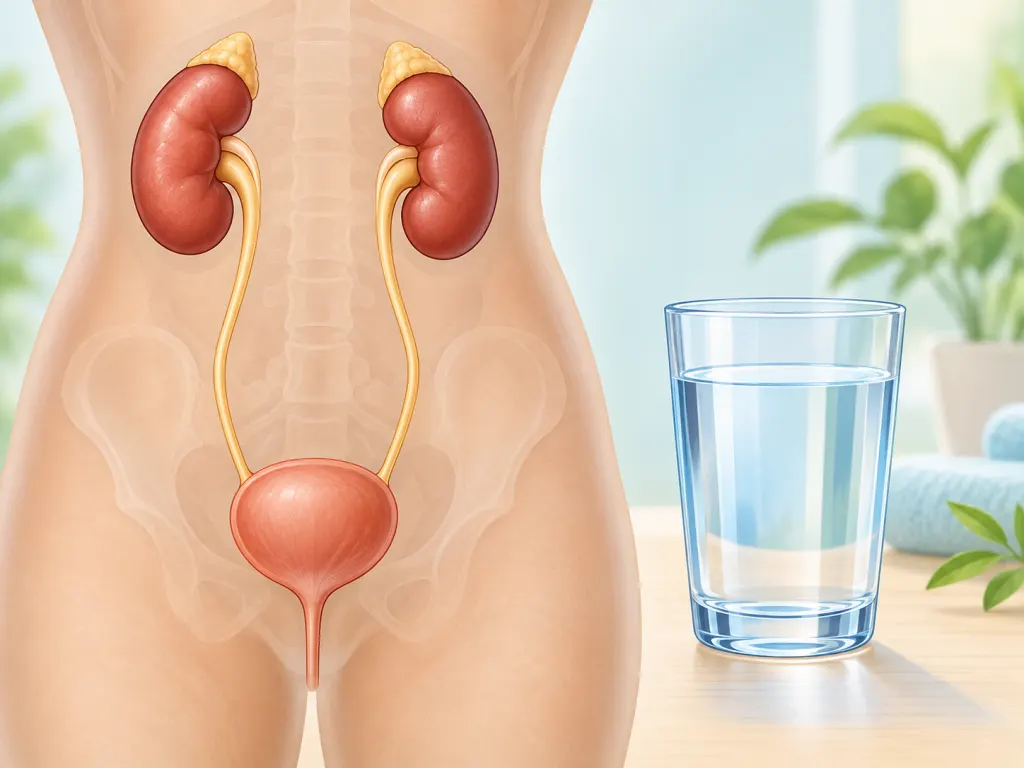
Kidney stones and UTIs both involve the urinary tract, so people often group them together. The urinary tract includes the kidneys, ureters, bladder, and urethra, and symptoms from one area can be felt in another. The National Institute of Diabetes and Digestive and Kidney Diseases describes a kidney stone as a solid, pebble-like piece of material that can form when certain minerals are high in urine. A UTI, by contrast, happens when bacteria enter and infect part of the urinary tract, according to the CDC. Those are different mechanisms, which is why a single home beverage cannot be assumed to fit both concerns.
A stone may cause sharp pain in the back, side, lower abdomen, or groin, and blood may appear in urine. Some small stones cause few or no symptoms. A bladder infection commonly causes burning with urination, frequent urination, pressure or cramping in the lower abdomen, or bloody urine; CDC notes that kidney infection symptoms can include fever, chills, side or lower back pain, nausea, or vomiting. Because there is overlap, especially with pain and blood in urine, guessing from symptoms alone can be misleading. A health professional may use the story of symptoms, an exam, urine testing, and sometimes imaging to sort out what is happening.
What Hydration Can Reasonably Support
Hydration is the most practical home habit to discuss, but it still needs careful wording. NIDDK says drinking enough liquid, mainly water, is the most important dietary habit connected with kidney stone risk management, while also noting that personal fluid needs should be discussed with a health professional. For everyday readers, that means water is a useful baseline habit, not a dramatic shortcut. Pale-yellow urine through much of the day is often a practical sign that fluid intake is adequate, although heat, exercise, sweating, and individual health needs can change the picture.
For UTI discomfort, CDC also lists drinking plenty of water or other fluids under ways to feel better, but this belongs alongside clinical evaluation when symptoms point toward infection. Fluids may dilute urine and make urination less irritating for some people, yet fluids do not identify the organism causing symptoms or decide whether antibiotics are needed. A sensible approach is to keep sipping water while arranging appropriate care for symptoms that are persistent, severe, or concerning.
Food Choices Depend on Stone Type
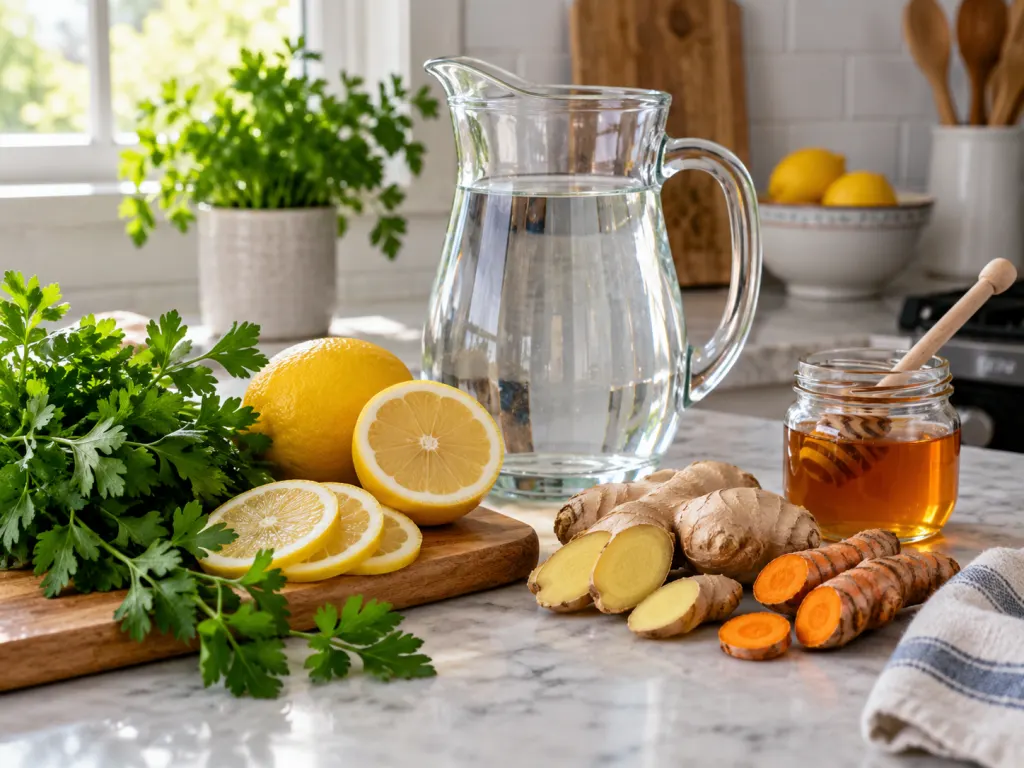
Stone-related food advice is not one-size-fits-all. NIDDK explains that calcium oxalate, calcium phosphate, uric acid, and cystine stones may call for different nutrition conversations. After a stone is analyzed or the pattern is clear, a clinician or dietitian may discuss sodium, animal protein, calcium from foods, and oxalate-containing foods. That is very different from assuming that parsley, lemon, ginger, turmeric, or honey will change an active stone. Those ingredients may make a drink taste bright or soothing, but the article should not turn flavor into a medical promise.
Readers sometimes hear that lemon water is special for stones. Lemon contains citric acid, and citrate is part of some stone conversations, but ordinary lemon water varies widely in strength and intake. It is more accurate to say that lemon can make water more appealing, which may help some people drink more fluid. The bigger dietary pattern still matters: frequent high-sodium packaged foods, large portions of animal protein for some stone types, and low fluid intake are more relevant targets to discuss with a qualified professional than any single trendy ingredient.
How to Read Cranberry Claims
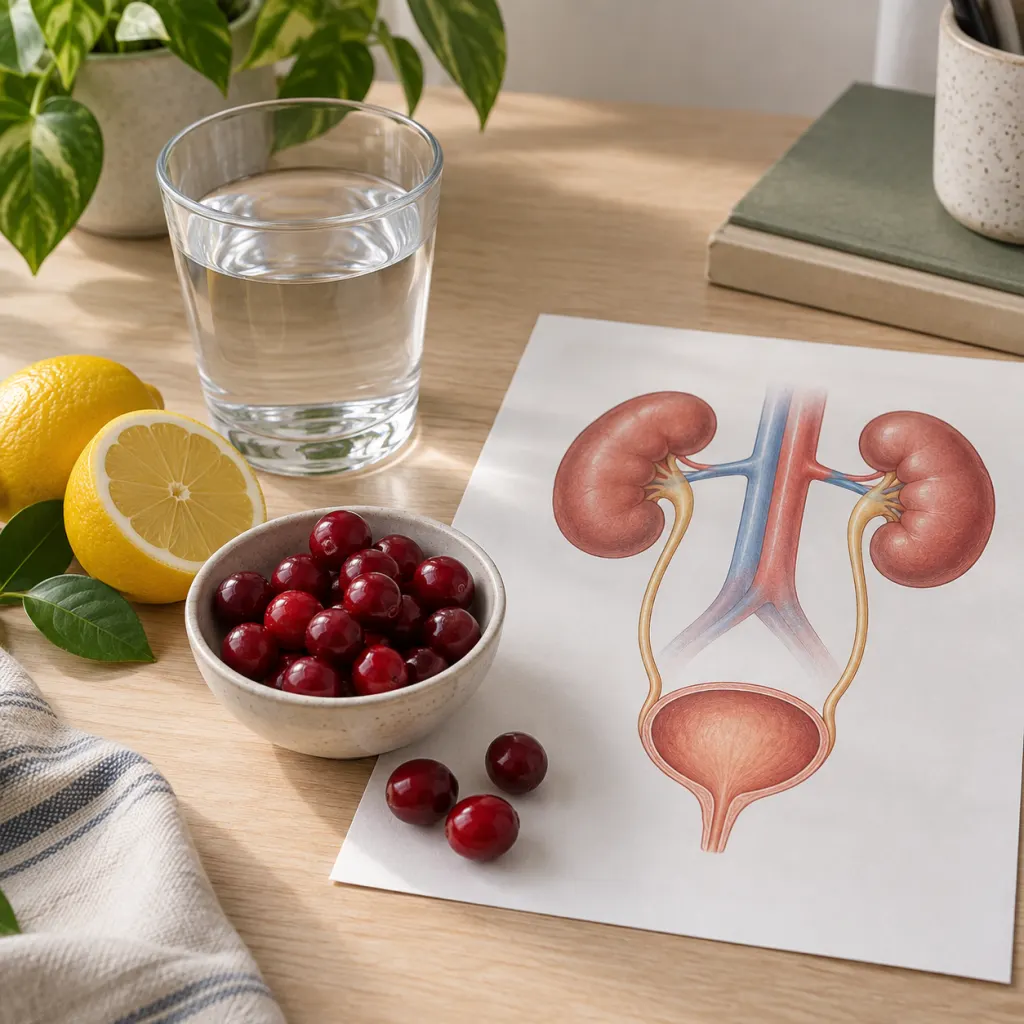
Cranberry deserves a separate look because it is widely promoted for urinary health. The National Center for Complementary and Integrative Health reports that cranberry products have been studied mostly for recurrent UTIs, especially in women at increased risk, but findings are inconsistent and product type matters. NCCIH also states that cranberry is not recommended for an existing UTI. In plain language, cranberry juice or capsules should not be treated as a stand-in for clinical care when burning, urgency, fever, side pain, or blood in urine appears.
There is also a practical kitchen point: cranberry juice drinks are often sweetened and may contain far less cranberry than shoppers expect. Capsules vary in composition. If someone enjoys unsweetened cranberry as a tart beverage, that is a taste preference; it should not be framed as a guaranteed urinary outcome. The safest editorial stance is to separate enjoyment from evidence. A reader can enjoy cranberry in food or drink while still recognizing that UTI symptoms need an evidence-based clinical pathway.
When Symptoms Deserve Prompt Care
Several symptoms should move the reader away from experimenting at home and toward timely medical help. CDC advises seeking medical care for UTI symptoms or for any symptom that is severe or concerning. For this topic, especially important warning signs include fever, chills, side or back pain, nausea or vomiting, severe wave-like pain, blood in urine, inability to pass urine, worsening weakness, or symptoms in a young child. NIDDK notes that bladder infections can spread to the kidneys, where the situation can become more serious.
It is also worth noting that kidney stones can block urine flow, and obstruction plus infection can become urgent. The reader does not need to identify that scenario alone; the safer message is that severe pain, fever, vomiting, or trouble urinating belongs in urgent care or emergency evaluation. For less intense but persistent symptoms, a same-day or next-day call to a clinician is still more dependable than trying multiple beverages and waiting.
A Practical Home Checklist
For mild urinary discomfort while arranging appropriate care, the home goal is comfort, observation, and avoiding overconfident claims. Useful steps include:
- Drink water steadily unless a clinician has given a different fluid plan.
- Track symptoms, timing, fever, urine color, and pain location.
- Avoid heavy alcohol intake and very sugary drinks when the bladder already feels irritated.
- Do not rely on herbal mixtures to settle severe pain, fever, vomiting, or blood in urine.
- Bring a list of supplements, usual drinks, and recent symptoms to the appointment.
This checklist is intentionally modest. It does not promise that water, lemon, cranberry, parsley, ginger, turmeric, or honey will clear a stone or infection. Instead, it helps readers stay oriented while deciding how quickly to get help. That difference matters: comfort measures can sit beside professional care, but they should not delay it when symptoms suggest infection, obstruction, or kidney involvement.

What a Clinician May Need to Know
A good appointment starts with concrete details. The reader may be asked when symptoms began, where pain is located, whether pain comes in waves, whether fever or chills are present, whether urine looks bloody or cloudy, and whether similar episodes happened before. Urine testing can help evaluate UTI symptoms, and imaging may be considered when stone symptoms are likely. If a stone passes, some clinicians may want it saved for analysis, because knowing the type can guide future food and fluid discussions.
For UTIs, CDC explains that healthcare providers determine whether a UTI is present by asking about symptoms, doing an exam, and ordering urine tests when needed. Antibiotics are commonly used when a UTI is confirmed or strongly suspected, and the choice depends on the person and local resistance patterns. The key point for a home-kitchen audience is not to self-label every urinary symptom. Burning, urgency, and pelvic pressure may point toward a bladder infection, while severe side pain may point toward a stone, but real evaluation is what makes the plan safer.
The Bottom Line on Kitchen Drinks
A parsley-lemon-ginger-turmeric drink may be refreshing, and plain water may be the most sensible beverage habit for many people. But the finished article should never suggest that a drink removes stones, clears infection, or makes professional evaluation unnecessary. When symptoms are mild and brief, hydration and observation may be reasonable while monitoring closely. When symptoms are painful, persistent, feverish, bloody, or associated with vomiting or side pain, the reader needs care that can identify the cause.
The most useful message is balanced: drink water, be cautious with dramatic claims, and treat urinary symptoms as information worth checking rather than something to outguess. Kidney stones and UTIs are common enough that many people will encounter them, but common does not mean harmless. Accurate identification, evidence-based care, and individualized nutrition advice are more reliable than any viral kitchen formula.
Wrap-Up
Kidney stones and UTIs can overlap in symptoms, but they are not the same condition. Water can support normal urine flow, and stone-specific nutrition advice may matter after professional evaluation. Cranberry has mixed evidence for some recurrent UTI contexts and should not be used as the answer to active symptoms. Fever, chills, severe side or back pain, vomiting, blood in urine, or trouble passing urine should prompt timely medical care.
Frequently Asked Questions
- → Can a homemade drink solve kidney stones or a UTI?
No reliable evidence supports a kitchen drink as a complete answer for kidney stones or a UTI. Water can support normal urine flow, and some nutrition changes may matter after a stone type is known, but urinary symptoms with pain, fever, vomiting, or blood need medical evaluation.
- → How can I tell whether it is a stone or a UTI?
Symptoms can overlap. Sharp side, back, lower belly, or groin pain may occur with stones, while burning urination, frequent urination, pelvic pressure, and cloudy or bloody urine may occur with a UTI. Fever, chills, side pain, nausea, or vomiting can suggest kidney involvement. Testing may be needed.
- → Is cranberry useful for urinary tract infections?
Cranberry has been studied mostly for recurrent UTI risk in certain groups, and findings are mixed. NCCIH states that cranberry is not recommended for an existing UTI. Enjoying cranberry as food or drink is different from relying on it for active symptoms.
- → Does lemon water help kidney stones?
Lemon water may make plain water easier to drink, which can support hydration. Stone-specific advice depends on the type of stone and the person’s overall health. It is best viewed as a beverage choice, not as a guaranteed stone solution.
- → When should urinary symptoms be checked urgently?
Seek prompt medical help for fever, chills, severe side or back pain, vomiting, blood in urine, inability to pass urine, or any symptom that feels severe or concerning. These signs can point to a problem that needs timely evaluation.
References
This content was developed and refined using reliable sources.
- https://www.niddk.nih.gov/health-information/urologic-diseases/kidney-stones
- https://www.niddk.nih.gov/health-information/urologic-diseases/kidney-stones/eating-diet-nutrition
- https://www.cdc.gov/uti/about/index.html
- https://www.niddk.nih.gov/health-information/urologic-diseases/bladder-infection-uti-in-adults/definition-facts
- https://www.nccih.nih.gov/health/cranberry
- https://www.medlineplus.gov/urinarytractinfections.html