 Save
There is not enough trustworthy information in the source material to identify one specific leaf, and no single unnamed leaf should be presented as a reliable answer for joint or muscle pain. The better question is how to evaluate these claims without dismissing cultural traditions or risking your health. Joint pain can come from many causes, including overuse, injury, infection, inflammatory conditions, or age-related joint changes; MedlinePlus notes that joint pain may affect one or more joints and can be linked to several injuries or conditions https://www.medlineplus.gov/ency/article/003261.htm. If a leaf is not clearly identified by its common and botanical name, the claim is too vague to use safely.
Why the Leaf Identity Matters
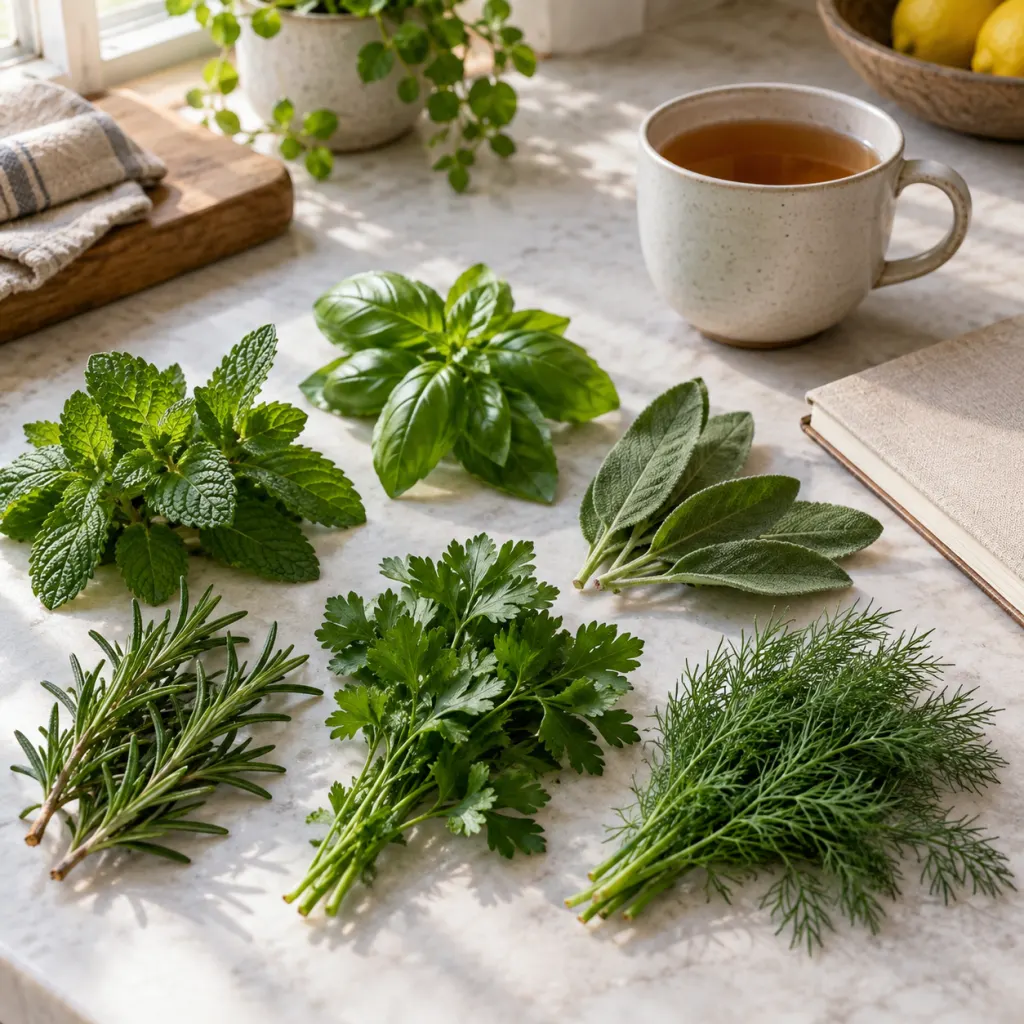
A social post that says one leaf helps aching knees, elbows, back, or legs leaves out the most important fact: which plant is being discussed. A bay leaf, guava leaf, castor leaf, eucalyptus leaf, cabbage leaf, comfrey leaf, and dozens of other leaves are completely different biological materials. They may contain different compounds, carry different contamination risks, and be used in different ways. Some are ordinary culinary ingredients in small food amounts; others are not appropriate for tea, skin contact, or casual home use. A reliable health discussion needs the plant's exact identity, the plant part, the preparation, the amount used, the route of use, the person's health context, and the outcome being claimed.
Traditional use can be meaningful cultural knowledge, but it is not the same thing as evidence that a specific leaf is appropriate for a specific person. The National Center for Complementary and Integrative Health explains that complementary approaches vary widely, and safety depends on the specific product or practice and the person using it https://www.nccih.nih.gov/health/chronic-pain-and-complementary-health-approaches-usefulness-and-safety. That distinction matters because a comforting evening ritual, a culinary herb, a concentrated supplement, and a plant poultice are not interchangeable.

Joint Pain Is a Symptom, Not a Diagnosis
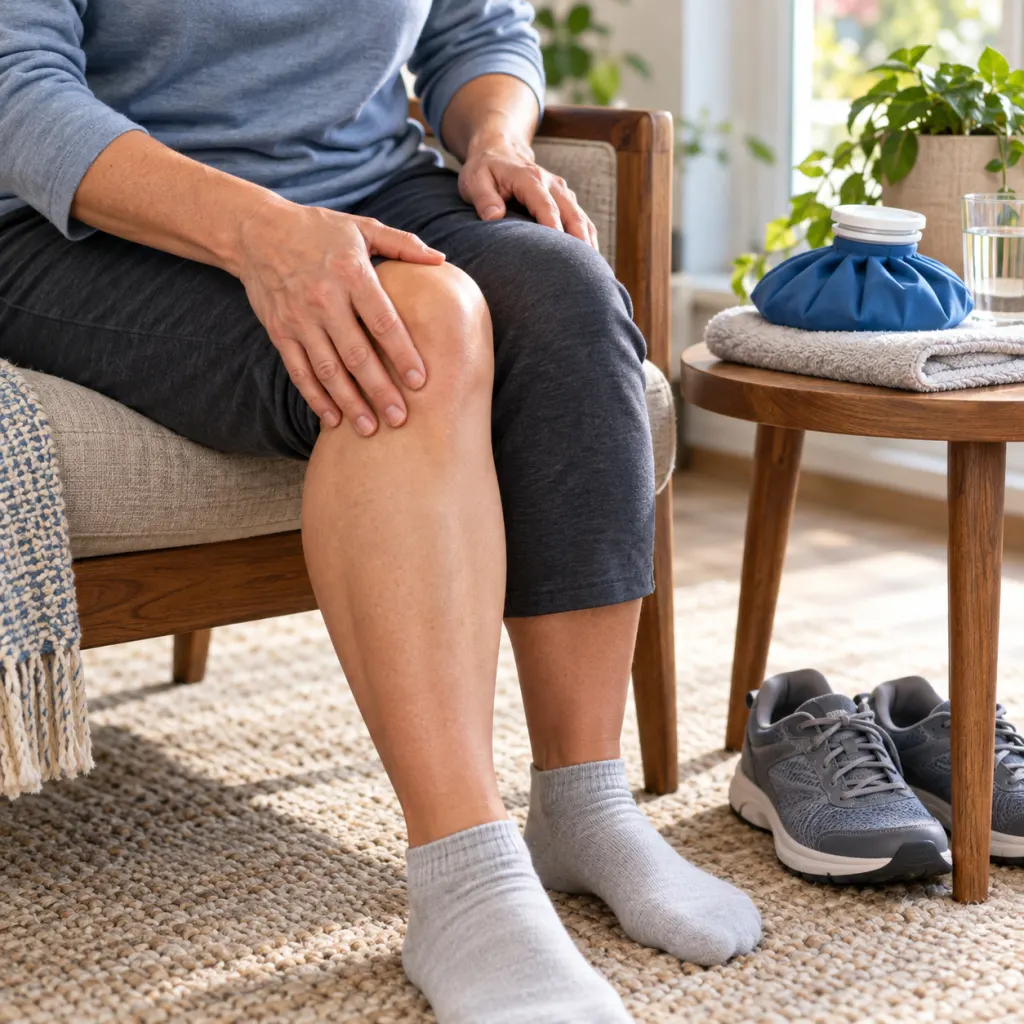
Joint pain deserves careful attention because the same sensation can point to very different situations. A sore knee after a long walk is not the same as a swollen, hot joint with fever. MedlinePlus lists causes that include overuse, sprains, tendinitis, bursitis, crystals in the joint, autoimmune disease, infection, and injury https://www.medlineplus.gov/ency/article/003261.htm. Because the cause can vary, a leaf-based claim can distract from the practical first step: noticing the pattern. When did the discomfort start? Is it in one joint or many? Is there redness, warmth, swelling, numbness, weakness, fever, rash, or an injury? Does it improve with rest, gentle movement, or time?
Muscle pain is also broad. It may follow unfamiliar exercise, repeated lifting, poor sleep, dehydration, viral illness, or a strain. Sometimes people describe heavy legs or general stiffness as muscle pain when the issue is actually joint stiffness, circulation, nerve irritation, or fatigue. A careful description helps a clinician, physical therapist, pharmacist, or other qualified professional sort out whether self-care is reasonable or whether evaluation is needed. The point is not to become alarmed by every ache. It is to avoid letting an attractive plant claim become the whole plan.
What Evidence Supports Instead of a Single-Leaf Promise
The strongest practical evidence for common joint discomfort usually points toward habits rather than a special leaf. The CDC states that joint-friendly physical activity can help people with arthritis reduce pain and improve function and mood, and it recommends a mix of aerobic and muscle-strengthening activity for adults as tolerated https://www.cdc.gov/arthritis/prevention/index.html. This does not mean pushing through severe symptoms. It means that regular, appropriate movement is often part of a sound plan, especially when chosen with the person's current ability in mind.
NIAMS gives similar practical guidance for osteoarthritis, noting that exercise can support flexibility, muscle strength, endurance, and joint function when introduced thoughtfully https://www.niams.nih.gov/health-topics/osteoarthritis/diagnosis-treatment-and-steps-to-take. For many readers, the useful takeaway is not a dramatic routine. It is a calmer pattern: start with low-stress movement, increase gradually, pay attention to symptom changes, and ask for individualized advice when pain is persistent or activity is limited.

How to Assess an Herbal Leaf Claim
Before using any leaf as a tea, compress, infused oil, bath addition, or supplement ingredient, pause long enough to ask basic evidence and safety questions. These questions are especially important when the claim arrives through a short caption, comment thread, forwarded message, or video without a named source.
- What is the exact plant? Look for a common name and a botanical name, because common names can vary by region.
- What part is used? Leaf, bark, root, seed, oil, and extract can have different properties.
- How is it prepared? A culinary amount in food is different from a concentrated capsule, essential oil, or strong infusion.
- Who should avoid it? Children, older adults, people with chronic conditions, and people preparing for surgery may need extra caution.
- What is the evidence? Traditional use, laboratory research, small human studies, and clinical guidance are not the same strength of evidence.
- What symptoms are present? Severe, unexplained, hot, red, swollen, or persistent pain should not be handled only with a home ritual.
The FDA explains that dietary supplements can involve health risks and that, under current law, the agency does not approve dietary supplements for safety and effectiveness before they are sold https://www.fda.gov/consumers/consumer-updates/fda-101-dietary-supplements. That is a key difference between a leaf used as a normal kitchen herb and a product sold with strong body claims. Packaging, testimonials, and natural imagery do not prove that a product is suitable for a person's body or circumstances.
Culinary Leaves, Teas, Compresses, and Supplements Are Different
Many people feel a strong pull toward plant-based options because leaves are familiar, affordable, and connected with family memory. A cup of warm tea can also be emotionally soothing in the ordinary sense: it slows the evening down, adds hydration, and creates a small routine. But a pleasant ritual should not be stretched into a medical promise. A culinary leaf used to flavor soup is not the same as drinking repeated strong infusions. A topical compress is not automatically harmless, especially if the plant is unidentified, the skin is irritated, or the area is broken. Essential oils deserve particular caution because they are concentrated and can irritate skin when used casually.
The NIH Office of Dietary Supplements advises consumers to be alert to bad reactions with supplements and to tell health care providers about the products they use https://ods.od.nih.gov/factsheets/WYNTK-Consumer/. For a reader, that can be turned into a simple habit: keep a written list of supplements, teas used for health reasons, topical plant products, and allergies. Bring that list to appointments. It is much easier to get useful guidance when the actual product and ingredients are known.

When Pain Should Not Wait
Some symptoms deserve prompt professional attention. MedlinePlus advises contacting a provider when joint pain lasts more than several days, when pain and swelling are severe and unexplained, or when joint pain comes with fever or unintended weight loss https://www.medlineplus.gov/ency/article/003261.htm. A hot, red, swollen joint; sudden severe pain after injury; inability to bear weight; numbness; weakness; chest symptoms; or a rapidly worsening condition also needs appropriate care rather than trial-and-error with herbs. A plant ritual can wait; evaluating a potentially serious symptom should not.
Exercise-related discomfort also needs context. The CDC notes that some soreness or stiffness may happen after starting a new activity, but pain that is severe, sharp, constant, causes limping, worsens at night, or is paired with major swelling should be discussed with a doctor https://archive.cdc.gov/www_cdc_gov/arthritis/basics/physical-activity/pain.html. This is a helpful boundary for readers who want to stay active but are unsure whether they are doing too much. A practical plan can include smaller sessions, lower-impact movement, rest days, and professional input when symptoms are not behaving as expected.
A Safer Way to Use Tradition Without Overclaiming
For many households, the most respectful approach is neither blind acceptance nor blanket dismissal. You can honor the memory of a grandmother's tea, a garden leaf, or a cultural practice while still asking modern safety questions. Use food plants as food. Be skeptical of concentrated products with sweeping claims. Avoid unidentified leaves. Do not apply unknown plants to irritated skin. Do not use social media comments as your source for a health decision. If a plant is important to your family tradition, write down its local name, where it comes from, how it is normally used, and who in the family avoids it. Then discuss that information with a qualified professional who can consider your health history.
The Bottom Line on the Viral Leaf Claim
The responsible answer to the topic is simple: an unnamed leaf is not enough information. If the plant cannot be identified, the claim cannot be evaluated in a meaningful way. If the plant can be identified, the next question is whether credible human evidence, safety information, and personal health context support its use. For everyday stiffness, the most dependable habits are usually less exciting than a viral post: appropriate movement, rest after overload, stretching when suitable, sleep, hydration, balanced meals, and timely medical evaluation when symptoms are severe, unusual, or persistent. A leaf may belong in the kitchen, the garden, or a family tradition, but it should not carry more certainty than the evidence can support.
Wrap-Up
Leaf-based wellness claims are common because they feel simple and natural, but the details matter. The source material behind this topic does not identify a specific plant, so the safest draft position is caution. Joint and muscle pain can have many causes, from temporary overuse to conditions that need professional evaluation. A warm tea ritual or familiar culinary herb may be comforting, but that is different from evidence for a health outcome. Confirm the plant, avoid concentrated or unidentified products, watch for concerning symptoms, and make personal health decisions with a qualified professional.
Frequently Asked Questions
- → Can one leaf be identified from the viral claim?
Not from the supplied material. A responsible health article needs the exact plant name, plant part, and preparation method before any claim can be evaluated. Without that information, the safest answer is to avoid using the leaf as a health product.
- → Are herbal leaves always safe because they are natural?
No. Natural products can still have strong effects, contamination issues, or risks for certain people. The FDA and NIH both advise consumers to discuss supplement use with a health professional, especially when a product is used for a health reason.
- → What should I track before talking with a clinician about joint or muscle pain?
Write down when the discomfort began, where it is located, whether there was an injury, what makes it better or worse, and whether swelling, warmth, redness, fever, numbness, weakness, or persistent stiffness is present. Also list supplements, teas, and topical products you use.
- → What kinds of movement are usually considered joint-friendly?
The CDC lists lower-impact activities such as walking, cycling, light gardening, dancing, tai chi, swimming, and water exercises as joint-friendly options for many people. The right choice depends on your current ability and symptoms.
- → When should joint pain be checked promptly?
Seek professional guidance when joint pain is severe, unexplained, lasts more than several days, comes with fever or unintended weight loss, or appears with major swelling, warmth, redness, injury, numbness, weakness, or inability to bear weight.
References
This content was developed and refined using reliable sources.
- https://www.medlineplus.gov/ency/article/003261.htm
- https://www.nccih.nih.gov/health/chronic-pain-and-complementary-health-approaches-usefulness-and-safety
- https://www.cdc.gov/arthritis/prevention/index.html
- https://www.fda.gov/consumers/consumer-updates/fda-101-dietary-supplements
- https://ods.od.nih.gov/factsheets/WYNTK-Consumer
- https://www.niams.nih.gov/health-topics/osteoarthritis/diagnosis-treatment-and-steps-to-take
- https://archive.cdc.gov/www_cdc_gov/arthritis/basics/physical-activity/pain.html