 Save
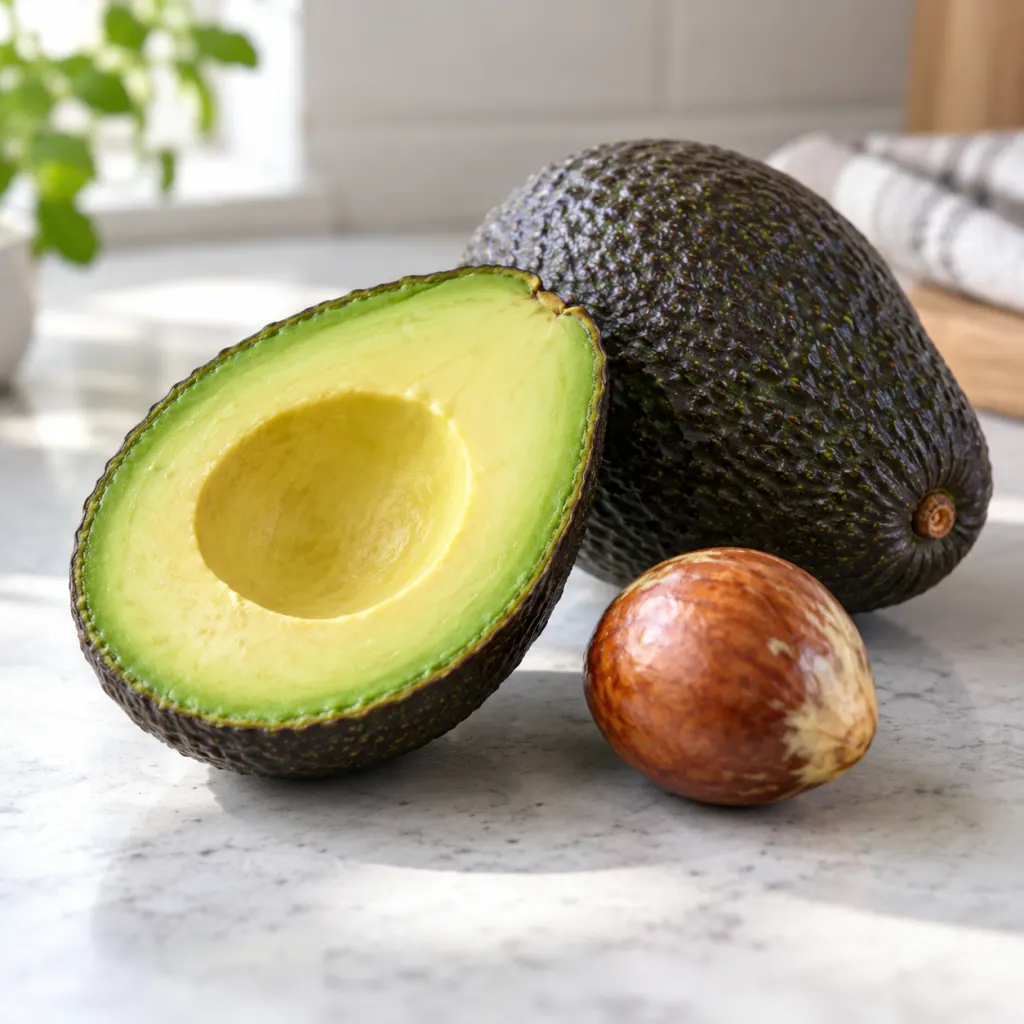
Avocado flesh is the part with the strongest practical case: it is a nutrient-dense whole food that can fit into balanced meals, especially when it replaces less nourishing spreads or toppings. The avocado seed is different. Although researchers have studied seed extracts and compounds, ordinary seed eating has not been established as useful or well understood in humans. The most evidence-aware approach is to enjoy the flesh, treat seed claims cautiously, and avoid turning the pit into a home supplement.
What The Evidence Can Support
The useful distinction is simple: avocado flesh is a familiar edible food with well-documented composition, while avocado seed is a plant part with emerging laboratory research and many unanswered questions. The U.S. Department of Agriculture food composition record for raw avocado lists the fruit as a source of fat, carbohydrate, fiber, potassium, magnesium, vitamin C, and other nutrients on a per-100-gram basis USDA FoodData Central. That does not make avocado a special fix for every nutrition goal, but it does explain why it is more than just a garnish.
For a home cook, the best benefits are practical and culinary. Avocado can make a meal feel richer without relying on butter, cream, or sweet sauces. It can add fiber to toast, salads, grain bowls, tacos, soups, and smoothies. It also helps carry flavors such as citrus, herbs, chile, garlic, tomato, and roasted vegetables. The seed, by contrast, is hard, bitter, and not a normal edible portion of the fruit. When an online claim treats the pit as the most valuable part, it is usually moving beyond what human food evidence can comfortably support.
- Best-supported use: eat the ripe green flesh as part of a varied meal pattern.
- Reasonable expectation: avocado adds unsaturated fat, fiber, potassium, and texture.
- Reasonable caution: do not assume seed powder behaves like the extracts used in research papers.
- Kitchen takeaway: use the flesh; compost, plant, or discard the pit unless a qualified professional has given you personal guidance.
Why Avocado Flesh Is Nutritionally Useful
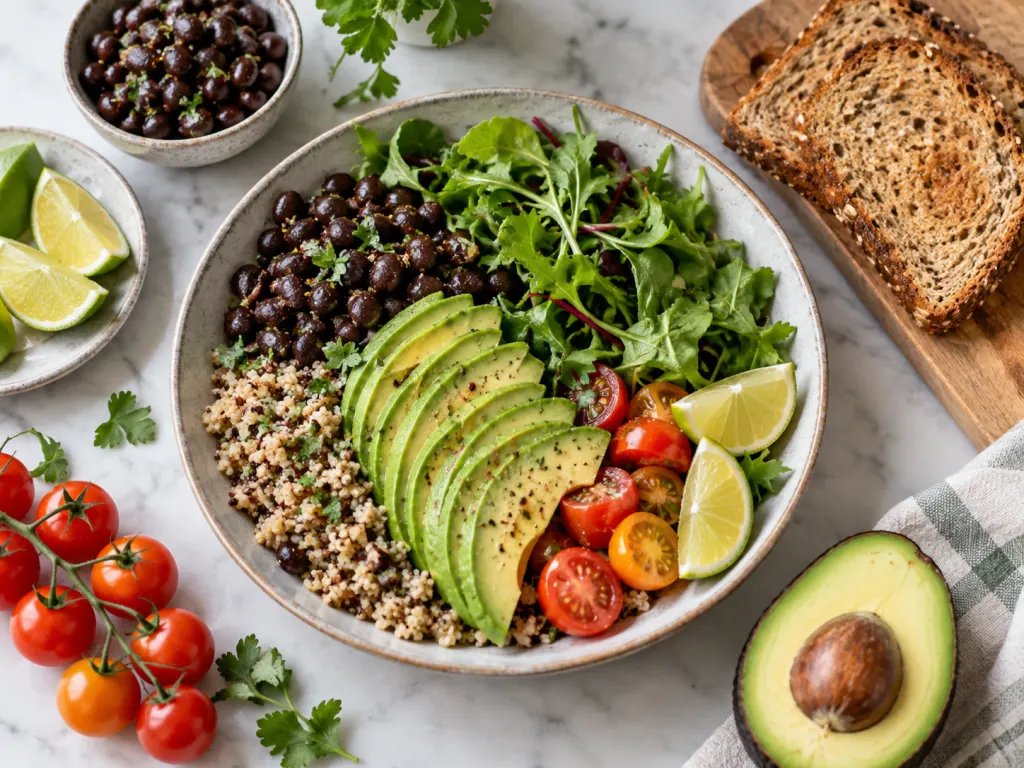
Avocado is unusual among fruits because much of its energy comes from fat rather than starch or sugar. MedlinePlus explains that the body needs some dietary fat and that replacing saturated and trans fats with unsaturated fat sources is generally the better pattern MedlinePlus. Avocado fits that kitchen role well because its texture works where people might otherwise use mayonnaise, cheese-heavy toppings, creamy dressings, or buttered bread. The benefit is not that avocado has magic properties; it is that it can make a better swap easy and satisfying.
Fiber is another major reason avocado belongs in an evidence-based discussion. FDA describes dietary fiber as including naturally occurring plant fibers and notes that fiber on food labels is tied to demonstrated beneficial physiological effects FDA. In ordinary terms, avocado helps make a plate more substantial. A spoonful of mashed avocado on toast, diced avocado in beans, or slices over eggs can change a small meal into one that feels more complete. That matters because foods people actually enjoy are easier to keep in rotation.
Potassium is part of the picture, too. The NIH Office of Dietary Supplements describes potassium as a mineral needed for normal heart function, muscle contraction, and nerve transmission, and it lists fruits, vegetables, legumes, dairy foods, meats, poultry, and fish among food sources NIH Office of Dietary Supplements. Avocado is not the only way to get potassium, and it should not be treated as a personal nutrition prescription. It is simply one useful food in a broader pattern that can also include potatoes, beans, lentils, leafy greens, yogurt, squash, and fruit.
What Human Research Says About Avocado
Human avocado research is real, but it is more nuanced than social media summaries often make it sound. A 2025 scoping review and evidence map gathered human studies that measured avocado intake and health-related outcomes, but its purpose was to describe the landscape of evidence rather than declare one universal result for everyone PubMed. That distinction matters. Studies may differ in the people enrolled, the amount of avocado used, the background diet, the length of follow-up, and what avocado replaced in the meal.
In practice, the safest interpretation is modest: avocado can be a useful part of a balanced food routine, especially when it helps replace less nourishing choices. It should not be framed as a stand-alone solution, a required daily food, or a guarantee of a specific body change. People eat meals, not isolated nutrients. The rest of the plate still matters: vegetables, beans, whole grains, seafood or other protein foods, herbs, lower-sugar drinks, and portion sizes all shape the overall pattern.
The Avocado Seed Is A Different Question
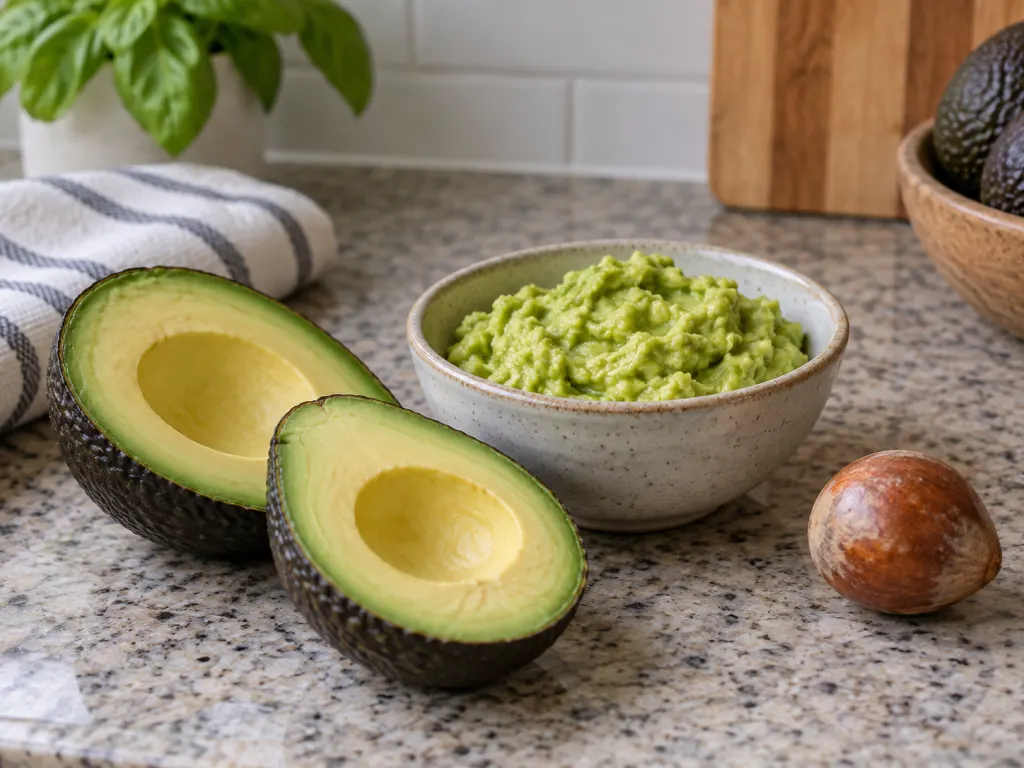
The seed contains plant compounds, and researchers have studied extracts made from it. That is not the same as showing that a person should dry, grind, blend, or eat the pit at home. Extract research often involves controlled preparation, selected compounds, and non-human models. A PubMed-indexed study of avocado seed extract, for example, evaluated acute toxicity and genotoxic activity in mice, not ordinary culinary use in people PubMed. Findings from that kind of work are useful for researchers, but they are not a recipe for home consumption.
This is where many viral avocado seed posts make a leap. They may point to phenolic compounds, antioxidant activity in a lab method, or an animal experiment, then imply that a spoonful of seed powder will deliver the same benefit in a human body. That jump is not justified. Before a plant part becomes a sensible food ingredient, people need more than a list of compounds. They need evidence about preparation, digestibility, amounts typically consumed, unwanted effects, and whether the preparation is acceptable as food.
How To Use Avocado In Everyday Meals
The most realistic benefit of avocado is that it makes healthy-leaning meals easier to enjoy. Mash it with lime and a pinch of salt for toast. Cube it into black beans, corn, tomatoes, and herbs. Blend a small amount into a smoothie when you want creaminess without adding much sweetness. Slice it over chili, lentil soup, roasted vegetables, or an omelet. Use it as a sandwich spread with lemon, pepper, and mustard. None of these uses requires turning avocado into medicine; they simply use its texture and nutrient profile well.
Portion sense still matters because avocado is energy-dense. That does not make it a bad food. It means it is best used intentionally, the way you would use nuts, olive oil, tahini, or cheese. A quarter or half avocado may be plenty in a meal, depending on the rest of the plate. If the meal already contains several rich ingredients, avocado can be the creamy element rather than an extra topping added on top of everything else.
How To Judge Online Avocado Benefit Claims
A good avocado claim should be specific, modest, and tied to the edible flesh or to a clearly described study. Be skeptical when a post says the seed is the secret, when it suggests that one ingredient can transform health on its own, or when it uses research on extracts to sell a home powder. Also watch for missing details: Who was studied? Was it human research? Was the ingredient whole avocado, avocado oil, an isolated compound, or a seed extract? How long did the study last? What was the comparison meal?
It also helps to separate nutrient presence from real-world usefulness. A plant part can contain interesting compounds and still be a poor home food choice. Some compounds are not absorbed well. Some preparations taste unpleasant. Some research uses amounts or extraction methods that do not resemble cooking. With avocado, the flesh already gives you a useful, enjoyable ingredient. The seed may be scientifically interesting, but that is not enough to make it a kitchen staple.
Storage And Food Quality Tips
For best quality, buy avocados at different stages of ripeness if you want them across the week. Firm fruit can ripen on the counter; ripe fruit can move to the refrigerator for a short window. Once cut, cover the exposed surface tightly and refrigerate it. Browning is mostly a quality issue, not proof that the avocado is unusable, but off smells, mold, or slimy texture are reasons to discard it. A little lemon or lime juice can slow browning and brighten the flavor.
When serving avocado in packed lunches or shared dishes, add it close to eating time when possible. Guacamole and avocado salads look and taste best when they are fresh, acidic, and protected from too much air exposure. If you are making a bowl or salad ahead, pack avocado separately or place it under a layer of citrusy dressing. These small kitchen choices preserve the ingredient people actually like: the soft, green, mild flesh.
Bottom Line
Avocado flesh deserves its place in a practical kitchen wellness guide because it is versatile, filling, and nutritionally useful. Its benefits make the most sense when it improves the overall meal: more fiber, more unsaturated fat, more produce, and a satisfying texture that helps people enjoy balanced food. Avocado seed claims need a much cooler reading. Current evidence does not establish the pit as an everyday edible ingredient for people, and seed extract research should not be translated into home seed powder advice. Enjoy the flesh; be cautious with the seed.
Wrap-Up
Avocado is best understood as a useful whole-food ingredient, not a shortcut. The flesh offers unsaturated fat, fiber, potassium, and culinary versatility. The seed is scientifically interesting but not well established as a food for people. For everyday cooking, the evidence-aware choice is to use ripe avocado flesh in balanced meals and leave seed experiments alone.
Frequently Asked Questions
- → Is avocado flesh actually good for everyday meals?
Yes, for many people it can be a useful everyday ingredient. The strongest case is practical: avocado adds unsaturated fat, fiber, potassium, and creaminess, especially when it replaces less nourishing spreads or toppings.
- → Should I eat avocado seeds for extra benefits?
The evidence does not support treating the seed like an ordinary food. Much of the seed research uses extracts, lab methods, or animal models, which is not the same as showing that ground avocado pit is useful or appropriate for people.
- → Is avocado better than avocado oil?
They serve different kitchen roles. Whole avocado brings fiber, water, texture, and several nutrients. Avocado oil is mainly a cooking fat. If you want the broader food package, use the flesh; if you need an oil, use oil in modest amounts.
- → How much avocado makes sense in a meal?
There is no single amount that fits everyone. A quarter to half avocado is a common practical portion, but the right amount depends on the meal, appetite, and personal nutrition needs.
- → What is the best use for an avocado seed?
For most home cooks, the best uses are non-eating uses: compost it where appropriate, use it to grow a houseplant, or discard it. The edible, well-understood part is the ripe flesh.
References
This content was developed and refined using reliable sources.
- https://api.nal.usda.gov/fdc/v1/food/171705?api_key=DEMO_KEY
- https://www.medlineplus.gov/dietaryfats.html
- https://ods.od.nih.gov/factsheets/Potassium-Consumer
- https://www.fda.gov/food/nutrition-food-labeling-and-critical-foods/questions-and-answers-dietary-fiber
- https://pubmed.ncbi.nlm.nih.gov/39996010
- https://pubmed.ncbi.nlm.nih.gov/24298206