 Save
To revive houseplants in autumn, do not begin with a mystery additive. Begin with the season: shorter days, indoor heating, cooler windows, and lower humidity change how plants use water and light. A plant that grew well outdoors or near a bright summer window may drop leaves, stretch, yellow, or wilt when moved inside. The practical fix is to match care to slower growth. Give the plant the brightest suitable location, check soil moisture before watering, empty saucers after drainage, pause or reduce fertilizer unless the plant is still actively growing, and inspect leaves and stems for pests. University extension guidance consistently points to the same pattern: autumn recovery is less about forcing fast growth and more about reducing stress while the plant acclimates to indoor conditions.
Why Houseplants Fade in Autumn
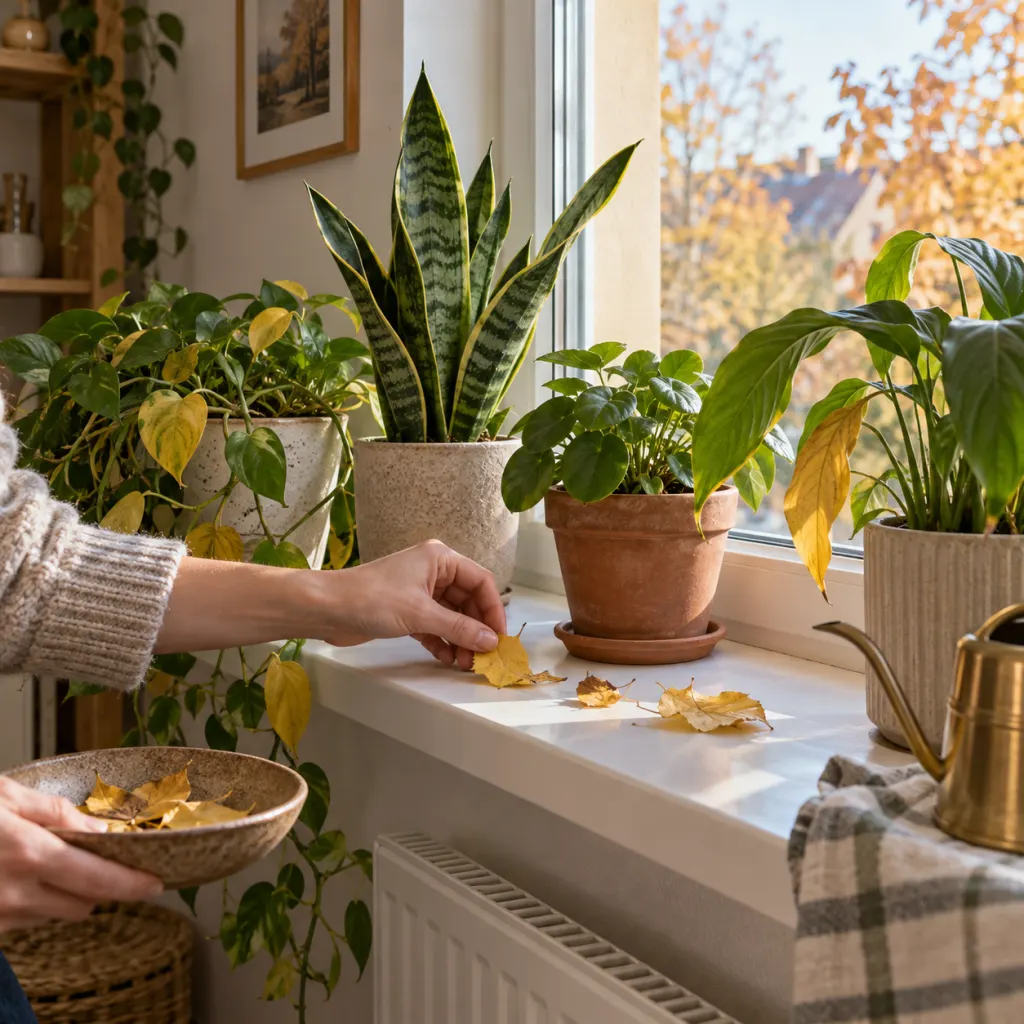
Autumn decline often begins before the plant is truly in trouble. When a houseplant comes back indoors after summer, it moves from outdoor light, air movement, rain-washed foliage, and changing temperatures into a more enclosed room. The University of Missouri Extension describes this adjustment as acclimatization: plants adapt to a new environment, and some leaf drop can follow the move indoors. University of Georgia guidance also notes that homes can be stressful for plants because interiors often have lower light and lower relative humidity than the places where plants were grown or kept before purchase. That means a few yellow leaves after a move are not automatically a failure. They are a signal to observe the whole plant, not to flood it with food or water.
Use this first check before changing the routine:
- Light: Is the plant leaning, stretching, or making smaller leaves?
- Water: Is the potting mix dry two inches down, evenly damp, or wet near the bottom?
- Drainage: Does water pass through the pot, and is the saucer emptied afterward?
- Temperature: Is the plant touching cold glass, sitting near a doorway, or placed above a heat vent?
- Roots: Are roots circling, crowding the surface, or growing through drainage holes?
- Pests: Are there sticky spots, fine webbing, cottony clusters, bumps on stems, or small flying insects near damp soil?
Start With Light, Because Everything Else Depends on It
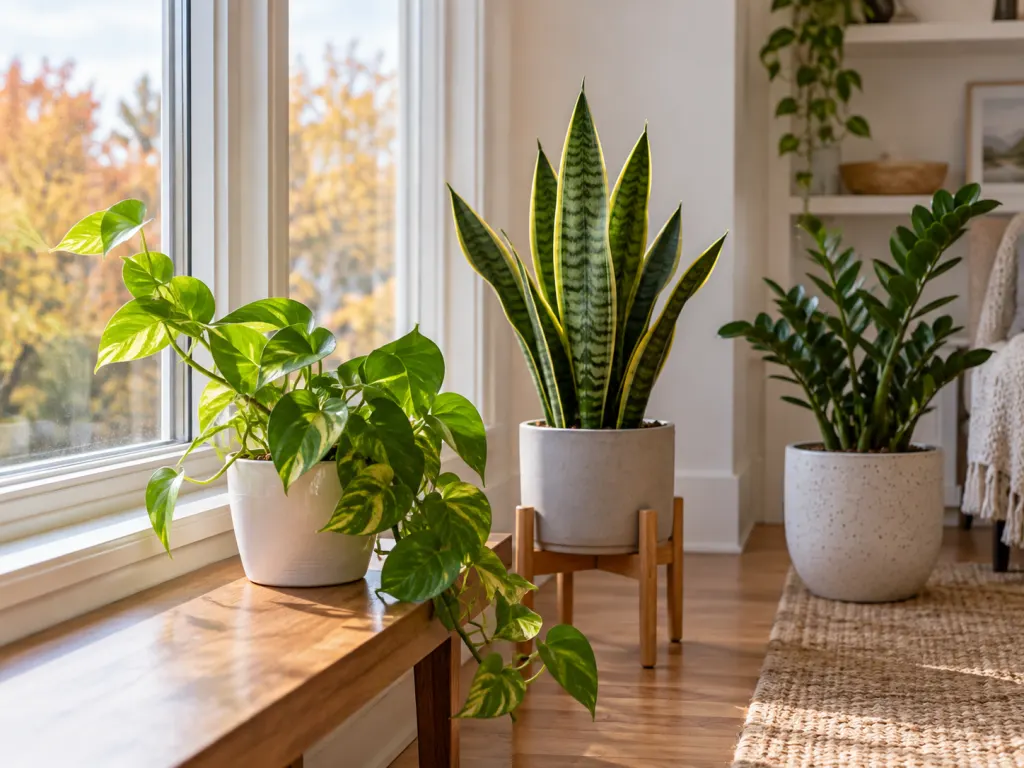
Light is usually the limiting autumn resource. Illinois Extension explains that light is essential for plant growth and that indoor light is only a small amount compared with outdoor sunlight. Its houseplant lighting guide places low, medium, bright, and direct light in relation to window direction, and it also notes that seasonal conditions change. In autumn, deciduous trees may lose leaves and let more light into a room, while shorter days reduce the total daily light period. The useful response is not to put every plant in direct sun. It is to place each plant according to its light preference and watch for signs of mismatch: stretching and pale new growth can suggest too little light, while bleached or scorched patches can suggest too much direct exposure for that species.
Move plants closer to suitable windows gradually. A plant that has been living in a low-light corner may be stressed by an abrupt shift into intense direct sun, especially if it is a foliage plant adapted to filtered light. For many autumn recoveries, an east window, a bright filtered south or west exposure, or a full-spectrum lamp can be more helpful than fertilizer. University of Minnesota Extension notes that supplemental lighting may help in winter and that turning plants every few weeks can reduce one-sided growth. If using a lamp, keep the setup simple: a full-spectrum LED placed above the plant can extend useful light without heating the leaves. Watch the plant for two or three weeks after the change before deciding whether it needs another move.
Change Watering From a Schedule to a Soil Check
Autumn watering is where many struggling houseplants are pushed from stressed to damaged. Illinois Extension's watering guidance says many houseplants suffer from too much or too little water and recommends testing the soil with a finger to about two inches before watering. The University of Maryland Extension makes the same point for winter indoor plant problems: overwatering is a leading cause of houseplant loss when growth slows and rooms are cooler or less bright. A plant that used water quickly in July may use it much more slowly in October or November. If you keep watering every Saturday because that worked in summer, the lower roots may stay wet long after the top looks dry.
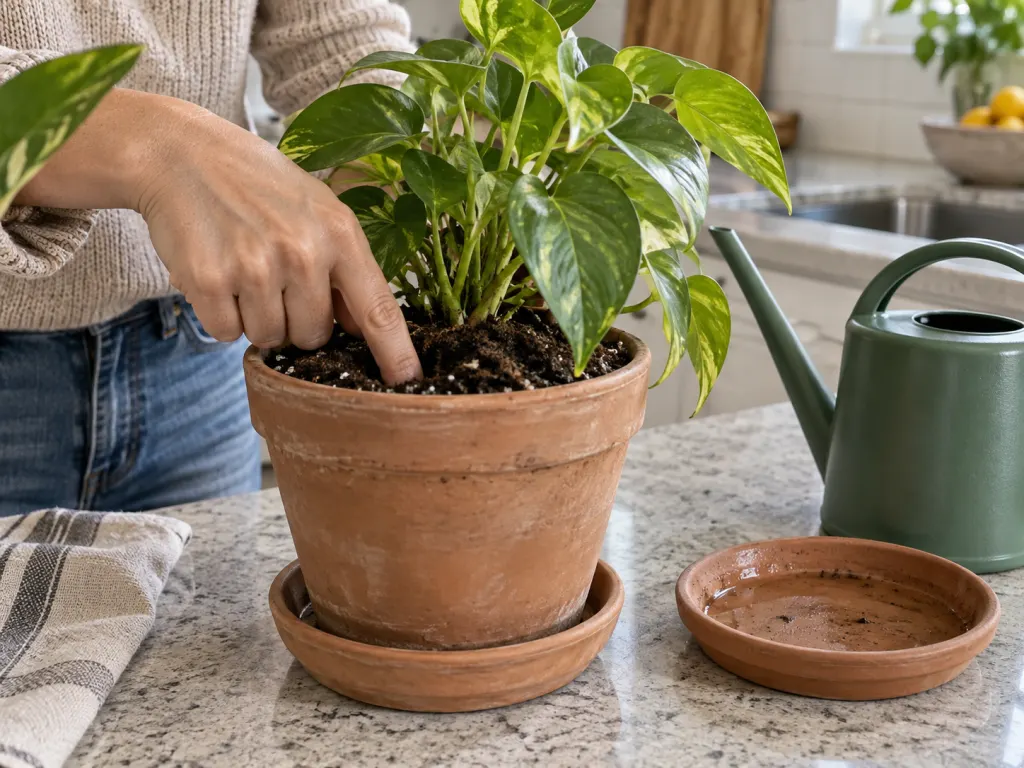
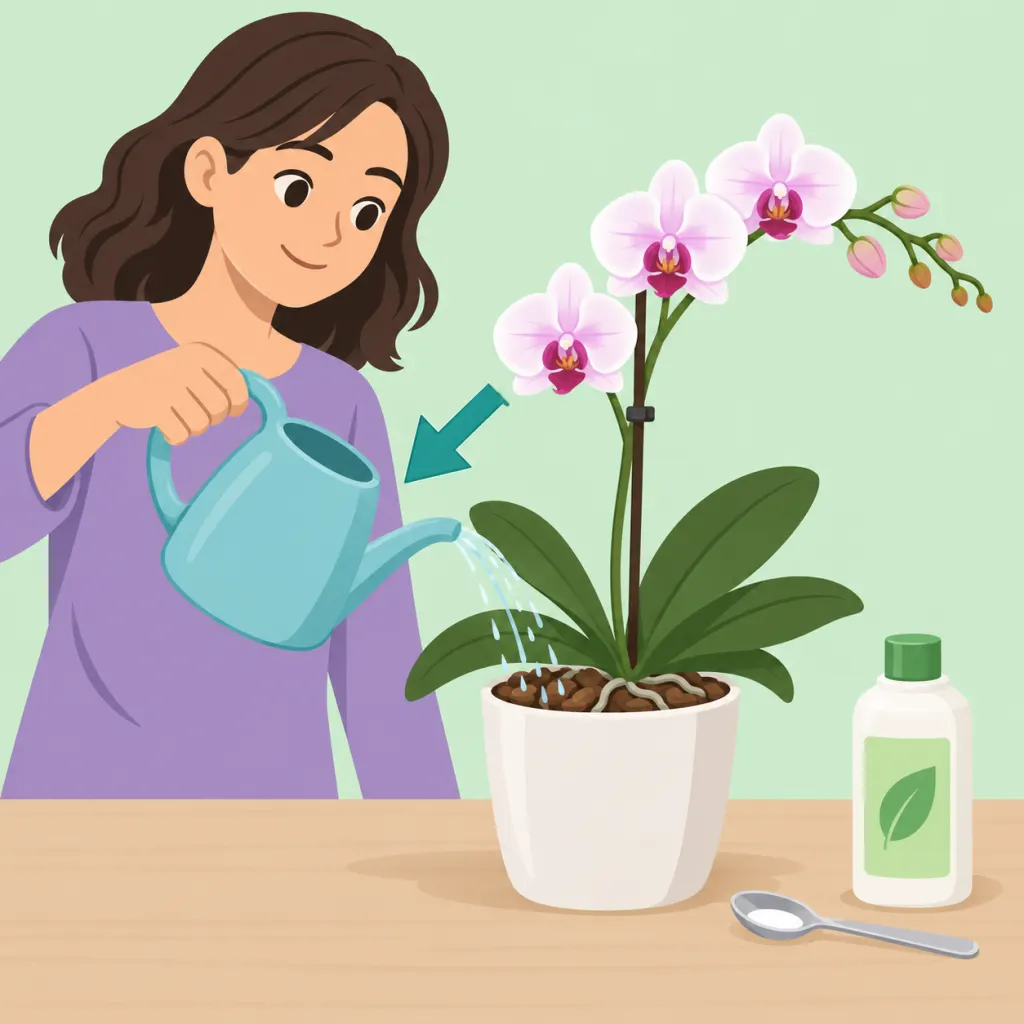
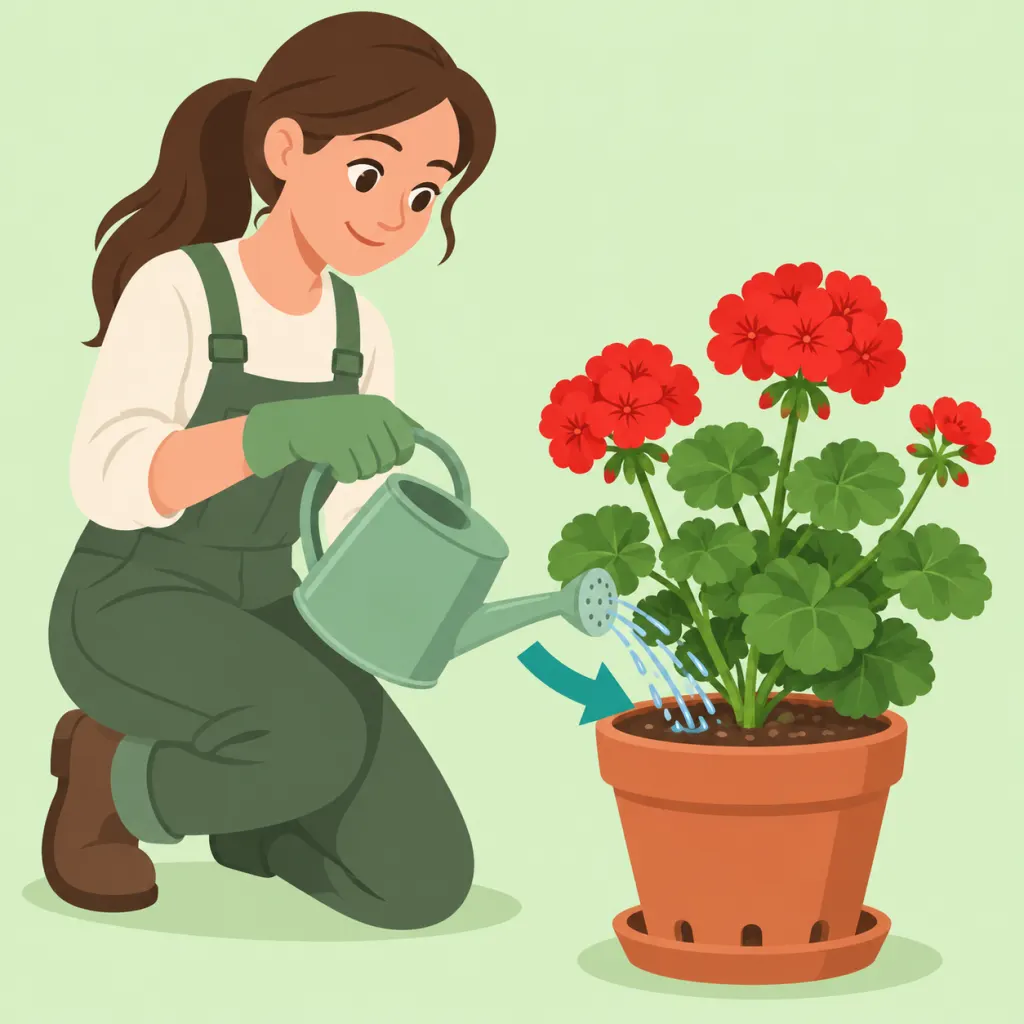
Water thoroughly when the plant actually needs it, then let excess water drain and empty the saucer. Illinois Extension warns against letting pots sit in saucers of water, and University of Georgia notes that drained water left in saucers can contribute to soluble salt buildup. For most common foliage plants, the goal is not tiny sips on a calendar. It is an even wetting of the potting mix followed by an appropriate drying period for that species. Clay pots usually dry faster than plastic pots. Large plants, warm rooms, and brighter light can increase water use. Succulents and cacti often need much less water than tropical foliage plants. When the plant wilts, check the potting mix first; wilt can mean dryness, but it can also appear when roots are impaired by a mix that stayed wet too long.
When Soil Gets Too Dry, Rehydrate Slowly
A severely dry pot can repel water, sending it down the side gap and out the drainage hole while the root ball remains dry. University of Maryland Extension suggests that when potting mix has dried completely and pulled away from the pot sides, the container can be set in warm tap water so the mix slowly absorbs moisture again. For a home grower, the practical version is to place the nursery pot or drained container in a sink or basin with water partway up the pot, wait until the surface begins to feel evenly moist, then let it drain fully. This is a rescue step for a dry root ball, not a weekly ritual. Afterward, return to checking the mix by feel and pot weight.
Humidity Helps Some Plants, but It Is Not the Same as Watering More
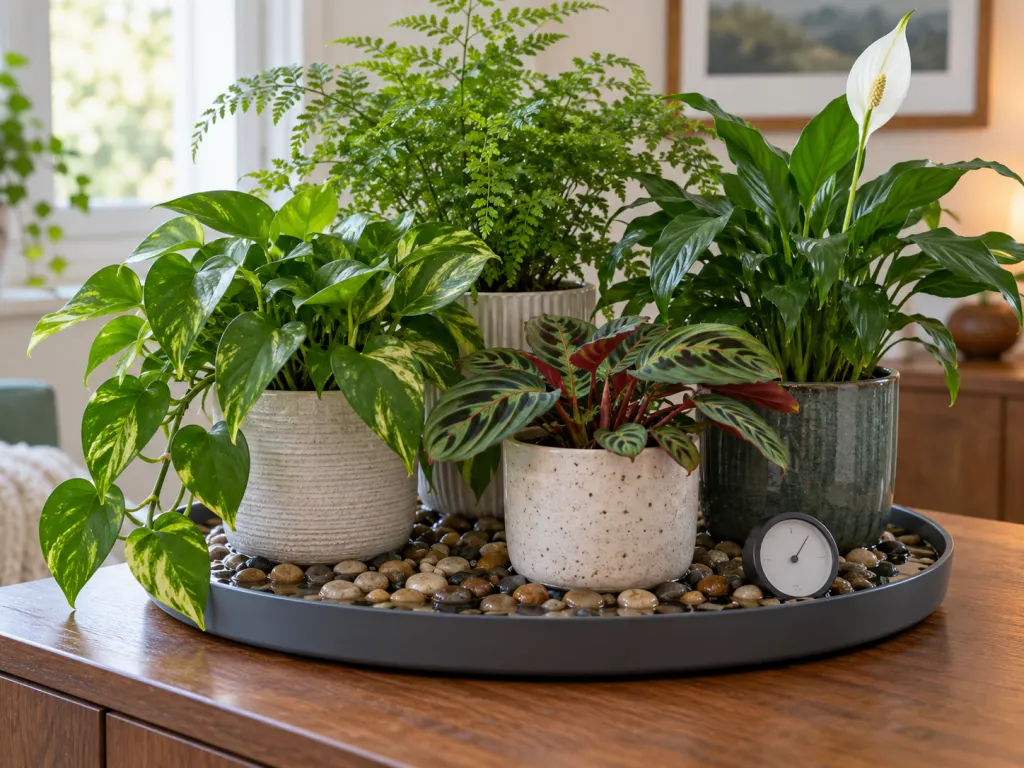
Indoor air often becomes drier as heating systems run. University of New Hampshire Extension explains that winter indoor air tends to be dry because cold air holds less moisture and heating increases the air's capacity to hold moisture. Moisture-loving plants such as many ferns, calatheas, and some tropical foliage plants may show brown leaf edges when the air is too dry, though browning can also have other causes. UNH Extension recommends practical humidity approaches: grouping plants to create a small microclimate, using pebble trays with pots kept above the water line, placing suitable plants in terrariums or glass enclosures, or using a portable humidifier with a hygrometer for monitoring. University of Minnesota Extension gives similar advice for humidity-loving plants and emphasizes that the pot should not sit in water.
Do not respond to dry leaf edges by keeping the potting mix soggy. Humidity is about moisture in the air around leaves; watering is about moisture in the root zone. A fern may appreciate higher room humidity and still need a potting mix that drains. A jade plant may be perfectly comfortable in lower humidity and harmed by frequent watering. If you group plants, leave enough room to inspect leaves and stems. If you use a pebble tray, keep the base of the pot above the water. If you use a humidifier, place it near the plants but continue to watch the room: damp windows, constantly wet surfaces, or plants packed so tightly that leaves never dry can create separate growing problems.
Temperature and Placement Matter More Than They Look
Autumn rooms have small climate zones. A plant can be in a warm room and still have leaves chilled by cold glass at night, or it can sit in bright light while a heating vent dries one side every afternoon. Illinois Extension's care guidance says most foliage plants prefer day temperatures in the 65 F to 75 F range with nights usually 5 F to 10 F lower, and it warns against cold and hot air blasts from windows, radiators, heating vents, and air-conditioning vents. University of Georgia's indoor plant guide also emphasizes that plants vary in temperature requirements. For autumn recovery, move plants a few inches away from cold panes, rotate them periodically, and avoid locations where leaves touch glass or where forced air blows directly over the foliage.
Use Fertilizer Carefully in Slower Growth
Fertilizer is useful when a plant is actively growing and has enough light to use nutrients. It is not a universal autumn rescue. University of Georgia Extension explains that without new growth, an indoor plant has limited need for fertilizer, and that fertilizer needs decline during low-light winter periods. Excess fertilizer can leave salts in the growing medium, which may show as a whitish crust and contribute to root stress. If your plant is pale because it has been in very low light, feeding it before improving the light can make care more complicated. If the plant is producing healthy new leaves under good light, a diluted, label-following feeding may be reasonable. If it is stalled, newly moved, recently purchased, or dealing with root trouble, stabilize water and light first.
Repot Only When the Roots or Mix Make It Necessary
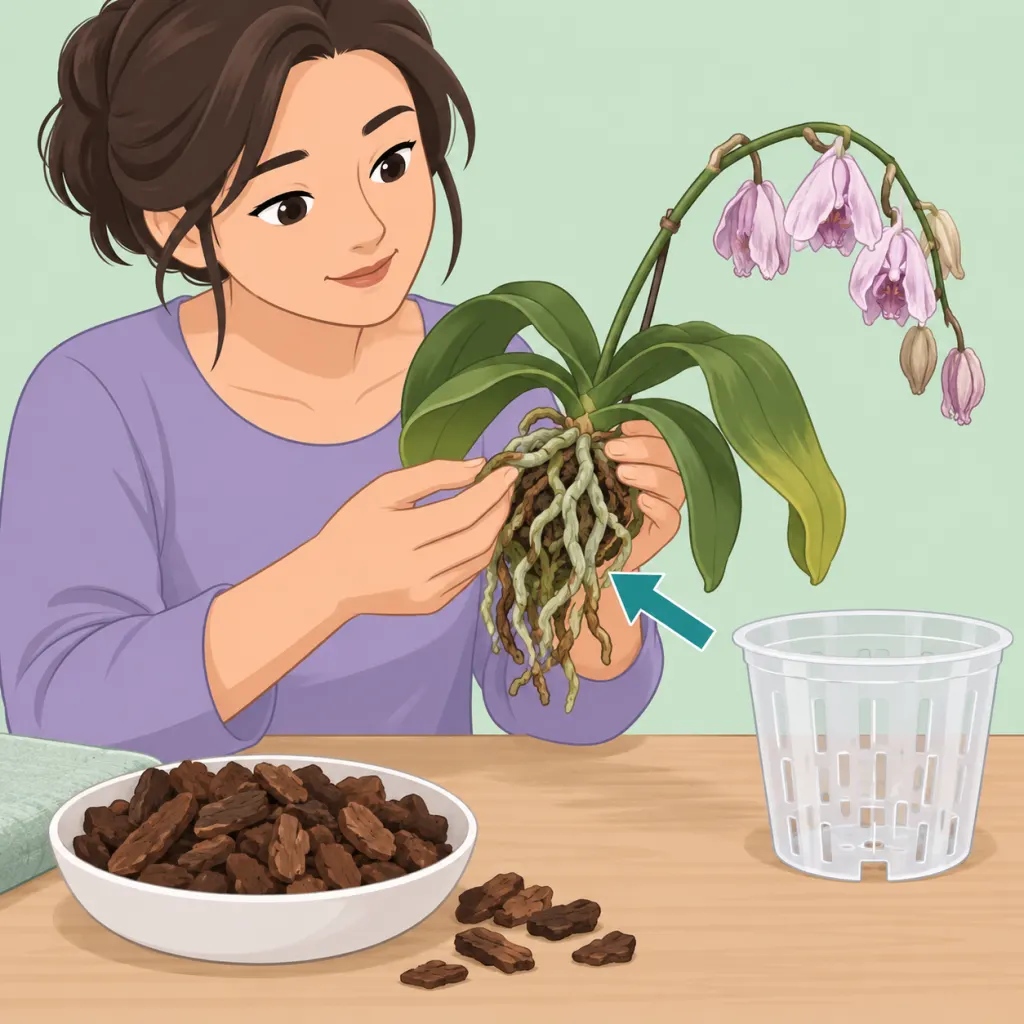
Repotting feels decisive, but autumn is not always the best time for it. Illinois Extension says repotting is best when a plant is actively growing, typically spring or early summer. It also lists signs that repotting may be needed: roots growing through drainage holes, roots showing on the soil surface, a soil mass filled with roots, smaller new leaves, or wilting between normal waterings. In autumn, use those signs to separate urgent root problems from ordinary seasonal slowdown. If water races through because the pot is mostly roots, or if the old mix has become compacted and will not wet evenly, a careful repot into a container only slightly larger may help. If the plant is merely adjusting and the roots look functional, wait for stronger growth.
When you do repot, choose a container with drainage and a potting mix suited to the plant. University of Minnesota Extension advises increasing container diameter by no more than 2 to 3 inches because an oversized pot can hold too much moisture around the roots. Illinois Extension's repotting guide also recommends replanting at the same depth, gently firming the mix, watering immediately, and leaving space at the top for future watering. Do not bury stems deeper than before unless the specific plant is normally handled that way. After repotting, expect a pause. Root work changes the plant's environment again, so keep light steady, avoid heavy feeding, and water only when the new mix indicates it is time.
Check Pests Before They Spread Indoors
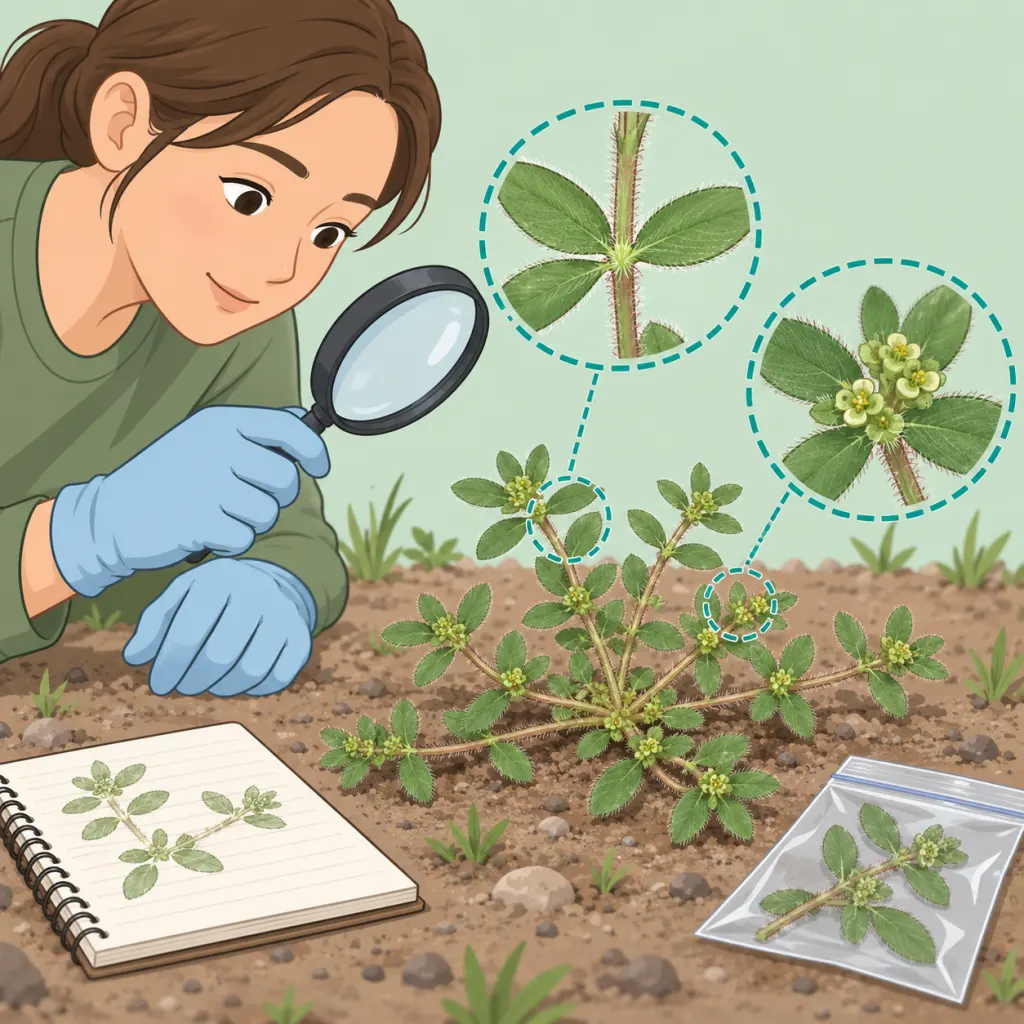
Autumn is also when outdoor or newly purchased plants can bring pests into a calmer indoor environment. University of Minnesota Extension lists common indoor houseplant pests including spider mites, mealybugs, scale, fungus gnats, and whiteflies, and recommends catching pests early and quarantining new additions until they can be checked. Look under leaves, along stems, at new growth, and near the soil surface. Sticky residue, tiny moving dots, fine webbing, cotton-like clusters, shell-like bumps, or small flies around damp pots all point to a need for closer inspection. Separate the plant from the rest of the collection while you identify the issue and choose a plant-safe control labeled for that pest and plant type.
Read Leaf Symptoms as Clues, Not Commands
One symptom can have several causes. Illinois Extension's troubleshooting page lists sudden temperature change, transplant shock, sudden light change, overwatering, and lack of light among causes of general leaf drop. It lists improper watering, cold drafts, insect activity, and excess fertilizer among causes of brown leaf tips. That overlap matters. A yellowing plant does not automatically need food. A wilting plant does not automatically need more water. A spotted leaf does not automatically mean the plant is beyond saving. Remove fully dead leaves, document what changed, and adjust the most likely cause first. If the potting mix is wet, do not water again. If the plant is in a dark corner, improve light before feeding. If pests are visible, isolate before rearranging the whole plant shelf.
A Practical Autumn Recovery Routine
For the next month, make plant care boring in the best way. Place each plant where its light needs are realistically met. Check soil moisture before watering and learn the weight of the pot when wet and when ready for water. Empty saucers. Keep foliage away from cold glass and heating blasts. Raise humidity for plants that need it, but keep roots draining. Remove dead leaves and stems with clean tools. Skip major pruning unless the plant has dead or damaged growth, because strong reshaping is easier when active growth returns. Keep new or returning plants apart from the main group long enough to inspect for pests. Above all, change one variable at a time. Plants respond slowly in autumn, and a steady two-week observation period can tell you more than a flurry of fixes in one afternoon.
Wrap-Up
Autumn is a transition season for houseplants, not a moment to push every plant into fresh growth. A plant that looks tired may simply be adjusting to lower light and a drier room. Move it gradually into better light, water by soil moisture instead of habit, keep the root zone draining well, increase humidity where the species benefits, and save major repotting for active growth unless roots, sour soil, or drainage failure make action necessary. Leaf loss can be part of acclimation, but wet soil plus wilting, soft roots, or spreading decline calls for a closer root check. The most reliable autumn routine is observant and moderate: remove dead material, quarantine newcomers, rotate plants for balanced light, and change only one or two care factors at a time so you can see what actually helps.
Frequently Asked Questions
- → Should I fertilize a struggling houseplant in autumn?
Only if the plant is actively growing and has enough light to use the nutrients. University of Georgia Extension notes that plants have limited fertilizer needs when they are not making new growth. If the plant has just moved indoors, is in low light, or has wet soil, improve those conditions first.
- → Is leaf drop after moving plants indoors always a bad sign?
No. Some leaf drop can happen as a plant adjusts to a new indoor environment with lower light, drier air, and different temperatures. Watch the whole pattern. A few older leaves dropping is different from rapid collapse, persistently wet soil, soft roots, or spreading pest damage.
- → How often should I water houseplants in autumn?
Water by soil condition, not by the calendar. Illinois Extension recommends checking the soil about two inches deep. If the mix is still moist, wait. If it is dry for that plant's needs, water thoroughly, let the pot drain, and empty the saucer.
- → Do pebble trays really revive dry-looking plants?
Pebble trays can add a small amount of humidity around plants when the pot sits above the water line, but they do not replace correct watering or good light. UNH Extension notes that humidifiers, grouping plants, and enclosed setups can be more effective for plants that truly need higher humidity.
- → Should I repot a plant that looks tired in autumn?
Repot only when there is a clear reason, such as roots filling the pot, roots emerging from drainage holes, water running straight through, or a failing potting mix. Illinois Extension says repotting is usually best during active growth, so ordinary autumn slowdown is often better handled with light, water, and placement adjustments.
References
This content was developed and refined using reliable sources.
- https://extension.umn.edu/about/our-stories/news/winter-houseplant-tips
- https://extension.illinois.edu/houseplants/lighting
- https://extension.illinois.edu/houseplants/watering
- https://extension.illinois.edu/houseplants/care
- https://extension.illinois.edu/houseplants/repotting
- https://extension.illinois.edu/houseplants/troubleshooting
- https://extension.umd.edu/resource/winter-indoor-plant-problems
- https://extension.unh.edu/blog/2025/01/how-can-i-increase-humidity-indoors-my-houseplants
- https://fieldreport.caes.uga.edu/publications/B1318/growing-indoor-plants-with-success