 Save
Procyanidin C1 is not a proven human longevity compound. It is a plant-derived molecule associated with grape seed extract, and the most talked-about evidence comes from cell and mouse studies, not long-term human trials. A widely discussed 2021 Nature Metabolism paper reported senescent-cell activity and longer survival in mice, but Nature Metabolism lists a 2026 Editorial Expression of Concern for that paper, which makes cautious reading even more important. The practical takeaway is simple: PCC1 is scientifically interesting, but current evidence does not justify treating grape seed products as a reliable way to extend human life.
Why Procyanidin C1 Became a Longevity Talking Point
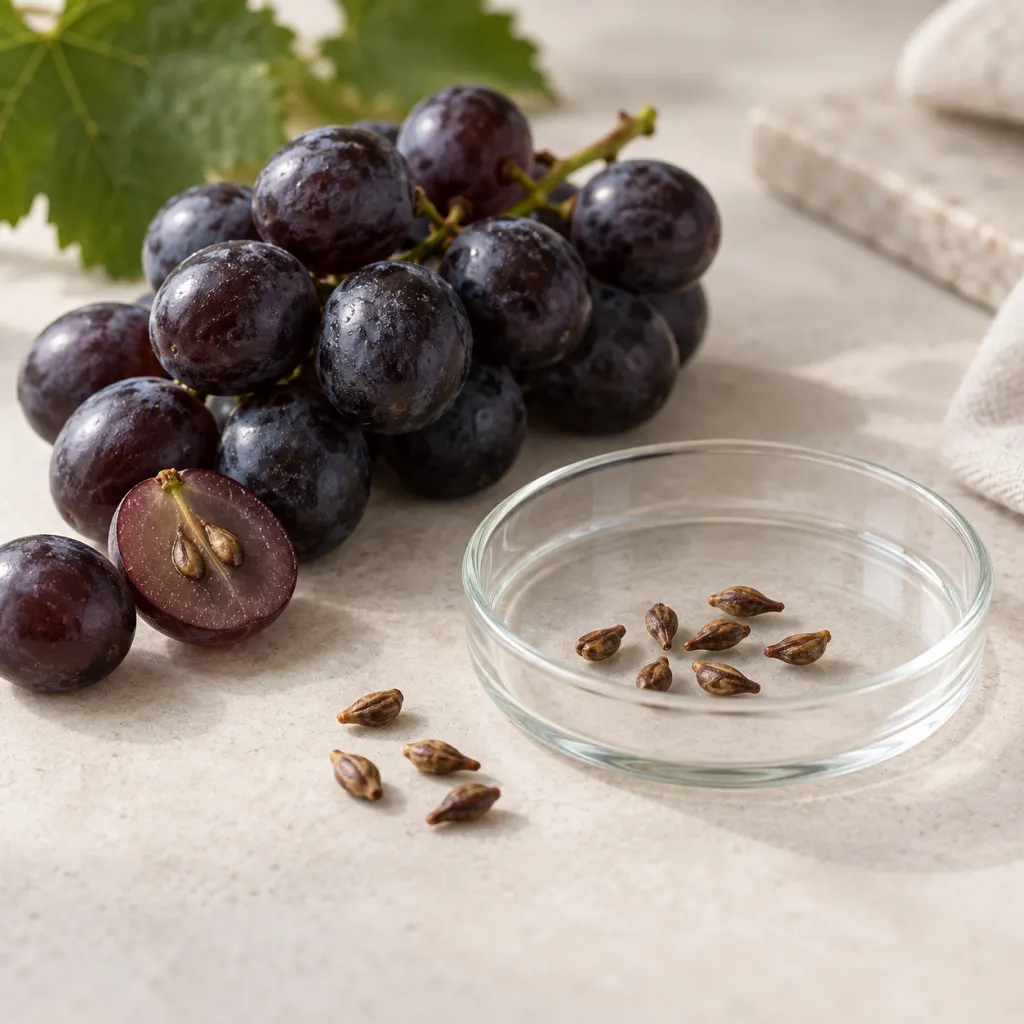
Procyanidin C1, often shortened to PCC1, belongs to a family of plant polyphenols called procyanidins. Grape seed extract contains proanthocyanidins, and the National Center for Complementary and Integrative Health notes that grape seed extract is promoted for several health-related purposes while also emphasizing that evidence varies by use and product composition. That matters because a commercial grape seed supplement is not automatically the same thing as a purified research compound used in a laboratory study. The name on a bottle may sound close to the name in a scientific article, but the mixture, concentration, manufacturing controls, and intended use can be very different.
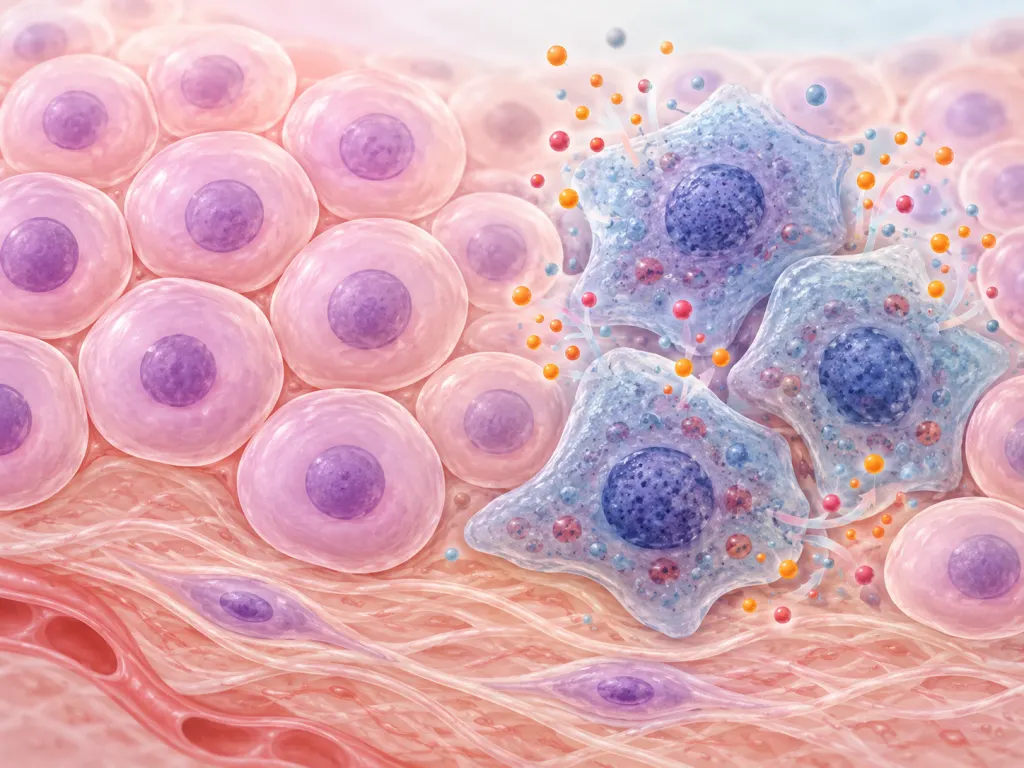
The recent excitement comes from the idea that PCC1 may influence senescent cells. The National Institute on Aging explains that senescent cells stop multiplying but can linger and release signals that affect nearby tissue. These cells also have useful roles in normal biology, including repair-related processes, so the goal in research is not as simple as removing every senescent cell everywhere. A credible article about PCC1 has to hold both ideas at once: senescence is a serious area of aging biology, and manipulating it safely in people is still a developing scientific challenge.
What the Mouse Study Reported
The key PCC1 paper, indexed by PubMed as a 2021 Nature Metabolism article, described experiments in cultured cells and rodents. In that research record, PCC1 was described as a polyphenolic component of grape seed extract that affected senescent cells. The abstract reports that lower concentrations appeared to influence the inflammatory signaling pattern associated with senescence, while higher concentrations selectively affected senescent cells in the tested systems. In old mice, intermittent administration was associated with improved physical function measures and longer survival compared with control animals.
Those details explain why the study attracted attention, but they do not make the result a ready-made human conclusion. Animal studies are useful because they let researchers test mechanisms in controlled settings that would be impossible or unethical to test casually in people. They are also limited because mouse metabolism, lifespan, immune activity, and lab conditions differ greatly from everyday human life. A finding in old mice can justify further study; it cannot by itself establish what a person should expect from a grape seed capsule.
The Expression of Concern Changes How the Evidence Should Be Read
A second reason for caution is the paper’s editorial status. Nature Metabolism’s 2026 Editorial Expression of Concern listing identifies one expression of concern for the PCC1 lifespan paper. PubMed also indexes an Editorial Expression of Concern linked to the 2021 article. An expression of concern is not the same thing as a retraction, and it does not by itself prove that every result is wrong. It is, however, a formal signal from the journal record that readers should be careful about relying on the paper while the issue is unresolved or assessed.
For a topic like longevity, that status matters. The public version of a claim often compresses a complicated study into a simple promise. Once the central paper has an expression of concern attached, the responsible reading becomes narrower: PCC1 remains a research topic, but the dramatic lifespan message should not be repeated as settled fact. A careful reader should ask whether the findings have been independently replicated, whether the same compound has been tested in people, whether benefits and harms have been measured over meaningful time, and whether a supplement on the market actually matches the studied material.

Grape Seed Extract Is Broader Than PCC1
Grape seed extract has a longer public history than PCC1 alone. NCCIH describes it as an extract made from wine grape seeds and notes that it contains proanthocyanidins. NCCIH’s summary also shows why broad claims need careful framing: some human studies exist for selected cardiovascular-related measures, but conclusions are not definite because studies were small and products varied. The page also says much less is known about other uses. That is a long way from showing that a purified molecule, a mixed extract, or a branded product changes human aging in a predictable way.
Product variation is especially important with botanicals. Two grape seed products can differ in source material, extraction method, procyanidin profile, capsule contents, testing standards, and label language. Even when a product lists grape seed extract, it may not state a verified amount of PCC1. A human study of one formula would not automatically validate another formula. A mouse study using a controlled research compound is even farther from a store shelf product. This is one reason supplement claims can feel more certain in advertising than they are in evidence.
How to Read Longevity Claims Without Getting Pulled Along
When a longevity claim sounds impressive, the useful question is not whether the ingredient is natural or newly popular. The useful question is what kind of evidence supports the exact claim being made. A cell study can suggest a mechanism. A mouse study can show whether that mechanism has biological effects in an animal model. A small human study can raise or lower confidence for a specific measured outcome. Long-term human outcomes need stronger, longer, carefully designed research. If the claim leaps from cells or mice to human lifespan, the leap itself is the red flag.
Readers can use a simple evidence check before sharing or buying into a claim:
- Identify the exact substance. PCC1, grape seed extract, and a commercial blend are not interchangeable terms.
- Look for the study type. Cell, animal, observational, and controlled human studies answer different questions.
- Check the current record. Corrections, expressions of concern, and retractions change how heavily a paper should be weighted.
- Separate measured findings from marketing language. Improved mouse survival is not the same as demonstrated human longevity.
- Ask whether independent groups found the same thing. One striking result is weaker than a pattern across well-run studies.
This same habit applies beyond PCC1. Claims about herbs, oils, spices, and concentrated extracts often travel faster than the evidence behind them. For a broader checklist, see How to Spot Misleading Claims Before They Fool You. For a related example of food-based health messaging that needs careful reading, compare Food Claims and Knee Cartilage.

What Regulators Say About Supplement Claims
The U.S. Food and Drug Administration separates different kinds of food and dietary supplement label claims. Its dietary supplement labeling guide explains that health claims and structure/function claims are treated differently, and that health claims require FDA evaluation and authorization before use. NCCIH also notes that dietary supplements are not approved by FDA before they are sold to the public, while manufacturers and distributors are responsible for safety and labeling requirements before marketing. For readers, the plain-language meaning is that a product can be legally sold without having the same premarket evidence standard people may assume from a medicine-like claim.
That distinction does not make every supplement low quality, and it does not make every supplement claim false. It simply means the burden is on the reader to slow down. The more a label or advertisement sounds like a promise about lifespan, vitality, or cellular aging, the more it deserves scrutiny. A responsible claim should fit the evidence level, name the specific ingredient, avoid implying a guaranteed personal result, and make clear when the evidence comes from laboratory or animal work.
What Is Reasonable to Conclude Today
The most reasonable conclusion is moderate. PCC1 is an interesting compound in aging biology because researchers have studied its interaction with senescent cells in preclinical systems. Senescent cells are a legitimate scientific target, and NIH-supported work continues to map and classify them across the human body. At the same time, PCC1 has not crossed the evidence bridge required for confident human longevity claims. The most dramatic paper in the story now carries an expression of concern in the journal record, and broader grape seed extract evidence is not the same as evidence for a lifespan effect.
For everyday readers, that means PCC1 should be treated as a research subject rather than a personal aging plan. If you are curious about healthy aging, the most dependable conversations still begin with evidence-grounded basics: regular movement, sleep routines, balanced eating patterns, social connection, and appropriate preventive care conversations with a clinician. Those habits do not need hype to matter. For more context on age-related risk and evidence-based aging conversations, see Five Conditions That Shape Longevity After 60. For another careful supplement-claim example, see One Spoonful a Day Claims: Cholesterol and Blood Sugar.
A Better Way to Talk About Promising Research
Promising research deserves attention without being inflated into certainty. PCC1 is a good example because the science is genuinely interesting, the public claims are easy to overstate, and the current record contains a caution flag. A fair headline would say that PCC1 has preclinical evidence related to senescent cells and that human longevity claims are unverified. That wording may be less exciting than viral advertising, but it is more useful. It gives readers room to stay curious without confusing early-stage biology with proven personal benefit.
Wrap-Up
Procyanidin C1 is a grape seed compound with intriguing preclinical research, especially around senescent cells. The evidence most often cited comes from cells and mice, not from long-term human research, and the central 2021 paper now has a 2026 Editorial Expression of Concern in the journal record. Grape seed extract has been studied for selected health-related measures, but product differences and limited evidence make broad longevity claims unreliable. The careful conclusion is that PCC1 is worth watching as science, not treating as a proven route to longer human life.
Frequently Asked Questions
- → Is procyanidin C1 the same as grape seed extract?
No. Procyanidin C1 is a specific compound associated with grape seed extract, while grape seed extract is a broader mixture. A commercial grape seed product may not match the purified material or conditions used in a research study.
- → Has PCC1 been shown to extend human lifespan?
No solid human evidence shows that PCC1 extends lifespan. The best-known claims come from laboratory and mouse research, and the central 2021 paper now has an Editorial Expression of Concern in the journal record.
- → Why do senescent cells matter in this discussion?
Senescent cells are cells that stop dividing but can remain active. The National Institute on Aging explains that they can release signals affecting nearby tissue, while also playing useful roles in normal biology. That makes them important but complicated research targets.
- → Should readers treat PCC1 headlines as settled science?
No. A careful reading separates early-stage research from human outcomes. PCC1 remains scientifically interesting, but claims about personal longevity need stronger human evidence and a clean, replicated research record.
- → What is the safest way to evaluate a grape seed supplement claim?
Check whether the claim names the exact ingredient, whether the evidence is human or animal research, whether the study record has updates or cautions, and whether the product actually matches the studied material. Personal supplement decisions belong with a qualified health professional.
References
This content was developed and refined using reliable sources.
- https://pubmed.ncbi.nlm.nih.gov/34873338
- https://www.nature.com/natmetab/articles?type=editorial-expression-of-concern&year=2026&error=cookies_not_supported&code=6bfd3e6a-6522-4c9d-bf4a-f5b134d7d6dc
- https://pubmed.ncbi.nlm.nih.gov/41731120
- https://www.nia.nih.gov/news/does-cellular-senescence-hold-secrets-healthier-aging
- https://www.nccih.nih.gov/health/grape-seed-extract
- https://www.fda.gov/food/dietary-supplements-guidance-documents-regulatory-information/dietary-supplement-labeling-guide-chapter-vi-claims