 Save
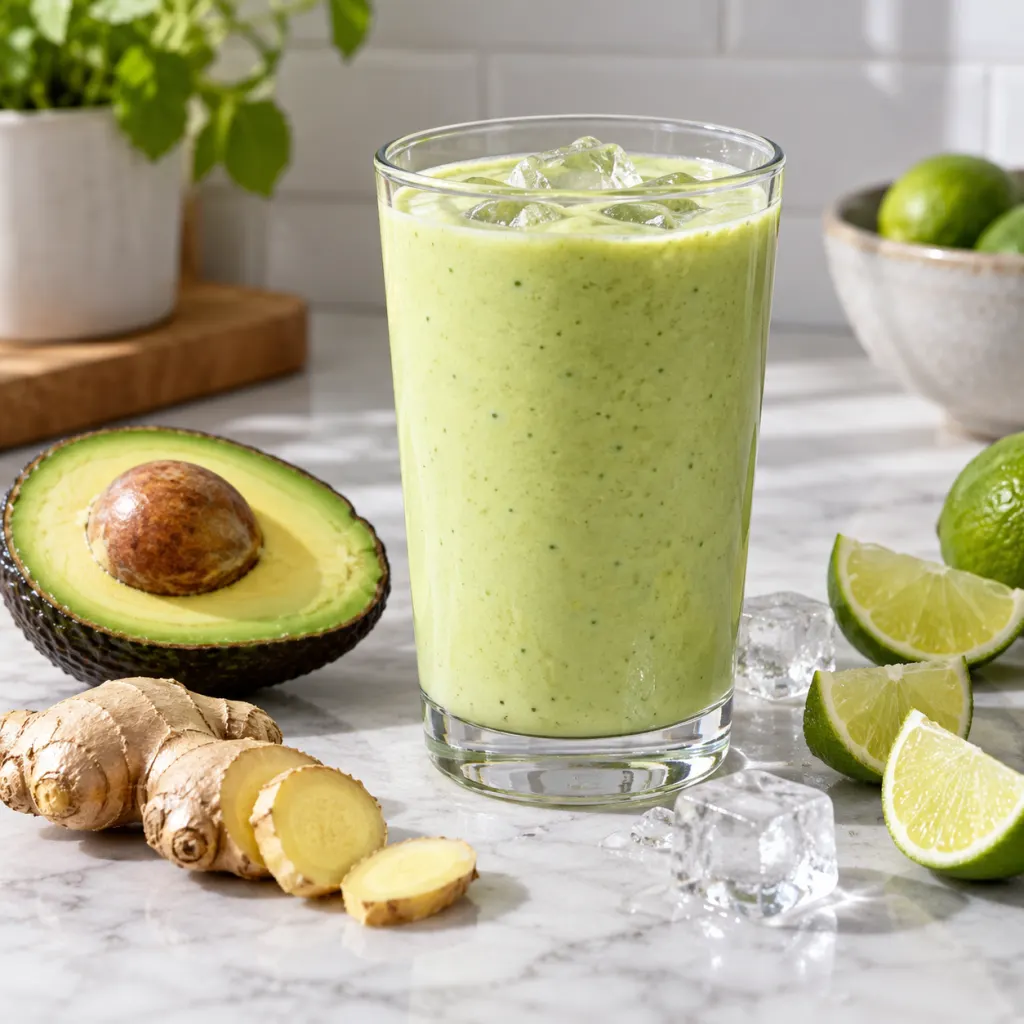
An avocado and ginger drink can be a satisfying smoothie-style option, but it is best understood as food, not a special wellness fix. Avocado brings creaminess, unsaturated fat, fiber, and micronutrients; ginger brings a bright, spicy flavor and a long culinary history. The smartest version is simple, unsweetened or lightly sweetened, and used as part of a varied eating pattern rather than as a stand-alone answer to energy, digestion, weight, or medical concerns.
This guide looks at the drink through ordinary nutrition and kitchen use. It explains what each ingredient contributes, how to make the drink more balanced, when the texture or calories may be more than you want, and how to handle raw produce safely. If you want a broader avocado read, the site also has 7 Practical Reasons to Eat Avocados and Avocado and Avocado Seed Benefits: What Evidence Says.
Why This Drink Became Popular
The appeal is easy to understand: avocado blends into a thick, almost milkshake-like base without dairy, and ginger cuts through that richness with a clean, peppery edge. Together, they create a drink that feels substantial without needing a long ingredient list. That makes it attractive for breakfast, an afternoon snack, or a simple kitchen experiment when you want something cooler and less sweet than many packaged beverages.
The caution is that simple does not mean automatically ideal for everyone. Avocado is energy-dense compared with many fruits because much of its energy comes from fat. That can be useful when you want a filling drink, but it also means a full avocado in one glass may be more than some people need for a light snack. Ginger is usually used in small amounts for flavor; a little fresh root can be lively, while too much can make the drink harsh or warming in a way that overwhelms the avocado.
What Avocado Adds to the Glass
Avocado is a fruit with a different profile from watery fruits such as melon or citrus. A USDA Agricultural Research Service publication describes avocados as nutrient-dense fruits rich in monounsaturated fats, fiber, and key micronutrients, and it notes that plain avocado is a common way people consume it in U.S. dietary data USDA ARS. In a drink, those qualities show up first as texture: avocado makes water, milk, or unsweetened yogurt feel thicker and smoother.
That texture can be useful because it changes the role of the beverage. A thin juice tends to drink quickly. A blended avocado drink asks you to slow down, especially if it is served cold and thick. The fiber and fat in avocado also make the glass feel more like a small food than a flavored water. For people building a snack, that can be helpful; for people who simply want hydration, plain water or an unsweetened infusion may be a better fit.
What Ginger Adds, and Why Amount Matters
Fresh ginger is the rhizome of Zingiber officinale, and NCCIH notes that the rhizome is used in food as well as in health-related traditions NCCIH. For this drink, its most dependable role is culinary: it adds aroma, heat, and brightness. That matters because avocado on its own can taste flat in a beverage. Ginger gives the drink a cleaner finish without requiring much sweetener.
It is also worth keeping the difference between culinary ginger and concentrated ginger products clear. Much of the formal research discussed by NCCIH involves dietary supplements rather than ordinary kitchen amounts of ginger. For a homemade drink, the practical question is not how to chase a therapeutic effect; it is how to use enough ginger to make the flavor lively while keeping the drink pleasant. Start small, blend, taste, and add more only if the flavor still feels muted.
How to Think About Balance
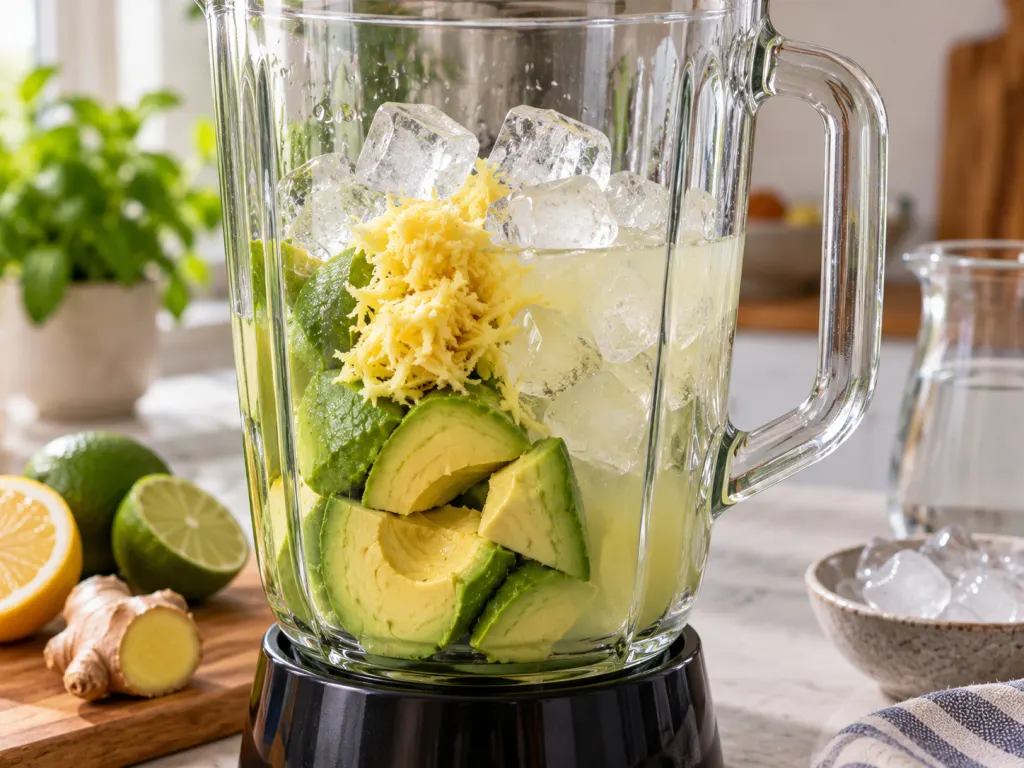
A balanced avocado and ginger drink starts with deciding what job the glass is doing. If it is a snack, half an avocado may be enough for creaminess. If it is part of breakfast, you may want protein from plain yogurt, kefir, soy milk, or another unsweetened base. If it is mainly for refreshment, use more water and ice and less avocado. The CDC frames healthy eating around whole, nutrient-dense foods, with attention to fruits, vegetables, healthy fats, whole grains, and protein foods CDC. A drink fits that pattern best when it complements meals rather than displacing variety.
Sweetness deserves special attention. Ripe avocado is mild, and ginger can be sharp, so it is tempting to add a lot of honey, syrup, sweetened milk, or juice. A small amount may make the drink more enjoyable, but the more added sugar you use, the less the drink resembles a simple whole-food snack. Fruit such as banana, mango, pineapple, or orange can sweeten the blend while adding flavor and body, but those choices still change the drink from a light avocado-ginger glass into a more substantial smoothie.
Use this simple decision list before blending:
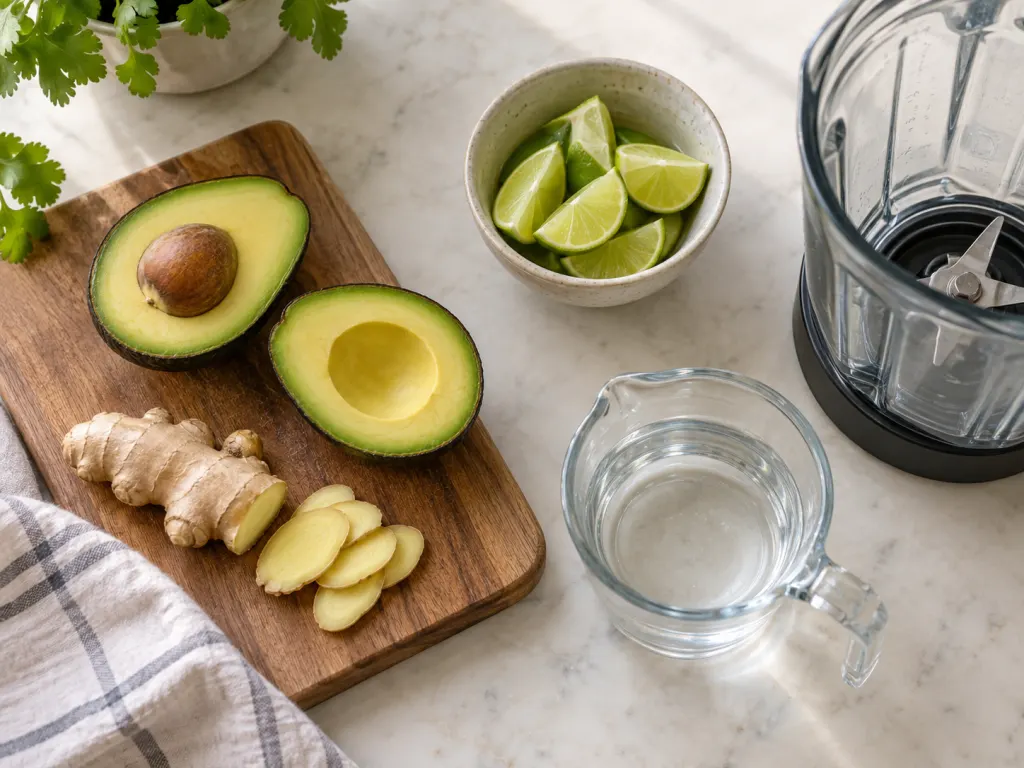
- For a lighter drink: use half an avocado, cold water, ice, lemon or lime, and a small slice of ginger.
- For a fuller snack: use avocado with plain yogurt or unsweetened soy milk and keep added sweeteners modest.
- For a brighter flavor: add citrus juice or zest instead of extra sugar.
- For a thinner texture: add water gradually after blending, not all at once.
- For a smoother finish: grate the ginger or blend it very thoroughly so fibrous pieces do not dominate.
Serving Size Is Part of the Story
Serving size is one reason online drink claims can be misleading. A glass made with a whole large avocado, juice, sweetener, and milk can be closer to a small meal than a casual beverage. The FDA explains that Daily Values and Percent Daily Value are tools for understanding how a serving contributes to the day, and it lists dietary fiber, potassium, saturated fat, sodium, and added sugars among nutrients people commonly compare on labels FDA. Fresh homemade drinks do not come with a label, so the same thinking has to happen in the kitchen.
That does not mean the drink needs to be measured with laboratory precision. It means the ingredients should match the moment. A small glass with half an avocado and water may be a snack. A thick blend with a full avocado, banana, yogurt, and nut butter may be breakfast. Both can be reasonable, but they are not nutritionally identical. Naming the role of the drink before you make it is the easiest way to keep it from quietly becoming larger than intended.
Where It Fits in a Day of Eating
The NHLBI DASH eating plan is useful here because it emphasizes a pattern rather than a single special food: vegetables, fruits, whole grains, low-fat or fat-free dairy foods, fish, poultry, beans, nuts, and vegetable oils, with attention to lower saturated fat and sodium choices NHLBI. An avocado and ginger drink can sit comfortably inside that kind of pattern when it is one part of the day, not the centerpiece of the day.
For example, the drink can pair with eggs and whole-grain toast, a bean bowl, a salad, or a simple lunch plate. It can also be an afternoon option when you want something creamy but not dessert-like. If you already eat avocado often in salads, toast, dips, and bowls, you may not need it in a drink on the same day. If avocado is rare in your routine, a small blended serving can be a pleasant way to use a ripe fruit before it overripens. For a recipe-style use of avocado in a more conventional smoothie, see Lemon Blueberry Avocado Smoothie.
Food Safety for a Raw Blended Drink
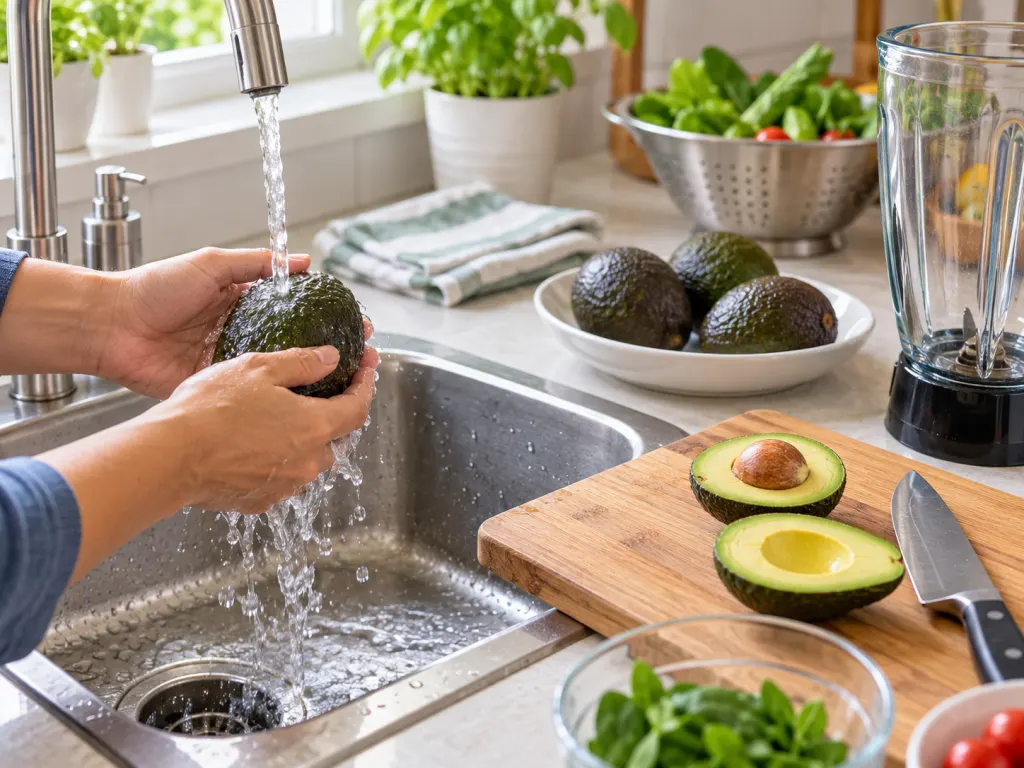
Because this drink is usually made with raw avocado, fresh ginger, water, and sometimes fruit or dairy, safe handling matters. The FDA advises washing produce under running water before preparing it, even when the peel or skin will not be eaten, so dirt and bacteria are less likely to transfer from the surface during cutting FDA produce safety. For avocado, that means rinsing and drying the outside before slicing through the skin.
Clean equipment matters too. Use a clean cutting board, knife, spoon, blender jar, and cup. If the blender has been used for raw animal foods or anything messy, wash it thoroughly with hot, soapy water before making a ready-to-drink beverage. FoodSafety.gov summarizes the home food safety basics as clean, separate, cook, and chill, and advises refrigerating perishable foods within two hours, or within one hour in hotter conditions FoodSafety.gov. A blended avocado drink tastes best fresh, but if you need to hold it briefly, refrigerate it promptly in a covered container.
Flavor Variations That Keep the Main Idea Intact
The cleanest version is avocado, ginger, cold water, ice, and citrus. From there, small changes can make the drink easier to enjoy without turning it into a sugar-heavy dessert. Lime makes the ginger feel sharper. Lemon makes the avocado taste lighter. Cucumber adds freshness and thins the body. Plain yogurt adds tang and protein. Unsweetened soy milk or dairy milk creates a rounder texture. Mint or cilantro can make the drink taste more savory, which is useful if you do not want a sweet smoothie.
One useful approach is to choose only one direction at a time. If you add banana, keep the citrus simple. If you add yogurt, use a little more water so the texture does not become too heavy. If you add greens, blend longer and strain only if the texture bothers you. Ginger should stay in the background unless you specifically enjoy a spicy drink. A thin coin of peeled fresh ginger is enough for many glasses; grated ginger spreads its flavor faster than a chunk.
Who May Want to Be More Cautious
Most people who enjoy avocado and ginger as ordinary foods can think of this drink like any other homemade smoothie. Still, individual tolerance varies. Avocado is rich and creamy, which may feel heavy to some people. Ginger can feel warming or irritating when the amount is high. NCCIH notes that ginger taken orally can cause abdominal discomfort, heartburn, diarrhea, and mouth or throat irritation in some cases NCCIH. If a food regularly makes you feel unwell, the practical answer is to use less, choose a different ingredient, or ask a qualified professional for individualized guidance.
A Sensible Bottom Line
An avocado and ginger drink is worth trying if you like creamy textures, fresh ginger, and flexible smoothies. Its value is in ordinary food qualities: satisfying body, mild flavor, useful nutrients, and the option to keep added sugar low. It is not a stand-alone plan for well-being. The better question is whether the drink helps you enjoy more varied whole foods, stay mindful about portions, and prepare fresh ingredients safely.
If the drink tastes good only after a large amount of sweetener, you may prefer avocado in savory dishes such as Avocado Tomato Fresh Mix. If you enjoy ginger-forward drinks, compare this idea with Beet, Ginger, and Lemon Drink: A Careful Health Guide. The best routine is the one that stays realistic: a glass you enjoy, ingredients you understand, and expectations that stay grounded.
Wrap-Up
An avocado and ginger drink can be a useful, enjoyable addition to a varied eating pattern when it is prepared with realistic portions and clean technique. Avocado contributes creaminess, unsaturated fat, fiber, and micronutrients; ginger contributes aroma and spice. Keep the drink simple, use added sweeteners sparingly, wash produce before cutting, refrigerate leftovers promptly, and treat the glass as one food choice among many rather than a shortcut to well-being.
Frequently Asked Questions
- → Is an avocado and ginger drink better as breakfast or a snack?
It depends on what you put in it. A lighter version with half an avocado, water, ice, citrus, and a little ginger works more like a snack. A thicker version with yogurt, milk, soy milk, banana, or nut butter can be closer to breakfast. Decide the role first, then build the drink to match.
- → How much ginger should I use for one glass?
Start with a very small piece, such as a thin coin of fresh ginger, then blend and taste. Ginger spreads strongly in a creamy drink, especially when grated. Add more only if you like a sharper, warmer flavor.
- → Can I make the drink ahead of time?
It is best fresh because avocado darkens and thickens after blending. If you need to hold it briefly, place it in a covered container and refrigerate it promptly. Stir or re-blend before serving, and discard it if it smells off, looks spoiled, or has been left out too long.
- → Do I need to peel ginger before blending it?
Peeling is optional when the ginger skin is thin and clean, but many people peel it for a smoother drink. Either way, rinse the ginger well, trim dry ends, and grate or slice it finely so the blender can distribute the flavor evenly.
- → What can I add if the drink tastes too rich?
Use more cold water or ice, add lemon or lime juice, include cucumber, or reduce the avocado to half a fruit. Acid and water make the drink feel lighter without requiring extra sweetener.
References
This content was developed and refined using reliable sources.
- https://www.ars.usda.gov/research/publications/publication/?seqNo115=430457
- https://www.nccih.nih.gov/health/ginger
- https://www.cdc.gov/nutrition/features/healthy-eating-tips.html
- https://www.fda.gov/food/nutrition-facts-label/daily-value-nutrition-and-supplement-facts-labels
- https://www.nhlbi.nih.gov/health/dash-eating-plan
- https://www.fda.gov/food/buy-store-serve-safe-food/selecting-and-serving-produce-safely
- https://www.foodsafety.gov/keep-food-safe/4-steps-to-food-safety