 Save
Bad breath is usually not a mystery gas coming from nowhere. In many everyday cases, it starts in the mouth, where bacteria live on the tongue, between teeth, along the gumline, and on appliances such as dentures or braces. When food particles, plaque, shed cells, and saliva proteins collect, bacteria can break them down and release unpleasant-smelling compounds. Mayo Clinic explains that most bad breath starts in the mouth and lists oral cleanliness, tongue bacteria, dry mouth, gum disease, food, tobacco, and some nose or throat issues among common causes. The practical takeaway is simple but not simplistic: clean the places where bacteria collect, protect saliva flow, and get help when the odor persists or comes with warning signs.
Why Bacteria Are Part of the Story
The mouth is not supposed to be sterile. NIH News in Health describes the mouth as home to hundreds of microbial species, including bacteria, fungi, and viruses. Many of these microbes are part of normal oral life. Problems begin when certain communities are allowed to build up in places that are hard to clean, such as the back of the tongue, the spaces between teeth, the margins of gums, or tiny rough areas on dentures and oral appliances.
Breath odor often reflects what those microbial communities are doing. MedlinePlus Medical Encyclopedia states that not brushing and flossing regularly can allow bacteria in the mouth to release sulfur compounds. That does not mean one single bacterium is always to blame. In real mouths, odor is usually a community effect: bacteria, available debris, oxygen level, saliva flow, and oral surfaces all influence whether odor becomes noticeable.

The Tongue Is a Common Hiding Place
The tongue looks smooth from a distance, but its surface is uneven. Mayo Clinic notes that the tongue can trap odor-producing bacteria. The back of the tongue is especially important because it is less naturally scrubbed by chewing and swallowing than the front. A pale coating can include bacteria, shed cells, food residue, and saliva components. A little coating can be normal, but a thicker coating may create more material for bacteria to break down.
Gentle tongue cleaning can help many people, but force is not the goal. A soft toothbrush or a tongue cleaner can be used lightly from back to front, avoiding scraping so hard that the tongue becomes sore. If a tongue looks persistently very red, painful, deeply cracked, unusually dark, or coated in a way that does not improve with ordinary cleaning, that is a reason to ask a dental professional or clinician to look at it rather than repeatedly scrubbing harder.
Plaque, Gums, and the Spaces a Brush Misses
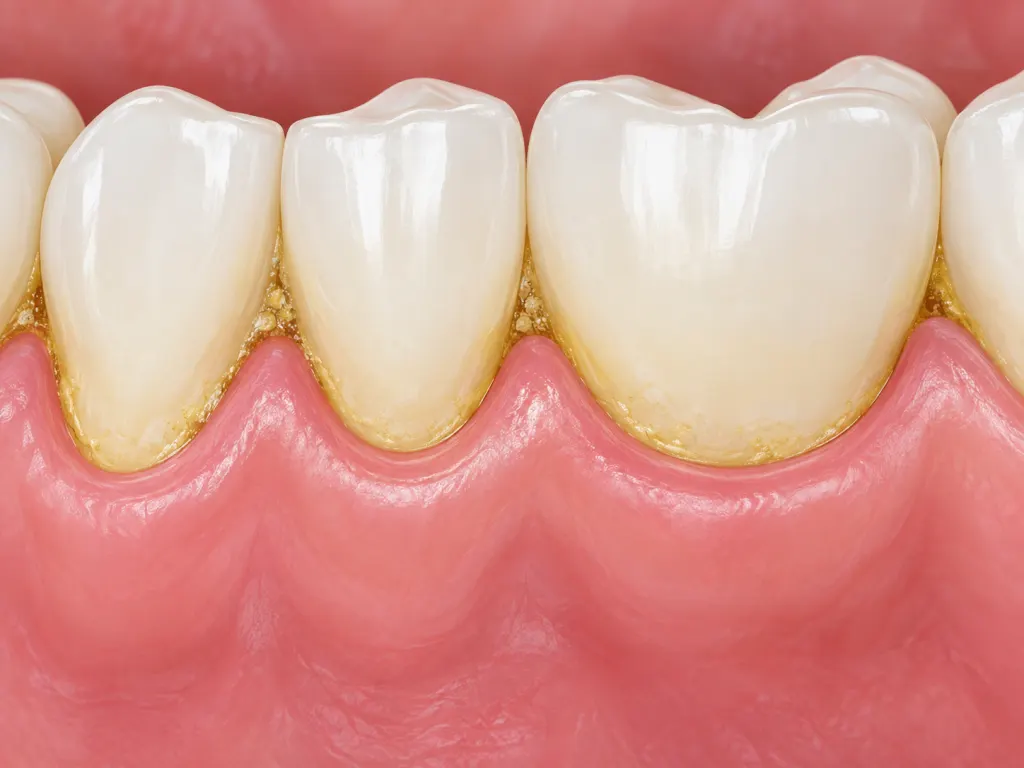
Plaque is a sticky film that forms on teeth. The problem is not only what sits on the visible front surfaces. Bacteria can collect between teeth and along the gumline, where a toothbrush may not reach well. NIDCR explains that plaque that is not removed can harden into tartar, which requires professional cleaning, and that gum disease may involve red, swollen, tender, or bleeding gums as well as persistent bad breath.
That is why breath-focused care should include the spaces between teeth. Floss, interdental brushes, water flossers, or other tools may be useful depending on tooth spacing and dexterity. The best tool is the one a person can use correctly and consistently. If gums bleed when cleaning begins, that can happen with inflamed gums, but persistent bleeding, swelling, tenderness, loose teeth, or pain while chewing should be checked. Odor that seems to come from one area of the mouth may also point to trapped food, tooth decay, a cracked filling, or gum pockets that need professional attention.
A practical oral-care routine for breath usually covers several surfaces:
- Brush teeth twice daily with fluoride toothpaste, reaching the gumline gently.
- Clean between teeth daily with floss or another interdental tool.
- Clean the tongue gently, especially the back surface if tolerated.
- Clean dentures, retainers, night guards, or aligners as directed and do not ignore odor from an appliance.
- Schedule routine dental cleanings so hardened tartar and hidden problems are not left to build up.
Dry Mouth Can Make Odor Easier to Notice
Saliva is one of the mouth's everyday cleaning systems. NIDCR explains that saliva moistens food, washes food particles from teeth and gums, helps with swallowing, contains minerals that support tooth strength, and helps keep harmful germs in check. When the mouth is dry, debris and odor-producing activity may become more noticeable. Morning breath is a familiar example because saliva flow changes during sleep, and mouth breathing can make dryness stronger.
Persistent dry mouth has many possible causes, including some medicines, certain health conditions, salivary gland problems, tobacco use, and breathing through the mouth. The response should fit the cause. Sipping water, using sugar-free gum if appropriate, limiting drying habits, and asking a dental professional about dry-mouth products may help with comfort, but chronic dryness deserves evaluation because it can affect chewing, swallowing, taste, cavities, and mouth infections.
Food, Tobacco, and Short-Term Breath Changes
Not every episode of bad breath means a dental problem. Garlic, onions, some spices, coffee, and alcohol can affect breath for a while. Mayo Clinic explains that after some foods are digested, compounds can enter the bloodstream, move to the lungs, and affect exhaled breath. In those cases, brushing may improve the mouth but cannot instantly remove compounds already circulating through the body. Time, hydration, and ordinary oral care usually matter more than repeatedly using strong mouthwash.
Tobacco is different because it can contribute to odor while also affecting oral tissues. NIDCR describes tobacco use as a major risk factor for gum disease, and gum disease itself can be associated with persistent bad breath. If someone uses tobacco and has ongoing breath odor, bleeding gums, or loose teeth, breath is only one clue in a larger oral-health picture.
Mints and Mouthwash Have Limits
Mints, gum, and mouthwash can be useful for temporary freshness, but they do not remove tartar, repair cavities, resolve gum pockets, or identify a sinus, throat, reflux, or systemic cause. Cleveland Clinic notes that halitosis care depends on the cause and that chronic bad breath should be discussed with a dentist. Alcohol-free antibacterial rinses may be appropriate for some people, but a rinse should not become a way to ignore symptoms that continue.
A helpful way to think about breath products is to ask what job they are doing. A mint masks. Sugar-free gum may stimulate saliva. A fluoride toothpaste cleans and supports enamel. Interdental cleaning removes plaque where a brush cannot reach. Professional dental care removes tartar and evaluates gums, teeth, appliances, and oral tissues. These roles overlap a little, but they are not interchangeable.

When Bad Breath Points Beyond Everyday Bacteria
Most routine breath odor has an oral explanation, but not all of it does. MedlinePlus lists sinusitis, nose problems, throat infections, tonsil stones, certain diseases, and some medicines among possible contributors. A child with a strong odor and discharge from one nostril, for example, needs a different kind of attention than an adult with ordinary morning breath. Breath odor with fever, cough, facial pain, nasal discharge, trouble swallowing, unexplained weight loss, or a fruity, ammonia-like, or fecal-like odor should not be handled as a cosmetic issue.
It is also worth separating real odor from worry about odor. Some people cannot smell their own breath accurately; others worry intensely even when people close to them do not notice a problem. A trusted person can sometimes give a reality check, but persistent concern still deserves a calm dental visit. A professional can examine the mouth, gums, tongue, and appliances, and can help decide whether a medical evaluation is needed.
A Sensible First Plan
If bad breath is new or occasional, start with basics for two to three weeks: brush thoroughly but gently, clean between teeth daily, clean the tongue lightly, drink water, clean oral appliances, and notice whether the odor is linked to certain foods, dry mouth, tobacco, or skipped dental care. If the odor improves, the cause was likely related to buildup, dryness, or a short-term habit. If it does not improve, the next step is not harsher scrubbing; it is a dental appointment.
During a visit, a dentist or hygienist can check for plaque, tartar, gum inflammation, cavities, poorly fitting appliances, and tongue coating. If the mouth looks healthy but odor continues, the dentist may suggest seeing a primary care clinician or another qualified professional. That referral is not a reason to panic. It simply means the source may be in the nose, throat, digestive tract, lungs, or another part of the health picture.
The Bottom Line
Bad breath is often a signal from the mouth's microbial ecosystem, not a personal failing. Bacteria are normal residents, but they create odor more easily when debris, plaque, tongue coating, dry mouth, gum inflammation, or unclean appliances give them the right conditions. The most useful response is steady and specific: clean the teeth, spaces, tongue, and appliances; support saliva; avoid relying only on masking products; and seek dental or medical guidance when breath odor is persistent, unexplained, or paired with other symptoms.
Wrap-Up
Bad breath often begins with oral bacteria acting on food particles, plaque, shed cells, and other material in the mouth. The tongue, gumline, spaces between teeth, dentures, dry mouth, tobacco, and certain foods can all influence odor. A consistent routine of brushing, interdental cleaning, gentle tongue cleaning, hydration, appliance care, and routine dental visits addresses many common causes. Persistent odor, bleeding or swollen gums, tooth pain, dry mouth that continues, or symptoms involving the nose, throat, lungs, or general health should be discussed with a qualified professional.
Frequently Asked Questions
- → Is bad breath always caused by poor brushing?
No. Poor brushing and skipped interdental cleaning are common contributors, but bad breath can also relate to tongue coating, gum disease, dry mouth, dentures or oral appliances, tobacco, certain foods, sinus or throat issues, reflux, and some health conditions. Persistent odor should be checked rather than blamed on brushing alone.
- → Why does the tongue matter so much for breath?
The tongue has an uneven surface that can trap bacteria, food residue, shed cells, and saliva proteins. The back of the tongue is especially easy to miss during daily cleaning. Gentle tongue cleaning may help, but soreness, unusual color changes, or coating that does not improve should be evaluated.
- → Can mouthwash fix bad breath?
Mouthwash may freshen breath temporarily, and some rinses can reduce bacteria, but it cannot remove tartar, clean between teeth by itself, correct dry mouth, or identify a dental or medical cause. If breath odor keeps returning, the cause needs attention.
- → When should I see a dentist about bad breath?
Make an appointment if bad breath persists after consistent oral care, or if it comes with bleeding gums, swollen gums, tooth pain, loose teeth, a bad taste from one area, dry mouth that continues, or odor from dentures or appliances. A dentist can look for plaque, tartar, cavities, gum changes, appliance problems, and tongue coating.
- → Can dry mouth make bad breath worse?
Yes. Saliva helps wash food particles from the mouth and helps keep oral microbes in balance. When the mouth is dry, odor may become more noticeable. Ongoing dry mouth should be discussed with a qualified professional because it can affect comfort, chewing, swallowing, and oral health.
References
This content was developed and refined using reliable sources.
- https://www.medlineplus.gov/badbreath.html
- https://www.medlineplus.gov/ency/article/003058.htm
- https://www.nidcr.nih.gov/health-info/gum-disease
- https://www.nidcr.nih.gov/health-info/dry-mouth
- https://www.mayoclinic.org/diseases-conditions/bad-breath/symptoms-causes/syc-20350922
- https://my.clevelandclinic.org/health/diseases/17771-bad-breath-halitosis
- https://newsinhealth.nih.gov/2019/05/mouth-microbes