 Save
Baking soda is a common household powder, and some people use it on the face because it feels gritty and oil-absorbing. Facial skin is more delicate than a sink or countertop, so the same ingredient can be irritating when used as a scrub or mask. This guide helps you weigh the possible upside, spot the risks, and choose safer next steps.
Step 1: Identify baking soda as an alkaline powder
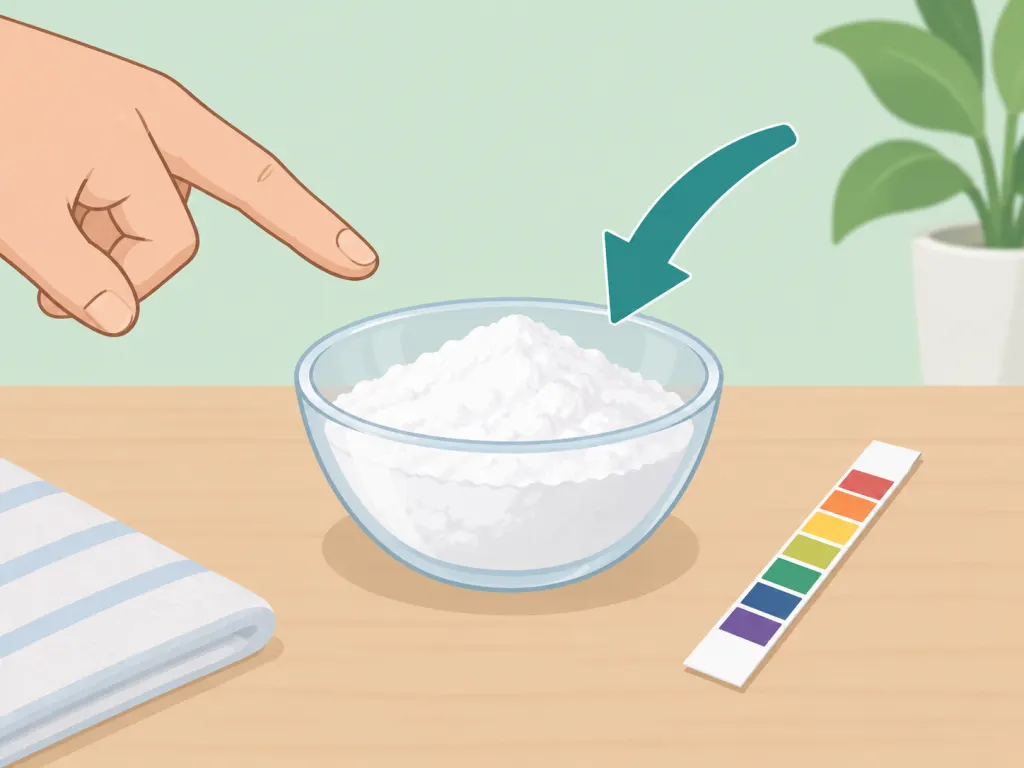
Baking soda is sodium bicarbonate, and NOAA’s CAMEO Chemicals describes it as a white powder with an alkaline pH around 8.3 to 9 in solution. That matters because facial skin and many gentle cleansers are managed around a mildly acidic surface environment; a review indexed by PubMed notes that cleansers near pH 5.5 are relevant to skin care.
Step 2: Keep the possible benefits modest

Baking soda’s gritty texture may make skin feel smoother for a short time, and its powdery feel may seem to reduce surface oil. Those effects are not the same as a proven facial-care benefit, and the same grit that feels polishing can also be too harsh if you rub it in. Treat it as a high-caution DIY ingredient, not as a regular face product.
Step 3: Skip it on sensitive, dry, irritated, or broken skin

If your skin stings easily, feels very dry, has a rash, or is already irritated, do not add baking soda. Cleveland Clinic notes that sensitive skin can react to products such as makeup, lotions, and soaps with dryness, itching, burning, stinging, or discoloration. Broken or inflamed skin is a poor place to test a harsh or alkaline ingredient.
Step 4: Patch test before putting it on your face
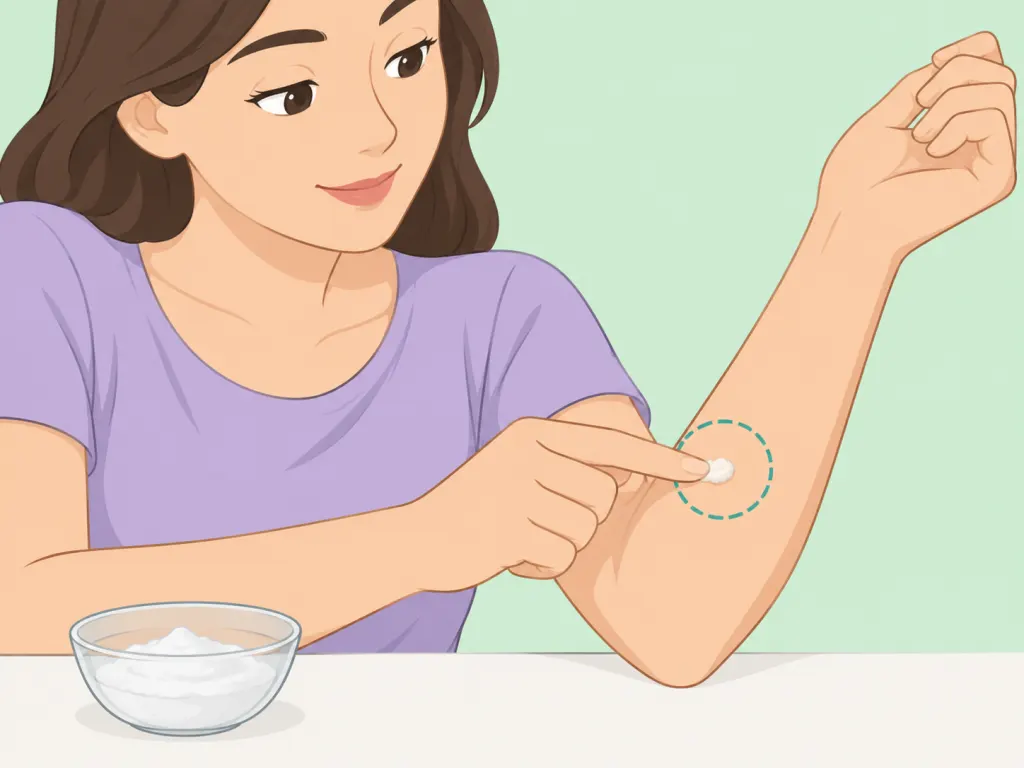
If you still want to try it, test a tiny amount on a small spot such as the inner arm or bend of the elbow first. The American Academy of Dermatology recommends testing skin-care products on a small area for several days and watching for redness, itching, swelling, or other reactions before wider use.
Mix a small pinch with plenty of water so it is loose rather than gritty, and touch it only to a small area of unbroken skin. Do not scrub, use a washcloth, or leave it sitting like a mask; AAD’s face-washing guidance says to use fingertips and resist scrubbing because scrubbing irritates skin. Keep it away from your eyes, lips, nostrils, and any sore spots.
Step 6: Rinse promptly and moisturize afterward

Rinse with lukewarm water, pat dry with a soft towel, and apply a simple moisturizer if your skin feels dry or tight. AAD recommends limiting face washing to twice daily and after sweating, and applying moisturizer when skin is dry or itchy. If your face feels stripped afterward, that is a sign to avoid repeating it.
Step 7: Stop if your skin burns, stings, or turns red
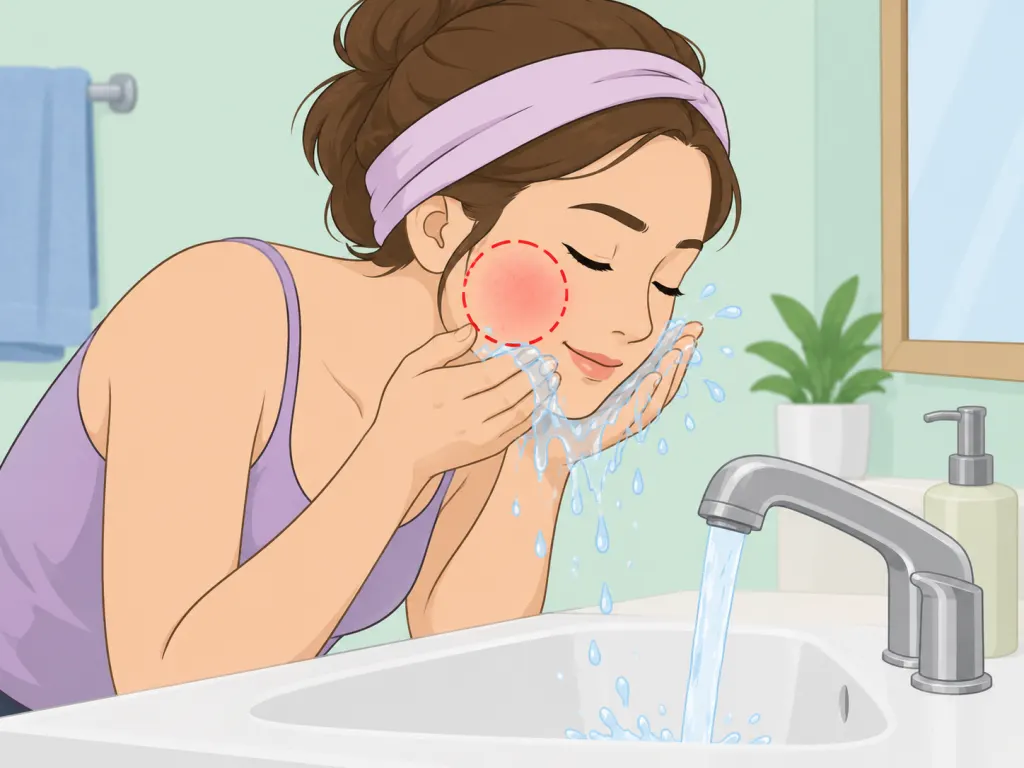
Wash it off right away if you notice burning, stinging, itching, swelling, or redness. FDA cosmetic safety guidance says to stop using a product and call a healthcare provider if you have a reaction such as rash, redness, burn, or another unexpected problem. Do not try to push through discomfort on facial skin.
Step 8: Choose gentler options for routine care

For everyday cleansing, use a gentle, non-abrasive cleanser and apply it lightly with your fingertips. If you are acne-prone, AAD advises avoiding habits that dry or scrub the skin, because irritation can worsen breakouts. Look for products labeled non-comedogenic or won’t clog pores if clogged pores are a concern.
Step 9: See a dermatologist for persistent irritation or acne concerns

Make an appointment if irritation lasts, keeps returning, is painful, involves swelling, or if acne concerns do not improve with gentle over-the-counter care. A dermatologist can help identify triggers, check for contact dermatitis or other skin conditions, and suggest products that fit your skin. Seek prompt medical help for eye exposure, severe swelling, or a rapidly worsening reaction.
Wrap-Up
The bottom line: baking soda is not an ideal facial-care ingredient for most people because it is alkaline and can be harsh when rubbed on skin. If you are curious, patch test first, keep it away from the eyes and irritated areas, rinse promptly, moisturize, and stop at the first sign of irritation.
Frequently Asked Questions
- → Is baking soda gentle enough for daily face washing?
No. Daily facial care is better built around a gentle, non-abrasive cleanser, and the American Academy of Dermatology advises against scrubbing because it can irritate skin.
- → Can baking soda help oily skin feel less greasy?
It may temporarily make skin feel less oily because it is powdery and alkaline, but that short-term feeling does not mean it is a good match for your facial skin barrier.
- → Should I use baking soda near my eyes?
No. Keep it away from your eyes and eyelids. The FDA advises using products near the eyes only when they are meant for that area.
- → What should I do if baking soda stings my face?
Rinse it off right away and do not use it again. If redness, burning, swelling, or discomfort is severe or does not settle, contact a healthcare provider.
- → Is a natural ingredient automatically safer for skin?
No. The FDA notes that a natural source does not determine whether a cosmetic ingredient is safe for you, and sensitive skin can react to many products or ingredients.
- → What is a safer first step than baking soda?
Use a mild, non-abrasive cleanser with lukewarm water, apply it with your fingertips, pat dry, and moisturize if your skin feels dry or itchy.
References
This content was developed and refined using reliable sources.
- https://cameochemicals.noaa.gov/report?key=CH21013
- https://pubmed.ncbi.nlm.nih.gov/8573921
- https://www.aad.org/public/everyday-care/skin-care-basics/care/face-washing-101?sf275854892=1
- https://www.aad.org/public/everyday-care/skin-care-secrets/prevent-skin-problems/test-skin-care-products
- https://www.aad.org/public/diseases/acne/skin-care/habits-stop?pp=1
- https://www.fda.gov/cosmetics/resources-consumers-cosmetics/using-cosmetics-safely
- https://my.clevelandclinic.org/health/diseases/sensitive-skin