 Save
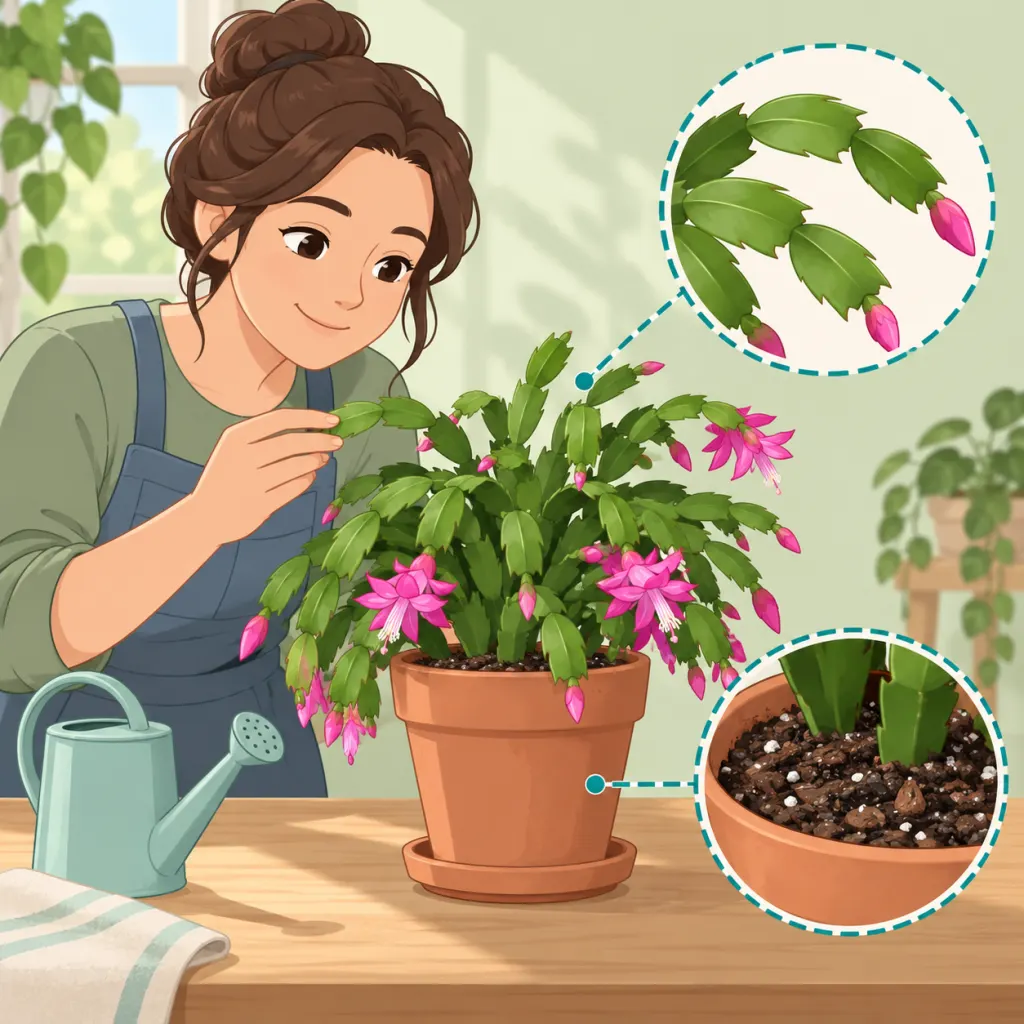
Christmas cactus care in August is about keeping the plant steady while preparing it for the conditions that encourage winter bloom. These rainforest cacti need different care from desert cacti: filtered light, good drainage, regular but careful moisture, and a gentle transition toward shorter days. Follow these steps to avoid summer stress and set the plant up for a stronger holiday display.
Step 1: Confirm which holiday cactus you have
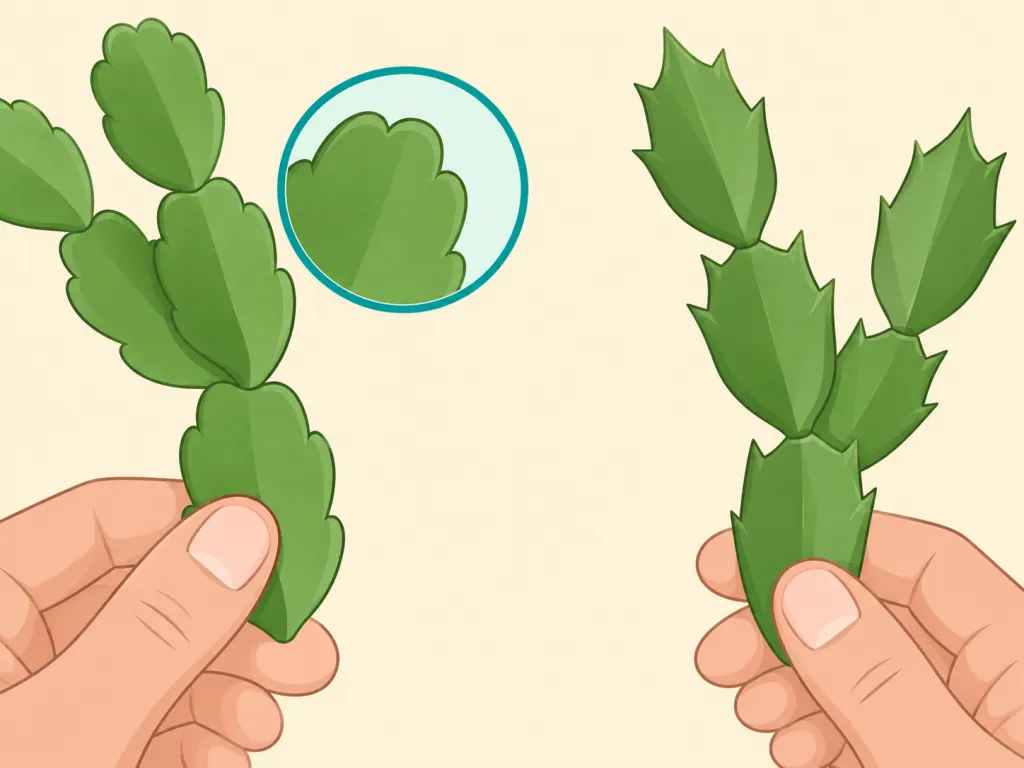
Look at the stem segments before you plan bloom timing, because many plants sold as Christmas cactus are actually Thanksgiving cactus. Wisconsin Horticulture notes that true Christmas cactus usually has more rounded, scalloped segment edges, while Thanksgiving cactus has pointed projections and often blooms earlier.
Step 2: Move it into bright filtered light
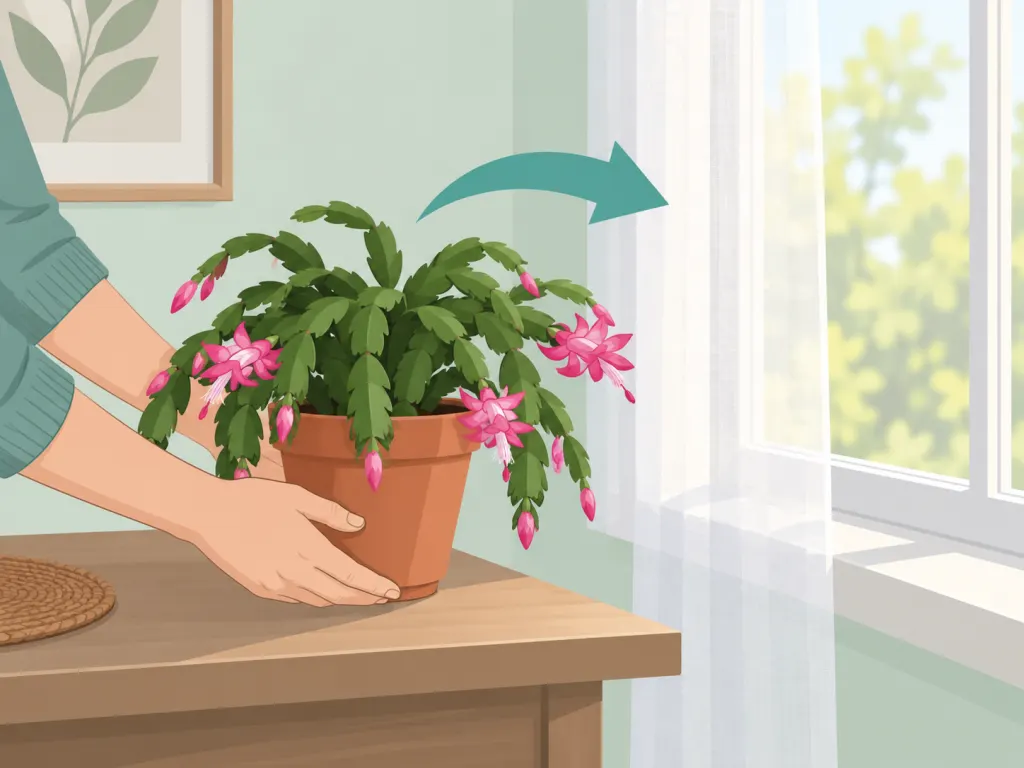
Place the plant where it gets bright indirect light, dappled outdoor shade, or gentle morning sun. Christmas cactus grows naturally in rainforest conditions, and the RHS advises bright light without full sun because strong midday sun can scorch or stress the stems.
Step 3: Check the potting mix before watering
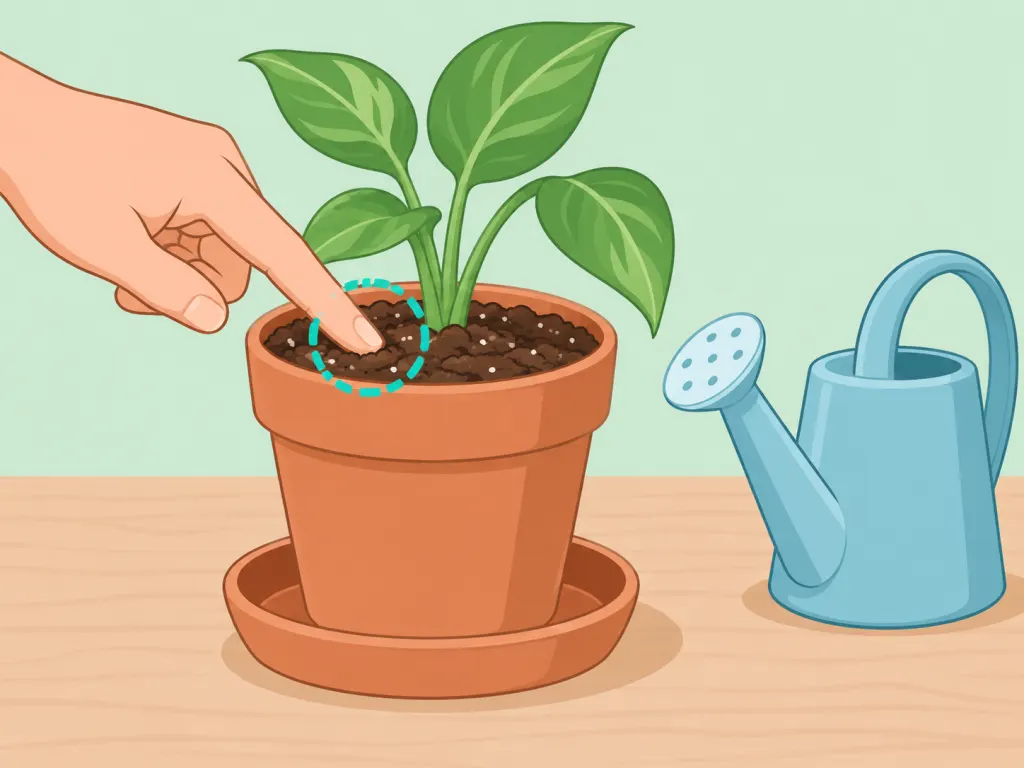
Press a finger into the top of the mix and water only when it has dried somewhat. When you do water, soak the mix evenly, let it drain fully, and empty the saucer, since University of Minnesota Extension warns that holiday cacti do not grow well in heavy, wet soils.
Step 4: Keep humidity steady without soaking the roots
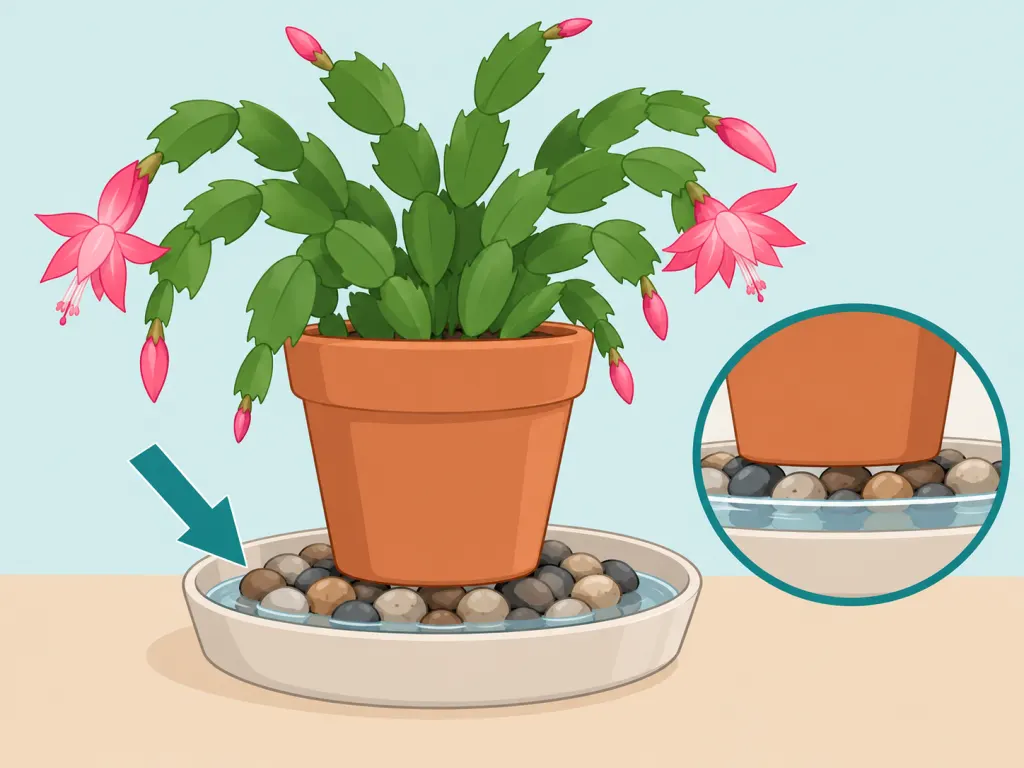
Christmas cactus appreciates a more humid atmosphere than desert cacti, but the pot should still drain freely. If indoor air is dry, set the pot above damp pebbles or mist lightly, making sure water does not keep the compost waterlogged, as the RHS humidity guidance recommends.
Feed lightly in August if the plant is actively growing and has not been fertilized recently. University of Minnesota Extension recommends monthly half-strength balanced houseplant fertilizer from June through August, while other extension sources advise stopping routine feeding as fall approaches.
Step 6: Inspect stems and pot surfaces for pests
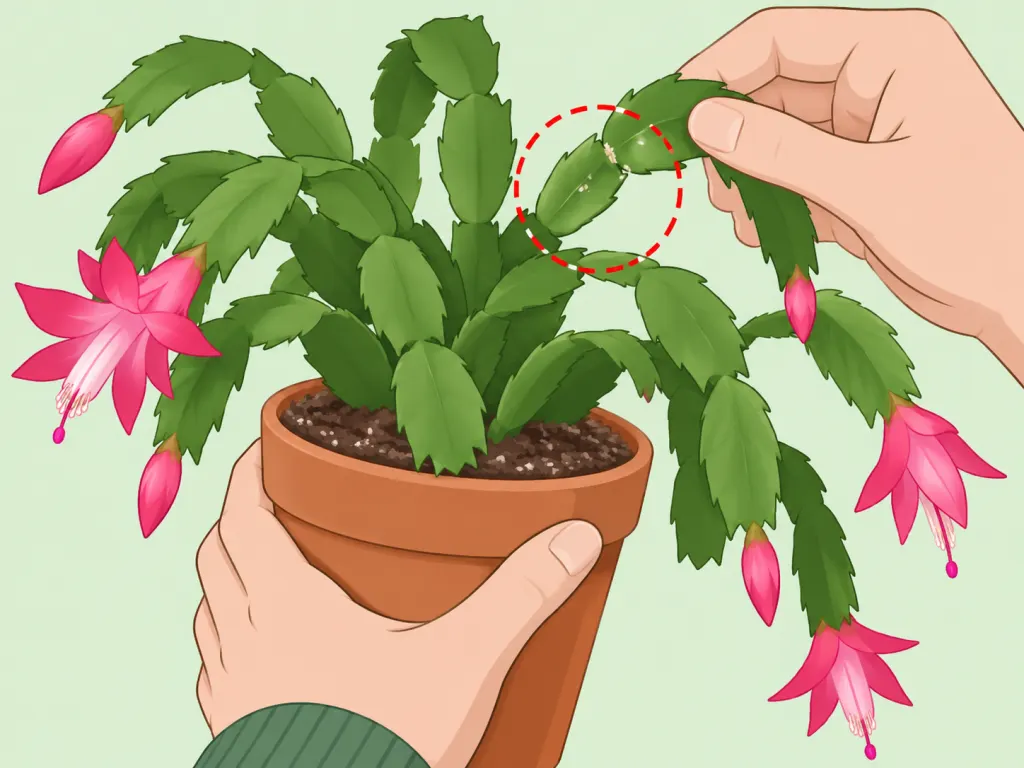
Check the joints, stem undersides, pot rim, and soil surface for mealybugs, scale insects, spider mites, slugs, or snails. Wisconsin Horticulture lists these as occasional holiday cactus pests, especially when plants spend summer outdoors, so remove pests early and follow any product label exactly if treatment is needed.
Step 7: Skip heavy pruning and routine repotting
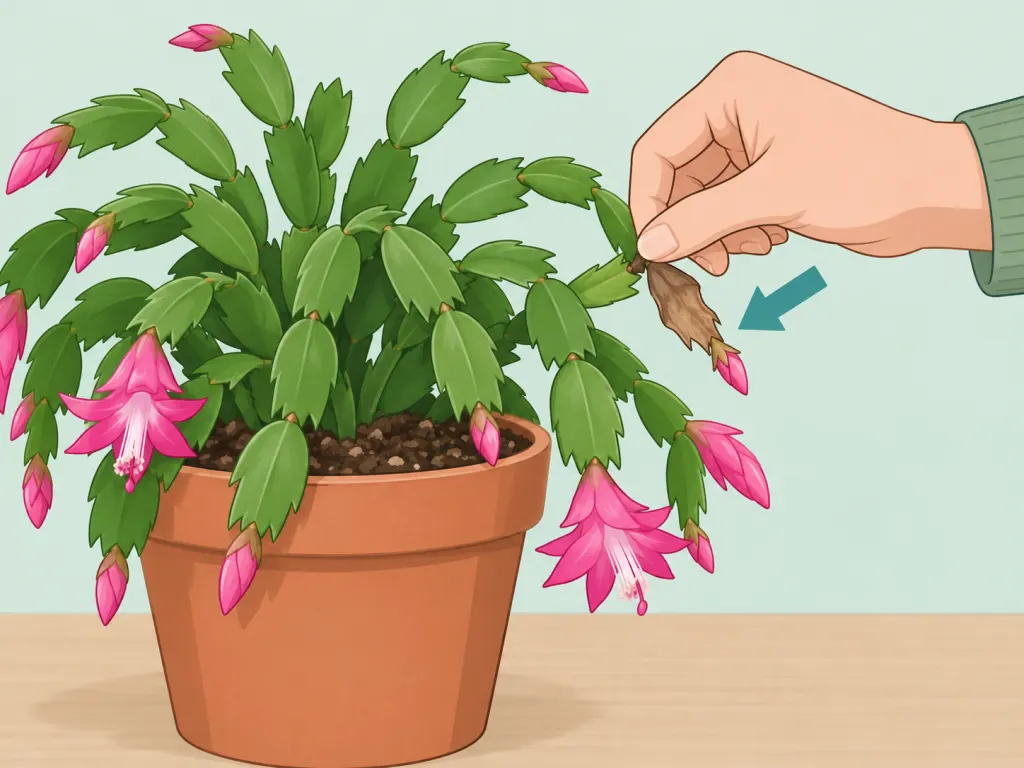
Do not reshape the whole plant in August unless you are removing dead, broken, or diseased segments. Christmas cactus usually needs little pruning, and the RHS suggests doing branching cuts in spring after flowering rather than close to the autumn bud-forming period.
Step 8: Start planning cooler, darker fall nights
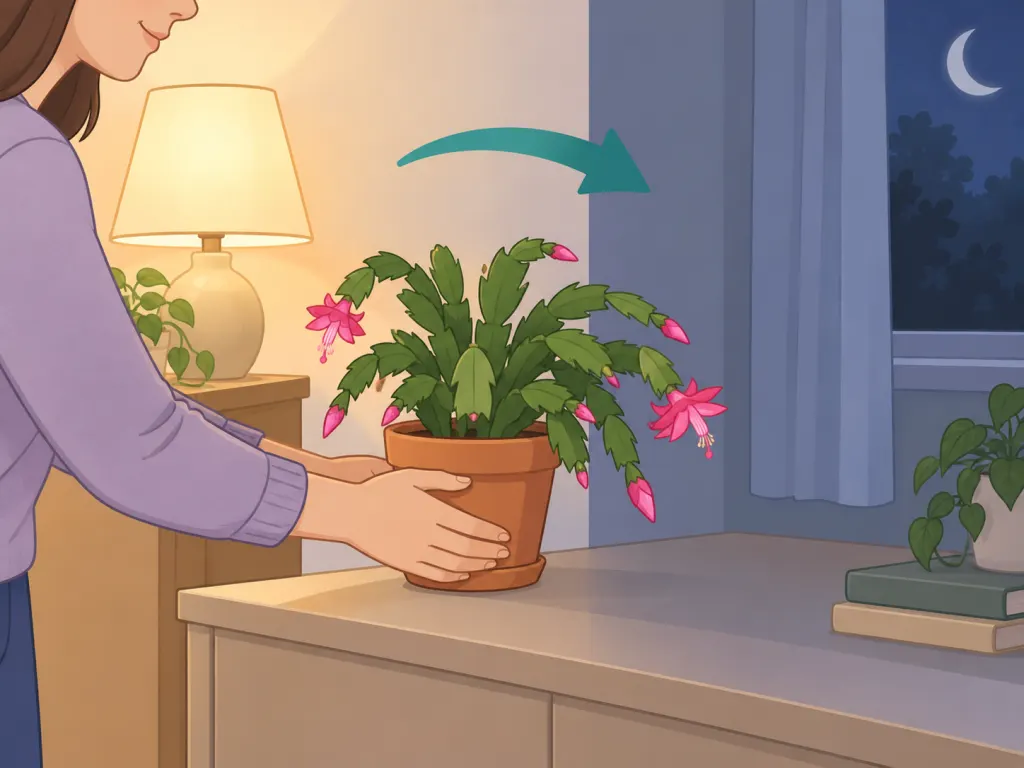
Use late August to choose a fall spot that will be cool, bright by day, and dark at night. Holiday cacti form buds in response to shorter days and cooler nights; Illinois Extension explains that fall care should avoid night lighting and bring outdoor plants indoors before low temperatures become risky.
Step 9: Avoid moving the plant once buds appear
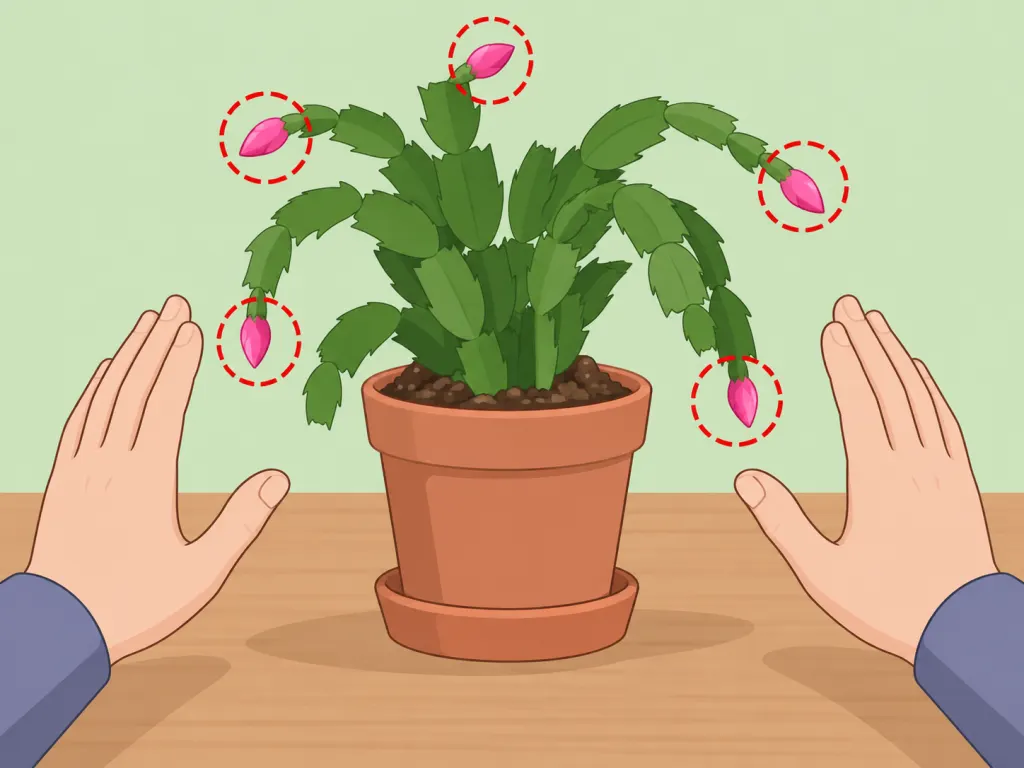
After buds form later in the season, keep the plant’s location, light direction, temperature, and watering as consistent as possible. University of Minnesota Extension notes that sudden changes in drafts, temperature, humidity, or light can lead to bud drop.
Wrap-Up
The bottom line: August care should be calm and consistent. Keep your Christmas cactus in bright filtered light, water only when the potting mix has partly dried, finish summer feeding lightly, check for pests, and start planning the cooler, darker fall conditions that support buds.
Frequently Asked Questions
- → Should I water my Christmas cactus more in August?
- Water by the potting mix, not by the calendar. In warm August weather, check more often, but water only when the mix has dried somewhat and always let extra water drain away.
- → Can my Christmas cactus stay outside in August?
- Yes, if it is in a sheltered place with bright shade or filtered light. Bring it indoors before chilly nights arrive, and check it carefully for pests first.
- → Should I fertilize a Christmas cactus in August?
- A light August feeding can be appropriate while the plant is still in its summer growth period. Use a balanced houseplant fertilizer at reduced strength or according to the label, then stop routine feeding as fall bud preparation begins.
- → Why are the stem segments turning pale or reddish?
- Pale, yellowing, or reddish segments often point to too much direct sun or general stress. Move the plant to bright indirect light and check that the pot is draining properly.
- → Should I repot my Christmas cactus in August?
- Usually no. Christmas cactus often blooms well when slightly snug in its pot, so save routine repotting for the growing season unless the pot has poor drainage, sour mix, or serious root trouble.
- → When should I start the dark treatment for blooms?
- Most growers begin the serious bloom routine in early fall, often around September or later depending on local conditions. The goal is several weeks of long, uninterrupted nights and cooler temperatures, not an abrupt shock in August.
References
This content was developed and refined using reliable sources.
- https://extension.umn.edu/garden-and-home/yard-and-garden/gardening-in-minnesota/holiday-cacti
- https://www.rhs.org.uk/plants/christmas-cactus/how-to-grow
- https://hort.extension.wisc.edu/articles/holiday-cactus
- https://extension.missouri.edu/news/holiday-cactus-can-provide-years-of-color
- https://hgic.clemson.edu/factsheet/indoor-cacti
- https://extension.illinois.edu/blogs/good-growing/2022-12-09-how-identify-and-care-holiday-cacti-and-get-them-rebloom