 Save
Growing certain plants near doorways, window boxes, or garden borders can help discourage some common household and garden pests. Eight plants, peppermint, lavender, basil, catnip, rosemary, marigolds, pyrethrum chrysanthemum, and lemongrass, have received the most consistent scientific or practical attention for their pest-deterring volatile compounds. Understanding how they work is essential before expecting results: research from Colorado State University Extension, Clemson University, and Mississippi State University Extension consistently shows that most aromatic plants release their repellent oils most effectively when crushed, burned, or extracted, not simply by growing nearby. That important nuance does not make these plants useless; it means their value depends on how you deploy them. Placing cut sprigs near entry points, rubbing crushed leaves on outdoor furniture, drying them into sachets, or interplanting them throughout a vegetable bed can each contribute a meaningful, low-chemical layer of pest deterrence. This guide covers what each plant contains, which pests it has been associated with deterring, and the practical methods that give the best results.
How Plants Produce Natural Repellents
Many plants defend themselves by producing volatile compounds, terpenes, phenylpropanoids, and other aromatic molecules, stored in small oil glands within their leaves, stems, and flowers. When these tissues are disturbed by browsing, friction, or crushing, the oils evaporate and disperse into the surrounding air. Insects that rely on scent to locate hosts or food can be disoriented or deterred when these compounds interfere with their olfactory receptors. Extension horticulturists at Mississippi State University note that rubbing crushed plant material directly on skin or clothing is more effective than simply having plants present on a porch, because the oil concentration achieved around an intact plant in the open air dissipates quickly in any breeze. This principle applies consistently across all eight plants described below: the closer and more concentrated the exposure to the volatile compounds, the greater the potential deterrent effect.
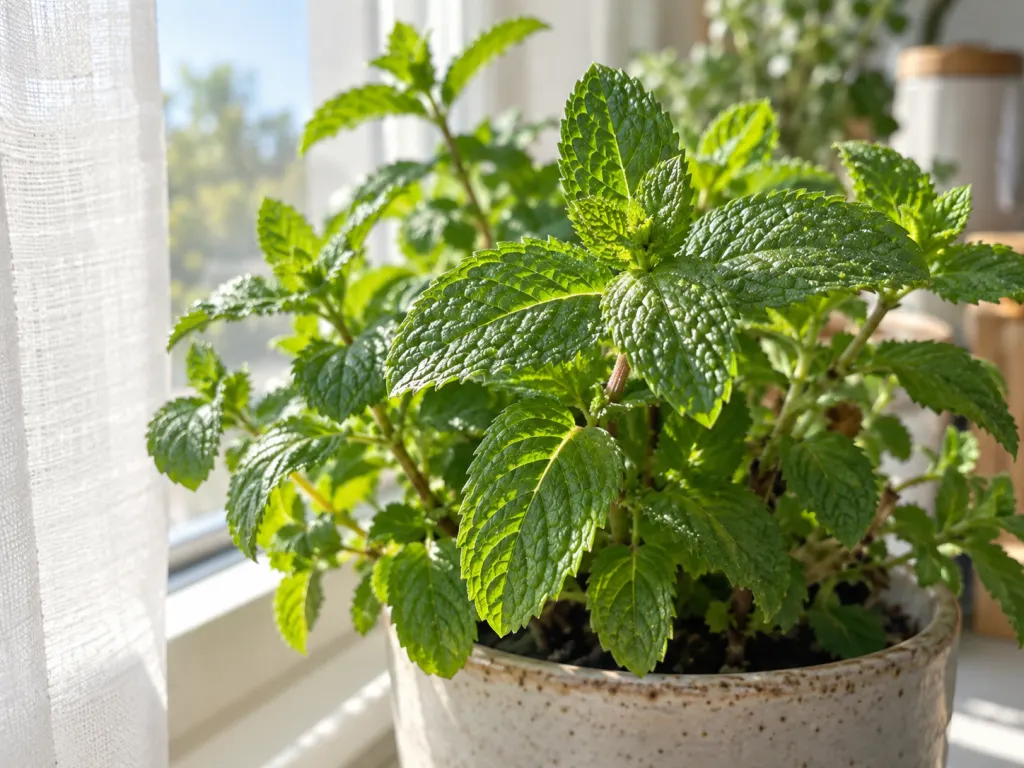
1. Peppermint (Mentha x piperita)
Peppermint is among the most widely cited plants for deterring both rodents and insects. Its primary active compound, menthol, produces an intense scent that mice appear to find aversive; peppermint is recognized in horticultural and pest management literature as a vertebrate deterrent. For insects, peppermint's volatile oils have shown activity against aphids, ants, and several fly species in various studies. Pest management practitioners also report that placing peppermint-scented material near baseboards and entry points tends to discourage spiders, which are sensitive to concentrated terpene compounds. Because rigorous controlled evidence on living plants, as opposed to extracted oils, remains limited, the most practical approach is to place bunches of fresh-cut peppermint or dried sachets near entry points, windowsills, and areas with known pest activity, replacing them every week or two as the scent fades. In the garden, peppermint is best grown in containers, as it spreads aggressively and can overtake neighboring plants if allowed to root freely in garden soil.
2. Lavender (Lavandula angustifolia)
Lavender's two primary volatile compounds, linalool and linalyl acetate, together typically make up a substantial portion of true lavender essential oil. These compounds have been studied in laboratory conditions for their activity against mosquitoes and other insects. The University of Georgia Extension notes that lavender produces a fragrance unpleasant to mosquitoes, flies, fleas, and moths, making it useful both outdoors and indoors. Dried lavender sachets placed in closets and drawers have long served as a practical moth deterrent. Clemson's Home and Garden Information Center notes that applied lavender oil can provide short-duration protection, with effectiveness measured in minutes rather than hours under open outdoor conditions. To use lavender most productively, rubbing the fresh flowers on pulse points or outdoor fabric produces a far higher local concentration of active compounds than relying on the growing plant's ambient scent in open air. In the garden, lavender works best near patios and seating areas where it will be frequently brushed and handled.

3. Basil (Ocimum basilicum)
Basil produces a complex mixture of volatile compounds, with estragole, linalool, and eugenol among the most studied for pest-relevant activity. Research has found these compounds active against several pest species, including fruit flies and mosquito larvae, in laboratory conditions. The University of Georgia Extension includes basil in its list of plants with compounds unappealing to common garden pests, particularly aphids, mites, and flies. Mississippi State University Extension also lists basil as one of the herbs that may help deter insects, with the caveat that the number of plants required to achieve a population-level reduction in an open garden has not been definitively established. Basil's practical advantage is its dual purpose: it serves as a culinary herb while also contributing aromatic compounds to a planting area. Placing potted basil near outdoor dining tables, doorways, or kitchen windows is a common strategy for reducing fly pressure around those specific locations.
4. Catnip (Nepeta cataria)
Catnip stands out in the scientific literature as one of the more rigorously studied plant-based repellents. Its principal active compound, nepetalactone, has been the subject of multiple peer-reviewed studies investigating its effects on mosquitoes and cockroaches. Research has found that nepetalactone interferes with insect olfactory receptors in a manner that produces avoidance behavior, with some studies reporting strong repellency values against German cockroaches and mosquito species. Mississippi State University Extension includes catnip among the herbs with potential deterrent properties. The U.S. Environmental Protection Agency considers catnip oil a relatively safe natural compound, with minor skin irritation as the primary noted risk. As with most plants on this list, these results apply to extracted or applied oil rather than the growing plant; the practical use is to dry and crush catnip leaves for sachets placed near pest entry points, or to use diluted oil in areas with known cockroach or mosquito activity.
5. Rosemary (Salvia rosmarinus)
Rosemary contains a volatile blend of camphor, borneol, 1,8-cineole, and alpha-pinene that contributes to its recognized pest-deterrent properties. The University of Georgia Extension lists rosemary as helping to repel Japanese beetles, carrot flies, slugs, and snails when grown and maintained in a garden. Mississippi State University Extension includes rosemary among the herbs that may help discourage insects, noting that its volatile oils are present in meaningful concentrations. Clemson University notes that applied rosemary oil provides short-duration protection in controlled conditions, useful for brief outdoor activities when combined with other preventive measures. As a garden plant, rosemary works well as a perennial border near pathways, patios, or vegetable beds, where it is frequently brushed by passers-by and releases its oils. It is also useful as fresh sprigs placed near outdoor dining areas, replacing them every few days to maintain scent concentration.

6. Marigolds (Tagetes spp.)
Marigolds are valued in gardens partly for their color, but their pest-deterrent reputation rests on a sulfur-containing compound class called thiophenes, which produce the distinctive sharp marigold scent. A claim that marigolds contain pyrethrin has been challenged in the botanical literature; the active deterrent compounds appear to be thiophenes rather than pyrethrins. The University of Georgia Extension notes that marigolds' strong scent is considered unpleasant to mosquitoes and that marigolds can reduce aphid and whitefly pressure around planting areas. Marigolds are particularly useful when interplanted throughout a vegetable garden: their scent creates a more complex chemical environment that may make it harder for specialist insects to locate preferred host crops. They also attract beneficial insects such as hoverflies and parasitic wasps that prey on garden pests. One well-supported application is planting French marigolds (Tagetes patula) around garden beds to suppress soil nematodes through root secretions, an effect that operates through direct soil chemistry rather than ambient scent.
7. Pyrethrum Chrysanthemum (Chrysanthemum cinerariifolium)
Of the eight plants on this list, pyrethrum chrysanthemum holds the strongest documented evidence base. Pyrethrins, the natural insecticides extracted from its dried flower heads, have been used in pest control for thousands of years and remain the basis of a widely used class of modern synthetic insecticides. Research published in PLOS ONE confirmed that pyrethrins present in pyrethrum flowers protect the plant against western flower thrips through multiple distinct mechanisms: direct adult toxicity, feeding deterrence that causes insects to avoid the leaves, and reproductive suppression that significantly inhibits egg development. This makes pyrethrum chrysanthemum genuinely functional in a garden setting, not merely aromatic. Drying and powdering the flower heads produces a botanical insecticide that can be applied around baseboards or soil surfaces. Important precautions apply: pyrethrins are toxic to cats and harmful to aquatic organisms, so the plant and any derived powder should be kept away from pet sleeping areas and water features.
8. Lemongrass (Cymbopogon citratus)
Lemongrass is the botanical source of citronella oil, the active ingredient in many outdoor candles, torches, and repellent products. Its main volatile compounds, citronellal, geraniol, and citronellol, have well-documented evidence of mosquito deterrence when extracted and applied. Mississippi State University Extension identifies lemongrass as one of the aromatic herbs with the strongest research support for mosquito deterrence among plant-based options. In warm climates, lemongrass grows as a large perennial grass reaching several feet in height; in cooler zones, it performs well as an annual or in large containers that can be moved indoors over winter. Burning dried lemongrass over a fire or grill releases the volatile oils into the immediate outdoor area, which is one of the more effective ways to use the plant itself rather than a commercial extract. As with others on this list, proximity to the growing plant alone in open air produces limited deterrence; active use of crushed leaves or derived oil concentrates the compounds where they matter most.
Using These Plants Most Effectively
University extension services consistently point to a single underlying principle: the pest-deterrent value of aromatic plants depends far more on how you deploy them than on whether they are simply growing nearby. Colorado State University Extension notes directly that none of these plants repel insects merely by growing in a landscape, and that volatile oils are released in meaningful concentrations only when plant tissue is crushed or burned. Here are the most practical approaches for each type of plant:
- Crush fresh leaves and place them near entry points: peppermint, lavender, and catnip release the highest local oil concentrations when bruised and placed near doorways, windowsills, or baseboards.
- Dry and fill sachets: dried peppermint, lavender, and catnip in small fabric pouches inside closets, storage boxes, and drawers can deter moths and discourage rodents from nesting in undisturbed areas.
- Interplant in vegetable beds: marigolds, basil, and rosemary create a more complex scent environment that makes it harder for specialist insects to locate preferred host crops, and they attract beneficial predatory insects.
- Plant fragrant borders near seating: lemongrass and rosemary grow large enough to form borders along pathways and patio edges, releasing scent each time they are brushed by passersby.
- Dry and powder pyrethrum chrysanthemum flowers for targeted botanical treatment around baseboards, outdoor steps, or garden perimeters, keeping it away from areas where cats or aquatic organisms may be present.
- Layer with conventional pest prevention: sealing structural entry points, removing standing water, and maintaining good garden hygiene significantly amplifies whatever supplementary deterrent these plants provide.
Wrap-Up
Peppermint, lavender, basil, catnip, rosemary, marigolds, pyrethrum chrysanthemum, and lemongrass each produce volatile compounds with studied or traditionally recognized pest-deterrent properties. Their effectiveness ranges from strong and well-documented, pyrethrum chrysanthemum, supported by peer-reviewed research on its natural pyrethrins, to partial and method-dependent, like peppermint and rosemary, whose value depends primarily on direct application rather than ambient scent. For the majority of these plants, crushing leaves, making dried sachets, or applying diluted oil provides considerably more reliable results than relying on a growing plant in an open outdoor space. Used thoughtfully alongside proven pest-prevention measures, sealing entry points, eliminating standing water, and maintaining garden hygiene, these eight plants can add a meaningful, low-chemical layer of deterrence to both indoor and outdoor living spaces.
Frequently Asked Questions
- → Does peppermint actually keep mice away?
Peppermint is recognized in pest management literature as a vertebrate deterrent due to its menthol content. However, rigorous controlled evidence specifically on living plants rather than extracted or concentrated oil remains limited. Placing cut sprigs or dried sachets near rodent entry points may discourage mice from approaching specific locations, but this approach is unlikely to resolve an established infestation on its own and works best as one part of a broader exclusion strategy.
- → Do I need to crush the plants for them to work?
Yes, for most plants on this list, crushing the leaves or using extracted oil makes a significant practical difference. Colorado State University Extension notes that aromatic plants do not repel insects merely by growing in a landscape; the volatile oils are released in useful concentrations only when plant tissue is bruised, crushed, or burned. Dried sachets and fresh-cut sprigs placed in enclosed spaces, drawers, closets, near doorways, retain and concentrate scent better than an intact growing plant in open air.
- → Are any of these plants toxic to pets?
Pyrethrum chrysanthemum contains pyrethrins that are toxic to cats and harmful to aquatic organisms; careful placement is essential if you have pets or nearby water features. Many essential oils derived from plants on this list, including concentrated peppermint and lavender oil, can also cause harm if applied undiluted to pets or ingested. Always consult a veterinarian before using any plant-derived oils in areas where animals have regular access.
- → How does catnip compare to conventional mosquito repellents?
Nepetalactone, the active compound in catnip, has been studied in multiple peer-reviewed investigations for its mosquito-deterrent properties and has shown strong repellency values in laboratory and some field conditions. However, protection duration from applied catnip oil appears shorter than standard DEET-based formulations, and most research results apply to extracted oil rather than the growing plant or a simple dried sachet. For sustained outdoor mosquito protection, a tested repellent product remains more reliable.
- → Will marigolds protect my vegetable garden from pests all season?
Marigolds interplanted in a vegetable garden may reduce aphid, whitefly, and soil nematode pressure over a season, particularly French marigolds whose root secretions suppress nematodes through direct soil chemistry. University extension sources acknowledge their value while noting that the plant density needed for a measurable reduction in open-air insect populations has not been clearly established. They are most effective as part of a broader integrated pest management plan that also includes removing pest habitat and encouraging beneficial insects.
- → Do these plants also deter spiders?
Spiders are arachnids rather than insects, but several plants on this list, particularly peppermint and lavender, are reported by pest management practitioners to discourage spiders when strong-scented material is placed near baseboards and entry points. Peer-reviewed studies specifically targeting spiders are limited; most available evidence is observational. The same practical principle applies: concentrated placement of crushed leaves or sachets near entry points is more likely to produce an effect than the ambient scent of a growing plant in open air.
References
This content was developed and refined using reliable sources.
- https://site.extension.uga.edu/paulding/2024/07/insect-repelling-plants-for-your-garden
- https://hgic.clemson.edu/can-plants-repel-problematic-insects
- https://extension.msstate.edu/blogs/extension-for-real-life/can-fragrant-plants-help-repel-insects
- https://planttalk.colostate.edu/topics/insects-diseases/1400-20-plants-repel-mosquitoes
- https://pmc.ncbi.nlm.nih.gov/articles/PMC3324680