 Save
Orchids have a reputation for being difficult, but most problems come down to one thing: incorrect watering. Get that right, along with feeding, light, and humidity, and the plant rewards you with dense, glossy foliage and flowers that last for months. This guide covers the key steps for caring for moth orchids (Phalaenopsis), the most widely grown indoor orchid, from choosing the right water to encouraging a second flush of blooms.
Step 1: Use room-temperature rainwater or pre-boiled water

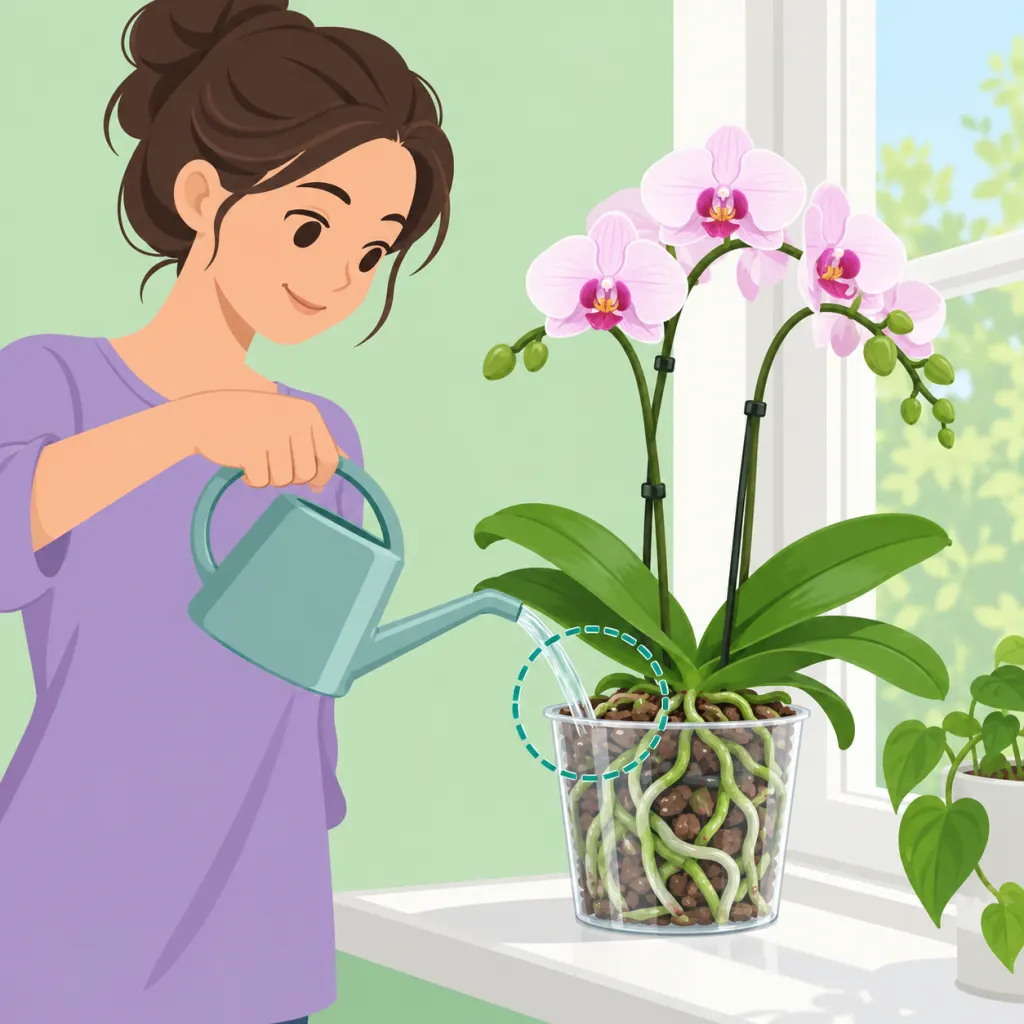
Cold tap water can shock orchid roots, and the chlorine and dissolved minerals in hard tap water build up in the potting medium over time and interfere with root health. The RHS recommends using rainwater or pre-boiled water allowed to cool to room temperature before each watering. If only tap water is available, let it stand overnight in an open container so some of the chlorine can dissipate before you use it.
Step 2: Water once a week during the growing season and less in winter
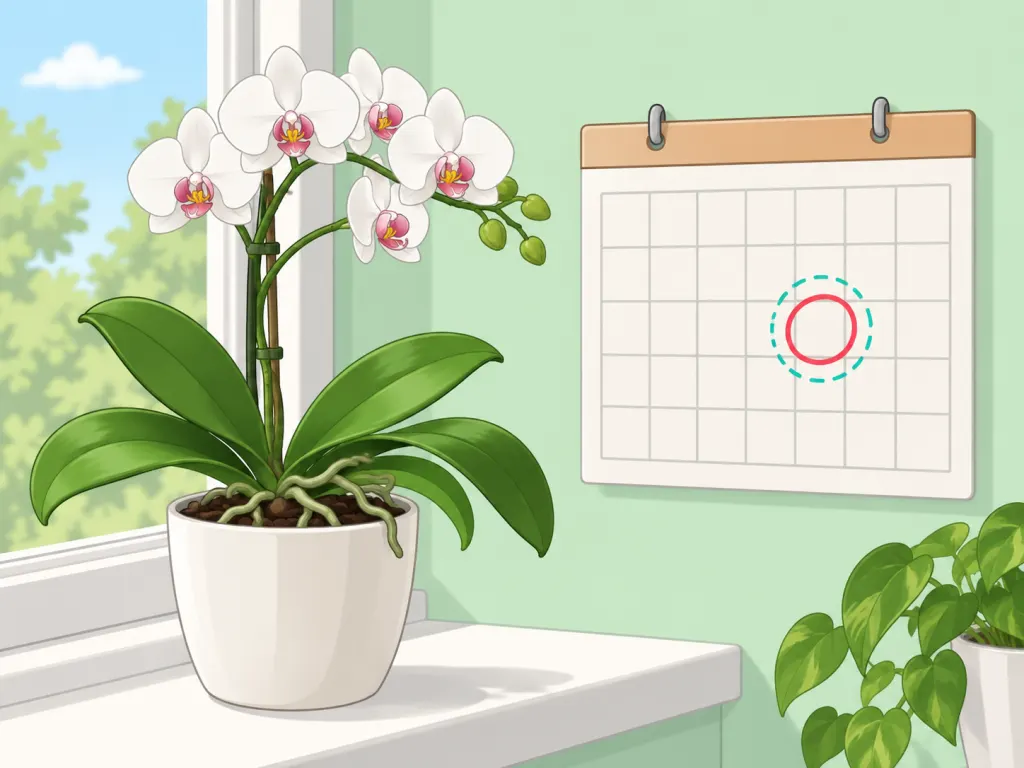
The RHS advises watering moth orchids weekly throughout the growing season, then reducing slightly in winter when growth slows and indoor light levels drop. Unlike some orchids that store water in thickened stems, Phalaenopsis lack these organs, so they should never be left to dry out completely between waterings.
Step 3: Water thoroughly, then drain completely before returning the pot to its cover
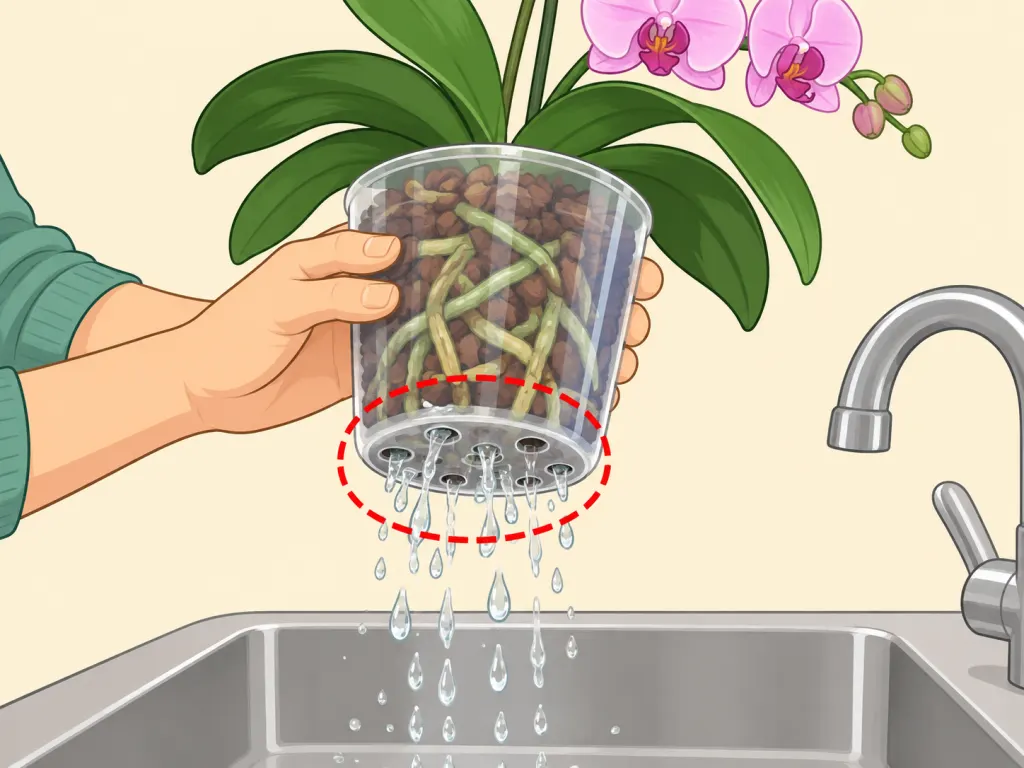
Take the inner pot to the sink and run room-temperature water slowly over the roots and growing medium for about a minute until it flows freely from all the drainage holes. Clemson University Extension warns that leaving an orchid in standing water is one of the fastest ways to cause root rot. Let the pot drain for at least five minutes before placing it back in its decorative cover or on a saucer.
Step 4: Mist the foliage and raise the humidity around the plant
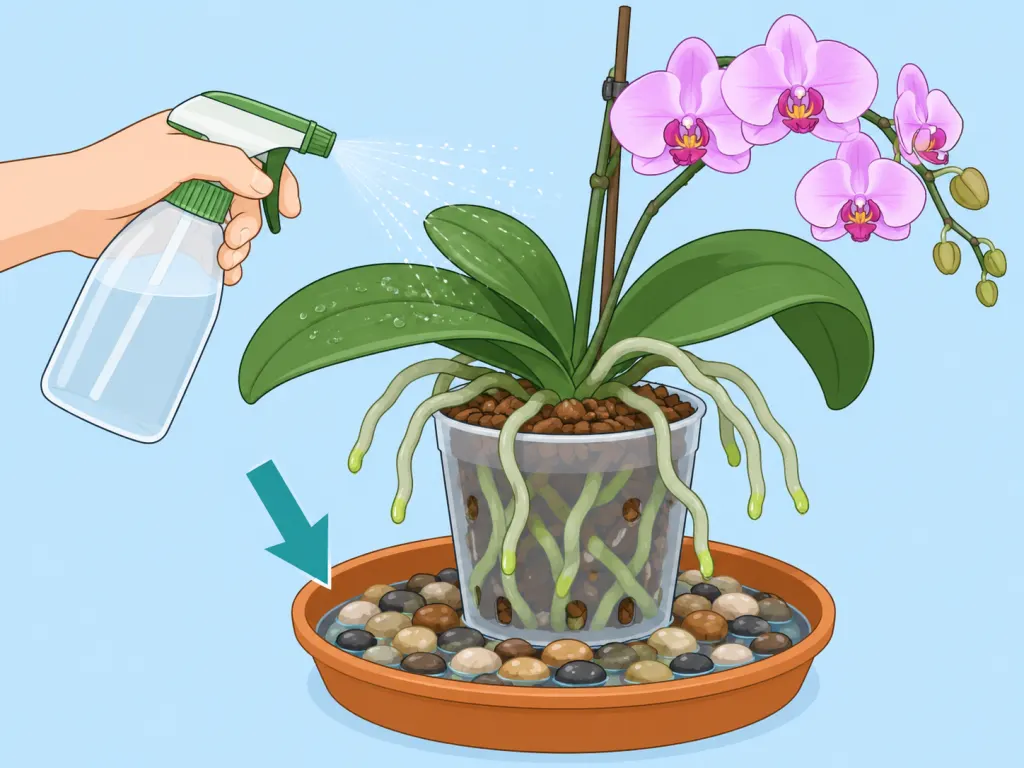
Most orchids prefer 40-60% relative humidity, according to Clemson University Extension. Indoor air in centrally heated homes is often drier than this, especially in winter. Mist the leaves and aerial roots lightly with room-temperature water in the morning, and stand the pot on a tray of damp gravel or pebbles so that evaporating moisture gradually raises humidity around the plant. Avoid misting the flowers directly, which causes petal spotting.
Penn State Extension recommends using a water-soluble fertilizer at half the manufacturer's recommended rate, once or twice a month during the growing season. Orchids in bark potting mix benefit from a nitrogen-rich formula, such as 30-10-10 or 15-5-5, because bark gradually ties up nitrogen as it decomposes. Once a month, flush the medium with plain water to wash out accumulated fertilizer salts. Reduce feeding to once a month in autumn and stop through the middle of winter.
Step 6: Position the orchid in bright, indirect light
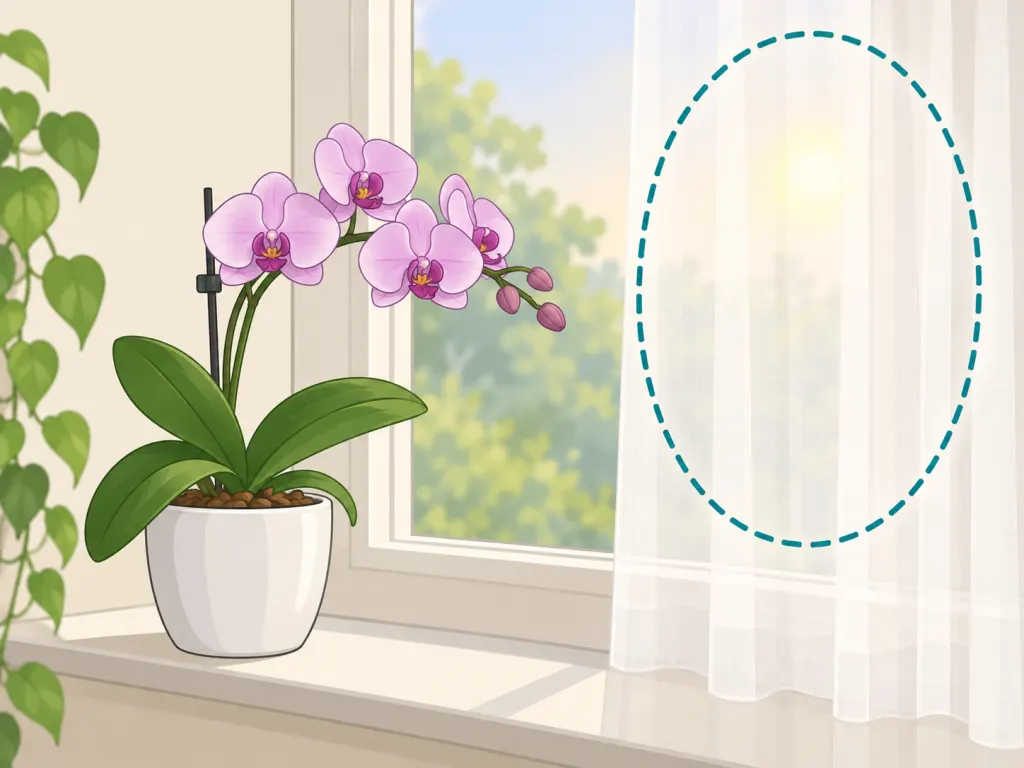
An east- or west-facing windowsill provides the steady, filtered light that moth orchids prefer. Direct summer sun will scorch the leaves, while deep shade produces weak growth and a reluctance to flower. Bright green, upright leaves indicate a healthy light level; dark green or limp leaves suggest the plant needs a brighter spot. A sheer curtain over a south-facing window can filter harsh afternoon sun effectively.
Step 7: Check the roots regularly for signs of health or trouble
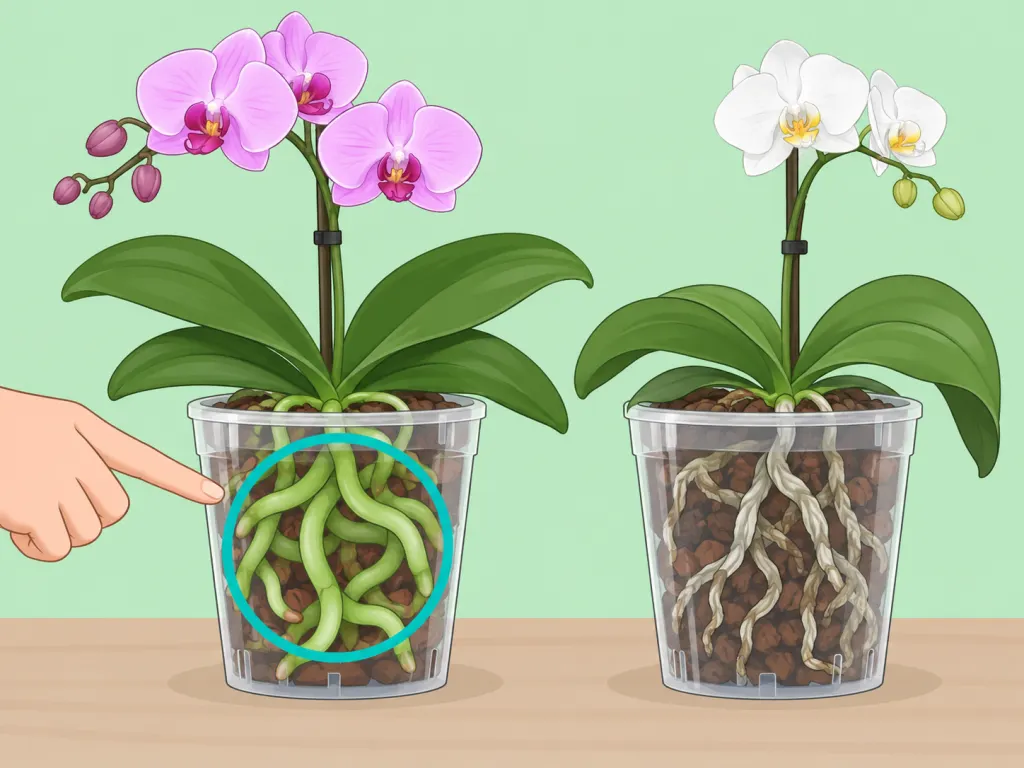
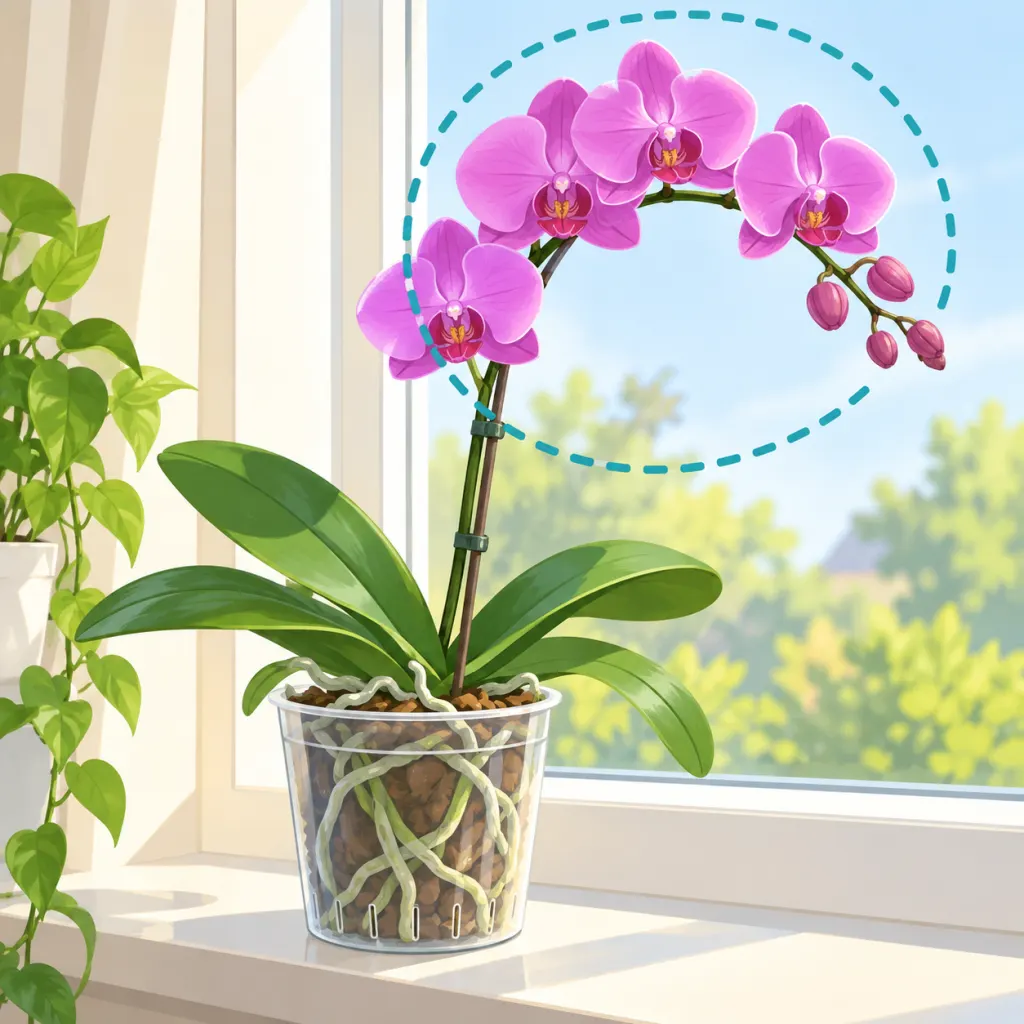
Healthy orchid roots are plump and turn a bright, vivid green when watered; between waterings they return to a silvery white or pale grey. Shrivelled grey roots that do not plump up after watering indicate dehydration, while brown or black, soft roots indicate rot. Cut away damaged roots with clean scissors, then reduce watering frequency. Most Phalaenopsis are sold in clear plastic pots specifically so you can inspect the roots without disturbing the plant.
Step 8: Encourage a new flush of blooms after the flowers fade
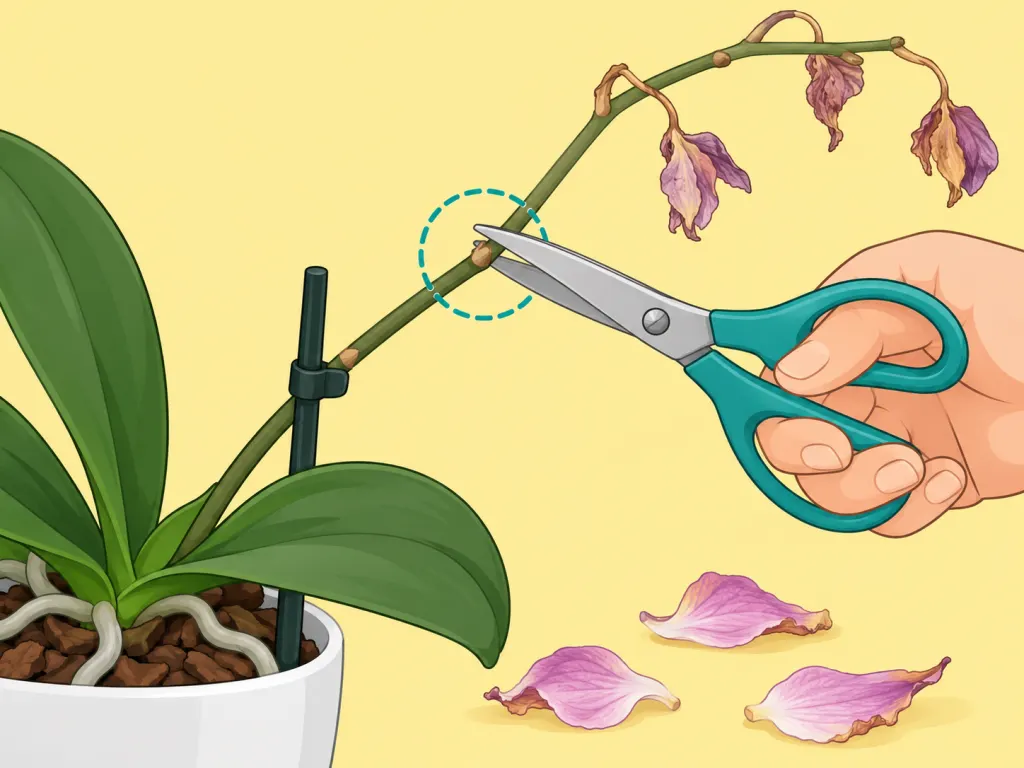
Once every flower on the spike has fallen, cut the spent stem back to just above the highest visible node, the small raised bump along the stem. The RHS recommends moving the plant to a position roughly 5°C (9°F) cooler than its usual spot for four to six weeks. This modest temperature drop is often enough to signal the plant to produce a new flower spike. Once the new spike is a few centimetres long, return the orchid to its regular bright, warm position.
Wrap-Up
The bottom line: water your orchid weekly with room-temperature rainwater, drain the pot completely every time, maintain humidity around the plant, feed with diluted orchid fertilizer during the growing season, and give it bright, indirect light. Check the roots regularly, they tell you more about what the plant needs than any other sign. With these habits in place, a healthy orchid is a very achievable result.
Frequently Asked Questions
- → How often should I water my orchid?
- For most moth orchids (Phalaenopsis), once a week is the right rhythm during the growing season. In winter or lower-light conditions, reduce watering slightly and always allow the potting medium to dry a little before the next watering.
- → What type of water is best for orchids?
- Rainwater or pre-boiled tap water cooled to room temperature is ideal. Cold tap water can shock orchid roots, and minerals in hard tap water accumulate in the potting medium over time and can damage roots. If only tap water is available, let it stand overnight in an open container before using it.
- → Why are my orchid's leaves turning yellow?
- A small amount of lower-leaf yellowing is normal as older leaves age. More widespread yellowing can signal overwatering, too much direct sun, or fertilizer salt build-up. Check the roots, plump, bright green roots indicate health, while brown, soft, or mushy roots point to root rot from overwatering.
- → Should I mist my orchid's leaves?
- Lightly misting the foliage and aerial roots in the morning helps raise humidity, which orchids appreciate. Avoid misting the flowers directly, as moisture on petals causes spotting. If you mist in the morning, the leaves have time to dry before cooler night temperatures arrive.
- → What fertilizer should I use for orchids?
- Use a specialist orchid fertilizer or a balanced liquid houseplant fertilizer diluted to half the recommended strength. Orchids growing in bark benefit from a nitrogen-rich formula such as 30-10-10 or 15-5-5. Feed every two to four weeks during the growing season and reduce or stop in winter.
- → How do I know if my orchid needs more water?
- Check the roots through the transparent pot. Grey or shrivelled roots mean the plant needs water. Plump, bright green roots indicate adequate moisture. You can also lift the pot, a noticeably light pot is usually dry while a heavier one still holds moisture.
- → How can I get my orchid to bloom again after the flowers drop?
- After all the flowers fall, cut the spent flower spike back to just above the highest visible node, the small bump on the stem. Then move the plant to a slightly cooler spot, roughly 5°C (9°F) lower than usual, for four to six weeks. This temperature difference often triggers a new flower spike to develop.