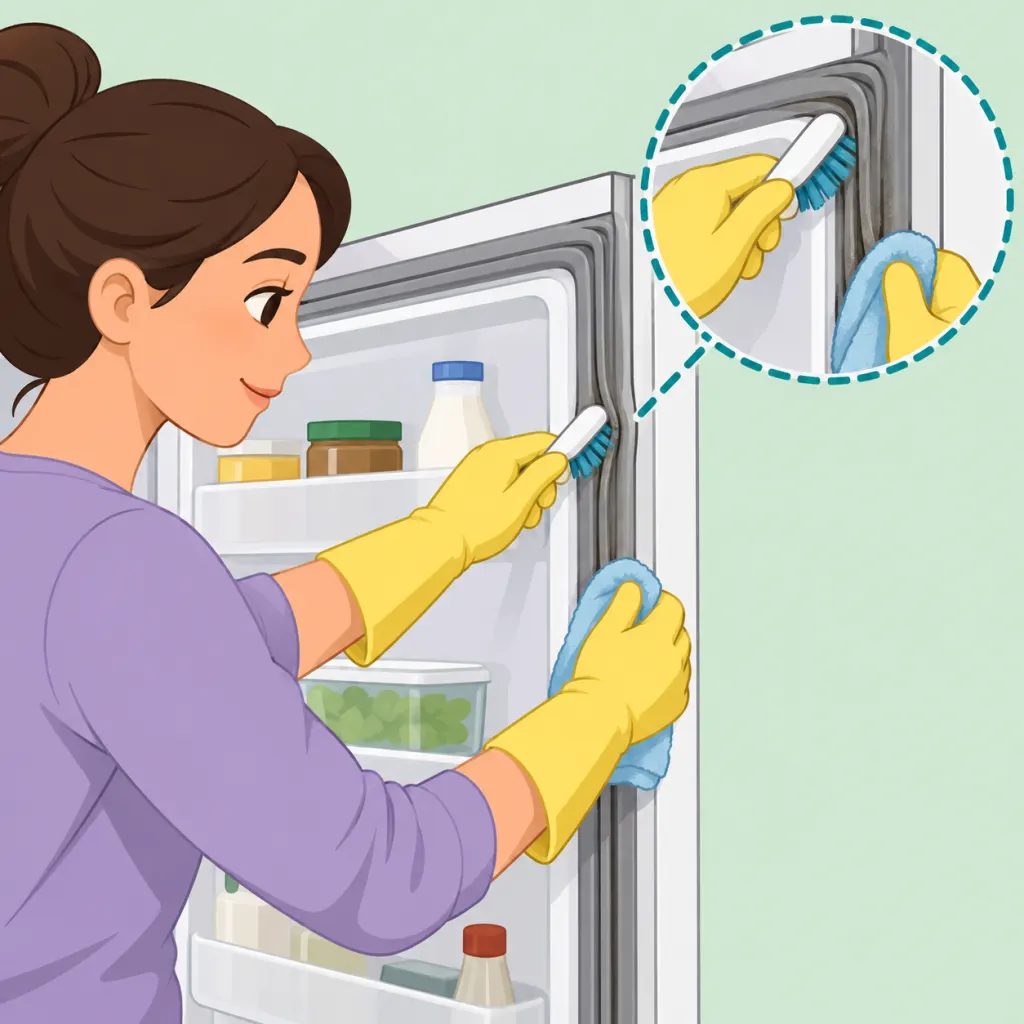
 Save
Dark mold on a refrigerator gasket usually appears where moisture, food residue, and tight rubber folds meet. You do not need to identify the mold species before cleaning it, but you do need to remove the visible growth safely and keep the gasket dry afterward. This guide covers a simple soap-and-water cleanup, cautious use of disinfectants, food-safety checks, and when to get help.
Step 1: Move nearby food out of the way
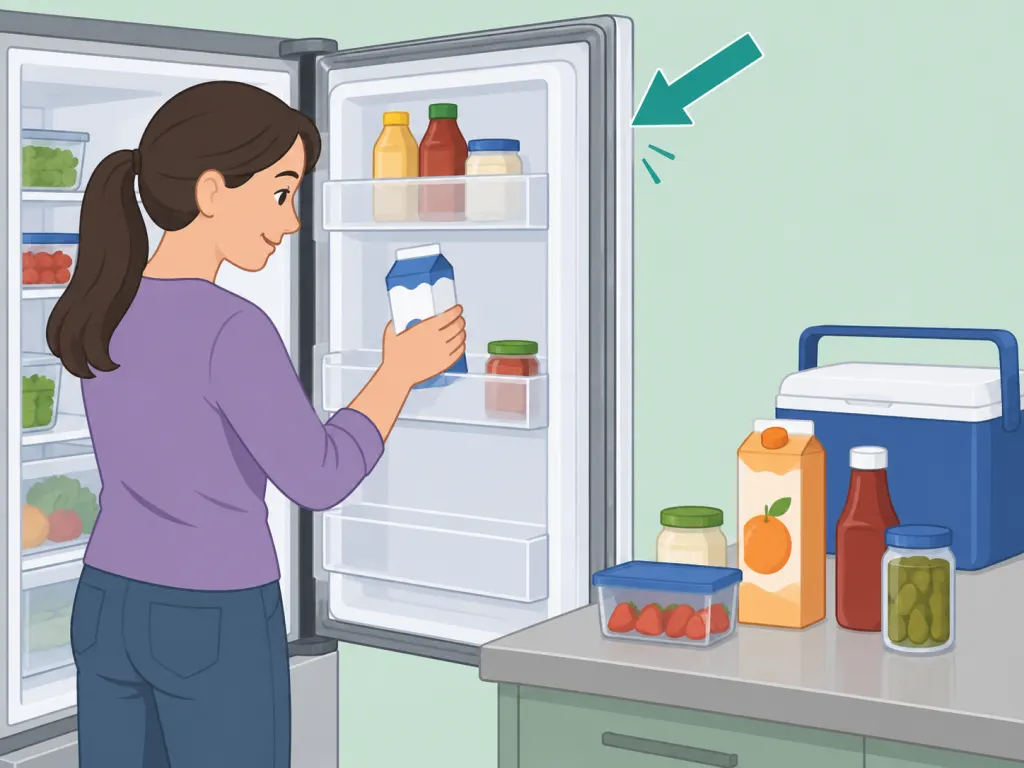
Take food out of the door shelves and move open containers away from the gasket before you clean. Keep perishable food cold and return it promptly; the FDA recommends keeping refrigerators at 40 F (4 C) or below and discarding food that looks questionable.
Step 2: Ventilate the kitchen and put on protection
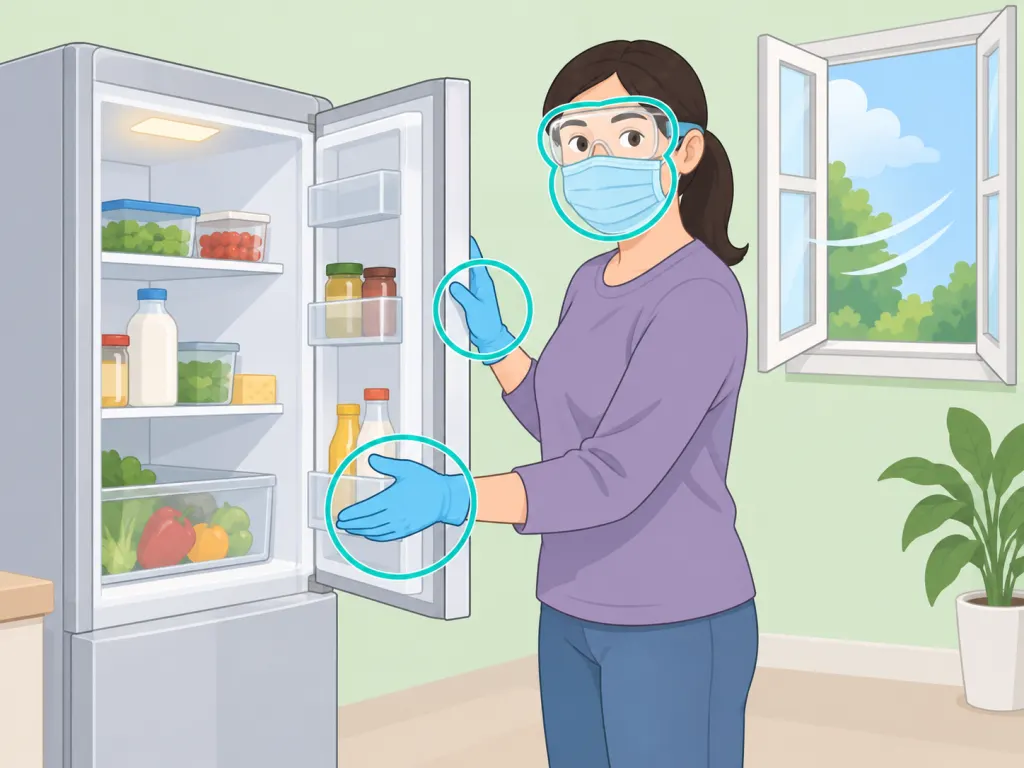
Open a window or turn on a vent fan before you disturb the mold. Wear gloves and eye protection, and consider an N95 respirator if you are sensitive to mold, because CDC advises protecting your skin, eyes, and breathing zone during mold cleanup.
Step 3: Make a mild soapy cleaning solution
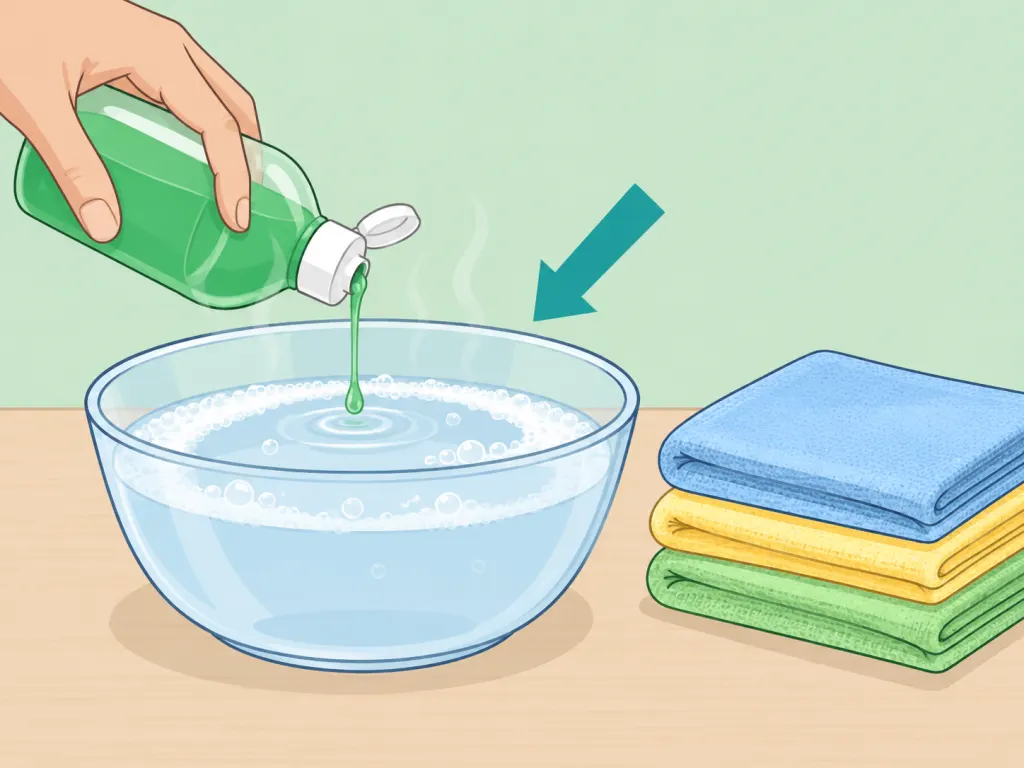
Fill a bowl with warm water and a few drops of mild dish detergent. For routine mold removal, EPA recommends scrubbing mold from hard surfaces with detergent and water, then drying the surface completely.
Step 4: Wipe loose grime from the gasket
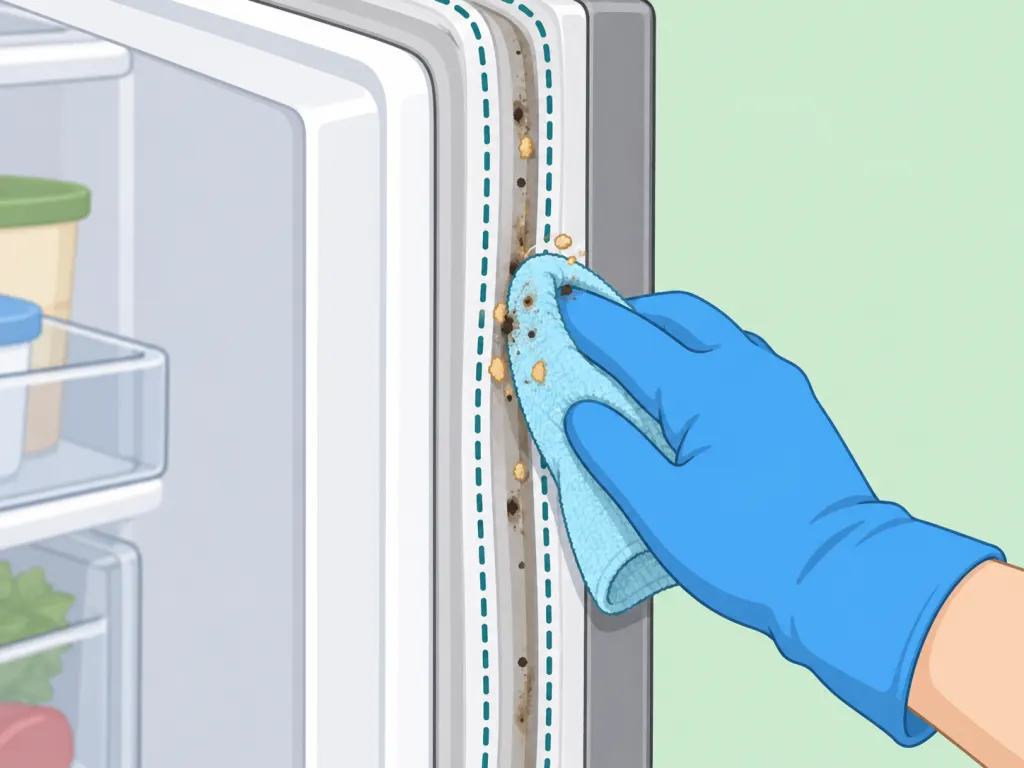
Dip a clean cloth in the soapy water, wring it out, and wipe the gasket from top to bottom. Pull the rubber folds open gently so you can remove crumbs, sticky residue, and loose mold without soaking the area.
Use a soft toothbrush or small nylon brush to work the soapy solution into the gasket channels. Keep the brush damp rather than dripping, and scrub only firmly enough to lift the visible mold without tearing or stretching the rubber.
Step 6: Rinse with a clean damp cloth
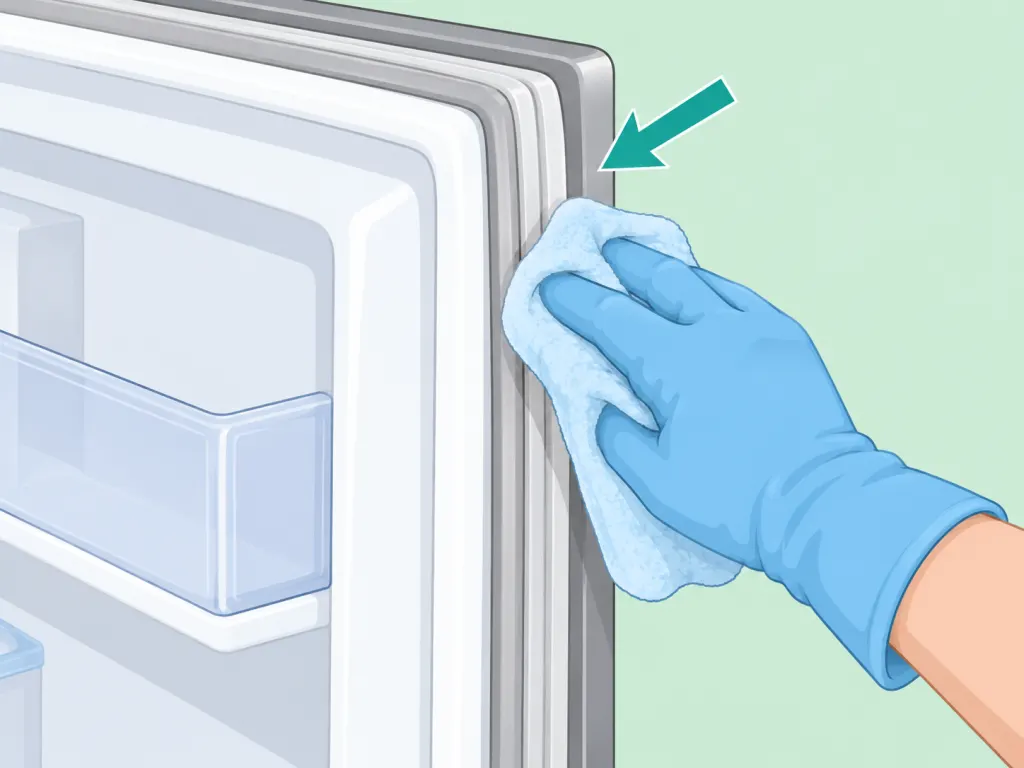
Wipe the gasket again with a separate cloth dampened with clean water. This removes loosened residue and detergent film so it does not keep attracting grime in the gasket folds.
Step 7: Dry the gasket completely
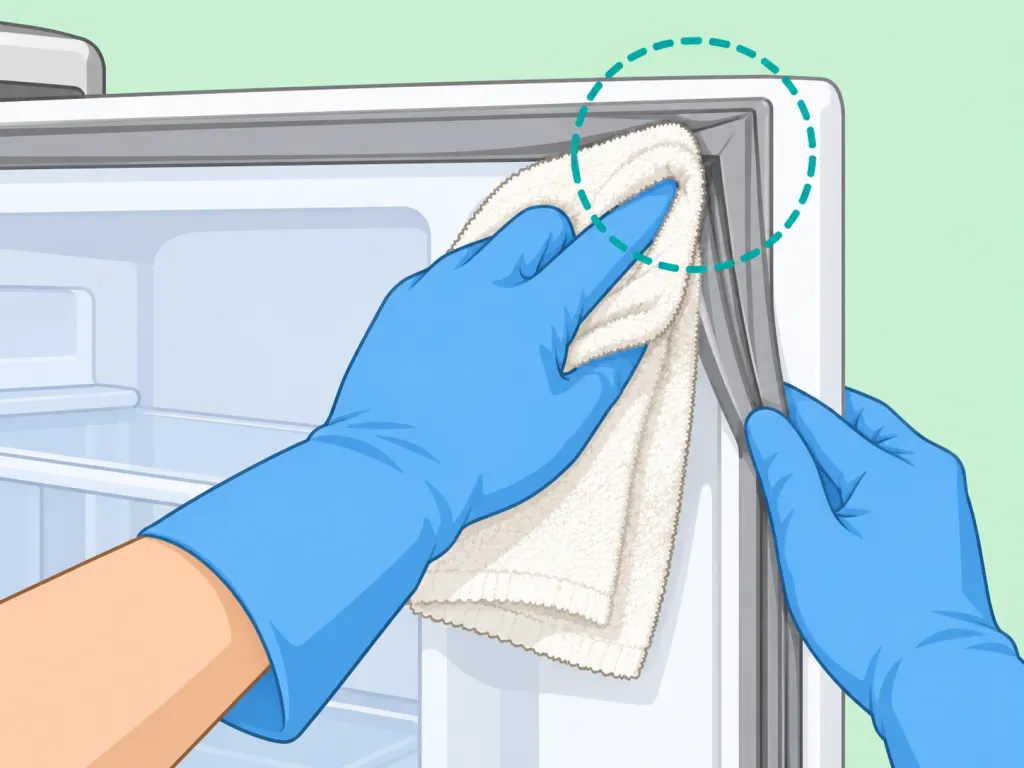
Press a clean towel into every fold and corner until the gasket feels dry. Moisture control matters because CDC explains that mold grows where moisture is present.
Step 8: Use bleach only if it is appropriate
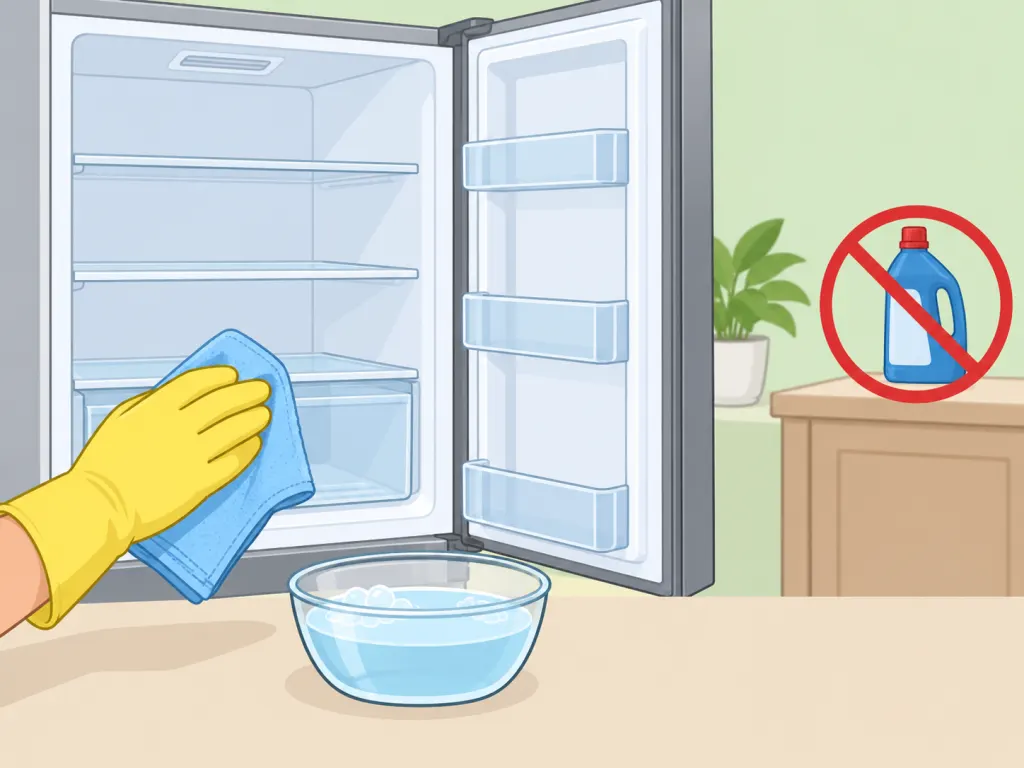
If visible mold remains and your appliance instructions allow it, you may wipe the already-clean gasket with a very diluted bleach solution and then ventilate the area well. Do not use bleach as a routine shortcut; EPA notes that killing mold is not enough because the mold still has to be removed.
Step 9: Check whether the gasket needs replacement
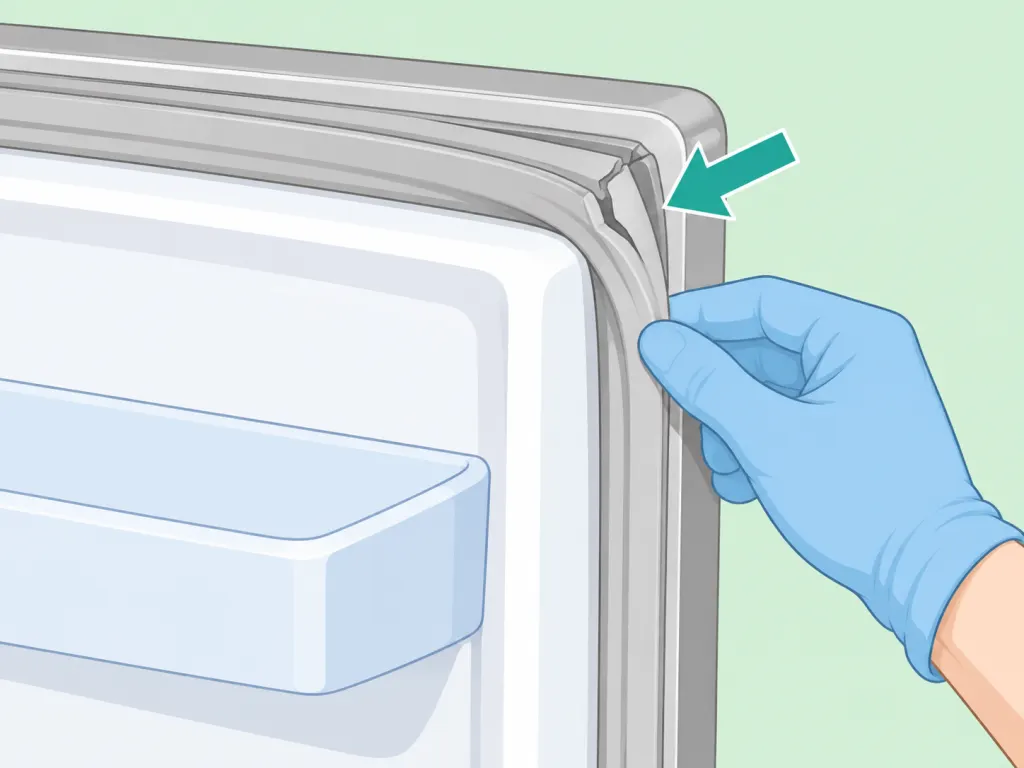
Inspect the seal for cracks, gaps, loose corners, or areas that stay damp after cleaning. If mold returns quickly in the same torn or loose section, replace the gasket or have the refrigerator serviced so the door can seal and dry properly.
Step 10: Seek help if symptoms or risk factors are present
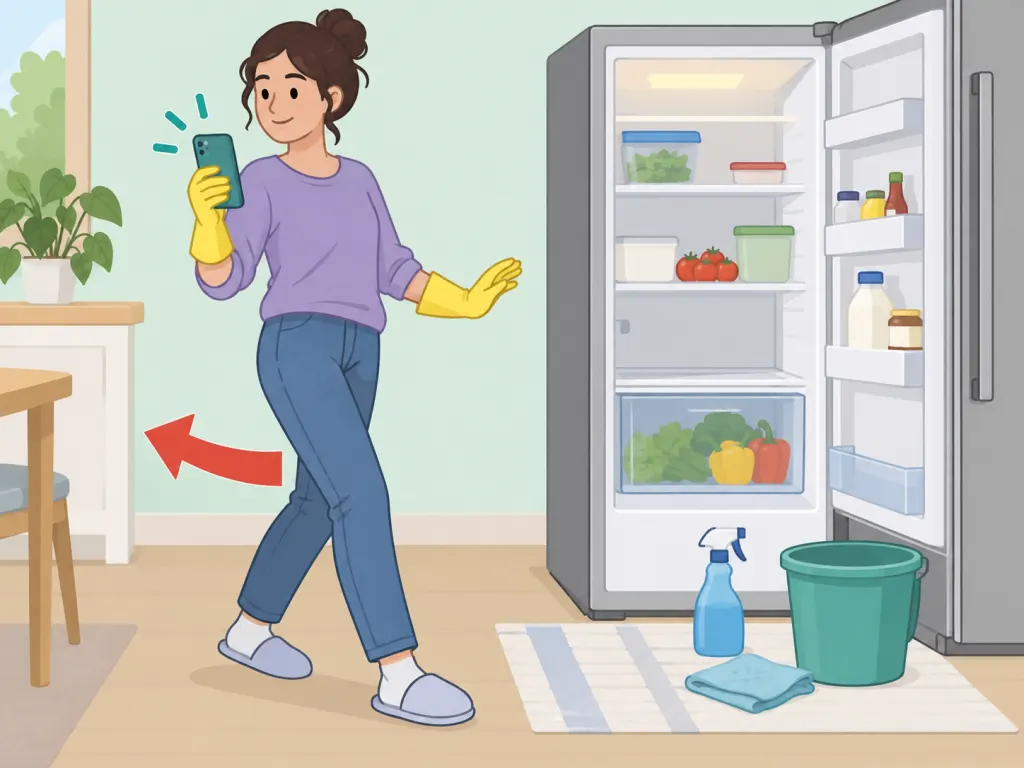
Stop cleaning and ask someone else to handle the job if mold or cleaning fumes bother your breathing, eyes, or skin. People with asthma, mold allergies, immune suppression, or chronic lung disease should be especially cautious because CDC identifies these groups as higher risk during mold cleanup.
Wrap-Up
The bottom line: remove visible mold from the gasket with detergent and careful scrubbing, dry every fold, and fix the moisture source. If the seal is damaged or the growth keeps coming back, replacing the gasket is often the cleaner long-term choice.
Frequently Asked Questions
- → Do I need to test the black mold before cleaning it?
Usually, no. The CDC says visible or musty-smelling mold should be removed and that you do not need to know the mold type before taking action.
- → Can I use bleach on a refrigerator gasket?
Soap and water are the first choice for routine cleanup. If you use bleach, use it only after cleaning, follow the product label and appliance guidance, ventilate well, and never mix it with other cleaners because EPA warns that toxic fumes can result.
- → Why does mold keep coming back on the gasket?
Mold needs moisture to grow, and a folded gasket can hold condensation and crumbs. Wiping spills, drying the seal, and checking for a loose or torn gasket help reduce the conditions that let mold return.
- → Should I throw away food from the refrigerator?
Discard food that is moldy, uncovered and directly touched by dirty drips, or questionable. The FDA advises throwing out food that looks or smells suspicious.
- → Is vinegar a good choice for refrigerator gasket mold?
This guide uses detergent and water because both CDC and EPA list cleaning or scrubbing hard surfaces with detergent and water as a basic mold-removal method. Do not combine vinegar with bleach or other cleaners.
- → When should I replace the refrigerator gasket?
Replace the gasket if it is cracked, torn, loose, or still traps moisture after cleaning. A poor seal can keep the area damp, and moisture control is the main way to keep mold from growing again.
References
This content was developed and refined using reliable sources.
- https://www.cdc.gov/mold-health/about/index.html
- https://www.cdc.gov/mold-health/about/clean-up.html
- https://www.epa.gov/mold/what-are-basic-mold-cleanup-steps
- https://www.epa.gov/mold/should-i-use-bleach-clean-mold
- https://www.fda.gov/consumers/consumer-updates/are-you-storing-food-safely
- https://stacks.cdc.gov/view/cdc/11929