 Save
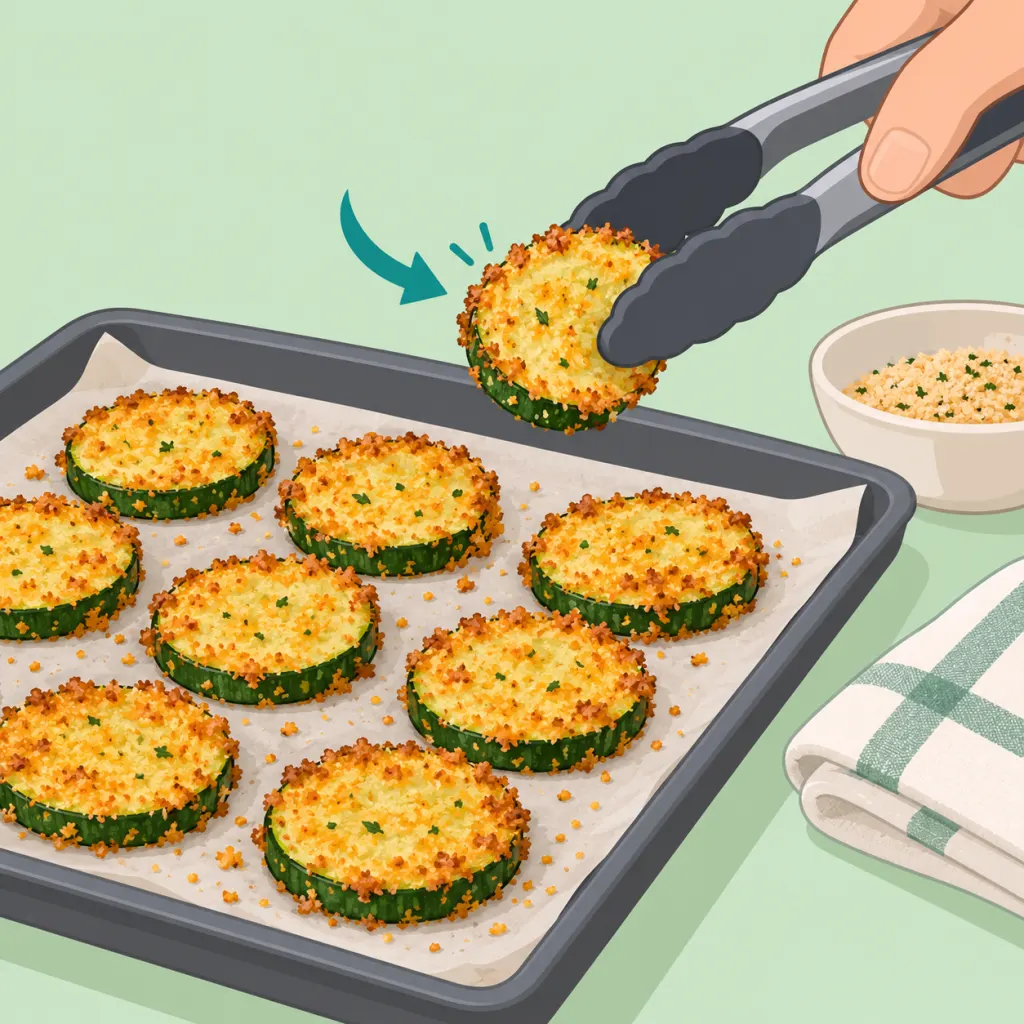
Courgettes, also called zucchini, can turn soft in the oven if they are sliced too thick, left wet, or crowded on the tray. The key is to remove surface moisture, add just enough oil and coating, and roast them with space around each piece. This guide walks you through a simple no-frying method for crisp edges and tender centers.
Step 1: Choose small, firm courgettes
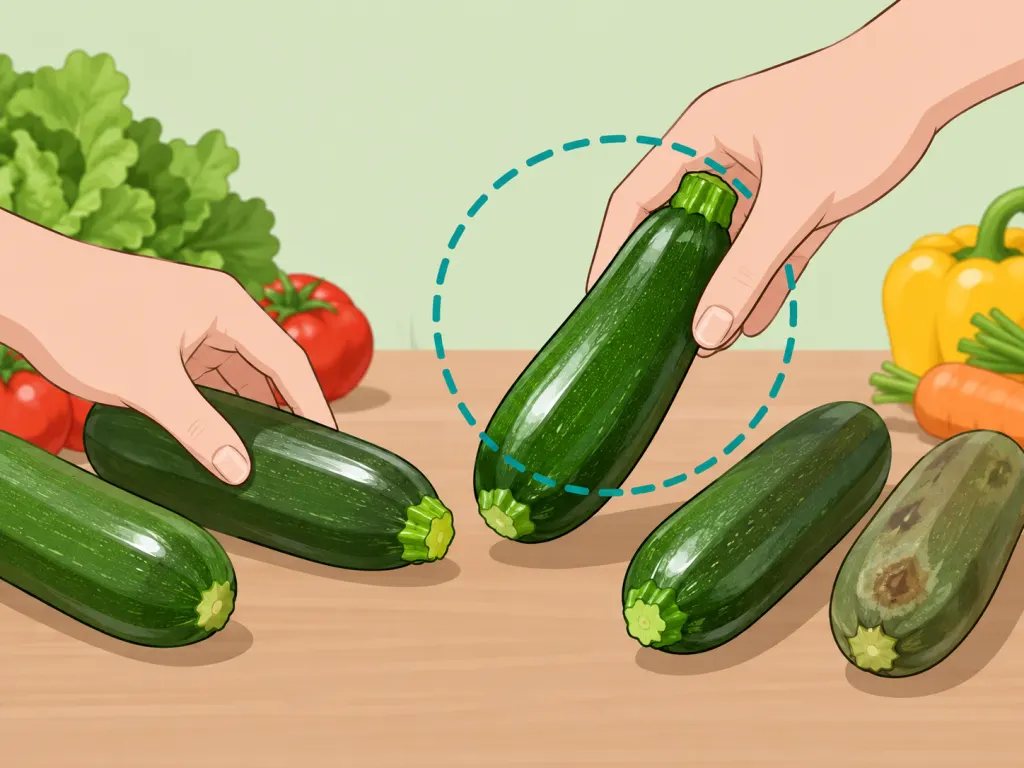
Pick courgettes that feel firm, look glossy, and have no deep bruises or soft patches. Smaller summer squash usually has better texture; Illinois Extension notes that elongated summer squash is best harvested around 6 to 8 inches long for quality.
Step 2: Wash and dry them before cutting
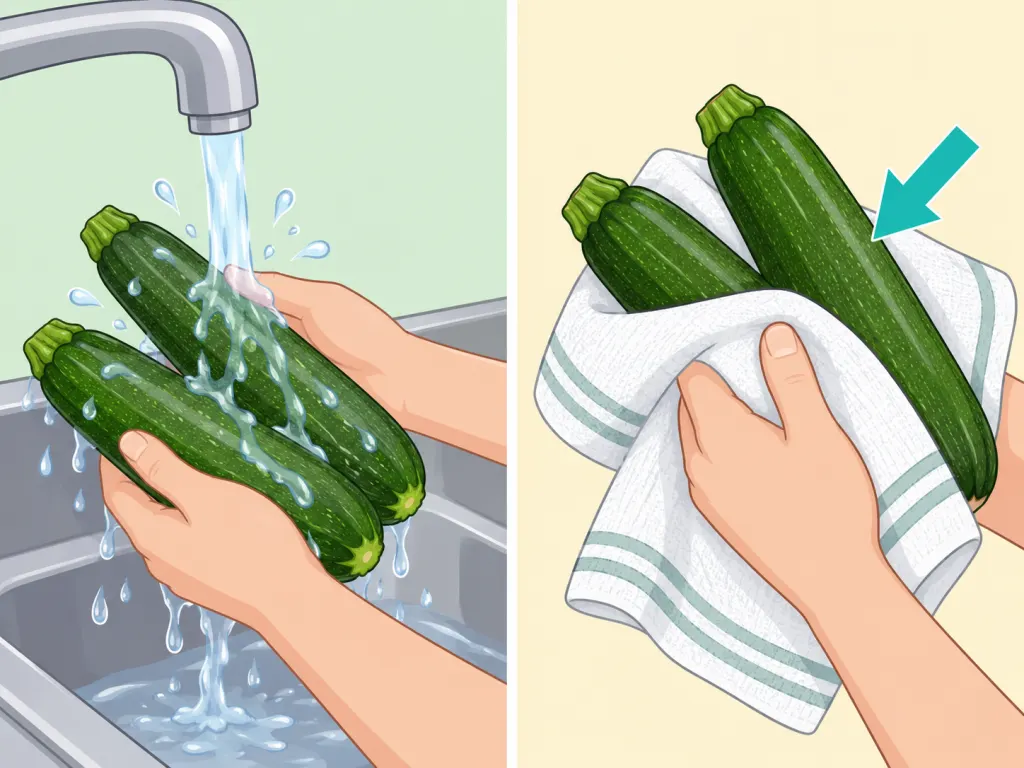
Rinse the courgettes under cool running water, then dry them well with a clean towel. The University of Minnesota Extension recommends washing produce before cutting or cooking and drying it afterward.
Step 3: Slice the courgettes evenly
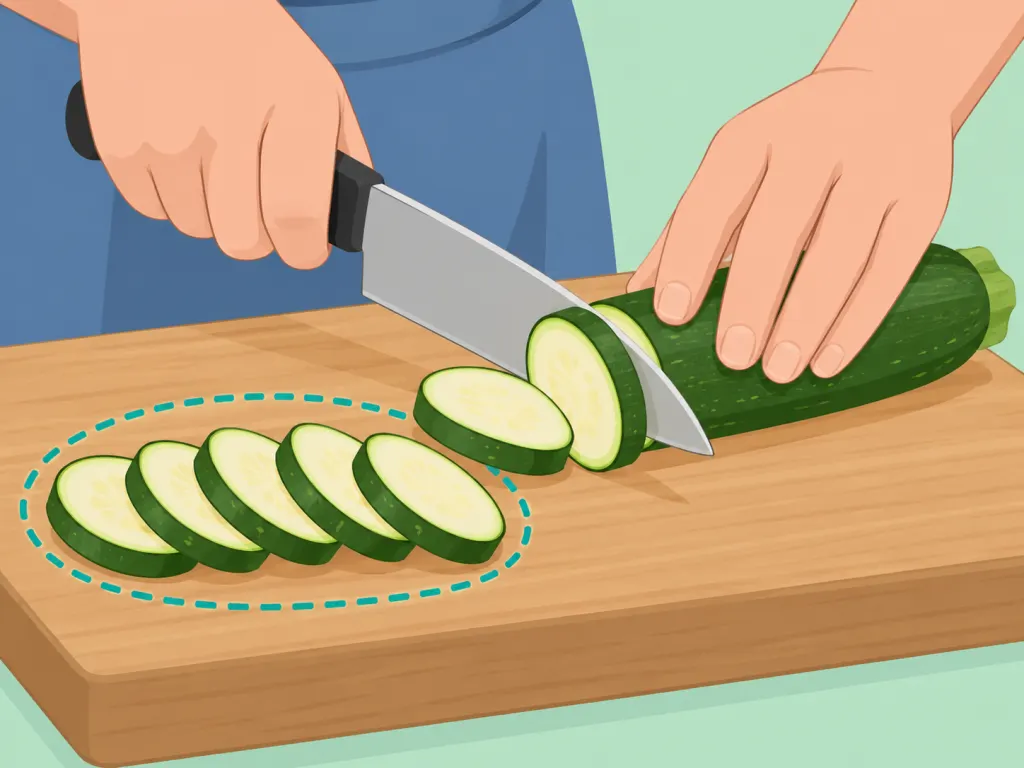
Cut off both ends, then slice the courgettes into rounds, half-moons, or batons of similar thickness. Even pieces roast at the same pace, so you are not waiting for thick pieces while thin ones overbrown. Leave the skin on unless you need to remove a damaged spot.
Step 4: Salt the slices and blot away moisture
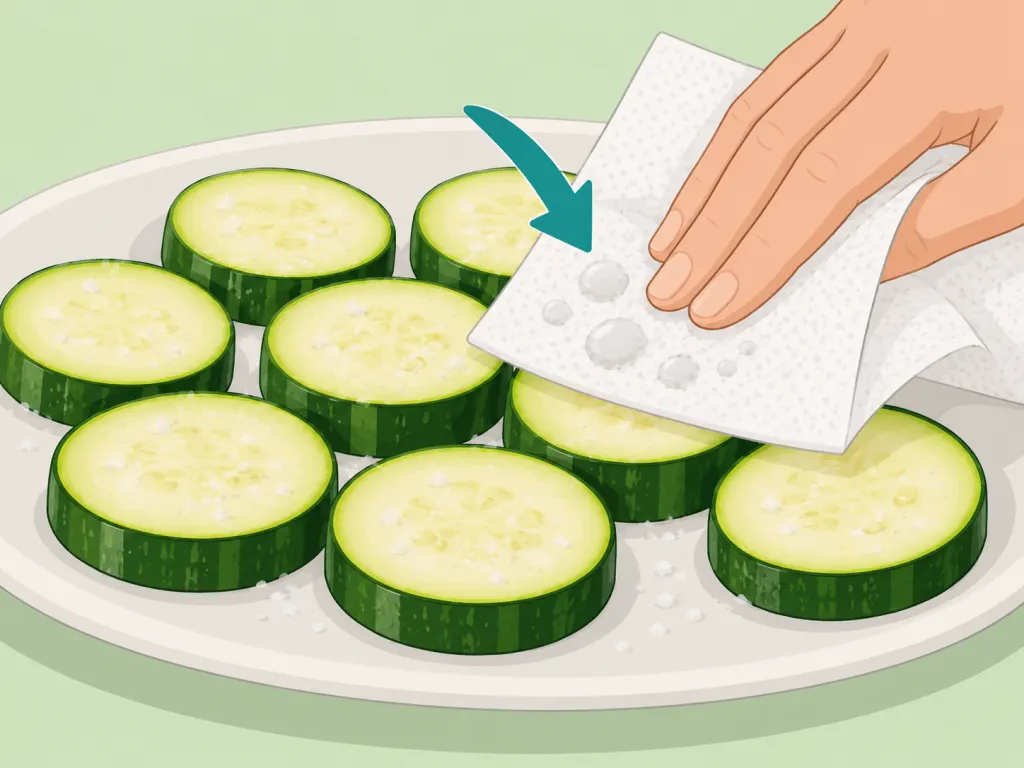
Sprinkle the cut sides lightly with salt, let them stand for 10 to 15 minutes, then blot them dry with paper towels. Salt draws water out of produce through osmosis, and University of Minnesota Extension describes this moisture-removal effect as a way to improve crisp texture in cut vegetables.
Toss the dry courgettes with a small spoonful of olive or canola oil, then add a light dusting of fine breadcrumbs, cornmeal, grated hard cheese, or a mix of these. Utah State University Extension lists olive and canola oils as useful choices for roasting vegetables. Stop when the pieces look lightly covered, not clumpy.
Step 6: Spread the pieces on a hot tray
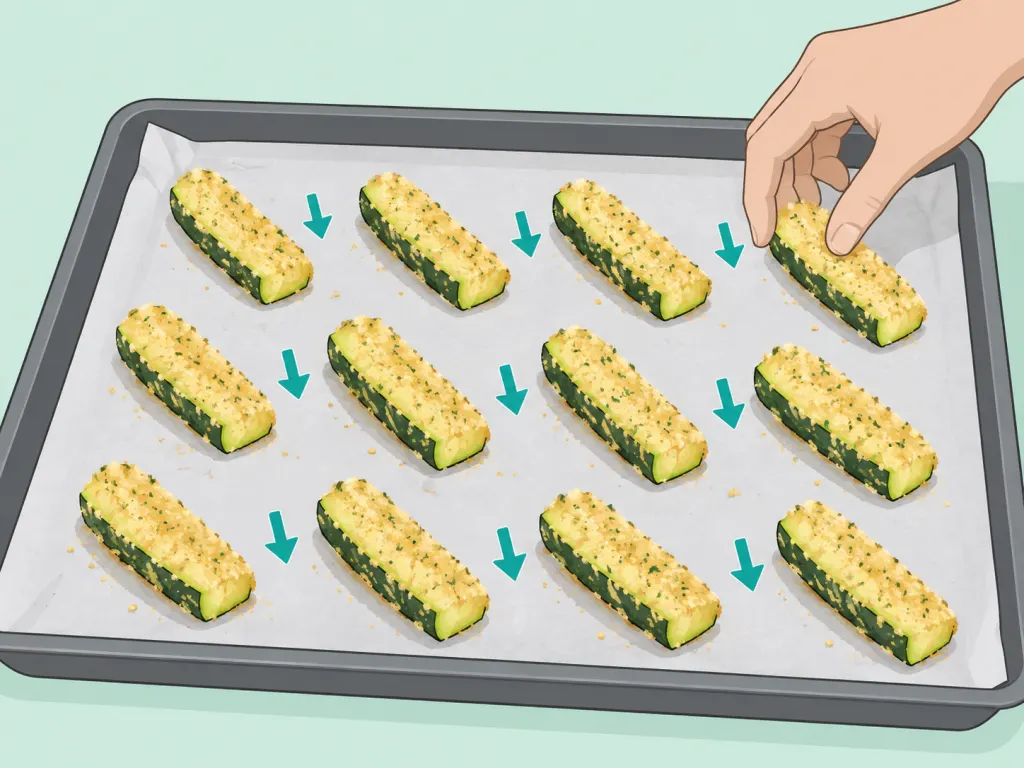
Preheat the oven to 425 degrees F, and heat the baking tray while the oven warms if your tray is sturdy. Arrange the courgettes in a single layer with space between pieces; USU Extension roasting guidance recommends a single layer for vegetables at this temperature.
Step 7: Bake until the edges brown
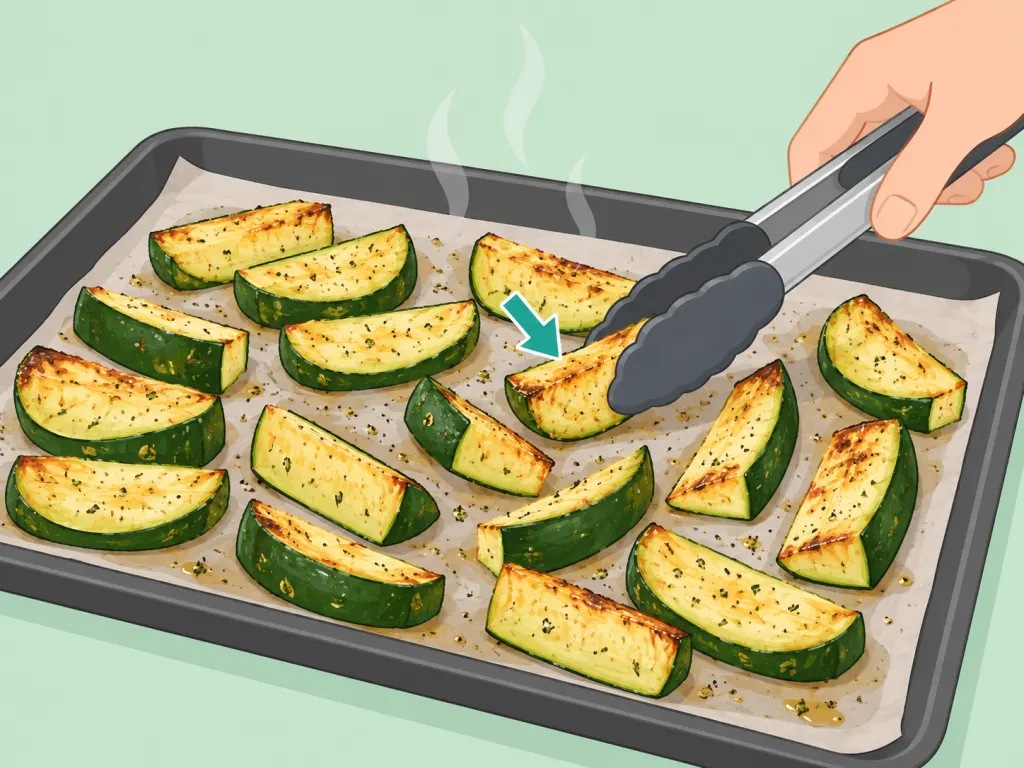
Roast the courgettes for about 15 to 25 minutes, turning them once when the underside looks golden. Timing depends on slice thickness and your oven, so judge by color and tenderness rather than the clock alone. If the pieces are browning too fast, move the tray to a slightly lower rack.
Step 8: Serve them right away
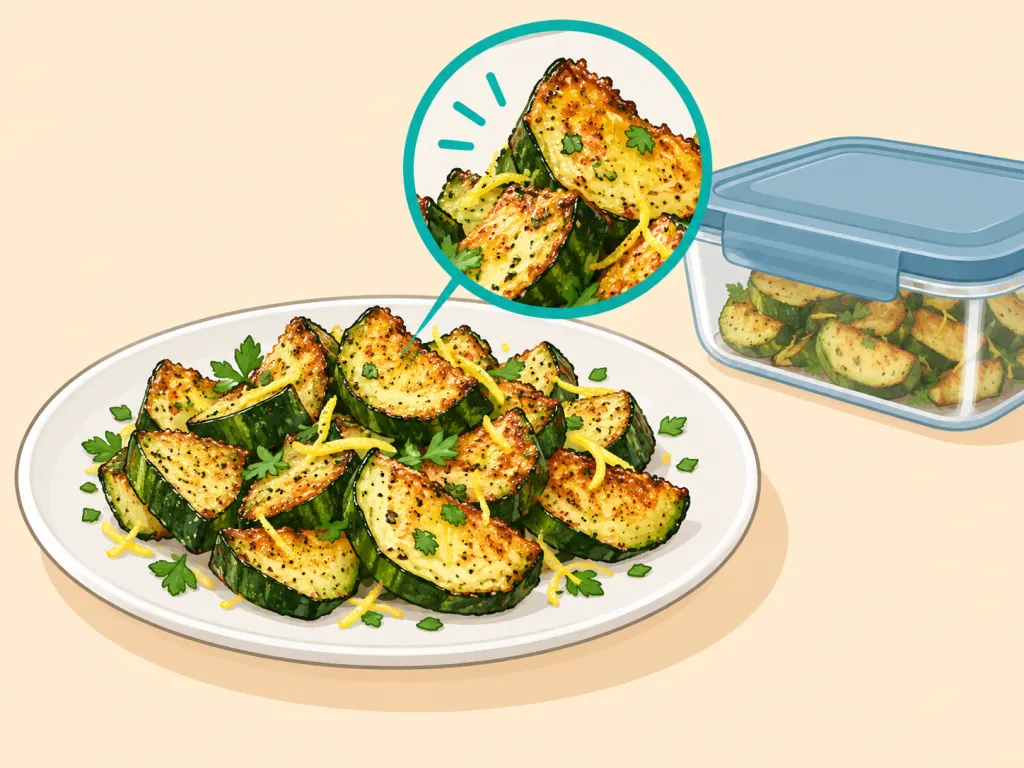
Move the courgettes to a plate as soon as they are crisp at the edges and tender in the center. Add lemon zest, black pepper, herbs, or a small pinch of grated cheese after baking so the coating stays crisp. For leftovers, use shallow covered containers and refrigerate within 2 hours, following FoodSafety.gov storage guidance.
Wrap-Up
The bottom line: crispy courgettes without frying come down to moisture control and tray space. Use small firm courgettes, dry them well, coat them lightly, and roast them hot enough that the outside browns before the inside turns watery.
Frequently Asked Questions
- → Can I make crispy courgettes without breadcrumbs?
- Yes. Fine cornmeal, polenta, or finely grated hard cheese can add texture without breadcrumbs. Keep the coating thin so it browns instead of forming a heavy layer.
- → Why did my courgettes turn soggy in the oven?
- They were probably too wet, too thick, or too crowded. Salting and blotting helps remove excess water from cut produce, and Utah State University Extension recommends roasting vegetables in a single layer.
- → Do I need to peel courgettes before roasting them?
- No. The skin is thin and edible, and young summer squash has the best texture. Illinois Extension recommends using summer squash when it is young and tender.
- → Can I use an air fryer for this method?
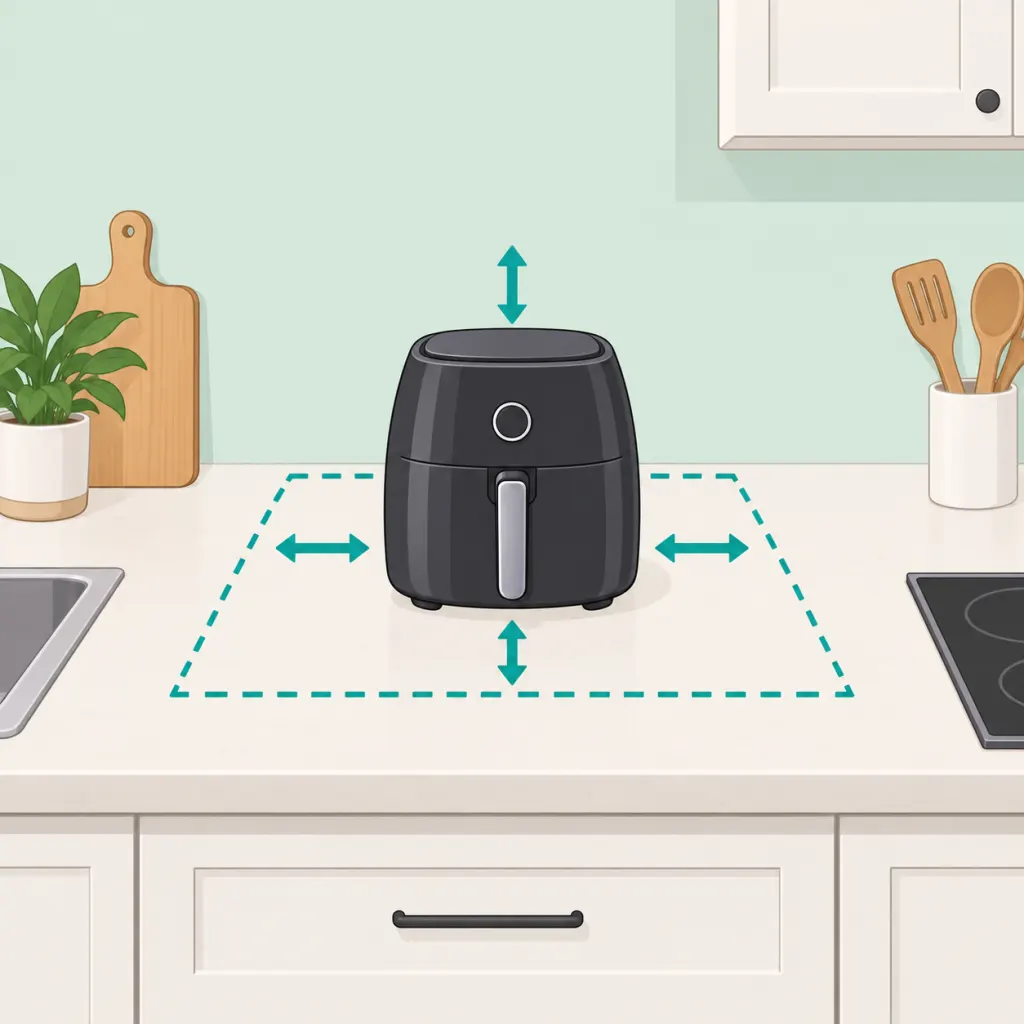
- Yes. Use the same salting, drying, and light-coating steps, then cook the courgettes in a single layer. Work in batches if your basket is small so air can move around the pieces.
- → How thick should I slice courgettes for crisp edges?
- Aim for rounds or sticks about 1/4 to 1/2 inch thick. Thinner pieces brown faster, while very thick pieces usually soften before the edges crisp.
- → How should I store leftovers?
- Cool leftovers briefly, then place them in a shallow covered container and refrigerate them within 2 hours, following FoodSafety.gov chill guidance. Reheat them in the oven or air fryer to bring back some crispness.
References
This content was developed and refined using reliable sources.
- https://extension.illinois.edu/gardening/summer-squash
- https://www.fda.gov/food/buy-store-serve-safe-food/selecting-and-serving-produce-safely
- https://extension.umn.edu/food/preparing/cooking-at-home/washing-fresh-fruits-and-vegetables
- https://extension.umn.edu/food/preparing/cooking-at-home/food-preservation/pickling
- https://extension.usu.edu/createbetterhealth/blog/createamazingvegetables
- https://extension.usu.edu/nutrition/research/navigating-dietary-fats
- https://www.foodsafety.gov/keep-food-safe/4-steps-to-food-safety