 Save
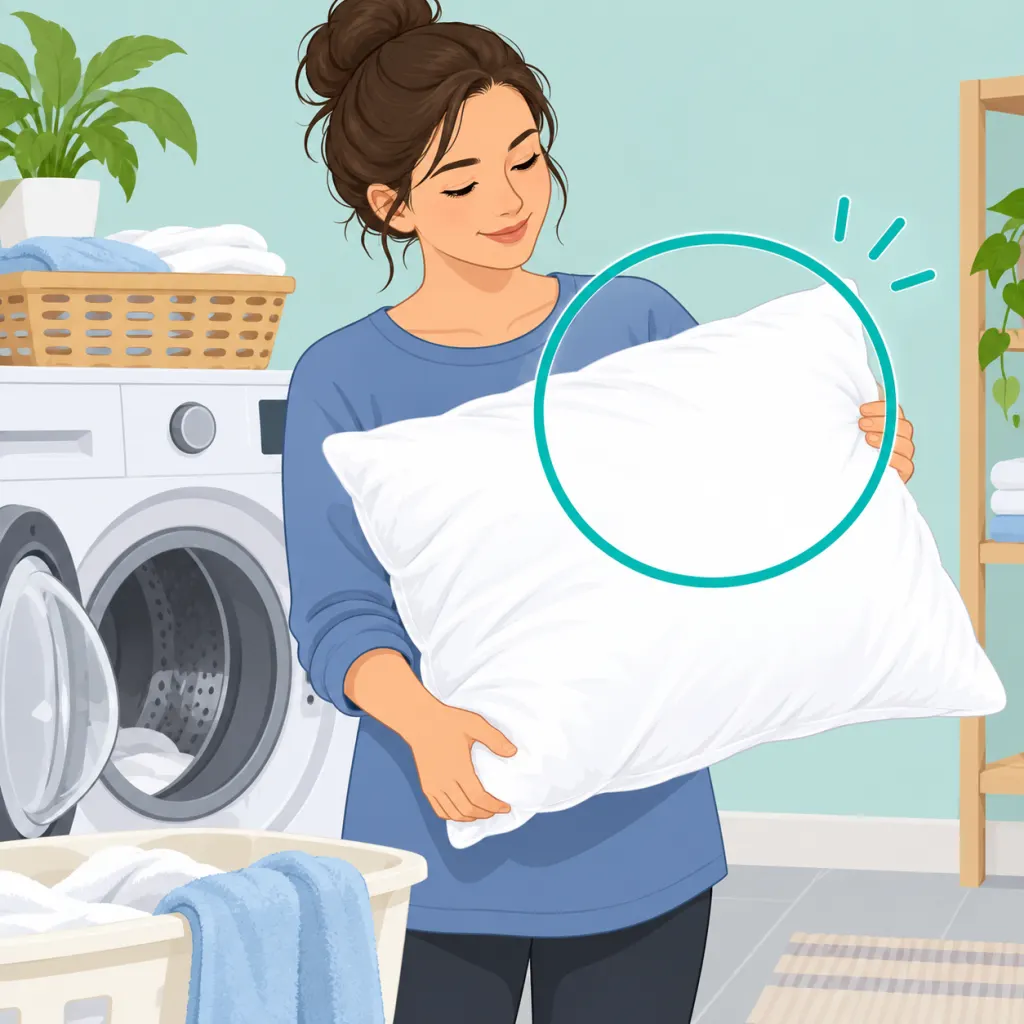
Bed pillows can pick up moisture, body oils, detergent residue, and everyday dust, which can leave them yellowed or stale. Most washable pillows can be freshened at home if you follow the care label and dry them all the way through. This guide walks you through a safe, practical method for making pillows look cleaner and smell fresh again.
Step 1: Read the care label first
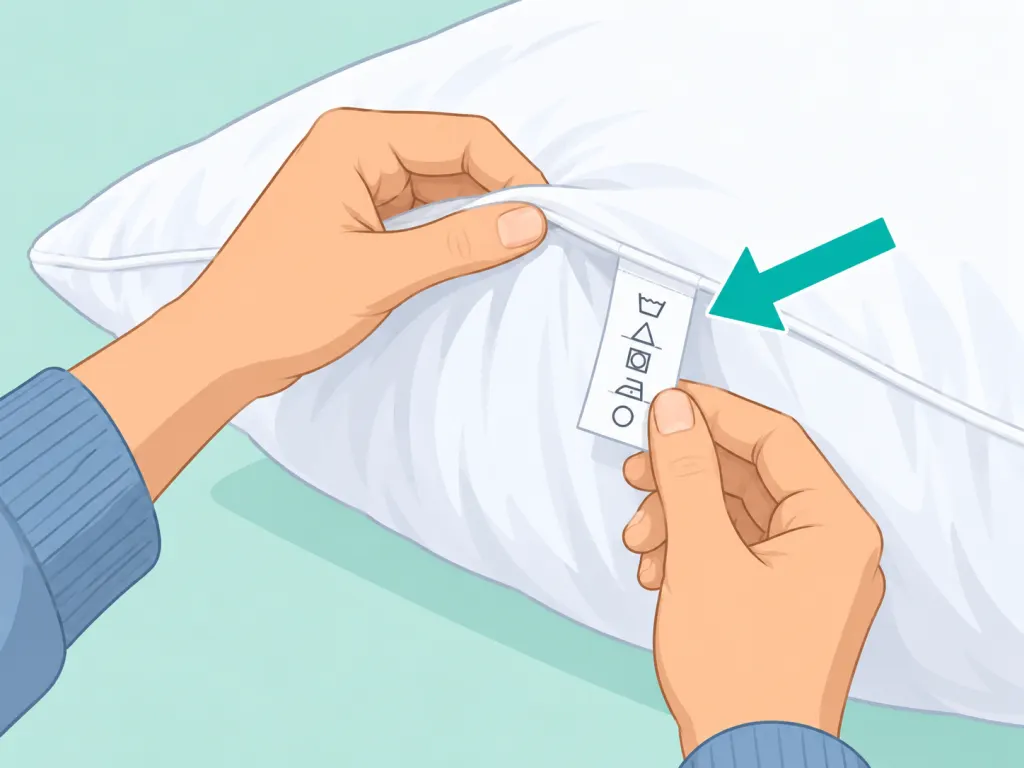
Look for washing, bleaching, drying, and warning instructions before the pillow touches water. The FTC explains that care instructions are meant to cover washing, bleaching, drying, and warnings, so treat the label as the main rule for that pillow. If the label says dry clean only, spot clean only, or no bleach, follow that instead of using a standard machine wash.
Step 2: Remove covers and inspect the pillow
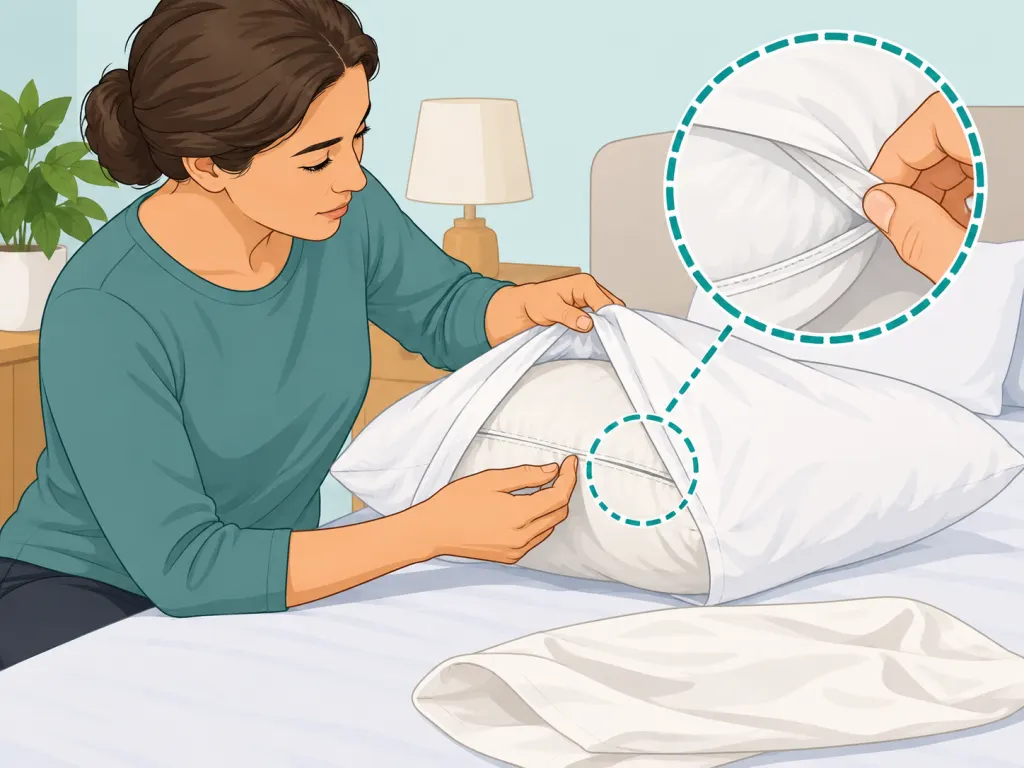
Take off the pillowcase and any zippered protector so the pillow can wash evenly. Check the seams, corners, and filling; a torn pillow can leak stuffing in the washer, and a badly flattened pillow may not recover its shape. Wash covers separately according to their own labels.
Step 3: Pretreat yellowed areas gently
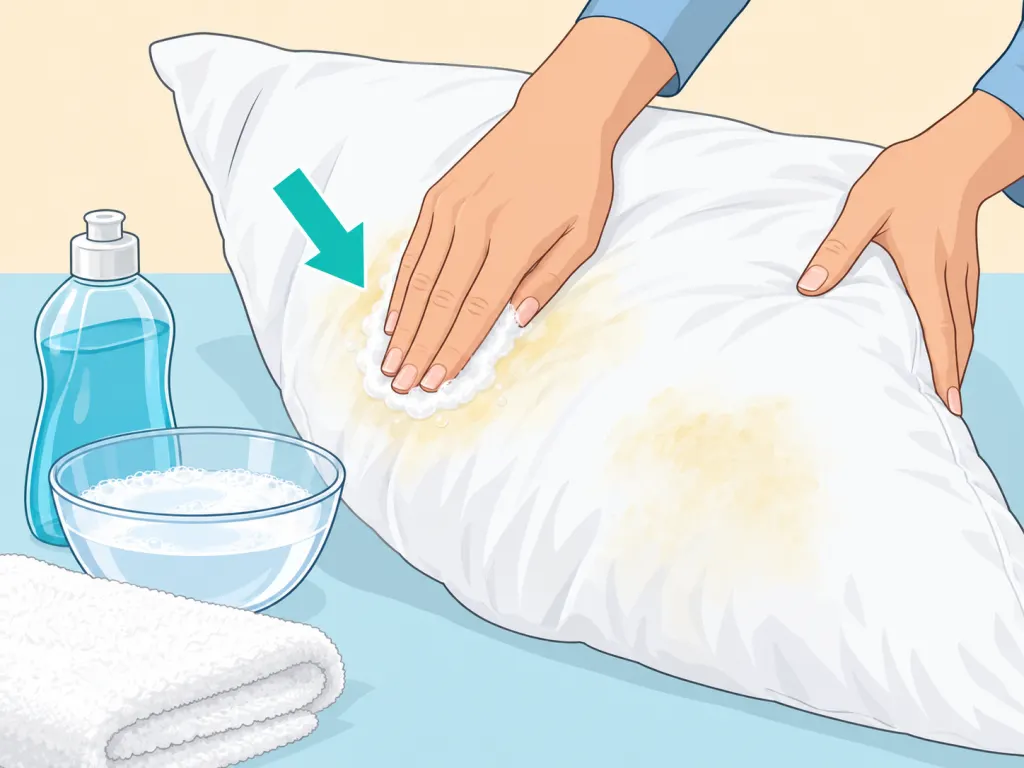
Dampen yellowed fabric with cool or warm water, then rub in a small amount of liquid laundry detergent with your fingers or a soft cloth. If the care label allows whitening, choose a non-chlorine oxygen bleach and follow the product directions; the University of Georgia Extension notes that sodium perborate bleach is used as a whitener for washable fabrics. Do not pour undiluted bleach directly onto a pillow, and do not use chlorine bleach unless the care label permits it.
Step 4: Wash two pillows in a balanced load
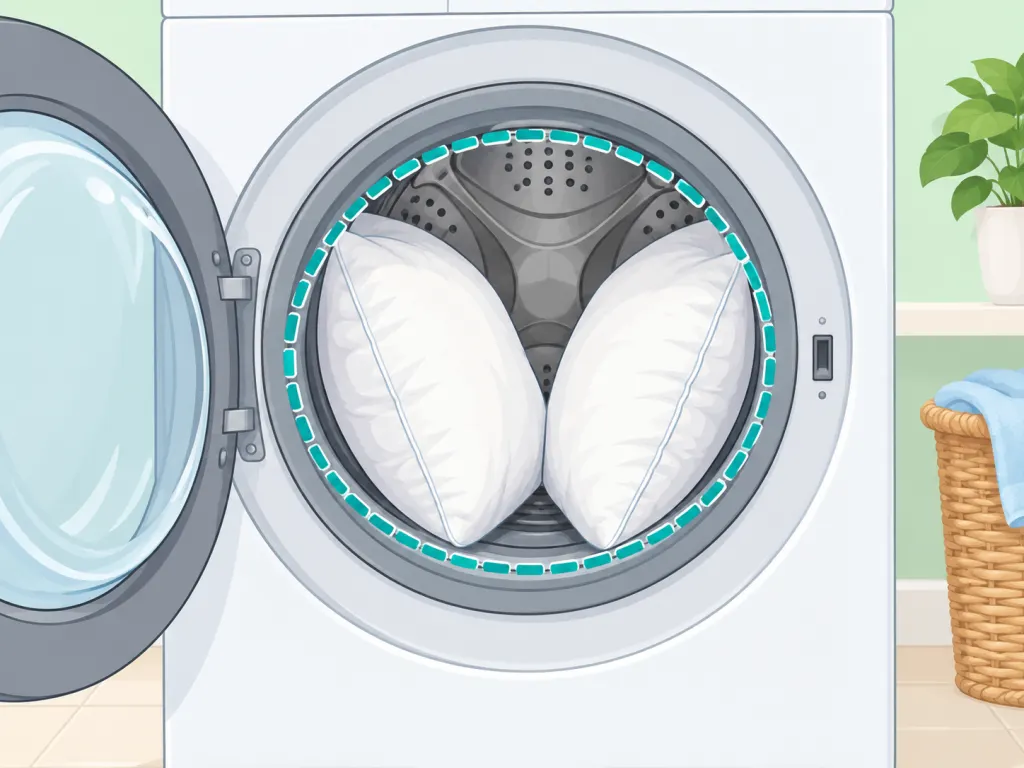
Place two similar pillows in the washer if they fit without crowding; this helps the drum stay balanced. Use a gentle or bulky cycle, the water temperature allowed by the care label, and a normal measured amount of detergent. If dust mites are a concern and the pillow label allows hot water, MedlinePlus recommends washing bedding and pillows in hot water at 130 to 140 degrees F.
Pillows hold more detergent and water than flat laundry, so an extra rinse helps remove leftover suds. If your washer has a second spin option, use it after rinsing to pull out more water before drying. The pillow should come out wet but not dripping.
Step 6: Dry the pillow completely
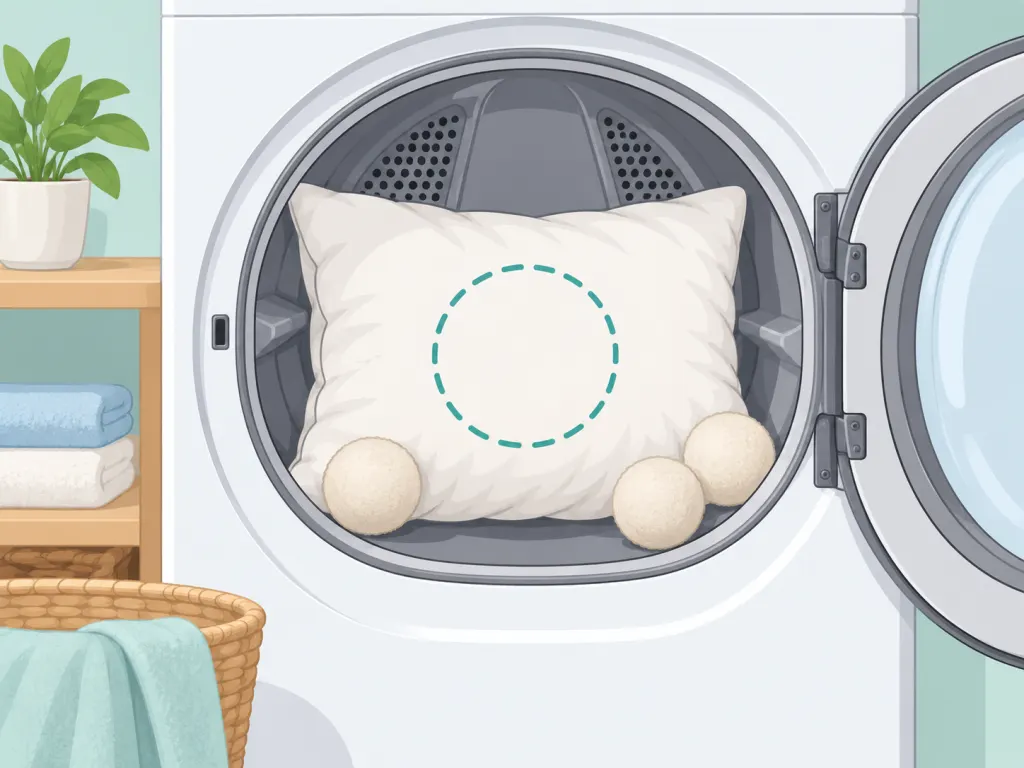
Move the pillow to the dryer and choose the heat setting listed on the care label, often low heat or air fluff. Add clean dryer balls or clean tennis balls to help loosen clumps, and stop the dryer every so often to shake and turn the pillow. The EPA advises drying bedding completely, so do not put the pillow back on the bed while the center still feels damp.
Step 7: Protect the clean pillow
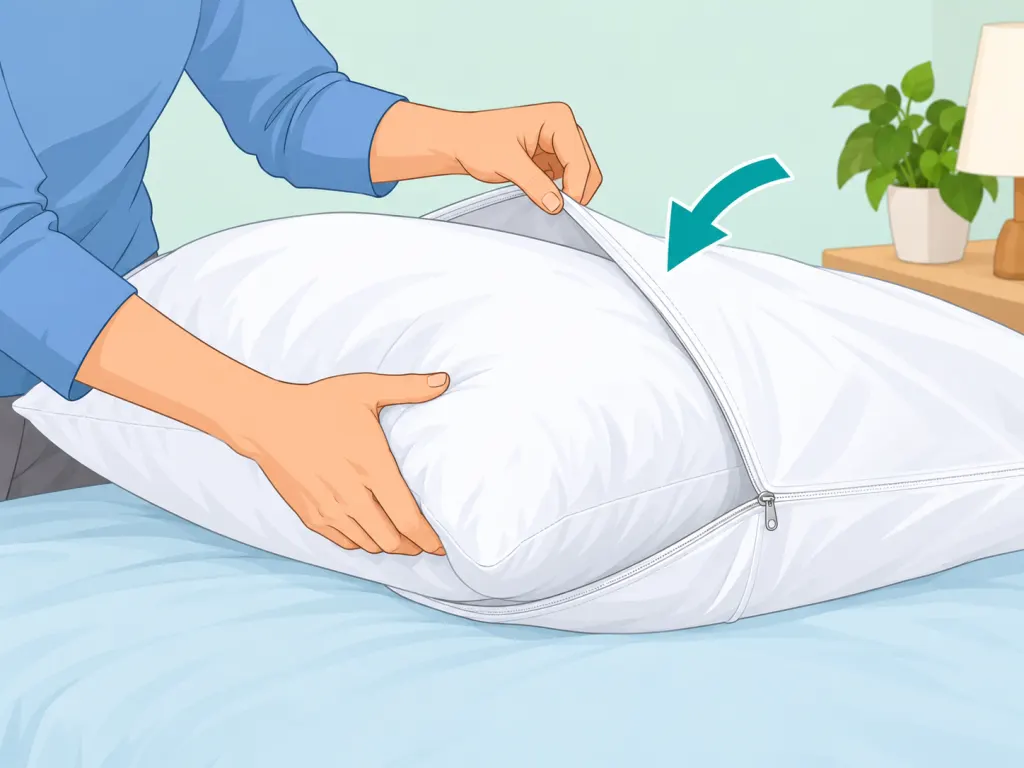
Once the pillow is dry, put it inside a clean pillow protector before adding the pillowcase. Utah State University Extension lists bed pillows as items to wash once or twice a year, while pillowcases need more frequent laundering. For dust-sensitive households, MedlinePlus also suggests mite-proof covers for pillows.
Step 8: Seek help for reactions or ongoing symptoms
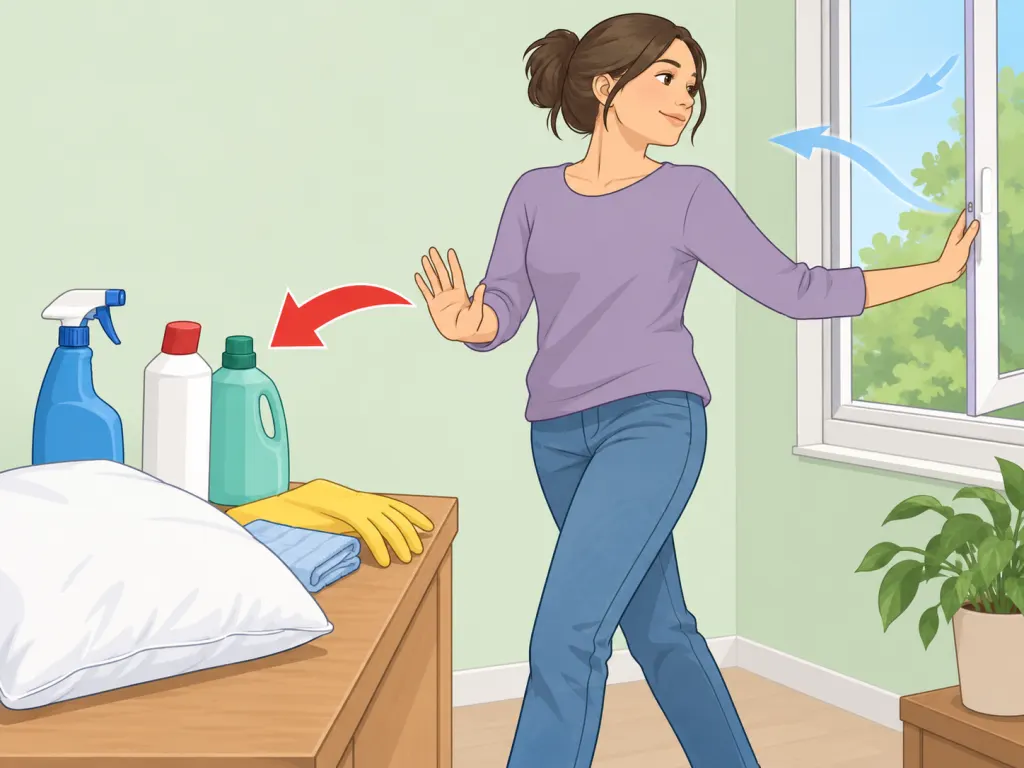
Stop cleaning and move to fresh air if a product smell irritates your eyes, throat, skin, or breathing. If cleaners were mixed by accident, follow the CDC advice to get away from the area and call Poison Control or seek medical attention. If you keep having allergy or asthma symptoms around bedding, discuss your situation with a doctor or qualified health professional.
Wrap-Up
The bottom line: follow the care label, use a gentle wash with the right whitening product for the fabric, rinse thoroughly, and dry the pillow until the center is completely dry. Clean pillow protectors and regular laundering help pillows stay fresher between deep washes.
Frequently Asked Questions
- → Can every bed pillow go in the washing machine?
No. Many polyester, cotton, and some down pillows are washable, but foam, latex, shredded specialty fills, and pillows with damaged seams may need spot cleaning or professional care. The care label should decide the method.
- → How often should I wash bed pillows?
Utah State University Extension lists bed pillows among items commonly washed once or twice a year. Wash pillowcases more often, and use a washable pillow protector if your pillows yellow quickly.
- → What makes pillows turn yellow?
Yellowing usually comes from moisture, body oils, hair products, and residue building up in the fabric over time. Pretreating stained areas and using the right bleach type for the care label can improve the look, though old discoloration may not disappear completely.
- → Can I use chlorine bleach on white pillows?
Only use chlorine bleach if the pillow label allows it. Some fibers and finishes can yellow, weaken, or be damaged by chlorine bleach, so a non-chlorine oxygen bleach is often the gentler whitening choice for washable pillows.
- → How do I know a pillow is dry enough?
Press the center and corners with your hands. If the pillow feels cool, heavy, clumpy, or damp anywhere, keep drying on the care-label-safe setting and check again before making the bed.
- → When should I replace a pillow instead of washing it?
Replace a pillow if the fabric is torn, the filling is breaking apart, it stays flat after fluffing, or a stale odor remains after washing and complete drying. Cleaning can refresh a usable pillow, but it cannot restore a worn-out one.
References
This content was developed and refined using reliable sources.
- https://www.ftc.gov/business-guidance/resources/clothes-captioning-complying-care-labeling-rule
- https://extension.usu.edu/news_sections/home_family_and_food/the-dirt-on-laundry-how-often-to-wash
- https://www.cdc.gov/hygiene/about/cleaning-and-disinfecting-with-bleach.html
- https://medlineplus.gov/ency/patientinstructions/000487.htm
- https://www.epa.gov/indoor-air-quality-iaq/sources-indoor-particulate-matter-pm
- https://site.extension.uga.edu/textiles/care/products
- https://www.cdc.gov/chemical-emergencies/chemical-fact-sheets/ammonia.html