 Save
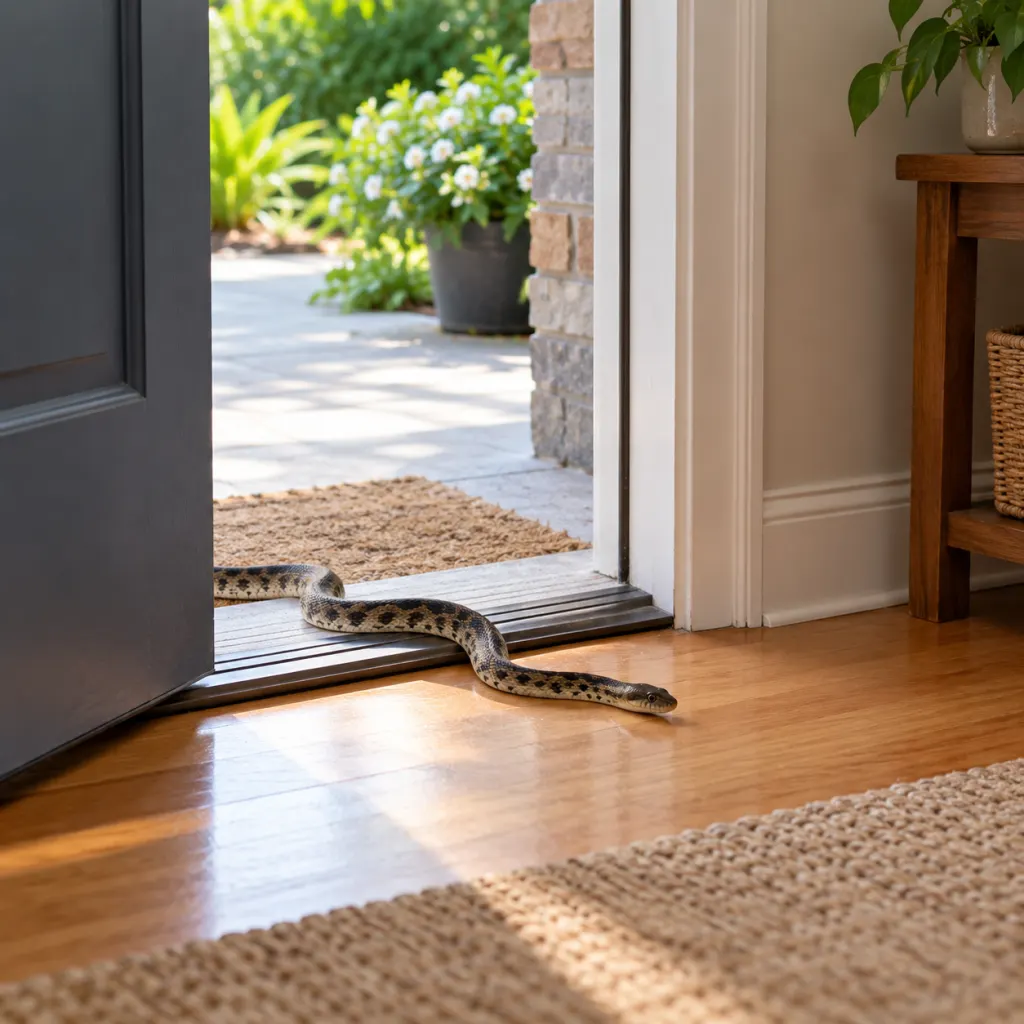
If you find an unfamiliar insect in your home, the main takeaway is simple: do not assume the worst from one sighting. One insect may be an accidental visitor, a seasonal invader, or a clue that food, moisture, clutter, or a small opening is inviting pests indoors. The important question is not just what is it? It is also where did you find it, how many are there, and what conditions might be attracting it? A calm inspection often tells you more than a frantic spray can. Research-based pest guidance from the EPA recommends monitoring and identifying pests before deciding whether control is needed, because not every insect requires action and many control decisions depend on the exact pest involved.
Start with identification, not panic
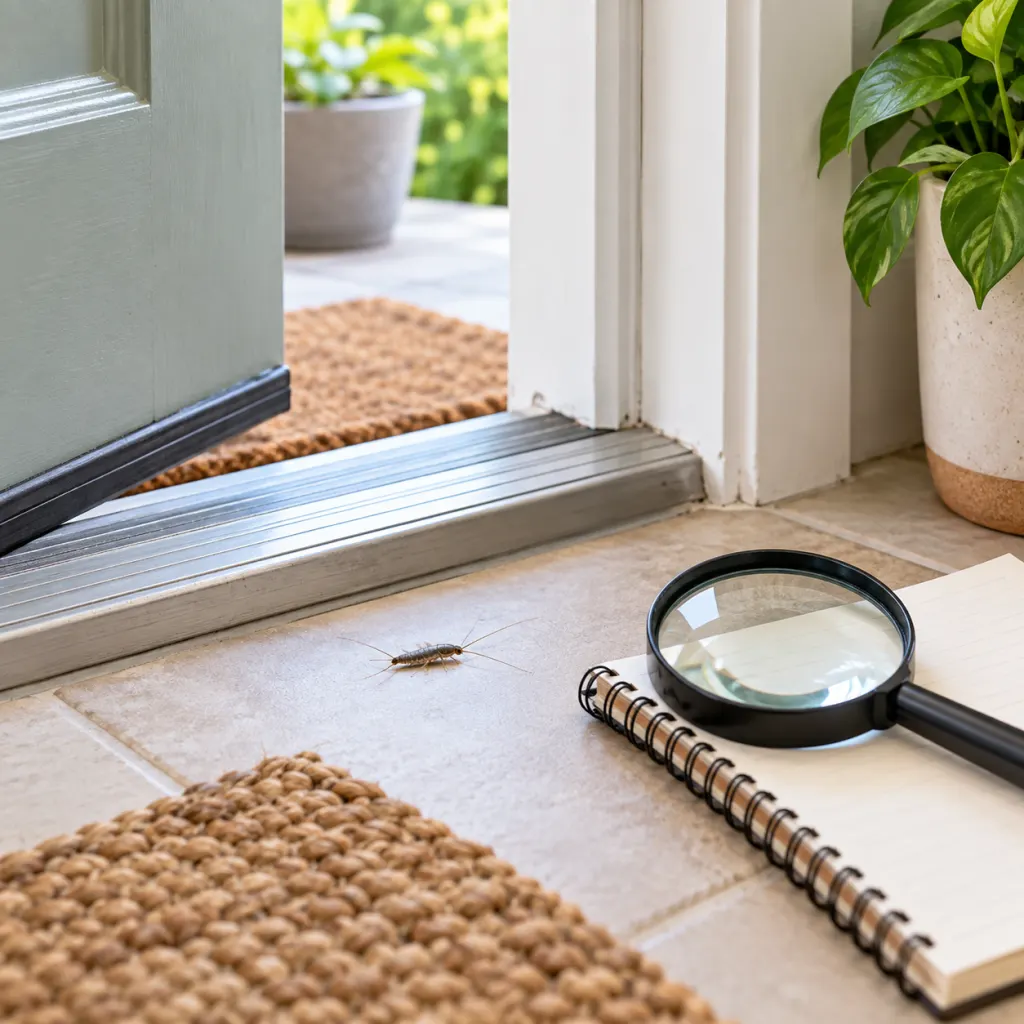
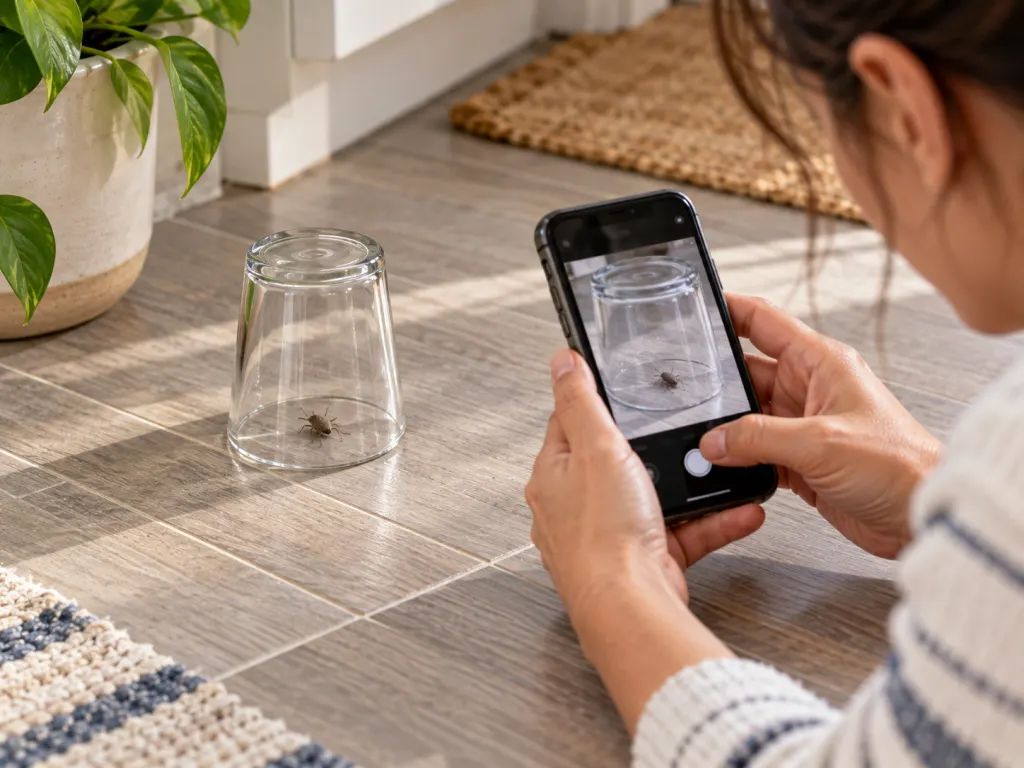
The first practical step is to get a clear look. If you can do so without handling the insect directly, place a cup or container over it, slide stiff paper underneath, and take a well-lit photo from above and from the side. Size, body shape, antennae, wings, and where you found it matter. A small moth flying near the pantry has a different meaning from a flat reddish insect near a mattress, a pale insect near damp cardboard, or winged insects collecting by a basement window.
The EPA describes integrated pest management as a process that combines information about a pest's life cycle and environment with common-sense control choices, including monitoring, identification, prevention, and lower-risk controls first. That matters indoors because the wrong guess can waste time and expose a household to unnecessary chemicals. Use this quick triage before deciding what to do:
- Save the evidence. Take a photo, note the date, and record the room, surface, and time of day.
- Look for patterns. One insect near an open door is less concerning than repeated sightings in the same cabinet, sink base, bed frame, or wall area.
- Check nearby attractants. Look for crumbs, damp paper, pet food, stored grain products, leaky plumbing, damaged screens, or wood touching soil.
- Avoid broad spraying first. Identification can show whether cleaning, drying, sealing, vacuuming, or professional inspection is the better first move.
Reference: EPA Integrated Pest Management principles.
What the insect may be telling you
Indoor insects often point to a condition rather than a catastrophe. The EPA's consumer pest guidance frames prevention around three basic needs: pests look for food, water, and shelter. In a home, that can mean unsealed cereal, crumbs under appliances, a slow drip below a sink, damp cardboard in storage, gaps around pipes, torn screens, or clutter that creates hiding places. A useful response is to treat the sighting as a small inspection prompt: why would this insect prefer this exact spot?
Location gives you the first clue. Insects near windows may have been drawn by light or seasonal weather. Insects in cupboards may be connected with stored foods. Insects in bathrooms, laundry rooms, basements, or near plumbing often point toward humidity or leaks. Insects near damaged trim, sawdust-like debris, mud tubes, or shed wings may call for a closer structural inspection. EPA consumer guidance recommends sealing food, cleaning spills and crumbs, fixing leaks, repairing screens, and sealing openings as core prevention steps before turning to pesticides. Reference: EPA guidance on whether pesticide is needed.
Moisture-loving insects are a house clue
Some insects are less a sign of dirt than a sign of dampness. Booklice, also called psocids, are a good example. University of Minnesota Extension says psocids are common outdoor insects, some species occasionally appear indoors, and the best way to manage them in homes is to reduce moisture. Indoors, booklice are often found in damp, warm, undisturbed places where mold or fungi are growing, including wet cardboard, stored papers, or humid storage areas. Seeing many tiny pale or grayish insects near books, paper, pantry shelving, or cardboard can mean the room needs drying, ventilation, and a check for water problems rather than a heavy chemical response. Reference: University of Minnesota Extension on booklice and barklice.
Moisture can also matter with larger insects. University of Maryland Extension notes that carpenter ants are attracted to damp or moisture-compromised wood and that an indoor carpenter ant colony is often a sign of a current or past water problem. That does not mean every large ant is a structural emergency, but repeated sightings of large dark ants, especially with coarse sawdust-like material, should lead you to inspect gutters, roof edges, window sills, plumbing areas, and wood near soil. Reference: University of Maryland Extension on carpenter ants.

When food storage is the message
If the insect appears in the kitchen, pantry, pet food area, or a cabinet with grains, the message may be stored food. University of Minnesota Extension explains that insects infesting flour, cereal, and other dried goods are among the most common household insect problems. These pantry pests may leave infested products and crawl or fly around the house; they often show up on shelves, dishes, pots, pans, or windowsills. They do not damage buildings, but they can contaminate more food than they eat. Reference: University of Minnesota Extension on pantry pests.
The response is usually source-finding, not surface perfume or random spraying. Inspect flour, rice, cereal, pasta, spices, nuts, dried fruit, dry pet food, birdseed, garden seed, and decorative dried plant materials. Look for larvae, webbing, clumped material, holes in packaging, or tiny beetles or moths. Discard infested products, vacuum shelf cracks and corners, empty the vacuum promptly, and move replacement foods into sealed glass, metal, or heavy plastic containers. The same Extension guidance warns that washing shelves with bleach, ammonia, or disinfectants will not keep pantry pests from returning and could create problems if chemicals contact food surfaces.
When the clue points to hidden activity
Some insects are meaningful because of how they hide. Cockroaches, for example, are often seen after dark and are good at staying out of sight during the day. University of Minnesota Extension notes that only a small percentage of the cockroaches in a house may be seen, and it recommends correct identification because other insects can look similar. Repeated sightings near sinks, refrigerators, stoves, cupboards, cardboard boxes, or paper bags suggest a need to remove hiding places, improve sanitation, check for water access, and consider professional pest management if activity continues. Reference: University of Minnesota Extension on cockroaches.
Bed bugs are another case where the location changes the meaning. CDC describes bed bugs as small, flat, reddish-brown, wingless insects that hide in seams, bedding, furniture, luggage, and cracks around sleeping areas. CDC also notes that bed bugs are not known to spread diseases to people, but they can cause itching, loss of sleep, and rarely allergic reactions. If a suspected bed bug is found near a bed, couch, luggage, or folded clothing, look for additional evidence such as shed skins, insects in mattress seams, rusty-colored spots on fabric, or a musty odor rather than relying on one mark on skin alone. Reference: CDC information on bed bugs.
Wood-related signs deserve closer inspection
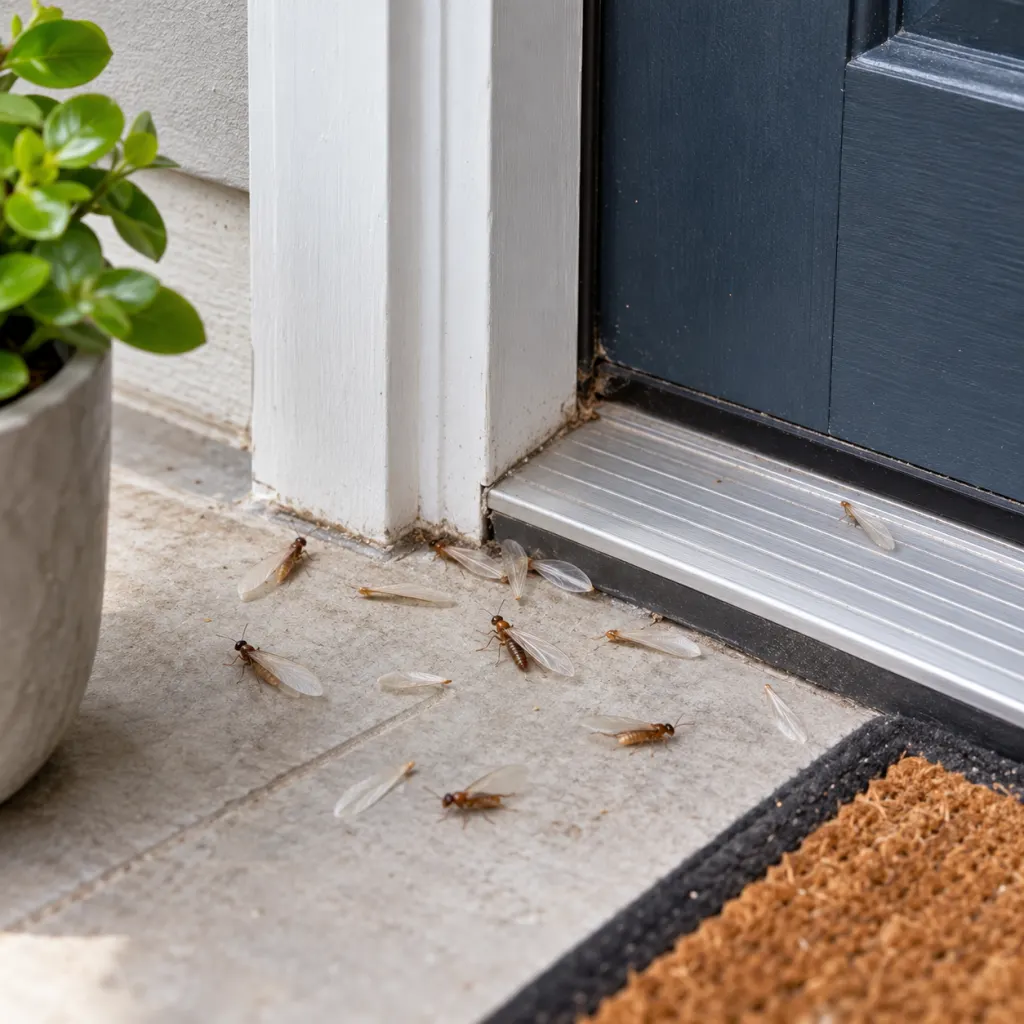
Winged insects near windows can be especially confusing because winged ants and termite swarmers are commonly mistaken for each other. University of Maryland Extension explains that termite swarmers have straight antennae, front and hind wings of similar size, and a body that does not narrow at the waist, while winged ants have elbowed antennae, front wings longer than hind wings, and a pinched waist. That distinction matters because a winged termite or a pile of shed wings indoors can point to a nearby colony that should be investigated. Reference: University of Maryland Extension on termites.
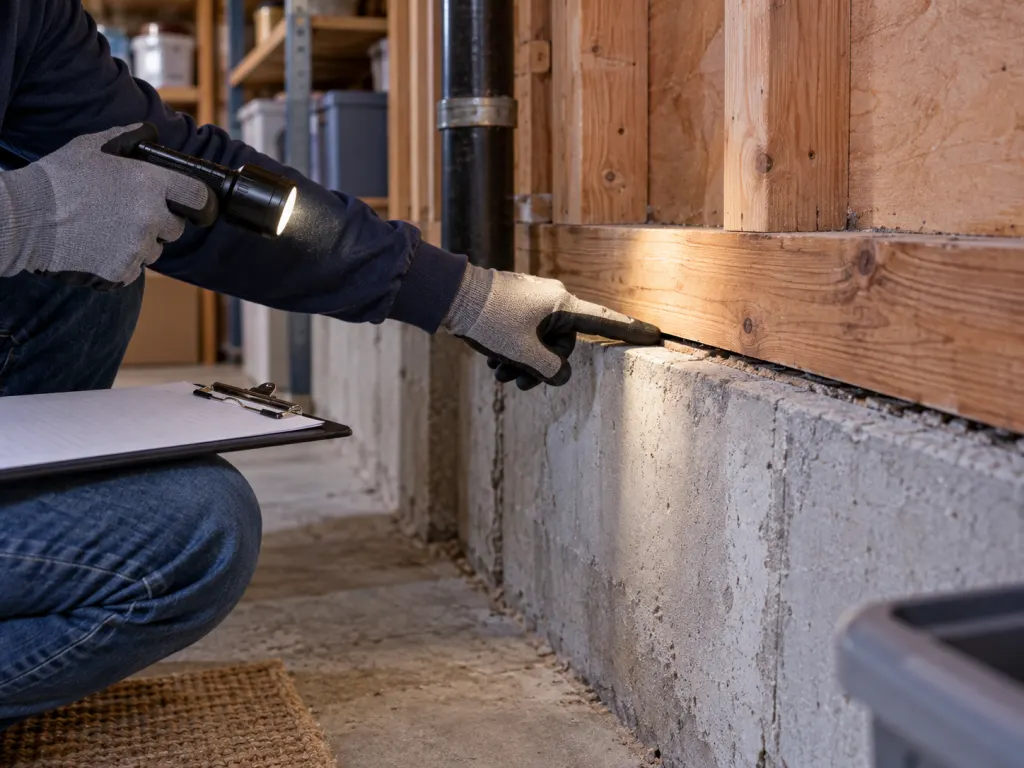
Termite evidence is often indirect. Look for dirt-colored shelter tubes on a foundation or exposed wood, soil packed in cracks, shed wings on window sills, blistered wood surfaces, sagging floors, or damaged wood that seems hollowed inside. The University of Maryland page advises calling a pest control operator for professional inspection when these signs appear, while also noting that termite damage is not usually a same-day disaster. The right pace is prompt, organized evaluation: document what you see, avoid tearing apart walls without a plan, and compare licensed professional inspections before agreeing to a major service.
A calm response plan for the next hour
Once you have a photo and a rough location, take practical steps that make sense even before you know the exact species. Vacuum visible insects and debris when appropriate, especially pantry insects, shed skins, or clusters near windows. Seal open food, wipe crumbs, take out trash, and clean under appliances. Dry wet surfaces, repair obvious drips, and move damp cardboard, paper, or firewood away from living spaces. Check door sweeps, screens, pipe penetrations, and cracks around baseboards. These steps fit the EPA's prevention-first guidance and reduce the basic resources pests use indoors.
Then decide whether the situation is a monitor, clean, repair, or call case. A single beetle by a door may only need release outdoors and screen repair. Repeated moths in the pantry call for a shelf-by-shelf food inspection. Tiny insects in damp storage call for moisture reduction. Large ants with frass call for a leak and wood inspection. Suspected bed bugs, cockroach activity in multiple rooms, or signs of termite activity deserve faster documentation and expert help because delays can make the problem harder to map.
Using pesticides with care
Pesticides are tools, not shortcuts. EPA indoor air guidance says to read and follow pesticide labels, use only products approved for the intended user and site, ventilate well after pesticide use, mix or dilute products outdoors or in a well-ventilated area when needed, and use non-chemical methods when possible. It also advises choosing pest control companies carefully and asking for a written control program before signing a contract. Reference: EPA guidance on pesticides and indoor air quality.
For homeowners and renters, the safest mindset is targeted action. Do not spray inside food cupboards for pantry insects. Do not fog a room because one unknown insect appeared on a wall. Do not combine cleaning chemicals with pesticides or use outdoor-only products indoors. If a label does not clearly allow the use you are considering, choose a different route: cleaning, exclusion, vacuuming, traps, or a licensed professional who can identify the pest and explain the plan.
When to call a professional
Professional help is most useful when identification is uncertain and the stakes are high. Call a licensed pest management professional if you suspect termites, find repeated cockroach activity, see possible bed bugs in sleeping areas, notice carpenter ant signs in damp wood, or keep seeing the same insect after removing food, water, and entry points. Renters should also document sightings with dates and photos and report persistent pest activity, leaks, or structural gaps to the property manager because building conditions often need repair before control lasts.
Ask specific questions before hiring. What insect was identified? What evidence supports that identification? What non-chemical steps should happen first? What product, if any, will be used, where will it be placed, and what does the label require? How will success be monitored? A good plan should name the pest, target the source, reduce conditions that invite it back, and leave you with a way to verify improvement.
Wrap-Up
An insect indoors is a clue, not a verdict. Its meaning depends on the species, location, number of sightings, and nearby conditions. Food pests point you toward pantry inspection; moisture-loving insects point toward humidity or leaks; wood-associated insects call for a closer look at damp or damaged wood; and bed bugs or cockroaches require careful identification because they hide well. Start with a photo, clean and dry the area, seal food and entry points, and avoid broad pesticide use until you know what you are dealing with. If the evidence points to termites, bed bugs, repeated cockroach activity, or carpenter ants in damp wood, bring in a qualified professional.
Frequently Asked Questions
- → Does one insect mean my home is infested?
No. One insect may have come in through an open door, a torn screen, a package, firewood, or a gap around a pipe. Repeated sightings of the same insect in the same area, insects at different life stages, shed skins, frass, food damage, or structural clues make an infestation more likely.
- → What should I do before spraying anything?
Take a clear photo, note where you found the insect, check for food, moisture, clutter, and entry points, and try to identify it through a reliable extension or public agency resource. Cleaning, drying, sealing, vacuuming, or removing a source often solves problems that spraying alone will not.
- → Which indoor insects suggest a moisture problem?
Booklice and some other tiny insects often appear where humidity is high or damp materials are stored. Carpenter ants can also be linked with damp or moisture-damaged wood. Check under sinks, around tubs, near windows, in basements, in crawl spaces, and around wet cardboard or stored paper.
- → When should I call a pest professional instead of handling it myself?
Call a licensed professional if you suspect termites, bed bugs, repeated cockroach activity, carpenter ants in damp wood, or a pest you cannot identify after taking photos and checking the source area. Professional inspection is also wise when damage, repeated sightings, or multi-unit housing is involved.
- → Can I use household disinfectants to prevent pantry insects?
Pantry pest control depends on finding and removing the infested food source, vacuuming shelf cracks, and storing replacement foods in sealed containers. Disinfectants, bleach, or ammonia do not stop insects hidden in food packages and should not be relied on around food storage areas.
References
This content was developed and refined using reliable sources.
- https://www.epa.gov/safepestcontrol/integrated-pest-management-ipm-principles
- https://www.epa.gov/safepestcontrol/do-you-really-need-use-pesticide
- https://extension.umn.edu/garden-and-home/home-maintenance/household-insects/booklice-barklice
- https://www.extension.umd.edu/resource/carpenter-ants
- https://extension.umn.edu/garden-and-home/home-maintenance/household-insects/pantry-pests-insects-found-in-stored-food
- https://extension.umn.edu/garden-and-home/home-maintenance/household-insects/cockroaches
- https://www.cdc.gov/bed-bugs/about/index.html
- https://www.extension.umd.edu/resource/termites
- https://www.epa.gov/indoor-air-quality-iaq/pesticides-impact-indoor-air-quality