 Save
The surprising answer is ordinary: if you urinate in the shower, the urine usually dilutes and goes down the same household drain water does, but it does not clean the shower, it is not a health trick, and it can create odor or safety problems if the area is not rinsed and cleaned properly. The biggest practical concern is not the act itself; it is what happens afterward. Urine contains waste and extra water filtered by the kidneys, according to MedlinePlus, and it can be tested for bacteria or other germs when there is a medical reason to check it (MedlinePlus, MedlinePlus urinalysis). In a private shower, a quick rinse and normal cleaning usually matter more than panic. In a shared shower, dorm, gym, guest bathroom, or household with young children or vulnerable people, courtesy and hygiene point toward using the toilet instead.
Why the Question Gets So Much Attention
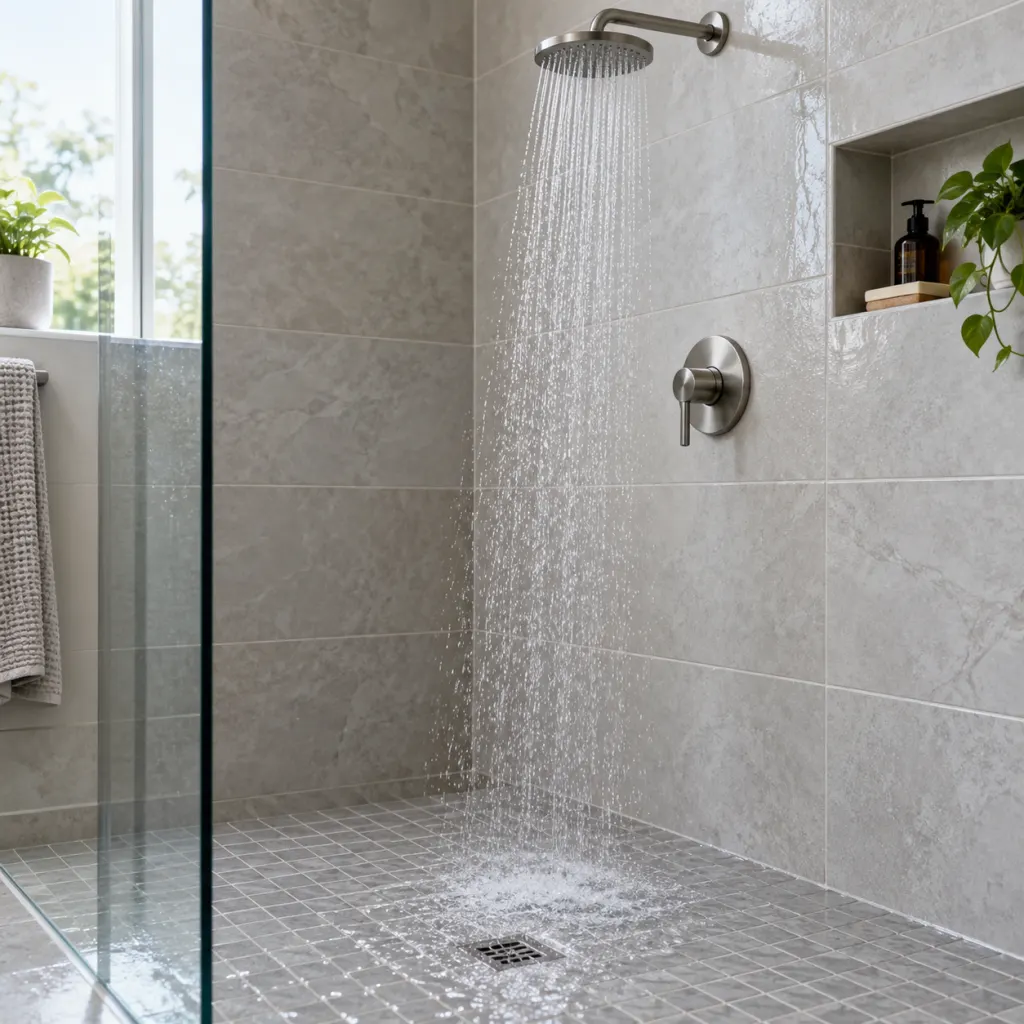
The question sounds like a joke because it sits right at the edge of three things people rarely discuss plainly: bathroom habits, cleanliness, and saving water. Online versions often turn it into a dramatic secret, but the everyday reality is more modest. A shower is designed to move soapy water, skin oils, shampoo, and diluted household soil toward a drain. It is not designed as a toilet, but a small amount of urine washed away during an active shower is not the same situation as urine left standing on a floor, mat, grout line, or drain cover.
The useful way to think about it is not “clean” versus “dirty” as an all-or-nothing label. The better questions are practical: Is the water already running? Is the drain clear? Is the surface nonporous and easy to rinse? Does anyone else use this shower? Are there cleaning chemicals nearby? Are there any urinary symptoms that should be taken seriously? Those questions lead to a much better answer than the simple dare-like headline suggests.
What Urine Is, and What It Is Not
Urine is part of the body’s waste-removal system. The kidneys filter wastes and extra water from the blood; MedlinePlus describes urea as one of those wastes and explains that urine travels from the kidneys to the bladder before urination (MedlinePlus). That does not make urine a household cleaning product. It also does not mean every drop is a crisis. Fresh urine is mostly water with dissolved waste products, but once it reaches skin, shower surfaces, air, and a drain, it enters an environment where ordinary bathroom microbes and residues are already present.
It is especially worth retiring the idea that urine should be used to disinfect anything. MedlinePlus notes that urinalysis can check whether urine contains bacteria or other germs, along with blood, protein, cells, crystals, and other findings (MedlinePlus). That is a medical testing context, not a shower-cleaning strategy. If the shower floor smells, has buildup, or has a slow drain, urine will not solve the problem. Soap, water, scrubbing, ventilation, and appropriate cleaning products are the tools that belong there.
The Water-Saving Claim Has a Real but Limited Point
The conservation argument is the one claim with a simple kernel of truth: avoiding one flush can save the water that flush would have used. The U.S. Environmental Protection Agency says toilets account for nearly 30 percent of average indoor household water use, and older inefficient toilets can use as much as 6 gallons per flush. Modern WaterSense-labeled toilets use 1.28 gallons per flush or less while meeting performance criteria (EPA WaterSense toilets). So, yes, skipping an unnecessary flush can reduce water use.
But the size of the saving depends on context. If the shower is already running and you do not stay in longer, the added water use is basically the rinse you were already taking. If you turn on the shower just to avoid flushing, or linger under running water because you are making a point, the math changes quickly. The EPA notes that standard showerheads use 2.5 gallons per minute, while WaterSense-labeled showerheads use no more than 2.0 gallons per minute (EPA WaterSense showerheads). In plain terms: a long extra minute of showering can use more water than some efficient toilet flushes.
Hygiene Depends on Rinsing, Surfaces, and Shared Use
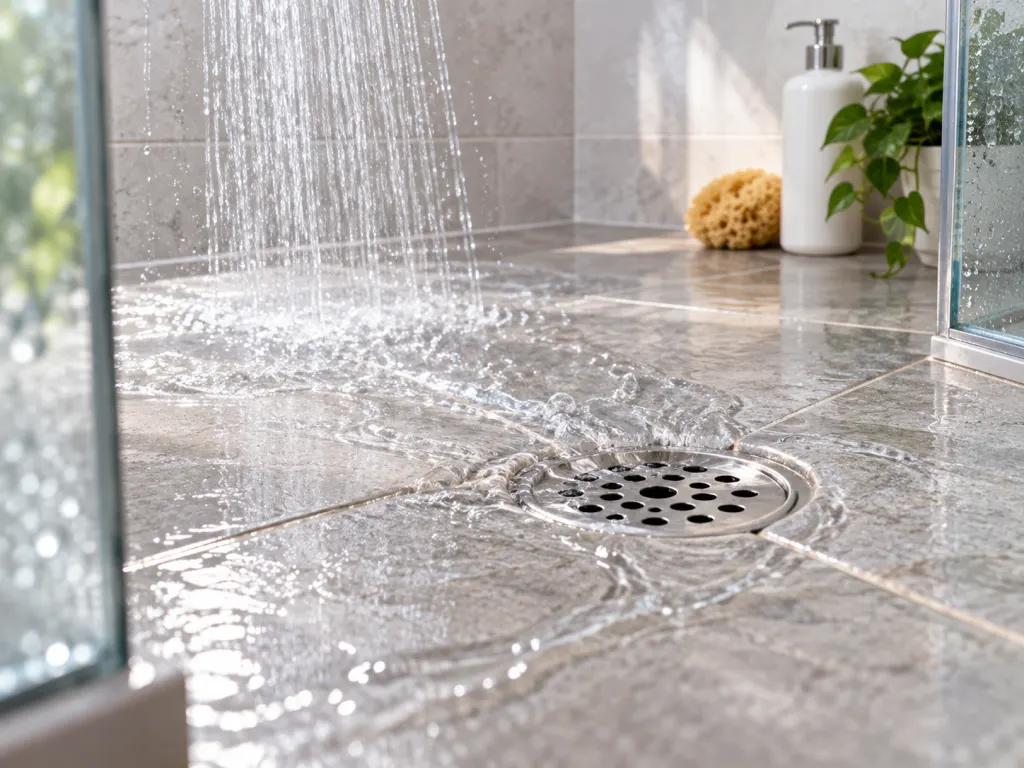
In a private, smooth-surface shower with good drainage, urine diluted by running water is usually washed away quickly. The remaining concern is residue: drops can land on textured floors, grout, drain covers, shower curtains, or bath mats. Those areas already collect soap film, skin oils, mineral scale, and moisture. Adding urine and then failing to rinse can make odor more likely, especially if the bathroom is warm, humid, or poorly ventilated.
Shared settings deserve stricter manners. In a gym, dorm, rented house, guest bathroom, or family shower used by children, older adults, or anyone with a lower tolerance for bathroom residue, the considerate choice is to use the toilet. The issue is not only microbes; it is consent and expectation. Most people expect a shower to be a place where they wash, not a place where they step into someone else’s unspoken shortcut.
- Keep water running if it happens during an active shower.
- Rinse the floor, corners, and drain cover before stepping out.
- Do not urinate onto fabric mats, wood bath platforms, natural stone, or cracked grout.
- Clean the shower on a normal schedule with soap or an appropriate bathroom cleaner.
- Use the toilet in shared, public, guest, or poorly draining showers.
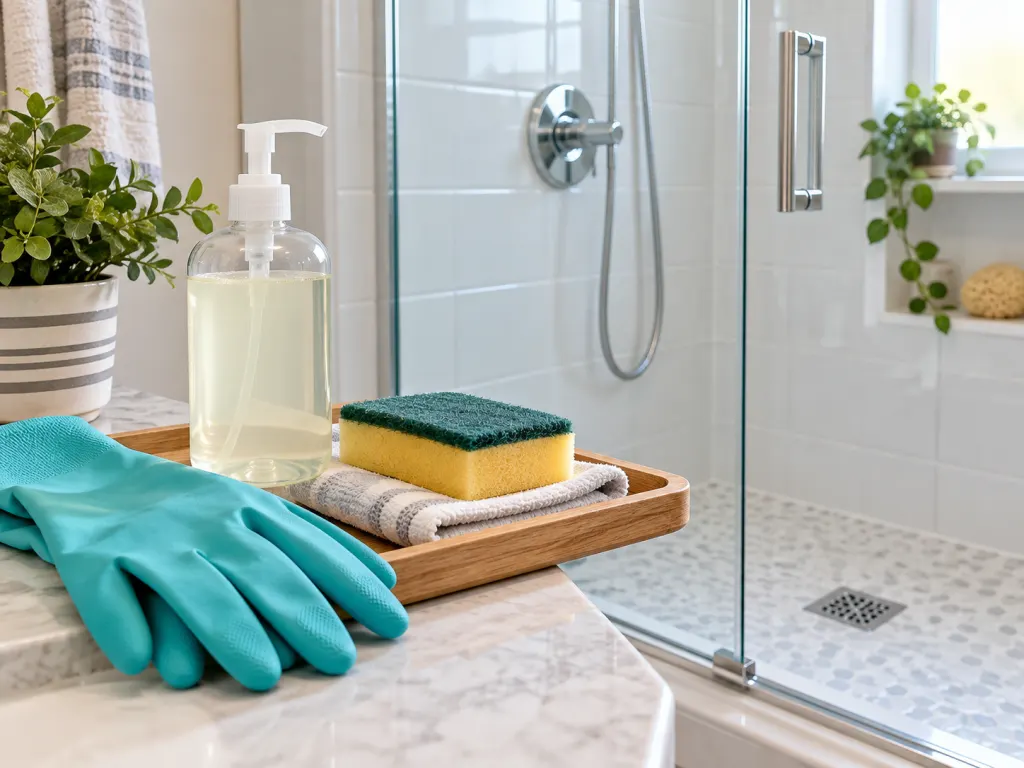
The Cleaning-Chemical Risk Is Easy to Miss
The most important safety issue may have nothing to do with embarrassment. It is cleaning chemistry. Bathrooms often contain bleach sprays, acidic descalers, drain products, ammonia-based cleaners, and disinfectants. The CDC says cleaning with water, soap, and scrubbing removes germs, while disinfecting chemicals kill remaining germs on surfaces; it also warns never to mix household bleach or disinfectants with other cleaners because dangerous vapors can be released (CDC bleach guidance).
Urine can develop a stronger ammonia-like odor as it sits, and ammonia itself is a chemical that the CDC identifies as hazardous at high exposure levels. The CDC’s ammonia fact sheet warns not to mix household cleaners and notes that ammonia can react with strong oxidizers, including chlorine bleach (CDC ammonia fact sheet). The practical takeaway is simple: do not spray bleach or strong disinfectants into a shower where urine residue may be sitting. Rinse first, ventilate the room, and follow the product label. If you smell harsh fumes after using cleaners, leave the area and get fresh air.
What About Plumbing and Septic Systems?
For ordinary residential plumbing, a diluted stream of urine during a running shower is not usually a special drain problem. Shower drains already carry warm water, soap, hair, skin oils, shampoo, and conditioner. The larger maintenance problems tend to be hair clogs, soap scum, mineral deposits, poor slope, old pipes, and objects that should never enter the drain. Urine is water-soluble, so the immediate plumbing question is mainly whether enough water carries it away.
That said, “not usually a plumbing emergency” is not the same as “good for every bathroom.” Slow drains, standing water, cracked tile, porous grout, natural stone, and neglected shower pans can hold residue. In those conditions, odor can linger and cleaning becomes harder. If a shower regularly smells like urine, the answer is not to mask it with fragrance. Rinse the drain area, remove hair from the strainer, clean soap film, improve ventilation, and consider whether urine is being left on surfaces rather than washed away.
Urinary Symptoms Are a Separate Issue
The shower habit should not distract from changes in urination that need attention. The CDC lists possible bladder infection symptoms such as pain or burning while urinating, frequent urination, feeling the need to urinate despite an empty bladder, bloody urine, and lower abdominal pressure or cramping. It also lists fever, chills, back or side pain, nausea, or vomiting as possible signs of a kidney infection, which is less common but more serious (CDC UTI basics). If symptoms are severe, concerning, or involve a young child, medical guidance is appropriate.
Do not use shower urination as a way to ignore symptoms, hide discomfort, or avoid talking about bladder control. A person who chooses the shower because getting to the toilet in time is difficult may be dealing with urgency, mobility issues, leakage, or another urinary concern. NCBI Bookshelf describes bladder retraining and pelvic floor exercises as approaches sometimes used in incontinence care, depending on the situation, and notes that health professionals may tailor support to the underlying cause (NCBI Bookshelf). That belongs in a care conversation, not in shame or guesswork.
When It Is Better to Use the Toilet
Even people who are not bothered by the idea should recognize situations where the toilet is the better choice. Use the toilet if the shower is shared with guests, housemates, or public users. Use it if the shower floor is textured, porous, cracked, or slow to drain. Use it if there is a bath mat or wood platform underfoot. Use it if cleaning chemicals were recently applied or are about to be applied. Use it if urine appears bloody, unusually cloudy, or is linked with discomfort, fever, or back pain. And use it if the habit causes conflict at home; a tiny water saving is not worth making another person feel that their clean space has been ignored.
There is also a habit angle. For most adults, occasionally urinating during a shower is not the same as intentionally training the body to urinate every time water runs. Still, people who already struggle with urgency may want to be mindful of cues. If running water seems to trigger an urgent need, or if bathroom habits are becoming hard to control, that is a reason to seek individualized guidance. The article’s household answer and the body’s personal answer are not always the same.
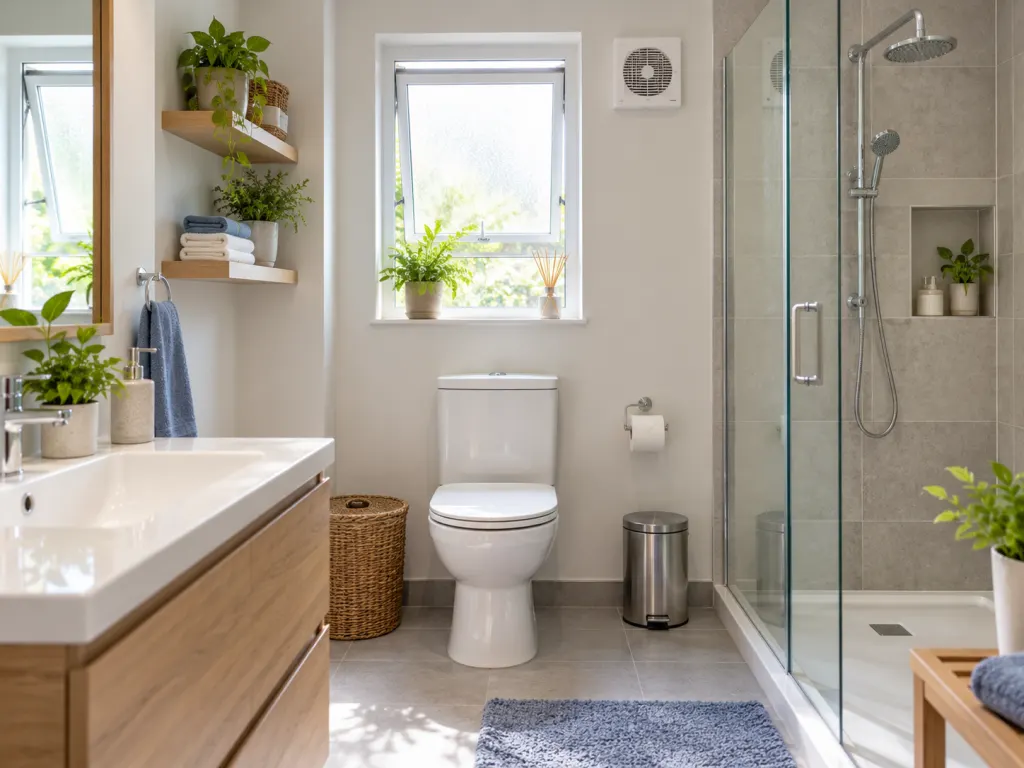
A Practical Bathroom Routine
If you decide this private habit is acceptable in your own bathroom, keep it boring and clean. Do it only while water is already running. Aim toward the drain area rather than walls, curtains, corners, or textured ledges. Rinse the floor and drain cover for a few seconds before turning the water off. Keep the drain clear of hair. Wash feet and any splashed skin with soap as part of the shower. Ventilate the bathroom afterward so moisture does not linger.
For regular cleaning, start with the least dramatic approach: water, soap or detergent, and scrubbing. The CDC notes that cleaning alone with soap and water can remove most germs on surfaces in many household situations (CDC bleach guidance). Disinfecting may be useful in some circumstances, such as after illness in the home, but it should be done according to the product label and never by mixing products. That routine is more reliable than treating urine, hot water, or fragrance as a substitute for cleaning.
The Bottom Line
Peeing in the shower is not the scandal some headlines make it out to be, but it is also not a clever cure-all for water bills, hygiene, or cleaning. In a private shower, during an already-running rinse, it is mainly a matter of quick dilution, good drainage, and ordinary cleaning. In shared showers, public spaces, poorly draining bathrooms, or chemical-cleaning situations, the toilet is the better and more respectful option.
The real surprise is how practical the answer becomes once the myths are removed. You save water only if you do not extend the shower. You avoid odor only if you rinse and clean surfaces. You stay safer around chemicals by never mixing cleaners and by ventilating the room. And you take urinary symptoms seriously instead of turning a bathroom habit into a medical guess. That is the unglamorous but useful truth: the shower can wash a lot away, but it does not replace common sense.
Wrap-Up
In a private shower with water already running, urinating once in a while is usually more of a hygiene-and-etiquette issue than an emergency. Rinse immediately, keep the drain clean, avoid porous or shared surfaces, and never combine bathroom residue with harsh mixed cleaners. Use the toilet in shared spaces, when the shower drains poorly, or when there are urinary symptoms that deserve professional attention.
Frequently Asked Questions
- → Is peeing in the shower sanitary?
In a private shower with water already running, it is usually a manageable hygiene issue if everything is rinsed well. It is less appropriate in shared showers, on porous surfaces, near bath mats, or anywhere residue may sit.
- → Does urine clean the shower floor?
No. Urine is not a cleaning product. A shower should still be cleaned with water, soap or detergent, scrubbing, and appropriate products used according to their labels.
- → Can peeing in the shower save water?
It can avoid one toilet flush only if the shower is already running and you do not extend the shower. If you turn on the shower or stay in longer for that reason, the water-saving claim may disappear.
- → Is it bad for the drain?
In a normal, free-flowing shower drain, diluted urine is unlikely to be the main plumbing concern. Odor and residue are more likely when drains are slow, surfaces are textured, or the area is not rinsed.
- → What should I avoid after someone pees in the shower?
Avoid spraying bleach or strong disinfectants onto unrinsed residue. Rinse first, ventilate the bathroom, and never mix bleach with other cleaners or disinfectants.
- → When should urinary changes be taken seriously?
Seek qualified medical guidance for pain or burning while urinating, bloody urine, fever, chills, back or side pain, nausea, vomiting, or any symptom that feels severe or concerning.
References
This content was developed and refined using reliable sources.
- https://medlineplus.gov/urineandurination.html
- https://www.medlineplus.gov/urinalysis.html
- https://www.epa.gov/watersense/residential-toilets
- https://www.epa.gov/watersense/showerheads
- https://www.cdc.gov/hygiene/about/cleaning-and-disinfecting-with-bleach.html
- https://www.cdc.gov/chemical-emergencies/chemical-fact-sheets/ammonia.html
- https://www.cdc.gov/uti/about/index.html
- https://www.ncbi.nlm.nih.gov/books/NBK613065