 Save
A greasy, baked-on oven can look impossible to tackle, but you don't need harsh fumes or hours of scrubbing to get it clean. This guide walks through a simple, low-effort method built around baking soda and vinegar, plus how to handle the racks, the glass door, and your own safety along the way.
Step 1: Empty the oven and let in fresh air
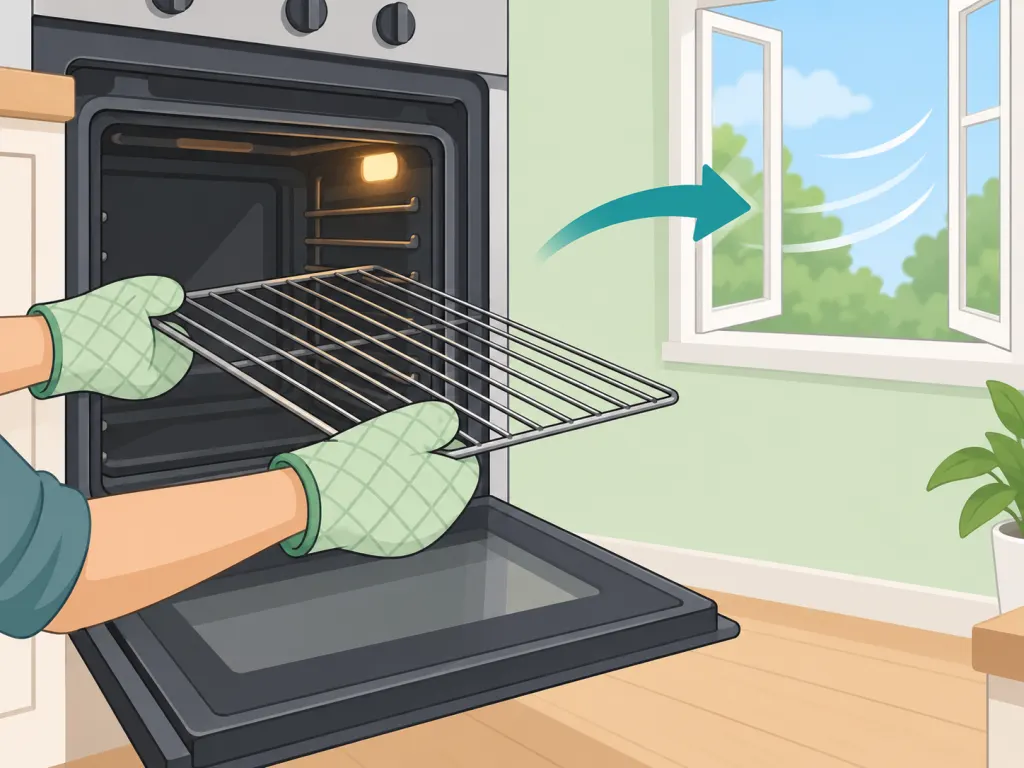
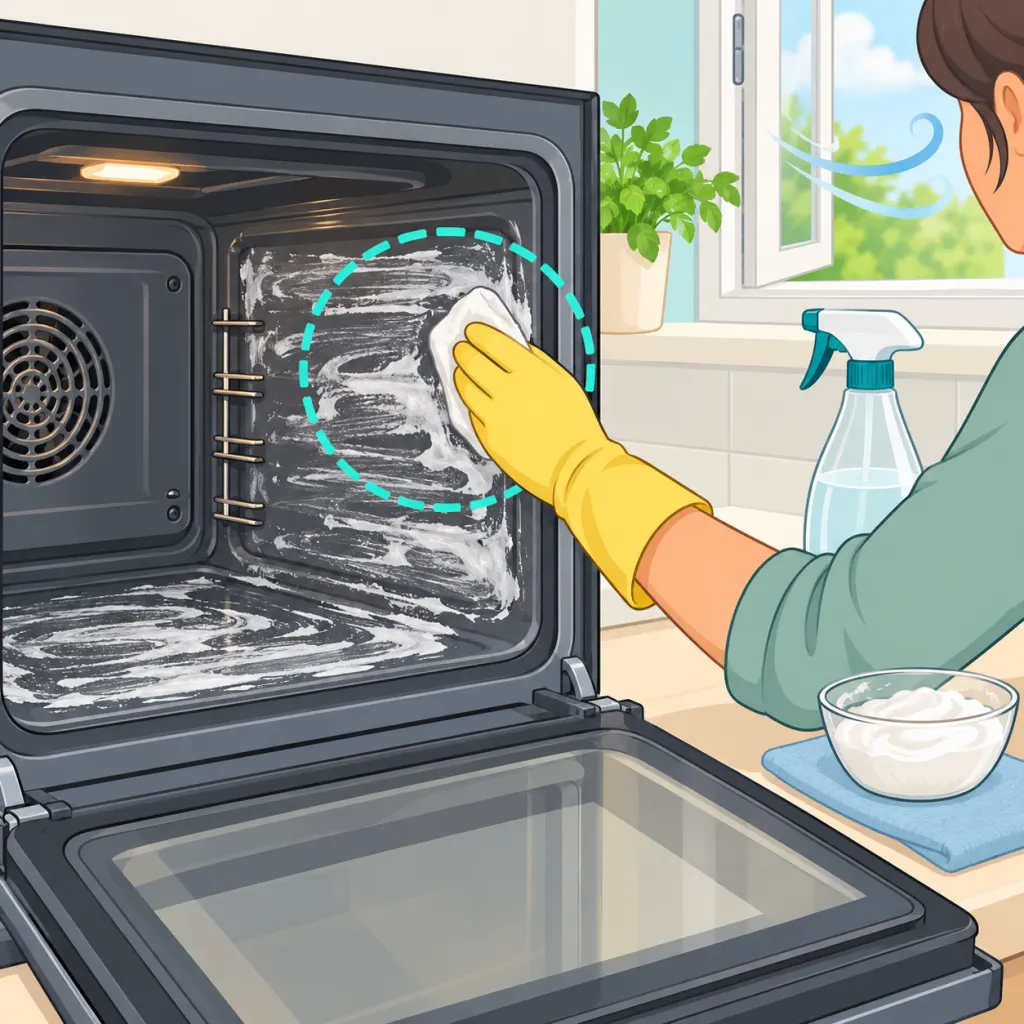
Take out the racks, any oven thermometer, and loose crumbs or foil before you start. Open a kitchen window or turn on the range hood, good airflow is one of the main factors in OSHA and NIOSH guidance on using cleaning products safely indoors.
Step 2: Spread a baking soda paste over the interior
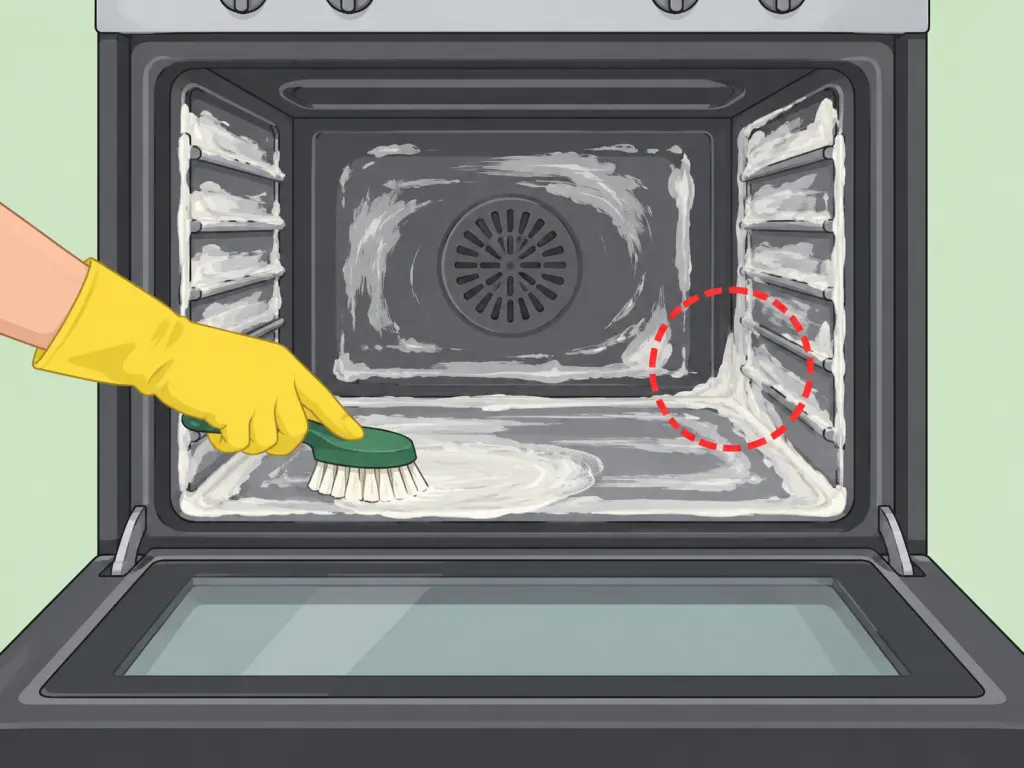
Mix baking soda with a little water into a spreadable paste, then coat the oven's interior walls, floor, and any baked-on spots, avoiding the heating elements. Baking soda is a mild alkali that University of Wisconsin, Madison Extension notes can loosen grease and dissolve dirt, and it is non-toxic, which makes it a reasonable first choice for a food-contact space.
Step 3: Let the paste sit for several hours or overnight
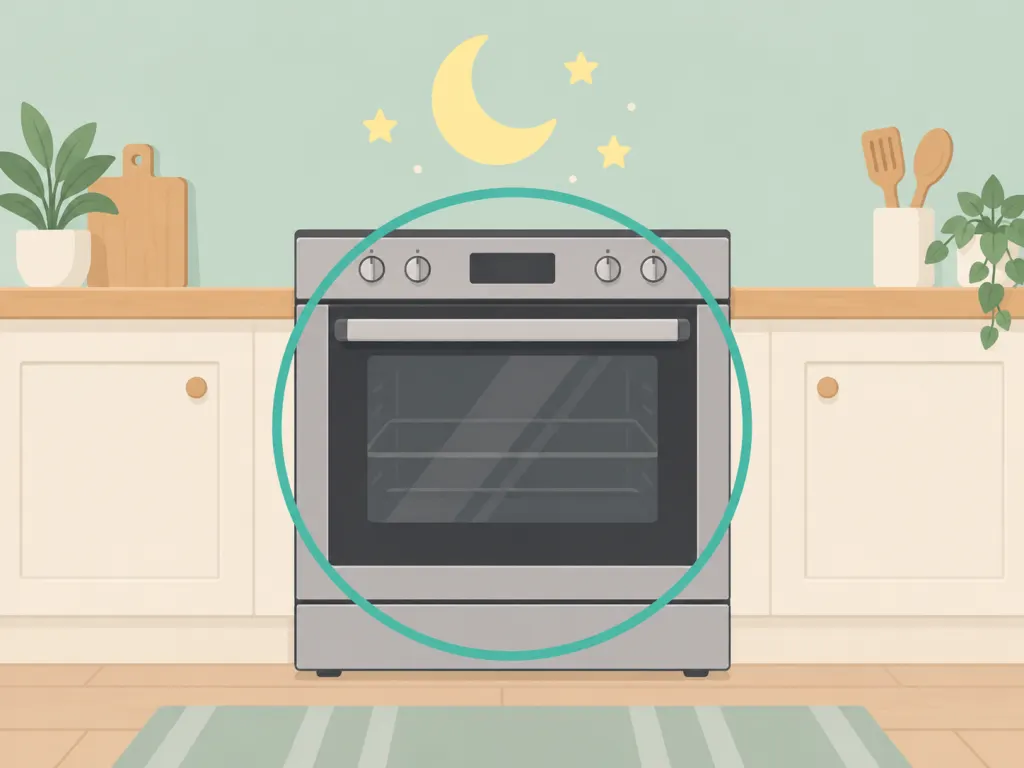
Close the oven door and leave the paste undisturbed for at least a few hours, or overnight for a heavily soiled oven. The longer dwell time gives the baking soda a chance to soften baked-on grease and food residue so you can wipe it away instead of scraping at it.
Step 4: Loosen the grime with a vinegar spray and wipe it away
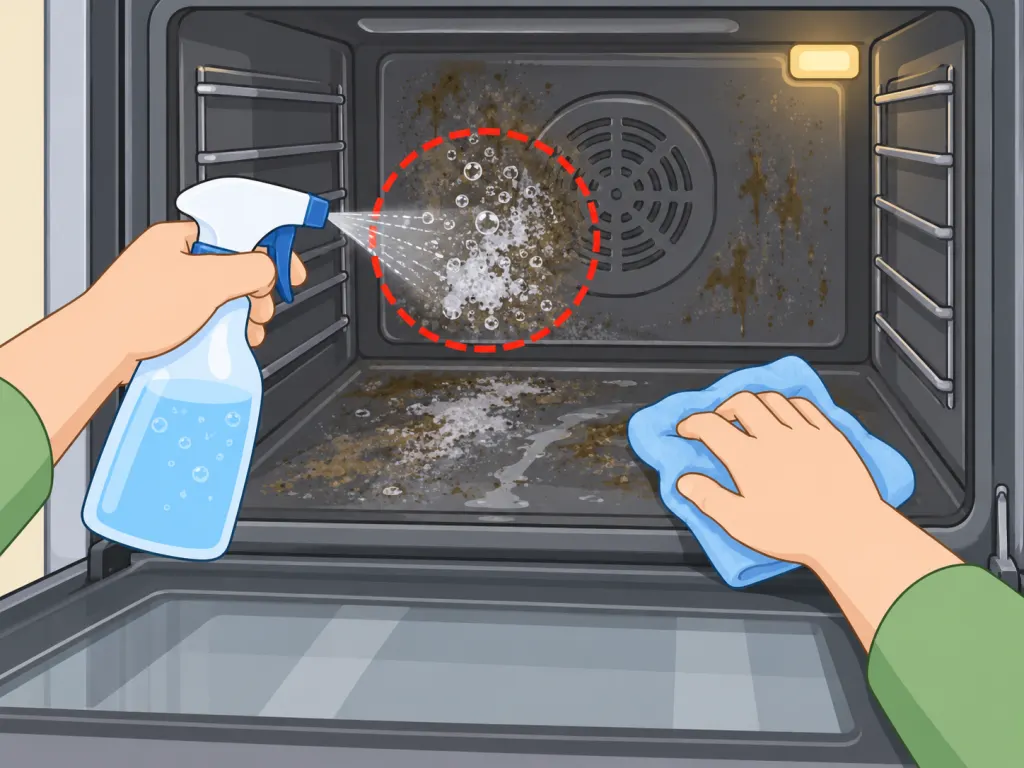
Fill a spray bottle with plain white vinegar and mist it over the dried baking soda; it will fizz gently and help lift the paste from the surface. Wipe the interior with a damp cloth, and use a plastic or silicone scraper, never a metal one, on stubborn spots so you don't scratch the enamel.
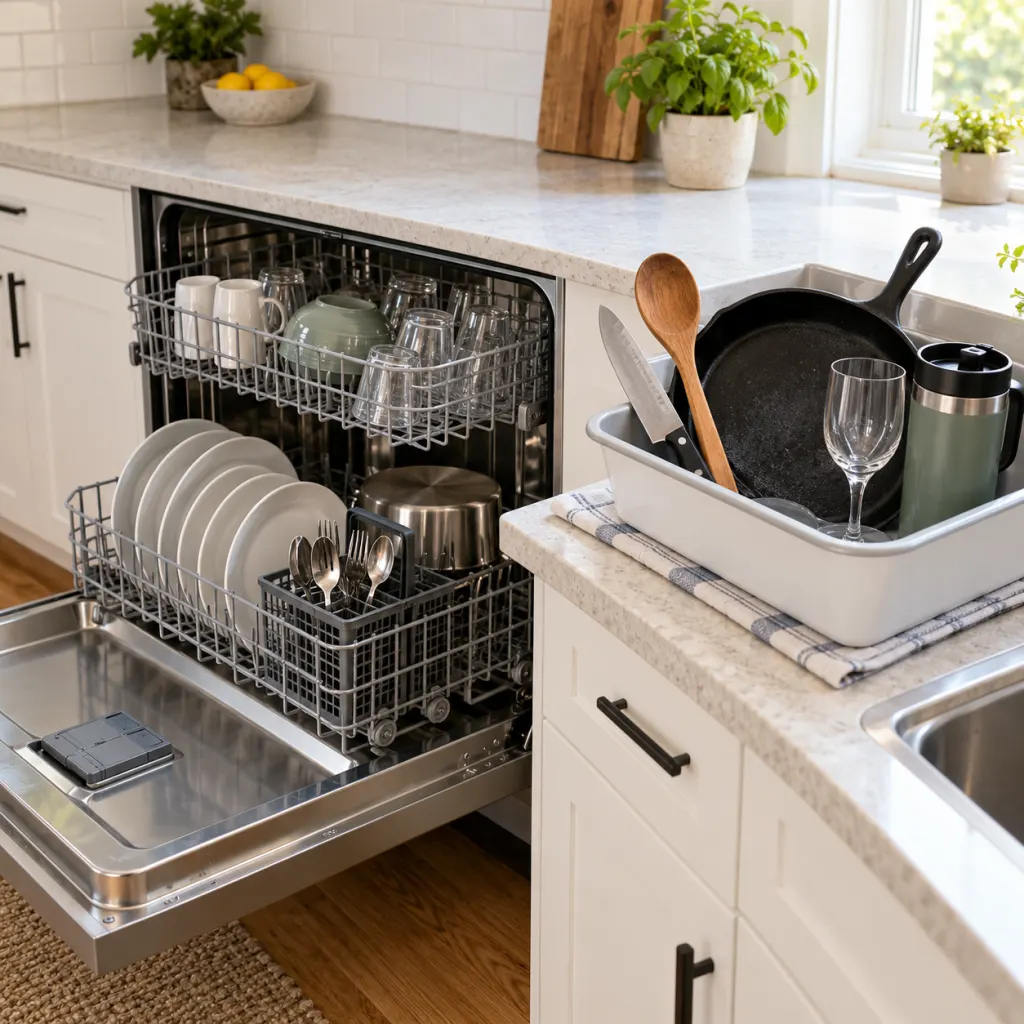
Soak the racks in a sink or tub of hot water with dish soap and a sprinkle of baking soda for at least 15 minutes, then scrub with a non-abrasive pad. This loosens baked-on residue the same way it does inside the oven, without you having to work bent over the open door.
Step 6: Wipe the door glass and control panel carefully
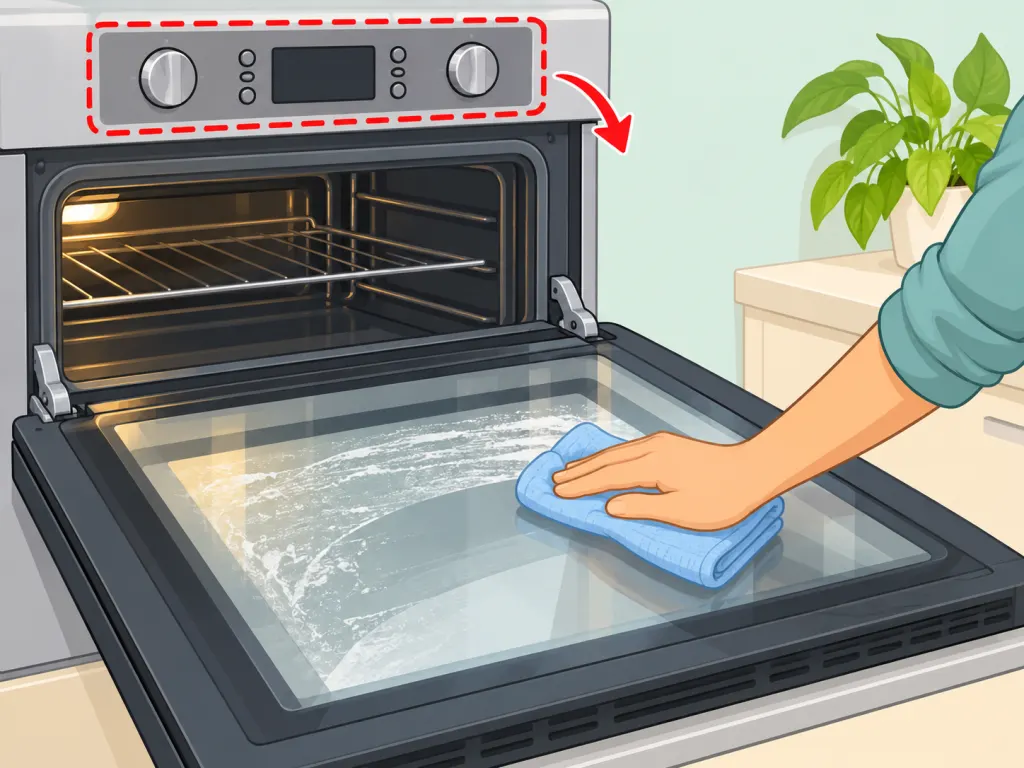
Clean the inside of the door glass with a damp cloth and a little baking soda paste or diluted vinegar, then dry it so it doesn't streak. Spray liquids onto your cloth rather than directly onto the control panel or display, since moisture can get into the electronics.
Step 7: Do a final rinse-and-dry pass
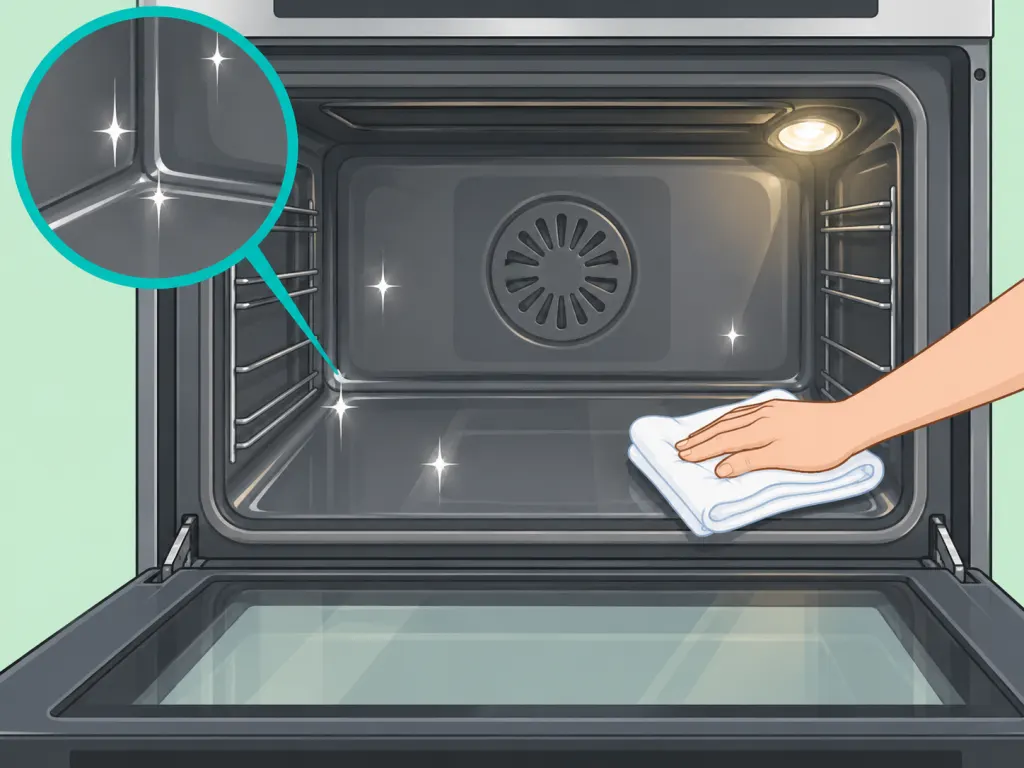
Go over every surface once more with a clean, damp cloth to remove any leftover baking soda residue, then dry the interior completely. Leftover residue can smoke or give off an odor the next time you heat the oven, so this last pass is worth the extra few minutes.
Step 8: Know the signs that mean you should stop and get fresh air
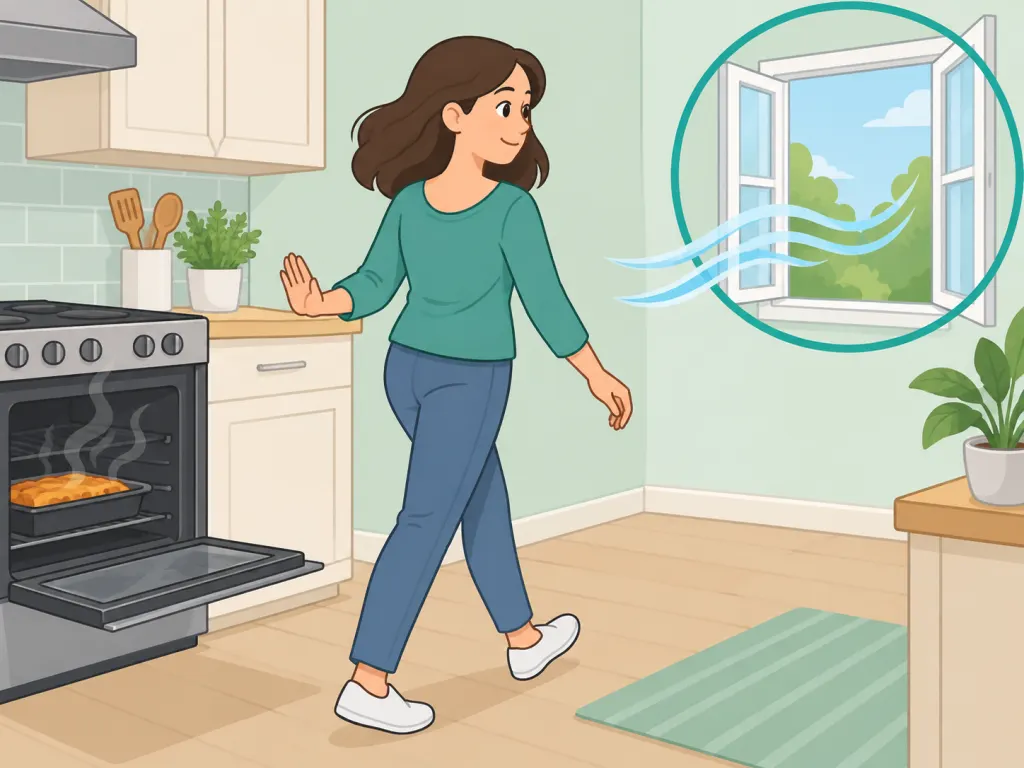
Stop cleaning and step outside if you notice a strong chemical smell, burning eyes or throat, coughing, or dizziness. CDC guidance on cleaning with bleach warns against ever combining it with other cleaners, since doing so can release dangerous vapors.
Wrap-Up
The bottom line: clear the oven, coat the interior with a baking-soda paste, let it work for several hours or overnight, then loosen everything with a vinegar rinse and a final wipe-down. Keep the kitchen ventilated, never mix cleaning chemicals, and clean the racks and glass separately for the best results.
Frequently Asked Questions
- → How often should I deep clean my oven?
- Most households do well with a deep clean every one to three months, or sooner if you notice smoke, burning smells, or visible grease buildup after cooking.
- → Can I use the oven's self-cleaning cycle instead of this method?
- You can, but self-cleaning cycles run at very high temperatures and can produce noticeable smoke and odor, so make sure the kitchen is well ventilated and follow your oven's manual if you choose that option.
- → Is it safe to mix baking soda and vinegar in the oven?
- Yes. Both are mild, food-safe ingredients, and the fizzing reaction between them is simply carbon dioxide, not a hazardous gas.
- → What should I avoid using on the racks or interior?
- Skip metal scouring pads and abrasive metal scrapers on painted or enamel surfaces, since they can scratch the finish. A non-abrasive pad or plastic scraper works just as well on baked-on grime.
- → Can I use bleach or a commercial oven cleaner instead?
- You can, but never combine it with baking soda, vinegar, ammonia, or any other cleaner in the same session, and always follow the ventilation instructions on the product label.
- → Why does my oven smoke or smell after cleaning?
- A lingering smell usually means some cleaning residue is still on the surfaces. A final rinse with a clean, damp cloth and letting the oven air out before you cook again usually clears it.
- → Do stainless-steel or glass-top exteriors need a different approach?
- Yes. Stick to a soft cloth with mild soap and water on painted or stainless exteriors, since vinegar's acidity and abrasive pastes can dull some finishes over time.