 Save
Coconut water is helpful as an optional hydration drink; the idea that everyone needs it is overstated. It contributes fluid and contains electrolytes, but Mayo Clinic finds no hydration advantage over plain water for ordinary use. It also contains calories, unlike water. Mayo Clinic explains the comparison.
The useful question is what you want from the drink: a flavor you enjoy, an everyday refreshment, or something suited to a particular activity. Those are different decisions. Reading the actual carton is more informative than treating every coconut water product as interchangeable.
Start with what coconut water actually is
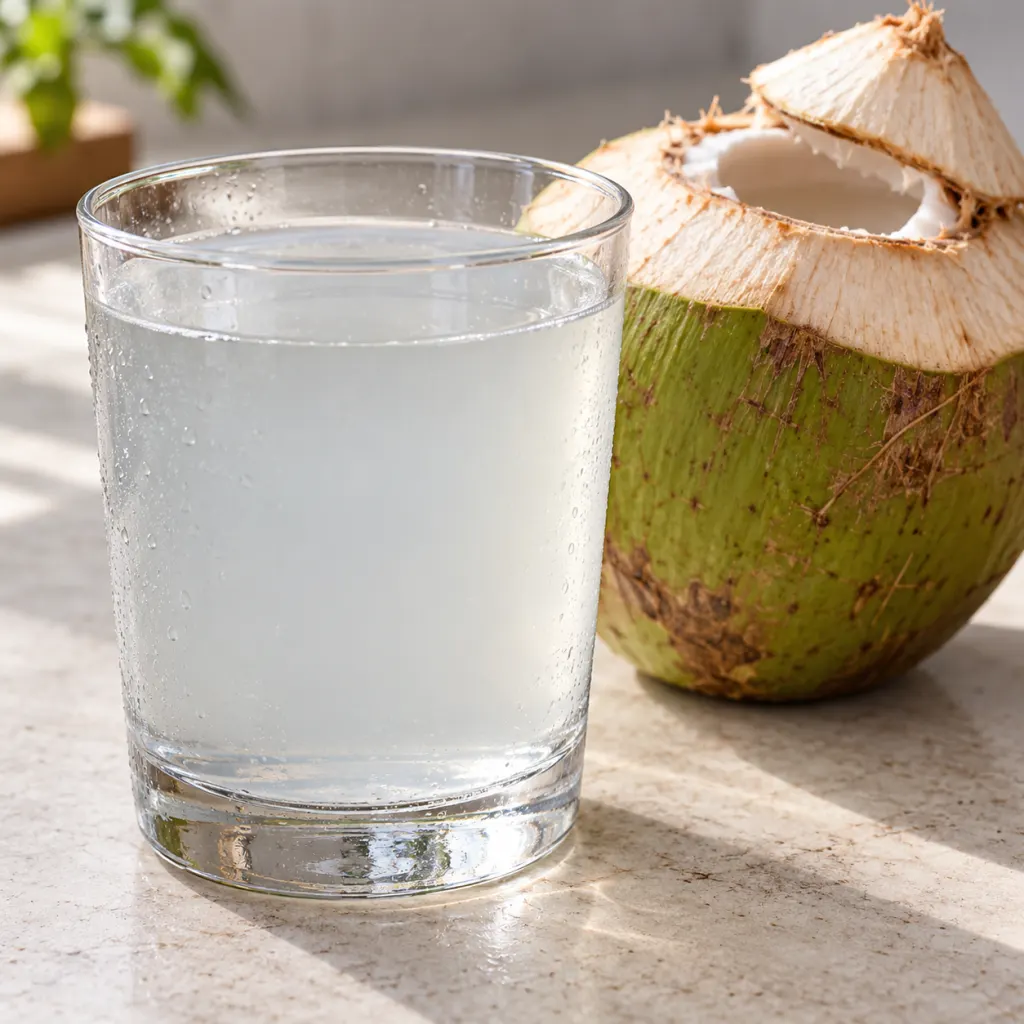
Coconut water is the naturally occurring liquid inside a coconut. Coconut milk is a different product made using grated coconut flesh and liquid. The similar names do not make the two interchangeable in a glass or a recipe. Coconut water generally has a lightly sweet, nutty flavor rather than the creamy character associated with coconut milk. Cleveland Clinic describes these differences.
Its electrolyte content includes potassium, sodium and magnesium, but the amounts are variable. Ohio State notes that coconut maturity influences the composition. A general description of the drink therefore cannot tell you precisely what a particular bottle contains. Ohio State explains its composition.
When shopping, begin with the product name and ingredient list. Decide whether you want plain coconut water or a flavored beverage containing it. Then compare the nutrition information for those specific products.
Ordinary water remains a useful everyday baseline
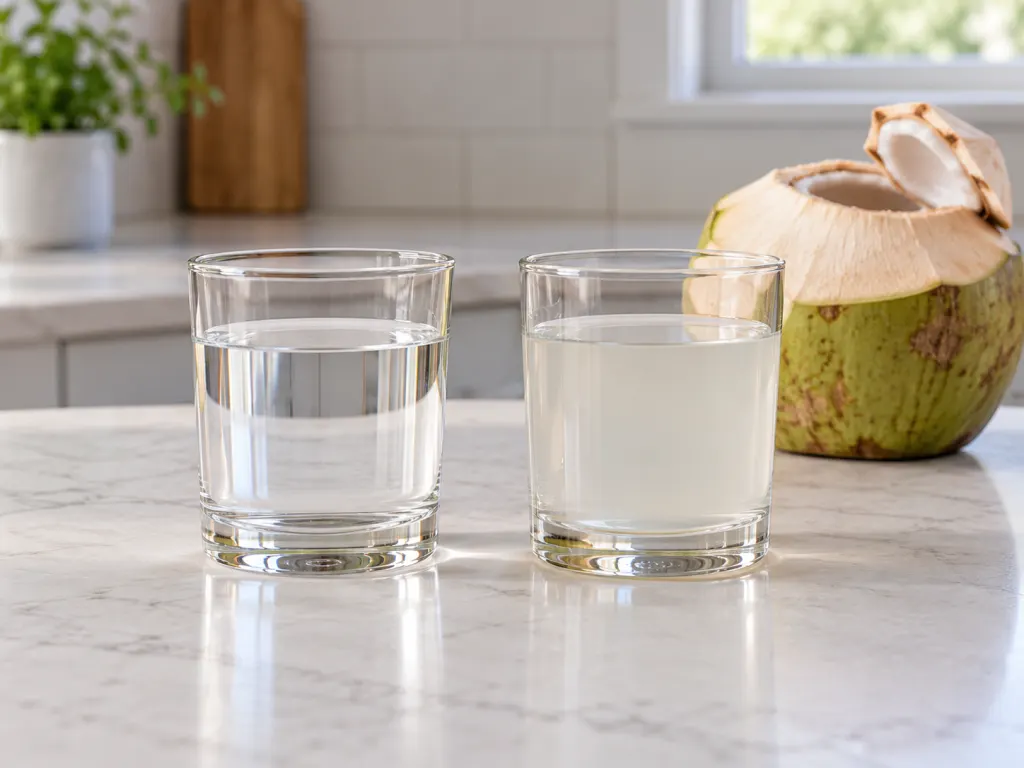
Water supplies fluid without calories. The CDC explains that daily water intake comes from drinking water, other beverages and foods, including water-rich fruits and vegetables. It also notes that fluid needs vary and increase with physical activity and hot conditions. That makes a single universal drinking target an imperfect fit for every person and every day. See the CDC guidance on water and other drinks.
For an ordinary day, compare coconut water with the simplest available option: drinking water. The presence of extra nutrients does not establish that a beverage hydrates better. Mayo Clinic makes that distinction.
If plain water feels repetitive, the CDC suggests adding lemon or lime. Our article on morning lemon water and realistic expectations offers another everyday beverage comparison. Choose a flavor because you enjoy it, without requiring every glass to deliver an exceptional benefit.
Potassium matters, but coconut water is only one source
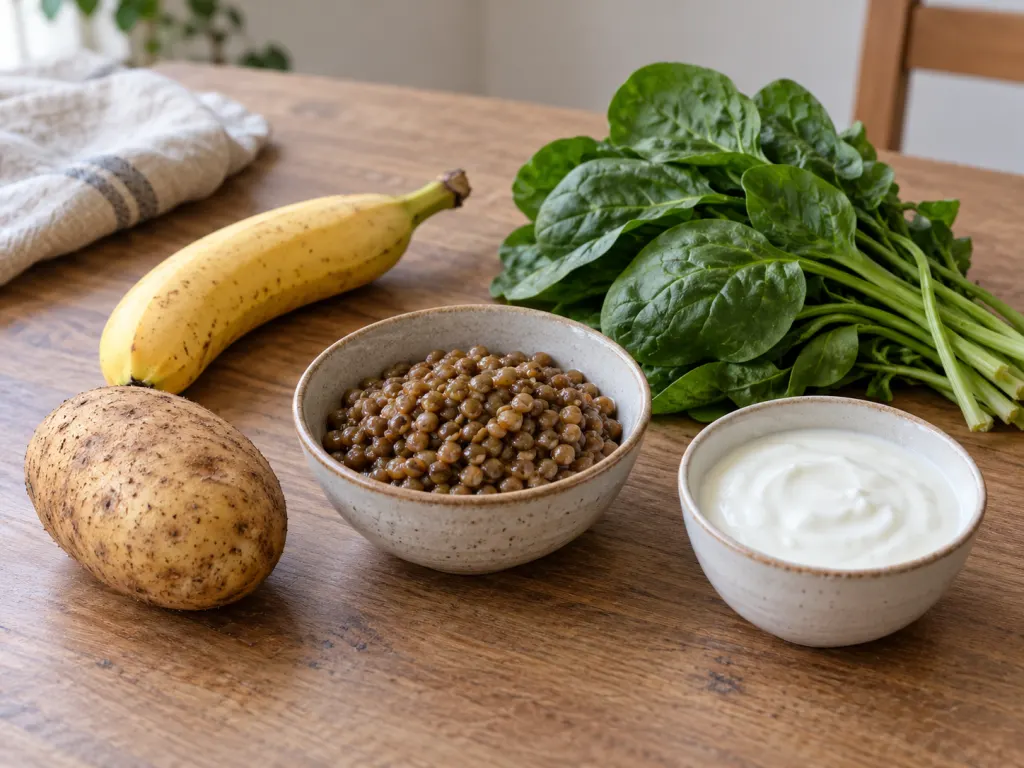
Potassium is a mineral involved in normal muscle contraction and nerve transmission. The National Institutes of Health lists many food sources, including potatoes, spinach, tomatoes, beans, lentils, bananas, milk and yogurt. Coconut water is therefore one possible contributor within a varied eating pattern, rather than a necessary purchase. The NIH potassium fact sheet explains its functions and sources.
The distinction matters when a front label emphasizes potassium. A nutrient can have an essential role without making every product that contains it essential. Consider the rest of your meals before deciding that you need a particular drink.
For example, someone who dislikes coconut water can simply leave it off the shopping list. Someone who enjoys it can evaluate it alongside other beverages. Neither person needs to organize every food choice around finding the highest potassium number on the shelf.
Exercise makes the type of electrolyte relevant
Electrolytes are not interchangeable. Ohio State explains that sodium is the main electrolyte lost in sweat, while coconut water is relatively rich in potassium and may provide less sodium and carbohydrate than athletes need for recovery. A potassium-focused label consequently does not establish that a drink matches the demands of a long, sweaty session. Read Ohio State’s exercise comparison.
Cleveland Clinic also cautions that some exercise research used coconut water with added sodium. Results from those formulations should not automatically be applied to every plain product. Its review discusses this limitation.
A useful question is whether you are choosing an enjoyable drink after ordinary activity or planning fluid and fuel for prolonged exercise. For the second situation, a sports dietitian can help evaluate the activity and the product together. A tropical image on a carton cannot answer those questions.
Read total sugar and added sugar separately
On a U.S. Nutrition Facts label, total sugars includes naturally occurring sugars and any added sugars. The added sugars line identifies the portion introduced through ingredients such as sugar, syrups or honey. Added sugars are already included in total sugars; the two figures should not be added together. The FDA explains these label terms.
This gives you two separate questions to ask: how much sugar is in the amount you intend to drink, and how much of it is added? An unsweetened product can still contain naturally occurring sugar. Check both lines rather than assuming a front-label description tells the whole story. See the FDA’s explanation of total and added sugars.
If your goal is to avoid added sweeteners, compare plain versions first. If you prefer a flavored version, make that choice with its label in view rather than assuming its composition matches the plain drink beside it.
A portion is not always the whole container
Check serving size and servings per container before comparing nutrient numbers. The FDA explains that label amounts usually refer to one serving, and that a serving size describes an amount typically consumed rather than a recommendation for you. Drinking two servings means consuming twice the listed calories and nutrients. See the FDA guide to using Nutrition Facts.
For a hypothetical example, imagine a carton containing two servings, each with 10 grams of total sugar. The entire carton would contain 20 grams. Those are illustrative numbers, not a claim about any brand. Use the same arithmetic for the actual label in your hand.
For a fair comparison, put competing products on the same volume basis. Comparing one product’s small serving with another product’s whole bottle can make differences look larger or smaller than they are. Choose the amount you intend to pour before deciding which label best fits your preferences.
Make a shopping comparison that answers your own question
A short comparison can be more useful than a long list of front-label promises. Take a moment to check:
- Product identity: Is this plain coconut water or a blended beverage?
- Comparison amount: Are you comparing equal volumes?
- Your intended portion: Will you drink a glass or the whole carton?
- Sugar information: What do the total and added sugar lines say?
- Mineral information: What potassium and sodium amounts are actually listed?
- Practical value: Do you enjoy the taste enough to justify the price?
For a budget comparison, divide the shelf price by the volume you will receive. A larger carton might be cheaper per glass, but that is useful only if its size suits your household. Buying the smallest package for a first taste can be a reasonable preference decision.
You do not need a brand ranking to make this choice. Decide what you want, compare like with like, and let the actual product information guide the purchase.
Kidney-related restrictions need individual guidance
People with chronic kidney disease do not all follow the same eating plan. NIDDK explains that needs change with kidney function and that some people need individualized limits on potassium or liquids. Kidney disease can make it harder to remove excess potassium, so a drink promoted for its potassium content may require particular attention. NIDDK explains individual nutrition and fluid needs.
If a qualified health professional has given you a potassium or fluid restriction, ask how coconut water fits before making it a routine drink. Bring the label and describe the amount you usually pour. That is more useful than asking whether coconut water is broadly good or bad. NIDDK recommends working with your care team.
This is an individual planning question. A friend’s allowance, a serving suggested online or an appealing package claim cannot establish what belongs in your own plan.
Medical rehydration is a different situation
Coconut water is a beverage, not a medical oral rehydration solution. Its variable electrolyte composition should not be confused with a product selected for illness-related fluid losses. Ohio State describes its electrolyte limitations, while the NHS directs people with substantial losses from vomiting or diarrhea to a pharmacist for suitable oral rehydration solutions. Ohio State’s composition guidance and NHS dehydration guidance address these different contexts.
If illness is making it difficult to keep up with fluid losses, seek professional advice rather than choosing a drink solely because its packaging mentions electrolytes. The NHS advises urgent help for signs including persistent dizziness on standing, unusually reduced urination, or rapid breathing. Confusion, difficulty breathing or difficulty waking someone require emergency help. Contact the appropriate urgent or emergency service where you live. See the NHS urgent-care boundaries.
The distinction is practical: selecting a refreshment at lunch and responding to significant fluid loss require different decisions.
Put the drink in a realistic everyday routine
Consider three ordinary situations. At your desk, you might keep drinking water nearby and choose coconut water occasionally because you enjoy it. At the grocery store, you might compare two cartons by equal volume and buy the one that matches your taste and budget. Before a long sporting event, you might set aside the shopping comparison and seek advice suited to that activity.
These examples begin with a purpose rather than with a product. They also leave room for preference: you can enjoy coconut water without making it the centerpiece of your routine, and you can skip it without needing an elaborate substitute.
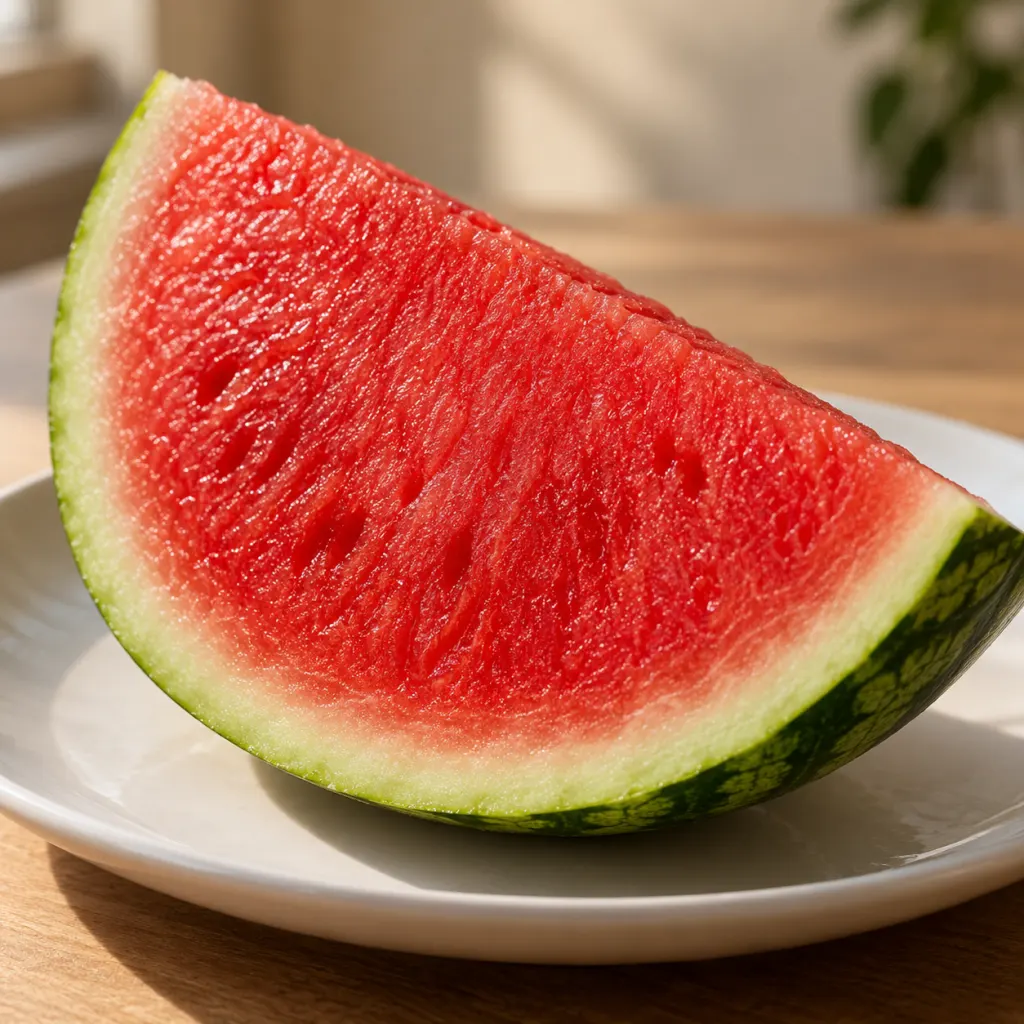
Food also contributes to total water intake, as the CDC explains. Our separate article on watermelon nutrition, hydration and portions explores another food-focused comparison. The CDC describes how foods and drinks contribute fluid.
The most useful habit is asking what a choice contributes, what it costs and whether it fits the situation.
Wrap-Up
Coconut water can be an enjoyable drink, but everyday hydration does not require it. Mayo Clinic considers plain water a smart baseline. Choose coconut water for its taste and the composition shown on its label, while keeping the purpose of the drink in view. Read Mayo Clinic’s assessment.
Frequently Asked Questions
- → Does coconut water count toward daily fluid intake?
Yes. Beverages contribute to total water intake, alongside drinking water and foods. That does not make every beverage nutritionally identical. The CDC explains sources of daily water intake.
- → Does zero added sugar mean zero total sugar?
No. Total sugars includes naturally occurring sugars plus any added sugars. A drink can therefore list zero added sugar while still containing total sugar. The FDA explains the distinction.
- → Must everyone with kidney disease avoid coconut water?
There is no single eating plan for everyone with kidney disease. Individual potassium and fluid needs determine whether and how a drink fits. Discuss its label with your care team. See NIDDK guidance.
- → Do I need coconut water to obtain potassium?
No. Potassium occurs in many foods, including potatoes, beans, lentils, bananas, milk and yogurt. Coconut water is an optional source. The NIH lists potassium-containing foods.
References
This content was developed and refined using reliable sources.
- https://health.clevelandclinic.org/the-health-benefits-of-coconut-water
- https://health.osu.edu/wellness/exercise-and-nutrition/is-coconut-water-healthy
- https://www.mayoclinic.org/healthy-lifestyle/nutrition-and-healthy-eating/expert-answers/coconut-water/faq-20207812
- https://ods.od.nih.gov/factsheets/Potassium-Consumer
- https://www.cdc.gov/healthy-weight-growth/water-healthy-drinks/index.html
- https://www.fda.gov/food/nutrition-facts-label/how-understand-and-use-nutrition-facts-label
- https://www.fda.gov/food/nutrition-facts-label/added-sugars-nutrition-facts-label
- https://www.niddk.nih.gov/health-information/kidney-disease/chronic-kidney-disease-ckd/healthy-eating-adults-chronic-kidney-disease
- https://www.nhs.uk/conditions/dehydration