 Save
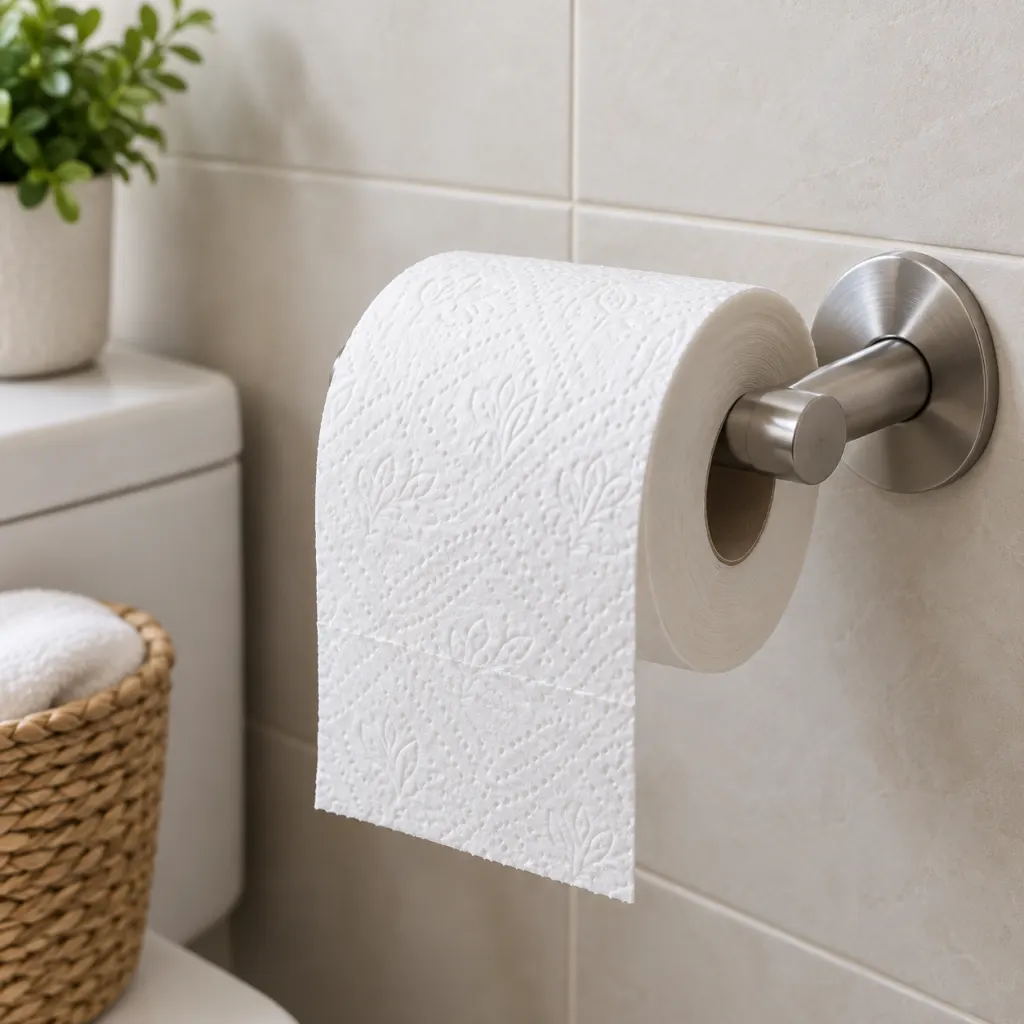
The correct way to hang toilet paper in most bathrooms is over the roll, so the loose end comes forward and down the front. That answer is not a law of etiquette, but it is the most practical default: the end is visible, one-handed tearing is easier, and the paper is less likely to rest against the wall or bracket. The under position has a real place, too, especially in homes where a pet, small child, or tight holder keeps turning one roll into a floor-length streamer.
Start With The Practical Rule
The over position works best because it makes the paper behave like a small, predictable tool. The loose end faces the person using it, so nobody has to pat around the back of the roll or spin it blindly to find the edge. That matters in a guest bathroom, a dim half bath, and any bathroom used by children or older adults who may appreciate a more visible starting point. It also leaves the paper hanging away from the wall when the holder is installed with enough clearance.
A good rule is simple: hang it over unless your bathroom gives you a reason not to. Then check the result instead of defending the theory. If the sheet hangs forward, tears cleanly, and does not drag against paint, tile, or the holder arm, the setup is doing its job. If the paper rubs the wall, unrolls too easily, or wedges against a decorative holder, change the orientation or adjust the holder rather than treating the debate as settled by habit alone.
Why Over Usually Feels Easier
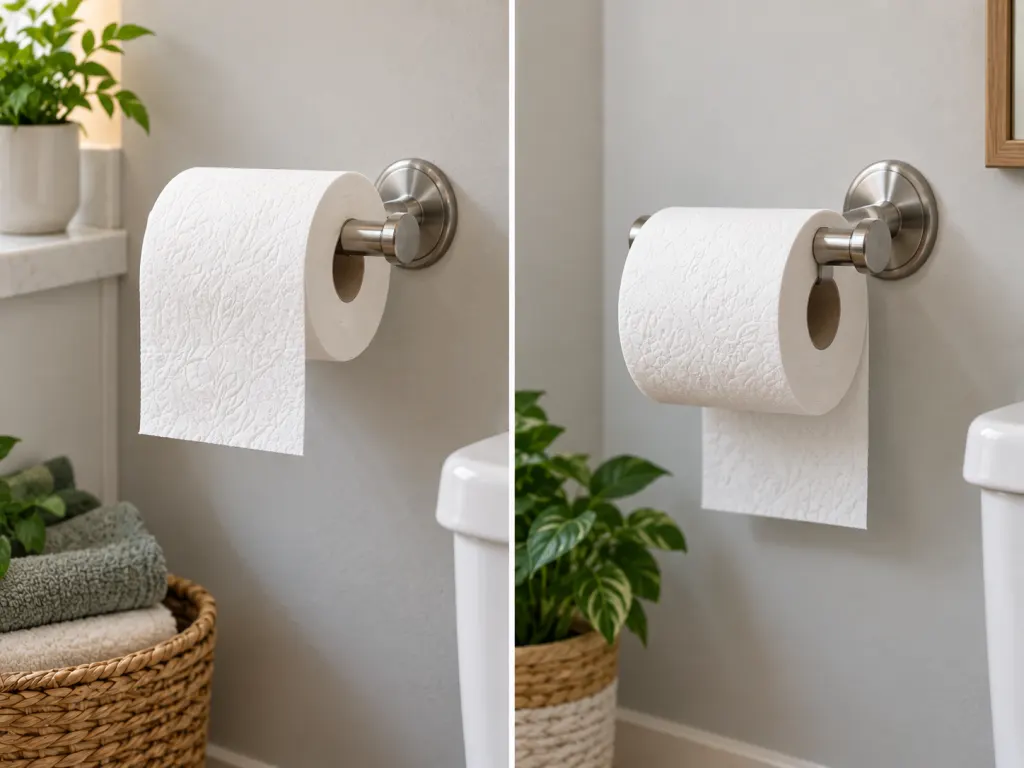
Over is easier for three ordinary reasons: visibility, reach, and tear angle. The leading edge is in plain view, which saves a small but repeated search. The hand reaches forward instead of behind the roll, which is more natural for most wall-mounted holders. The pull also comes slightly away from the wall, giving the perforations a better chance to separate without the roll scraping the surface behind it.
- Visibility: the loose end is easier to spot quickly.
- Reach: the hand does not need to reach around the roll.
- Clearance: the sheet is less likely to touch the wall when the holder has enough space.
- Guest use: visitors do not have to guess how the roll is supposed to turn.
What The Old Patent Adds To The Conversation
The famous historical argument points to Seth Wheeler's toilet-paper-roll patent drawing, which is often described as showing the paper coming over the roll. That image is interesting context, but it should not be treated as a household command. The U.S. Patent and Trademark Office explains that Patent Public Search provides access to U.S. patents and published applications, and its basic search page lets users look up patents by publication or patent number. Patent records can show how an invention was drawn or described; they do not settle every modern bathroom layout.
Hygiene Matters More Than Orientation
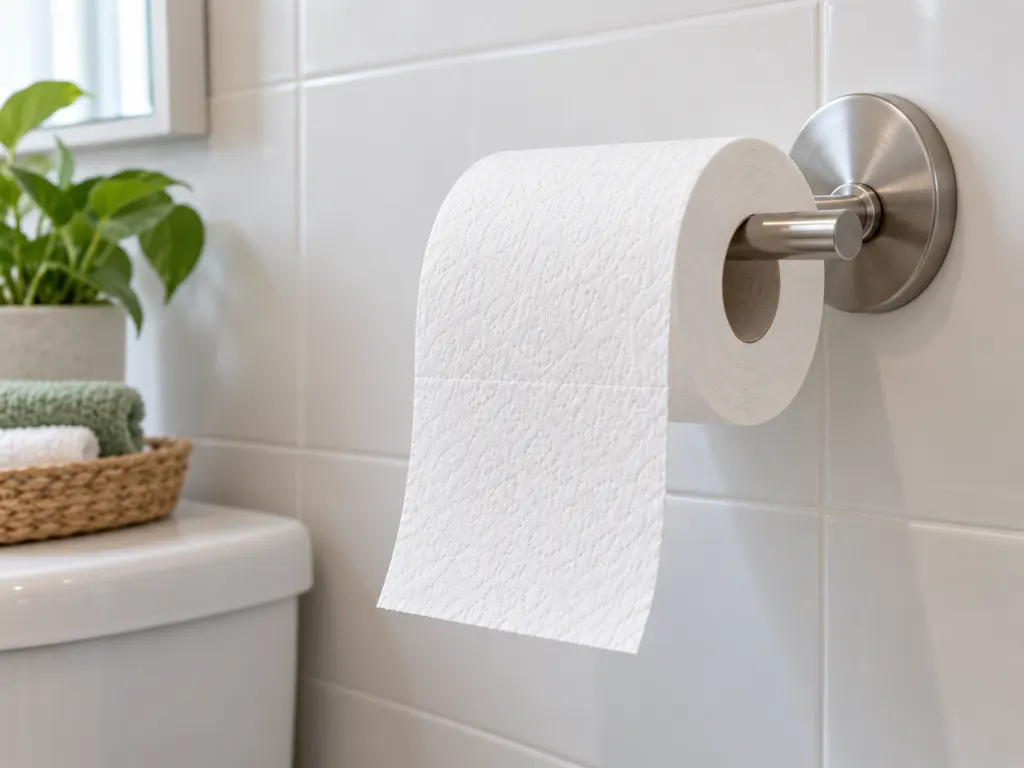
The direction of the roll can reduce needless contact with nearby surfaces, but it is not the main hygiene habit in a bathroom. The bigger routine is regular cleaning and handwashing. The CDC says cleaning removes germs, dirt, and impurities from home surfaces, and it advises regular attention to high-touch surfaces. In a bathroom, that usually means the flush handle, faucet handles, light switch, door handle, toilet paper holder, and any nearby wall area that hands often touch.
Cleaning does not need to be theatrical. For ordinary home upkeep, use a cleaner suitable for the surface, follow the product label, and let the surface dry as directed. The EPA distinguishes cleaning, sanitizing, and disinfecting: cleaning removes dirt and organic matter with soap or detergent, while sanitizers and disinfectants are regulated for specific antimicrobial claims. For a normal bathroom, the toilet paper holder should be part of the same calm routine as other touch points, not a special project every time the roll is changed.
Handwashing Is The Habit That Carries The Most Weight
After using the toilet, wash your hands with soap and clean running water. The CDC lists after using the toilet as a key time to wash hands and describes a simple sequence: wet, lather, scrub, rinse, and dry. Its hand hygiene FAQ also notes that scrubbing for 20 seconds helps remove more germs and chemicals from the hands. That habit matters far more than whether the roll is over or under.
When Under Is The Better Choice
The under position is not wrong; it is just less convenient for many adults. It becomes useful when the over position creates a recurring problem. A cat that bats downward, a curious toddler, a roll placed beside a swinging cabinet door, or a freestanding holder in a narrow space can all make the front-facing sheet too easy to pull. Turning the roll under places the loose end behind the roll, which can slow down accidental unspooling because the paper does not fall forward as readily.
Check The Holder, Not Just The Roll
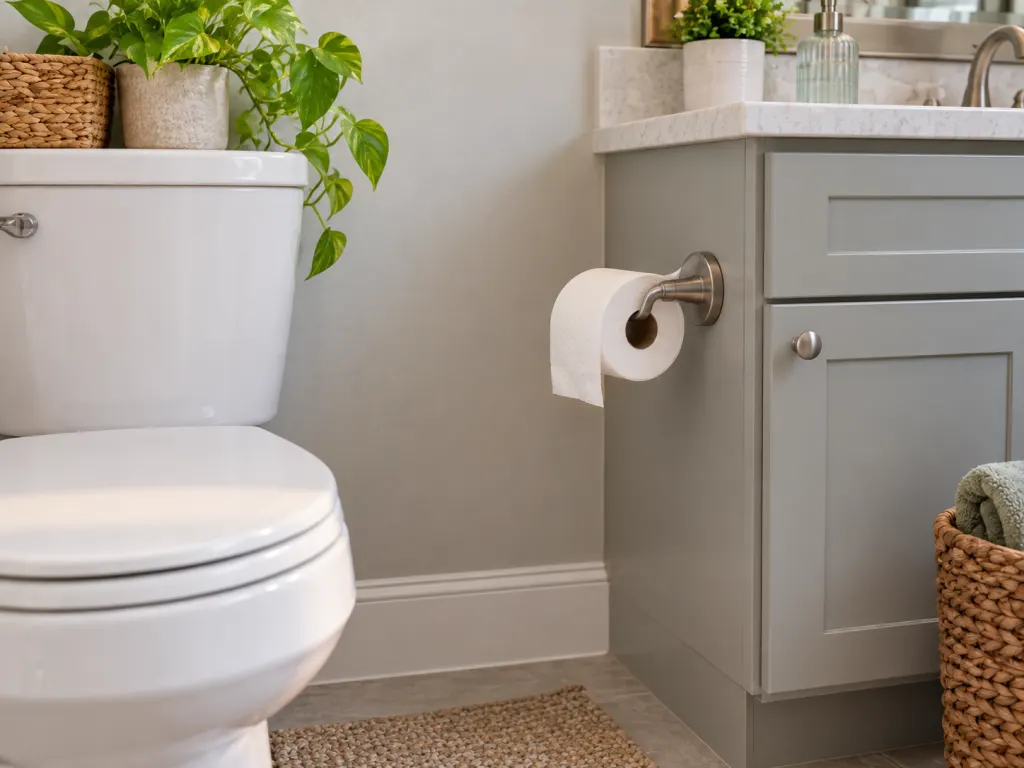
Sometimes the real problem is the holder. If the spindle squeezes the roll too tightly, the paper may shred no matter which direction it faces. If the holder sits too close to the wall, an over-hung roll may still brush the surface. If the holder is installed far behind the seated position, under may feel awkward because the user has to reach farther back to find the edge. The most comfortable setup is one where the roll turns smoothly, the loose end is visible, and the paper can be torn without yanking.
Leave a short tail, usually one or two squares, after changing the roll. That tiny courtesy keeps the next person from digging for the edge. Avoid folding the end into a decorative point in a shared bathroom where people may prefer less handling. A neat loose edge is enough. The goal is not a hotel display; it is a roll that is cleanly placed, easy to start, and unlikely to touch surfaces it does not need to touch.
If Toilet Paper Bothers Your Skin
If toilet paper feels scratchy or seems to leave irritation, the direction of the roll is probably not the main issue. Paper texture, fragrance, dyes, wiping pressure, moisture, and personal skin sensitivity can all matter. MedlinePlus notes that scents or dyes in toilet paper or soap can irritate the anal area and suggests gentle cleaning without scrubbing. If discomfort is persistent, worsening, or paired with concerning symptoms such as bleeding, fever, discharge, or a new lump, it is sensible to contact a qualified health professional.
A Simple Bathroom Setup Checklist
Use this quick check after changing the roll, especially in a guest bath or small bathroom:
- Hang the roll over as the default, with the loose end facing forward.
- Make sure the paper does not brush the wall, tile, cabinet, or holder bracket.
- Leave a short, visible tail so the next person can find the edge.
- Flip to under if pets or young children keep unrolling it.
- Wipe the holder during regular bathroom cleaning.
- Wash hands after using the toilet and after handling bathroom cleaning products.
The Etiquette Answer Is Flexibility
Household etiquette works best when it makes daily life easier. In a home where everyone can reach the roll, over is the friendliest default. In a home with a toddler who empties the roll twice a day, under may be the calmer choice. In a powder room used by guests, over usually looks more obvious. In a compact bathroom with a poorly placed holder, the best answer may be moving the holder, using a freestanding stand, or choosing a slimmer roll rather than arguing about direction.
So the practical answer is clear but not rigid: over is correct for most bathrooms because it is easier to see, grab, and tear. Under is correct when it solves a real household problem. The best bathroom setup is the one that keeps the paper accessible, keeps unnecessary contact low, and fits the people who actually use the room.
Wrap-Up
Hang toilet paper over the roll in most bathrooms, with the loose end coming down the front. It is easier to find, easier to tear, and usually better at keeping the sheet away from the wall. Use the under position when pets, toddlers, or a tricky holder make the roll unwind too easily. Clean the holder along with other bathroom touch points, wash your hands after using the toilet, and choose gentler paper if the product itself feels irritating.
Frequently Asked Questions
- → Is over really the correct way to hang toilet paper?
For most bathrooms, yes. Over is the best practical default because the loose end is visible, easy to reach, and less likely to drag against the wall when the holder has enough clearance. It is a usability choice, not a formal rule.
- → When should I hang toilet paper under instead?
Use under when it solves a real problem. It can help when a pet or small child keeps pulling the paper down, when a cramped holder makes the roll spin too freely, or when the bathroom layout makes an over-hung roll rub against another surface.
- → Does the old toilet paper patent prove the answer?
No. Patent records are useful historical context, and the USPTO provides public tools for searching patent documents, but a patent drawing is not the same as a modern household rule. The better answer comes from ease of use in the actual bathroom.
- → Is toilet paper direction a hygiene issue?
Direction can help keep the loose sheet from touching the wall or holder bracket, but routine cleaning and handwashing matter more. Keep the holder and nearby high-touch surfaces clean, and wash your hands after using the toilet.
- → What if toilet paper irritates my skin?
Try a softer, unscented, dye-free paper and avoid scrubbing. If irritation persists, worsens, or comes with symptoms such as bleeding, fever, discharge, or a new lump, contact a doctor or another qualified health professional.
References
This content was developed and refined using reliable sources.
- https://www.uspto.gov/patents/search/patent-public-search
- https://ppubs.uspto.gov/basic
- https://www.cdc.gov/hygiene/about/when-and-how-to-clean-and-disinfect-your-home.html
- https://www.cdc.gov/clean-hands/about/index.html
- https://www.cdc.gov/clean-hands/faq/index.html
- https://www.epa.gov/coronavirus-and-disinfectants/whats-difference-between-products-disinfect-sanitize-and-clean
- https://www.medlineplus.gov/ency/patientinstructions/000689.htm