 Save
Drying laundry indoors releases moisture into the air, which can make a room feel damp and encourage condensation on cold surfaces. This guide shows you how to reduce humidity while your clothes dry, using practical steps supported by housing, energy, and public-health guidance. The goal is simple: help laundry dry while keeping the room drier and easier to manage.
Step 1: Run an extra spin cycle before hanging clothes
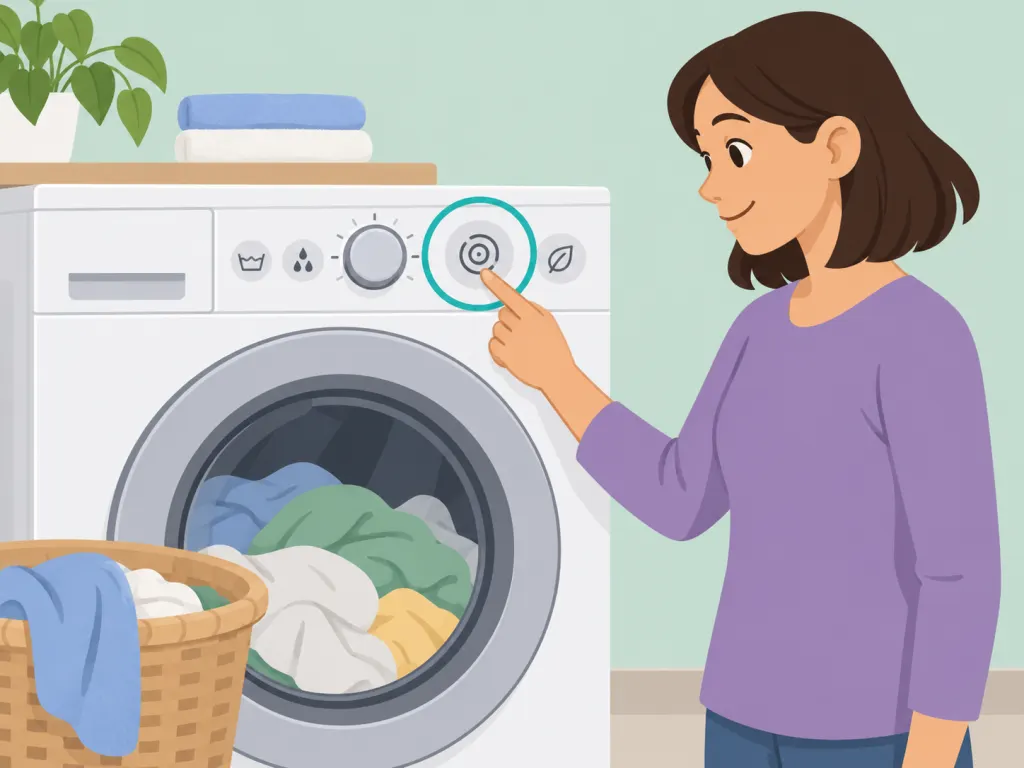
Remove as much water as you can before the laundry reaches the drying rack. NHS housing guidance suggests using the washing machine spin cycle before indoor drying, because wetter clothes release more moisture into the room as they dry. Check garment care labels first so delicate items are not damaged by a stronger spin.
Step 2: Choose one ventilated drying room
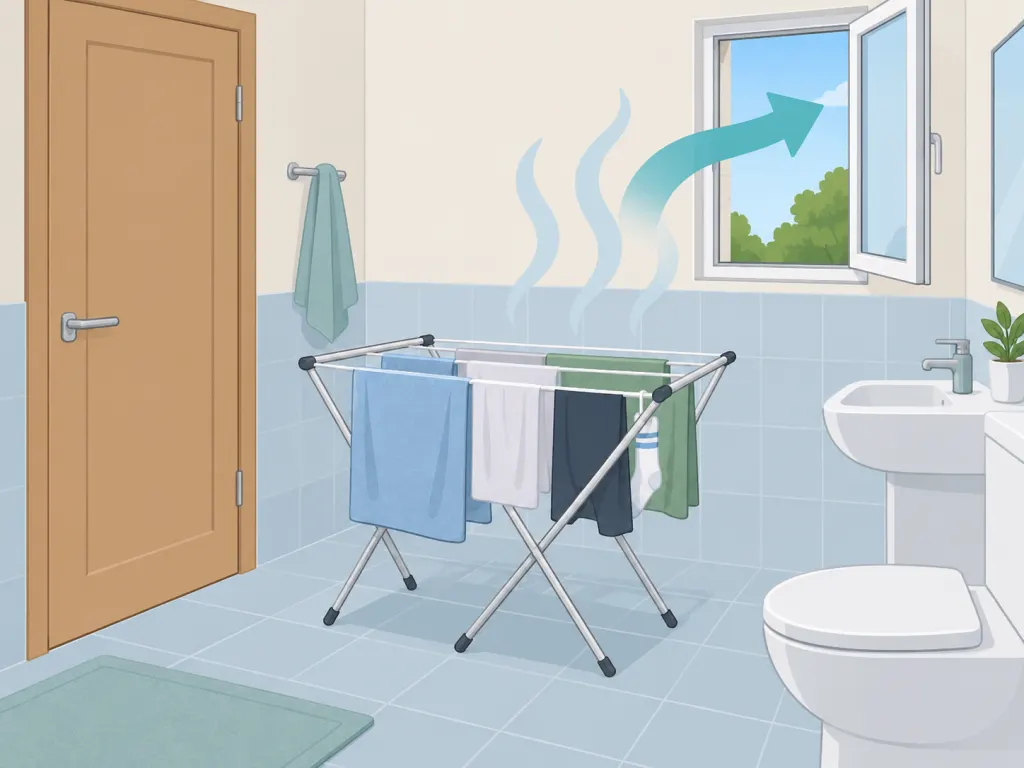
Keep the drying rack in one room instead of spreading damp laundry around the home. If possible, use a bathroom or utility room with an extractor fan or a window, and close the door so moisture is easier to vent outside. Oxford City Council recommends drying clothes outdoors when possible, and using a bathroom with the door closed and a window open when indoor drying is necessary: their condensation guidance.
Step 3: Space garments apart on the rack
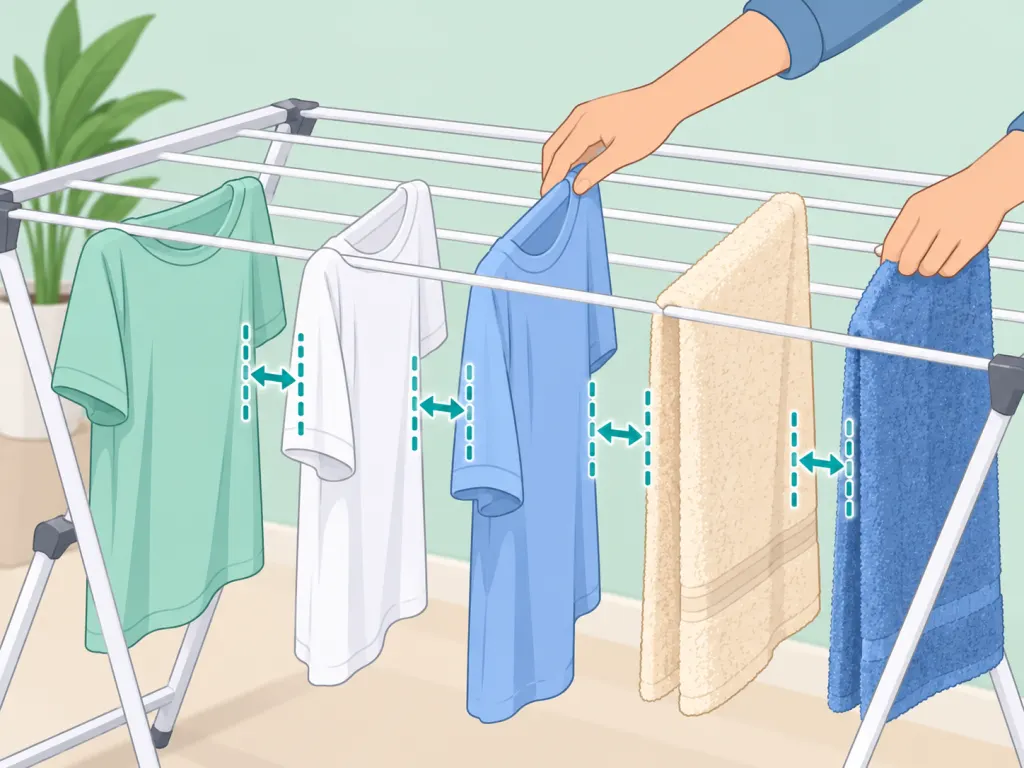
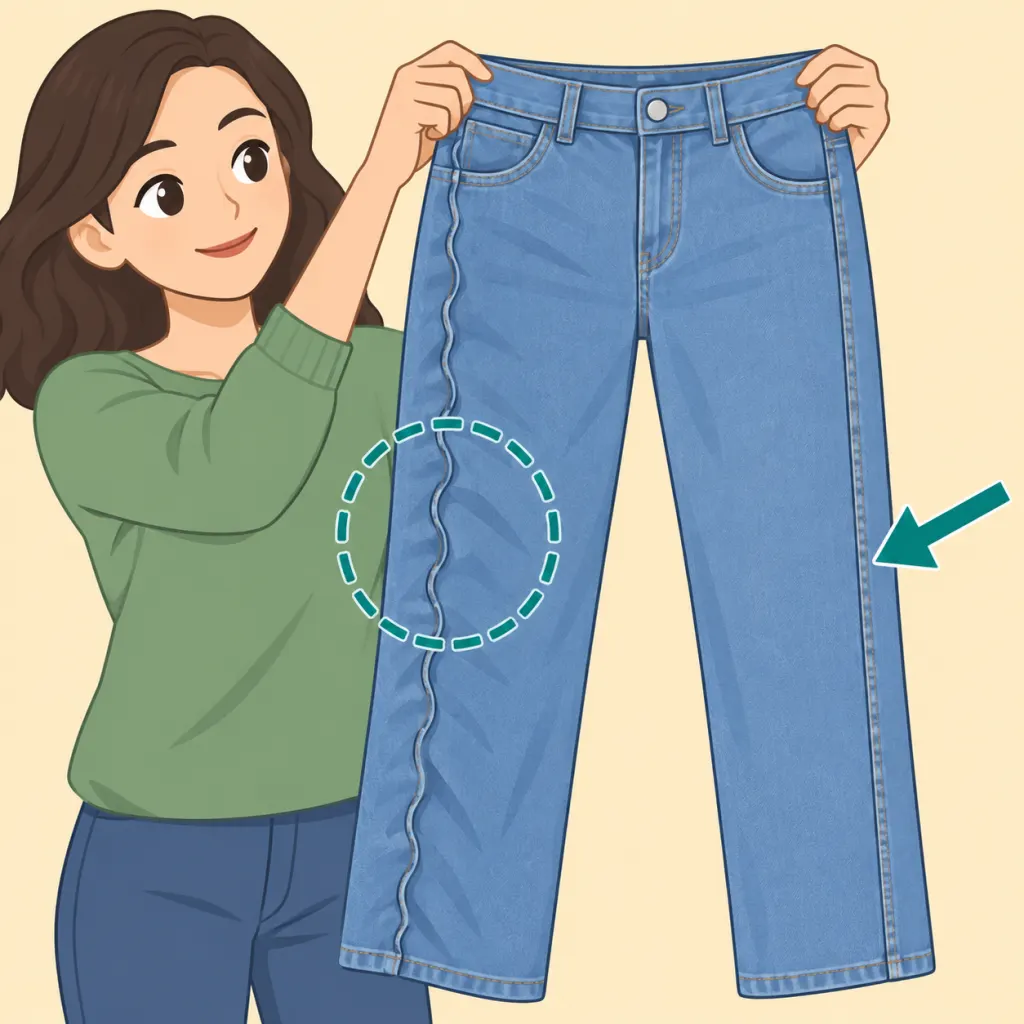
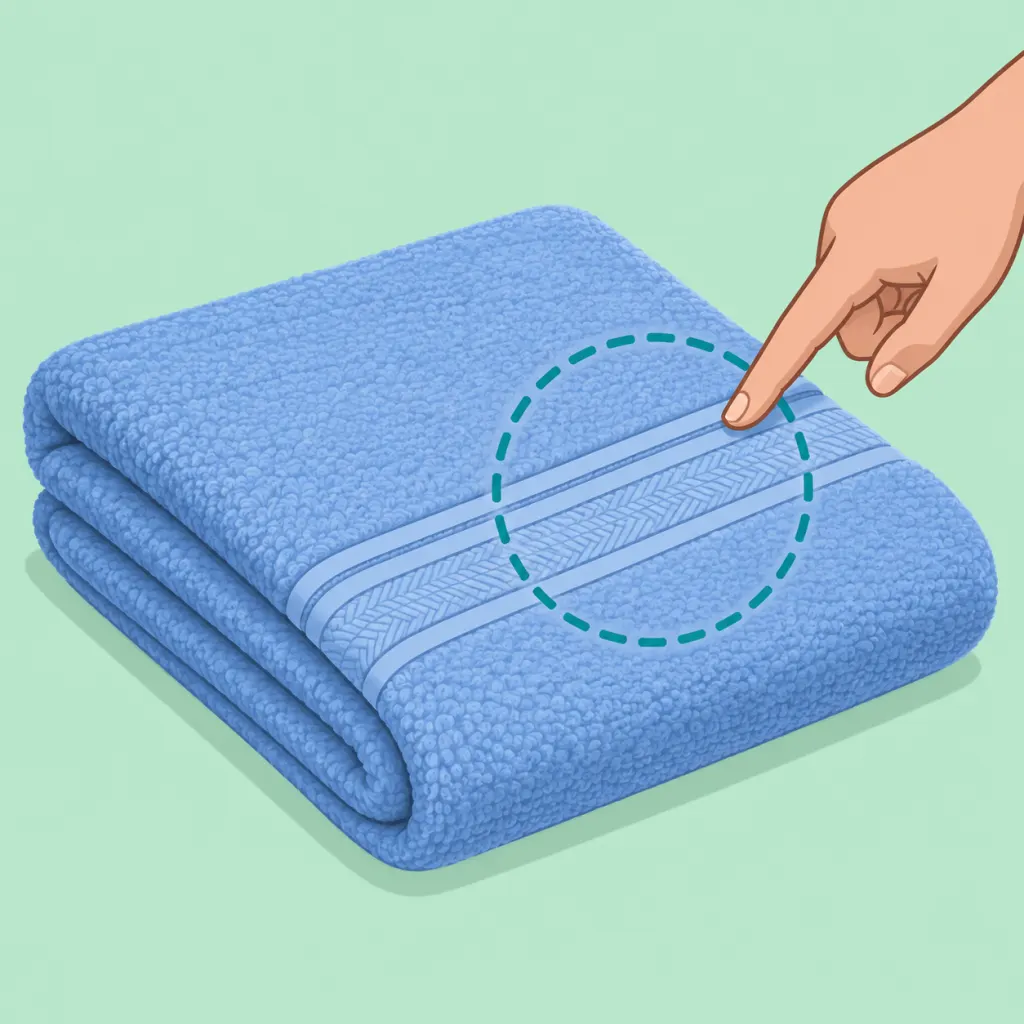
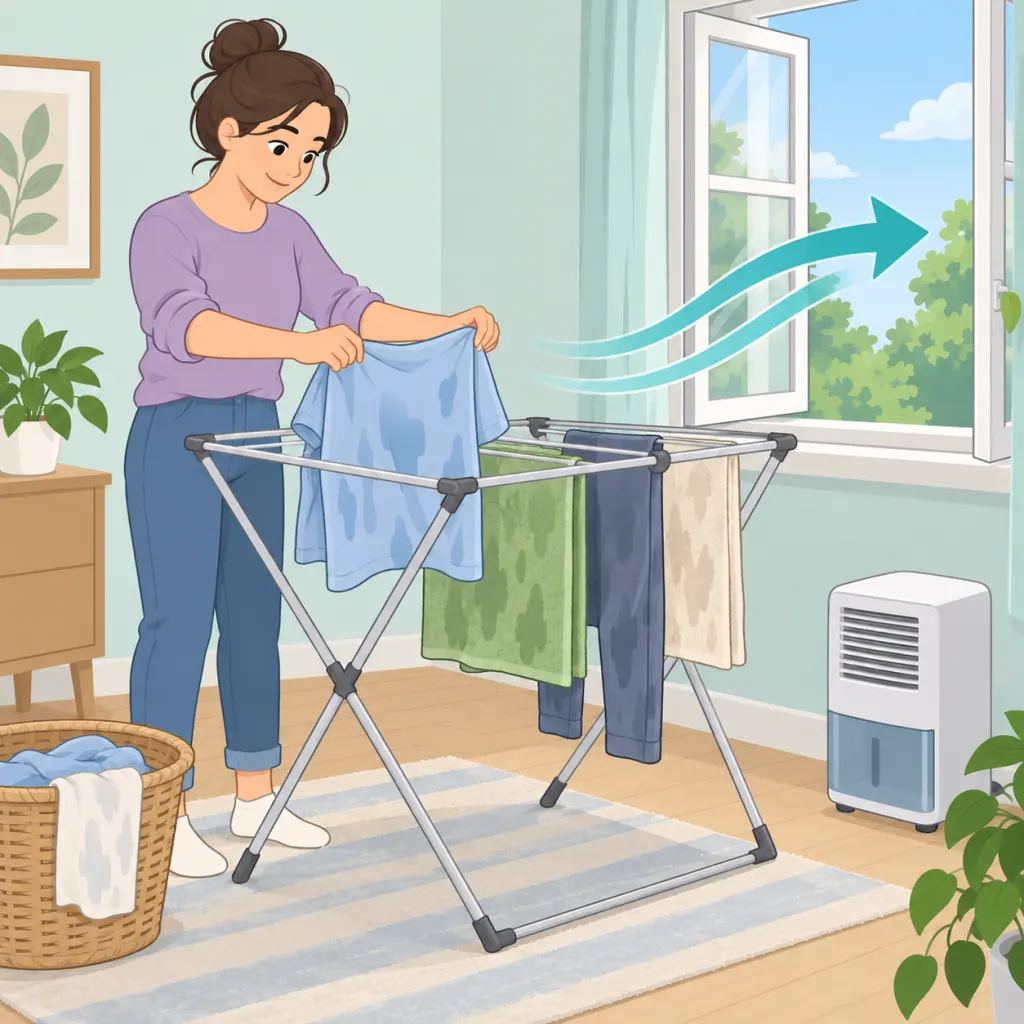
Hang clothes with gaps between them so air can move around each item. Thick items such as towels and jeans dry better over two bars or on separate hangers rather than folded tightly together. Faster drying means less time for water vapor to build up indoors.
Step 4: Vent moisture outside while the load dries
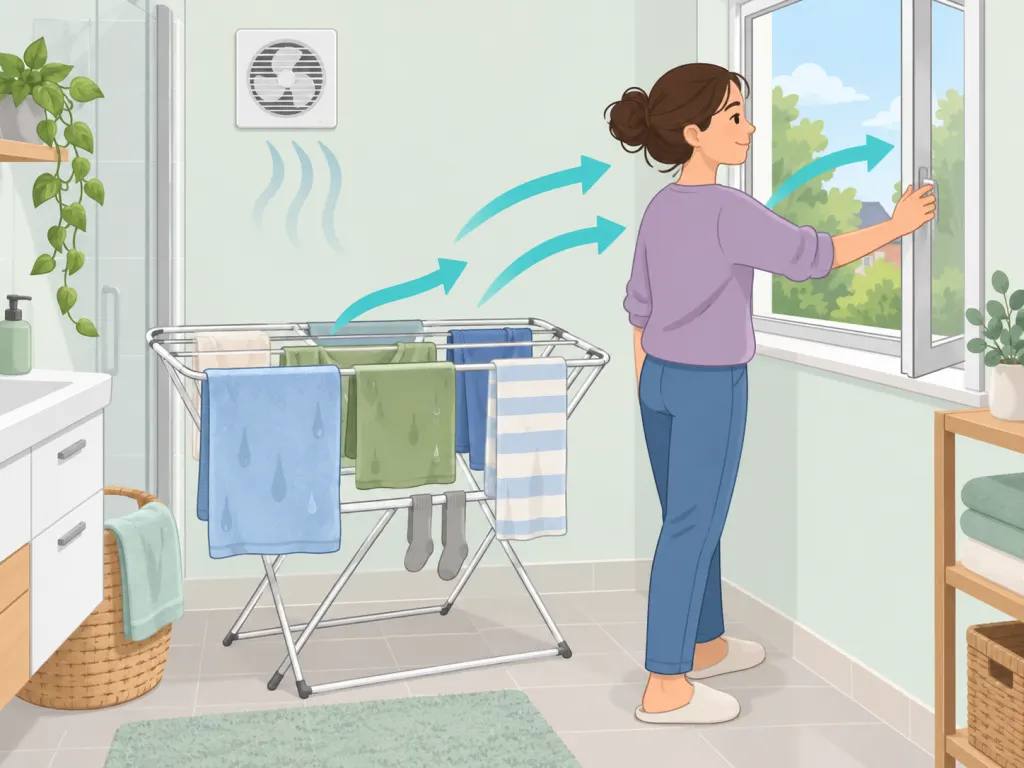
Open a window slightly or run an extractor fan while the laundry is drying, as long as it is safe and practical. The EPA says ventilation, open windows when practical, exhaust fans, and dehumidifiers can help reduce indoor humidity: EPA moisture guidance. If the weather outside is very humid or rainy, use short bursts of ventilation or a dehumidifier instead of leaving the room open for hours.
Do not drape wet clothes over radiators, and avoid using unvented gas or paraffin heaters near the drying area. Oxford City Council advises avoiding radiator drying, and the EPA notes that moisture-producing appliances and combustion heaters can increase indoor humidity unless vented outdoors. Use a rack, steady room heat, and ventilation instead.
Step 6: Use a dehumidifier when the room stays damp
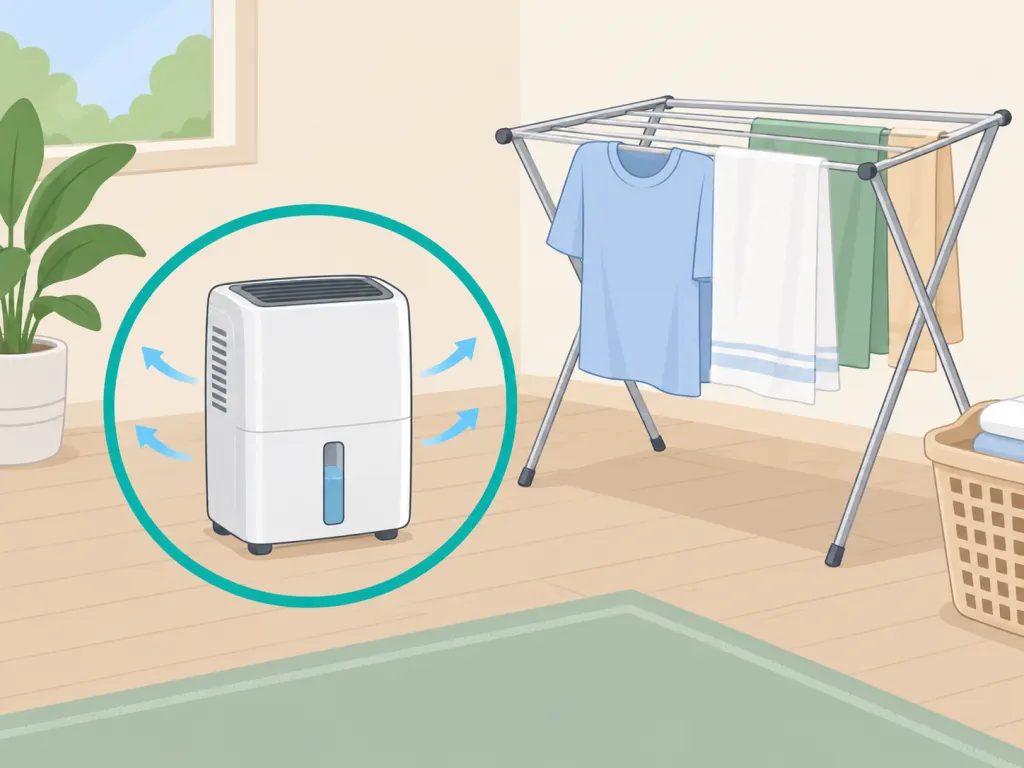
If windows mist up, the room smells musty, or a hygrometer stays high, run a dehumidifier near the drying rack with doors and windows closed. ENERGY STAR says portable dehumidifiers work best with good air circulation around the unit and closed doors and windows in the space being dehumidified: their dehumidifier guidance. Empty the tank regularly and follow the manufacturer’s electrical-safety instructions.
Step 7: Wipe condensation and improve airflow around cold spots
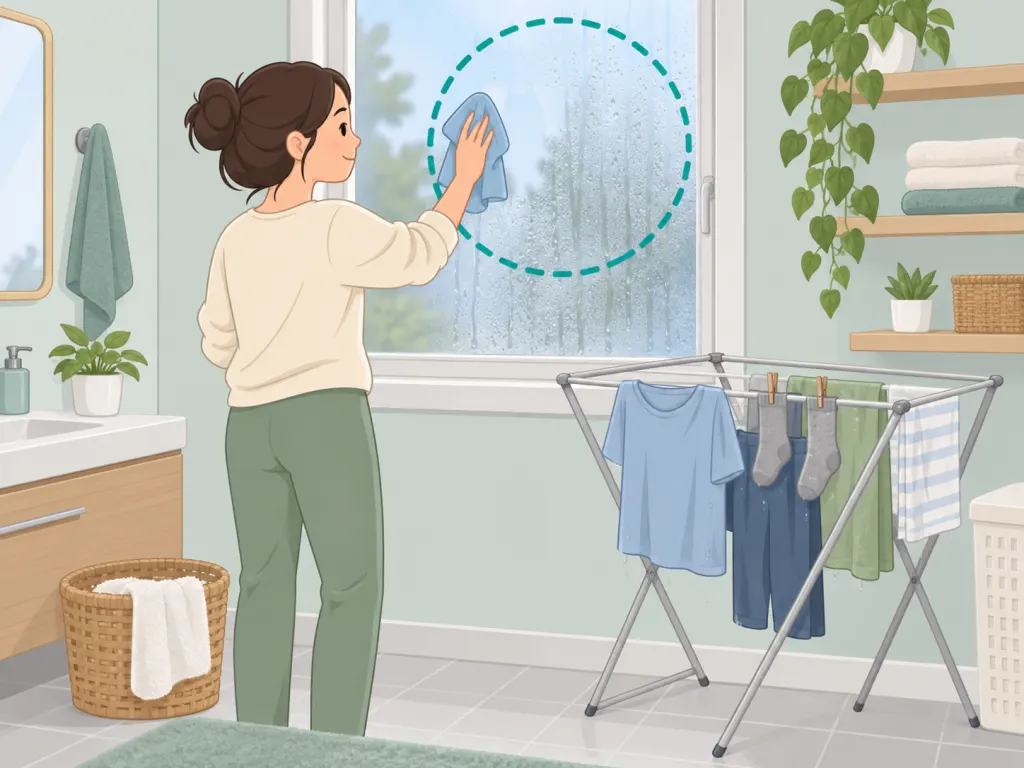
If condensation forms on windows, sills, walls, or pipes, wipe it up and wring the cloth into a sink rather than drying it on a radiator. Condensation can signal high humidity, and the EPA recommends drying wet surfaces quickly and reducing the moisture source. Leave small gaps behind furniture on external walls, since poor airflow in corners and cupboards can make condensation worse.
Step 8: Seek help for mold, persistent damp, or health concerns
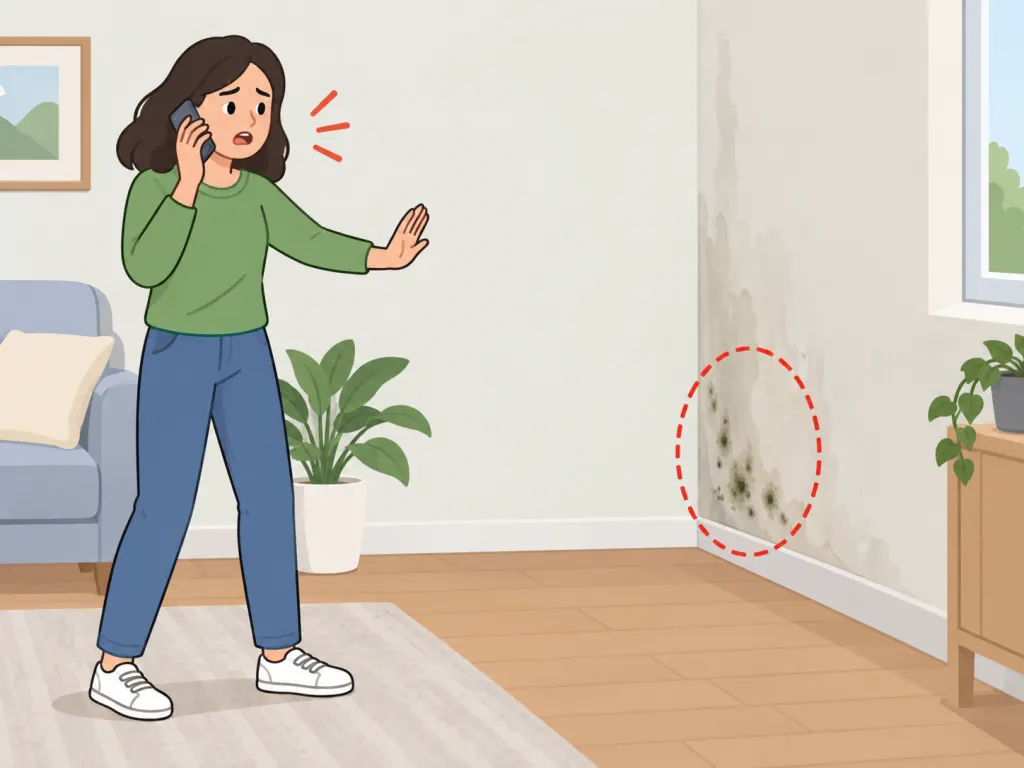
If you see or smell mold, clean it up and fix the moisture problem rather than only drying the air. The CDC says mold grows where moisture is present and can bother some people’s nose, throat, breathing, eyes, or skin: CDC mold information. Talk to a qualified health professional if symptoms concern you, and ask a landlord, building manager, or qualified contractor for help if damp or mold keeps returning.
Wrap-Up
The bottom line: remove as much water as possible before hanging laundry, dry it in one ventilated room, keep clothes spaced apart, and use a dehumidifier or fan when the room stays damp. Watch windows, walls, and musty smells so you can fix moisture problems early.
Frequently Asked Questions
- → Is it bad to dry laundry indoors?
It is not automatically bad, but it does add moisture to the room. If you dry clothes inside, use ventilation, keep the laundry in one room, and monitor condensation so dampness does not linger.
- → What humidity level should I aim for?
The EPA advises keeping indoor humidity below 60% if possible, ideally around 30% to 50% relative humidity. A small hygrometer can help you decide when to ventilate or run a dehumidifier.
- → Should I open a window while drying clothes indoors?
Yes, when outdoor conditions allow it. Opening a window or using an extractor fan helps moisture leave the room, and housing guidance recommends doing this when laundry must be dried indoors.
- → Can I dry clothes on a radiator?
It is better to avoid radiators. Council housing guidance warns that radiator drying can add moisture to the room and make condensation more likely, especially without strong ventilation.
- → Will a bowl of salt or rice solve laundry humidity?
Do not rely on small homemade moisture absorbers for a full load of wet laundry. Trusted guidance focuses on removing moisture at the source with ventilation, outdoor drying when possible, and a properly sized dehumidifier when needed.
- → When should I worry about mold?
If you see or smell mold, the CDC recommends removing it and fixing the moisture problem. Get professional help for large, recurring, or hidden mold, or if anyone at home has symptoms that may be related to damp indoor conditions.
References
This content was developed and refined using reliable sources.
- https://www.epa.gov/mold/brief-guide-mold-moisture-and-your-home
- https://www.cdc.gov/mold-health/about
- https://www.oxford.gov.uk/preventing-damp-mould/condensation
- https://mft.nhs.uk/childrens-health-and-advice-hub/rmch-patient-leaflet-damp-mould-in-the-home
- https://www.energystar.gov/products/dehumidifiers