 Save
Natural scents may make some snakes avoid a very specific treated spot, but they should not be treated as a reliable barrier around a home. The most useful answer is practical: strong odors can be a small add-on, while yard maintenance, exclusion, and safe behavior do the real work. UF/IFAS Extension advises making the yard and house less attractive to snakes by removing hiding places, sealing openings, and reducing prey. If you use any scent-based product, treat it as temporary, read the label, and avoid risky chemicals.
Why Snakes Notice Odors
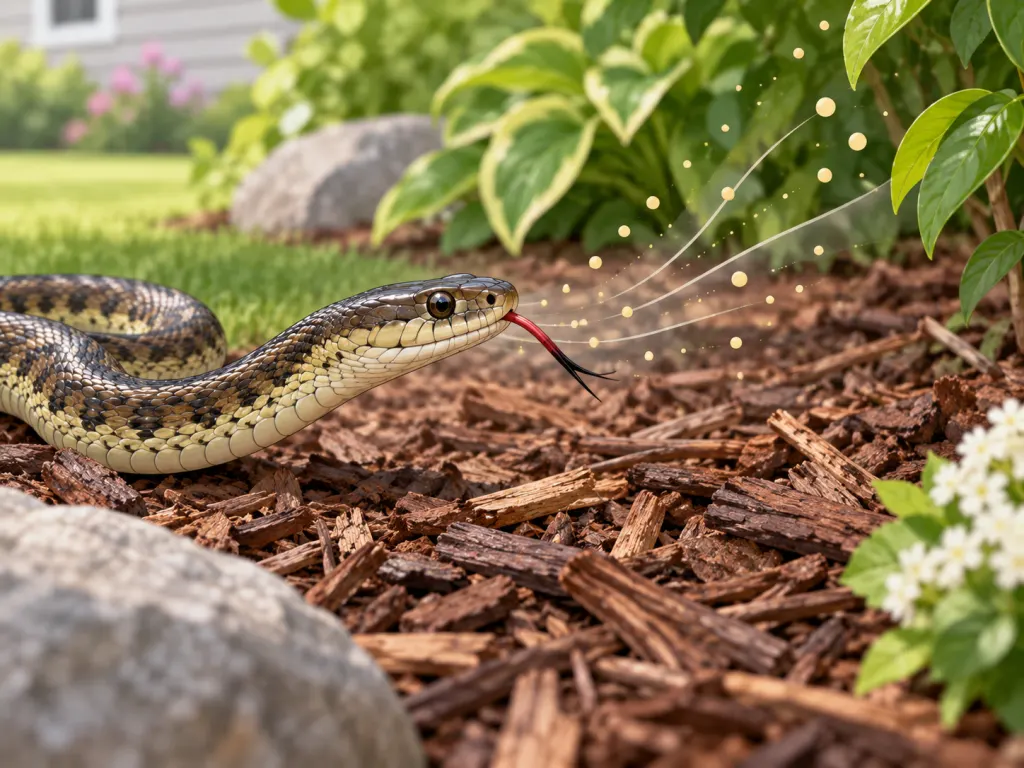
Snakes explore the world differently from people. They often flick their tongues to collect odor particles and chemical information from the environment; UF/IFAS Extension notes that tongue flicking is part of how snakes smell their surroundings, not a sign that they are acting aggressively. That biology explains why scent-based products sound plausible. A snake moving across a porch edge, mulch bed, garage threshold, or woodpile is gathering information about cover, temperature, moisture, prey, and possible threats.
The hard part is turning an unpleasant odor into dependable outdoor control. Rain, irrigation, sunlight, soil, mulch, and wind can dilute or move scent quickly. Snakes also are not all the same. A small garter snake near a damp garden, a rat snake following rodents into a shed, and a venomous snake passing along a brushy edge may respond to the same odor in different ways. That is why a scent can be interesting without being enough to trust as the main plan.
- Use scent only as a secondary measure, not the foundation of snake safety.
- Prioritize removing shelter: boards, brush piles, dense weeds, low clutter, and stacked materials on the ground.
- Reduce prey attractants by securing trash, bird seed, pet food, compost, and garage storage.
- Seal openings under doors, around pipes, at vents, and along foundation gaps.
- Give every snake space, especially when children or pets are nearby.
What Research Says About Essential Oils
The strongest scent-related evidence is limited and specific. A study by USDA-affiliated researchers, hosted by the University of Nebraska-Lincoln, tested aerosolized essential oils and plant-derived compounds on brown treesnakes. The abstract reports that cedarwood, cinnamon, sage, juniper berry, lavender, and rosemary oil aerosols produced strong irritant responses in that species, and several individual compounds, including cinnamaldehyde and eugenol, also acted as irritants in the test setting according to the publication record.
That finding is useful, but it has limits for a homeowner. The study was not a simple backyard test of sprinkling spices, planting herbs, or placing oil on cotton balls. It involved aerosol exposure, a particular invasive snake species, and controlled experimental conditions. A yard is much messier. The result supports a careful statement: certain aromatic oils and compounds can irritate or redirect some snakes under certain conditions. It does not support a guarantee that a cinnamon border, clove oil spray, or herb planting will keep snakes off a property.
Scents People Mention Most Often
Cinnamon and clove are common ingredients in commercial products, likely because their key aromatic compounds are strong and recognizable. Cedarwood, rosemary, lavender, sage, and juniper berry also appear in scent-based discussions because they were part of the brown treesnake research. Garlic and mint show up often in general wildlife repellent products; UGA Cooperative Extension discusses garlic and mint oils as area repellents with some success in wildlife contexts, while also warning that repellents vary, fade, and require correct use.
Marigolds, lemongrass, onions, vinegar, and ammonia are also repeated in household advice, but the evidence for snake control is much weaker. Marigolds and lemongrass may be useful garden plants for other reasons, yet planting them near steps or a fence should not be presented as snake-proofing. Vinegar and ammonia create sharp odors, but they can irritate people and pets and may damage surfaces or plants. A strong smell is not the same thing as a tested, labeled, outdoor snake management tool.
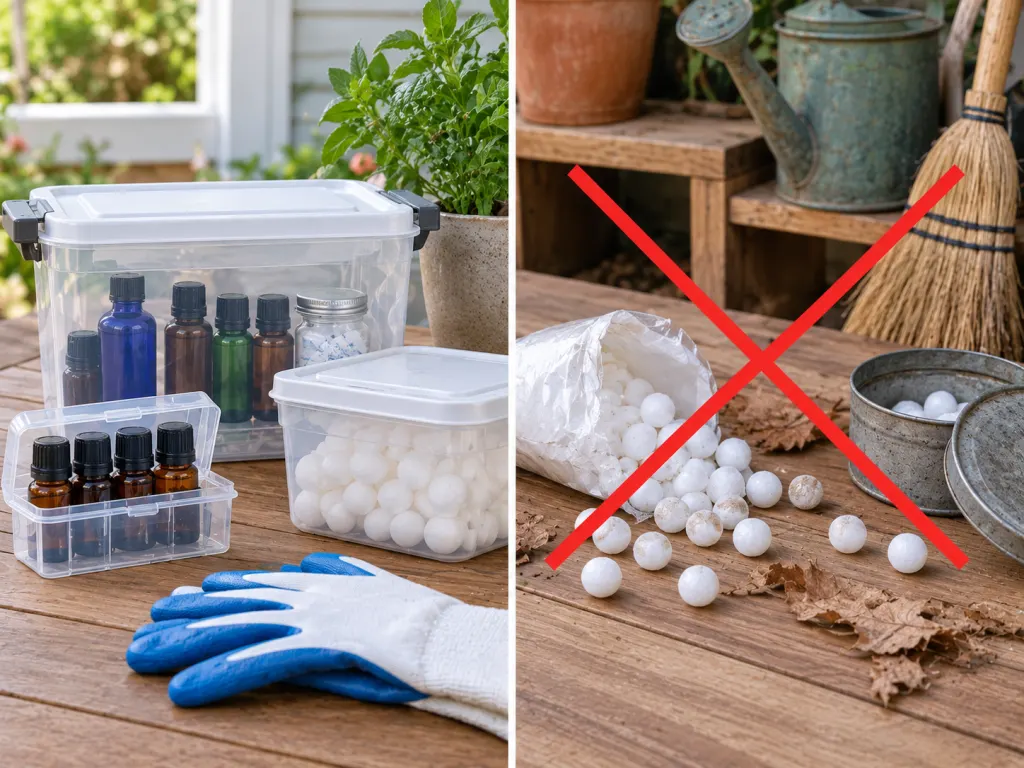
Why Mothballs and Sulfur Are Poor Choices
Mothballs deserve special caution because they are so often suggested for snakes. NPIC, a cooperative pesticide information project between Oregon State University and the U.S. Environmental Protection Agency, says mothballs should not be used as animal repellents and explains that their active ingredients release vapors when used out in the open outside their labeled use. The same source notes that exposure can irritate the eyes, nose, and airways and may cause other health effects. In plain terms: if a person can smell mothballs around a yard, that person is breathing pesticide vapor.
Sulfur is also a poor foundation for safety. UGA Cooperative Extension states that sulfur sold as a snake deterrent is ineffective at repelling snakes and can create a false sense of security. That false confidence matters. A family may delay sealing a gap, leave stacked debris beside the house, or let pets roam through tall grass because a product line was poured around the patio. The real risk is not just whether the odor works for a day; it is whether it distracts from steps that reduce encounters more consistently.
- Do not scatter mothballs in gardens, crawl spaces, attics, garages, porches, or along fence lines unless the product label explicitly allows that use.
- Do not mix household chemicals to create a stronger odor barrier.
- Do not apply essential oils where children, pets, pollinators, ponds, vegetable beds, or food-contact surfaces may be exposed.
- Do not rely on sulfur, ammonia, or vinegar as a protective line around play areas.
- Do not handle a snake to test whether a scent is working.
The Yard Changes That Matter More
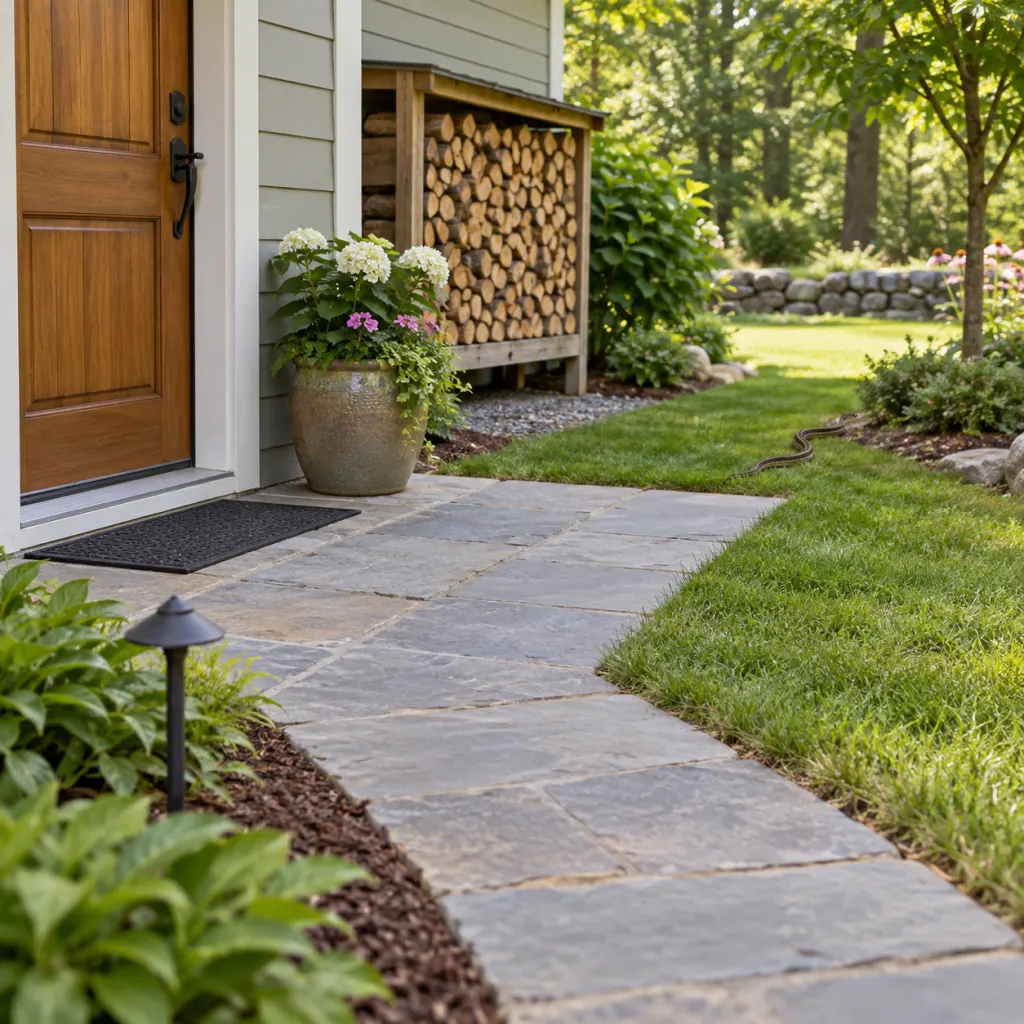
The better approach is to think like a snake looking for cover and food. UF/IFAS recommends keeping grass mowed, trimming shrubs and branches away from the house, moving brush and firewood away from play areas and buildings, and stacking firewood neatly on a rack instead of on the ground. Boards, low tarps, rock gaps, leaf piles, and dense ground cover can create shaded hiding spots. If those features are close to doors, sheds, patios, or paths, they increase the chance of a surprise encounter.
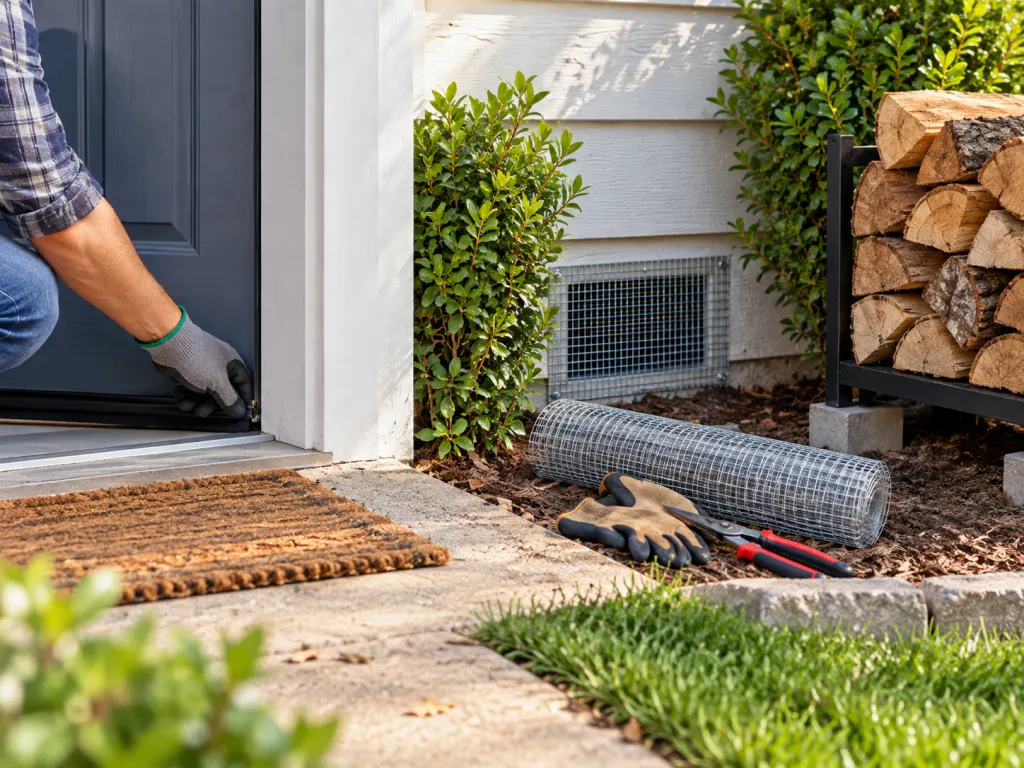
Seal the Places Snakes Can Use
Exclusion is less dramatic than scent, but it is usually more useful. UF/IFAS warns that some smaller snakes may enter through openings no larger than a pencil. Door sweeps, garage threshold seals, repaired screens, caulk, expansion foam, hardware cloth over larger gaps, secure crawl-space doors, and covered vent openings can all reduce entry points. The same work also helps with rodents, and rodents can attract snakes. Store pet food, bird seed, and pantry overflow in tight containers, keep garages uncluttered, and address droppings or gnaw marks promptly.
For properties that border woods, wetlands, or fields, a physical barrier may be worth discussing with a local extension office or wildlife professional. UF/IFAS describes snake fencing as a last-resort option that can help in some settings when installed and maintained correctly. Even then, vegetation must be trimmed away from the fence, supports must be placed thoughtfully, and the barrier needs inspection. No scent product can replace that level of physical exclusion where a genuine boundary is needed.
How to Respond When You See a Snake
If you see a snake outdoors, step back and give it an open path to leave. Do not corner it, pick it up, pin it, or try to kill it. UF/IFAS notes that trying to kill snakes increases the chance of being bitten, and the CDC/NIOSH guidance tells outdoor workers not to touch or handle any snake. Keep children and pets away while you observe from a distance. If the snake is indoors, venomous, or you are unsure what it is, contact animal control, a licensed wildlife professional, or a local extension office for advice.
A Sensible Way to Use Scent
If you still want to try a scent-based product, choose one that is clearly labeled for the intended outdoor use, follow the label exactly, and think of it as a temporary experiment. Apply it only where exposure risks are low and where it will not run into vegetable beds, drains, ponds, or pet areas. Recheck the site after rain or irrigation. Most importantly, compare what happens with and without the product. If snakes are appearing near one shed door, the better fix may be a door sweep, rodent control, and removal of stacked clutter beside the wall.
The safest conclusion is balanced. Natural scents are not useless as a concept; some aromatic compounds have shown snake-irritating effects in research. But everyday home use is not the same as a controlled test, and many popular odor tricks have little support or bring avoidable exposure concerns. For most homes, the reliable routine is simple: reduce cover, reduce prey, seal openings, stay alert in warm seasons and at dawn or dusk, wear closed shoes and gloves for brush work, and let snakes move away when they can.
Wrap-Up
Natural scents may have a limited role around snakes, especially when they are part of labeled products or controlled wildlife work, but they are not dependable enough to carry a household safety plan. Essential oil research is interesting, yet it does not make a spice border, mothball line, or homemade ammonia spray a reliable yard barrier. The stronger plan is physical and behavioral: remove hiding places near the home, stack wood off the ground, keep grass and shrubs managed, secure food sources that attract rodents, seal small entry gaps, and give snakes room to leave. When the snake may be venomous, is indoors, or cannot be identified from a safe distance, call a qualified local professional instead of trying to handle it.
Frequently Asked Questions
- → Do cinnamon or clove scents keep snakes away?
They may irritate some snakes in specific forms and settings, but that is not the same as reliable yard protection. Research on brown treesnakes found responses to cinnamon-related and clove-related compounds, yet ordinary outdoor use is affected by rain, wind, soil, and species differences. Use habitat cleanup and exclusion first.
- → Are mothballs a safe natural snake repellent?
No. Mothballs are pesticide products meant for labeled uses, not for scattering around a yard or home to repel animals. NPIC warns that using them out in the open releases vapors people and animals can breathe. They should not be used as a snake repellent.
- → Will marigolds or lemongrass snake-proof a garden?
No plant should be treated as a snake-proof barrier. Marigolds or lemongrass may fit nicely in a garden, but the more dependable steps are keeping grass trimmed, removing low clutter, controlling rodents, and sealing gaps where snakes could enter sheds, garages, or crawl spaces.
- → What should I do if I see a snake near the house?
Step back, keep children and pets away, and give the snake space to leave. Do not handle it or try to kill it. If it is indoors, appears venomous, or you cannot identify it from a safe distance, contact animal control, a wildlife professional, or a local extension office.
- → What is the best non-chemical way to reduce snake encounters?
Make the area less useful to snakes. Remove boards, brush piles, dense weeds, and ground-level storage near the house. Stack firewood on a rack, secure pet food and bird seed, manage rodents, install door sweeps, repair screens, and seal small openings around foundations, pipes, vents, and garages.
References
This content was developed and refined using reliable sources.
- https://ask.ifas.ufl.edu/publication/UW260
- https://sfyl.ifas.ufl.edu/natural-resources/nuisance-wildlife
- https://fieldreport.caes.uga.edu/publications/C1021/repellents-and-wildlife-damage-control
- https://npic.orst.edu/faq/mothball.html
- https://digitalcommons.unl.edu/icwdm_usdanwrc/471
- https://www.cdc.gov/niosh/outdoor-workers/about/venomous-snakes.html