 Save
The stripes on bath towels can look like a hidden code, but they usually have a simpler purpose: they are woven borders, color bands, or design details added during manufacturing. They may help a towel look finished, match a set, or show a particular weaving style. This guide explains how to tell what those stripes probably mean and what information actually matters when you buy or care for towels.
Step 1: Look for where the stripes sit
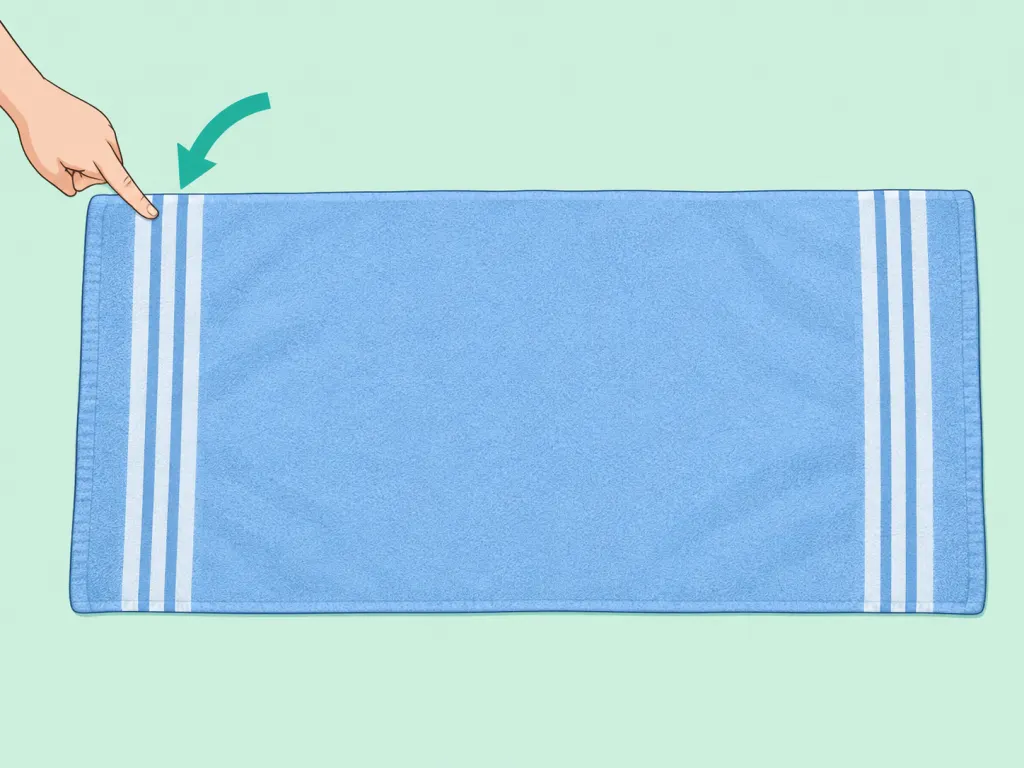
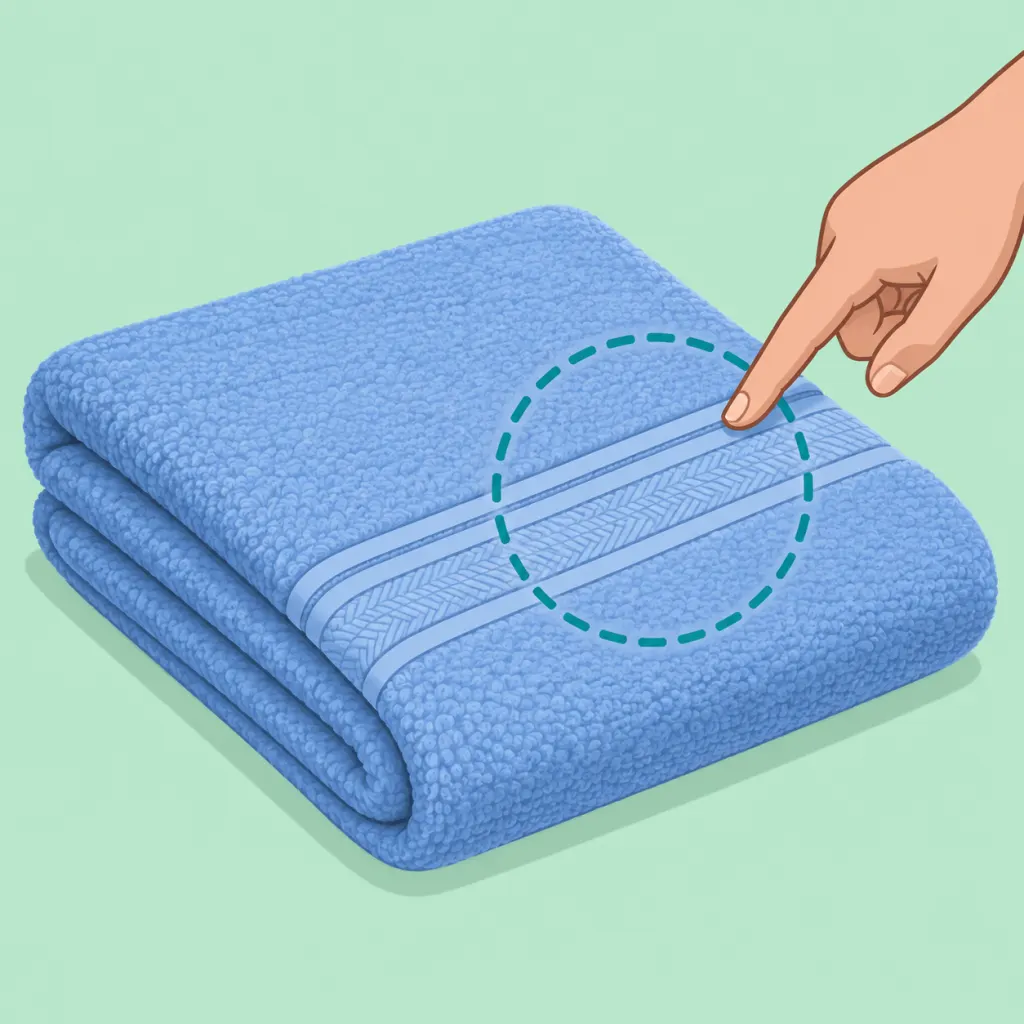
Most bath towel stripes appear as one or two bands near the short ends, away from the main drying area. In woven cloth, the way threads cross affects how fabric looks and feels, as the National Park Service explains in its overview of weaving patterns. If the stripe is built into the fabric rather than printed on top, it is probably a woven border.
Step 2: Treat the stripes as a border, not a secret code
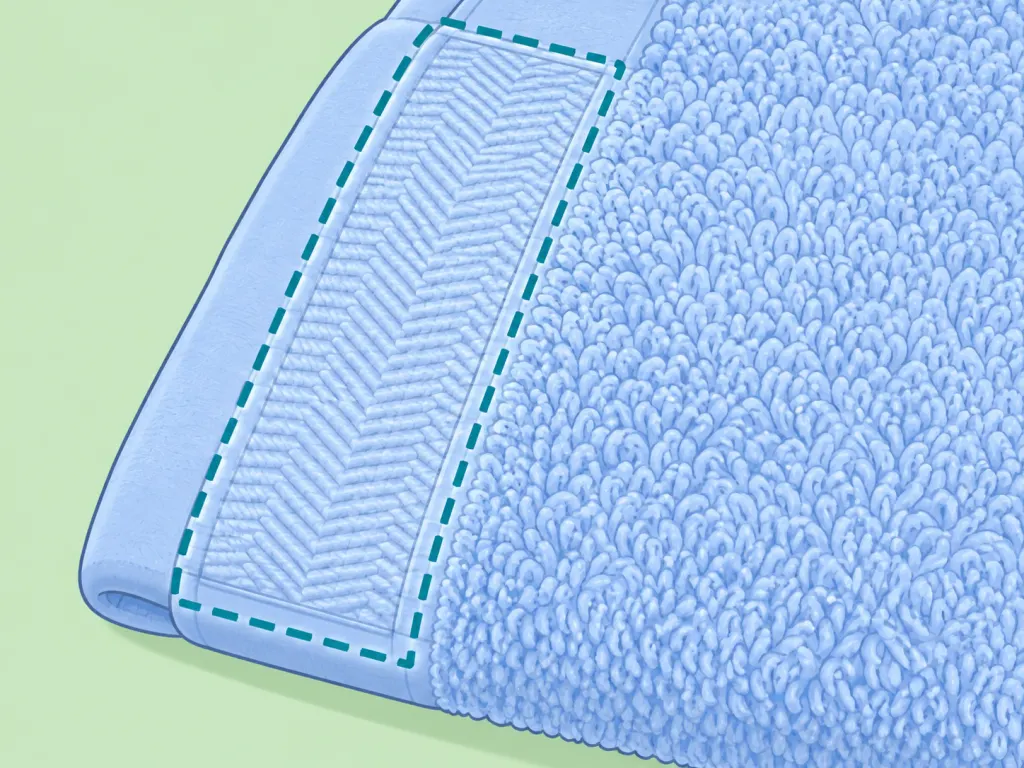
A towel stripe usually means the maker added a decorative or structural border during weaving. NC State’s Zeis Textiles Extension lists cam, dobby, and jacquard as different shedding systems used in weaving, with dobby and jacquard allowing more complex designs than simple cam systems. That means a stripe can hint at the weaving method, but it does not decode the towel’s exact quality or origin on its own.
Step 3: Feel whether the band is flat or textured
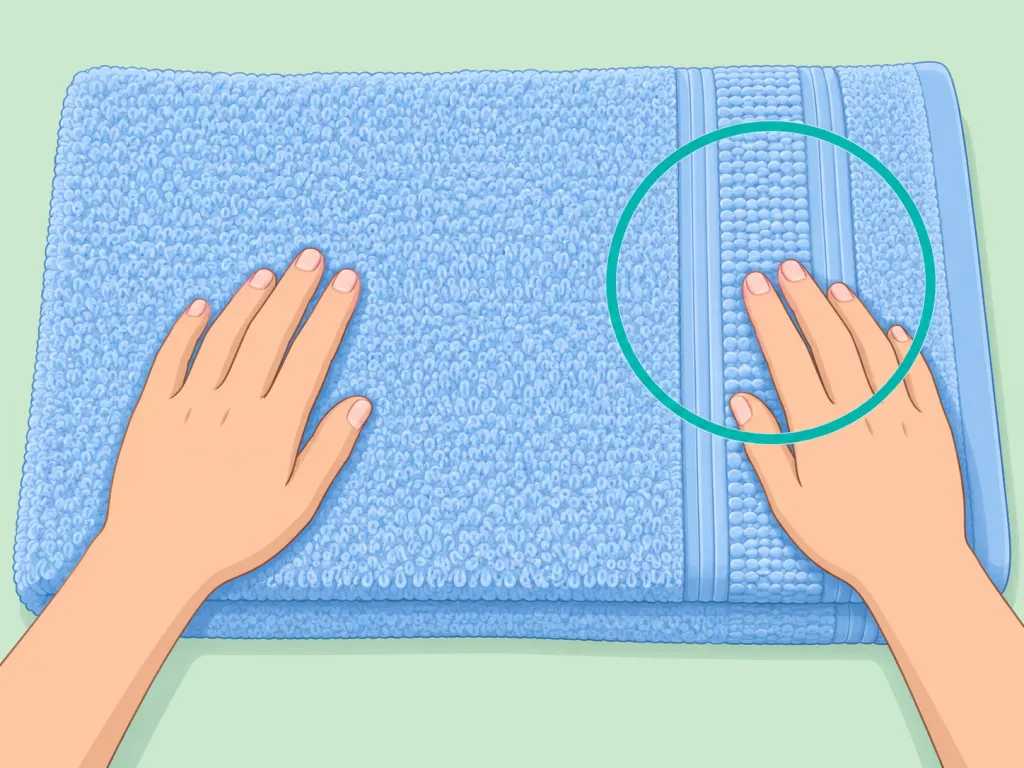
Run your fingers lightly over the stripe and compare it with the looped terry area. A smooth, flatter band may be a simple border, while a raised geometric pattern may suggest a dobby-style design, which NC State describes as capable of smaller motifs and more complicated repeat designs than cam shedding. The tactile difference helps you understand the construction, not a hidden message.
Step 4: Read the label for the facts that matter
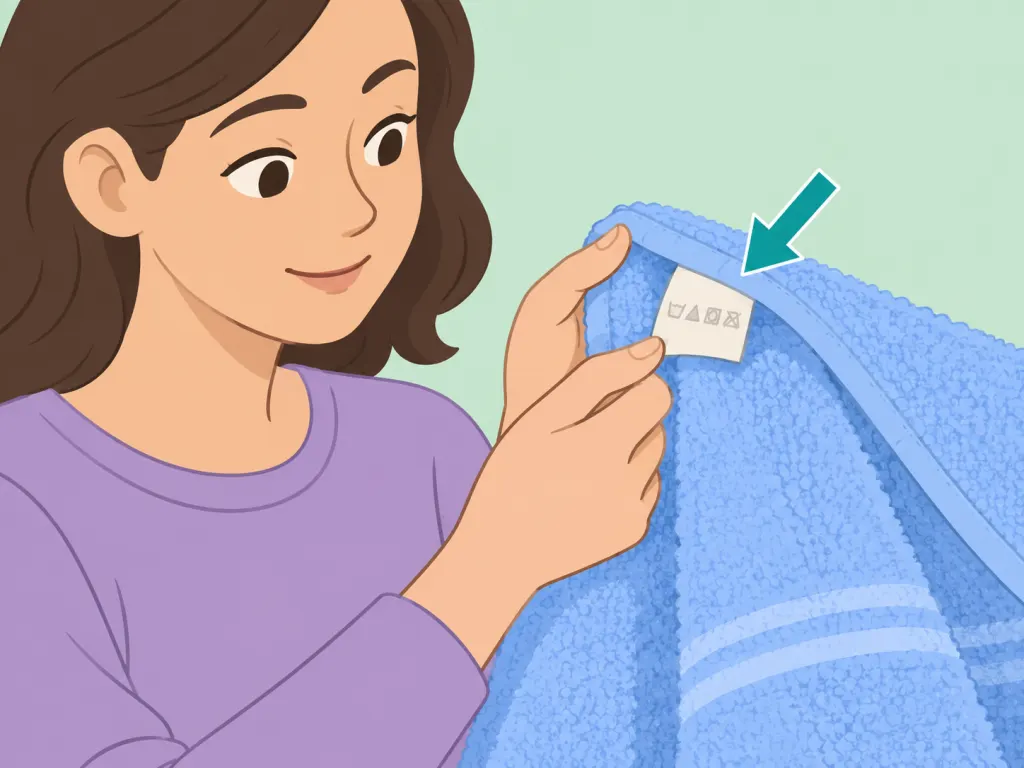
Use the tag, not the stripe, for fiber content and origin information. The FTC says many household textile products, including towels and washcloths, are covered by labeling requirements for fiber content, country of origin, and the responsible business. The FTC also notes that towel labels may need to account for both the loops and the ground fabric when those parts use different fibers.
If you own several similar towels, the stripes can help you sort them by bathroom, guest use, gym bag, or family member. This is a household system you create, not a standard industry code. Keep it simple: one border color or stripe style for each use makes folding and restocking easier.
Step 6: Follow the care tag when washing the border
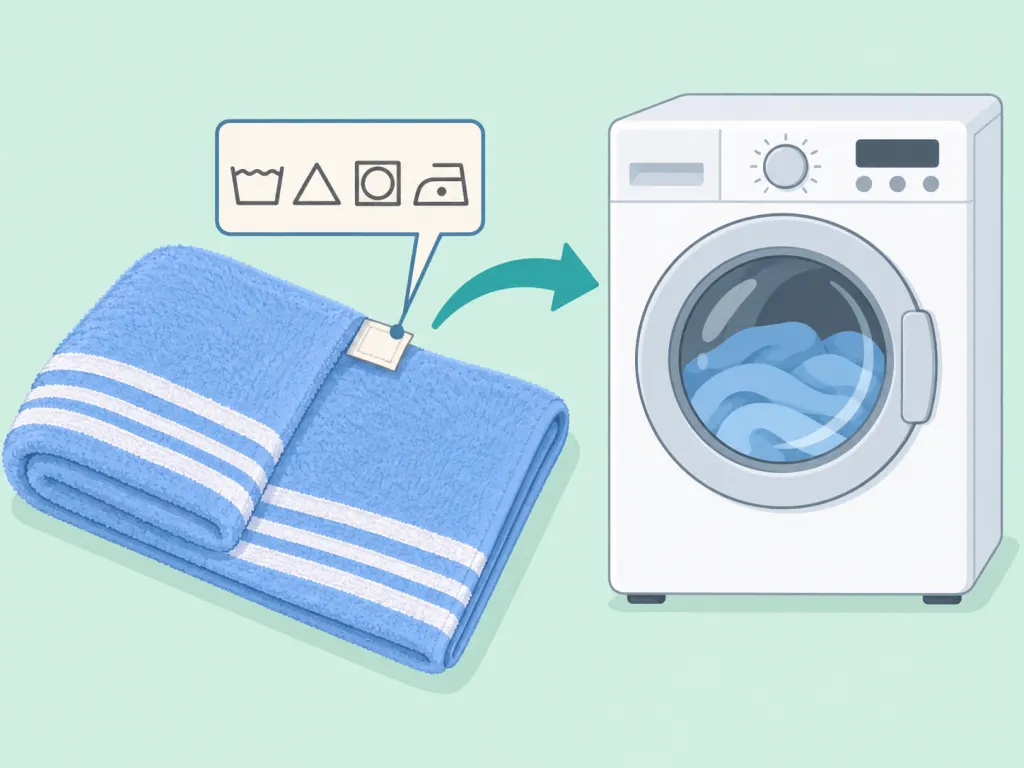
Wash striped towels according to the care information on the towel or packaging. The FTC care-labeling rule explains that care instructions may address washing, drying, ironing, bleaching, and warnings when a method could harm the item. If you use bleach, the University of Georgia Extension advises reading the care label first and not mixing chlorine bleach with ammonia or other cleaners.
Step 7: Seek help if laundering products bother your skin
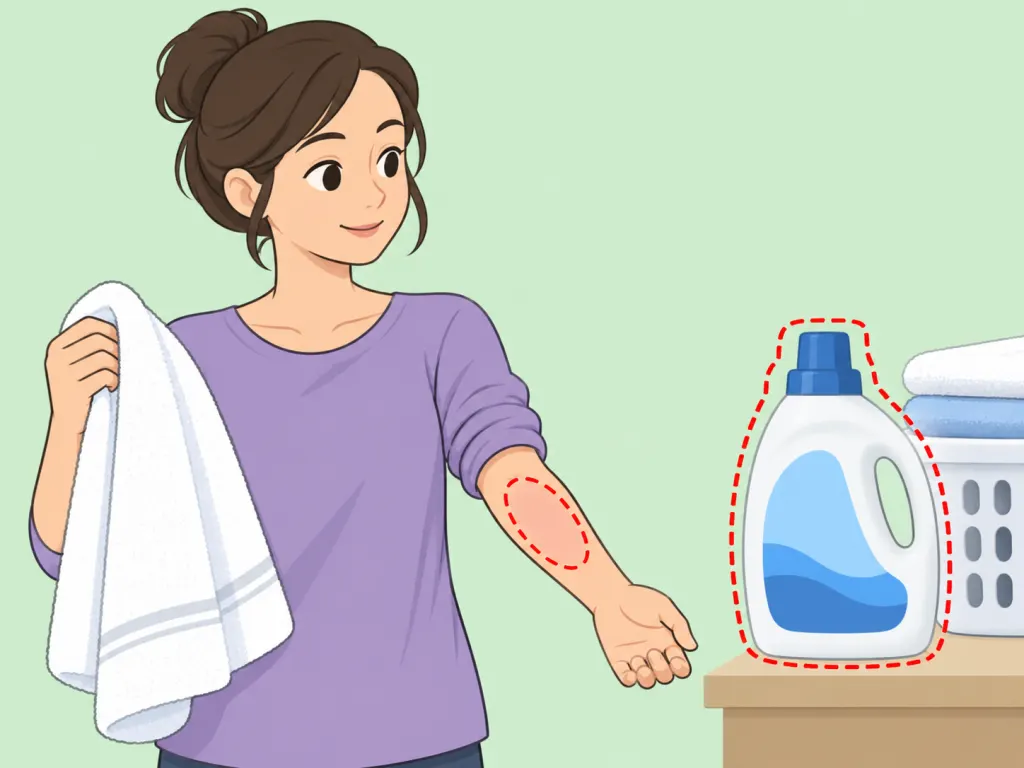
The stripe itself is not usually the problem if a towel feels uncomfortable after washing. Detergents and bleach are among substances that can irritate skin, according to the American Academy of Dermatology. Stop using the towel or product that seems connected, rinse the towel thoroughly, and talk to a qualified health professional if a skin reaction continues or concerns you.
Wrap-Up
The bottom line: towel stripes are usually decorative woven borders, not a universal rating system. Use them to recognize style, sets, and construction clues, but rely on the label for fiber content and care instructions.
Frequently Asked Questions
- → Do stripes on bath towels show towel quality?
Not by themselves. Stripes can signal a woven border style, but quality depends more on the towel’s fiber, loop construction, weight, finishing, and how it holds up after washing.
- → What is a dobby border on a towel?
A dobby border is a small woven design area made with a loom setup that can create more detailed repeats than a basic cam setup. On towels, it often appears as a textured band near the short ends.
- → Are towel stripes a universal hotel or laundry code?
No. A hotel, spa, or household may use striped towels to separate sizes, rooms, or uses, but there is no universal meaning that applies to every brand or towel.
- → Why are the stripes usually near the ends of the towel?
The ends are a natural place for a border because they frame the towel without interrupting most of the terry surface used for drying. They also stay visible when the towel is folded or hung.
- → Can the stripe change how the towel feels?
Sometimes. A border band may feel flatter or firmer than the looped terry area, especially if it uses a different weave structure, but that does not automatically make the towel better or worse.
- → Should I wash striped towels differently?
Follow the towel’s care label or package directions. Colored borders can fade or bleed if washed against the maker’s instructions, and bleach should only be used when the label says it is suitable.
- → How often should bath towels be washed?
Utah State University Extension’s laundry checklist suggests washing bath towels every 3 to 4 uses. Let towels dry fully between uses so they stay fresh until laundry day.
References
This content was developed and refined using reliable sources.
- https://www.nps.gov/articles/000/weaving-patterns.htm
- https://textiles.ncsu.edu/zte/weaving-lab
- https://www.ftc.gov/business-guidance/resources/threading-your-way-through-labeling-requirements-under-textile-wool-acts
- https://www.ftc.gov/business-guidance/resources/calling-it-cotton-labeling-advertising-cotton-products-0
- https://www.ftc.gov/legal-library/browse/rules/care-labeling-textile-wearing-apparel-certain-piece-goods-text
- https://site.extension.uga.edu/textiles/care/products
- https://extension.usu.edu/video/the-ultimate-laundry-checklist
- https://www.aad.org/public/diseases/eczema/types/contact-dermatitis/causes