 Save
Floors collect dust quickly when dirt is tracked in, swept into the air, or left behind as sticky residue. The most reliable trick is not a harsh homemade mix; it is a simple routine that traps dust before and during mopping. This guide explains how to clean hard floors so they stay cleaner longer while using household cleaners safely.
Step 1: Stop dirt at the door
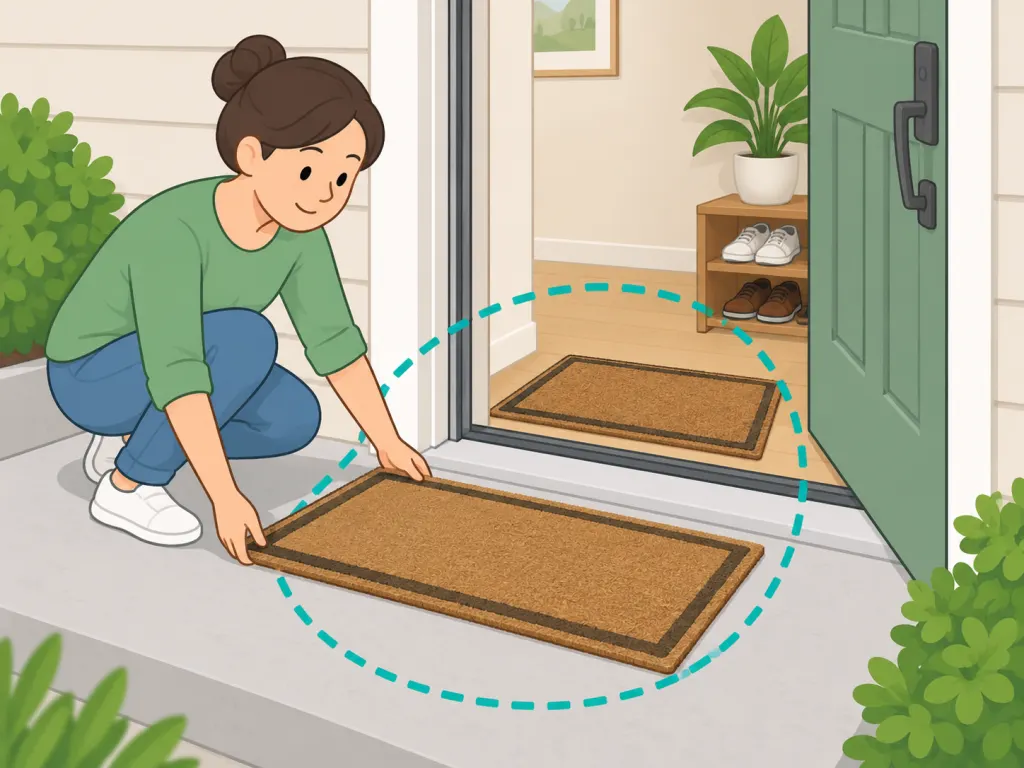
Place a sturdy mat outside and another mat just inside each main entrance, then leave outdoor shoes near the door when practical. The University of Georgia notes that doormats and shoe removal reduce dust tracked indoors, which means less grit reaches the floor in the first place.
Step 2: Remove loose dust before water touches the floor
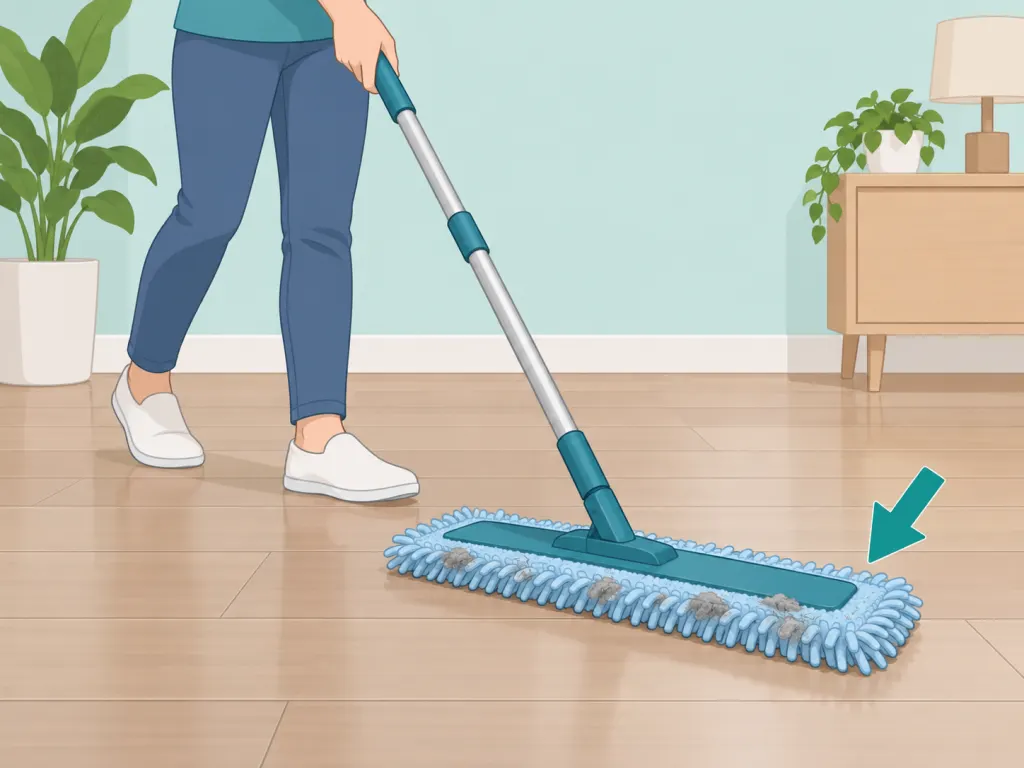
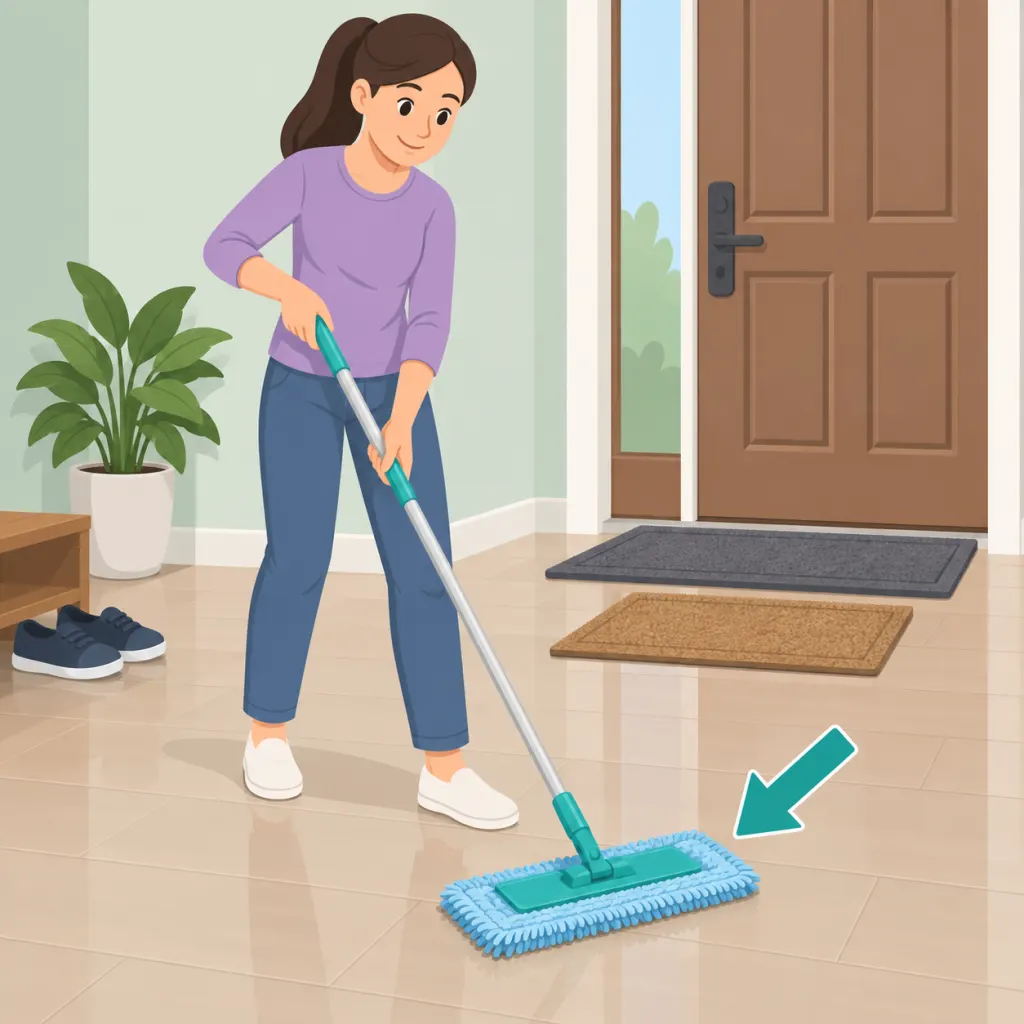
Run a microfiber dust mop over hard floors, or vacuum with a HEPA-filter vacuum if you have one. University of Georgia Extension recommends damp mopping, microfiber cloths, weekly vacuuming, and doormats as practical ways to reduce dust and avoid spreading soil around.
Step 3: Choose a cleaner made for your floor
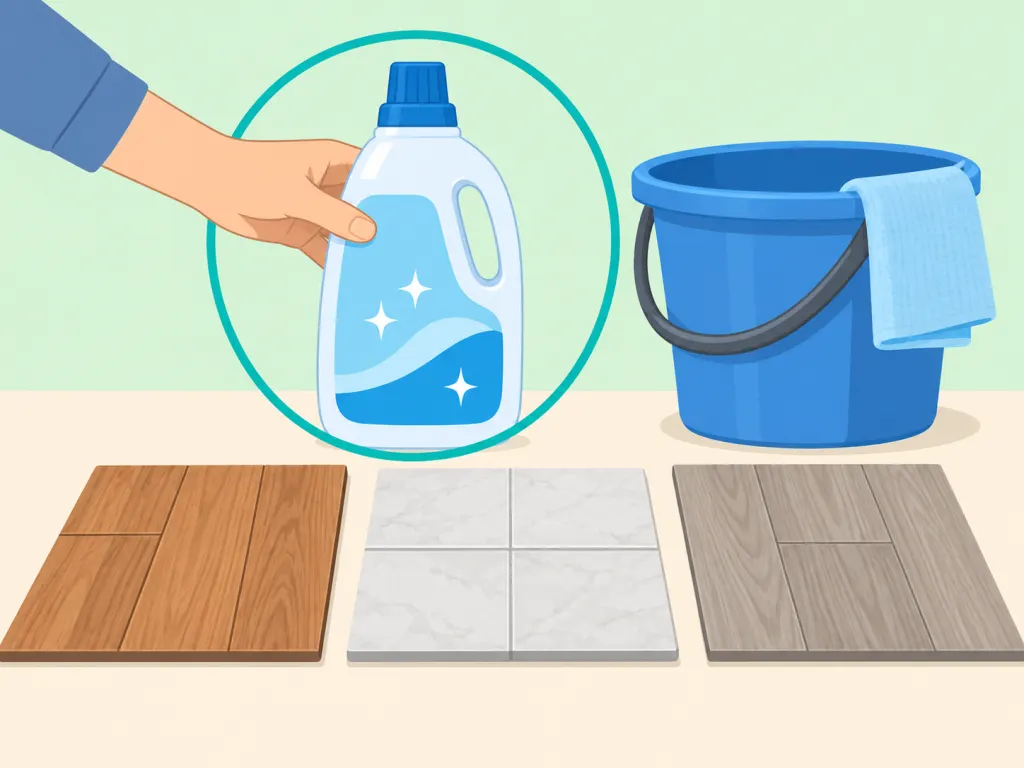
Pick a mild product labeled for your floor type, such as sealed wood, laminate, vinyl, tile, or stone. The CDC advises cleaning hard surfaces with soap and water or a product appropriate for the surface, so avoid strong all-purpose mixes unless the label says they are safe for your floor.
Step 4: Ventilate before you mop
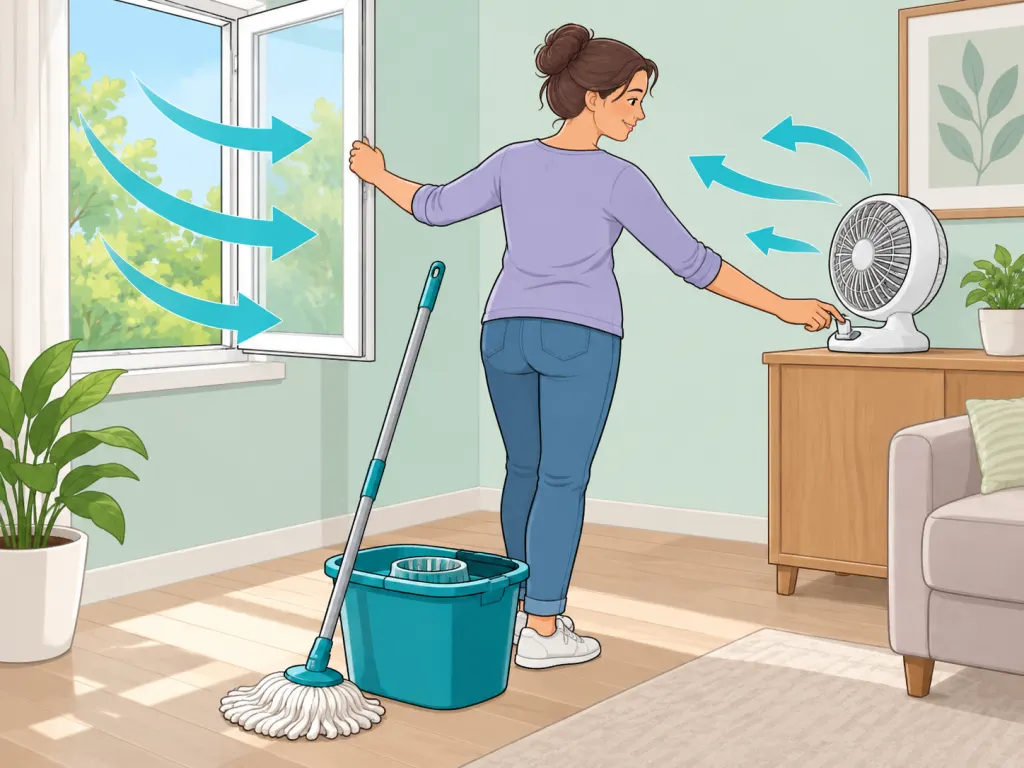
Open a window, turn on a fan, or use an exhaust fan if the product label calls for ventilation. EPA guidance says ventilation can help dilute and remove indoor pollutants, and the CDC also tells readers to use good ventilation when cleaning indoors.
Dip the mop, wring it until it is damp rather than dripping, and mop one small area at a time. Use overlapping strokes so the mop lifts dust and residue instead of leaving wet streaks behind.
Step 6: Refresh the mop water when it turns cloudy
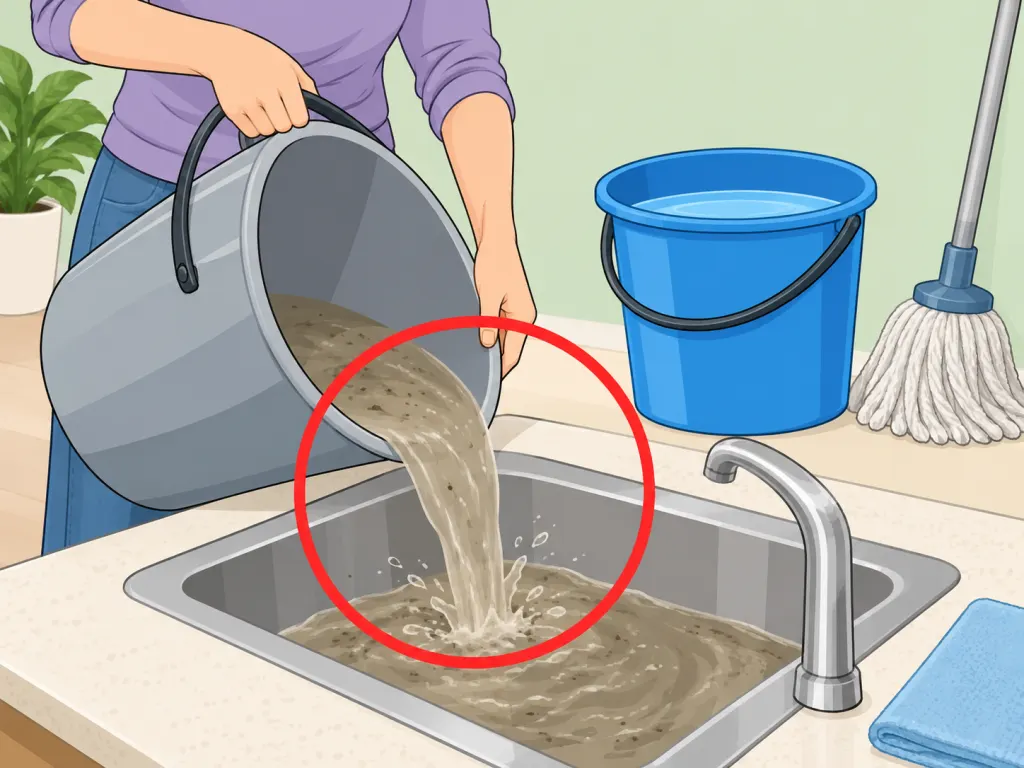
Dump and replace dirty water as soon as it looks gray or gritty. Extension guidance favors a two-chamber mop bucket because it helps keep soil from recontaminating cleaned surfaces, but a regular bucket works if you change the water often.
Step 7: Dry the floor so residue cannot grab dust
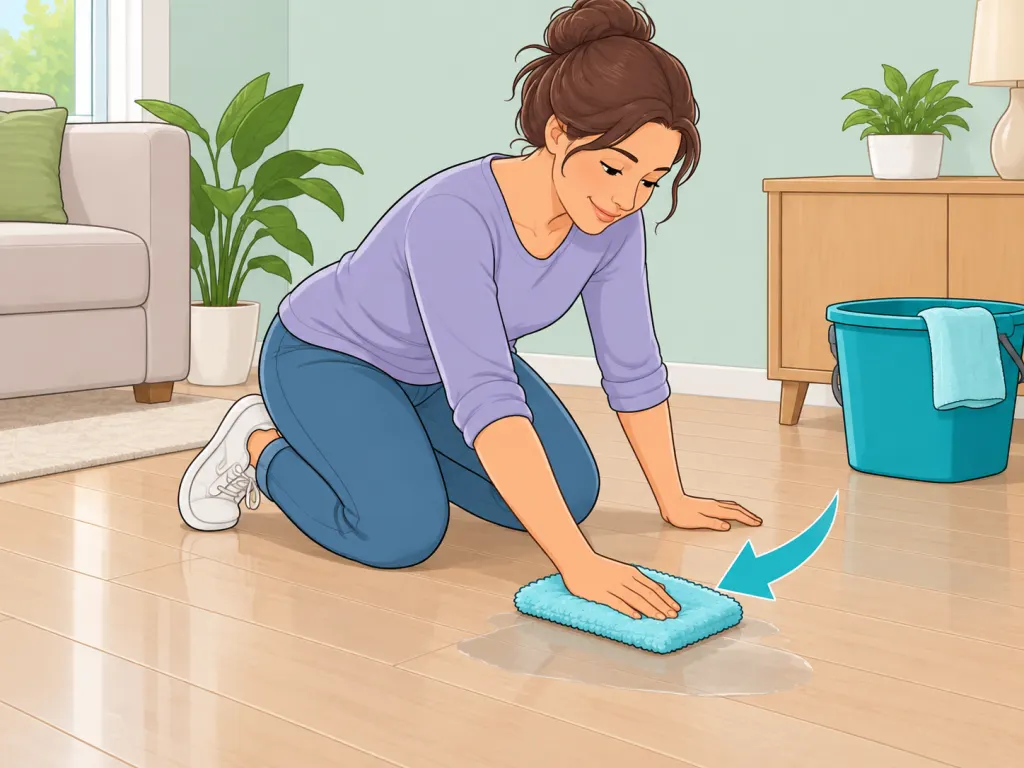
Let the floor air-dry with good airflow, or wipe damp spots with a clean microfiber pad. A dry, residue-free surface is less likely to feel sticky underfoot and less likely to hold visible dust.
Step 8: Get medical help after a cleaner exposure
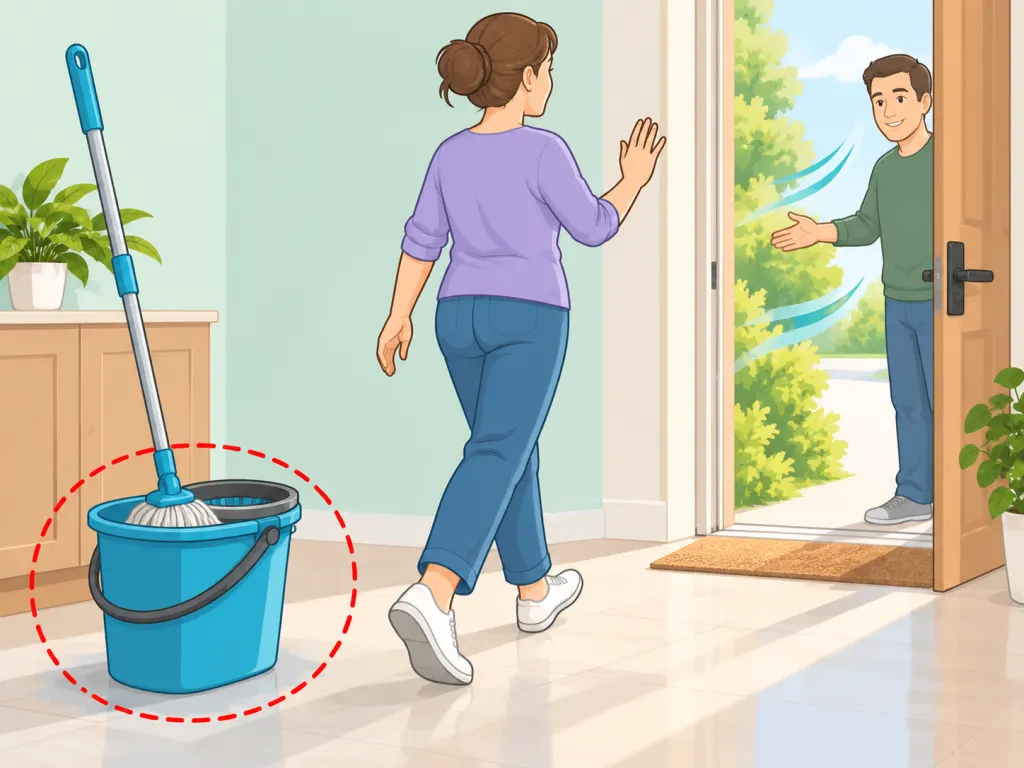
Move to fresh air right away if a cleaner causes coughing, burning eyes, dizziness, or trouble breathing. For urgent exposure questions in the United States, call Poison Control at 1-800-222-1222, and seek emergency help if symptoms are severe or do not improve.
Wrap-Up
The bottom line: the best dust-free floor trick is to prevent tracked-in dirt, use microfiber or a HEPA-filter vacuum before mopping, clean with a mild floor-safe product, and dry the floor well. Skip complicated chemical mixes, because clean water, the right tool, and safe product use do more than extra ingredients.
Frequently Asked Questions
- → What is the best trick for dust-free floors?
The best trick is to trap dust instead of pushing it around: use doormats, remove shoes indoors, dry-clean with microfiber or a HEPA-filter vacuum, then damp-mop with a mild cleaner.
- → Should I sweep before mopping?
Use a microfiber dust mop or vacuum first if you can. A dry broom can stir fine dust into the air, while microfiber and vacuuming collect more of it before water touches the floor.
- → Can I add vinegar, baking soda, alcohol, and dish soap to mop water together?
No. Keep floor cleaning simple and avoid mixing multiple cleaners. Mixed products can leave residue, reduce cleaning performance, or create unsafe fumes depending on the ingredients.
- → Why do my floors feel sticky after mopping?
Sticky floors usually come from too much cleaner, dirty mop water, or skipping a rinse when the product label calls for one. Use a small amount of floor-safe cleaner and change the water once it looks cloudy.
- → Is rinse aid a good dust-repelling floor cleaner?
Rinse aid is made for dishwashers, not floors. For a safer routine, use a cleaner labeled for your floor type or a mild soap-and-water method that the floor manufacturer allows.
- → How often should I mop hard floors?
Mop when the floor looks dull, sticky, or visibly dirty. Busy entryways and kitchens may need damp mopping more often than bedrooms or low-traffic rooms.
References
This content was developed and refined using reliable sources.
- https://fieldreport.caes.uga.edu/publications/C1114/cleaning-healthy-cleaning-green
- https://site.extension.uga.edu/hie
- https://www.cdc.gov/hygiene/about/when-and-how-to-clean-and-disinfect-your-home.html
- https://www.epa.gov/indoor-air-quality-iaq/biological-contaminants-and-indoor-air-quality
- https://www.cdc.gov/chemical-emergencies/chemical-fact-sheets/ammonia.html
- https://www.epa.gov/saferchoice/learn-about-safer-choice-label