 Save
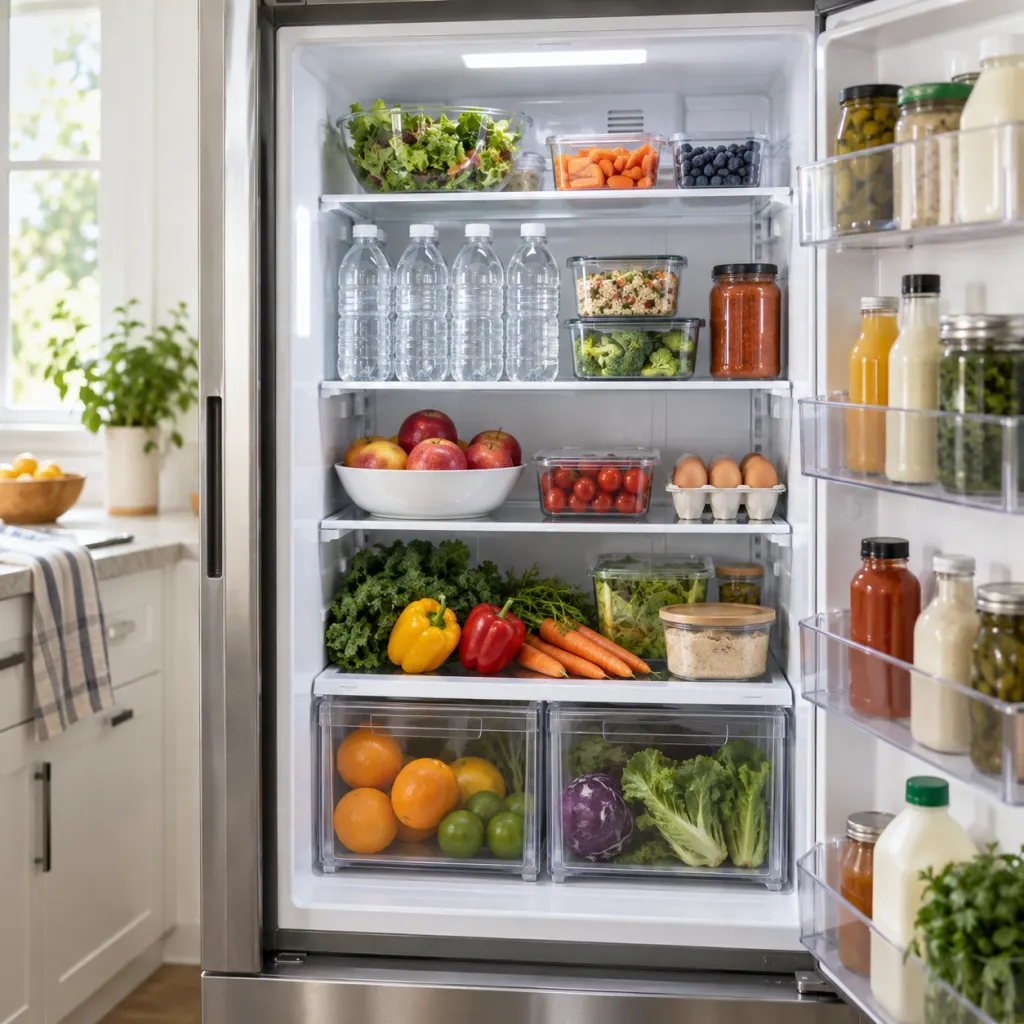
The best refrigerator trick for saving electricity is not an open bowl of water; it is using sealed bottles or containers of water to add cold thermal mass when the fridge or freezer is fairly empty, while still keeping vents clear. Water has a high specific heat, meaning it takes more energy to warm or cool than many materials, so chilled water can slow small temperature swings after brief door openings USGS. That can support steadier cooling, but it should be treated as a modest helper, not a magic bill fix. The reliable savings habits are the ones appliance authorities repeat: set the refrigerator in the recommended range, check the door seals, allow airflow behind the unit, keep condenser coils clean when the owner manual calls for it, and open the door less often ENERGY STAR.
Why the Water-Bottle Version Makes More Sense Than an Open Bowl
A bowl of water in the refrigerator is sometimes presented as a simple way to save electricity, but the better household version is a clean, closed container. Sealed water bottles add mass without spilling, absorbing odors, adding loose humidity, or becoming another surface that must be cleaned. The point is not that water creates cold; the refrigerator still does the cooling. The point is that already-chilled water warms more slowly than air. When the door opens, some cold air leaves and warmer room air enters. A fridge with only a few small items may experience sharper air-temperature changes than one with more chilled mass inside. A few sealed bottles can help the cabinet recover from those tiny disturbances more smoothly, especially if the appliance is opened often for cooking, lunch packing, or after-school snacks.
Use It Where Empty Space Is the Real Problem
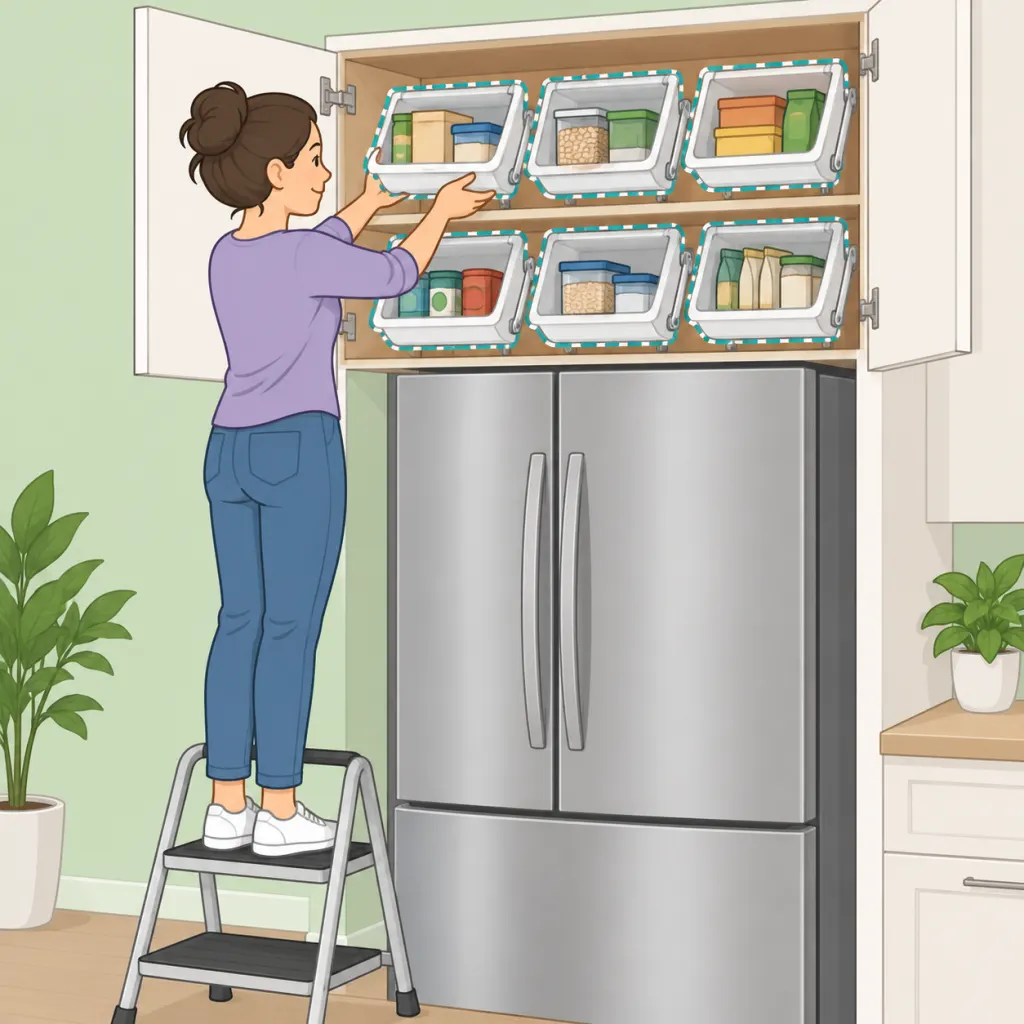
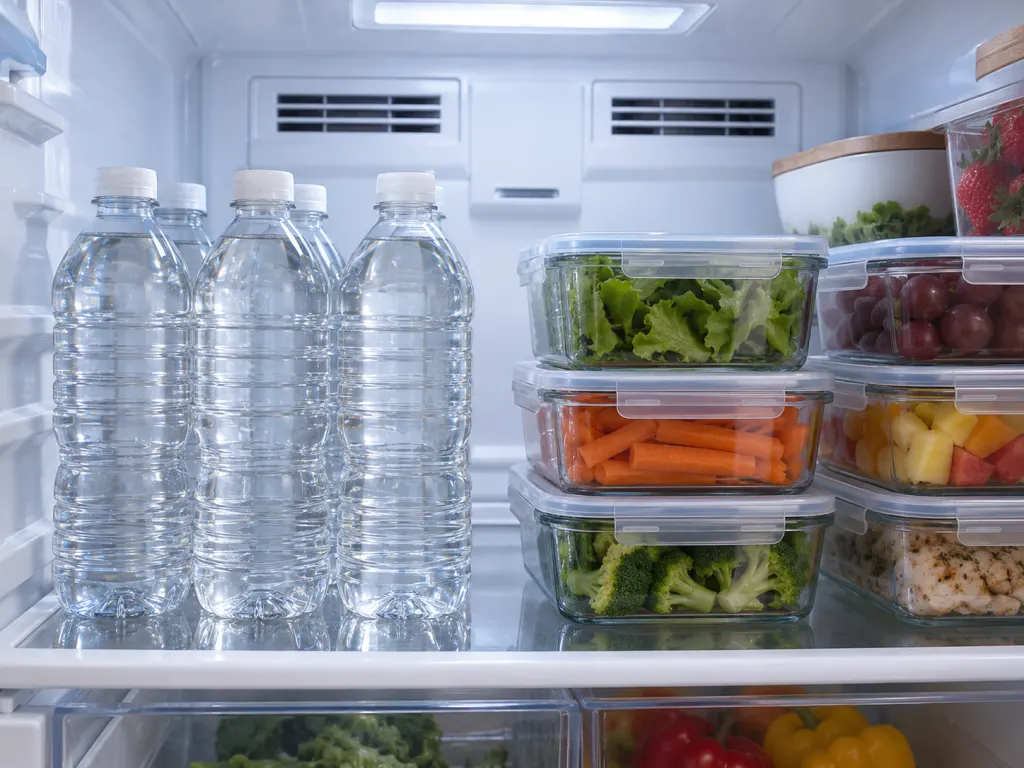
The trick is most useful when the appliance is underfilled. A freezer with plenty of frozen food generally has more cold mass than a nearly empty one, and FoodSafety.gov notes that a full freezer can hold a safe temperature longer than a half-full freezer during a power outage when the door stays closed FoodSafety.gov. That outage guidance is not a direct promise of lower electricity use, but it shows why fullness affects temperature stability. For everyday energy use, think of the bottles as a stabilizer, not an engine. Put them where they do not block vents, fans, drawers, ice makers, or door closure. In the freezer, leave headspace in containers because water expands as it freezes. In the refrigerator compartment, use chilled bottles only if you have open shelf space after normal food storage needs are met.
Temperature Settings Matter More Than the Trick
If the refrigerator is set unnecessarily cold, the water-bottle trick will not rescue the bill. ENERGY STAR recommends keeping refrigerators at 35 to 38 degrees Fahrenheit for energy-conscious operation ENERGY STAR. The U.S. Department of Energy's Federal Energy Management Program gives a broader refrigerator setting range of 36 to 40 degrees Fahrenheit and explains that colder settings use extra energy without adding storage benefit Department of Energy. For food storage safety, the FDA says the refrigerator should be at 40 degrees Fahrenheit or below and the freezer at 0 degrees Fahrenheit, and it recommends appliance thermometers because many refrigerator controls do not display actual cabinet temperature FDA. The practical compromise is to measure first, then adjust slowly. Move the dial one small step, wait several hours, and recheck.
Do Not Pack the Fridge So Tightly That Air Cannot Move
There is a useful middle ground between empty and crammed. A few sealed bottles can help fill dead space, but overpacking can work against you because refrigerated air still needs pathways around food. The FDA specifically warns against overpacking because cold air must circulate around refrigerated foods to keep them properly chilled FDA. Keep the back wall, vents, and fan areas open. Avoid pressing containers against the gasket. If a shelf is so crowded that you have to keep the door open while searching, the energy advantage disappears quickly. A calmer system is easier to use: grouped foods, clear containers, labeled leftovers, and door shelves reserved for items that tolerate the door's warmer swings better than highly perishable foods.
A Low-Effort Refrigerator Electricity Checklist
Use the water-bottle trick as one item in a broader maintenance routine. The most dependable habits are ordinary, but they address the reasons a refrigerator runs longer than it needs to: heat entering the cabinet, heat collecting around the coils, air leaks at the door, and settings that are colder than necessary.
- Measure the temperature: place an appliance thermometer in the refrigerator and freezer, then adjust settings based on the reading rather than the dial number.
- Fill empty space safely: use sealed bottles or containers of water in open areas, leaving room around vents and shelves.
- Shorten door-open time: decide what you need before opening the door, and group everyday items where they are easy to reach.
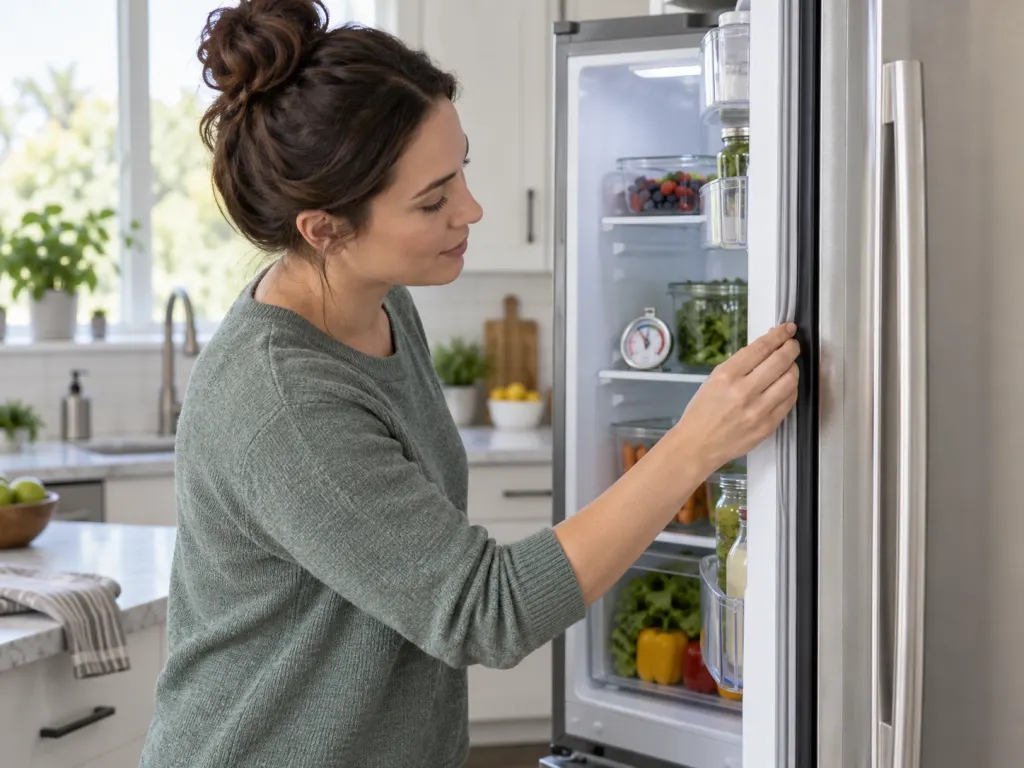
- Check the gasket: look for cracks, sticky spots, gaps, or areas where cold air is noticeable around the closed door.
- Give the appliance breathing room: ENERGY STAR advises leaving a few inches behind the refrigerator or cooler and placing it away from heat sources such as ovens, dishwashers, direct sun, and warm windows ENERGY STAR.
- Clean what the manual allows: on models with accessible condenser coils, dust removal can help heat transfer, but always follow the owner manual and unplug the appliance if the manual directs it.
What the Trick Cannot Fix
Sealed water bottles cannot compensate for a damaged gasket, poor ventilation, failing thermostat, overloaded shelf, or a refrigerator sitting in a hot corner beside the range. They also cannot make an old, inefficient refrigerator perform like a newer certified model. ENERGY STAR says certified refrigerators are about 9 percent more efficient than models that only meet the federal minimum efficiency standard, and it notes that older refrigerators can use more energy than ENERGY STAR models ENERGY STAR. If the refrigerator runs almost constantly, sweats around the door, forms unusual frost, or struggles to hold temperature, the next step is troubleshooting rather than adding more water. Start with the simple checks: thermometer reading, gasket condition, coil dust, room clearance, and whether the door closes fully without a bottle, bin, or drawer pushing it open.
How to Tell Whether It Is Helping
The honest answer is that most households will not be able to isolate the water-bottle trick on a monthly bill because weather, cooking routines, electricity rates, laundry, air conditioning, and family schedules all change at the same time. A plug-in electricity monitor can estimate refrigerator energy use if it is rated for the appliance load, but many people will get more value from observation. After adding sealed bottles, watch whether the refrigerator temperature stays steadier during normal use. Check that food packages are not blocking airflow, the door shuts easily, and the compressor is not cycling in a way that seems unusual. For appliance shopping, the Federal Trade Commission explains that the yellow EnergyGuide label helps compare estimated yearly energy use and operating cost among similar appliances, though actual cost depends on local energy price and use patterns FTC Consumer Advice.
A Food-Safe Way to Set Up the Trick
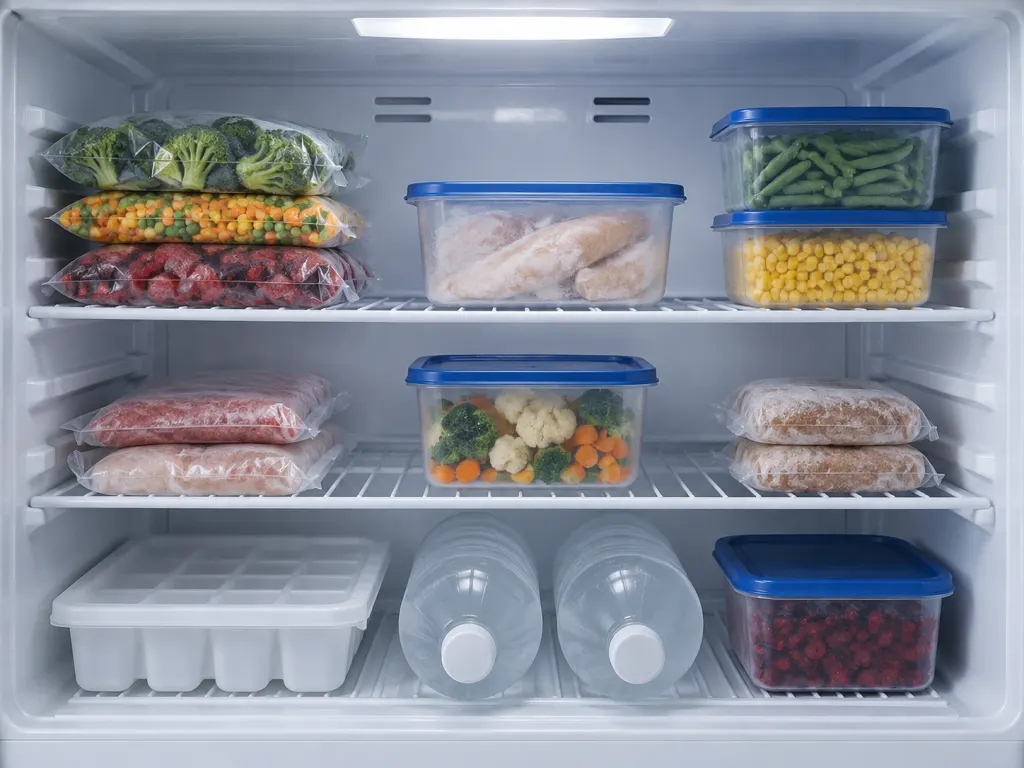
For the refrigerator compartment, choose clean, sealed bottles that will not roll or leak. Place them toward the back or sides only if they do not block vents. For the freezer, use freezer-safe containers and leave expansion space before freezing. Do not use glass jars in the freezer unless they are specifically designed for freezing, because expanding ice can break unsuitable containers. The FDA's refrigerator thermometer guidance also recommends keeping refrigerated foods covered or sealed and wiping spills promptly, which pairs well with this approach because clean, closed containers are easier to manage than an open bowl FDA. If a power outage occurs, keep the doors closed as much as possible and use thermometer readings to judge the situation; FoodSafety.gov gives item-by-item guidance for what to keep and what to discard after temperatures rise FoodSafety.gov.
When Replacement Beats Another Hack
If your refrigerator is very old, too large for the household, or has a failing seal that cannot be replaced economically, small tricks may have little payoff. The Department of Energy notes that efficient refrigerator purchases can be cost-effective over time, and its guidance identifies 16 to 20 cubic feet as a typically efficient size range for refrigerator models Department of Energy. That does not mean everyone needs a new appliance. It means the decision should compare the appliance you own, how well it holds temperature, available repair options, electricity price, and the cost of replacement. The FTC's EnergyGuide advice is helpful when comparing models because the label gives a standardized estimate, while reminding shoppers that their actual cost depends on local rates and real-life use FTC Consumer Advice.
The Bottom Line for Everyday Kitchens
The water-bottle trick is worth doing when the refrigerator or freezer is noticeably empty and you can add sealed containers without crowding food or blocking airflow. It is cheap, reversible, and easy to pair with normal kitchen habits. Still, the strongest electricity-saving moves are less glamorous: keep the refrigerator measured in the right range, reduce long door openings, maintain the gasket, place the appliance away from heat, and clean accessible coils according to the manual. In other words, use thermal mass to steady the cabinet, but use maintenance and correct settings to reduce the work the appliance has to do.
Wrap-Up
A few sealed water bottles can make an underfilled refrigerator or freezer more thermally stable because water warms slowly. That may reduce small temperature swings after brief door openings, but it should not be oversold as a guaranteed electricity-bill solution. For real-world savings, combine the trick with measured temperature settings, clear airflow, tight door seals, good placement, shorter door-open time, and appliance replacement only when repair or age makes that sensible.
Frequently Asked Questions
- → Does putting a bowl of water in the refrigerator really save electricity?
A bowl is not the best version of the idea. Use sealed bottles or containers instead. They add cold thermal mass without spills or odor issues, but the likely benefit is modest and depends on how empty the appliance is, how often the door opens, and whether the refrigerator is otherwise well maintained.
- → Should I put water bottles in the refrigerator or the freezer?
Use them where you have open space. A lightly stocked freezer often benefits most from extra frozen mass, but leave room for expansion and airflow. In the refrigerator compartment, chilled sealed bottles can fill unused shelf space as long as they do not block vents or crowd perishable foods.
- → What temperature should my refrigerator be set to?
Use an appliance thermometer rather than relying only on the dial. ENERGY STAR recommends 35 to 38 degrees Fahrenheit for refrigerators, while FDA food-storage guidance says the refrigerator should be at 40 degrees Fahrenheit or below and the freezer at 0 degrees Fahrenheit.
- → Can a full refrigerator use more electricity?
It can if it is packed so tightly that air cannot circulate or the door stays open while you search. The useful target is comfortably stocked, not jammed. Keep vents clear, organize food so items are easy to grab, and make sure the door closes without pressure from containers or drawers.
- → What saves more energy than the water-bottle trick?
The larger practical gains usually come from correct temperature settings, shorter door openings, tight door seals, enough clearance behind the appliance, keeping the unit away from heat sources, and cleaning accessible coils according to the owner manual. If the refrigerator is old or failing, comparing repair costs with an efficient replacement may matter more.
References
This content was developed and refined using reliable sources.
- https://www.energystar.gov/products/refrigerators
- https://www.energy.gov/cmei/femp/purchasing-energy-efficient-residential-refrigerators
- https://www.fda.gov/food/buy-store-serve-safe-food/refrigerator-thermometers-cold-facts-about-food-safety
- https://www.foodsafety.gov/food-safety-charts/food-safety-during-power-outage
- https://consumer.ftc.gov/node/77485
- https://www.usgs.gov/water-science-school/science/specific-heat-capacity-and-water