 Save
A thick coat of freezer frost steals space and makes the appliance work harder than it should. You can speed up defrosting by emptying the freezer, turning it off, adding hot water in heat-safe bowls, and removing loosened ice with a plastic scraper. This guide focuses on a practical quick defrost for manual-defrost freezers and freezer compartments, while keeping frozen items cold enough to return safely.
Step 1: Check whether the freezer needs a full defrost
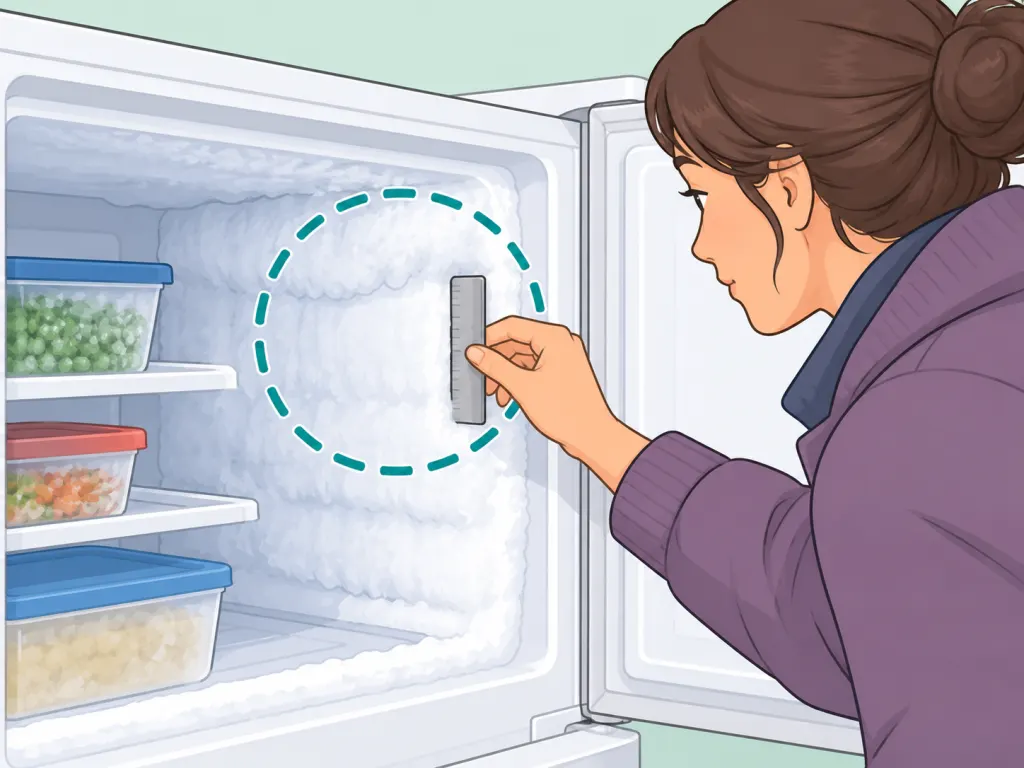
Defrost when frost is thick enough to crowd shelves, block drawers, or measure close to a quarter inch. ENERGY STAR recommends keeping manual-defrost freezer frost under one-quarter inch and keeping the freezer at 0°F. If you have a frost-free freezer that ices over heavily within days, plan for a gasket or repair check after you clear the ice.
Step 2: Move frozen items into insulated coolers
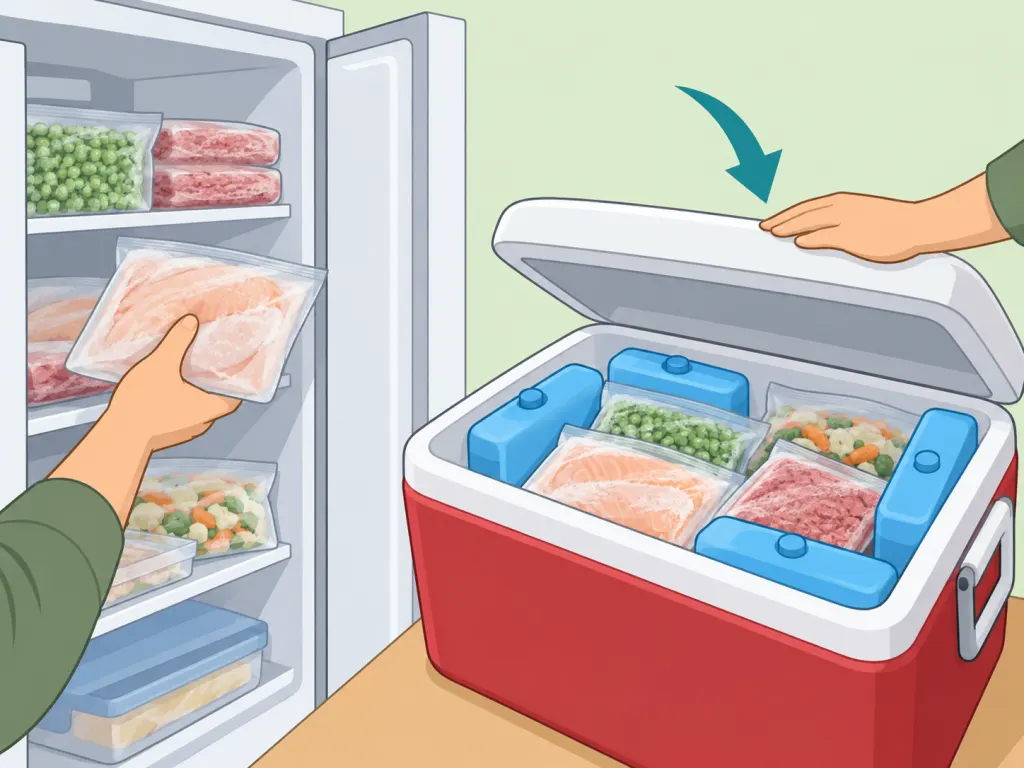
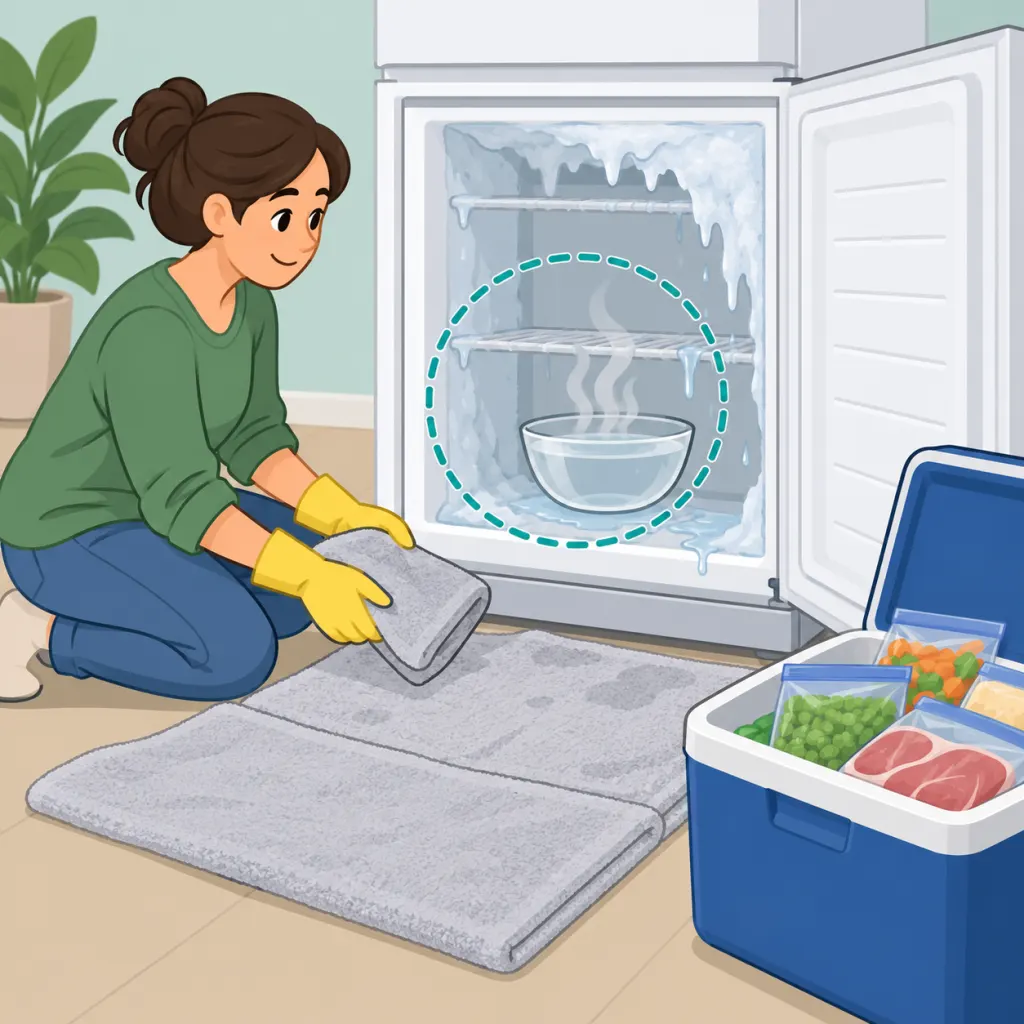
Pack frozen items tightly into coolers, insulated bags, or a clean box lined with towels, and add ice packs or frozen water bottles if you have them. Keep the lids closed while you work. FoodSafety.gov advises that frozen items can be refrozen if they still contain ice crystals or are at 40°F or below.
Step 3: Turn off and unplug the freezer
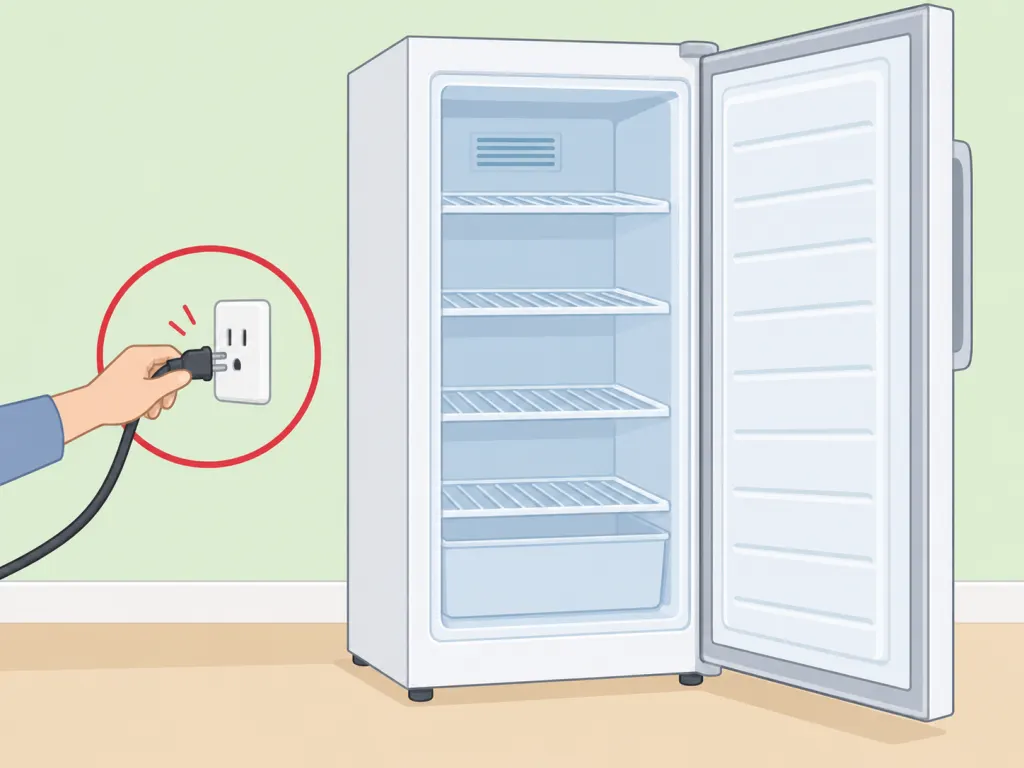
Switch the freezer off, then unplug it before you start melting frost. This stops the appliance from fighting your work and keeps meltwater away from a live plug or control area. Leave the door or lid open so warm room air can begin softening the frost.
Step 4: Protect the floor and open the drain
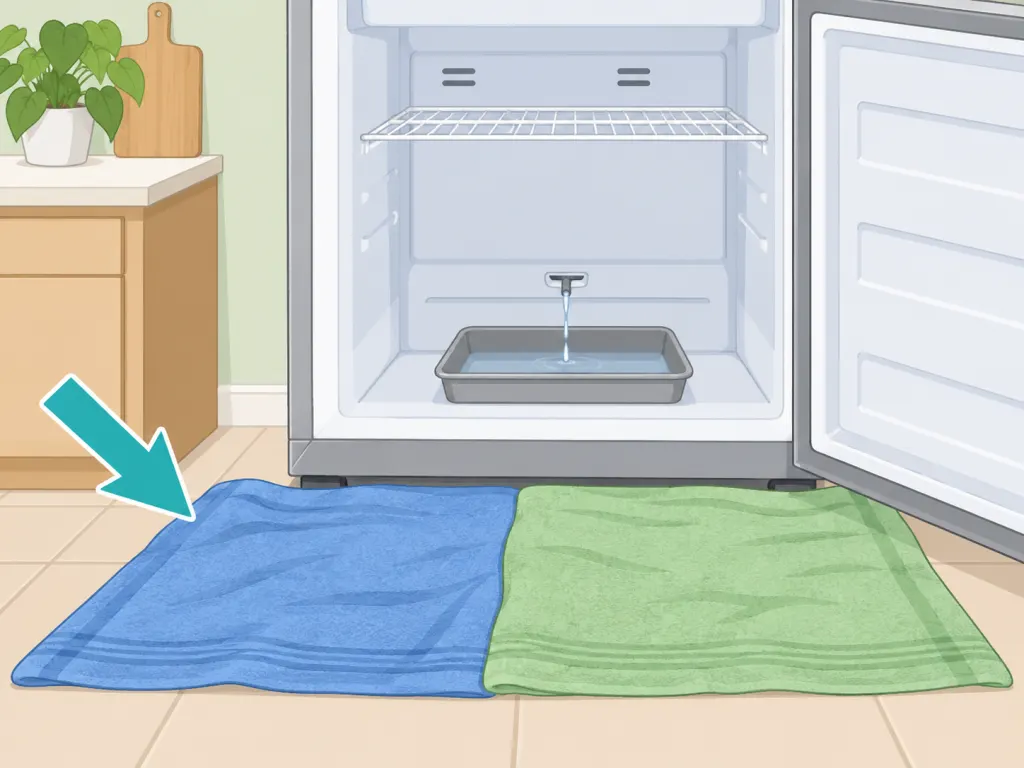
Lay thick towels along the front edge and under any low spots where water may run. If your freezer has a drain plug, open it and place a shallow pan or tray under the outlet. Replace wet towels as they soak through so water does not spread across the floor.
Set one or two heat-safe bowls or pans of hot water inside the empty freezer, placing them on a folded towel or trivet instead of directly on plastic. Close the door for 5 to 10 minutes, then reopen it and replace the water as it cools. The warm moisture loosens the ice faster than air alone, especially on flat walls and shelves.
Step 6: Loosen softened frost with a plastic scraper
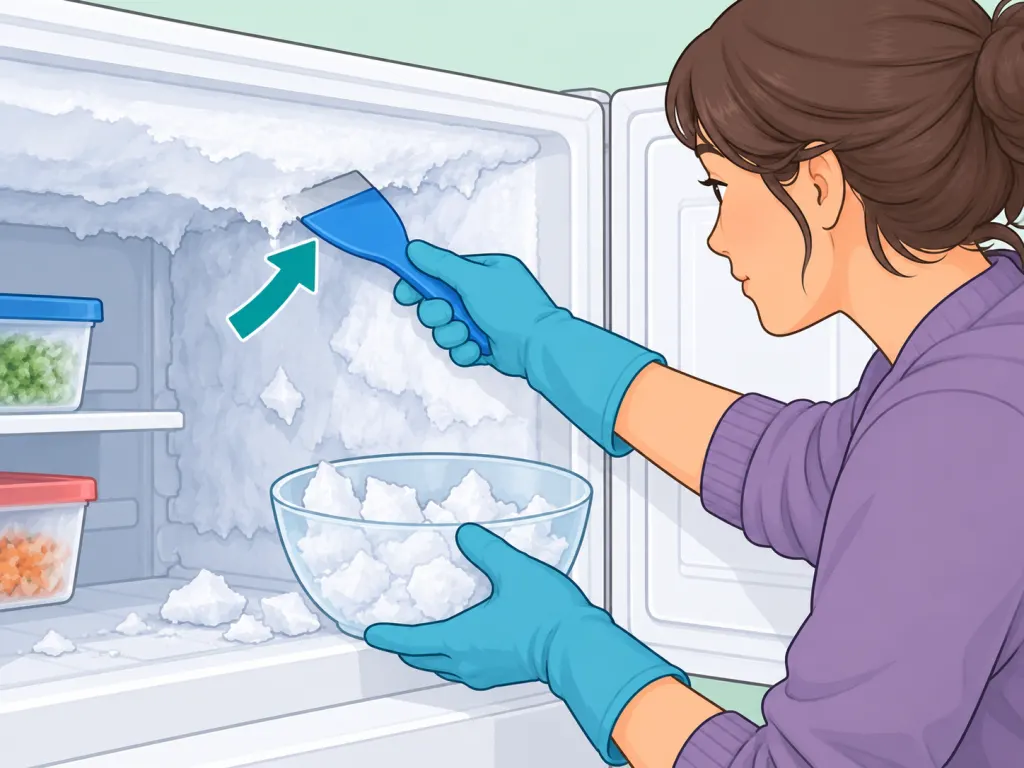
Once the edges of the frost turn slushy, slide a plastic scraper behind the loosened sections and lift them away gently. Drop chunks of ice into a bowl or sink instead of letting them melt inside the freezer. Never force solid ice; add another round of hot water and wait a few more minutes.
Step 7: Wipe the cabinet dry and restart it
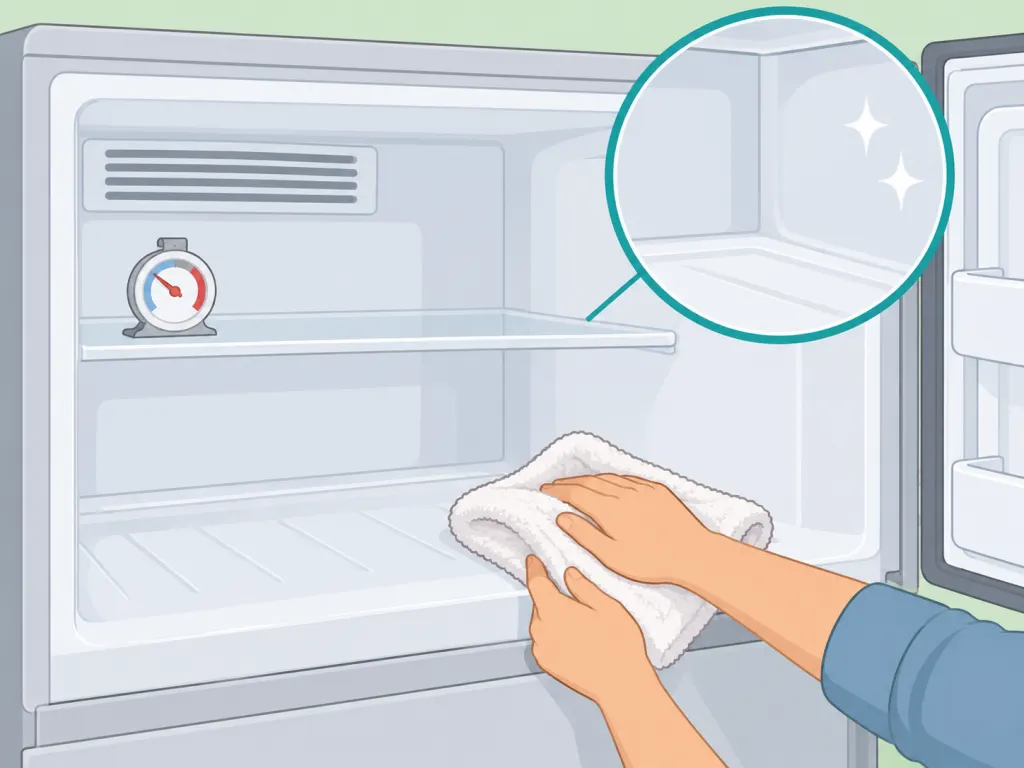
When all visible ice is gone, sponge out standing water and dry the walls, door gasket, shelves, and floor with clean towels. Plug the freezer back in, set it to 0°F, and place an appliance thermometer inside if you have one. The FDA recommends appliance thermometers because they show the actual refrigerator and freezer temperatures.
Step 8: Return only items that stayed cold enough
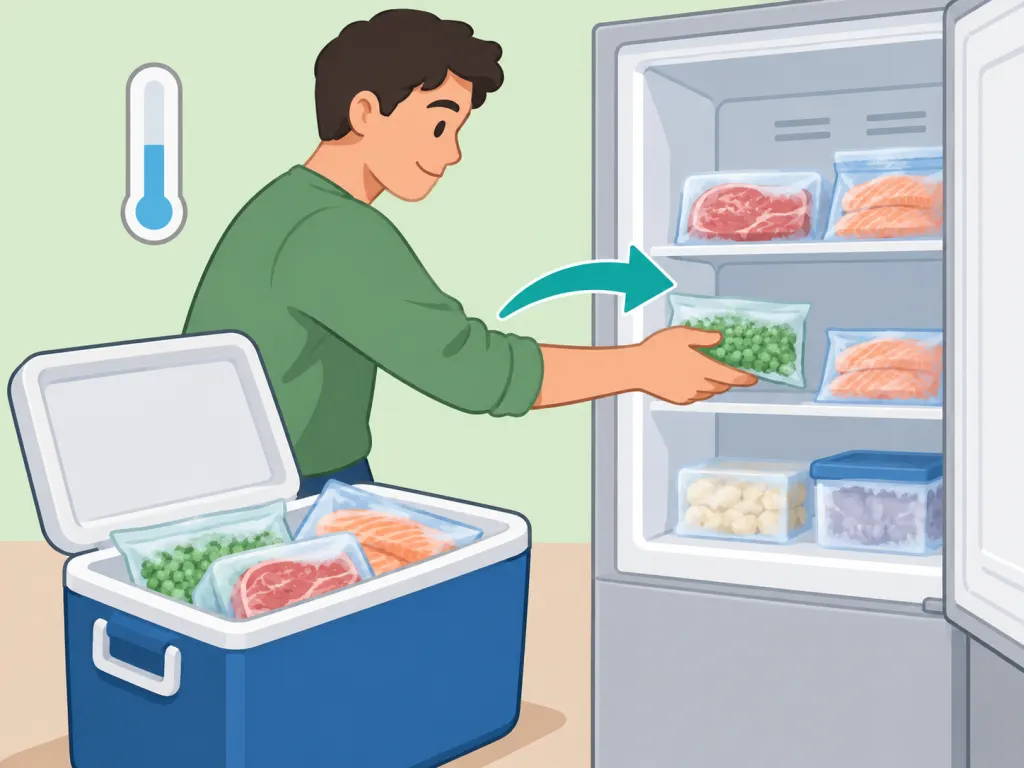
Put items back once the freezer is running and the food is still hard, icy, or no warmer than 40°F. If an item fully thawed and sat above 40°F for more than 2 hours, follow FoodSafety.gov's save-or-discard chart instead of guessing. For normal long-term storage, FoodSafety.gov lists freezer storage at 0°F as the standard temperature for frozen foods.
Step 9: Slow new frost by checking the seal and airflow
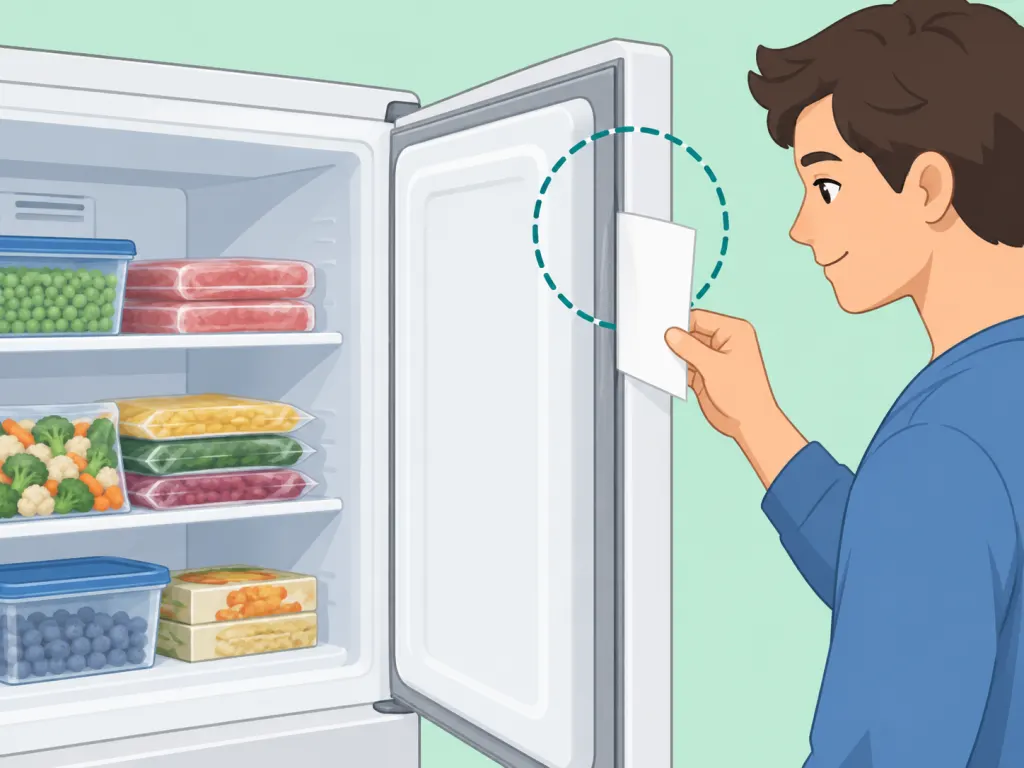
Close the door on a piece of paper and pull gently; if it slides out with almost no resistance, clean the gasket and check again. Leave a little room for air to move around packages, because University of Minnesota Extension notes that overloading a freezer can slow freezing and hurt quality. Keep the door closed as much as possible, and defrost again before frost reaches a heavy layer.
Wrap-Up
The bottom line: work quickly, keep frozen items insulated, never chip at ice with sharp metal, and dry the freezer completely before turning it back on. Afterward, keep the freezer at 0°F, check the door seal, and defrost again before frost grows thick.
Frequently Asked Questions
- → How often should I defrost a freezer?
Defrost a manual-defrost freezer before frost gets thick. ENERGY STAR says not to let frost build up beyond one-quarter inch.
- → Can I put frozen items back after defrosting?
Yes, if they still have ice crystals or are at 40°F or below. FoodSafety.gov says frozen items in that condition can usually be refrozen, although quality may suffer.
- → How long does quick defrosting take?
Light frost may loosen in 20 to 30 minutes, while heavy ice can take longer. The thickness of the frost, freezer size, room temperature, and how often you replace the hot water all affect the timing.
- → Should I use a knife or screwdriver on freezer ice?
No. Use a plastic scraper only after the ice has softened, because sharp tools can damage the liner or hidden cooling parts.
- → Why does my freezer ice up again so fast?
Fast frost usually means warm, moist air is getting in. Check that the door closes tightly, because ENERGY STAR recommends keeping freezer seals airtight and minimizing open-door time.
- → What temperature should the freezer be after defrosting?
Set the freezer to 0°F. The FDA recommends using an appliance thermometer because freezer controls do not always show the actual temperature.
References
This content was developed and refined using reliable sources.
- https://www.energystar.gov/products/freezers
- https://extension.umn.edu/food/preparing/cooking-at-home/food-preservation/freezing
- https://www.foodsafety.gov/food-safety-charts/food-safety-during-power-outage
- https://www.foodsafety.gov/food-safety-charts/cold-food-storage-charts
- https://www.fda.gov/food/buy-store-serve-safe-food/refrigerator-thermometers-cold-facts-about-food-safety