 Save
Strawberries are delicate, so a little care right after shopping can make a noticeable difference. This guide explains how to choose, sort, refrigerate, wash, and freeze strawberries using practical produce-safety guidance from food authorities and university extensions.
Step 1: Moldy berries do not become fresh again
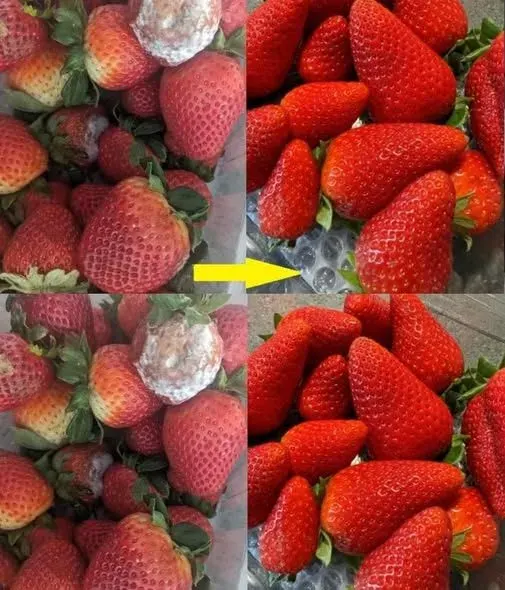
The before-and-after collage must not be read as a way to rescue mold-covered strawberries. Discard moldy soft fruit; cleaning cannot turn spoiled berries into fresh ones. The guide below is for extending the useful life of sound berries and sorting out spoiled ones early, not reversing mold.
Step 2: Choose dry, undamaged strawberries
At the store or market, look for strawberries that are firm, bright, and free from bruises, leaking juice, or visible mold. The FDA advises choosing produce that is not bruised or damaged, and Utah State University Extension notes that strawberries should be bright to deep red with fresh green caps and no mold when buying produce.
Step 3: Refrigerate the berries soon after buying
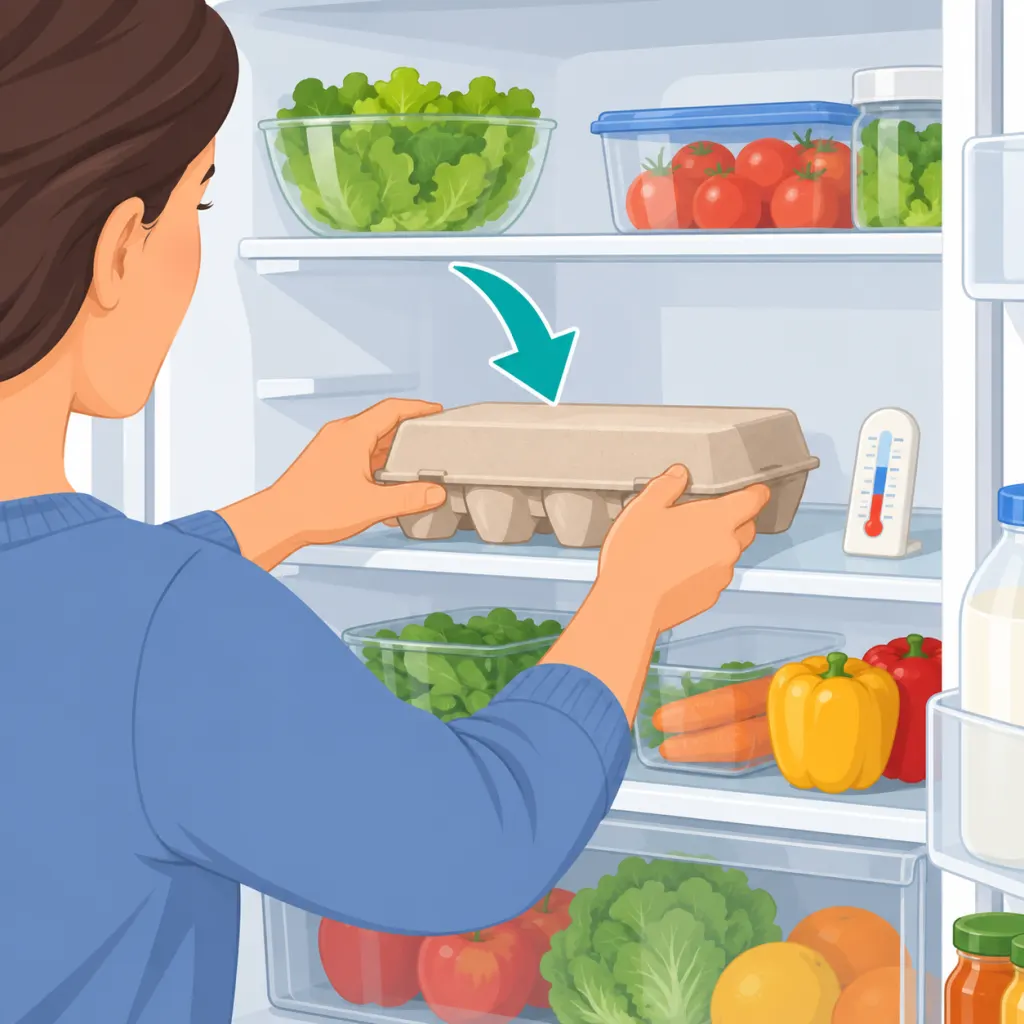
Put strawberries in the refrigerator as soon as you get home instead of leaving them on the counter. The FDA says perishable produce such as strawberries should be stored in a clean refrigerator at 40°F or below, and UC Davis lists very cold storage as best for strawberry quality after harvest.
Step 4: Sort out damaged berries right away
Open the container and remove any berries that are crushed, leaking, moldy, or badly soft. University of Maine Extension recommends removing spoiled or crushed berries before storage, and Utah State University Extension gives the same advice for moldy or damaged strawberries before refrigerating berries.
Do not hull or rinse strawberries until you are ready to eat or prepare them. University of Maine Extension advises storing berries unwashed and not removing strawberry caps before storage, while Utah State University Extension notes that berries tend to rot if held moist during refrigerator storage.
Step 6: Line a shallow container with paper towel
Move the sorted berries into a shallow container lined with a clean paper towel, ideally in one loose layer. Utah State University Extension recommends refrigerating strawberries unwashed in a single layer on paper towel, which helps limit bruising and absorbs extra surface moisture while they are stored.
Step 7: Store the container in the crisper
Place the container in the refrigerator crisper or another cold, clean spot, and avoid crowding it tightly. Illinois Extension recommends storing fresh produce in high-humidity crisper cabinets and keeping covered produce above raw meats, poultry, seafood, or foods that need cooking to reduce cross-contact.
Step 8: Wash only the berries you plan to use
When you are ready to eat strawberries, rinse just that portion under cool running water, then blot dry with a clean paper towel before removing the caps. The FDA recommends washing produce under running water and drying it afterward, and it says not to use soap, detergent, or commercial produce wash on fresh produce.
Step 9: Freeze extras before they soften
If you have more strawberries than you can eat within a few days, freeze the firm ones while their quality is still good. Utah State University Extension recommends washing, draining, freezing berries on a lined baking sheet until firm, then moving them to freezer bags or containers to help prevent freezer burn for longer storage.
Step 10: Seek medical advice if food makes you ill
If you think strawberries or another food may have made you sick, contact a doctor or qualified health professional, especially if symptoms are severe, persistent, or affecting someone at higher risk. The FDA advises contacting a healthcare provider if you think you or a family member has a foodborne illness after eating contaminated produce.
Wrap-Up
The bottom line: strawberries last longest when you buy sound fruit, remove damaged berries, keep them cold and dry, and wash them only right before eating. If you cannot use them within a few days, freeze them while they are still firm and bright.
Frequently Asked Questions
- → Should strawberries be washed before storing?
Usually no. University extension guidance recommends storing strawberries unwashed and washing them just before use because extra moisture can speed up spoilage.
- → How long do strawberries last in the refrigerator?
Many extension guides give strawberries only a few days in the refrigerator, often about 2 to 3 days for best quality. Very fresh, undamaged berries may last longer, but check them daily.
- → Should I remove the green tops before refrigerating strawberries?
No. Leave the caps on until after washing and just before eating or preparing them. This helps keep water from soaking into the berries.
- → Can I store strawberries in an airtight container?
A covered container is fine, but avoid packing strawberries tightly. A shallow container with a paper towel and a little airflow helps reduce trapped moisture and bruising.
- → Is it safe to use soap or produce wash on strawberries?
No. The FDA recommends rinsing produce under running water and says not to use soap, detergent, or commercial produce wash on fruits and vegetables.
- → What should I do if one strawberry is moldy?
Remove moldy or damaged berries right away. If the rest of the container looks questionable, the safest choice is to discard it rather than taste-test it.
References
This content was developed and refined using reliable sources.
- https://www.fda.gov/food/buy-store-serve-safe-food/selecting-and-serving-produce-safely
- https://www.fda.gov/consumers/consumer-updates/are-you-storing-food-safely
- https://extension.usu.edu/preserve-the-harvest/dev/berries-1
- https://postharvest.ucdavis.edu/produce-facts-sheets/strawberry
- https://extension.illinois.edu/food-safety/produce-handling
- https://extension.umaine.edu/food-health/2025/05/29/storing-and-washing-fresh-fruits-and-vegetables