 Save
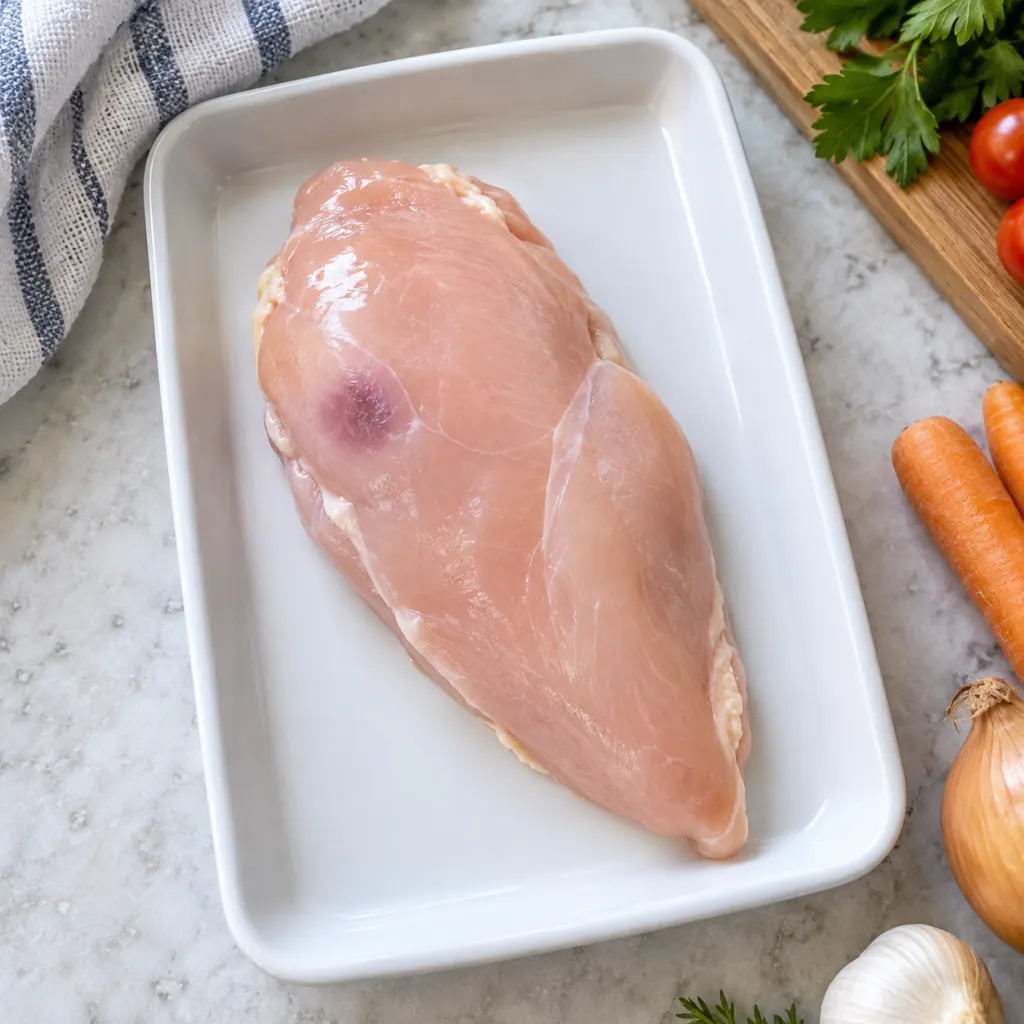
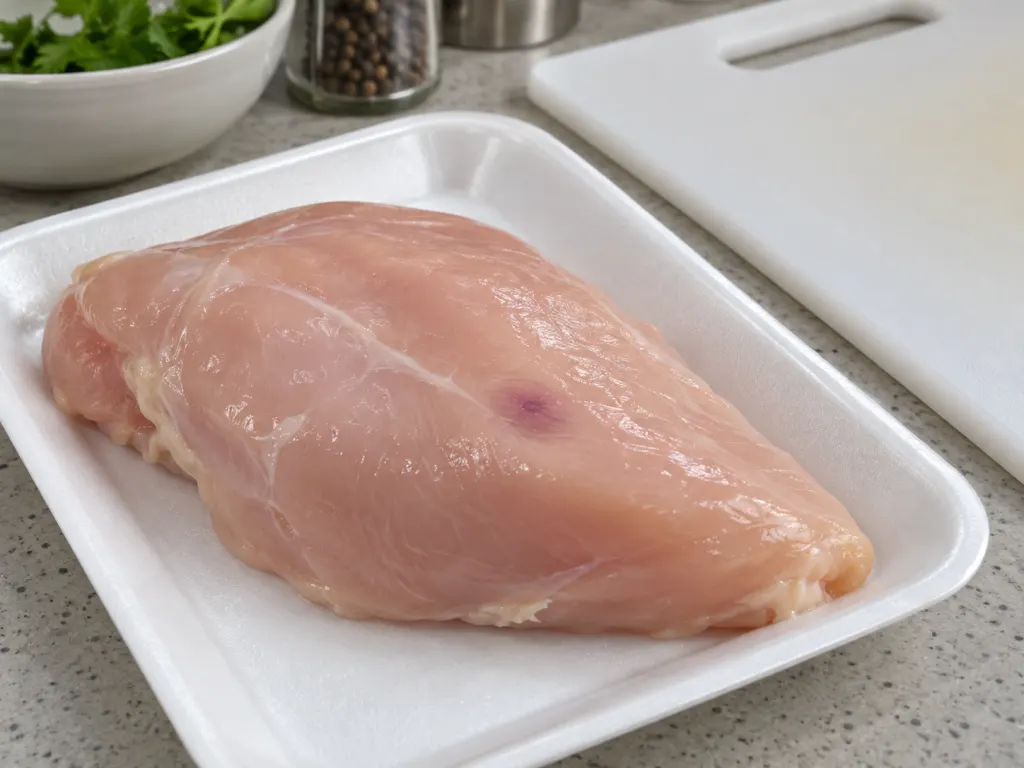
A purple spot on chicken breast is usually a reason to pause, not panic. A small, localized purple, red, or bluish mark can come from bruising, retained meat pigments, or handling before the chicken reached the package. On its own, that color does not prove the chicken is spoiled. The safer question is broader: was it kept cold, does it smell normal, is the texture normal, has it been stored within a reasonable time, and will it be cooked to 165°F? CDC guidance says raw chicken can carry germs and should be handled as a food safety risk even when it looks fine, which is why appearance should never be the only test https://www.cdc.gov/food-safety/foods/chicken.html.
What the Purple Spot Usually Is
Most small purple spots on a chicken breast are best understood as localized discoloration. In plain kitchen terms, it may be a bruise-like area, a small spot where blood pigments remained in the tissue, or a darker patch caused by normal variation in poultry muscle. USDA Agricultural Research Service material discusses poultry bruising as a real carcass quality issue and notes that breast areas can be among the sites where bruises appear https://www.ars.usda.gov/research/publications/publication/?seqNo115=208120. That does not mean every purple spot has the same cause, but it does explain why a single discolored area can appear on otherwise ordinary raw chicken.
Chicken meat is not manufactured to look perfectly identical from piece to piece. Poultry may vary by muscle, age, handling, chilling, packaging, and exposure to air. The USDA Agricultural Marketing Service even has grading references for poultry discoloration, which shows that discoloration is treated in the poultry system as a visible quality characteristic, not automatically as proof that the food is dangerous https://www.ams.usda.gov/book/discoloration-reference. A small spot can be unappealing, and trimming it away after safe handling is a reasonable choice for appearance, but the bigger safety decision should be based on the whole package and how it was stored.
Why Color Alone Is a Weak Safety Test
Color can help you notice that something deserves attention, but it cannot reliably tell you whether raw chicken is safe. The FDA explains that color and texture are unreliable safety indicators for meat, poultry, seafood, and egg products; a food thermometer is the dependable tool for confirming that cooking has reached the proper temperature https://www.fda.gov/food/buy-store-serve-safe-food/refrigerator-thermometers-cold-facts-about-food-safety. That point matters both ways: chicken can look acceptable and still need careful handling, and chicken can have a localized color flaw without the entire package being spoiled.
Think of the purple spot as one clue, not a verdict. If the spot is small, the chicken was purchased recently, the package stayed cold, the odor is neutral, and the texture is simply moist rather than sticky, the spot is often more of a quality concern than a reason to discard the whole package. If the discoloration is widespread, paired with sour odor, sticky surface, leaking packaging, or a history of sitting warm, then the color becomes part of a larger warning picture.
A Practical Check Before You Cook
Before cooking chicken with a purple spot, slow down for a short inspection. Do it over a sink or tray so juices do not spread around the kitchen. Keep the chicken separate from salads, bread, fruit, and cooked foods, because CDC guidance warns that raw chicken and its juices can spread germs to ready-to-eat foods https://www.cdc.gov/food-safety/foods/chicken.html.
- Smell: raw chicken should not have a strong sour, rotten, or unpleasant odor.
- Texture: the surface may be moist, but it should not feel sticky, tacky, or slimy.
- Temperature history: the package should have been kept cold from store to refrigerator.
- Storage time: fresh chicken pieces are best used within the short refrigerated window recommended for poultry.
- Package condition: avoid using chicken from torn, swollen, leaking, or obviously mishandled packaging.
- Recall status: if the product is part of a recall, discard it even if it looks normal.
FoodSafety.gov lists fresh chicken or turkey pieces at 1 to 2 days in the refrigerator at 40°F or below, with freezer storage longer for quality https://akaprod-www.foodsafety.gov/food-safety-charts/cold-food-storage-charts. If you do not remember when the package went into the refrigerator, that uncertainty matters more than the purple spot. Time and temperature are often the hidden details behind unsafe poultry.
When to Throw It Out
Discard the chicken if the purple spot comes with other warning signs. A sour smell, slippery slime, sticky film, unusually swollen packaging, juices that have leaked through the fridge, or a package that spent more than 2 hours at room temperature should shift your decision toward disposal. FDA guidance says perishable foods should not sit at room temperature for more than 2 hours, or more than 1 hour when the surrounding temperature is above 90°F https://www.fda.gov/food/buy-store-serve-safe-food/refrigerator-thermometers-cold-facts-about-food-safety.
Also throw away chicken if you opened the package and something simply seems broadly wrong: the odor fills the room, the color change is not localized, the surface looks gray-green, or the meat feels like it is breaking down. The goal is not to rescue every package. It is to separate an isolated visual blemish from a pattern of mishandling or spoilage. When the evidence points in both directions, choose the safer path.
What If the Spot Is Only on One Part?
If the spot is small and the rest of the chicken passes the freshness and storage checks, you can trim the discolored section away for appearance if you prefer. Use a clean knife and cutting board, keep raw juices contained, and wash tools and surfaces afterward. Trimming is not a safety treatment for spoiled poultry; it is only a way to remove an unattractive localized area when the rest of the package is otherwise sound.
Do not taste raw chicken to check it. Do not rinse it as a shortcut. CDC states that raw chicken is ready to cook and does not need washing; washing can spread germs to the sink, counter, and nearby foods https://www.cdc.gov/food-safety/foods/chicken.html. If you decide the chicken is usable, move straight into controlled prep: separate board, clean hands, contained juices, and a food thermometer at the end.
The Storage Details That Matter Most
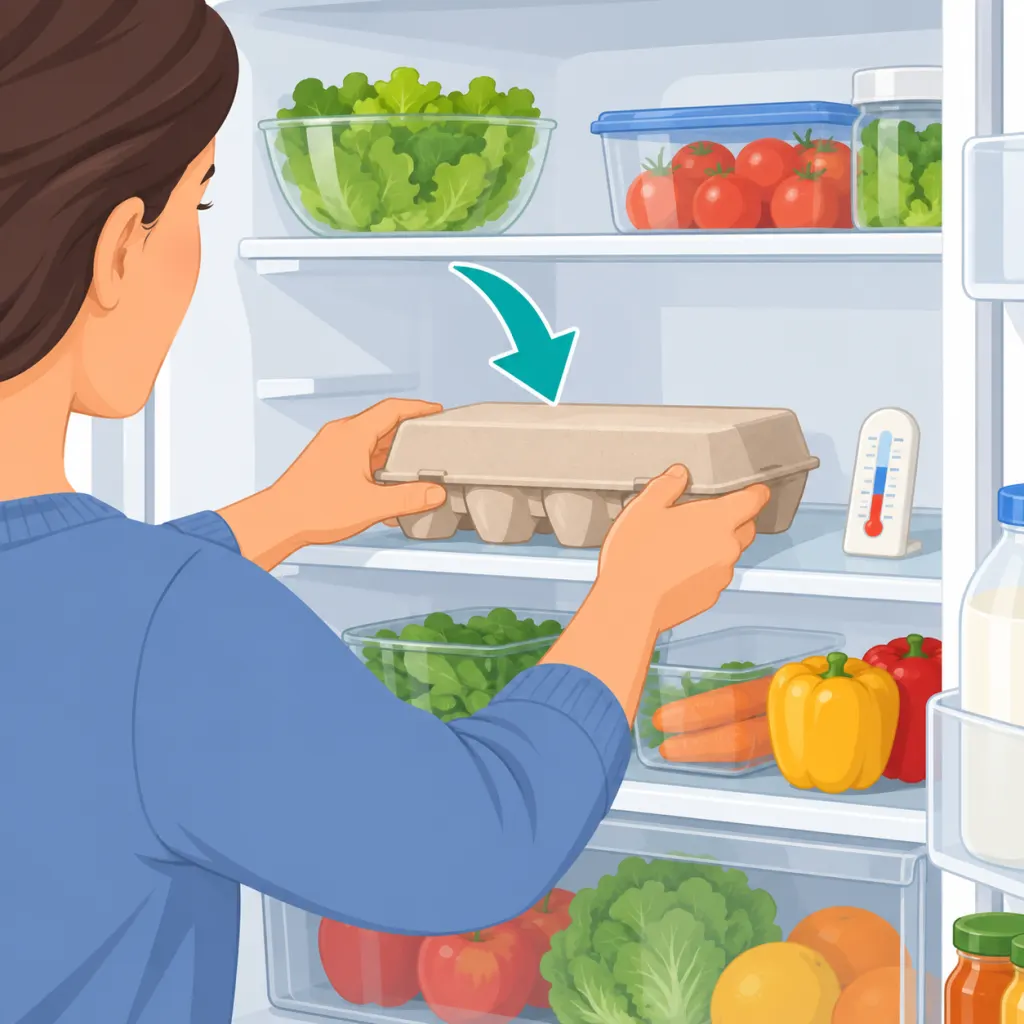
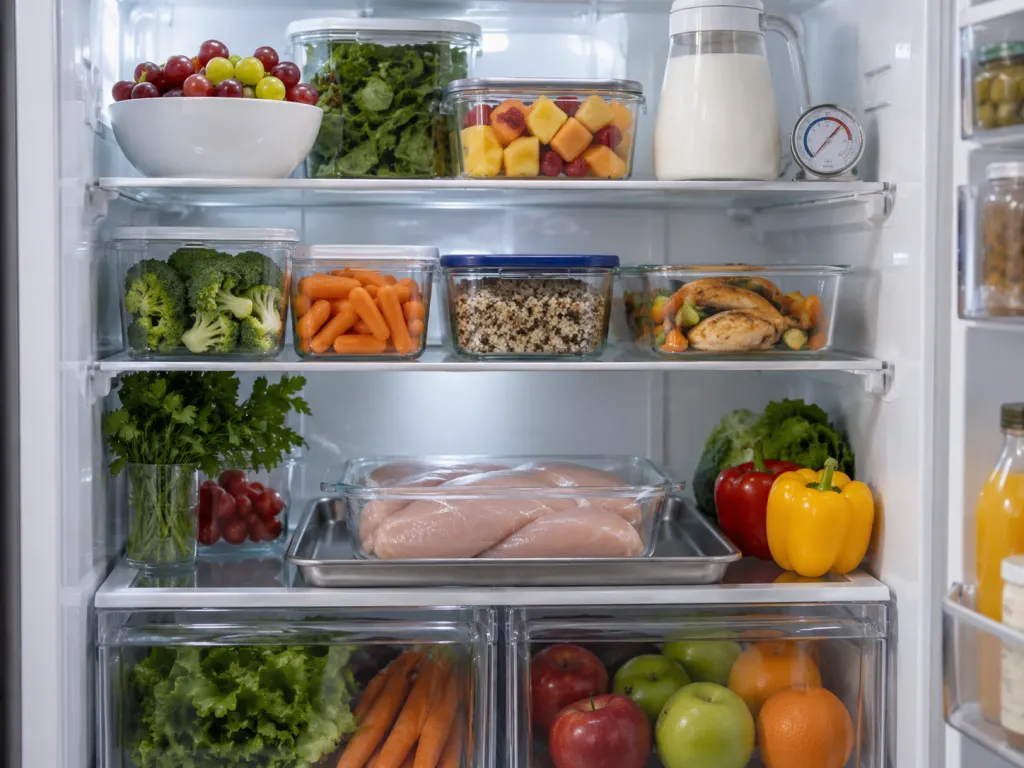
The refrigerator should be at 40°F or below, and the freezer at 0°F. FDA recommends using appliance thermometers because refrigerator controls do not always show the actual temperature https://www.fda.gov/food/buy-store-serve-safe-food/refrigerator-thermometers-cold-facts-about-food-safety. This is especially useful for chicken because a package can look fine while spending too much time in a warm part of the refrigerator door or an overpacked shelf where cold air cannot circulate.
At the store, choose chicken near the end of the trip, place it in a separate bag, and keep it away from ready-to-eat foods. At home, put it on the bottom shelf in a sealed container or on a rimmed tray so juices cannot drip onto produce or leftovers. If you are not cooking it within 1 to 2 days, freeze it promptly. These habits are more protective than trying to interpret every shade of pink, red, purple, or beige on raw meat.
Cooking Still Has to Finish the Job
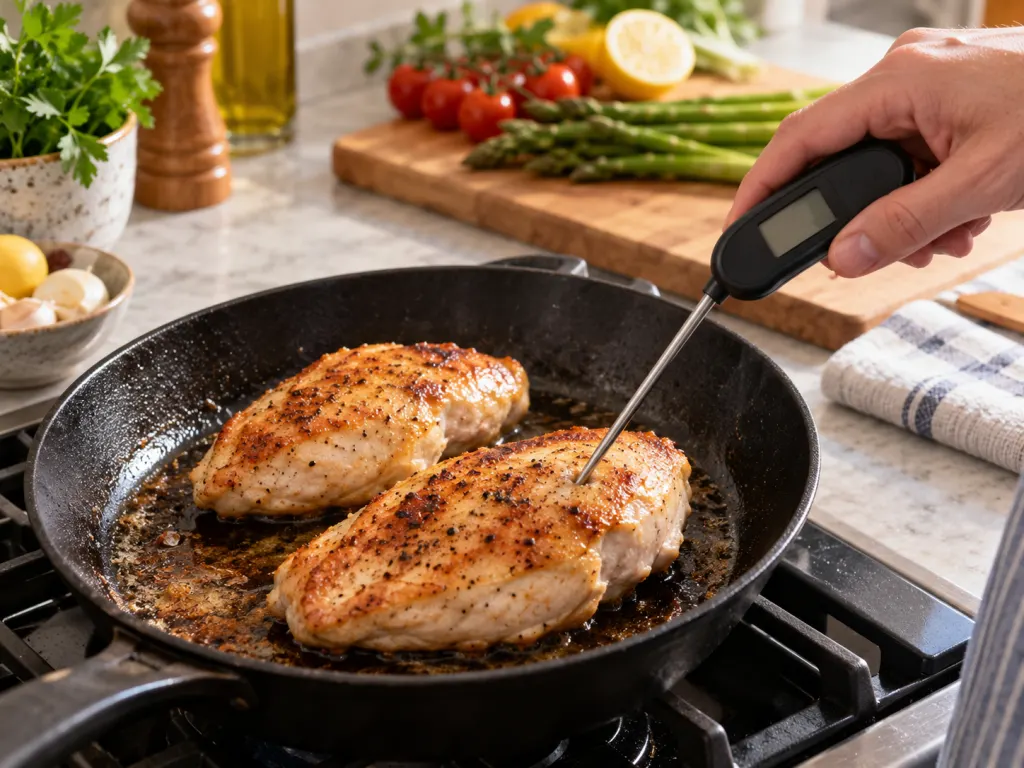
If you keep the chicken, cook it like any other raw poultry. CDC’s food safety guidance says all poultry should reach 165°F, and that a thermometer is the way to know because cooked color and texture are not dependable enough https://www.cdc.gov/food-safety/prevention/. Insert the thermometer into the thickest part of the breast, avoiding the pan surface and any bone. For thinner cutlets, insert from the side so the sensing area reaches the center.
The purple spot may darken, fade, or remain visible after cooking. That visual change does not replace the temperature reading. If you are making a creamy chicken dish, casserole, or skillet meal, check the chicken itself before it is buried under sauce. For dinner ideas after you have confirmed the chicken is sound, routes such as Creamy Garlic Chicken Breast, Italian Sheet Pan Chicken Breast, and Broccoli Stuffed Chicken Breast are better used with poultry that has passed the basic safety checks.
How to Decide Without Overthinking It
A good decision tree is simple. First, look at the spot: is it small and localized, or widespread and strange? Second, evaluate the whole package: normal odor, normal moist texture, intact packaging, and proper cold storage? Third, think about time: was it refrigerated promptly and used within the recommended window? Fourth, plan the cooking: can you cook it thoroughly and verify 165°F with a thermometer? If the answers are reassuring, a small purple spot is usually not the deciding factor. If any answer is uncertain in a meaningful way, discard the chicken.
This approach is calmer than either extreme. You do not need to throw away every chicken breast with a tiny dark spot. You also should not talk yourself into using poultry that smells off or has been stored poorly. Food safety is usually a pattern of evidence, and the purple spot is only one part of that pattern.
Bottom Line
A purple spot on chicken breast is commonly a localized appearance issue, often related to bruising or pigment, but it should prompt a full safety check. If the chicken has stayed cold, smells neutral, feels normally moist, is within the refrigerator storage window, and will be cooked to 165°F, the spot alone is not usually the reason to discard it. If the package smells bad, feels slimy, sat warm too long, leaked, or seems questionable overall, throw it out.
Wrap-Up
The safest way to handle a purple spot on chicken breast is to avoid making the spot carry the whole decision. A small purple or dark red area can happen from localized bruising or discoloration, and official poultry quality materials recognize discoloration as a visible grading concern. But raw chicken can carry germs even when it looks normal, so the real decision depends on storage time, cold temperature, odor, texture, package condition, cross-contamination control, and final cooking temperature. Keep chicken at 40°F or below, use fresh pieces within 1 to 2 days unless freezing, keep raw juices away from ready-to-eat foods, and cook poultry to 165°F with a thermometer.
Frequently Asked Questions
- → Is a purple spot on raw chicken breast always unsafe?
No. A small localized purple or dark red spot can be a quality or appearance issue, such as bruising or pigment variation. Safety depends on the whole picture: smell, texture, storage temperature, storage time, packaging condition, and cooking to 165°F.
- → Can I cut the purple part off and cook the rest?
If the chicken otherwise smells normal, feels normally moist, was kept cold, and is within the storage window, trimming away a small discolored area for appearance is reasonable. Do not use trimming to save chicken that smells bad, feels slimy, leaked, or sat warm too long.
- → Should I wash chicken that has a purple spot?
No. Washing raw chicken is not needed before cooking and can spread raw juices around the sink and counter. Keep the chicken contained, use separate tools for raw poultry, wash hands and surfaces, and cook it thoroughly.
- → How long can raw chicken breast stay in the refrigerator?
FoodSafety.gov lists fresh chicken or turkey pieces at 1 to 2 days in the refrigerator at 40°F or below. If you will not cook it in that window, freeze it promptly for best quality and safer planning.
- → What temperature should chicken breast reach?
Cook chicken breast to 165°F measured with a food thermometer in the thickest part. Color after cooking is not reliable enough by itself, especially in sauced, grilled, smoked, or unevenly thick pieces.
References
This content was developed and refined using reliable sources.
- https://www.cdc.gov/food-safety/foods/chicken.html
- https://www.fda.gov/food/buy-store-serve-safe-food/refrigerator-thermometers-cold-facts-about-food-safety
- https://akaprod-www.foodsafety.gov/food-safety-charts/cold-food-storage-charts
- https://www.ams.usda.gov/book/discoloration-reference
- https://www.ars.usda.gov/research/publications/publication/?seqNo115=208120
- https://www.cdc.gov/food-safety/prevention
- https://www.foodsafety.gov/food-safety-charts