 Save
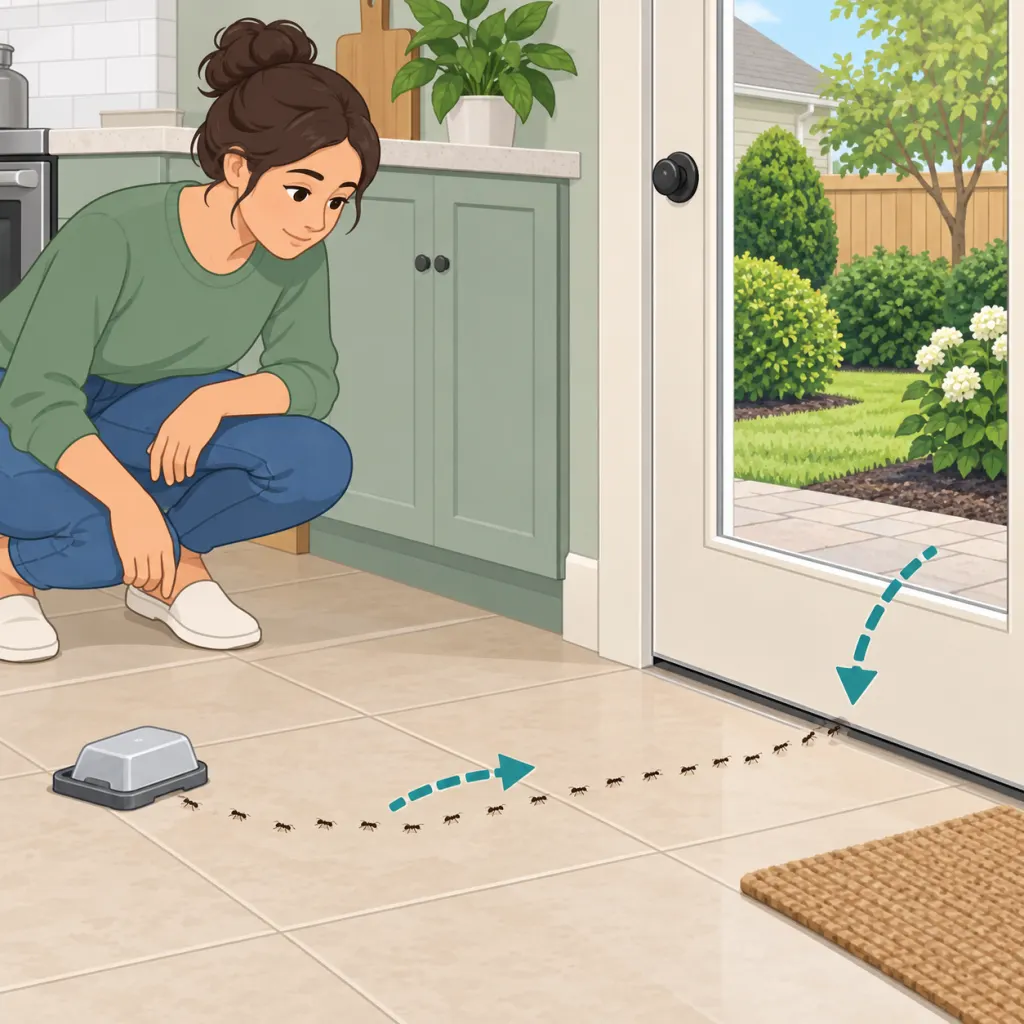
Ants usually come indoors while looking for food, water, or shelter, so lasting control starts with removing what attracts them and blocking the routes they use. This guide explains how to handle ants in the house and yard with sanitation, exclusion, careful bait use, and safety checks. Outdoor ants can also be useful in gardens, so the goal is practical control around living spaces, not wiping out every ant outdoors.
Step 1: Identify the ants and trace their route
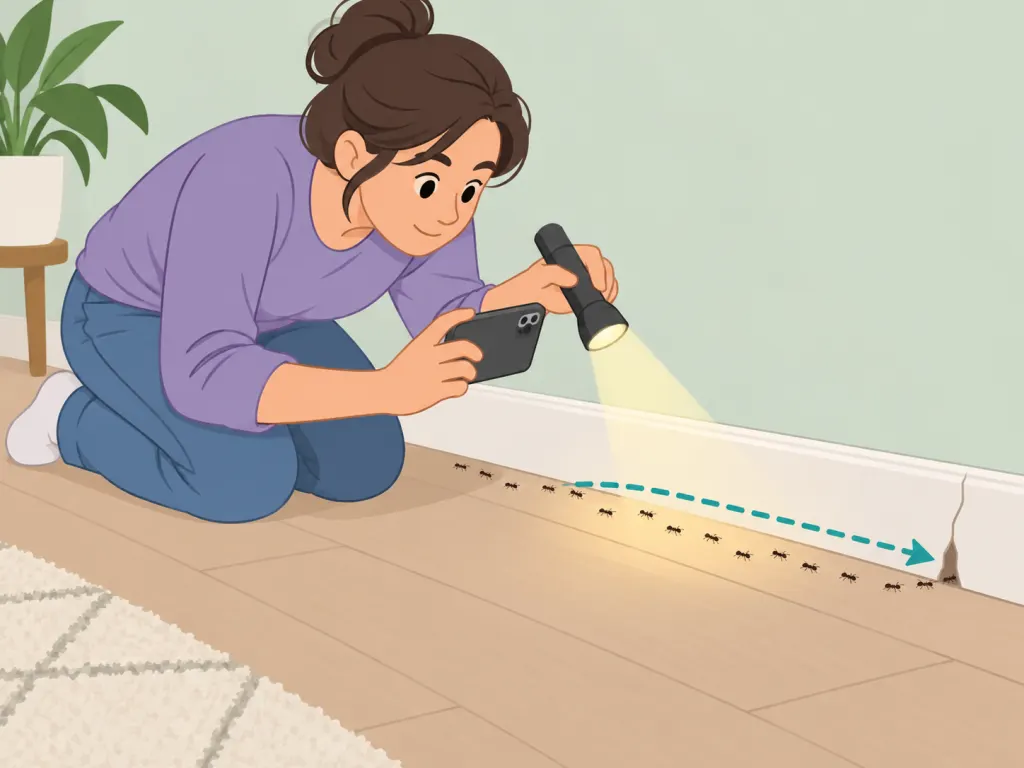
Watch where the ants travel, where they enter, and what they are feeding on before you put anything down. Different species respond differently, and the University of Minnesota Extension notes that correct identification matters because control methods vary by ant type. Take a close photo and contact your county or university Extension office if the ants are large, winged, stinging, or hard to identify.
Step 2: Remove food, water, and trash that attract them
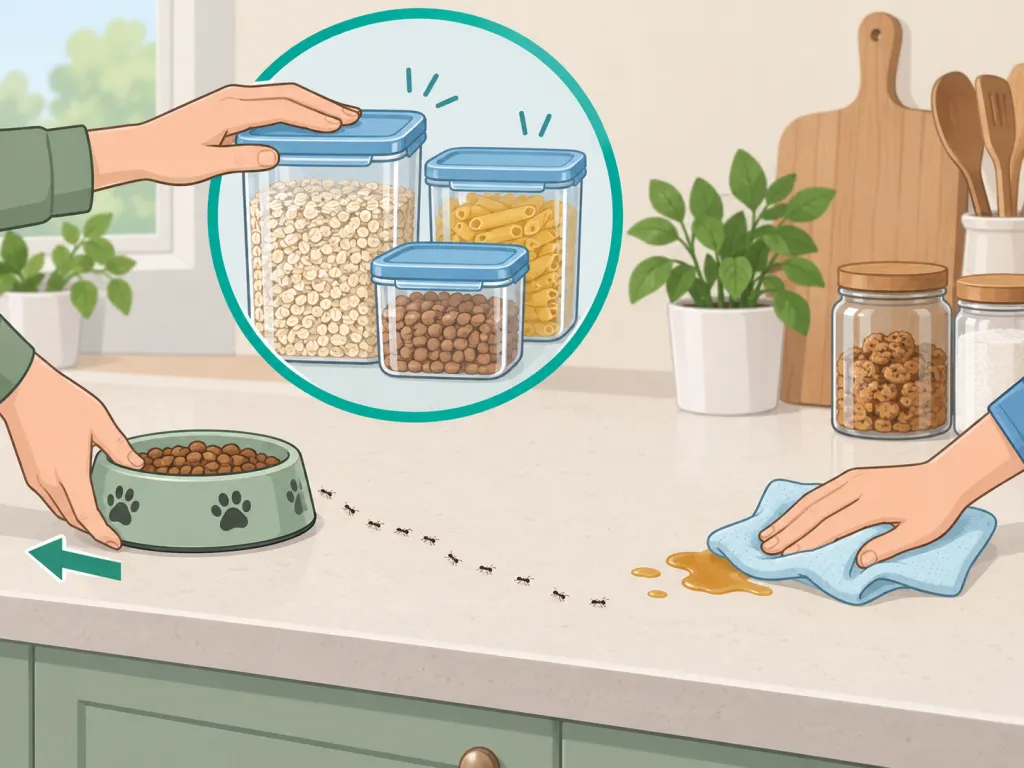
Put sugar, syrup, pet food, and pantry foods in sealed containers, wipe sticky jars, clean grease and crumbs, and empty indoor food waste often. The UC Statewide IPM Program recommends fixing leaky faucets and removing food residues because ants commonly enter buildings looking for food and water. At night, pick up pet dishes or place the dish in a shallow soapy-water moat only if pets cannot drink from it.
Step 3: Wipe away trails and seal entry points
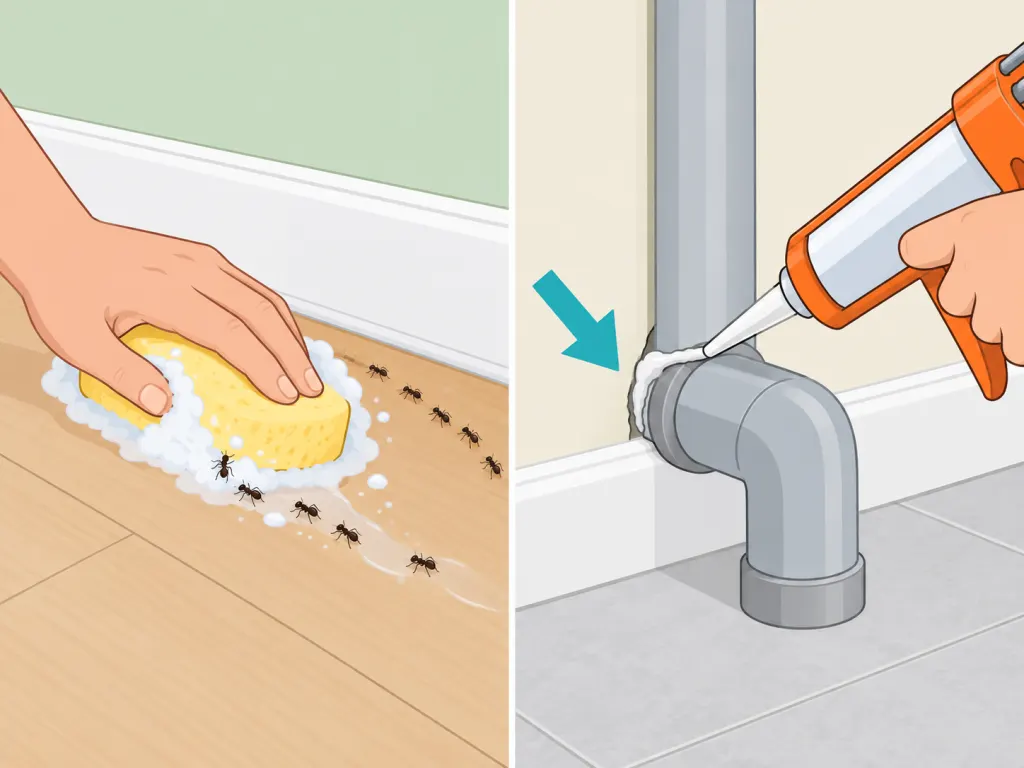
Vacuum or wipe active trails with soapy water, then follow the line back to cracks, gaps around pipes, window edges, or foundation openings. UC IPM’s quick guide says to clean invading ants and seal where they enter, since sprays on visible ants do not stop more ants from coming in. Use caulk, weatherstripping, or another suitable sealant once the surface is dry.
Step 4: Place ant bait where ants are already traveling
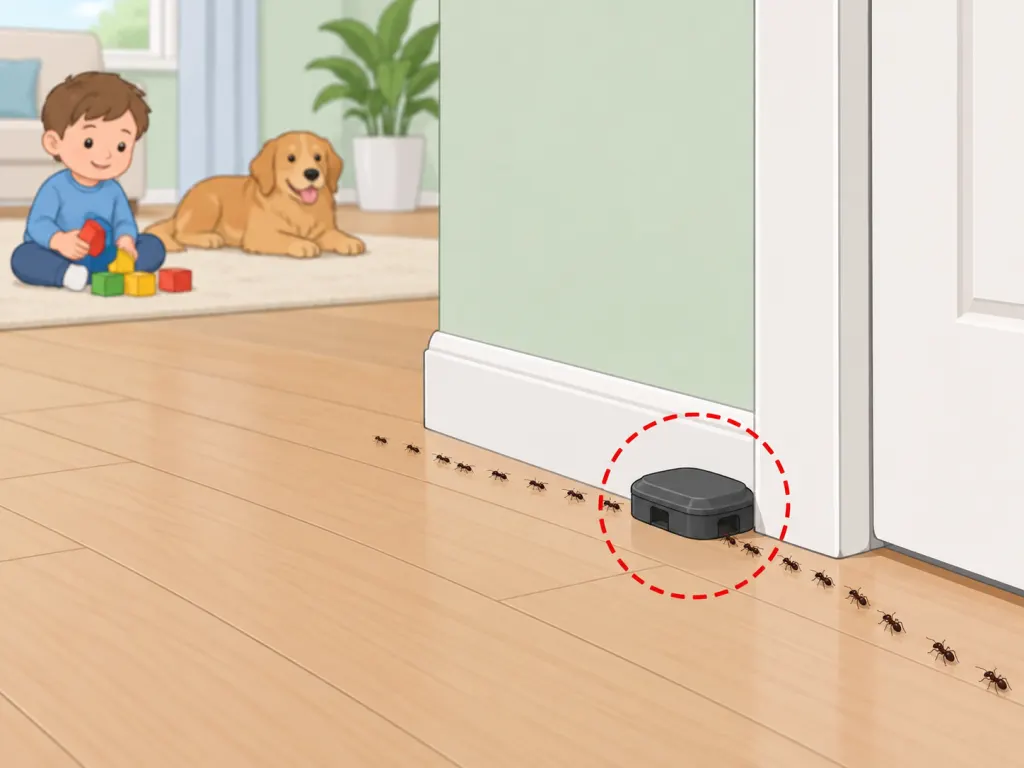
Choose a ready-to-use bait station or gel labeled for the type of ant and location, then place it near trails while keeping it away from children and pets. UC IPM explains that slow-acting baits are usually more effective than sprays because workers carry small amounts back to the nest. Do not spray insecticide on or near bait, since that can stop ants from feeding on it.
Move mulch, leaf litter, grass, stacked boards, and dense plants away from the foundation, and prune branches that touch the house. UC IPM recommends keeping plants, grass, and mulch away from buildings because these areas can support ant foraging and nesting near entry points. Repair dripping outdoor faucets or sprinkler heads so ants are not drawn to steady moisture.
Step 6: Manage yard mounds with labeled products
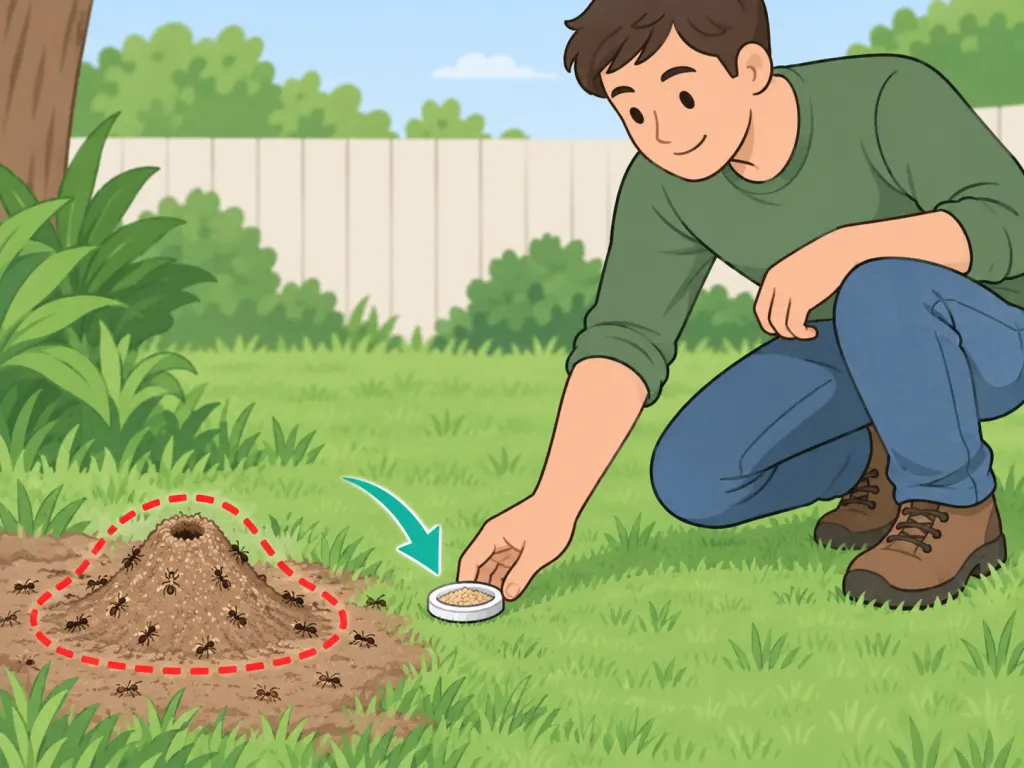
For ordinary nuisance mounds, use a labeled outdoor ant bait near trails or nest openings and give it time to work. For suspected fire ants, Texas A&M’s fire ant program says broadcast baits and individual mound products are common options, but colonies should not be disturbed during application. Follow the product label exactly and avoid applying yard pesticides before rain or where runoff can carry them away.
Step 7: Use pesticides only as the label allows
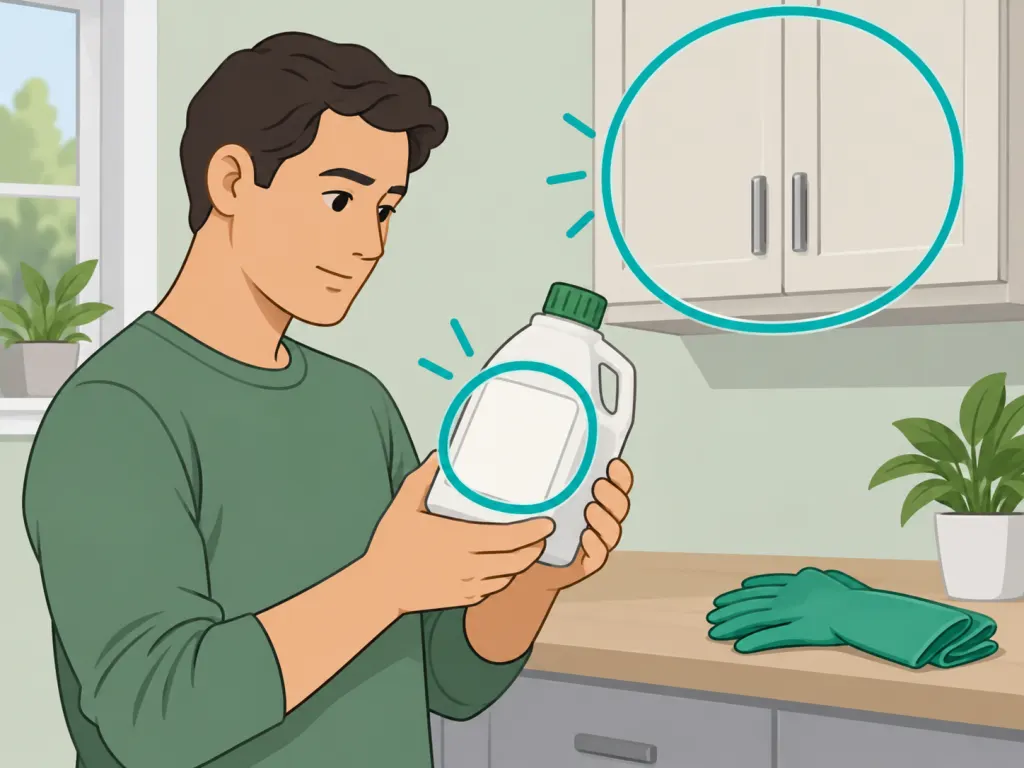
If you use any pesticide, read the label before buying, mixing, applying, storing, or disposing of it. The EPA states that pesticides can affect indoor air quality and that users should use nonchemical methods where possible and follow label directions. EPA pet guidance also says to keep products in original containers and keep pets and children away from treated areas as directed on the label.
Step 8: Get professional or medical help when the problem is risky
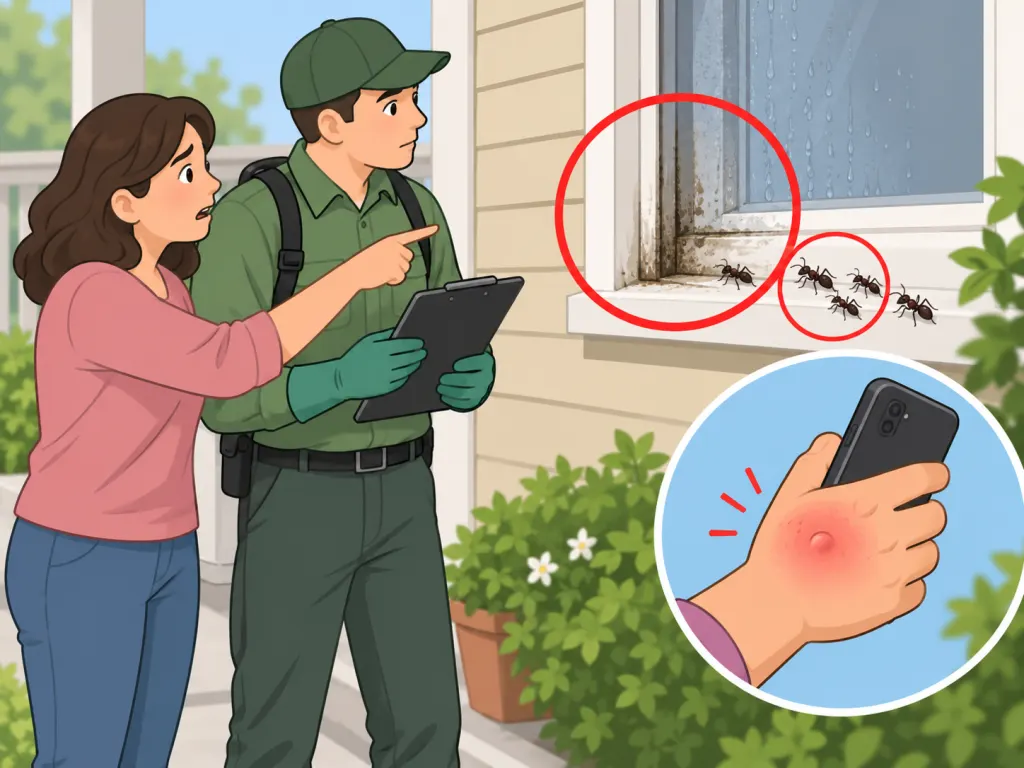
Call a licensed pest management professional if you suspect carpenter ants in damp wood, repeated indoor nests, or fire ants where people or pets may be stung. The University of Minnesota Extension says carpenter ant control is often complex because nests can be hidden and wood moisture problems may need repair. If a fire ant sting causes breathing trouble, throat swelling, widespread swelling, or shock-like symptoms, seek emergency help right away, as described by MedlinePlus.
Wrap-Up
The bottom line: remove what ants are feeding on, erase their trails, seal the entry points, and use bait stations or labeled mound products only where they fit the problem. Get expert help when ants may be damaging wood, stinging people, or requiring pesticide use you are not comfortable handling.
Frequently Asked Questions
- → Why do ants keep coming back after I spray them?
- Sprays often affect only the ants you see. University of California IPM explains that many ants live outdoors, so long-term control depends more on cleaning, sealing entry points, and using baits that workers carry back to the nest.
- → What is the fastest first step when ants are in the kitchen?
- Remove the food source, wipe the trail with soapy water, and look for the entry point. Then seal the opening or place a bait station where ants are already traveling.
- → Should I use bait indoors or outdoors?
- Use outdoor baits when you can, especially near trails or nest openings, because they can draw ants away from the house. Indoor bait can help when you cannot find the entry point, but keep it out of reach of children and pets and follow the label.
- → How long do ant baits take to work?
- Baits are intentionally slow because workers need time to carry them back to the colony. Depending on the species and product, you may need several days to several weeks of monitoring and replacing bait.
- → When should I worry about carpenter ants?
- Large black or red-and-black ants, coarse sawdust-like debris, winged ants indoors, or repeated activity near damp wood can point to carpenter ants. Because nests are often hidden and wood may be involved, a pest management professional is often the safest next step.
- → Are fire ant mounds different from ordinary ant hills?
- Fire ants can sting when a mound is disturbed, and MedlinePlus notes that severe reactions can include breathing trouble or throat swelling. Avoid disturbing suspected fire ant mounds and use local Extension guidance or a licensed professional if they are near play areas, walkways, or pets.
References
This content was developed and refined using reliable sources.
- https://ipm.ucanr.edu/home-and-landscape/ants
- https://ipm.ucanr.edu/QT/antscard.html
- https://extension.umn.edu/garden-and-home/home-maintenance/household-insects/ants
- https://extension.umn.edu/garden-and-home/home-maintenance/household-insects/carpenter-ants
- https://www.epa.gov/indoor-air-quality-iaq/pesticides-impact-indoor-air-quality
- https://www.epa.gov/pets/read-label-first-protect-your-pets
- https://fireant.tamu.edu/controlmethods
- https://www.medlineplus.gov/ency/article/002843.htm