 Save
Finding maggots in a trash can is unpleasant, but it is a common, fixable problem rather than a sign that something has gone seriously wrong. Maggots are simply fly larvae that hatched from eggs laid in moist food waste, and they can grow large enough to notice within a couple of days once conditions are warm and damp enough. This guide walks through clearing out an active infestation and the sanitation habits that keep flies from laying eggs in the bin again.
Step 1: Put on gloves before you start
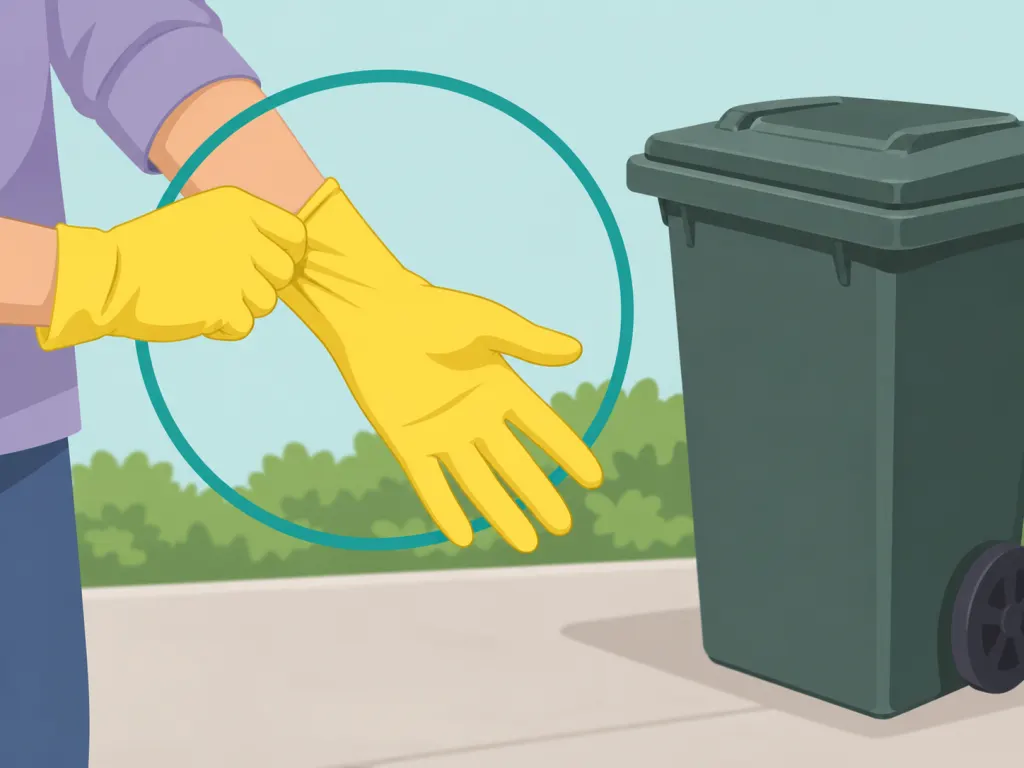
Fly larvae thrive in decomposing waste, and adult house flies can pick up disease-causing organisms from garbage and animal waste, including bacteria linked to food poisoning, according to the Illinois Department of Public Health. Snap on a pair of disposable or reusable cleaning gloves so your hands do not touch the maggots, residue, or bag surfaces directly, and wash your hands well when you are done.
Step 2: Remove and bag the infested waste right away
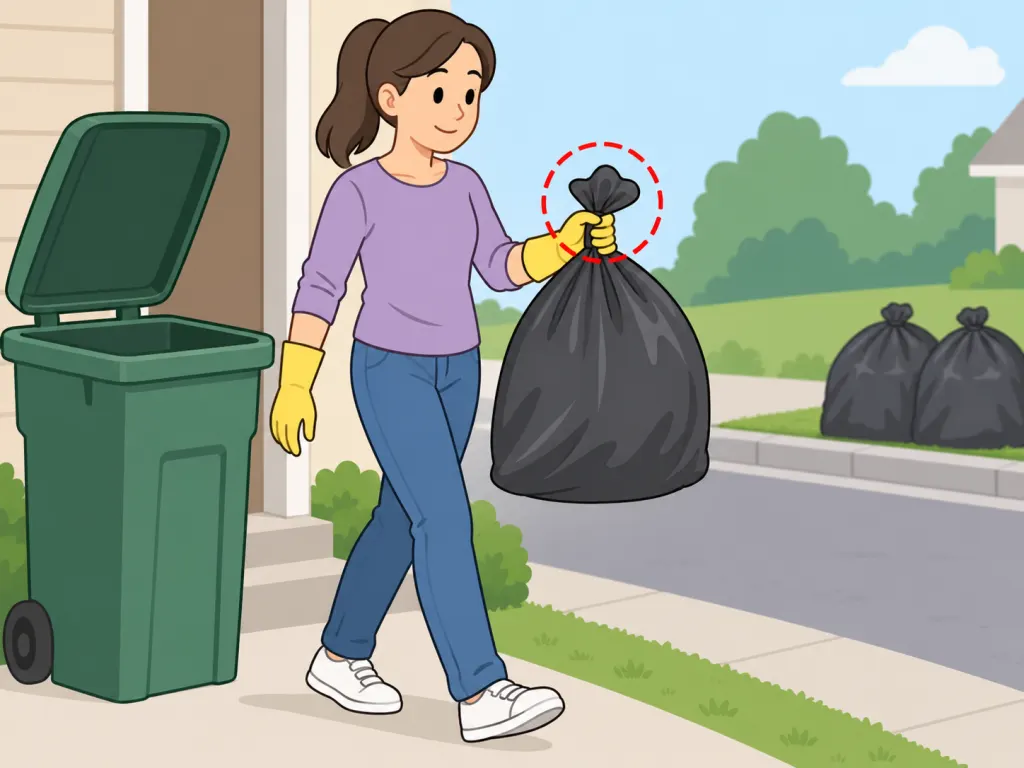
Pull out any bag or loose waste that has maggots in it and tie it shut immediately so larvae cannot crawl out before collection. The EPA recommends keeping food scraps in tightly covered containers, so double-bag anything wet, meaty, or especially smelly before it goes back in the bin or out to the curb.
Step 3: Check the bin for hidden leaks and residue
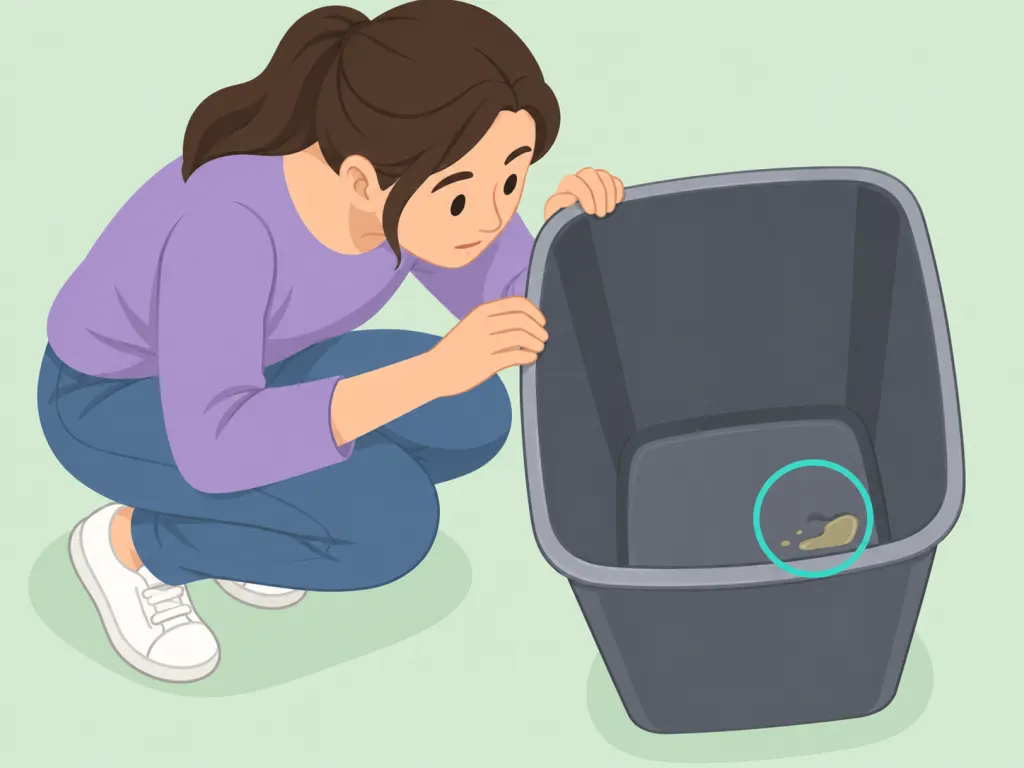
Once the bin is empty, look closely at the bottom, the rim, and the underside of the lid. Torn bags often leak meat juices, grease, or other liquid that pools and decomposes, and moist organic residue like this is exactly what draws female flies in to lay eggs, according to UC Statewide IPM Program research.
Step 4: Scrub the inside with soap and hot water
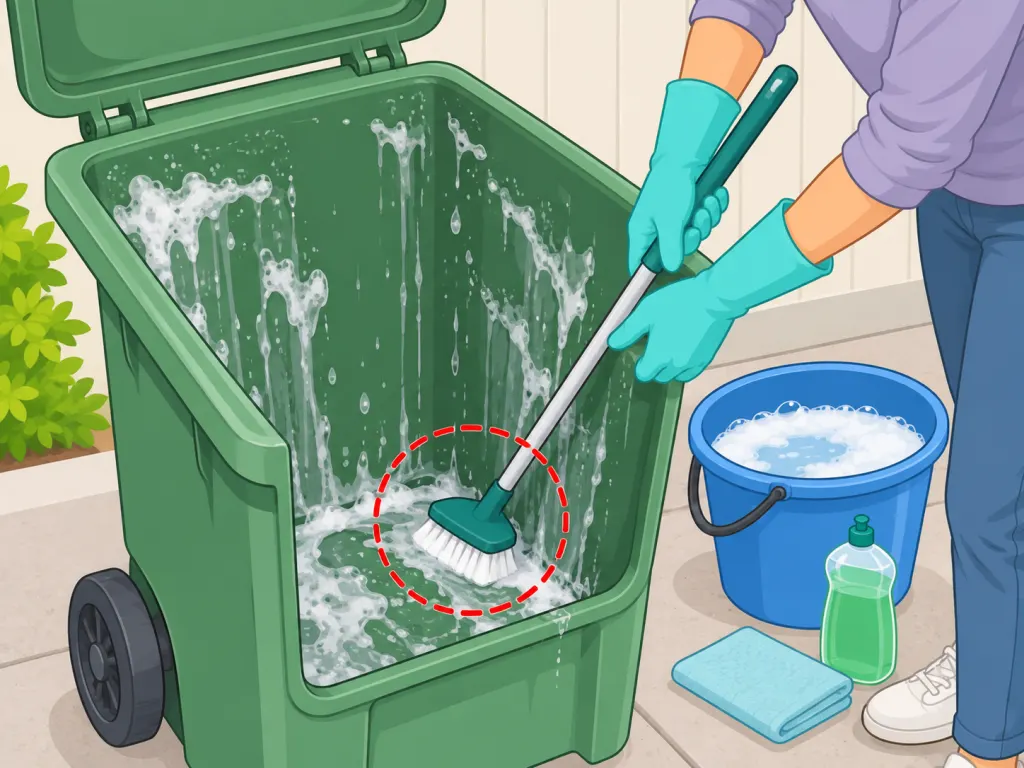
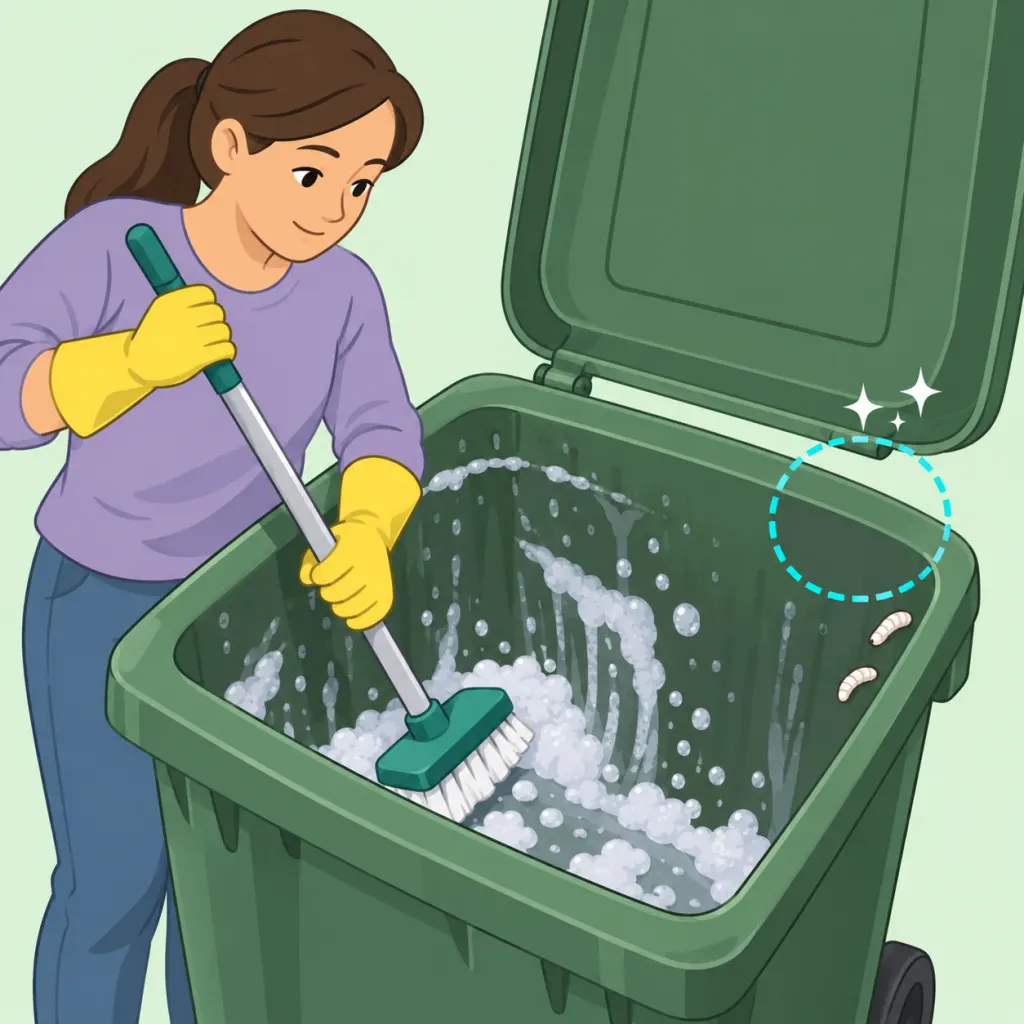
Scrub every interior surface with dish soap, hot water, and a stiff brush, paying extra attention to the bottom seam and lid gasket where residue collects. Regularly washing out a garbage can to remove food residue is one of the sanitation steps recommended by UC IPM for keeping flies from breeding in it.
Turn the bin upside down or prop the lid open and let it air-dry fully before you use it again. Moist conditions inside a container are one of the main things that attract egg-laying flies, so a bin that is genuinely dry, not just rinsed, is far less inviting, per the Clemson Home & Garden Information Center.
Step 6: Wrap and bag food scraps before they go in the trash
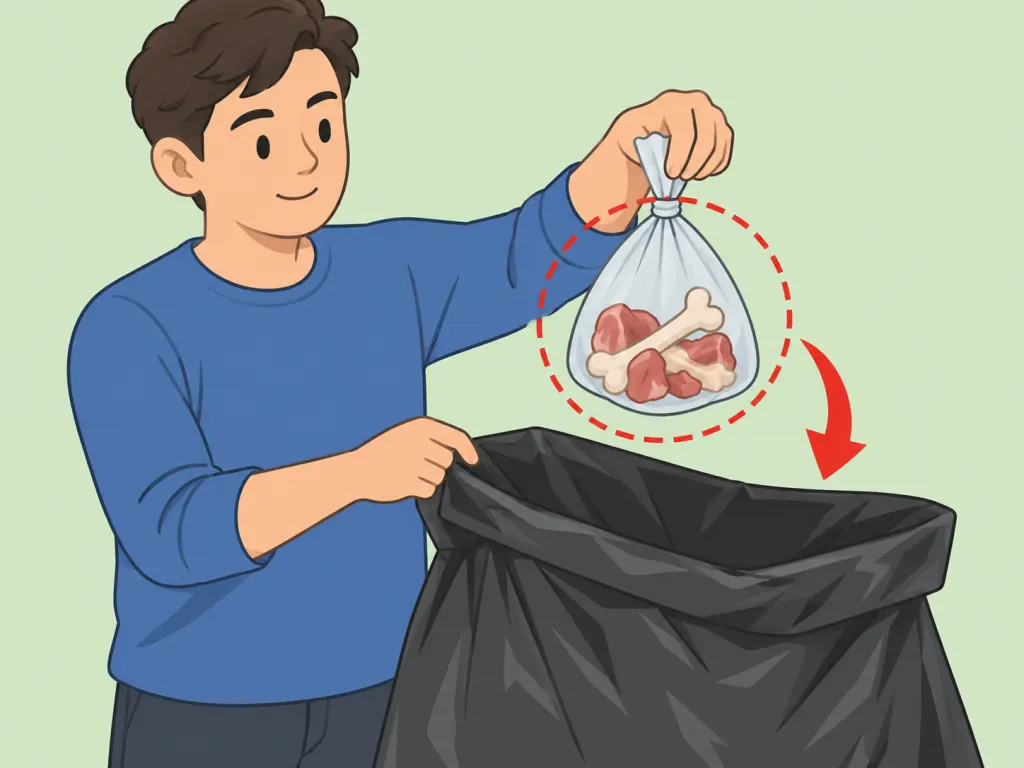
Going forward, wrap meat scraps, bones, and other wet or strong-smelling food waste before it goes in the trash, and use a second bag for anything especially messy. The EPA lists sealed food waste as one of the simplest ways to remove what flies are actually looking for.
Step 7: Make sure the lid seals tightly every time
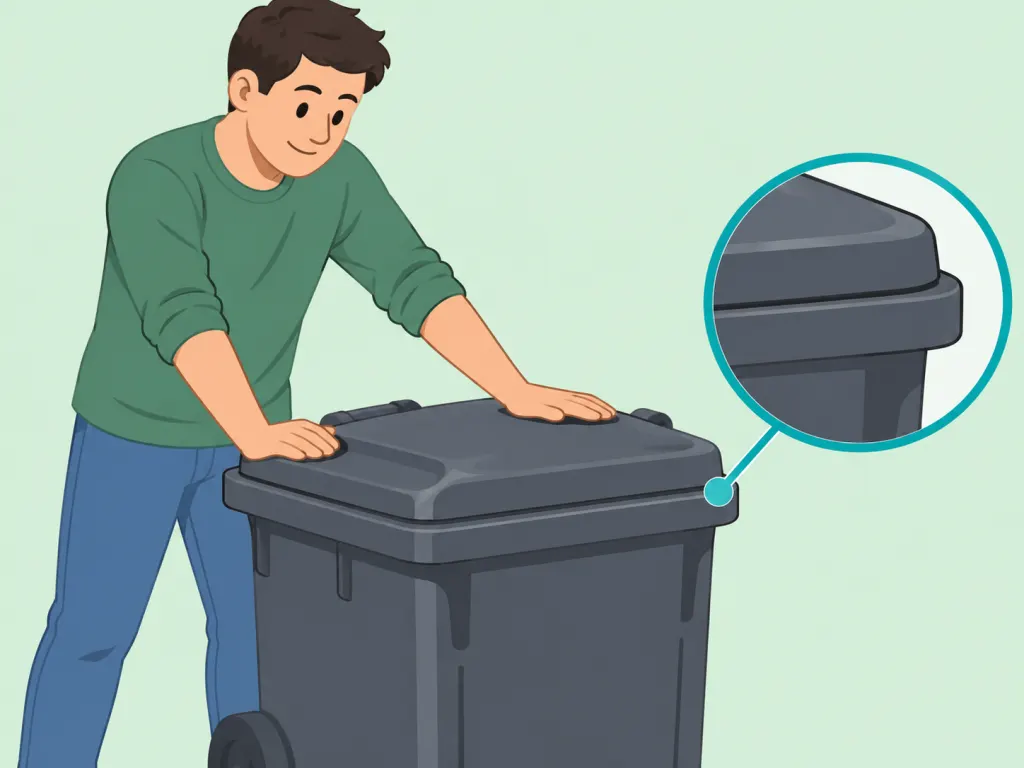
Check that your bin's lid closes flush and latches or sits snugly, and replace a warped or cracked lid if it no longer seals well. Storing trash in bags and cans with tight-fitting lids is a core recommendation from the Illinois Department of Public Health for keeping filth flies out of garbage.
Step 8: Keep to a regular, frequent pickup schedule
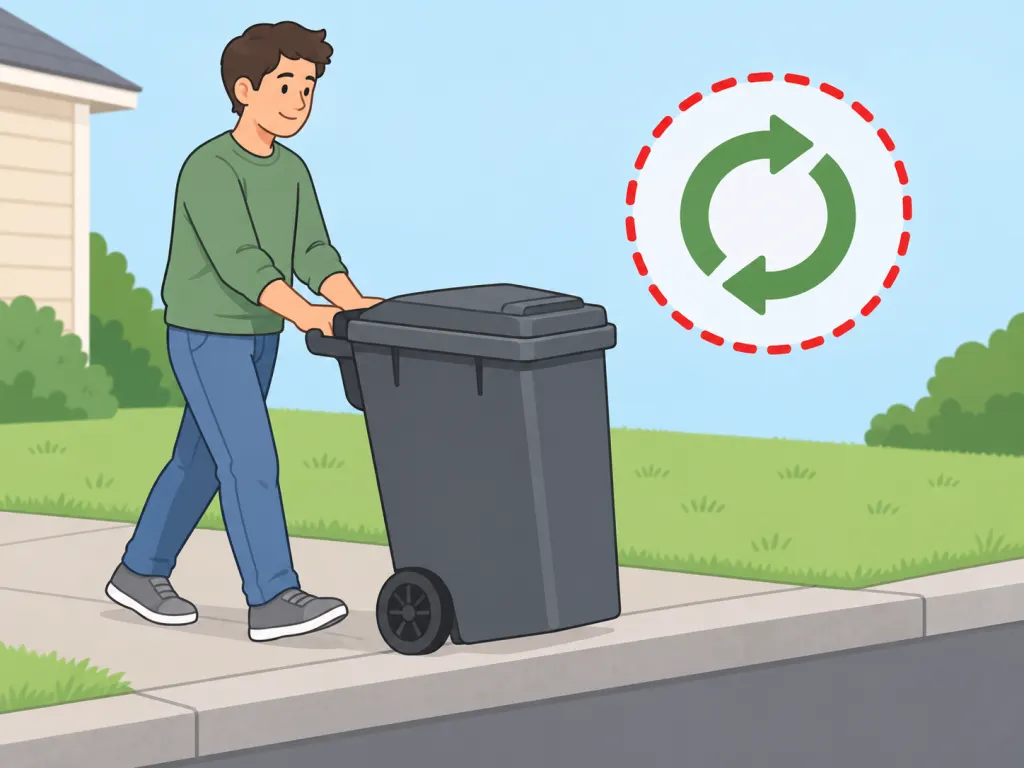
Take household trash out for collection at least once a week, and more often in hot weather. Under warm conditions a fly can develop from egg to adult in about a week, so waste that sits much longer than that has time to complete an entire breeding cycle inside the bin, per UC IPM.
Step 9: Call a pest control professional if maggots keep coming back
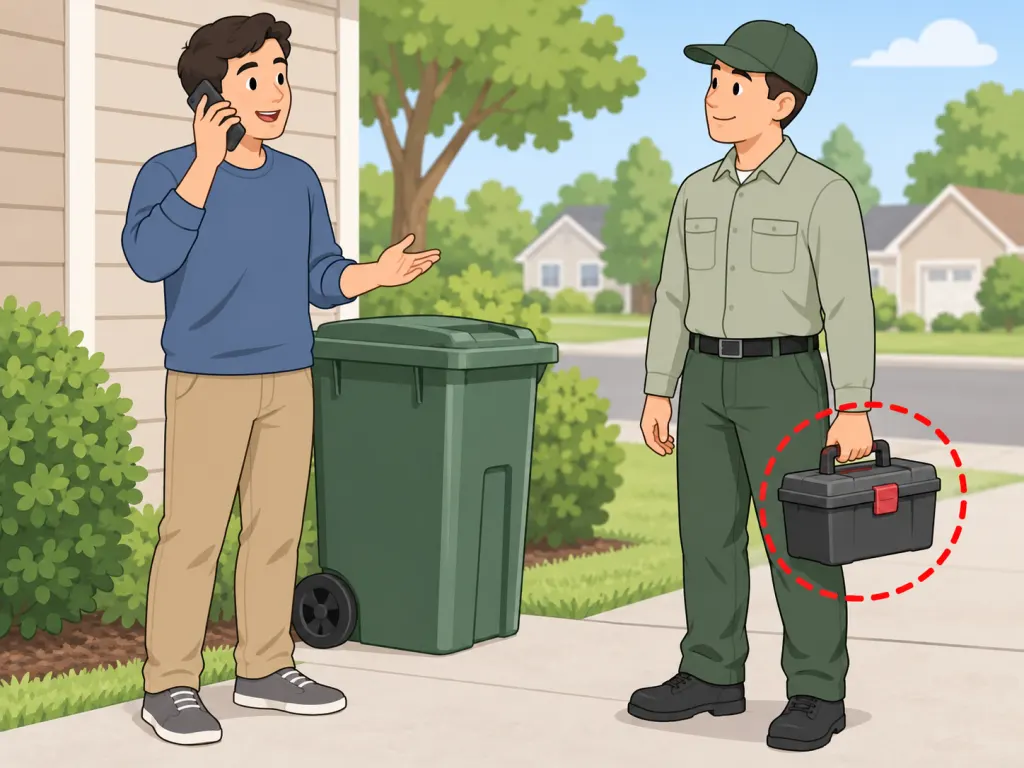
If you keep finding maggots after cleaning the bin, sealing food waste, and staying on a regular pickup schedule, the breeding site may be somewhere you have not spotted yet, such as a dumpster, drain, or nearby pile of organic debris. A licensed pest control professional can help track down a persistent source and recommend next steps beyond routine sanitation.
Wrap-Up
The bottom line: getting rid of trash-can maggots comes down to sanitation, not just killing the ones you can see. Remove the infested waste, wash and fully dry the bin, then keep food scraps sealed, the lid tight, and pickup frequent so flies have nothing left to breed in.
Frequently Asked Questions
- → Why do maggots seem to appear in my trash overnight?
- Adult flies lay eggs that are easy to miss, and warm conditions can let them hatch and grow large enough to notice within a day or two. The infestation usually started earlier, when a fly found exposed food waste, not overnight.
- → Are maggots in the trash a health risk?
- The maggots themselves are not usually dangerous to touch with gloves on, but the adult flies they turn into can pick up disease-causing bacteria from garbage and carry it to food and surfaces. Good sanitation reduces that risk more effectively than dealing with flies after they've spread.
- → What actually gets rid of maggots in a trash can?
- Removing the infested waste and then washing and completely drying the bin is the most reliable fix. Pouring boiling water over visible larvae can kill them on contact, but it will not solve the problem unless you also clean up the food residue and moisture that attracted the flies.
- → Do I need insecticide to solve a maggot problem?
- Usually not. Sanitation, not pesticide spraying, has the biggest effect on fly populations, since larvae breeding inside a bin are protected from most surface sprays. Insecticides are considered a secondary, often unnecessary step once the breeding site itself is cleaned up.
- → How often should I take out the trash to prevent maggots?
- At least weekly, and more often in hot weather, since a fly can complete its full life cycle from egg to adult in about a week under warm conditions. A shorter interval between pickups gives eggs less time to develop.
- → Can maggots get into a trash can with a closed lid?
- It is less likely, but not impossible if the lid does not seal tightly or is left propped open, even briefly. A snug, undamaged lid combined with sealed food waste is what actually keeps adult flies out.
- → Why does my trash can still smell bad after I clean it?
- A lingering smell often means some residue is still trapped in a seam, gasket, or the underside of the lid rather than on the visible walls. Recheck those hidden spots and let the bin fully air-dry, since trapped moisture keeps the odor, and the attraction for flies, going.