 Save
Bleach can leave pale or yellowish marks on clothing because it changes the dye in the fabric. You usually cannot wash the original color back in, but you can often make the garment wearable again by rinsing away residue, checking the fabric, and choosing a repair that fits the size and location of the mark. This guide also covers basic bleach safety so the cleanup does not create a separate problem.
Step 1: Move the garment away from the bleach
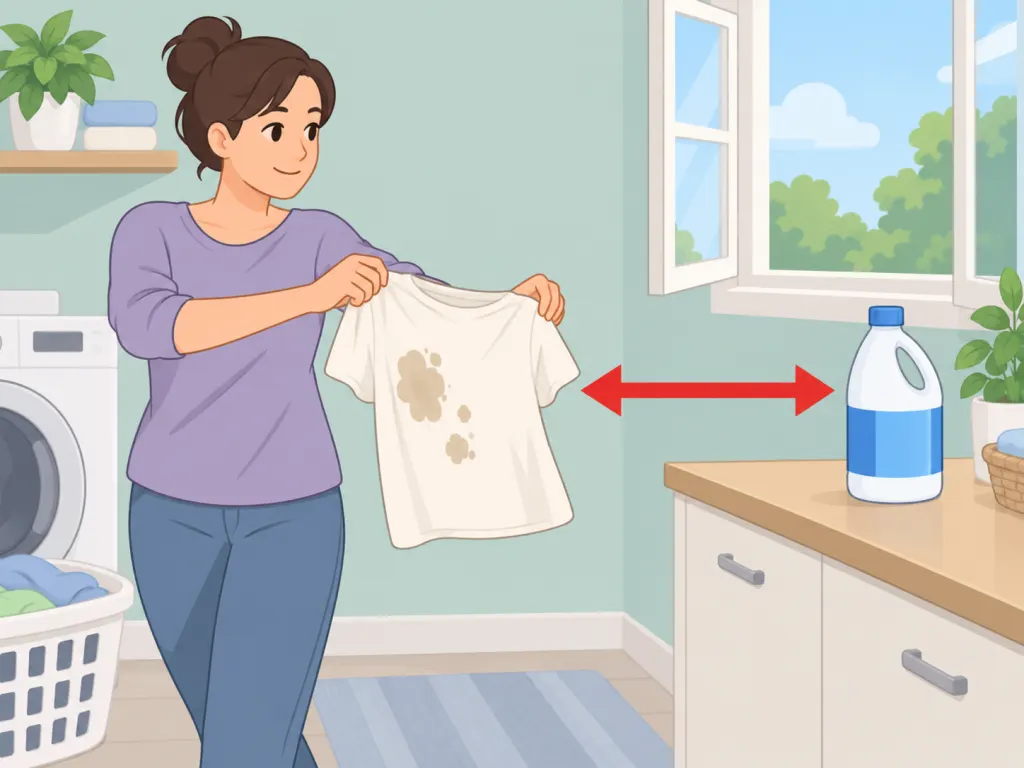
Take the clothing out of the spill area and put the bleach bottle away before you start repairing anything. If you can smell bleach strongly, open a window or move to fresh air; the CDC says bleach should be used with good ventilation and should not be mixed with other cleaning products.
Step 2: Rinse the spot with cool running water
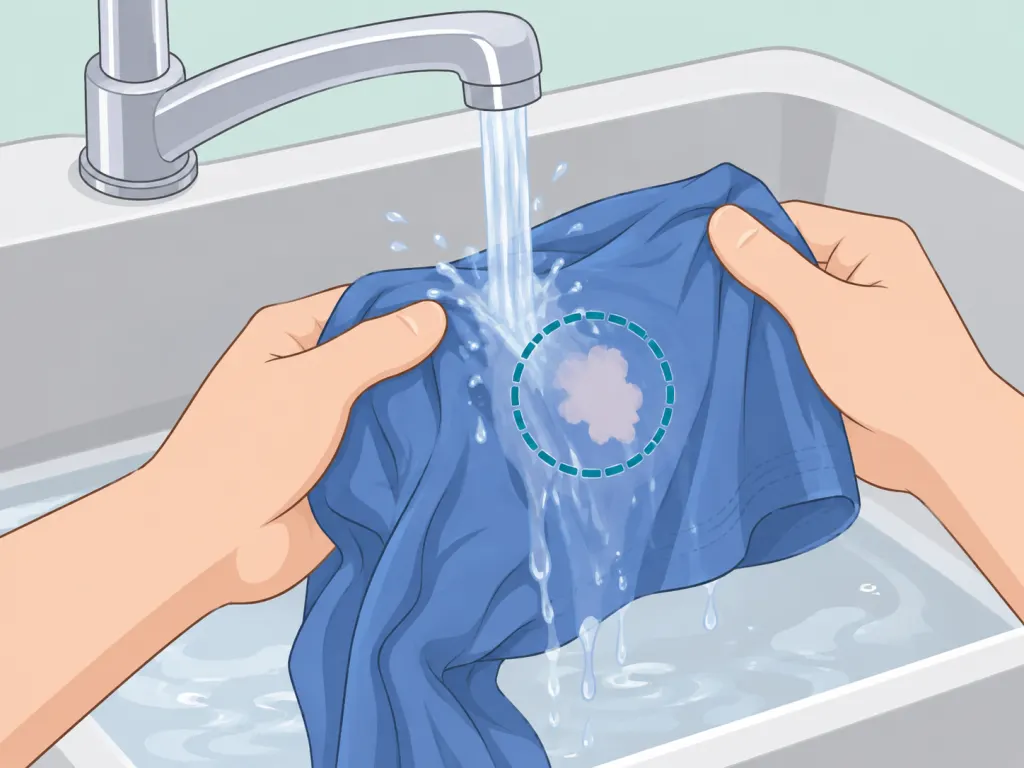
Hold the damaged area under cool running water for several minutes to flush away bleach left in the fibers. Keep the stream focused on the marked area and avoid scrubbing hard, since textile stain work often depends on careful flushing rather than forceful rubbing, as described by the University of Georgia Extension textile care guide.
Step 3: Wash the garment by itself
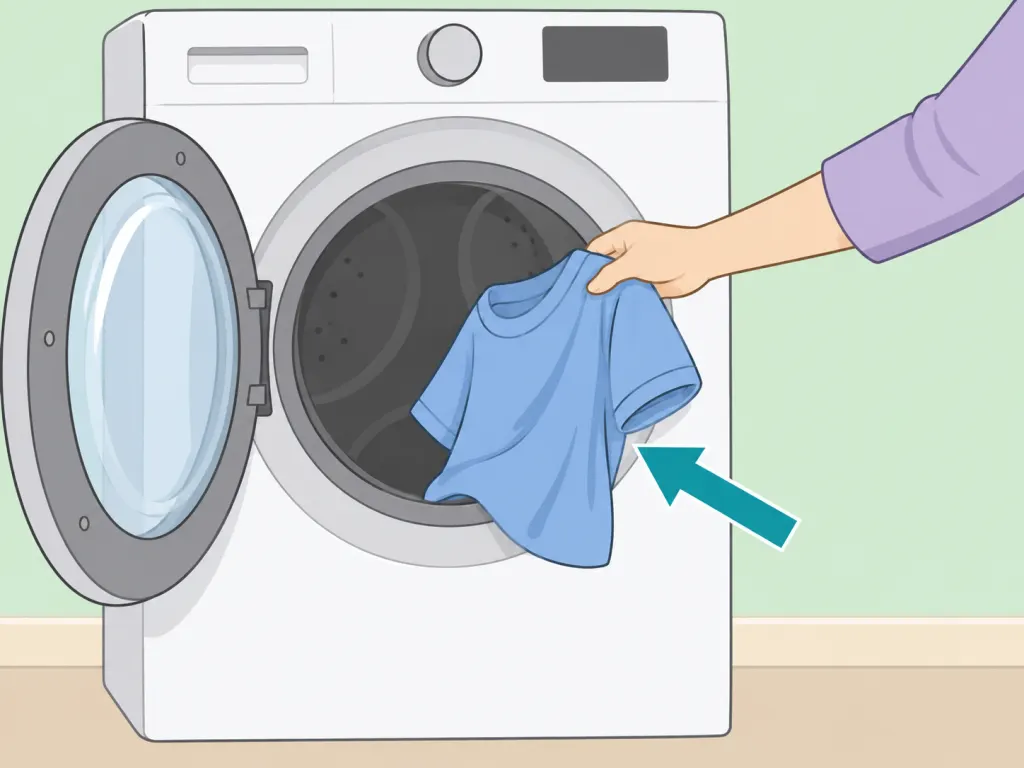
Wash the item alone so any leftover bleach does not touch other clothes. Use the water temperature and washing method on the care label; the FTC explains that care labels include washing, bleaching, drying, ironing, and warning instructions meant to prevent avoidable damage.
Step 4: Air-dry it before judging the damage
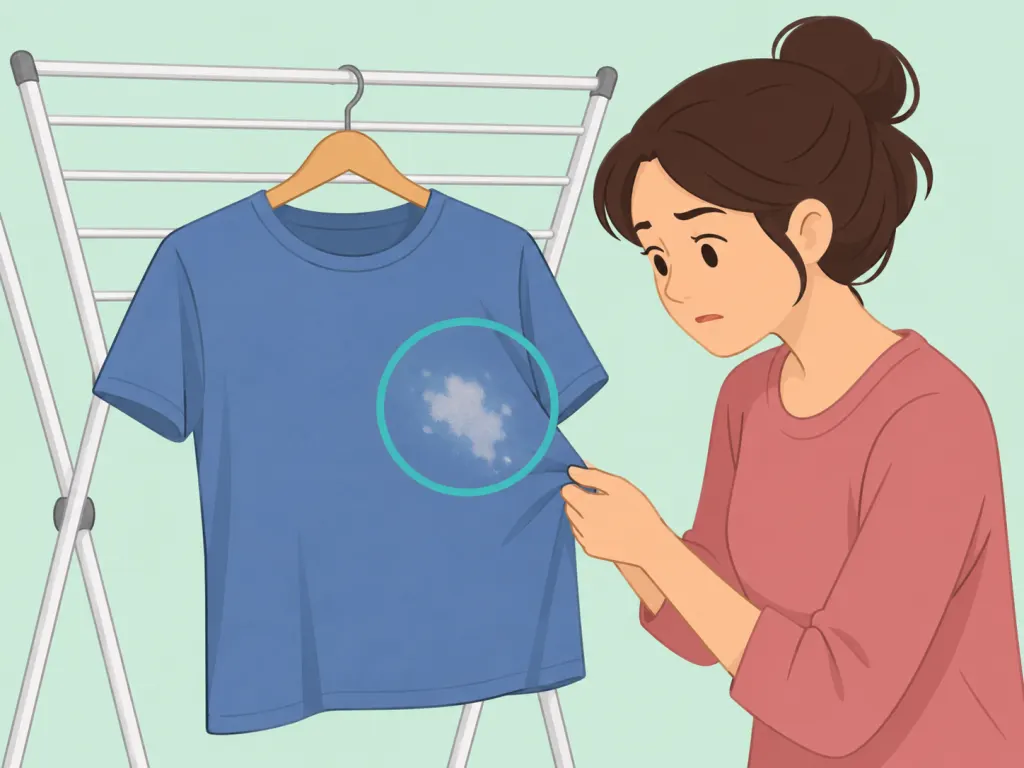
Let the garment air-dry instead of putting it straight into a hot dryer. Once it is dry, look at the true color, the size of the mark, and whether the fabric feels weak, stiff, or rough; Iowa State University Extension notes that dryer heat can set many stains and that care-label directions help limit fading and wear.
Gently flex the bleached area and compare it with an undamaged part of the garment. Chlorine bleach can weaken or yellow some fabrics and finishes, and the University of Georgia Extension cautions that chlorine bleach can damage certain textiles, so skip dyeing if the area seems fragile.
Step 6: Choose one repair path
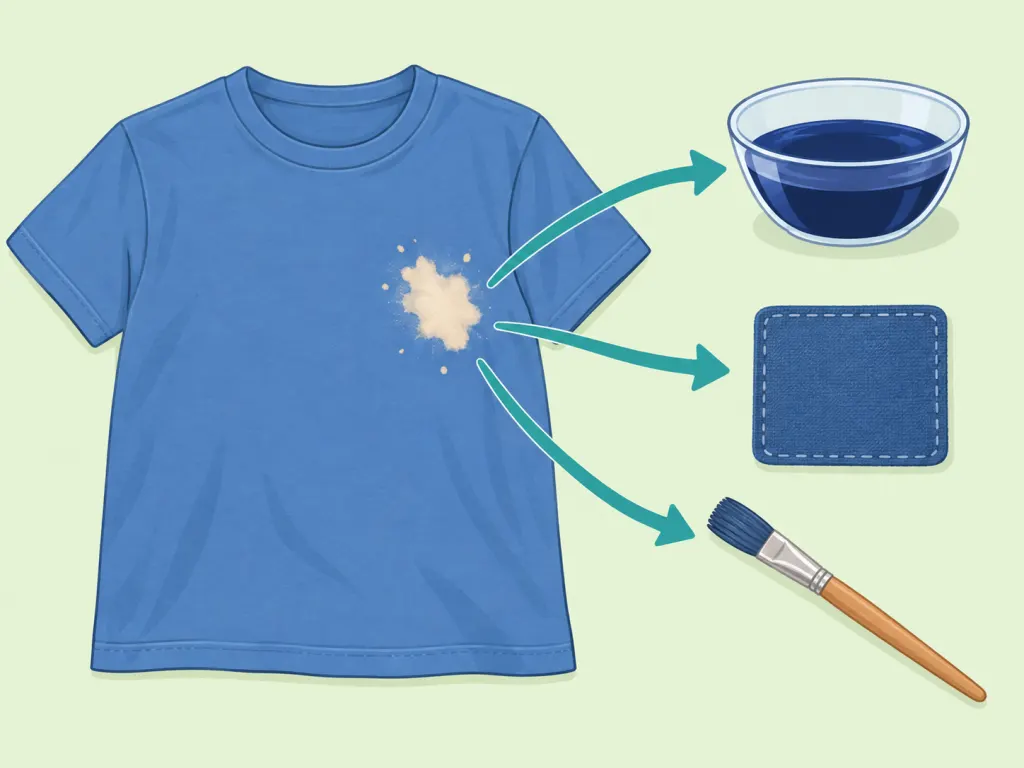
Pick the option that fits the mark: dye the whole garment for widespread fading, use a fabric marker or paint for a tiny spot, cover one visible mark with a patch or embroidery, or turn scattered spots into an intentional pattern. Bleaching reactions change color in the fiber, and the Smithsonian Museum Conservation Institute describes bleaching as a decolorizing reaction, so think of this as recoloring or disguising the damage.
Step 7: Test the product on a hidden area
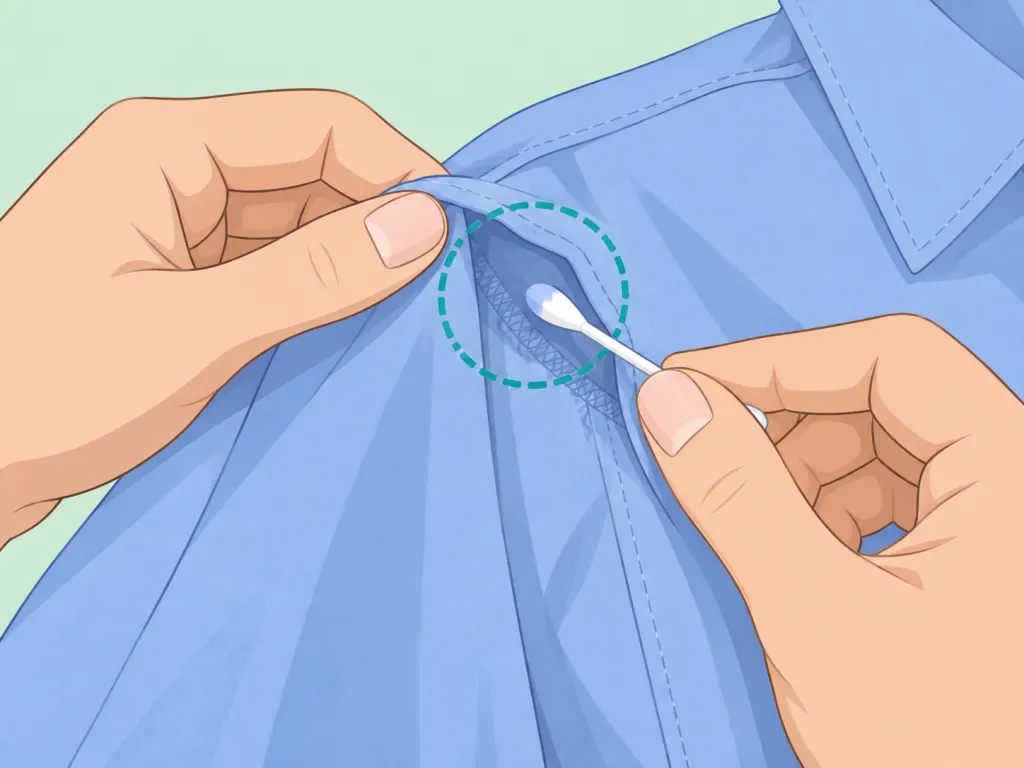
Before using dye, fabric paint, adhesive, or a marker on the front of the garment, test it inside a hem, seam allowance, or pocket edge. Let the test dry completely and check for bleeding, stiffness, or a color mismatch; textile care guidance commonly recommends pretesting products on an inconspicuous area before using them on visible fabric.
Step 8: Apply the repair slowly
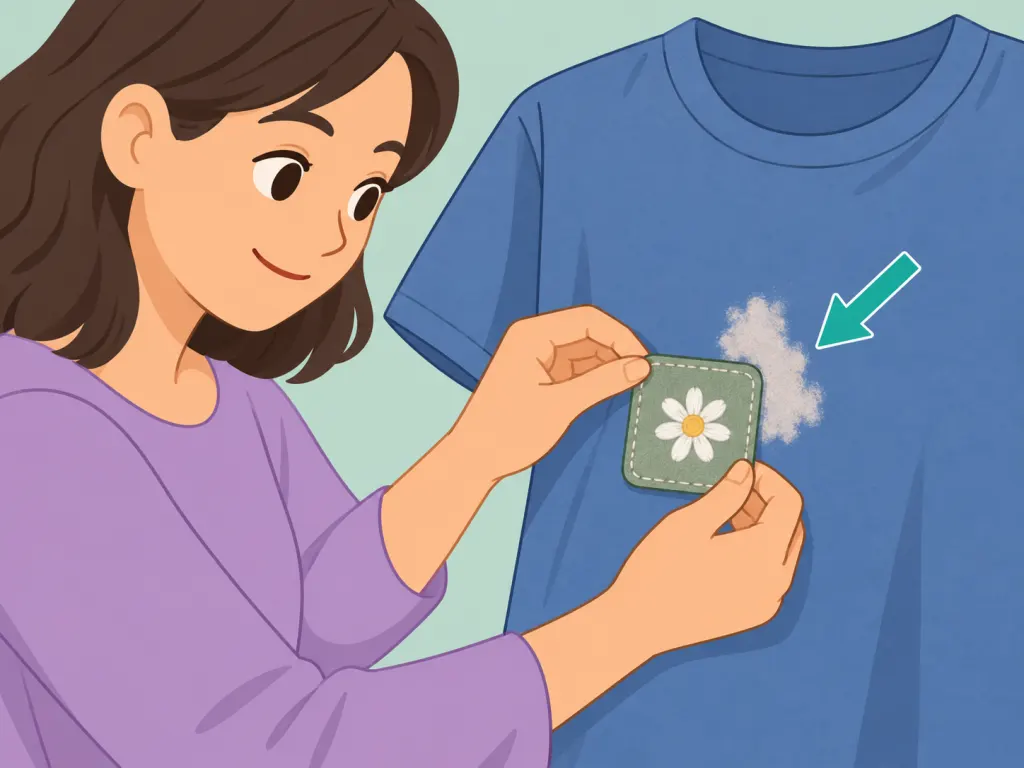
Follow the product label and work in small sections. For dye, treat the whole garment evenly; for a patch, cover the entire lightened area with a margin around it; for fabric paint or marker, build color gradually so the repair does not become darker than the surrounding fabric.
Step 9: Set and wash the repaired garment separately
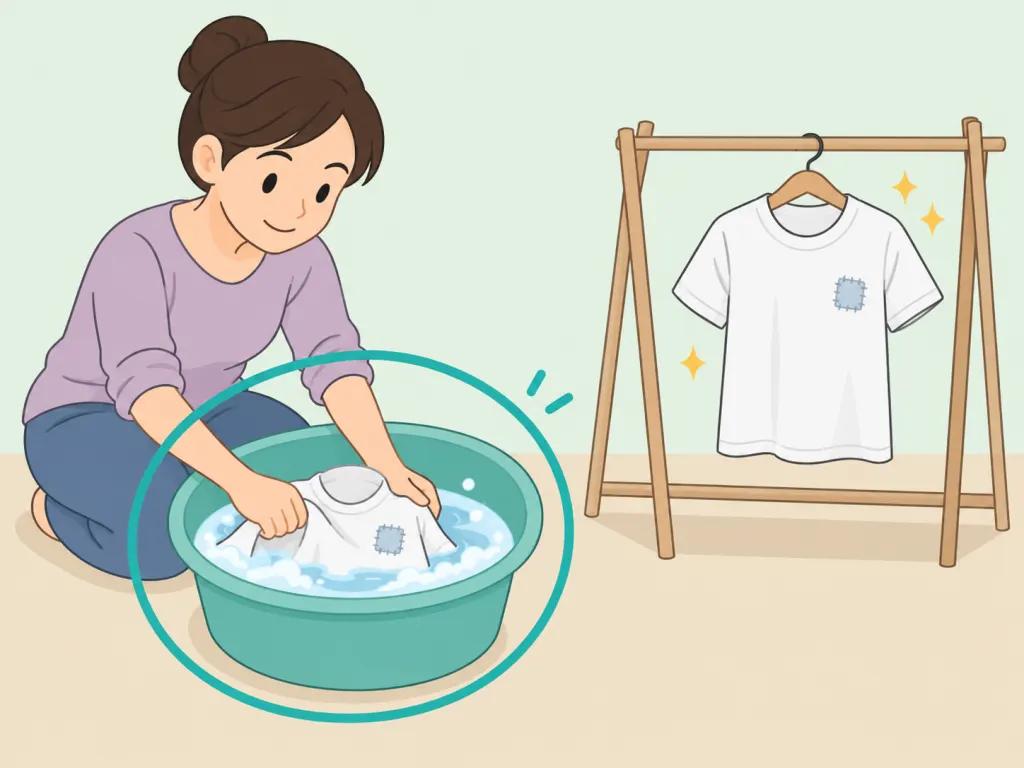
Let paint, marker, dye, adhesive, or stitching cure for the time listed on the product label, then wash the garment by itself the first time. Keep using gentle laundering habits, since Iowa State University Extension notes that care labels, cool water, less friction, and prompt drying can help reduce fading and color transfer.
Step 10: Get medical help after serious bleach exposure
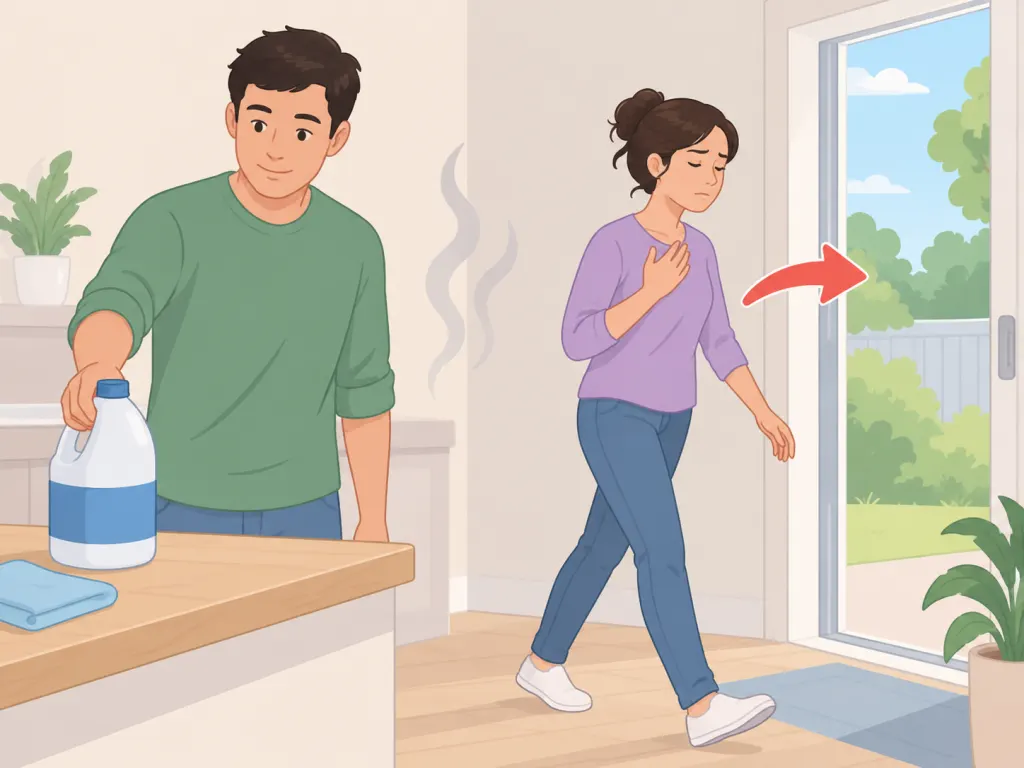
If bleach got in someone's eyes, on skin for more than a brief moment, was swallowed, or caused coughing, chest tightness, throat pain, vomiting, or trouble breathing, stop the clothing repair and seek help. MedlinePlus says sodium hypochlorite exposure may require immediate help, including calling emergency services or Poison Help at 1-800-222-1222 in the United States.
Wrap-Up
The bottom line: bleach-damaged clothes are usually repaired by covering or recoloring the mark, not by removing a stain. Work carefully, follow the care label, test products first, and skip repairs if the fabric has become weak or unsafe to wear.
Frequently Asked Questions
- → Can bleach-damaged clothing go back to its original color?
- Usually, no. Bleach changes or removes dye, so the practical fix is to recolor, cover, or redesign the area rather than trying to wash the original shade back into the fabric.
- → Should I put vinegar on a fresh bleach spot?
- Do not add vinegar or other cleaners to active bleach. Rinse the fabric thoroughly with water first, and keep bleach away from other household products because the CDC warns that mixing bleach with cleaners can release dangerous vapors.
- → Can I dye just the bleached spot?
- You can try a fabric marker or liquid fabric dye on a very small mark, but a perfect match is difficult. Test first on a hidden seam and expect the repaired spot to look like a touch-up, not brand-new fabric.
- → When is whole-garment dye a better choice?
- Whole-garment dye usually makes more sense when the mark is large, scattered, or in a very visible place. Choose a dye that lists your garment's fiber type and follow the dye label closely.
- → What if the bleached area feels thin or rough?
- Do not rely on dye alone if the fabric feels weak, brittle, or rough. Chlorine bleach can weaken or yellow some textiles, so a fragile area may need a patch, visible mending, or repurposing instead.
- → Can a dry cleaner fix bleach damage?
- A dry cleaner or textile repair professional may help with valuable garments, especially if the fabric is delicate or the spot is in a difficult place. Tell them exactly what happened and what products you used before bringing it in.
References
This content was developed and refined using reliable sources.
- https://site.extension.uga.edu/textiles/care/products
- https://www.ftc.gov/business-guidance/resources/clothes-captioning-complying-care-labeling-rule
- https://www.cdc.gov/hygiene/about/cleaning-and-disinfecting-with-bleach.html
- https://www.medlineplus.gov/ency/article/002488.htm
- https://mci.si.edu/stain-removal
- https://blogs.extension.iastate.edu/answerline/category/laundry