 Save
Yellow or brown toilet bowl stains often come from mineral buildup or water-related discoloration, not just ordinary dirt. Hard water can leave mineral scale on fixtures, while iron and manganese can stain household plumbing fixtures. This guide explains how to choose a careful cleaning approach and avoid unsafe cleaner combinations.
Step 1: Identify the stain before choosing a cleaner
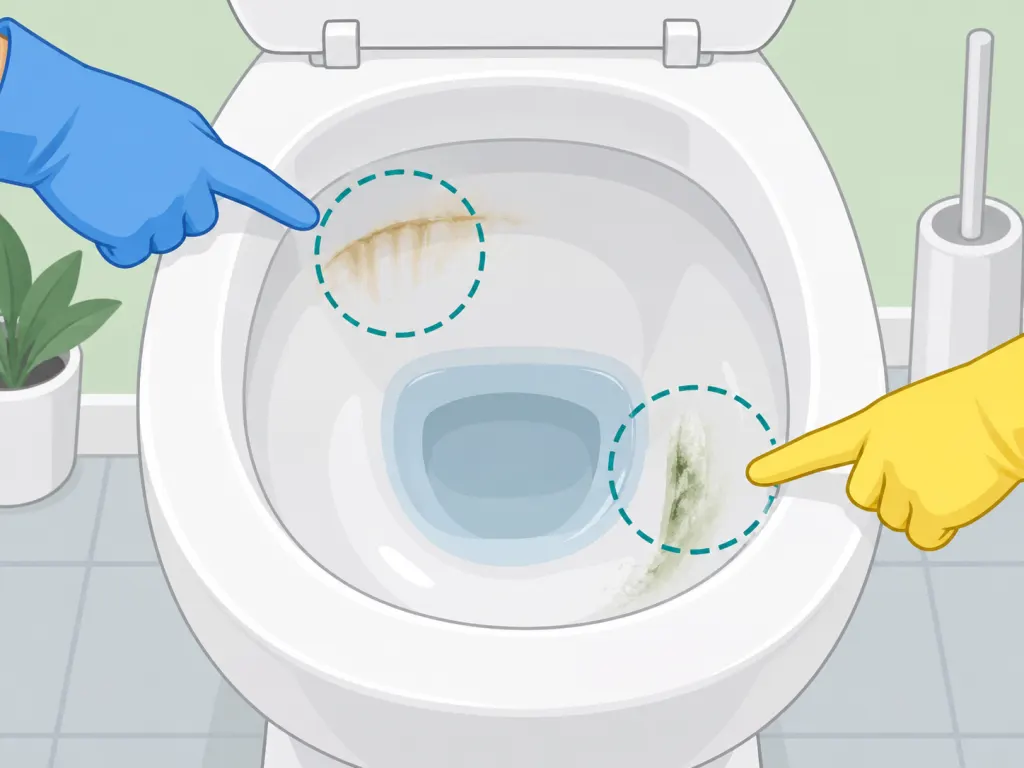
Look at the stain color and where it sits. Yellow or chalky stains often point to mineral scale because hard water is high in dissolved calcium and magnesium. Orange, reddish, brown, or black staining can also come from metals in water, since EPA guidance links iron and manganese with fixture staining.
Step 2: Read the cleaner label and ventilate the room
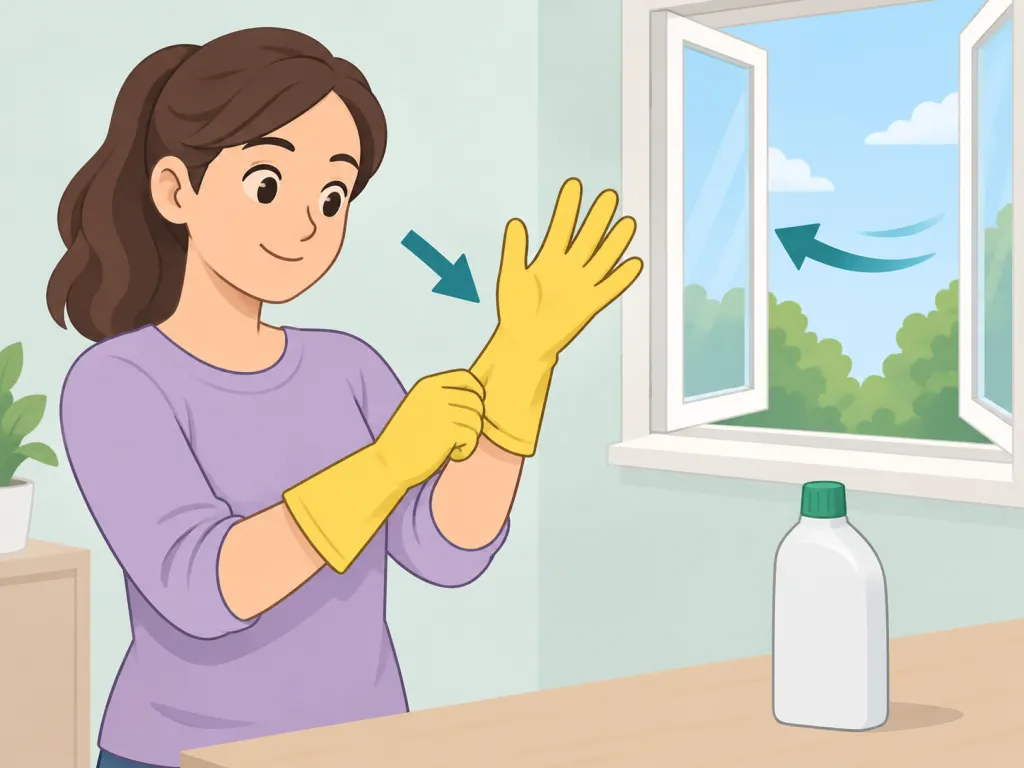
Open a window, turn on the fan, and put on gloves before you start. The EPA says product labels explain how much to use, where to use it, and how to use it safely. University of Georgia Extension also recommends checking labels for protective gear and mixing products only in a well-ventilated area.
Step 3: Lower the bowl water to expose the stain
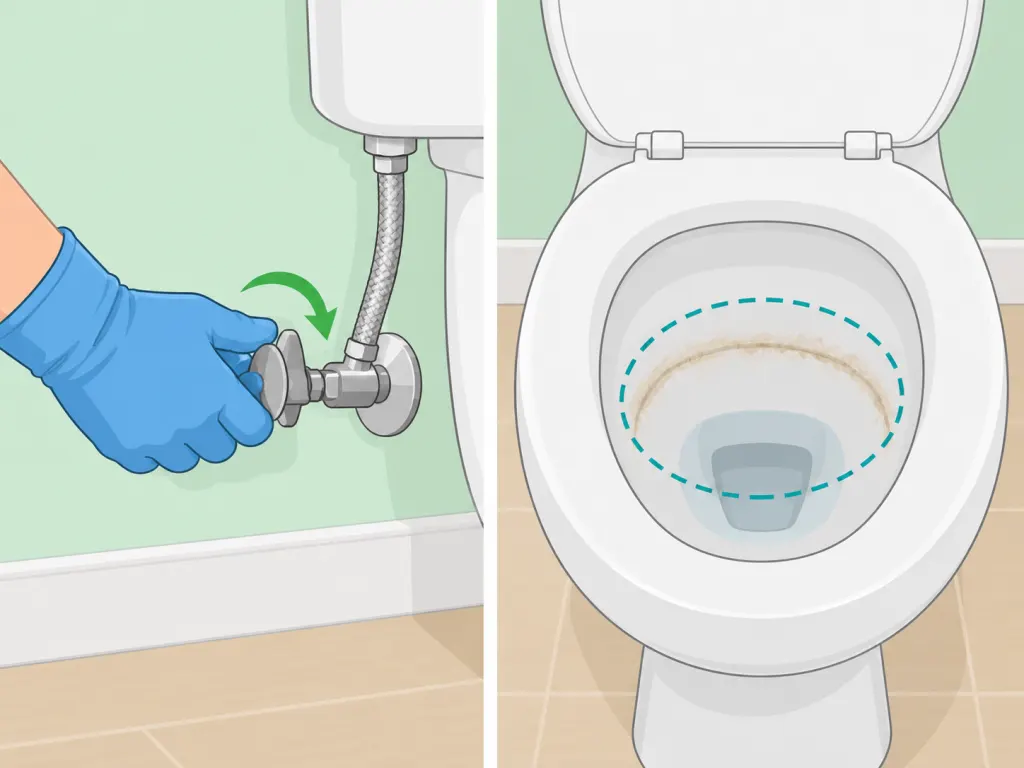
Turn off the toilet's water supply valve, flush once, and use a toilet brush or plunger to push the remaining water below the stained line. The cleaner works better when it can sit directly on the stain instead of being diluted in a full bowl. Keep the brush in the bowl area so drips do not spread to the floor.
Step 4: Soak mineral stains with white vinegar
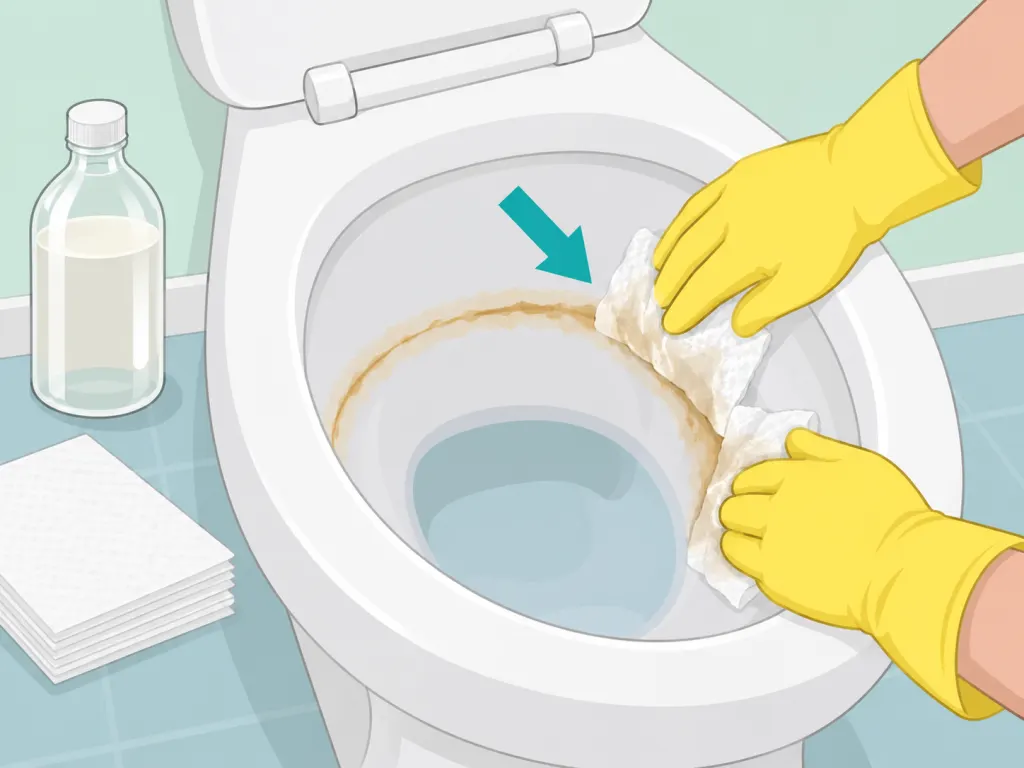
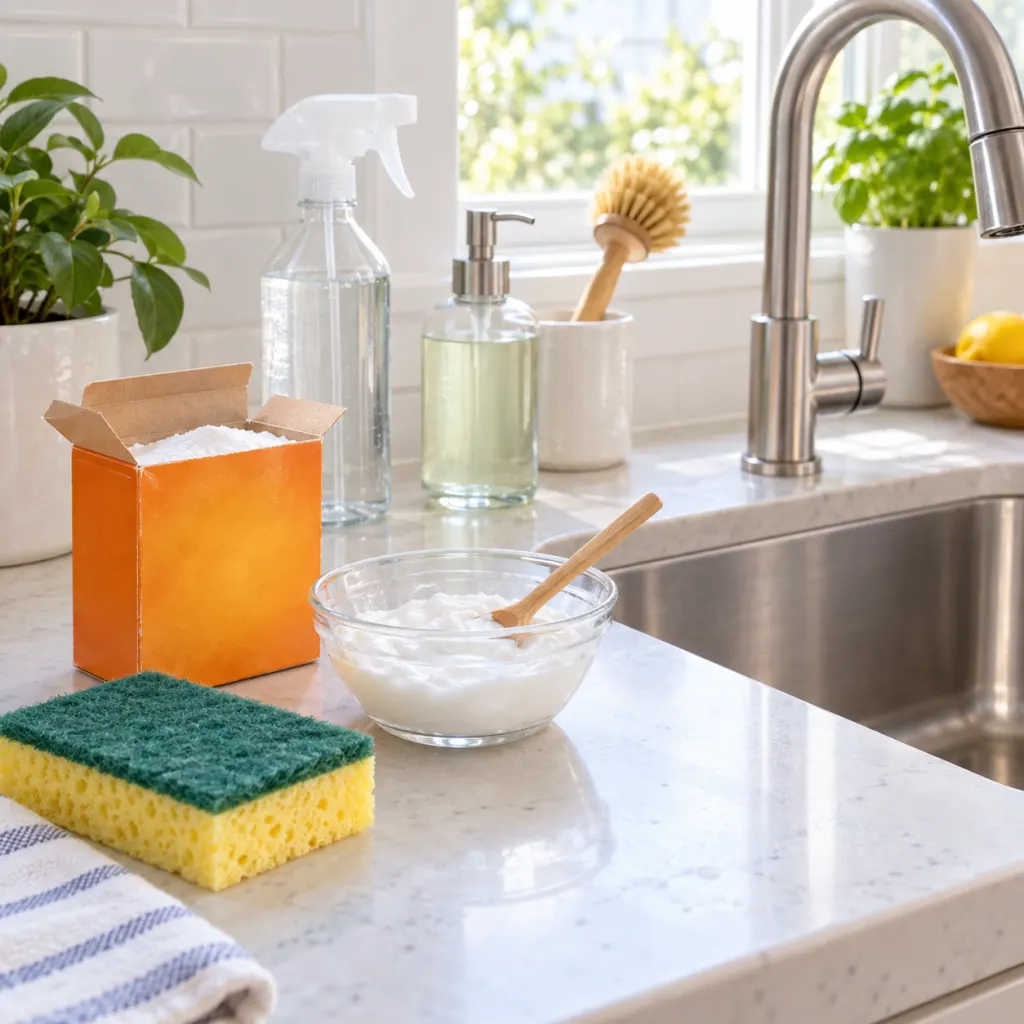
Pour white vinegar onto the stained area or press vinegar-soaked paper towels against stains above the waterline. Let it sit for 30 to 60 minutes so the mild acid has time to loosen mineral buildup. This approach matches the cleaning principle that mild acids such as white vinegar can help remove hard-water deposits and rust stains.
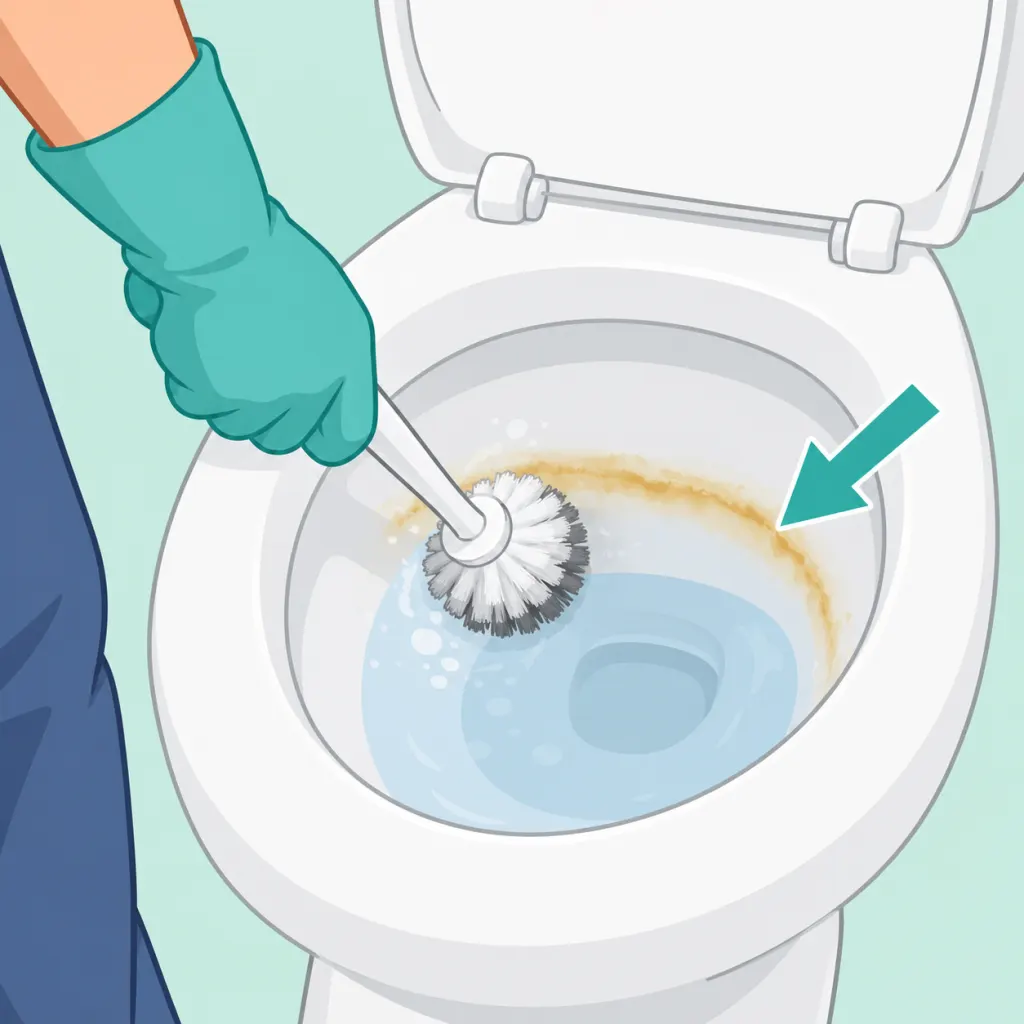
Scrub the soaked area with a toilet brush or nylon scrubber, using steady pressure instead of a metal pad. If you need a little more abrasion, sprinkle a small amount of baking soda on the wet brush. University of Georgia Extension describes baking soda as a mild alkali and finer abrasives as less likely to scratch than coarse ones.
Step 6: Flush and rinse before changing products
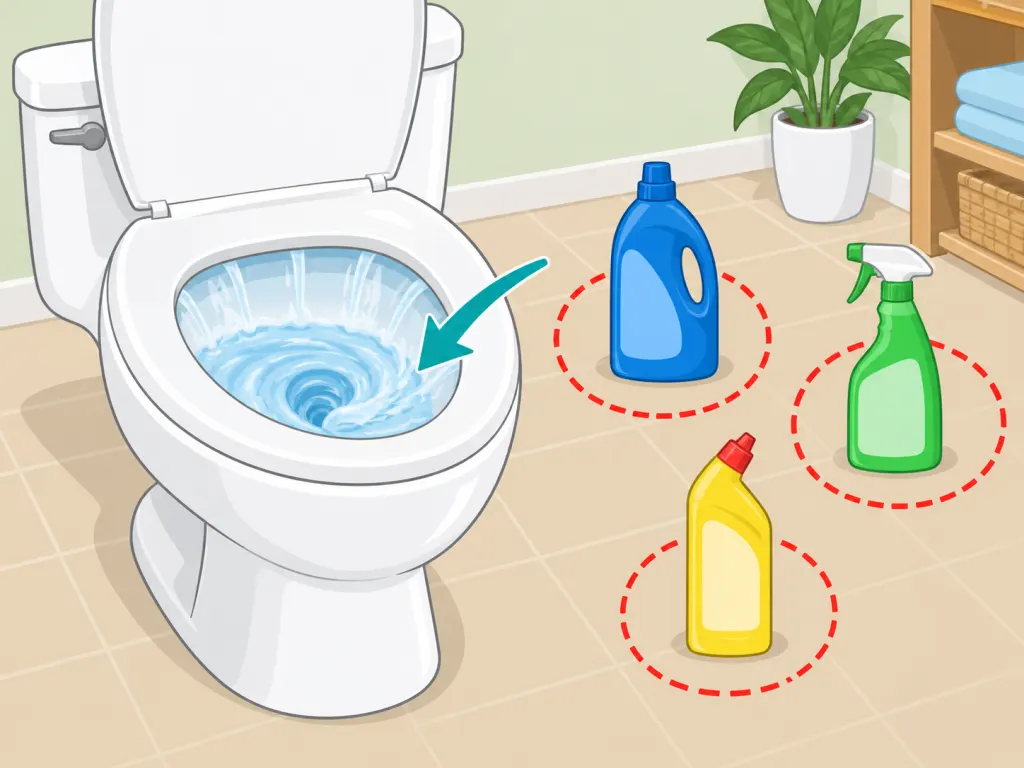
Flush the toilet and rinse the brush thoroughly before trying a different cleaner. This is especially important if you plan to use any disinfecting product, because the CDC warns that mixing bleach or disinfectants with other cleaners can release dangerous vapors. When in doubt, stop, rinse, and let the bowl air out before continuing.
Step 7: Use a labeled toilet-bowl cleaner if stains remain
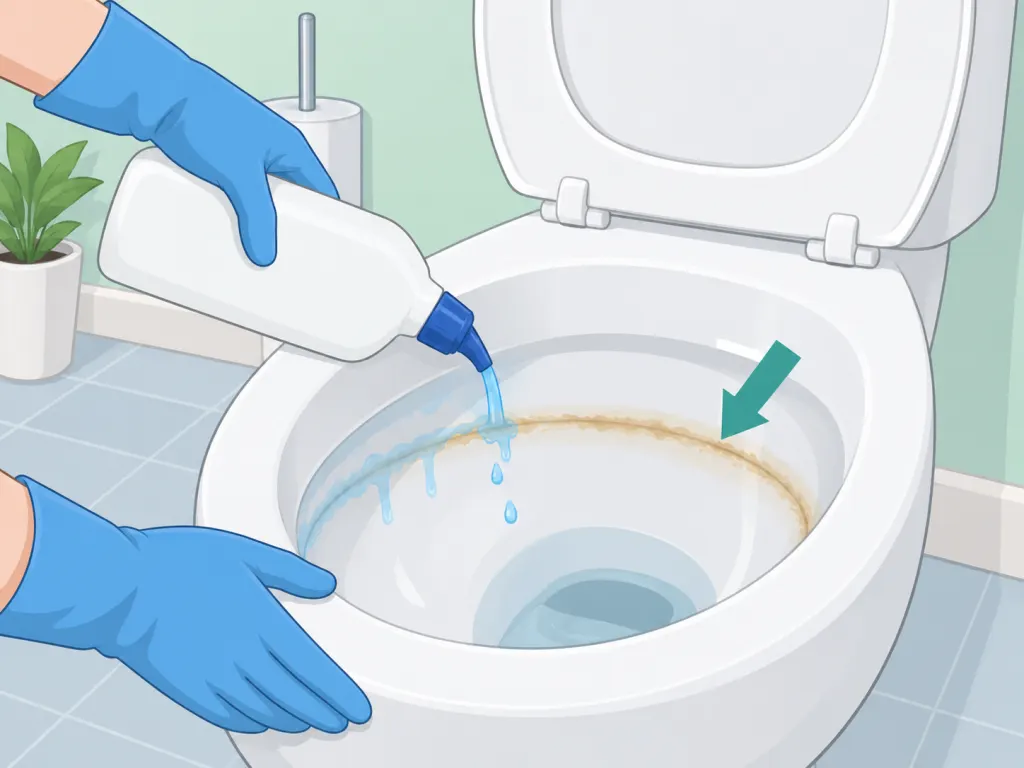
If vinegar and gentle scrubbing do not lift the stain, choose a commercial toilet-bowl cleaner labeled for rust, lime, or mineral deposits. Apply it only as directed on the package, because EPA label guidance explains that directions support both safe use and product effectiveness. Do not leave stronger cleaners on longer than the label allows.
Step 8: Slow new buildup with routine cleaning
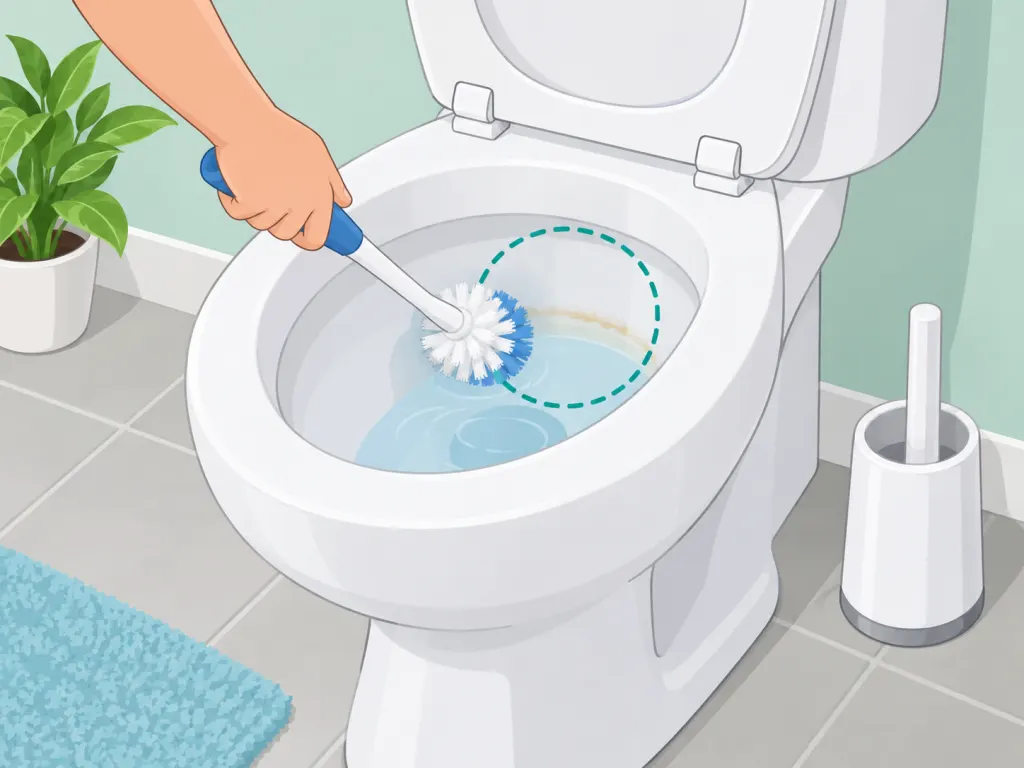
Brush the bowl before a faint ring turns into thick scale, and flush after adding any cleaner so residue does not sit in the bowl. If stains return quickly or your tap water is tinted, ask your local water utility or a qualified well-water professional about testing or treatment. EPA guidance treats staining, scale, and sediment as water-quality nuisance issues that may need source-level attention.
Step 9: Get help right away after chemical exposure
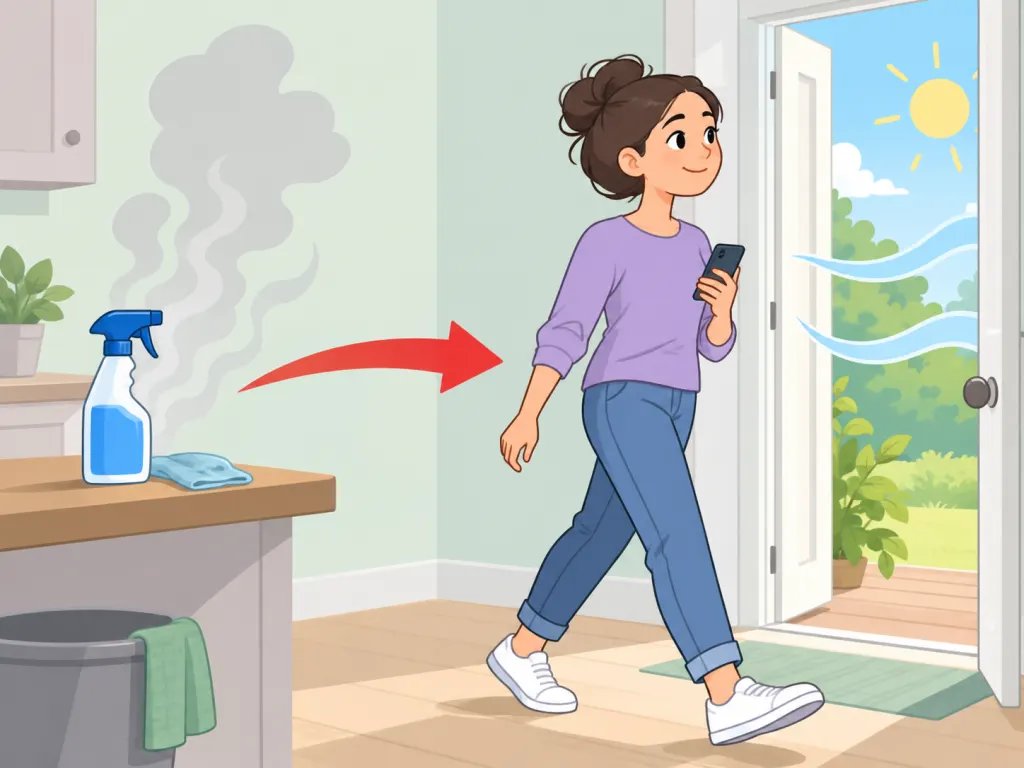
Move to fresh air if fumes irritate your breathing, and rinse skin or eyes with water if cleaner splashes on you. MedlinePlus advises immediate help for poison exposure and lists Poison Help at 1-800-222-1222 in the United States. Call emergency services if someone has trouble breathing, chest tightness, severe eye burning, confusion, or vomiting after contact with a cleaner.
Wrap-Up
The bottom line: start by identifying the likely stain, use mild acid and gentle scrubbing for mineral scale, rinse well before changing products, and get help if cleaning chemicals affect your breathing, eyes, or skin.
Frequently Asked Questions
- → Why does the toilet bowl ring keep coming back?
If the ring returns after cleaning, your water may be leaving minerals behind. The USGS notes that hard water can create mineral buildup on household fixtures, so regular brushing and water treatment advice may help.
- → Is vinegar enough for toilet bowl stains?
Vinegar can help with many mineral stains because mild acids are used for hard-water deposits. For heavy rust-colored stains, a labeled toilet-bowl product made for rust or lime may work better.
- → Can I mix vinegar, baking soda, and bleach?
No. Use one cleaning approach at a time, then flush and rinse before trying another. The CDC warns not to mix bleach or disinfectants with other cleaners.
- → Are brown toilet stains always rust?
Not always. Brown, orange, red, or black stains can be linked to iron, manganese, corrosion, sediment, or mineral scale, so stain color is only a clue.
- → Should I disinfect after removing the stain?
Usually, cleaning with soap, water, and scrubbing removes most germs from surfaces. Disinfecting is more relevant when someone in the home is sick or when the product label says it is needed for the surface.
- → How often should I clean the toilet to prevent stains?
Brush the bowl regularly and clean as soon as a faint ring appears. Light buildup is easier to remove than thick scale, and frequent cleaning reduces the need for harsher products.
References
This content was developed and refined using reliable sources.
- https://www.usgs.gov/water-science-school/science/hardness-water
- https://fieldreport.caes.uga.edu/publications/C1114/cleaning-healthy-cleaning-green
- https://www.epa.gov/sdwa/secondary-drinking-water-standards-guidance-nuisance-chemicals
- https://www.cdc.gov/hygiene/about/cleaning-and-disinfecting-with-bleach.html
- https://www.epa.gov/safepestcontrol/why-read-labels
- https://www.epa.gov/greenerproducts/identifying-greener-cleaning-products
- https://www.medlineplus.gov/ency/article/002759.htm