 Save
If you find silverfish in your home, the practical meaning is usually simple: somewhere nearby is a quiet, dark place with enough moisture, shelter, and starchy material to make the area comfortable for them. A single silverfish is often just a nuisance sighting, not proof of structural failure. Repeated sightings, damaged paper, or insects appearing in several rooms are more useful clues. University of California IPM describes silverfish and firebrats as nocturnal insects that seek food and water and often use books, paper, dry foods, dust, and damp hiding places as resources UC IPM.
What Silverfish Are
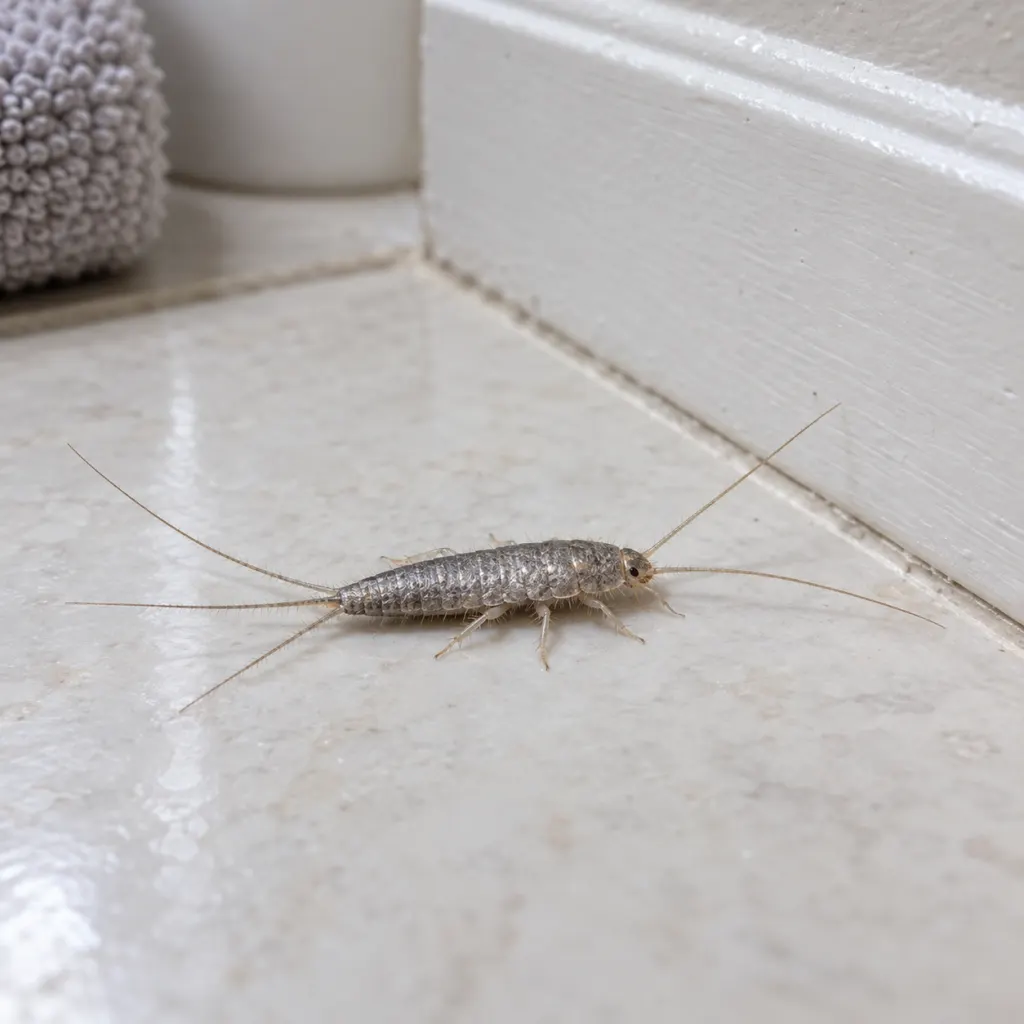
Silverfish are small, wingless insects with flattened bodies, long antennae, and three bristle-like appendages at the tail end. Their bodies taper from a wider head area toward the rear, giving them the familiar carrot or fish-like shape. Utah State University Extension lists silverfish among structural nuisance pests and notes that they are commonly found in monitoring traps, with shiny silver or pearl-gray bodies and a length of about one-half to three-quarters of an inch USU Extension.
Their quick, darting movement is part of why they startle people. They hide during the day and move at night, so the insect you notice in a bathtub, under a sink, near a baseboard, or beside a bookcase may represent activity that has been happening quietly for some time. That does not automatically mean a large infestation. It does mean the conditions in that area are worth checking.
The Main Message: Moisture Plus Shelter
The biggest clue from a silverfish sighting is moisture. Silverfish do best in damp, protected spaces, which is why bathrooms, laundry rooms, basements, crawl spaces, closets on exterior walls, under-sink cabinets, and storage areas are common locations. The U.S. Environmental Protection Agency recommends keeping indoor humidity below 60 percent, ideally between 30 and 50 percent, as part of moisture control in homes EPA moisture guide. That range is useful for comfort and building care, and it also makes many damp-loving pests less comfortable.
Think of silverfish as a small indicator, not an alarm bell. They are not telling you that every wall is wet. They are telling you to inspect the places where humidity lingers: behind a toilet, under a vanity, near a washer hose, around a poorly vented shower, beside a basement wall, under cardboard boxes, or near a stack of rarely moved paper. If the room often smells musty, has condensation on windows or pipes, or stays damp after showers or laundry, the insect is adding one more clue to the same pattern.
Where To Look First
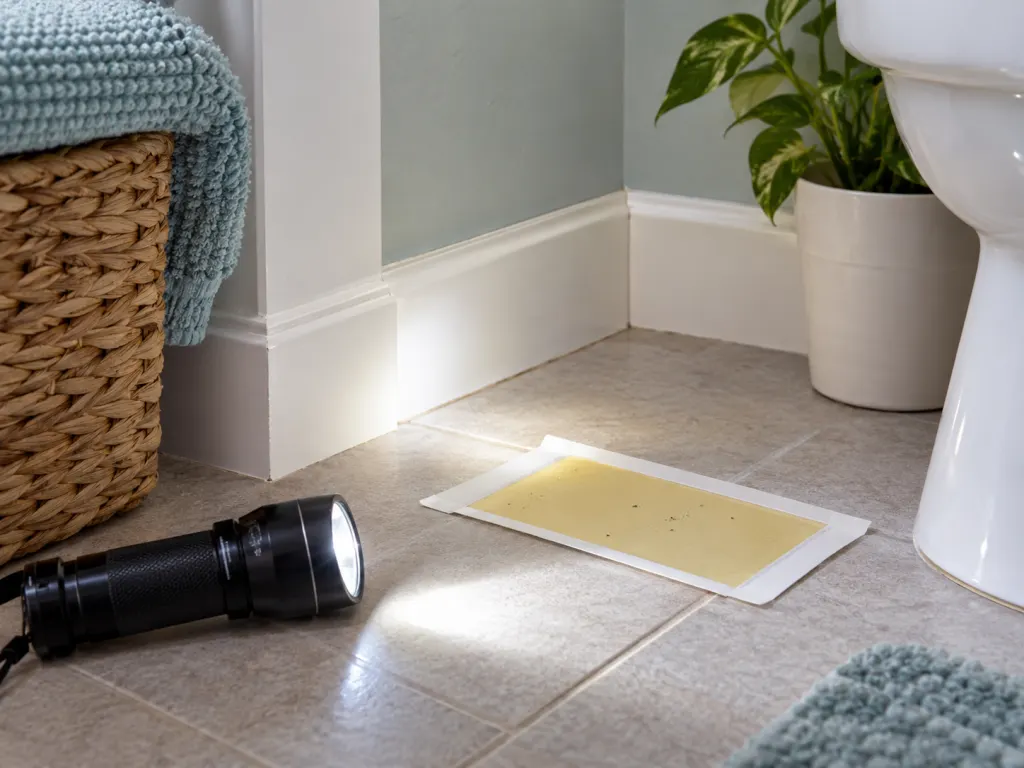
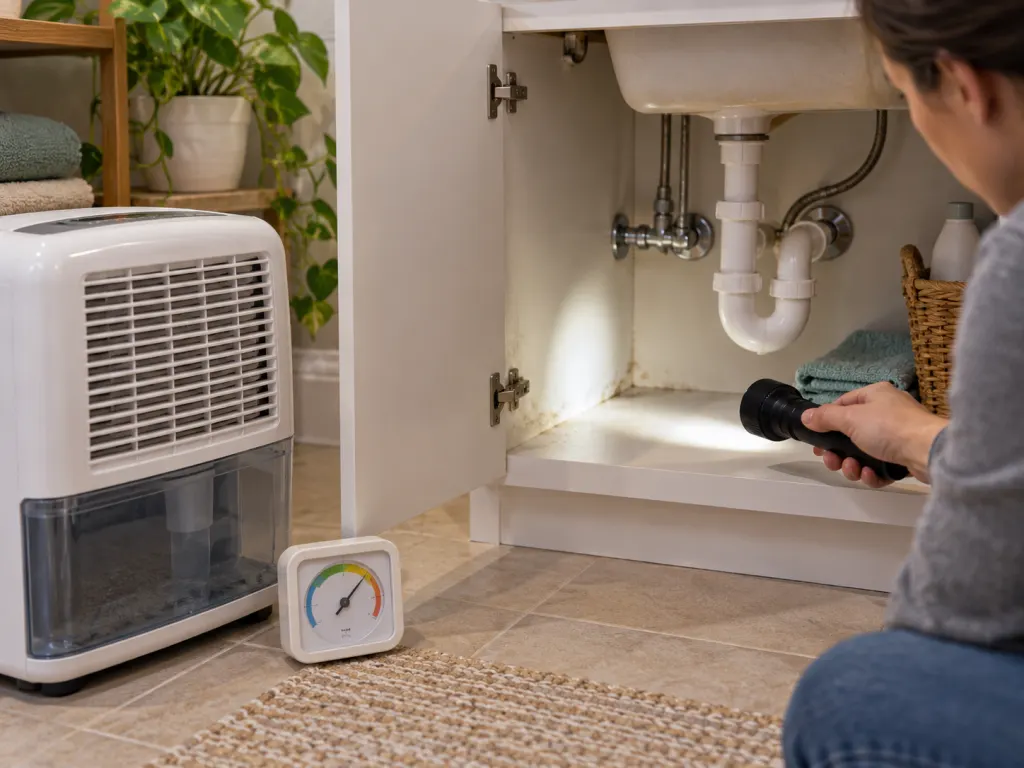
Start with the room where you saw the insect, then work outward. Silverfish can travel, but they usually have favorite hiding routes along edges, cracks, storage piles, and wall openings. Look with a flashlight along baseboards, behind stored items, around pipe openings, inside under-sink cabinets, near floor drains, behind toilets, around bookcases, and in closets with cardboard, paper bags, old magazines, or boxes of seasonal items.
A simple inspection can be more useful than guessing. Check for damp materials, water stains, loose wallpaper, food dust, cereal spills, damaged book bindings, shed scales, or tiny irregular scrapes on paper. UC IPM notes that silverfish and firebrats have weak jaws and scrape surfaces rather than bite clean holes; feeding damage on paper and fabrics may appear irregular rather than neat UC IPM.
- In bathrooms, inspect shower edges, bath mats, linen storage, and the cabinet below the sink.
- In kitchens and pantries, inspect flour, cereal, pasta, pet food, crumbs, shelf dust, and open paper packaging.
- In basements, inspect cardboard storage, books, wall-floor joints, utility penetrations, and areas near laundry equipment.
- In bedrooms and closets, inspect stored paperwork, gift wrap, starched fabric, shoeboxes, and rarely moved storage bins.
- In home offices, inspect bookcases, paper files, envelopes, glued bindings, and boxes close to exterior walls.
What They Eat And What They Can Damage
Silverfish are attracted to starches, cellulose, and certain glue or paste materials. That is why they are associated with books, wallpaper, cardboard, labels, paper, flour, cereal, pasta, pet food, and dust. USU Extension summarizes their diet as paper, fabrics and similar materials, glue or pastes in paper and books, and dead insects USU Extension. In a kitchen, the concern is usually stored dry goods and crumbs. In a library, craft room, closet, or attic, the concern is paper and storage materials.
The damage is often slow and scattered. You may see small scraped patches on book pages, notched edges on paper, yellowish staining, or irregular marks on starched fabrics. One insect does not usually ruin belongings overnight, but a long-running population can make a mess of vulnerable items. Valuable documents, heirloom books, photographs in paper envelopes, and keepsakes stored in cardboard deserve better protection than a damp shelf or an open box.

Why Traps Help You Read The Situation
Sticky traps are useful because silverfish are nocturnal and easy to miss. Put traps along walls, under sinks, beside bookcases, in closets, or near suspected travel routes, then check them weekly. The goal is not only to catch insects. It is to learn where activity is strongest. UC IPM recommends traps or taped glass jars for monitoring and notes that silverfish may travel long distances while searching for food, which can make the source difficult to locate UC IPM.
If one trap catches a single silverfish over several weeks, the issue may be minor. If several traps keep catching them, the next step is a tighter moisture and storage check. If the highest numbers are near a bathroom wall, laundry room, basement corner, or under-sink area, prioritize leaks, condensation, ventilation, and clutter in that zone before buying sprays. Numbers and locations give you a map; random panic does not.
The Best First Steps Are Boring But Effective
The most dependable response is to remove what silverfish need. Clean up crumbs and dust, reduce moisture, protect dry foods, and remove hiding places. EPA describes Integrated Pest Management as a common-sense approach that uses pest identification, prevention, monitoring, and lower-risk control choices before broad chemical treatment EPA IPM principles. That approach fits silverfish especially well because light or occasional activity often improves when the environment becomes less inviting.
Begin with moisture. Repair dripping pipes and loose supply connections. Run the bathroom fan during and after showers, or open a window when weather and security allow. Move stored boxes away from basement walls so air can circulate. Use a dehumidifier in a damp basement or closed storage room if humidity stays high. The EPA moisture guide also recommends drying wet areas quickly and fixing the water source when moisture appears indoors EPA moisture guide.
Next, reduce food and shelter. Vacuum along baseboards, inside closets, under shelving, and around stored goods. Put flour, cereal, pasta, pet food, and similar dry items into containers with tight-fitting lids. Replace cardboard storage with sealed plastic bins where practical, especially in basements and garages. Move books and papers occasionally so hidden insects are disturbed and dust does not build up. Seal obvious cracks around baseboards, pipe openings, and gaps where trim meets walls.
What About Lavender, Oatmeal Jars, And Home Tricks?
Some home tricks may catch or discourage a few insects, but they should not be treated as complete control. A jar trap baited with a starchy food can catch silverfish if the outside gives them traction and the inside is too smooth for escape. Scented sachets may make a drawer smell pleasant, but they are not a substitute for fixing dampness, sealing gaps, cleaning, and protecting paper or pantry items. If a tip does not address moisture, shelter, and food, it is at best a small side measure.
Be especially cautious with flammable liquids, improvised chemical mixtures, or pouring harsh products into cracks, drains, cabinets, or wall voids. Silverfish control is not a situation where stronger-smelling means smarter. The home-care answer is measured: identify the pest, check the conditions, correct the conditions, monitor, and escalate only when the problem remains active.
When A Pesticide Makes Sense
For an occasional silverfish, pesticides are usually not the first tool. UC IPM states that insecticides are not required for light infestations or occasional insects and that they are unlikely to work well unless moisture, food, and hiding places are also addressed UC IPM. If repeated trapping and inspection show an active problem, targeted treatment in cracks and crevices may be part of the plan, especially when handled by someone who can identify hiding sites.
If you use any pesticide, read the label before buying and again before applying. EPA’s consumer pest safety guide explains that pesticide safety includes choosing products, finding alternatives, and using, storing, and disposing of products safely EPA pesticide safety guide. The National Pesticide Information Center also advises reading and following label instructions, removing food and pet items from indoor treatment areas, avoiding food-preparation surfaces unless the label allows it, and keeping people and pets away until treated areas are dry or as directed NPIC.
Foggers are a poor fit for silverfish because they do not solve hidden moisture and may miss the cracks where insects shelter. Dusts and sprays, when used, should be targeted according to the product label and kept away from drains, food, dishes, and open surfaces. A licensed pest professional may be worthwhile when the problem is widespread, keeps returning after moisture repairs, or appears connected to wall voids, shared walls, crawl spaces, or inaccessible storage areas.
When To Look For A Bigger Home Issue
Silverfish are often just a household nuisance, but repeated sightings can point to a home-care issue worth correcting. Look more closely if you see them in several rooms, catch them weekly in traps, notice dampness under cabinets, find damaged paper in multiple storage areas, or smell persistent mustiness. The insect itself is not the main problem; the durable condition that supports it is the thing to fix.
For renters, document where and when sightings occur and report water leaks, persistent condensation, or damp storage areas to the property manager. For homeowners, prioritize repairs that reduce moisture at the source: plumbing leaks, poor bathroom ventilation, wet crawl spaces, foundation drainage problems, or air leaks that create condensation. The same repairs that make silverfish less comfortable often protect stored belongings and make rooms easier to keep clean.
A Calm Action Plan
Do not treat the sighting as a mystery with one magic answer. Treat it as a small inspection project. Confirm that the insect has the silverfish shape: tapered body, long antennae, and three tail filaments. Note the room and time of day. Check nearby moisture sources and stored paper or food. Clean edges and storage zones. Move vulnerable materials into sealed containers. Set a few traps and read them over two to four weeks. Repair leaks and improve ventilation where the evidence points.
If activity drops, keep the new storage and moisture habits in place. If activity continues, expand the search to adjacent rooms, closets, crawl spaces, and shared walls. If traps stay active despite good moisture control and cleaning, consider a targeted pest professional rather than repeated random sprays. The goal is not to sterilize the house; it is to remove the conditions that let silverfish settle in and multiply quietly.
Wrap-Up
Finding silverfish indoors usually means there is a favorable microclimate nearby: darkness, shelter, moisture, and starchy food sources. They are most often a nuisance, but they can damage paper, book bindings, wallpaper paste, stored dry foods, and some fabrics over time. The most effective response is practical and layered: reduce humidity, fix leaks, ventilate damp rooms, vacuum dust and crumbs, store dry goods and papers in sealed containers, seal cracks, monitor with traps, and reserve pesticide use for persistent problems where label-directed, targeted control is appropriate.
Frequently Asked Questions
- → Does one silverfish mean I have an infestation?
Not necessarily. One sighting can be accidental or minor. Repeated sightings, trap captures, paper damage, or activity in several rooms are stronger signs that silverfish have a steady source of moisture, shelter, and food nearby.
- → Why do I see silverfish in the bathtub or sink?
They are attracted to damp, sheltered areas, but a silverfish seen in a tub or sink may simply be trapped after falling in. Check the bathroom for leaks, condensation, poor ventilation, damp mats, and storage under the sink.
- → Can silverfish damage books and papers?
Yes. Silverfish can scrape paper surfaces and feed on starches, glue, paste, and bindings. Store valuable papers and books in dry areas, reduce humidity, vacuum dust around shelves, and avoid long-term storage in damp cardboard boxes.
- → What is the first thing I should do after finding silverfish?
Inspect the area where you found it, clean dust and crumbs, check for dampness or leaks, move paper and dry foods into sealed containers, and place sticky traps along edges. The trap results help show whether the problem is occasional or ongoing.
- → Should I use a bug bomb for silverfish?
A broad fogging product is usually a poor match because silverfish hide in cracks, wall voids, and protected storage areas. Moisture control, cleaning, sealing gaps, and targeted label-directed treatment are more sensible when activity persists.
References
This content was developed and refined using reliable sources.
- https://ipm.ucanr.edu/home-and-landscape/silverfish-and-firebrats
- https://extension.usu.edu/planthealth/ipm/notes_nuisance/silverfish-firebrats
- https://www.epa.gov/mold/brief-guide-mold-moisture-and-your-home
- https://www.epa.gov/safepestcontrol/integrated-pest-management-ipm-principles
- https://www.epa.gov/safepestcontrol/citizens-guide-pest-control-and-pesticide-safety
- https://npic.orst.edu/factsheets/MinimizingExposure.html