 Save
A homemade vinegar weed spray can brown the leaves of small, young weeds, but it is not a magic fix and it will not reliably kill deep roots. University extension sources describe vinegar-based products as contact herbicides, meaning they damage the plant tissue they touch rather than moving through the whole plant. This guide shows a cautious small-batch method, where it works best, and how to handle it safely.
Step 1: Choose the right weeds and location
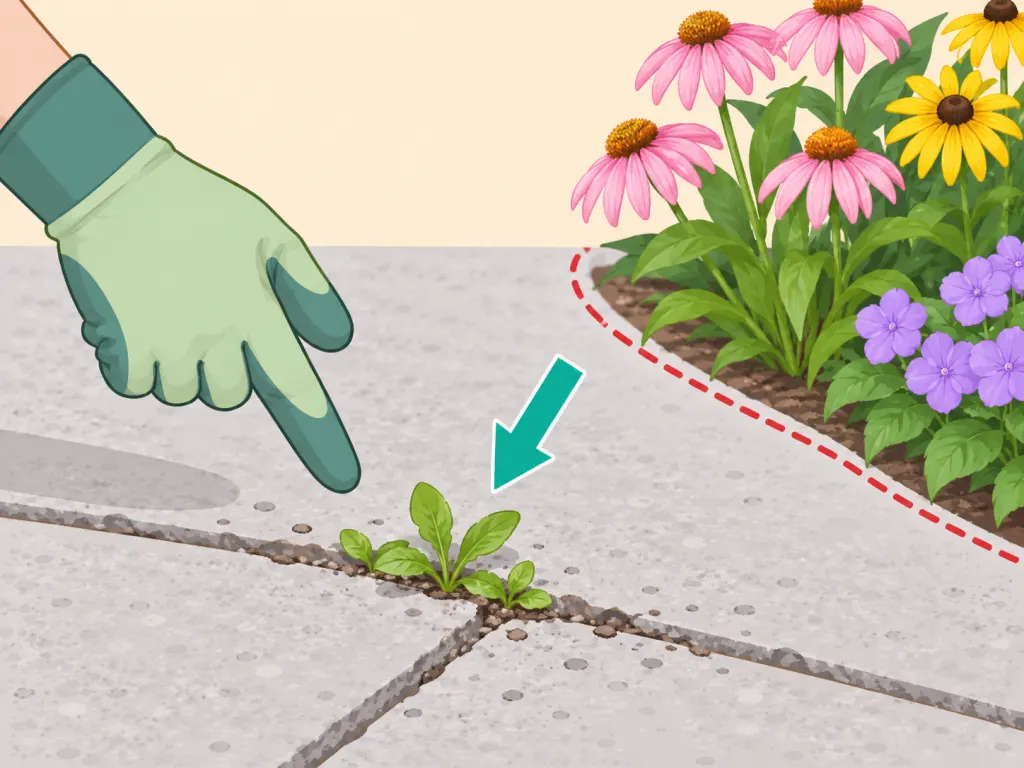
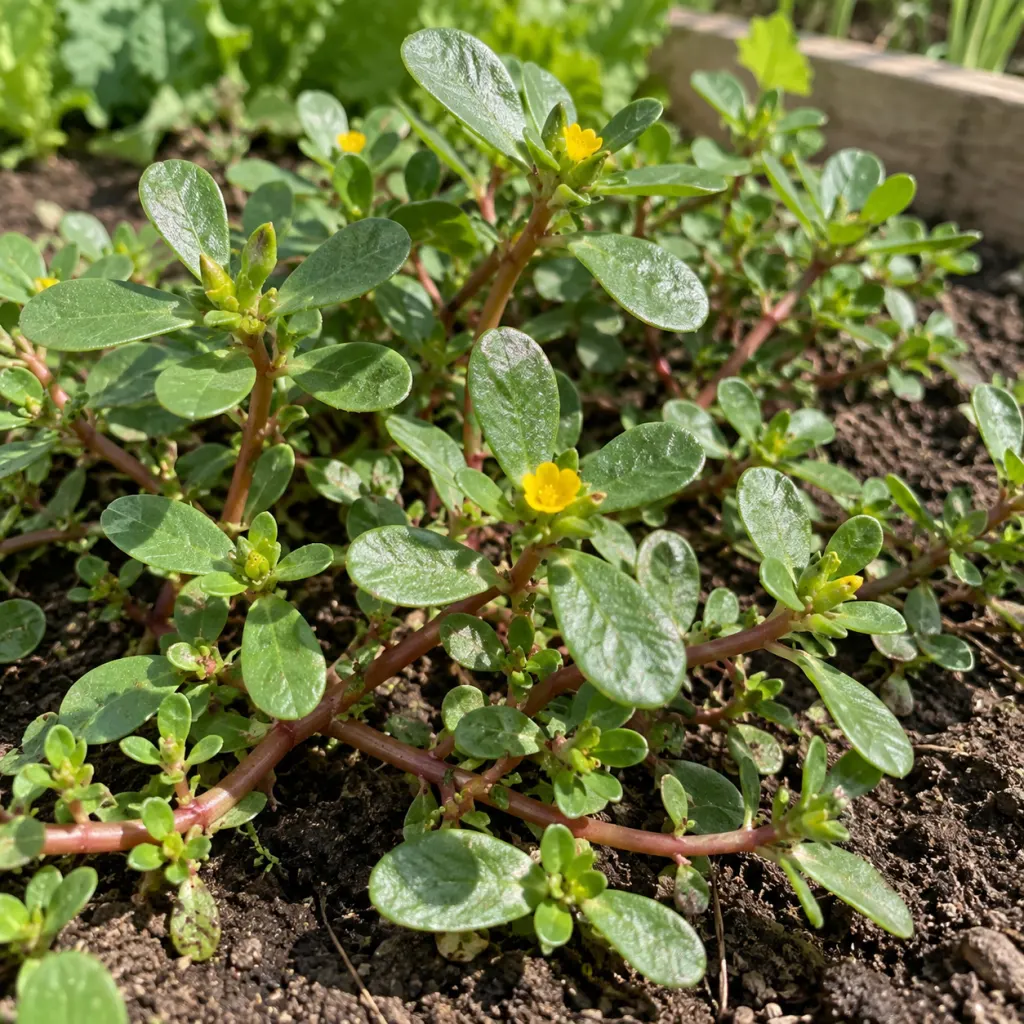
Use this spray only on small, actively growing weeds in patio cracks, gravel, driveway edges, or other spots where overspray will not hit plants you want to keep. Vinegar-based weed control is a contact herbicide approach, so it works best on young foliage and usually does not kill established roots. For beds you want to replant, hand-pulling and mulch are often better choices because larger weeds often regrow.
Step 2: Skip salt, bleach, and concentrated acids
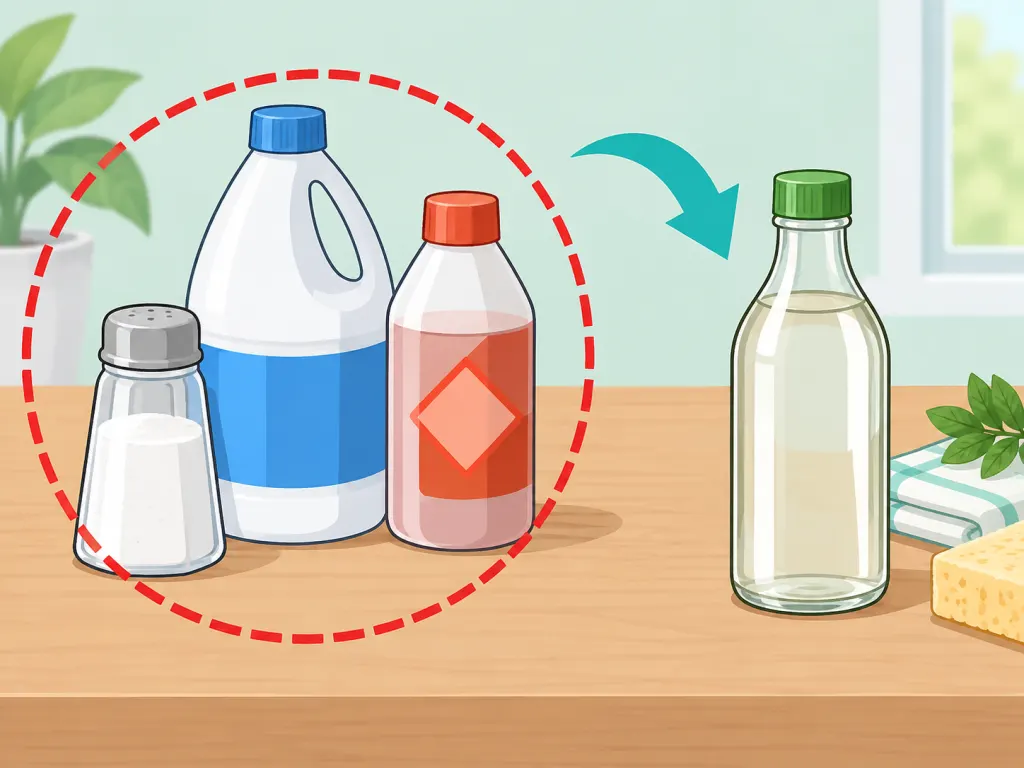
Do not add table salt, bleach, ammonia, or high-strength acetic acid to a homemade spray. UC Weed Science warns that salt can build up in soil and harm plants you may want later, while the EPA says not to use more pesticide than directed or mix products carelessly. Household vinegar is already acidic, and stronger horticultural vinegar products should be used only as labeled products.
Step 3: Protect yourself before mixing
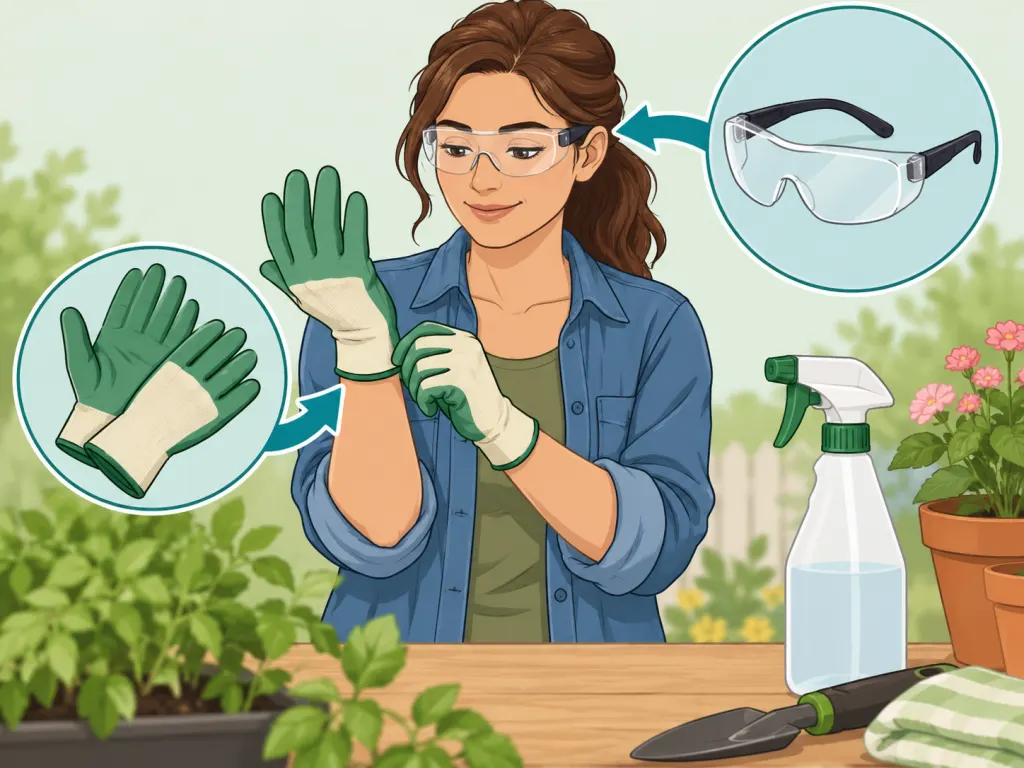
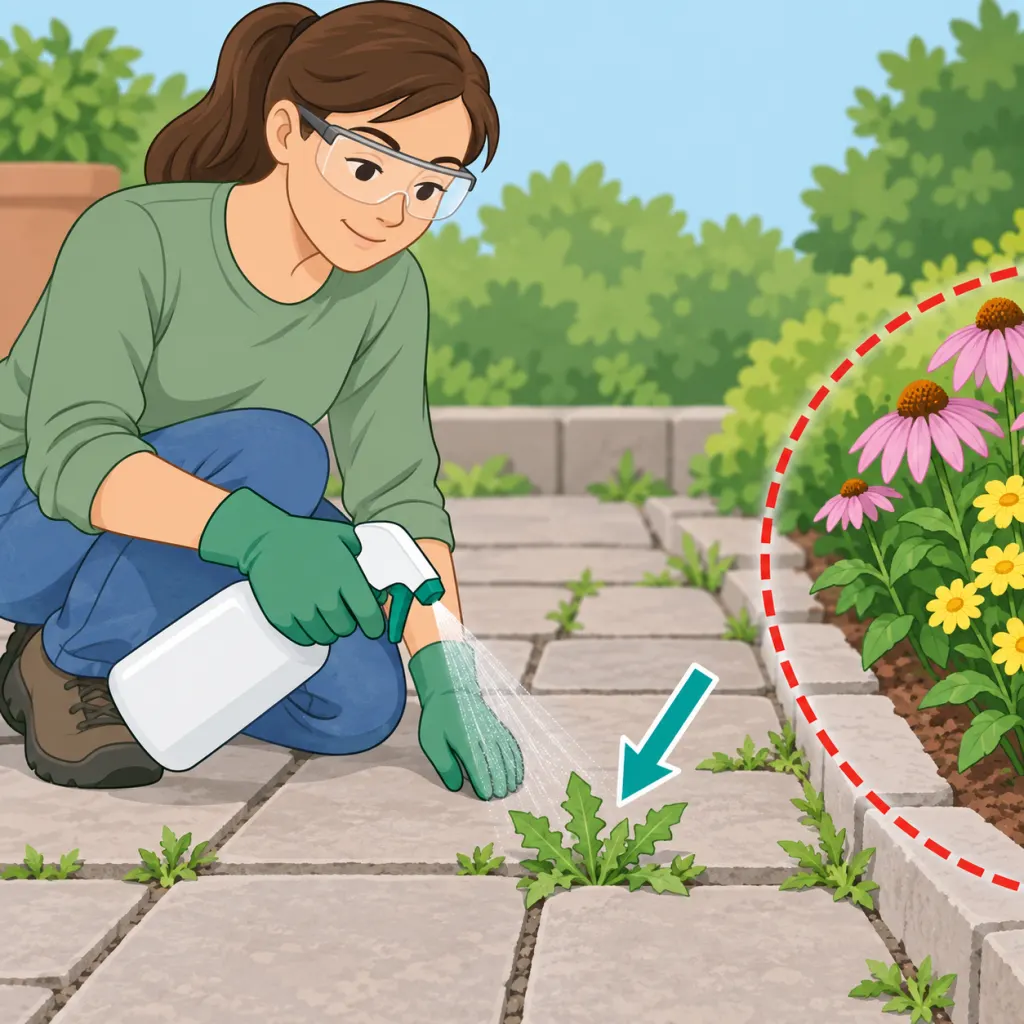
Put on chemical-resistant gloves, eye protection, long sleeves, long pants, shoes, and socks before handling the spray. The EPA recommends protective measures when handling pesticides, and homemade weed sprays should be treated with the same caution. Keep children, pets, food, and toys away from the mixing area.
Step 4: Mix a small vinegar spray batch
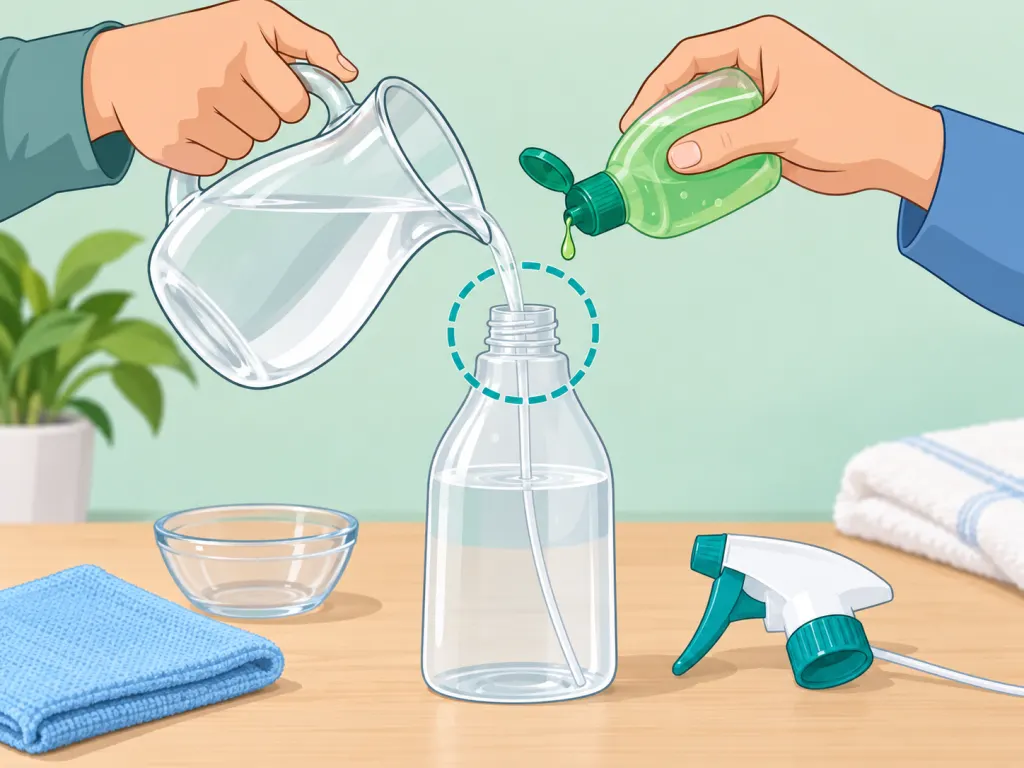
Pour 2 cups of plain distilled white vinegar, usually about 5% acetic acid, into a clean spray bottle and add 1/2 teaspoon of plain dish soap. Soap is not the weed-killing ingredient; it acts as a surfactant that helps liquid spread on leaves, as UC Weed Science explains. Label the bottle clearly and mix only what you expect to use that day.
Spray when no rain is expected and the air is still, aiming only at the weed leaves until they are evenly wet but not dripping into the soil. The EPA advises avoiding outdoor pesticide spraying on windy or rainy days because drift and runoff can move chemicals where you do not want them. Shield nearby flowers, vegetables, turf, shrubs, and tree trunks with cardboard if they are close to the target weed.
Step 6: Wait, then pull surviving roots
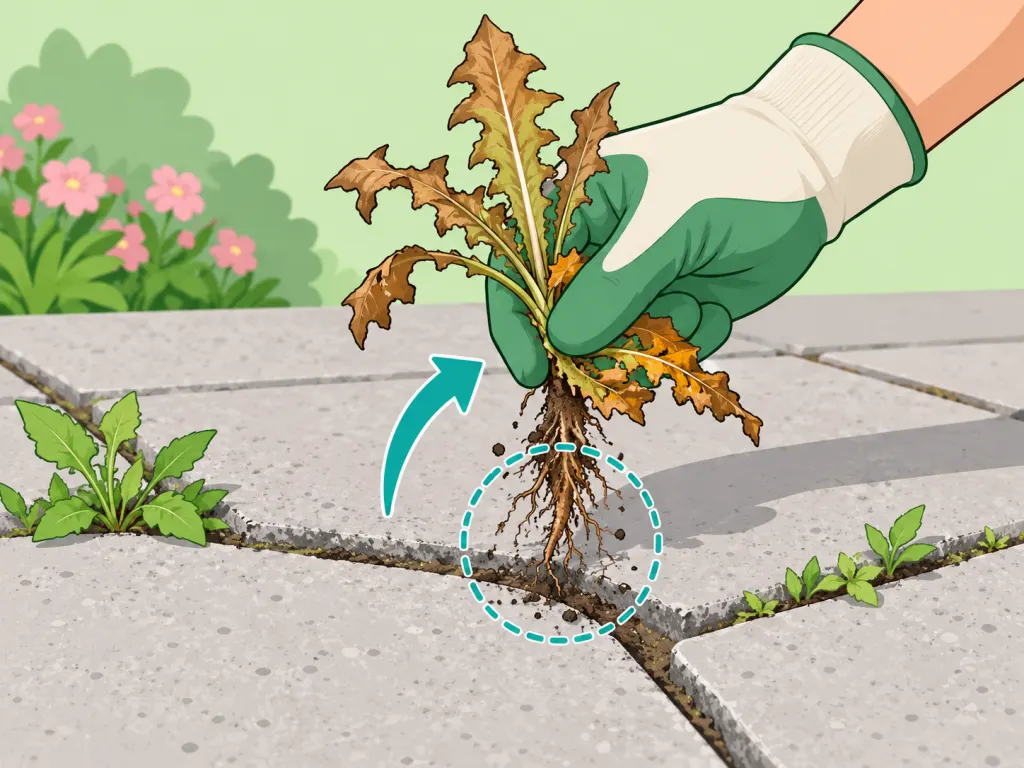
Check the treated weeds after 24 to 48 hours and pull any plants that are browned but still firmly rooted. Extension sources note that acetic acid can cause quick leaf burn, but perennial weeds often regrow because the roots are not fully controlled. Reapply only to new green growth, and avoid repeated heavy spraying in the same soil.
Step 7: Clean the sprayer and store materials safely
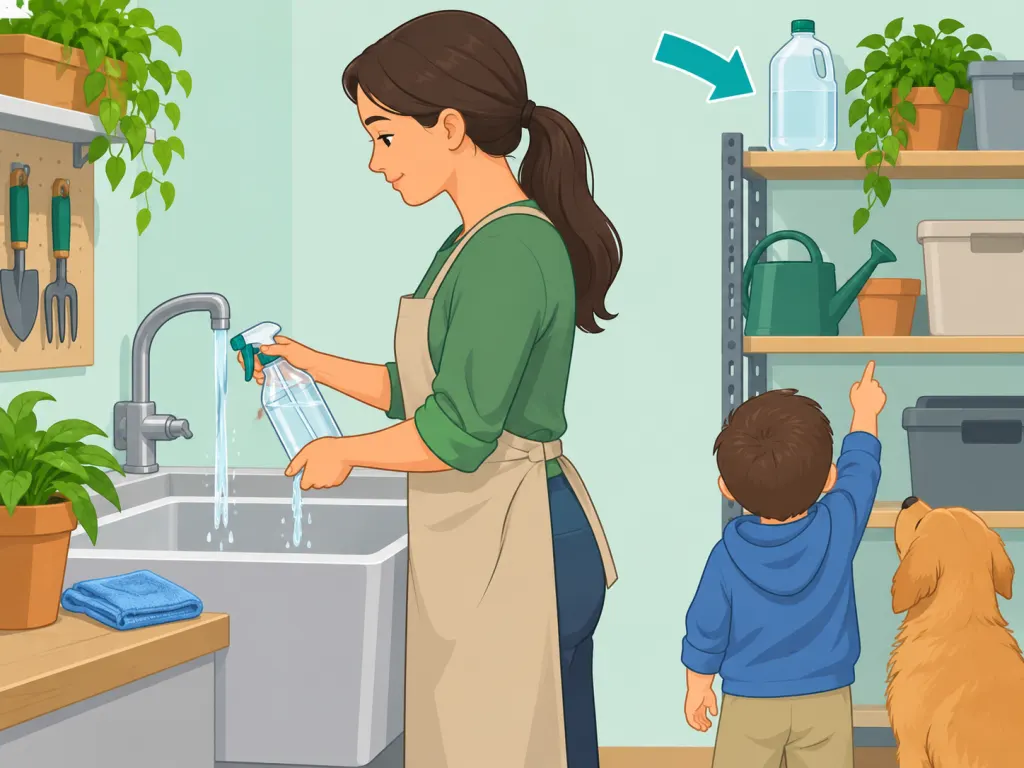
Rinse the sprayer with plenty of water after use, wash your hands, and change clothes if spray got on them. Store vinegar and any labeled garden products in their original containers, away from children and pets, following the EPA's storage and disposal guidance. Do not reuse the spray bottle for food, drinks, or indoor cleaning.
Step 8: Get help quickly after any exposure
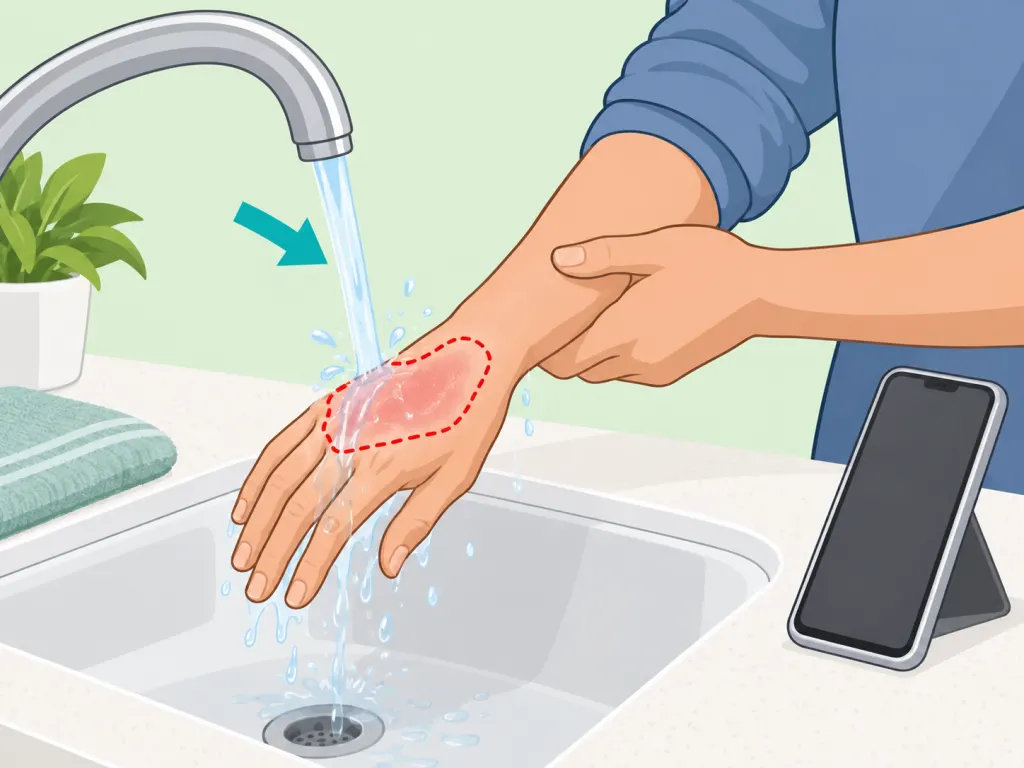
If spray gets in your eyes, on your skin, or is breathed in strongly, move away from the area and rinse the affected area with water. The CDC advises getting chemicals off the body promptly and seeking help through Poison Control, 911, or a hospital if symptoms occur or the chemical cannot be removed. For pesticide questions or emergencies in the United States, the EPA lists Poison Control at 1-800-222-1222.
Wrap-Up
The bottom line: a homemade vinegar spray is best for small weeds in cracks, gravel, and other spots away from plants you want to keep. Skip salt and bleach, spray only in calm dry weather, and use pulling or mulch for longer-lasting weed control.
Frequently Asked Questions
- → Does household vinegar really kill weeds?
It can burn back very young weeds, especially small annual weeds, but it usually does not kill established roots. Oregon State Extension notes that vinegar-type organic herbicides work by burning foliage and often need repeat applications.
- → Why should I avoid adding salt?
Salt can make soil harder for wanted plants to grow in later. UC Weed Science explains that table salt can kill plants and build up in soil, so it is a poor choice for garden beds and planting areas.
- → Can I use this spray in my vegetable garden?
Use extra caution around edible crops and avoid spraying plants you plan to keep. Homemade pesticide mixtures do not come with the detailed crop, harvest, safety, and disposal directions found on registered pesticide labels.
- → Is stronger horticultural vinegar better?
Stronger acetic acid products can be more hazardous to skin and eyes and should be handled only according to their labels. For home mixing, do not concentrate vinegar or blend stronger chemicals into a homemade spray.
- → How soon will the weeds look damaged?
Small weeds may wilt or brown within a day when the spray fully contacts the leaves in dry sunny weather. Larger weeds and perennials may green up again because vinegar sprays do not usually reach the root system.
- → What works better for long-term weed prevention?
Pulling weeds before they seed, filling pavement cracks, and using a 3 to 4 inch layer of mulch in beds are better long-term tools. OSU Extension specifically notes that thick mulch can help smother many weeds.
References
This content was developed and refined using reliable sources.
- https://www.extension.umd.edu/resource/vinegar-alternative-glyphosate
- https://ucanr.edu/node/115194/printable/print
- https://extension.oregonstate.edu/ask-extension/featured/vinegar-effective-killing-weeds
- https://www.epa.gov/pesticide-incidents/pesticide-safety-tips
- https://www.cdc.gov/chemical-emergencies/response/get-clean.html
- https://ucanr.edu/blog/uc-weed-science-weed-control-management-ecology-and-minutia/article/herbicides-homeowner