 Save
St. Lucia's herb is a common-name problem before it is a plant problem: this guide focuses on Euphorbia hirta, a small spurge, while also showing how to avoid confusing it with dayflowers. You will learn the main features to check, how to handle the plant without sap contact, and how to think about traditional uses in a cautious way. Because this is a body-related herb topic, keep the guide informational and ask a qualified professional before any personal health use.
Step 1: Start with the scientific name
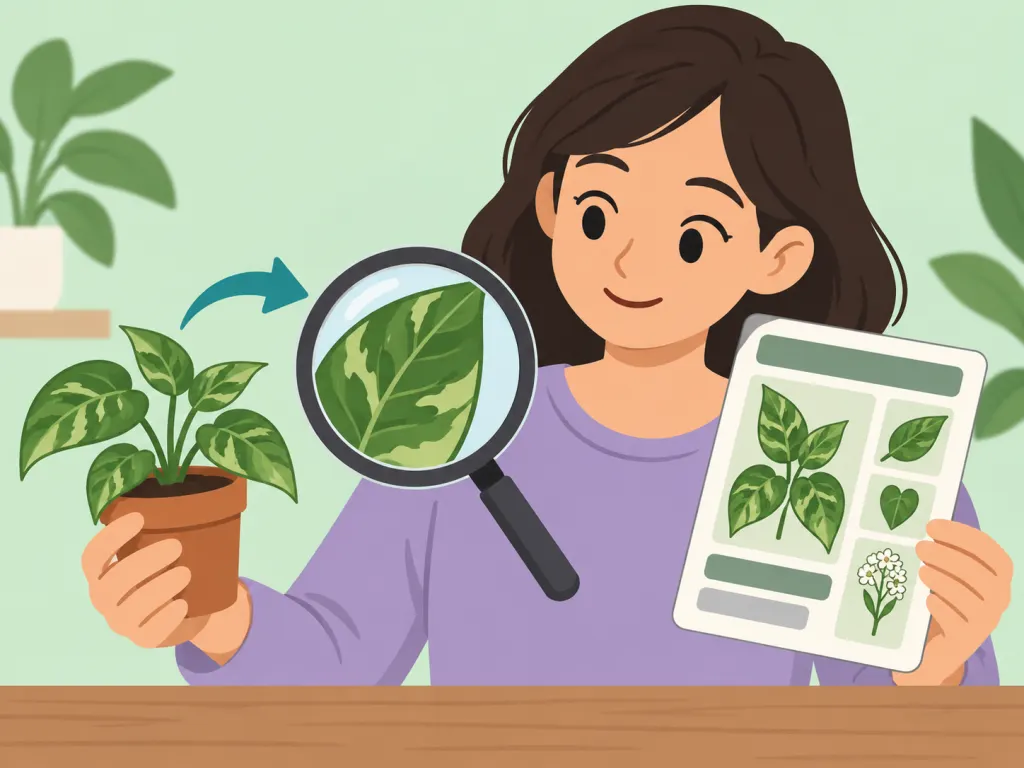
Treat “St. Lucia's herb” as a common name, not a final identification. For this guide, compare your plant with Euphorbia hirta, which NC State Extension describes as garden spurge, hairy spurge, and pillpod sandmat. If a label, seller, or neighbor gives only a folk name, pause until you can confirm the scientific name.
Step 2: Check the plant's size and growth habit
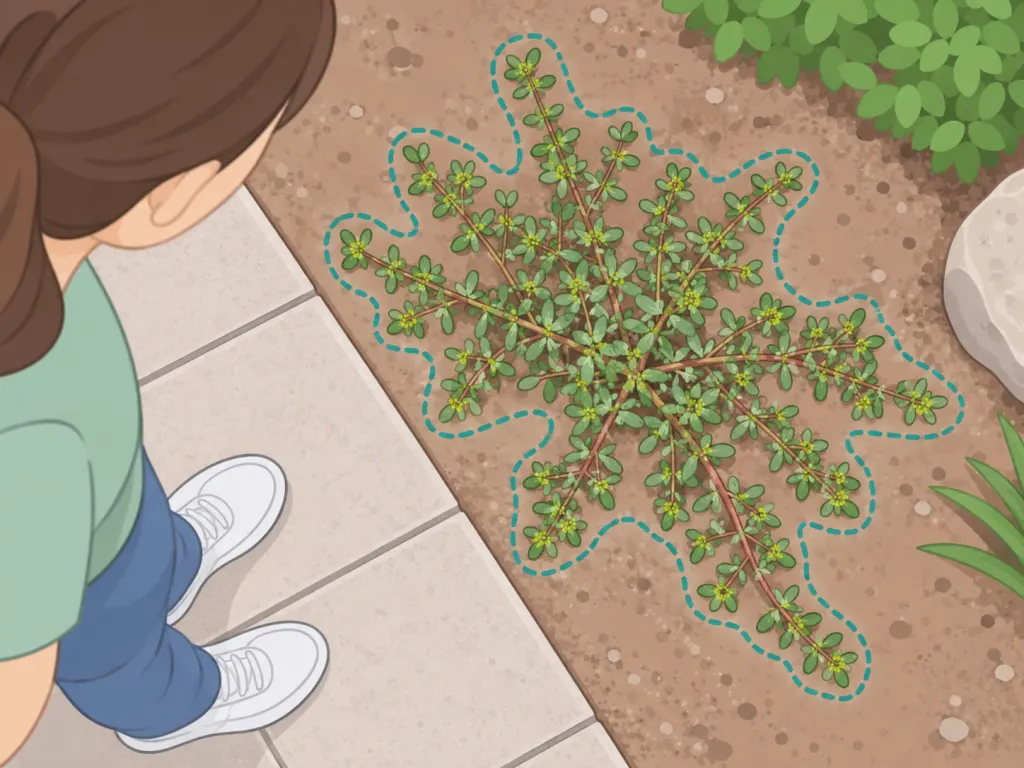
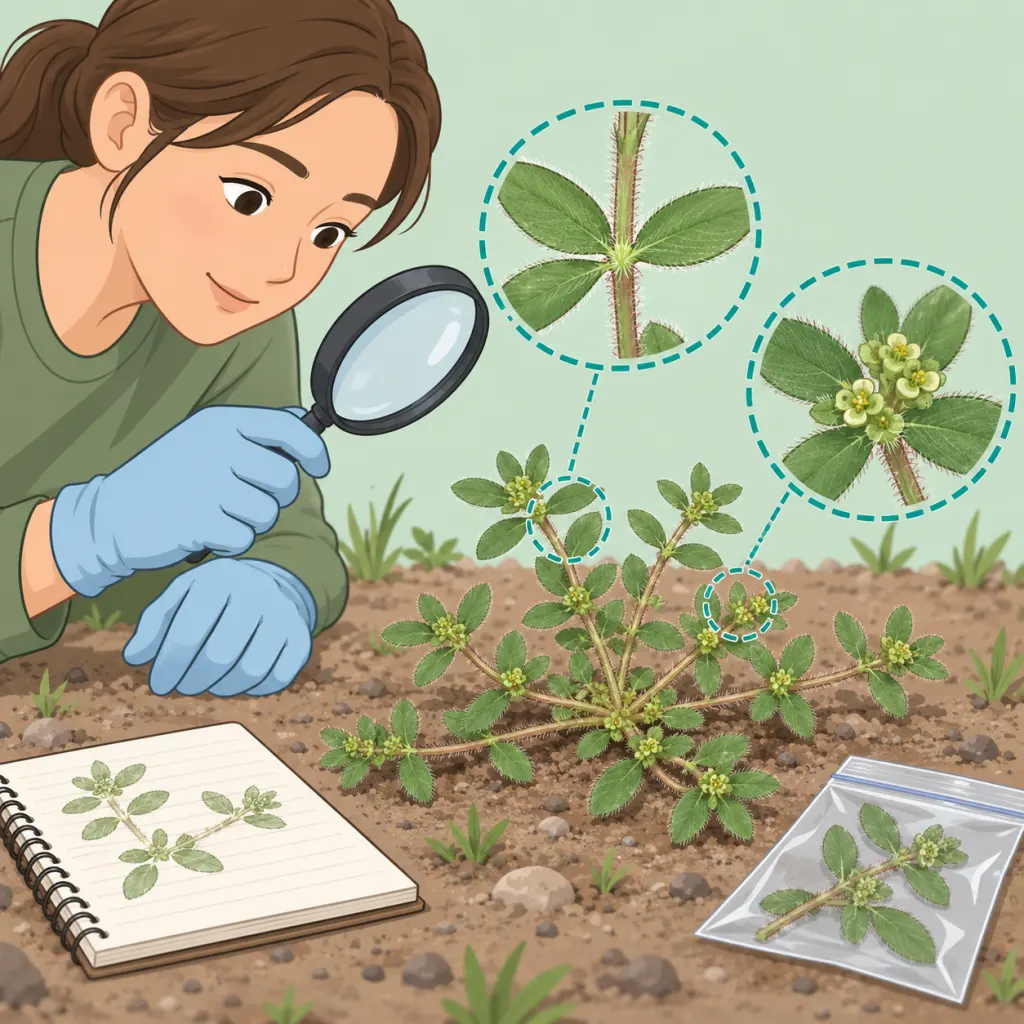
Look for a low, warm-season annual that spreads from prostrate to slightly rising stems. NC State Extension notes that Euphorbia hirta is often found in lawns, planting beds, agricultural areas, roadsides, sidewalk cracks, and nursery settings. A plant that is tall, woody, strongly aromatic, or shaped like a typical culinary herb is probably not this plant.
Step 3: Inspect the leaves and stems without breaking them
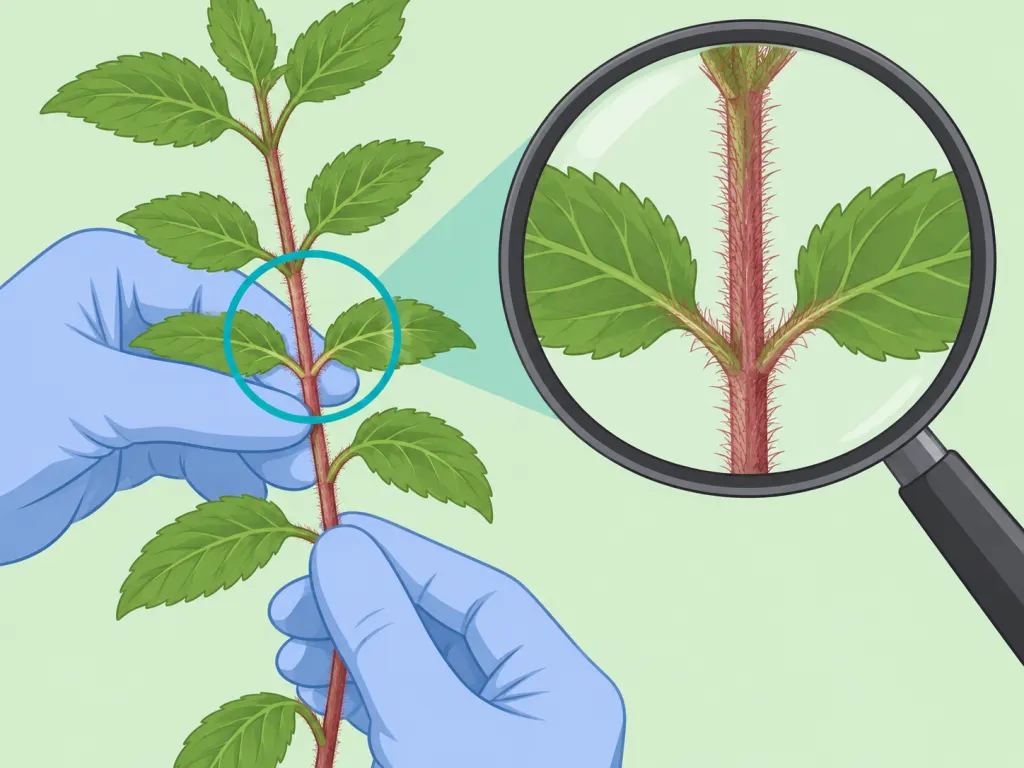
Use your eyes first: Euphorbia hirta typically has opposite leaves and reddish-purple, round stems covered with hairs. The leaves are usually oblong to lance-shaped, pointed, and may show reddish-purple coloring, matching the plant features listed by NC State Extension's plant profile. Do not snap the stem just to test it, because the sap is the part you most want to avoid touching.
Step 4: Look for tiny flower clusters near the leaf joints
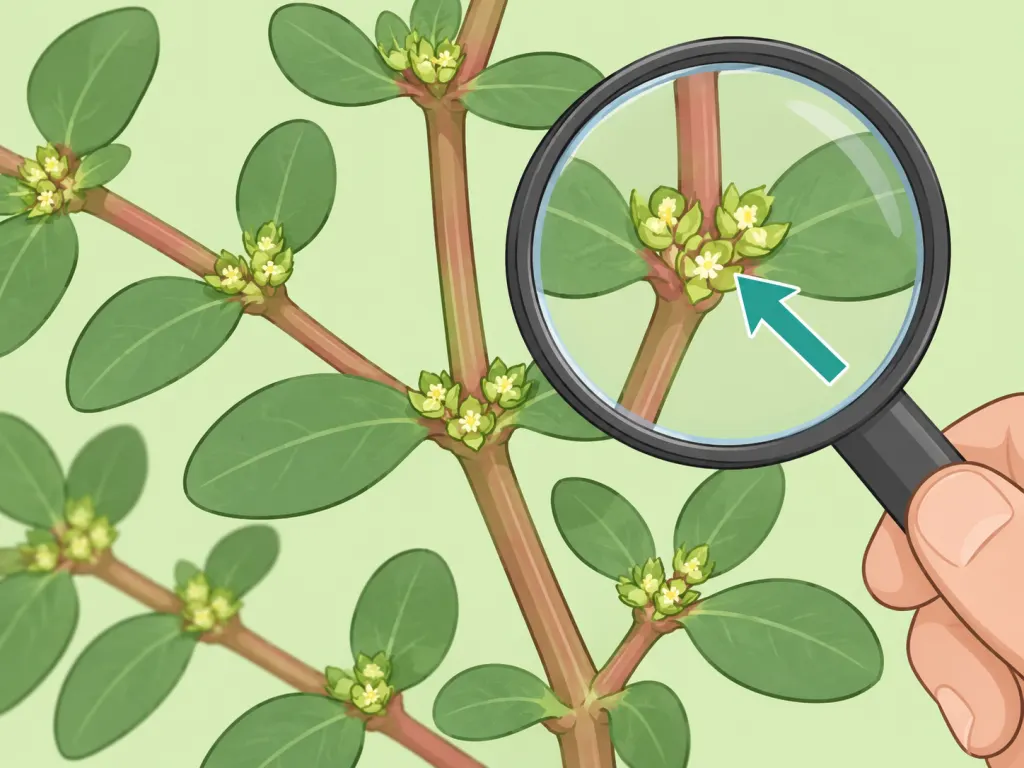
Check the leaf axils, where the leaves meet the stem, for small green, tan, brown, or pinkish clusters rather than showy petals. UC IPM explains that spurges have very small flower structures called cyathia, and its key places garden spurge, E. hirta, among the hairy-stemmed weedy spurges. Use a hand lens or a close photo if the details are too small to see comfortably.
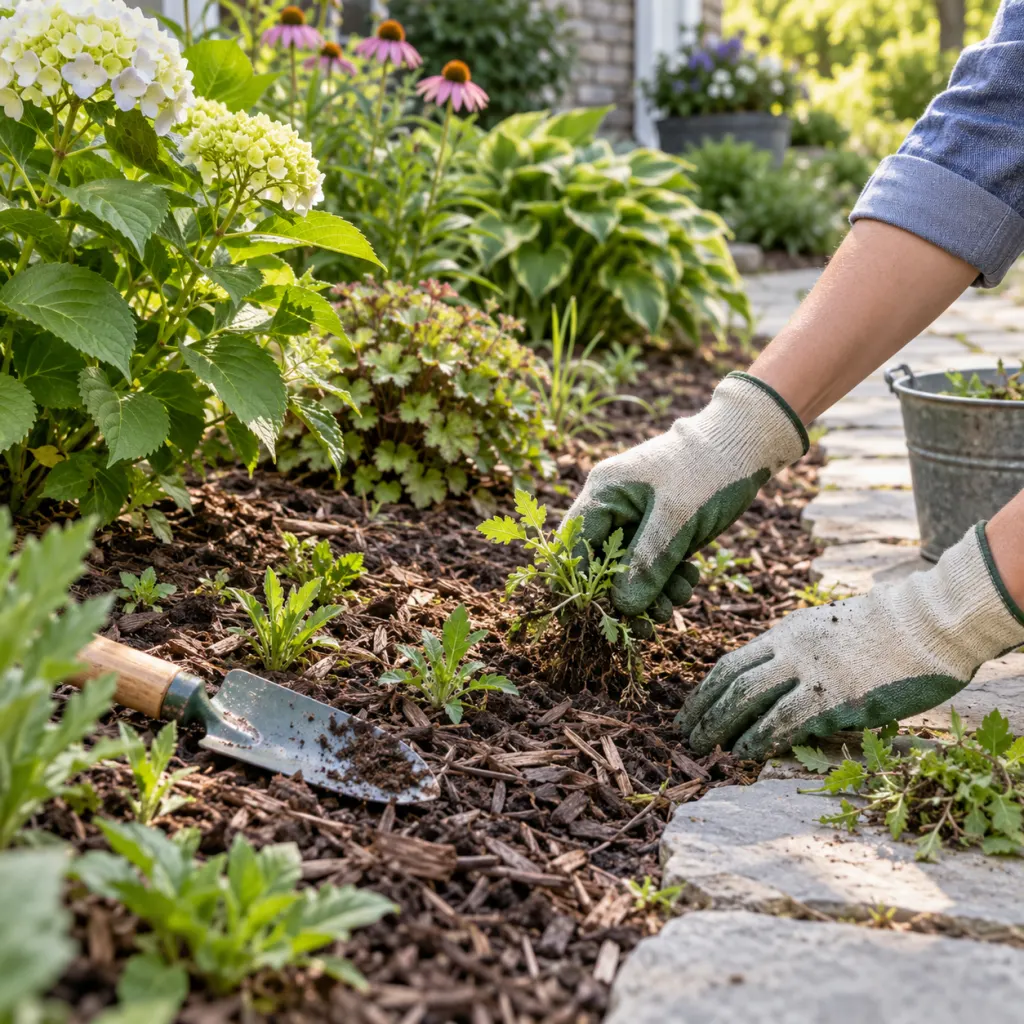
Wear gloves if you need to move the plant, and keep your hands away from your face afterward. UC IPM says spurge stems release milky sap, and NC State Extension cautions that Euphorbia hirta sap can irritate skin and eyes. Bag discarded plant material so children and pets are less likely to handle it.
Step 6: Rule out dayflower lookalikes
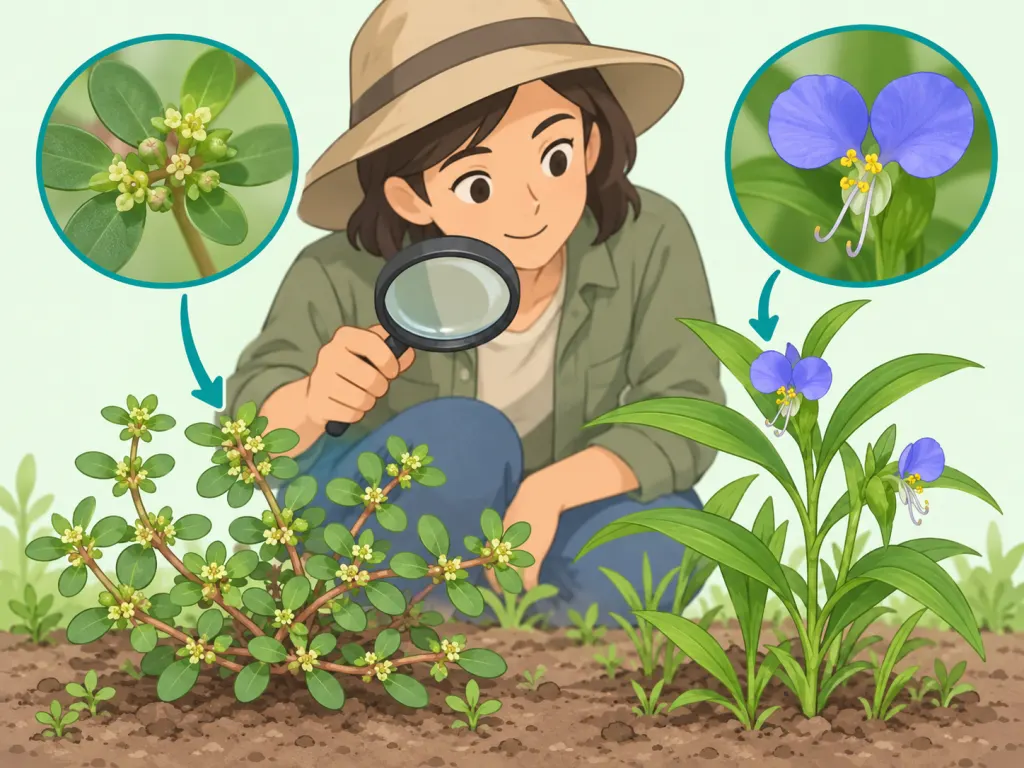
If the plant has obvious blue-purple flowers, a smaller pale petal, and a folded bract behind the flower, compare it with whitemouth dayflower, Commelina erecta, instead. UF/IFAS Extension describes whitemouth dayflower as a Commelina species with showy petals and a spathe, not a spurge with milky sap. When the traits do not line up cleanly, send clear photos to a local extension office, botanist, or qualified plant professional.
Step 7: Reject plants from risky locations
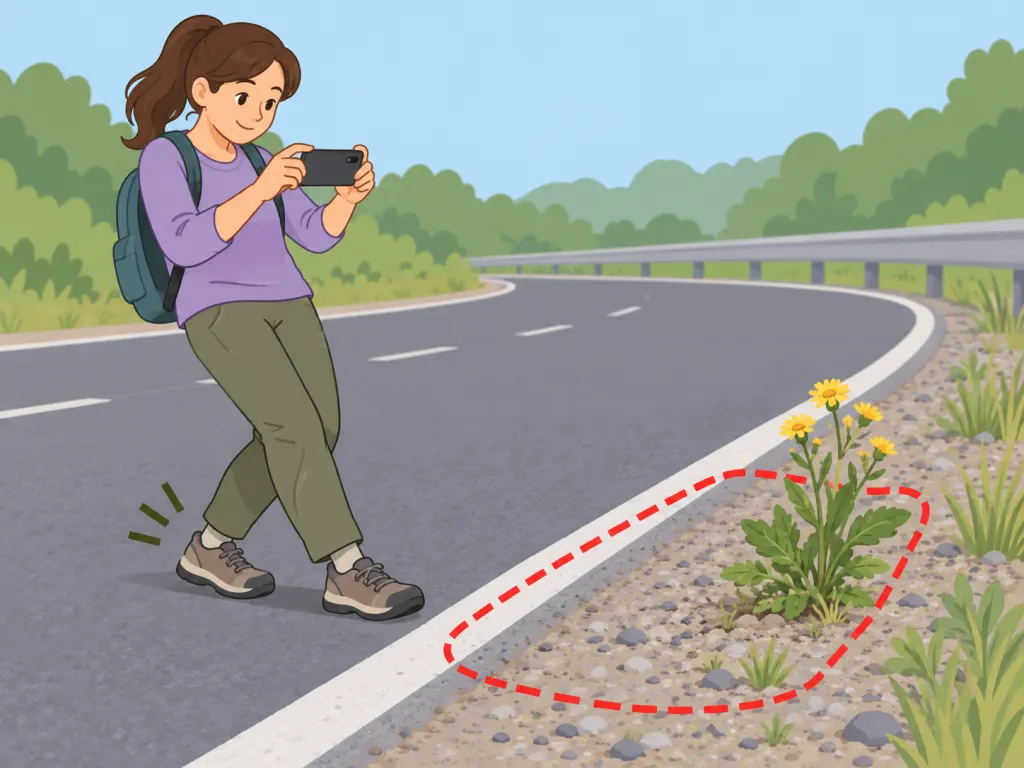
Do not use a plant collected from roadsides, sidewalk cracks, treated lawns, drainage areas, or unknown soil. Herbal safety guidance from NCCIH and MedlinePlus emphasizes that herbal products can vary in quality and safety, so a wild yard specimen deserves extra caution. If you cannot verify the site and the plant, limit your use to identification notes and photos.
Step 8: Use it only as a documented plant record unless cleared by a professional
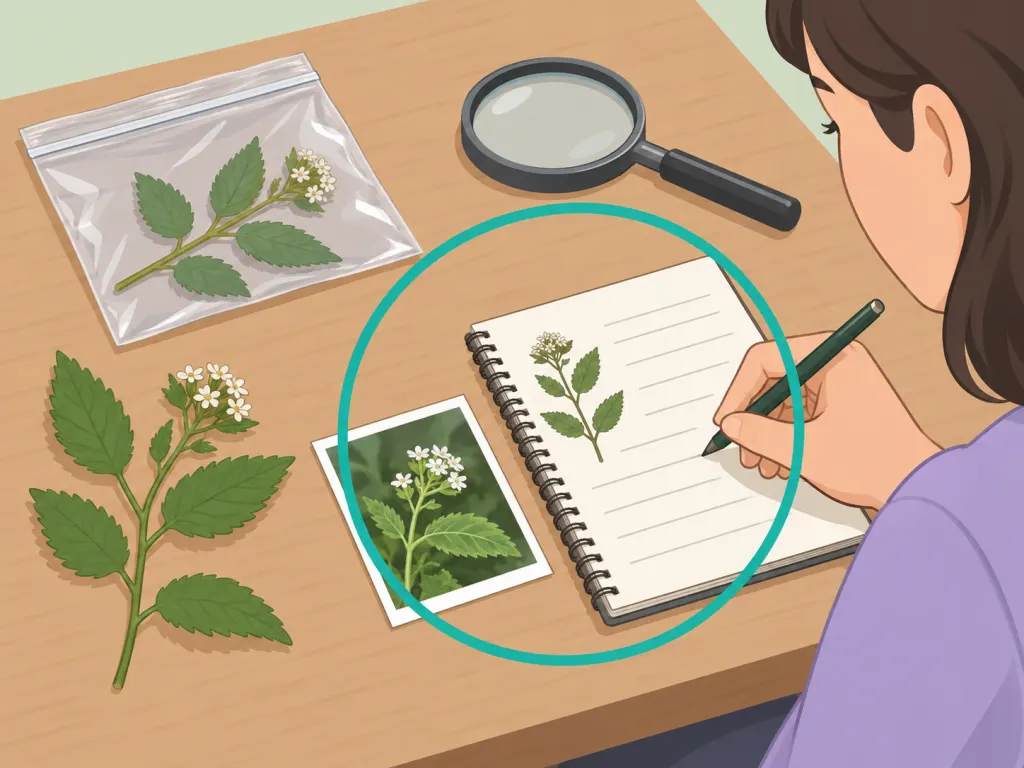
Write down the date, location, habitat, leaf pattern, stem hairs, flower details, and whether a professional confirmed the identification. A PubMed-indexed review reports that Euphorbia species have a long record of traditional use and also notes incomplete safety information for the group, so do not treat a tradition as personal guidance. If you are considering any body-related use, bring your notes and photos to a qualified health professional first.
Step 9: Seek help for exposure or concerning symptoms
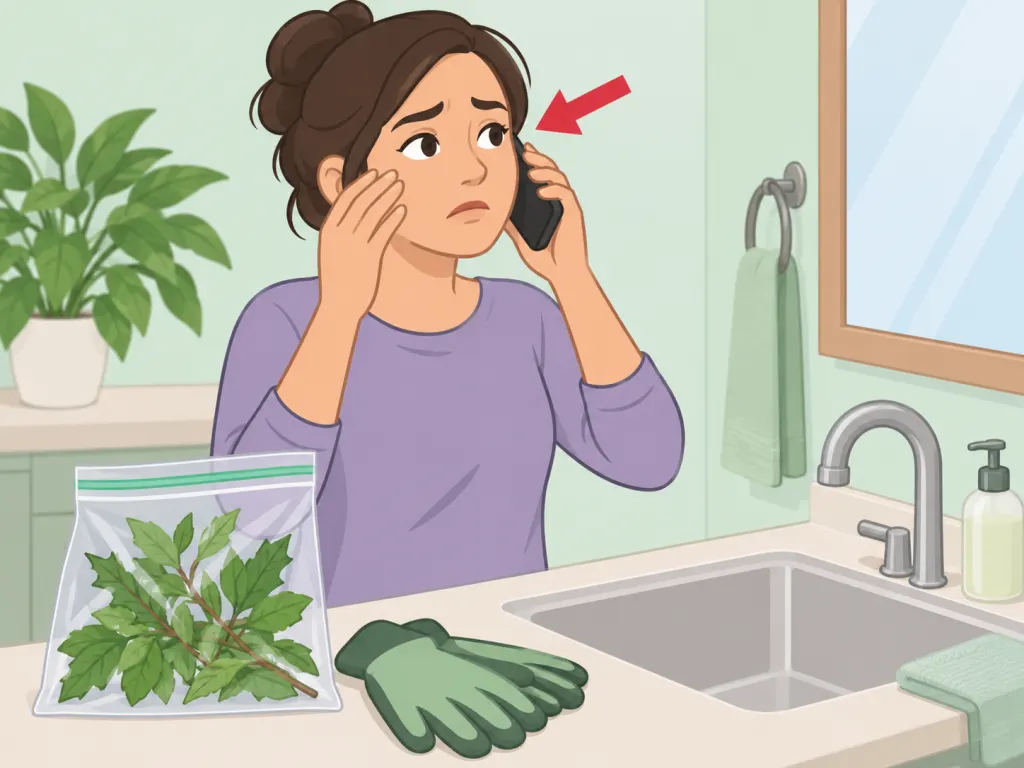
Get prompt medical help if sap gets in the eyes, if skin irritation is severe, or if someone swallows any part of the plant and feels unwell. NC State Extension lists the plant as poisonous to humans, and the FDA advises talking with a health care professional for eye pain, discharge, discomfort, or vision changes after using an eye product. For ongoing breathing, digestive, swelling, eye, or skin concerns, use a clinician instead of a home plant experiment.
Wrap-Up
The bottom line: identify St. Lucia's herb by scientific features, not by a social post or common name. If the plant has the spurge traits described here, handle it with gloves, keep the sap away from skin and eyes, and treat any personal health use as a question for a qualified professional.
Frequently Asked Questions
- → Is St. Lucia's herb always Euphorbia hirta?
No. Common names can point to different plants in different places, so use the scientific name and visible traits before making any decision. This guide focuses on Euphorbia hirta, which NC State Extension describes as garden spurge with hairy stems, opposite leaves, tiny clustered flowers, and milky sap.
- → Can I touch St. Lucia's herb with bare hands?
It is better to wear gloves. NC State Extension notes that Euphorbia hirta has milky latex sap that can irritate skin and eyes, and UC IPM gives similar cautions for spurges.
- → Can I put a St. Lucia's herb wash in my eyes?
No. Eye products need sterility, and the FDA warns that products used in the eyes carry special contamination risks. Do not put homemade plant liquid in the eyes.
- → What is the safest use for a plant I found in the yard?
The safest use is educational: photograph it, identify it, and remove or manage it if it is growing where you do not want it. Do not swallow or apply a yard plant unless a qualified professional has confirmed both the plant and the intended use.
- → How is it different from whitemouth dayflower?
Whitemouth dayflower, Commelina erecta, has blue-purple flowers with a smaller pale petal and a spathe behind the flower, according to UF/IFAS Extension. Euphorbia hirta has tiny greenish to pink flower clusters and milky sap instead.
- → Should I keep it if it appears in a sidewalk crack?
Use caution with plants from sidewalk cracks, roadsides, or sprayed areas because you cannot know what the plant has contacted. For a plant you only want to identify, take photos and notes instead of collecting it for personal use.
References
This content was developed and refined using reliable sources.
- https://plants.ces.ncsu.edu/plants/euphorbia-hirta
- https://ipm.ucanr.edu/home-and-landscape/spotted-spurge-and-other-spurges
- https://ask.ifas.ufl.edu/publication/EP668
- https://www.nccih.nih.gov/health/dietary-and-herbal-supplements
- https://www.medlineplus.gov/ency/patientinstructions/000868.htm
- https://www.fda.gov/drugs/buying-using-medicine-safely/what-you-should-know-about-eye-drops
- https://pubmed.ncbi.nlm.nih.gov/35838213