 Save
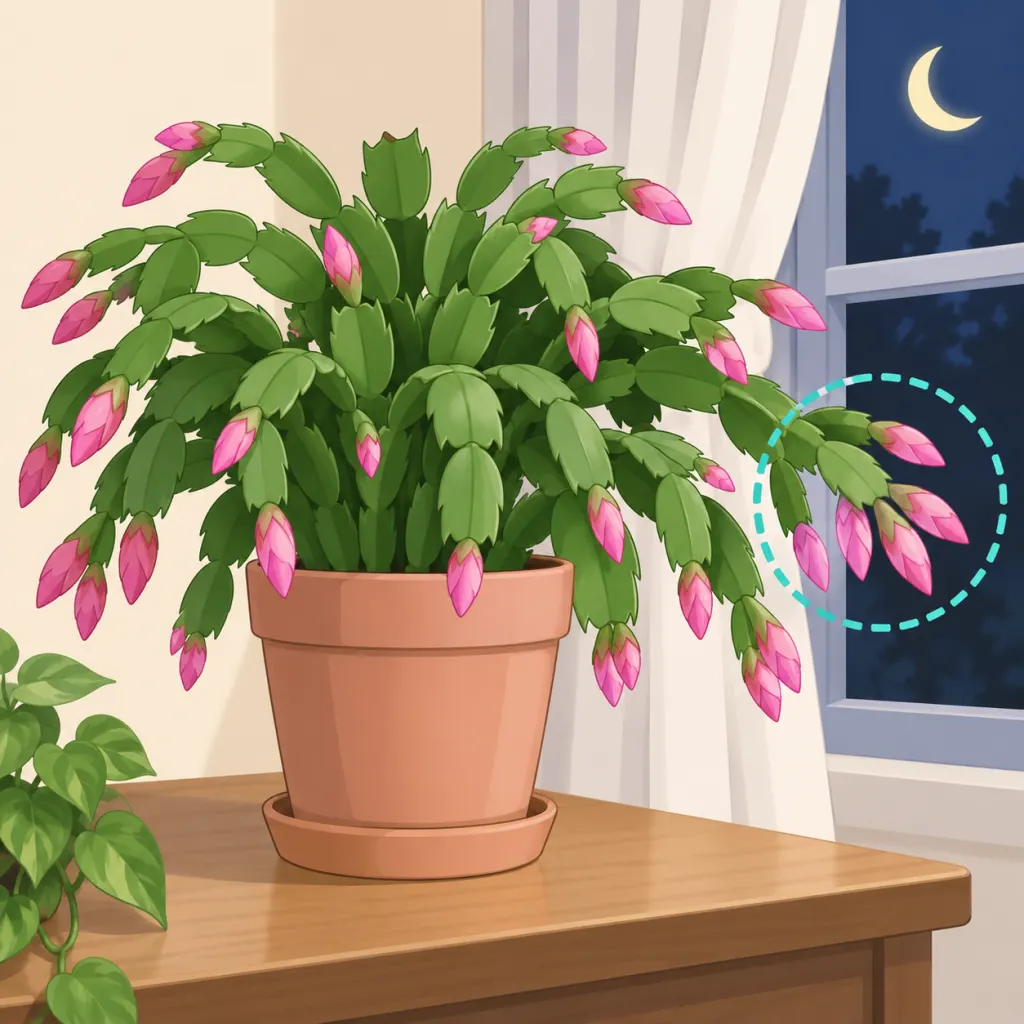
A Christmas cactus blooms when its care matches the seasonal signals it expects: shorter days, cooler nights, and steady moisture without soggy roots. Many plants sold as Christmas cactus are actually Thanksgiving cactus, but the fall bloom routine is very similar. This guide shows you how to prepare the plant, trigger buds, and keep those buds from dropping before they open.
Step 1: Identify which holiday cactus you have
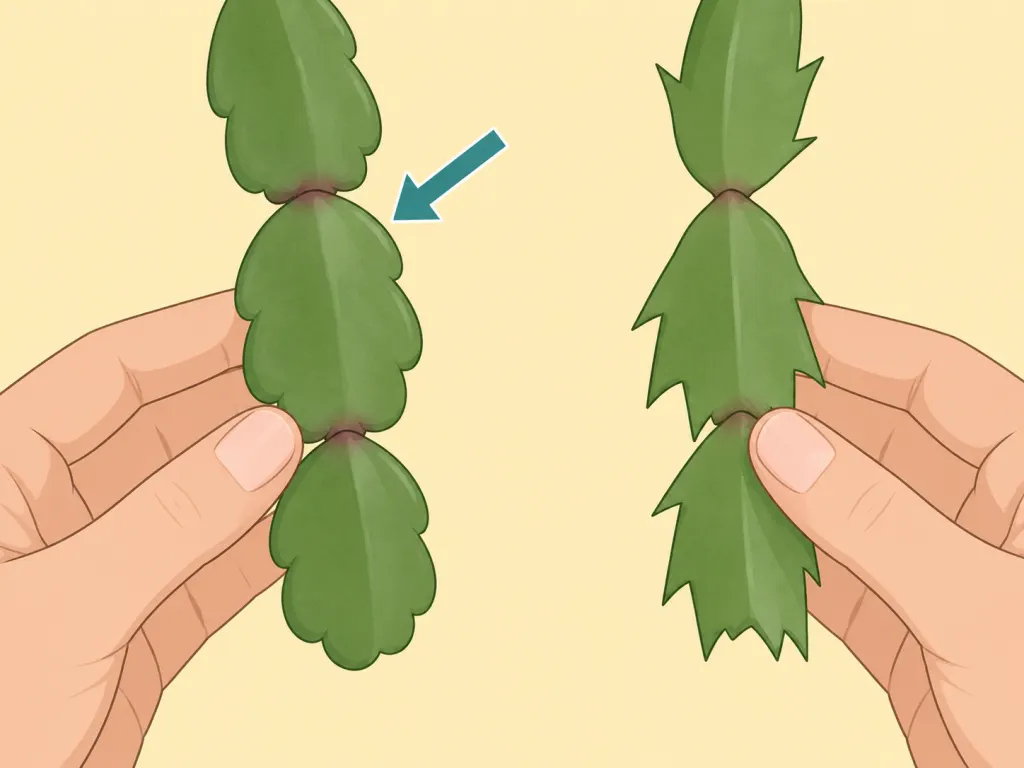
Look at the flattened stem segments before you plan the bloom timing. Illinois Extension explains that Thanksgiving cactus usually has pointed, claw-like edges, while Christmas cactus has smoother, scalloped edges and often blooms later. If yours flowers near Thanksgiving, it may still be healthy; it may simply be a Thanksgiving cactus sold under a Christmas cactus label.
Step 2: Grow it in bright indirect light during the year
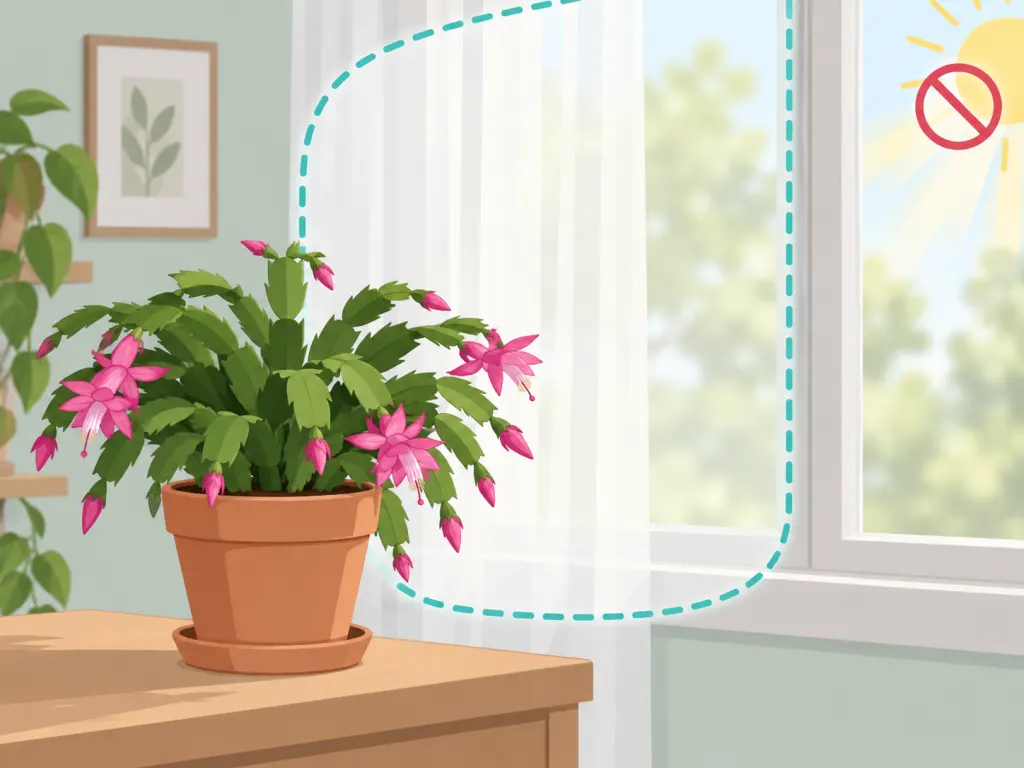
Keep the plant in bright, filtered light rather than strong direct sun. University of Wisconsin Extension notes that Schlumbergera prefers bright indirect light or light shade, while prolonged direct sun can stress the stems. Strong, steady growth before fall gives the plant more mature stem tips where buds can form.
Step 3: Keep the roots in a well-drained pot
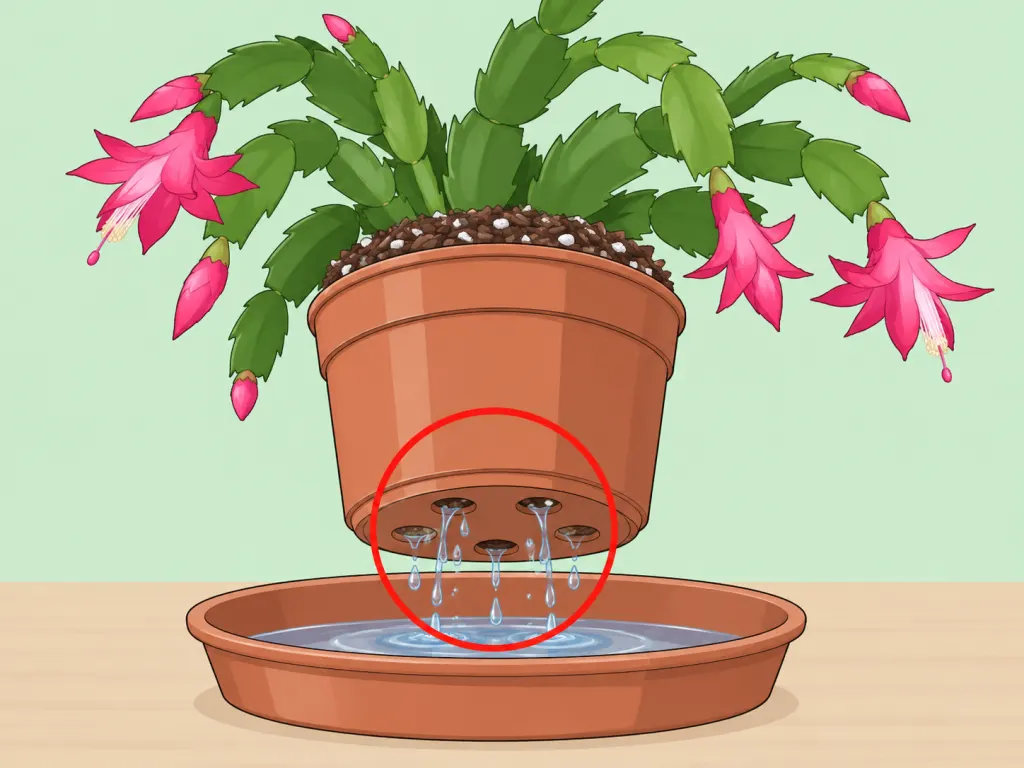
Use a container with drainage holes and a loose potting mix that does not stay waterlogged. University of Minnesota Extension says holiday cacti do poorly in heavy, wet soils and often bloom best when kept somewhat pot-bound. Repot only when needed, ideally after flowering or in spring, so the plant can settle before the next bud-setting season.
Step 4: Pinch back long stems in early summer
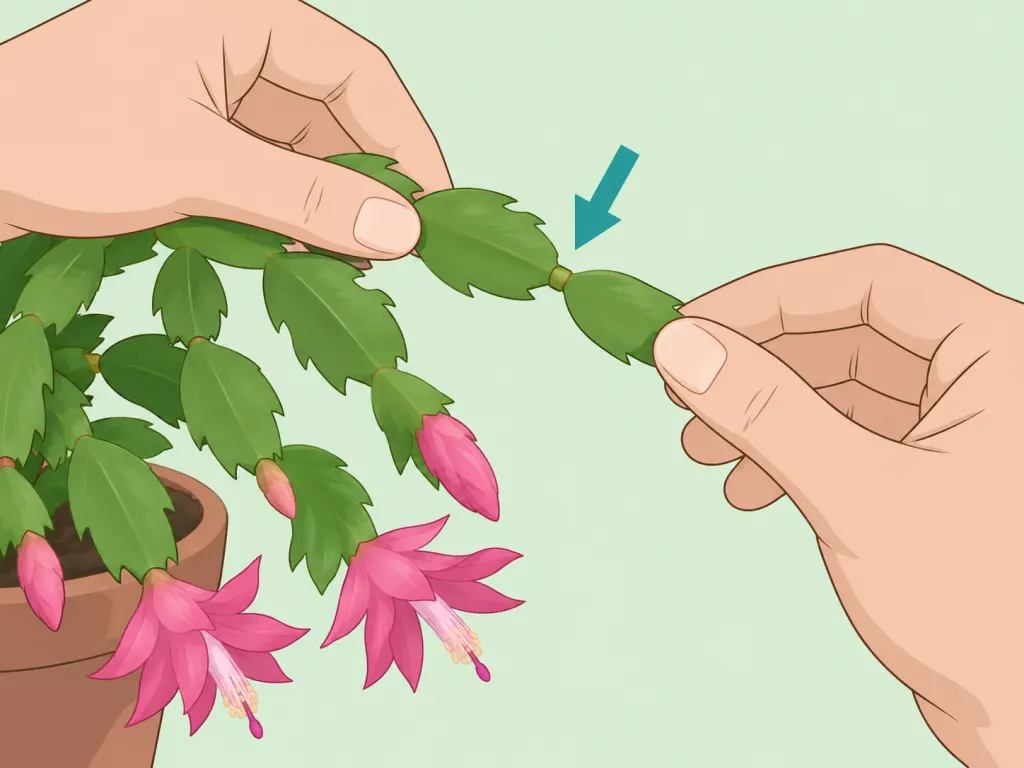
In late spring or early summer, twist or pinch off a few outer stem segments to encourage branching. Holiday cacti bloom at stem tips, and Illinois Extension notes that pinching in June can promote more branching and more flowering points. Skip pruning once fall begins, since the plant needs mature tips for bud formation.
Fertilize lightly while the plant is actively growing in spring and summer, following the fertilizer label. University of Minnesota Extension recommends monthly feeding from June through August with a balanced houseplant fertilizer at half strength. As fall bud-setting begins, stop pushing new growth and focus on the bloom signals: cooler nights, shorter days, and careful watering.
Step 6: Move it to a cool spot in early fall
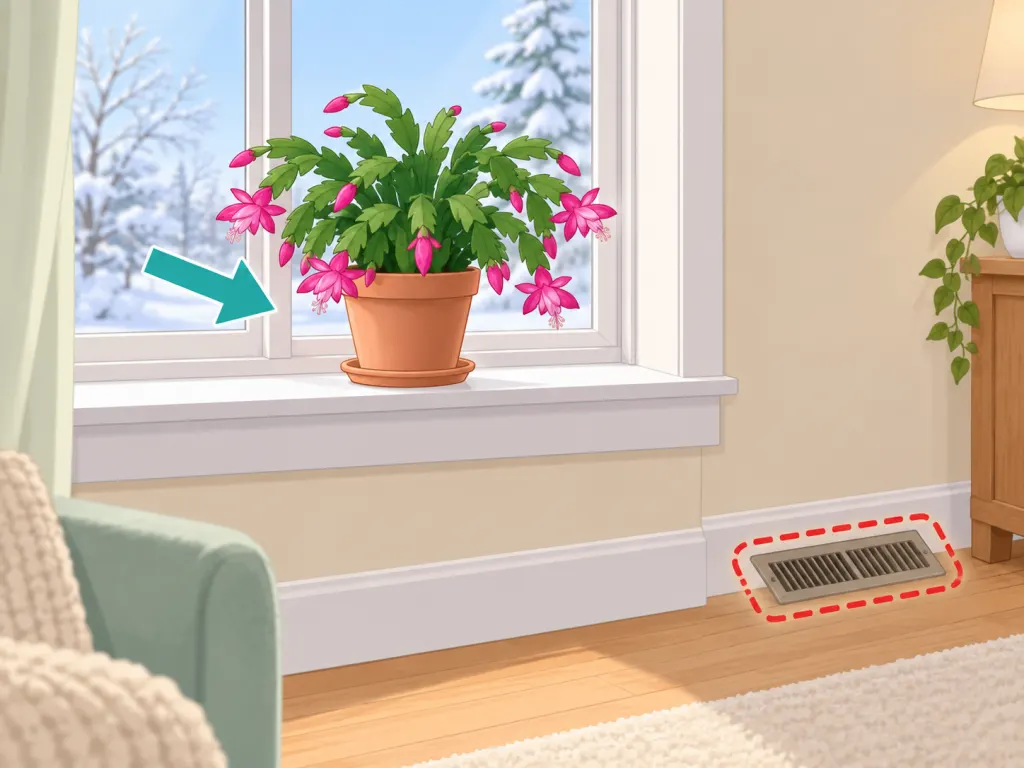
Choose a bright location where nights stay cool but not cold. University of Minnesota Extension lists 65 to 70°F daytime temperatures and 55 to 65°F evening temperatures as useful indoor conditions for bud formation. Avoid frost, open windows on cold nights, heaters, and hot vents.
Step 7: Give it uninterrupted darkness each night
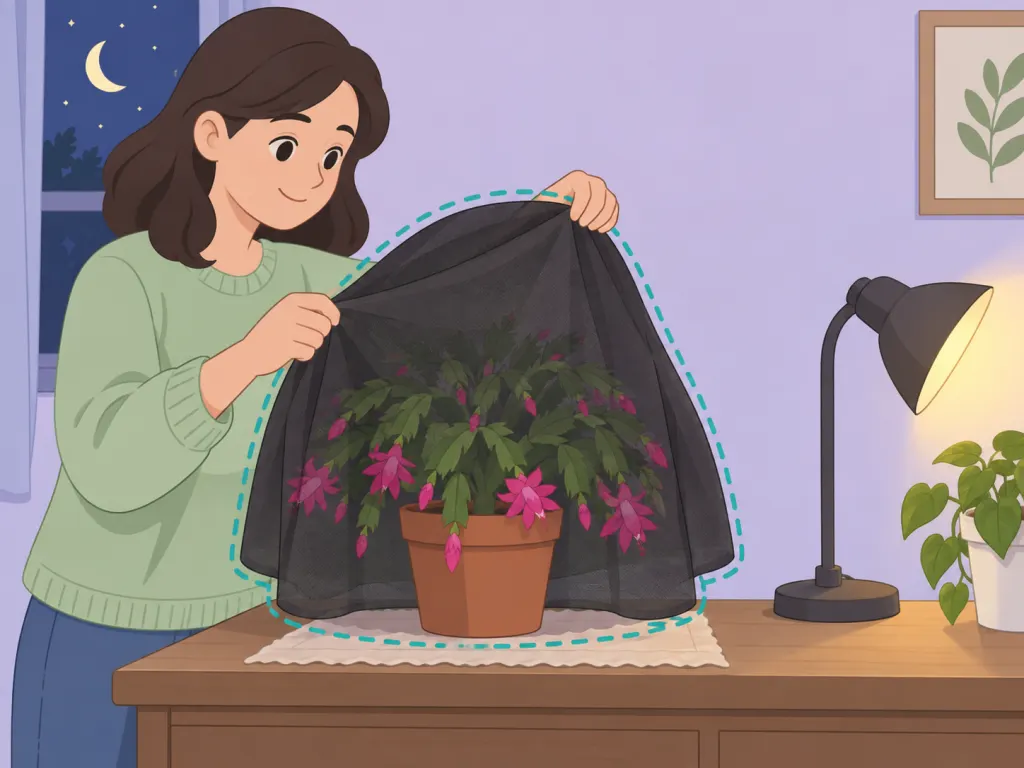
For about 5 to 6 weeks, give the plant at least 12 hours of complete darkness every night, then bright indirect light during the day. Illinois Extension says flower buds may not set if the dark period is interrupted for too long. A spare room, basement window, or nightly cover can work if lamps, televisions, and streetlights do not reach the plant.
Step 8: Water when the mix starts to dry
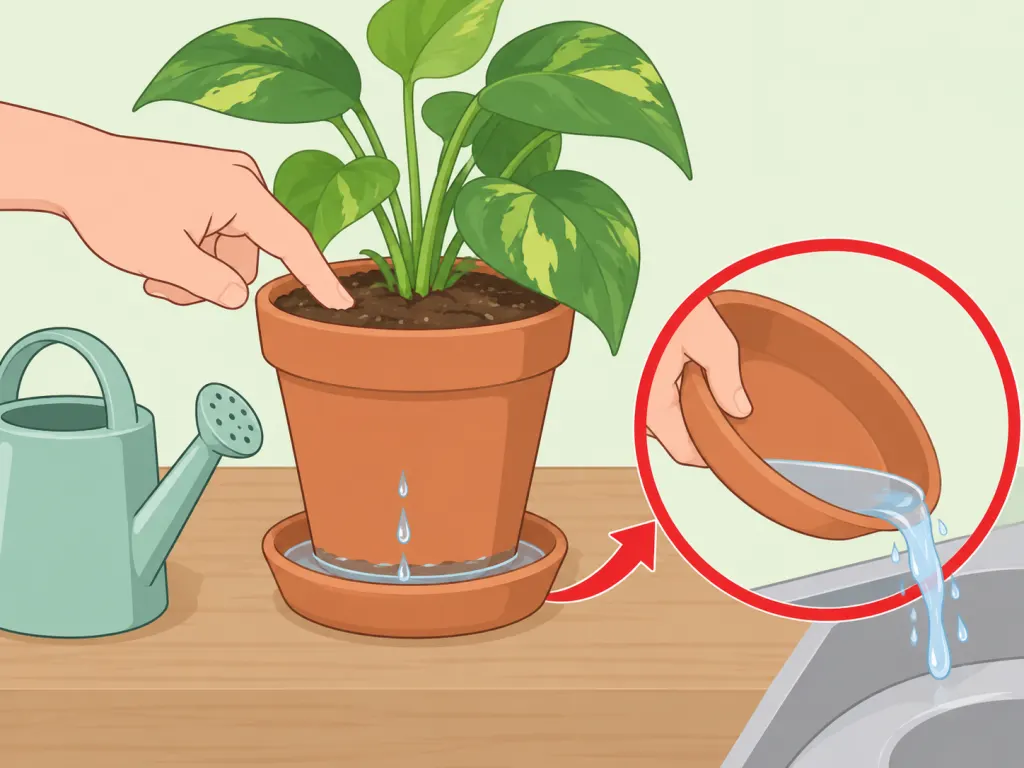
Check the potting mix with your finger and water when it begins to dry, then let extra water drain away. Clemson Cooperative Extension advises that rainforest cacti need more water than desert cacti but should never be waterlogged. During bud formation, keep the plant from drying severely, but do not leave water sitting in the saucer.
Step 9: Keep conditions steady after buds appear
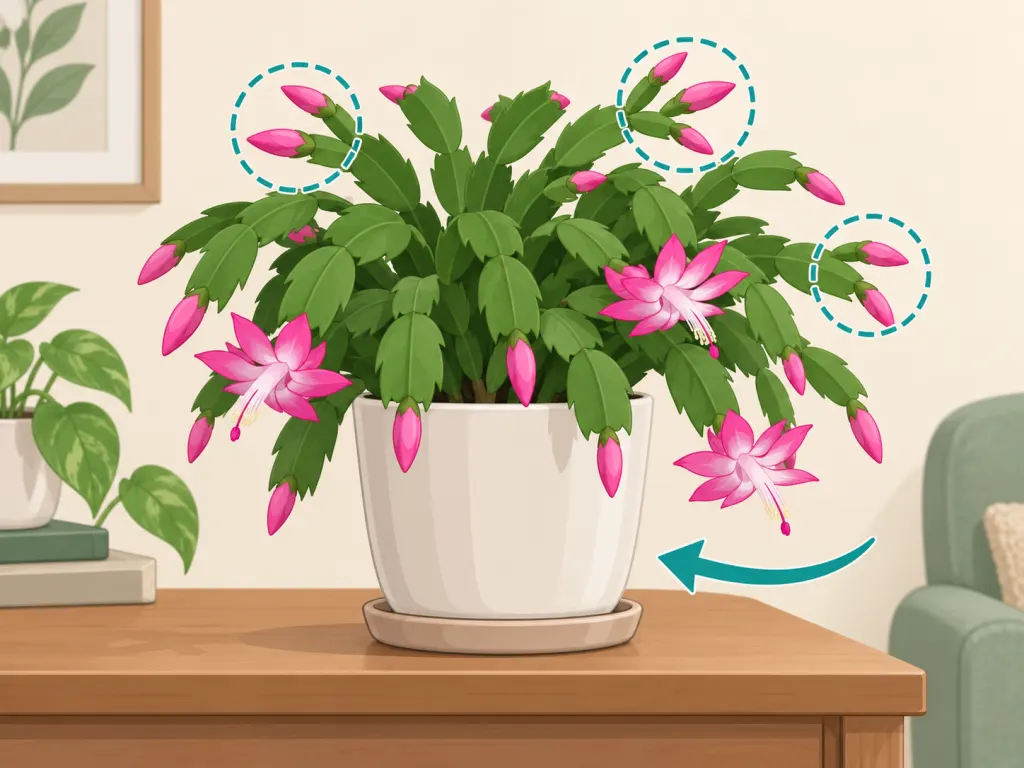
Once buds are visible, leave the plant in a stable bright spot and avoid sudden changes. UGA Extension notes that warmth, light changes, and watering stress can interfere with bud development, while Minnesota Extension also lists drafts and temperature or humidity shifts as causes of bud drop. Keep watering consistent, protect the plant from vents, and wait for the flowers to open.
Wrap-Up
The bottom line: grow the plant strongly in bright indirect light, then give it several weeks of cool nights and uninterrupted darkness in fall. Once buds form, keep light, temperature, watering, and placement steady so the flowers can finish developing.
Frequently Asked Questions
- → Why is my Christmas cactus not blooming?
- The most common reasons are warm nights, too much artificial light at night, weak overall growth, or watering problems. Holiday cacti usually need shorter days and cool night temperatures to set buds.
- → How many hours of darkness does a Christmas cactus need?
- Many extension guides recommend at least 12 hours of uninterrupted darkness each night for about 5 to 6 weeks. Some guides suggest longer dark periods, so consistency matters more than exact perfection.
- → Can I put a Christmas cactus in a closet at night?
- Yes, as long as you move it back to bright indirect light during the day. A closet works only if it stays dark, cool, and the plant is not forgotten for watering checks.
- → When should I start the bloom treatment?
- Start in early to mid-fall, about 5 to 8 weeks before you want flowers. The exact timing varies by plant type, room temperature, and cultivar.
- → Should I fertilize a Christmas cactus while it is setting buds?
- Avoid heavy routine feeding during the fall bud-setting period. Feed during active growth in spring and summer, then focus on darkness, cooler nights, and careful watering in fall.
- → Why are the buds falling off before they open?
- Bud drop can happen after sudden changes in temperature, light, humidity, watering, or location. Once buds appear, keep the plant in a stable bright spot and avoid drafts, heaters, and overwatering.
References
This content was developed and refined using reliable sources.
- https://extension.umn.edu/garden-and-home/yard-and-garden/gardening-in-minnesota/holiday-cacti
- https://extension.illinois.edu/blogs/good-growing/2022-12-09-how-identify-and-care-holiday-cacti-and-get-them-rebloom
- https://hort.extension.wisc.edu/articles/holiday-cactus
- https://hgic.clemson.edu/factsheet/indoor-cacti
- https://site.extension.uga.edu/paulding/2022/12/christmas-or-thanksgiving-cactus