 Save
A teaspoon solution for orchids means a properly diluted fertilizer mix, not a concentrated spoonful poured into the pot. This guide focuses on moth orchids, the common Phalaenopsis orchids sold as houseplants, and shows how to use light feeding alongside the conditions that actually support reblooming. The goal is steady plant care that encourages new flower spikes without overfeeding.
Step 1: Identify your orchid before mixing anything
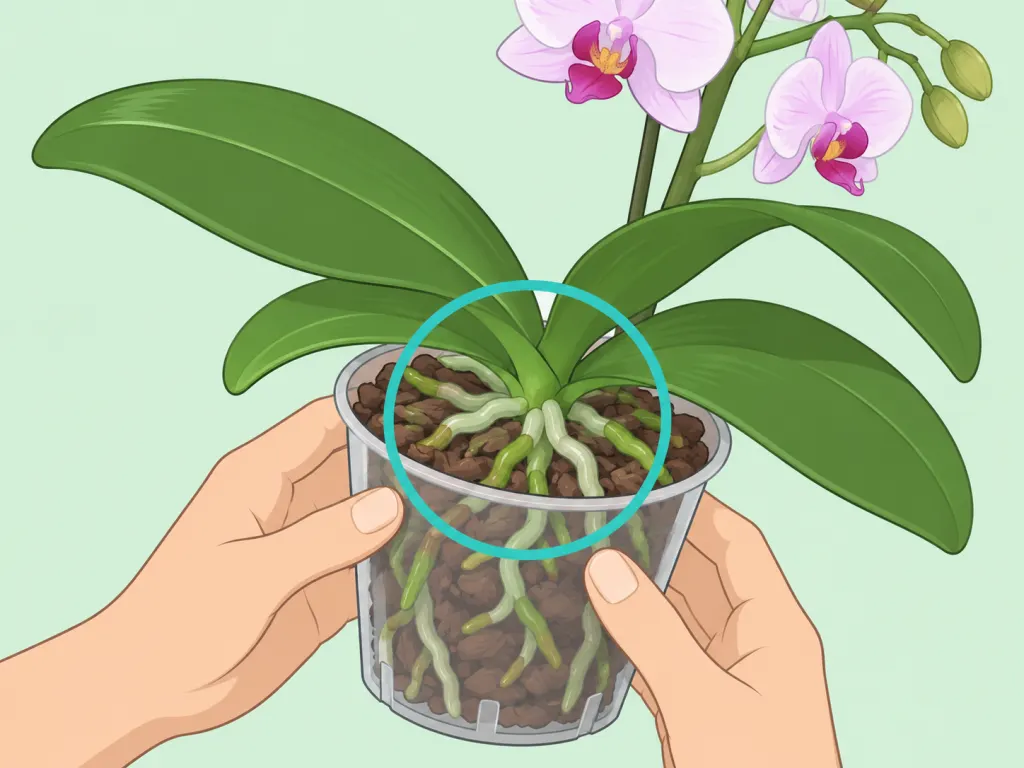
Use this method for a common moth orchid, or Phalaenopsis, which is widely grown indoors and flowers from arching stems. These orchids are epiphytes, so their roots need air as well as moisture; the RHS plant profile for Phalaenopsis recommends open bark-based orchid compost and bright filtered light.
Step 2: Check that the plant is healthy enough to bloom
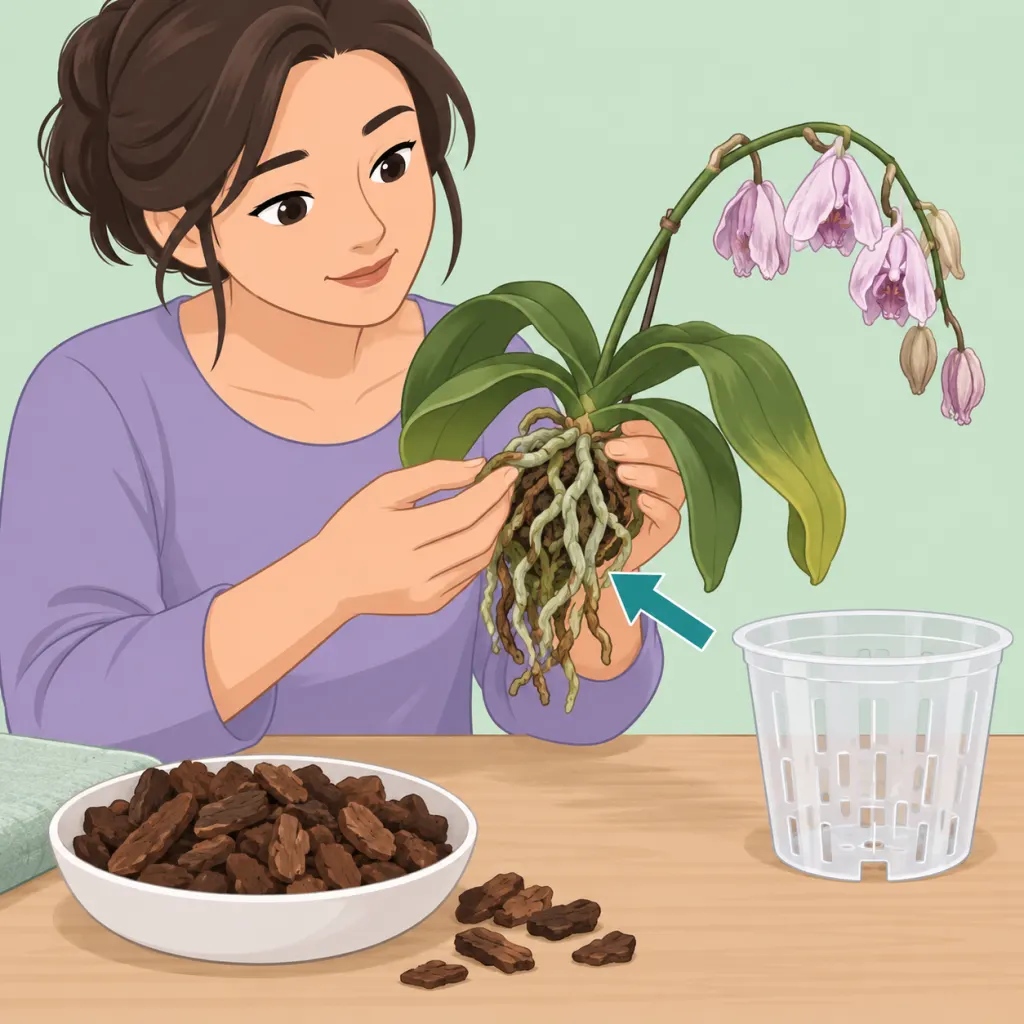
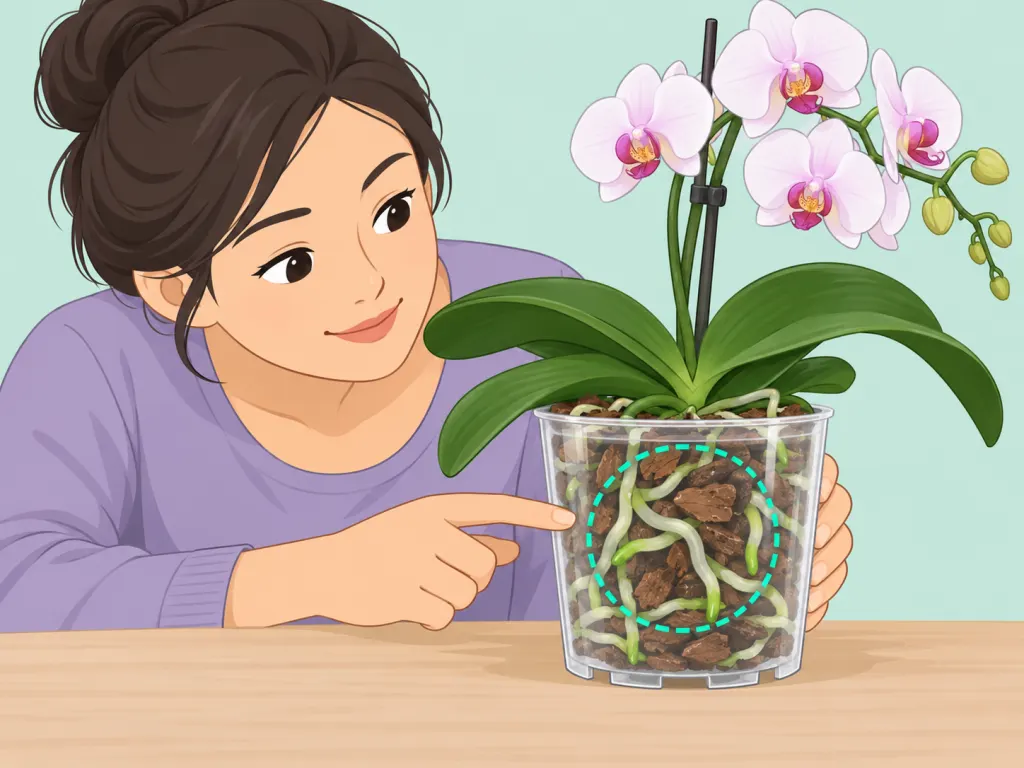
Look for firm leaves, plump roots, and an orchid that is not sitting in soggy bark. Moth orchid roots often grow outside the pot, and the University of Maryland Extension notes that these aerial roots are normal, so leave healthy ones in place. If many roots are soft or the bark smells stale, fix the root environment before relying on fertilizer.
Step 3: Move the orchid into bright filtered light
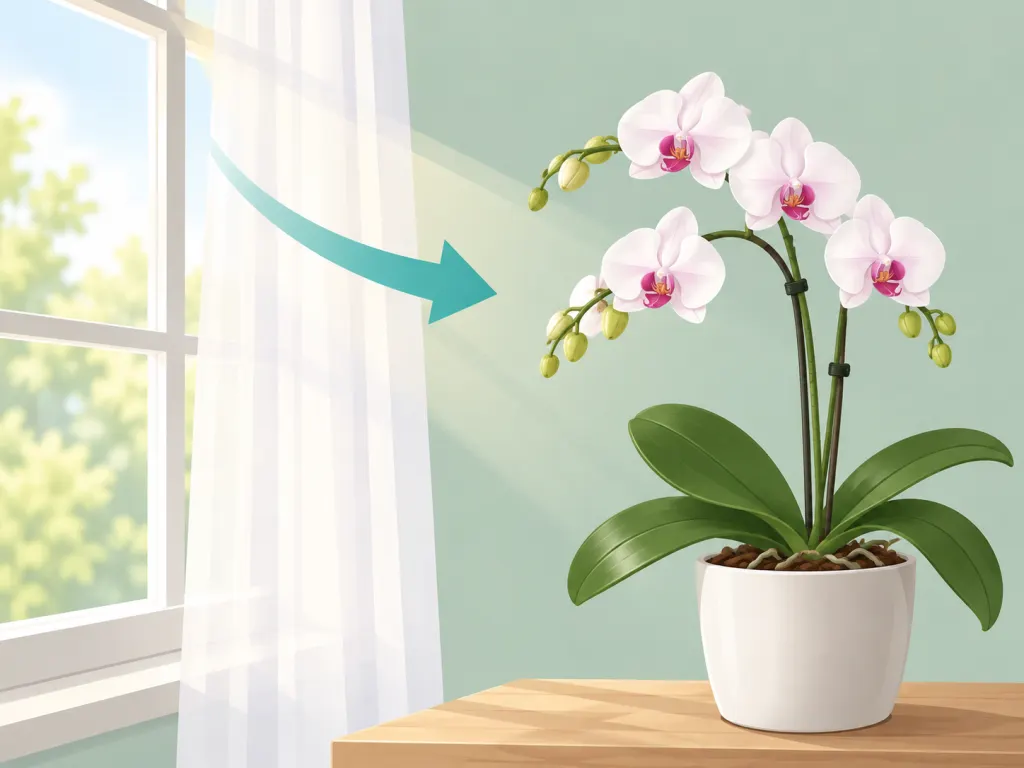
Place the orchid near an east- or west-facing window, or use a grow light if the room is dim. The RHS growing guide for moth orchids recommends bright light while keeping plants out of direct summer sun, which can scorch leaves. Give the plant a few weeks to adjust before changing several conditions again.
Step 4: Mix the teaspoon solution at label strength or weaker

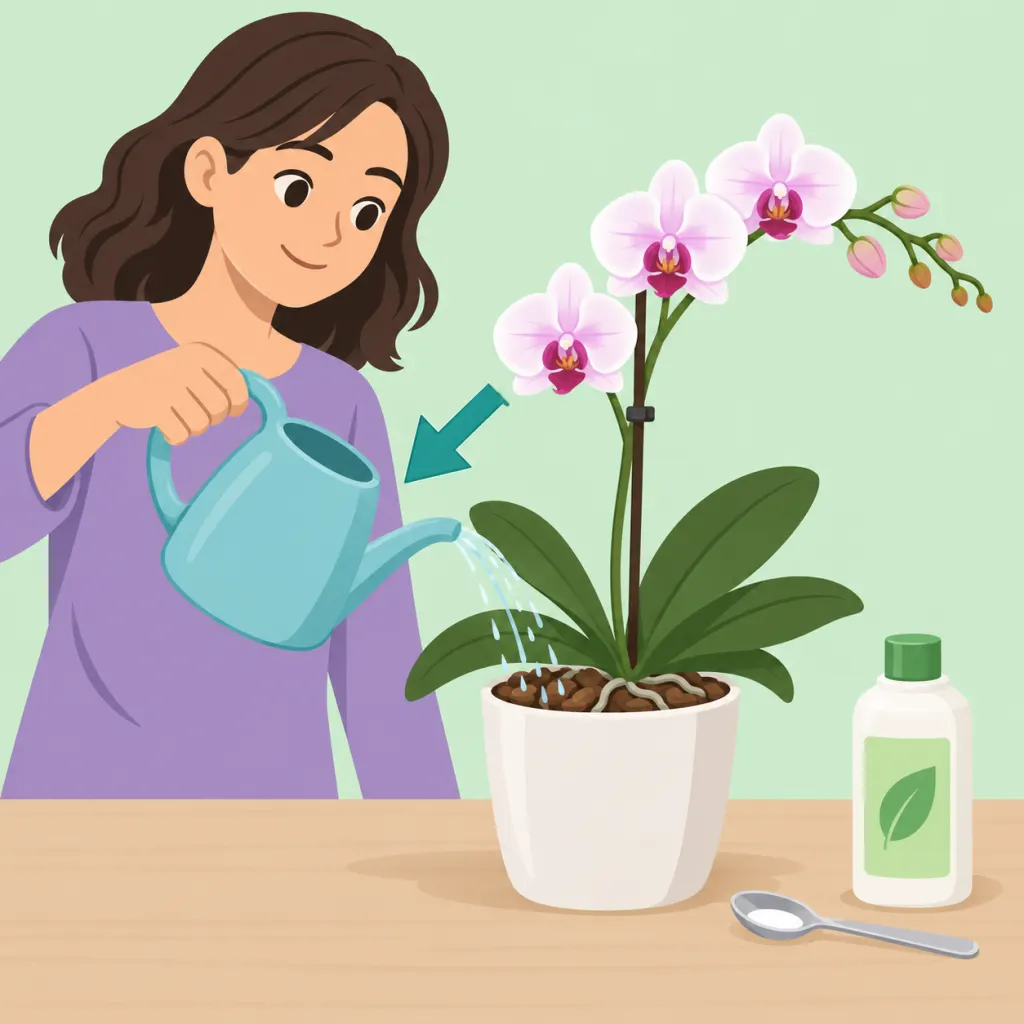
Fill a watering can with the amount of water listed on your orchid fertilizer label, then use a level teaspoon only if the product directions call for teaspoon measurements. Fertilizer products differ in concentration, and Colorado State University Extension explains that fertilizer grades identify different nutrient percentages, so one spoon measure is not universal. When in doubt, choose the lighter end of the label directions rather than a stronger mix.
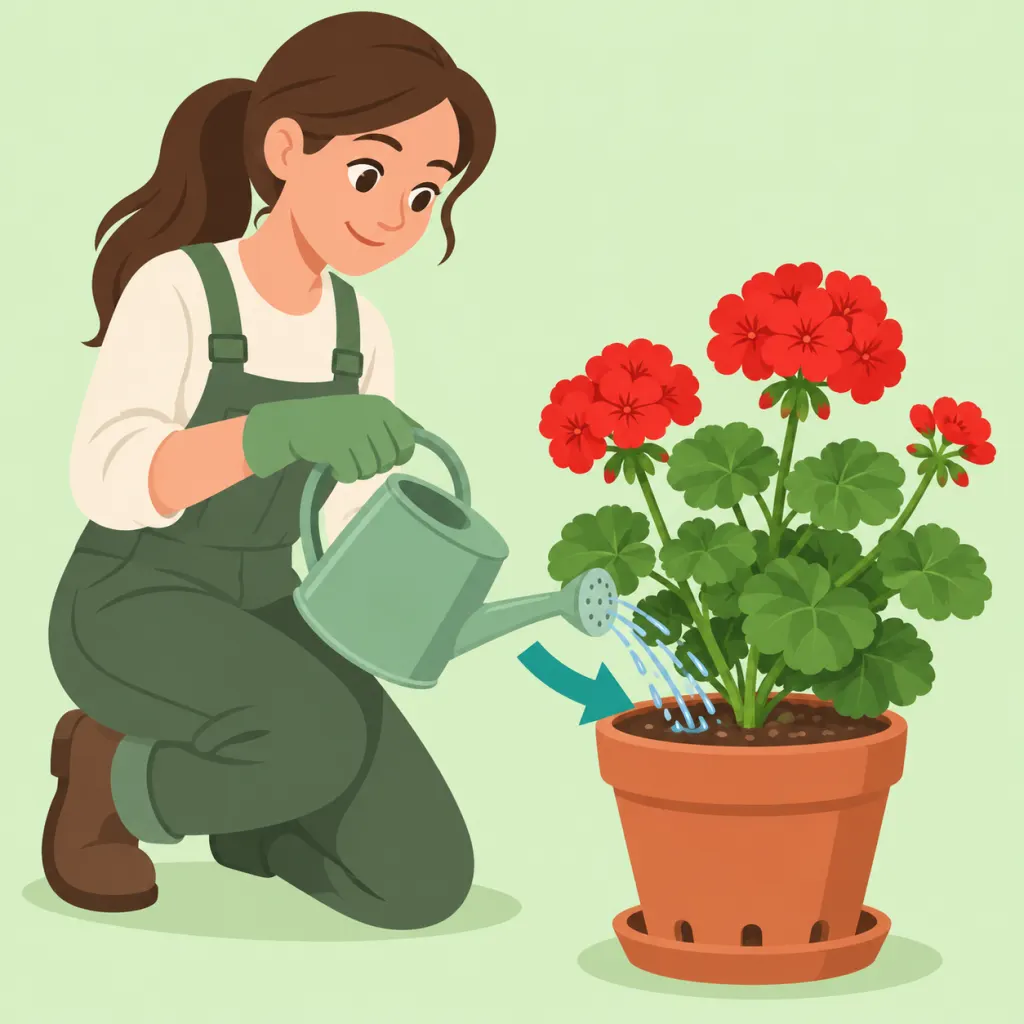
Water the orchid over a sink so the diluted solution runs through the bark and out the drainage holes. Moth orchids usually need watering about once a week under normal home conditions, and UMD Extension recommends letting the pot drain completely before returning it to its saucer. Green roots usually indicate moisture, while silvery roots often show the plant is ready for water.
Step 6: Flush the pot with plain water regularly
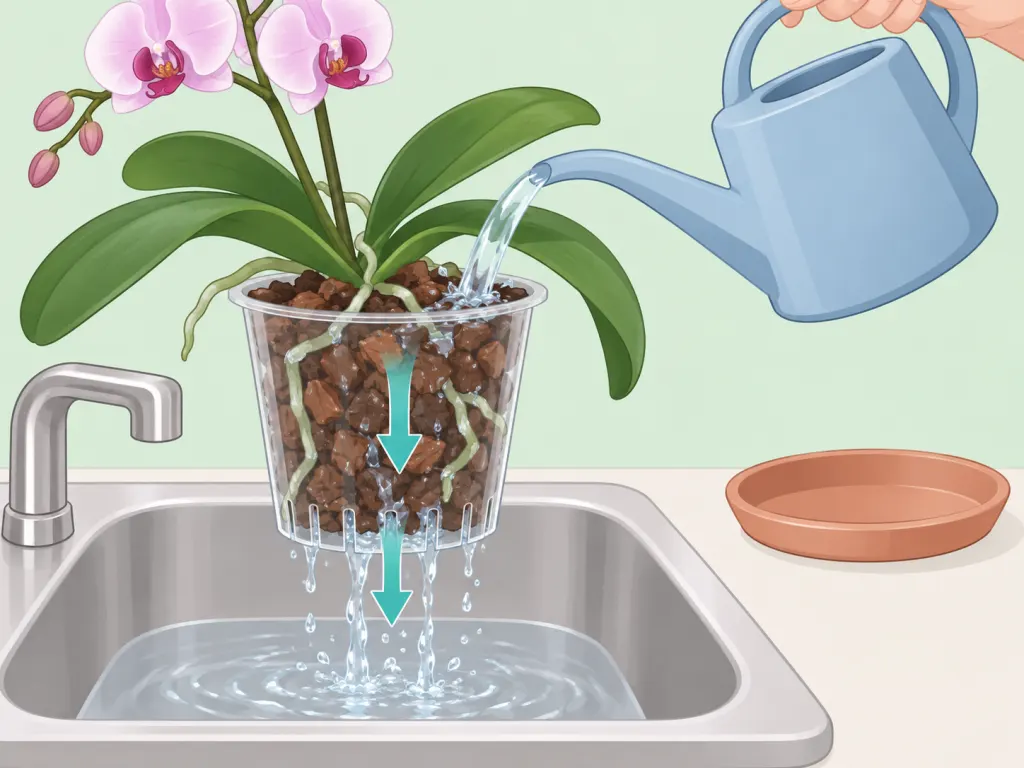
Every few waterings, skip fertilizer and run plain water through the pot to rinse the bark. The RHS warns that feeding at every watering can allow harmful salts to build up in the compost, and UNH Extension explains that excess soluble salts can stress roots. Empty the saucer after flushing so the roots are not left standing in water.
Step 7: Reduce feeding when growth slows
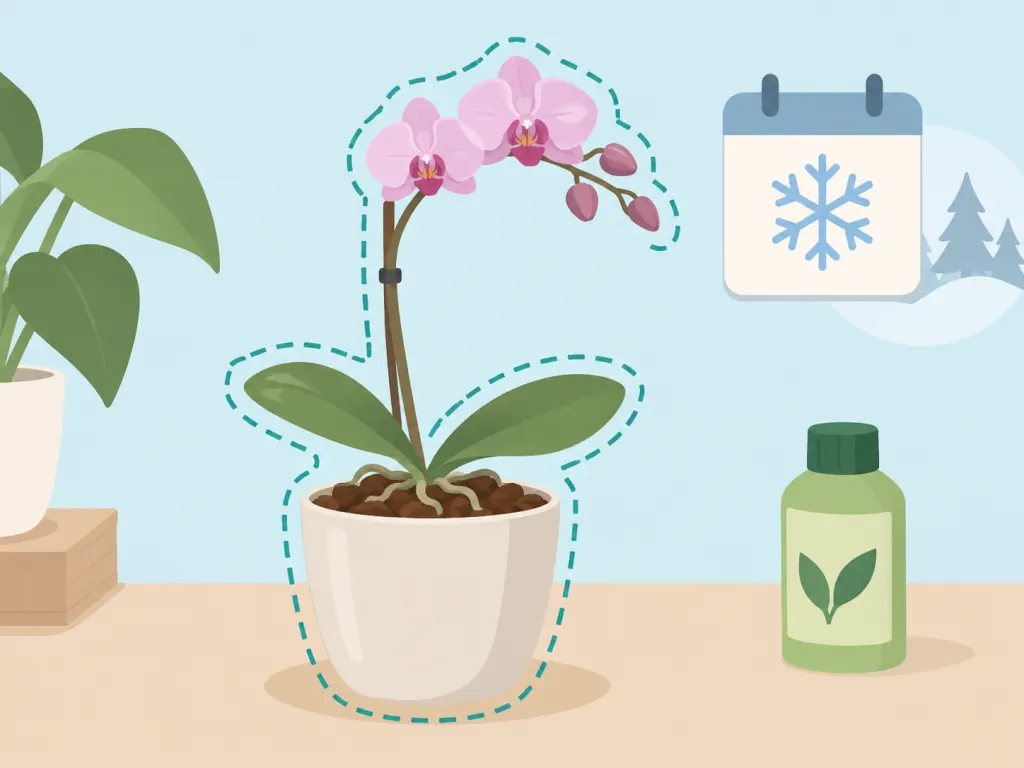
Use the teaspoon solution mainly while the orchid is actively growing leaves, roots, or a flower spike. Illinois Extension advises that houseplants should be fertilized only when actively growing and that many need little or no fertilizer during short winter days. For moth orchids, the RHS also recommends feeding sparingly, if at all, in winter.
Step 8: Give the plant a gentle cool-night signal
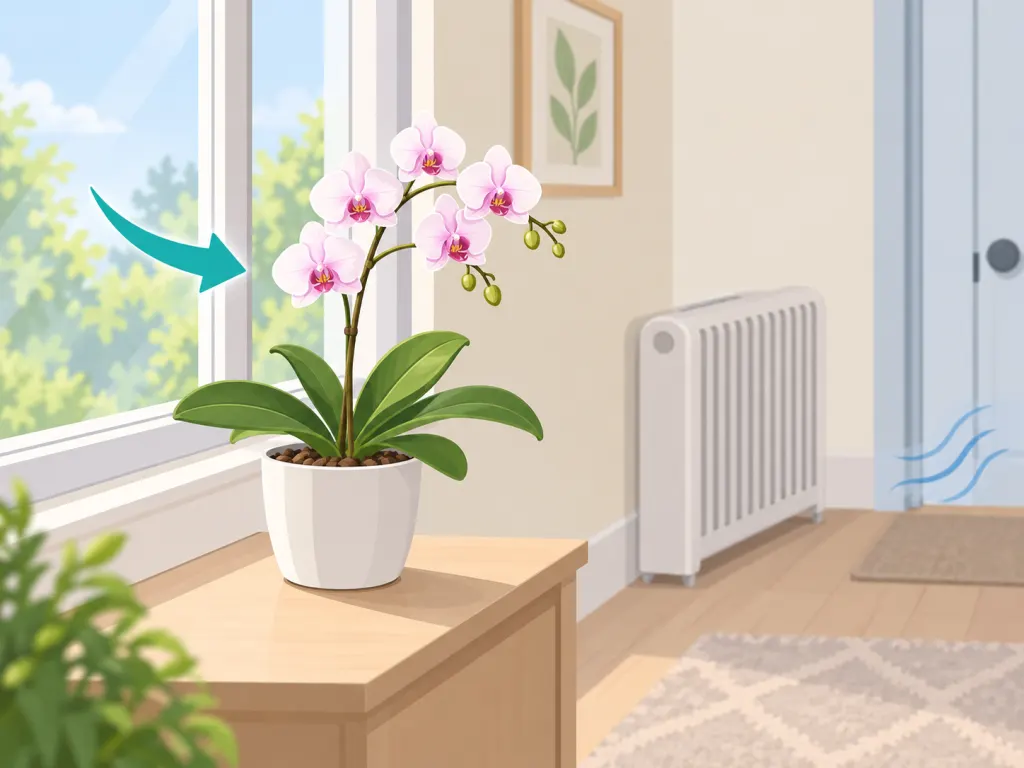
If the orchid is large and healthy but has not flowered, move it for about a month to a bright spot that is slightly cooler at night. The RHS recommends reducing the temperature by about 5°C, or 8°F, to encourage a new flower stem, while keeping moth orchids above 16°C, or 60°F. Avoid cold drafts and heater blasts because rapid temperature swings can stress houseplants.
Step 9: Prune or refresh the pot after flowering
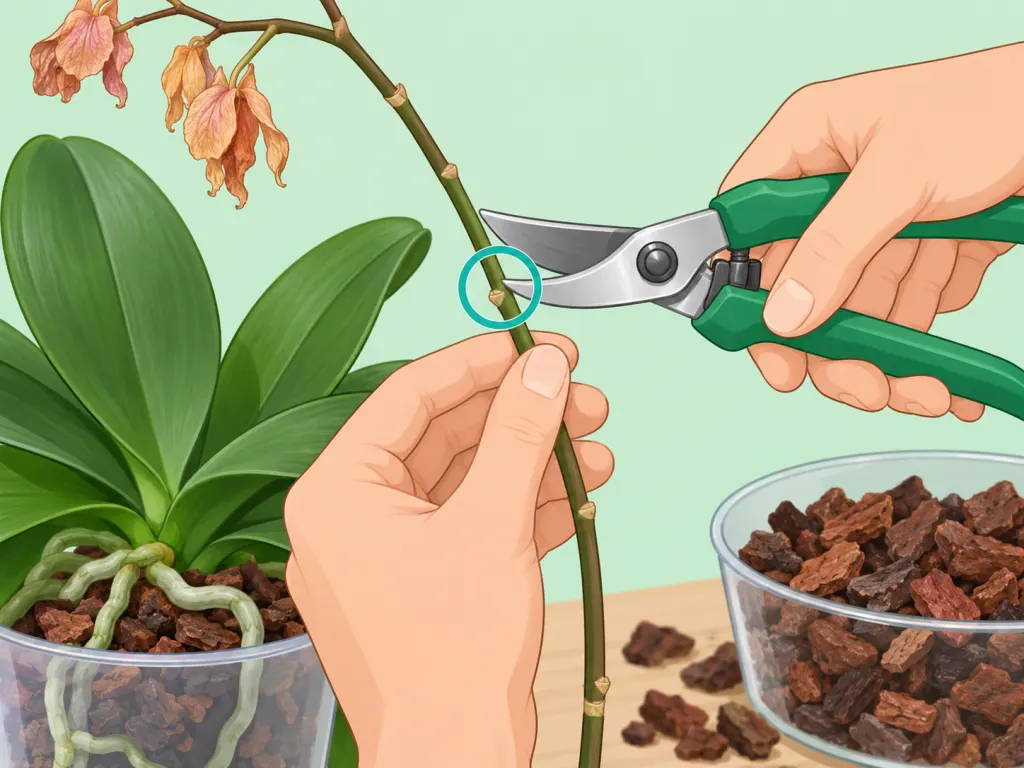
After flowers fall, cut a still-green spike just above a healthy lower node if you want to encourage a side shoot, or remove a dry brown spike near the base. The RHS says moth orchids can be repotted when the bark has been in place for about two years or the plant has outgrown its container. Use fresh orchid bark and a pot with excellent drainage so the next round of roots can grow well.
Wrap-Up
The bottom line: measure orchid fertilizer carefully, dilute it fully, and use it only as part of a complete reblooming routine. Bright filtered light, good drainage, light feeding, a cooler night period, and fresh airy bark give a moth orchid its best chance to flower again.
Frequently Asked Questions
- → Can one teaspoon of fertilizer make an orchid bloom?
A single spoonful is not a reliable blooming method. Use the teaspoon only to measure the amount listed on your fertilizer label, then focus on light, watering, drainage, and temperature because low light is a common reason moth orchids do not rebloom.
- → What kind of fertilizer should I use for the solution?
Choose a commercial orchid fertilizer or a balanced houseplant fertilizer that is meant to be mixed with water. Fertilizer labels show the nitrogen, phosphate, and potash percentages, so a labeled product is easier to dilute consistently than homemade mixtures.
- → How often should I feed an orchid with the diluted solution?
For a moth orchid that is actively growing, feeding every third or fourth watering is a conservative routine supported by the University of Maryland Extension. Reduce feeding when light and growth slow in winter.
- → Should I water before or after adding fertilizer solution?
Apply the diluted solution when the orchid is ready for watering, then let the pot drain completely. If the bark is still wet, wait rather than adding more liquid on a calendar schedule.
- → Why are my orchid leaves dark green but there are no flowers?
Very dark green, stiff leaves can mean the plant is not getting enough light. Move it gradually to brighter filtered light, such as an east- or west-facing window, while keeping it out of strong direct summer sun.
- → When should I repot an orchid that will not bloom?
Check the bark if the plant has been in the same pot for about two years, the mix stays wet too long, or the pot drains poorly. Fresh bark-based orchid mix can improve root aeration, which supports overall plant growth.
References
This content was developed and refined using reliable sources.
- https://www.rhs.org.uk/plants/phalaenopsis/growing-guide
- https://www.rhs.org.uk/plants/12596/phalaenopsis/details
- https://www.extension.umd.edu/resource/care-phalaenopsis-orchids-moth-orchids
- https://extension.unh.edu/blog/2018/03/fertilizing-houseplants
- https://extension.illinois.edu/houseplants/care
- https://extension.colostate.edu/resource/understanding-fertilizers