 Save
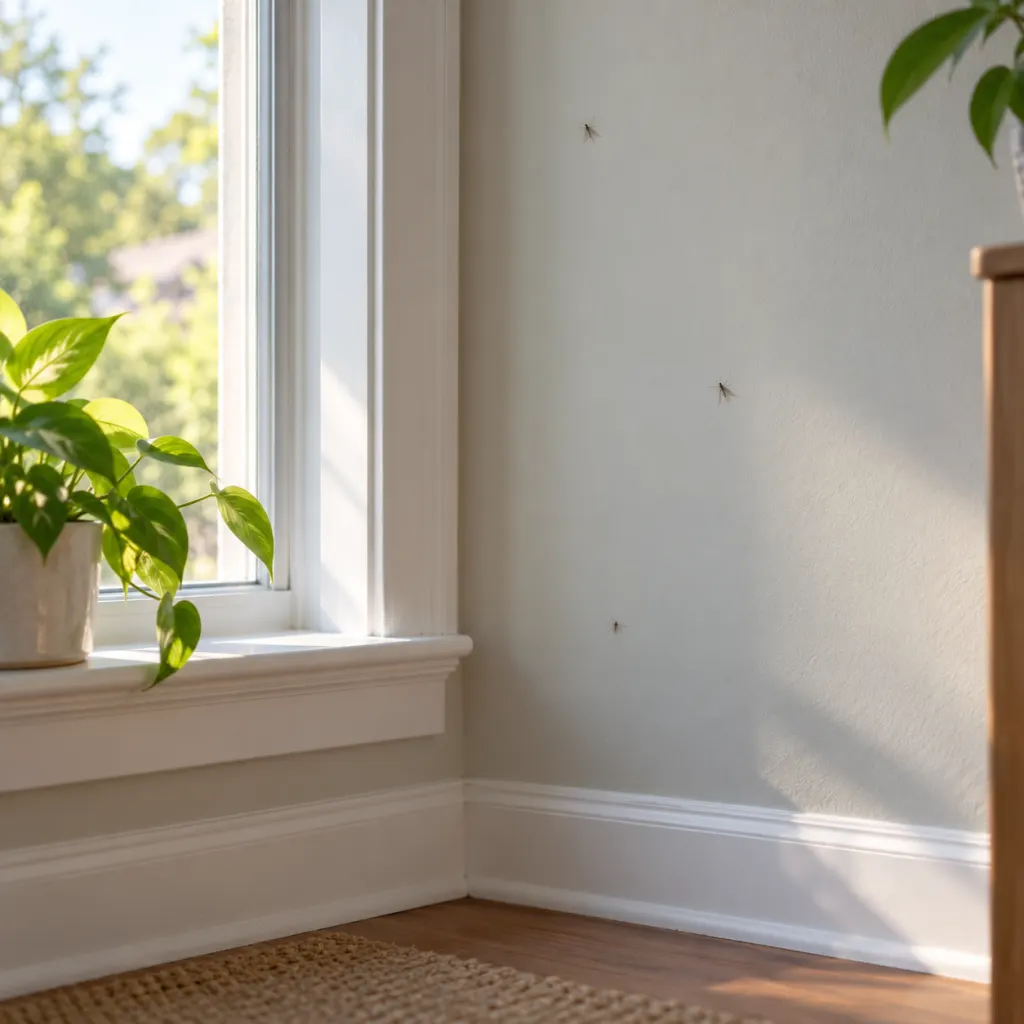
Insects usually appear on home walls because something about that wall area helps them move, rest, feed, hide, or find light. The cause may be simple, such as a gap around a window, or it may point to moisture, stored-food debris, houseplants, spider webs, natural fibers, firewood, or seasonal insects sheltering in wall voids. The most useful first step is not spraying; it is noticing the pattern. A few insects near a lamp after a warm evening mean something different from tiny cases on a bathroom wall or beetles repeatedly appearing near the same light fixture.
The Short Answer: Walls Show the Clues
A wall is not usually the original attraction by itself. It is the visible surface next to the real clue: a window that leaks light, a pipe chase with gaps, a damp baseboard, an attic or wall void, a pantry shelf, a houseplant, or an exterior door. The U.S. Environmental Protection Agency explains home pest prevention through the same basic needs insects and other pests look for: food, water, and shelter, plus entry points that let them reach those resources EPA. When insects appear on walls, read the scene as a trail map. Are they high near a ceiling light, low at a baseboard, clustered at a window, scattered in a humid bathroom, or shaped like tiny lint-covered cases stuck to plaster? That location often tells you more than the insect count.
Start With Location, Not Panic
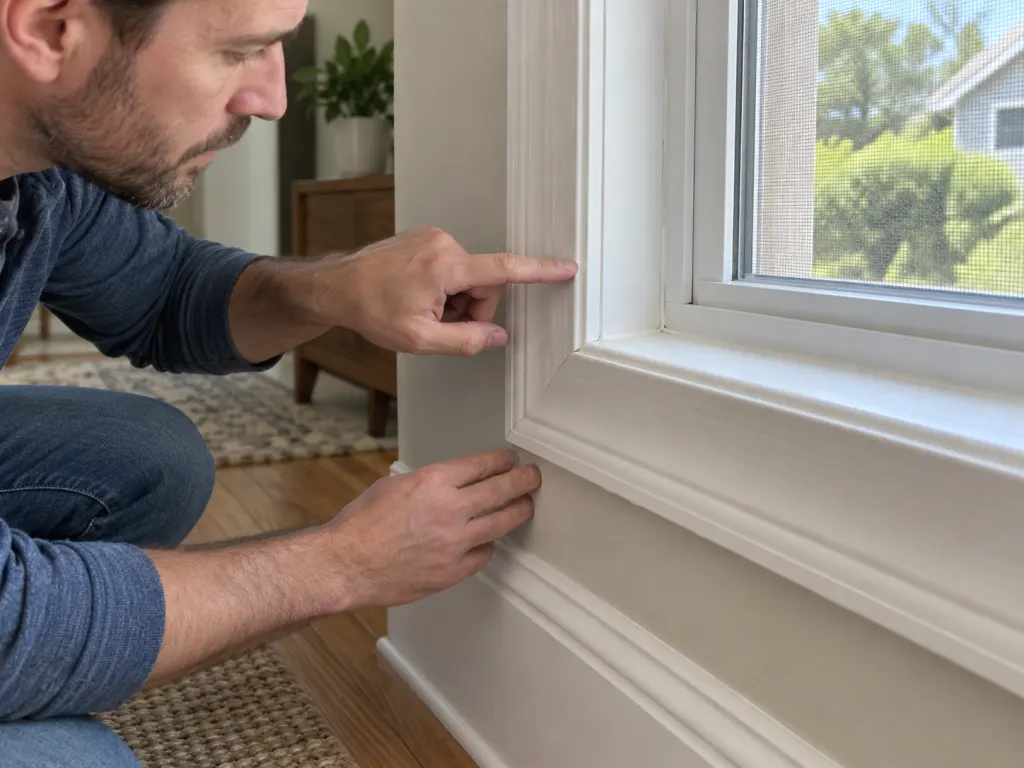
The location of the insects narrows the possibilities quickly. Insects on walls near windows may be drawn to light or trying to leave after sheltering inside. University of Maryland Extension notes that cluster flies, carpet beetles, pantry pests, drain flies, phorid flies, ants, and other indoor insects show different patterns around windows, lamps, stored foods, drains, and wall voids University of Maryland Extension. A few flying insects at a lamp can be accidental visitors. Crawling insects on a kitchen wall may be exploring food or water. Repeated activity on one exterior-facing wall may point to cracks, siding gaps, soffits, vents, or insects overwintering in the structure.
Moisture Is One of the Strongest Indoor Signals
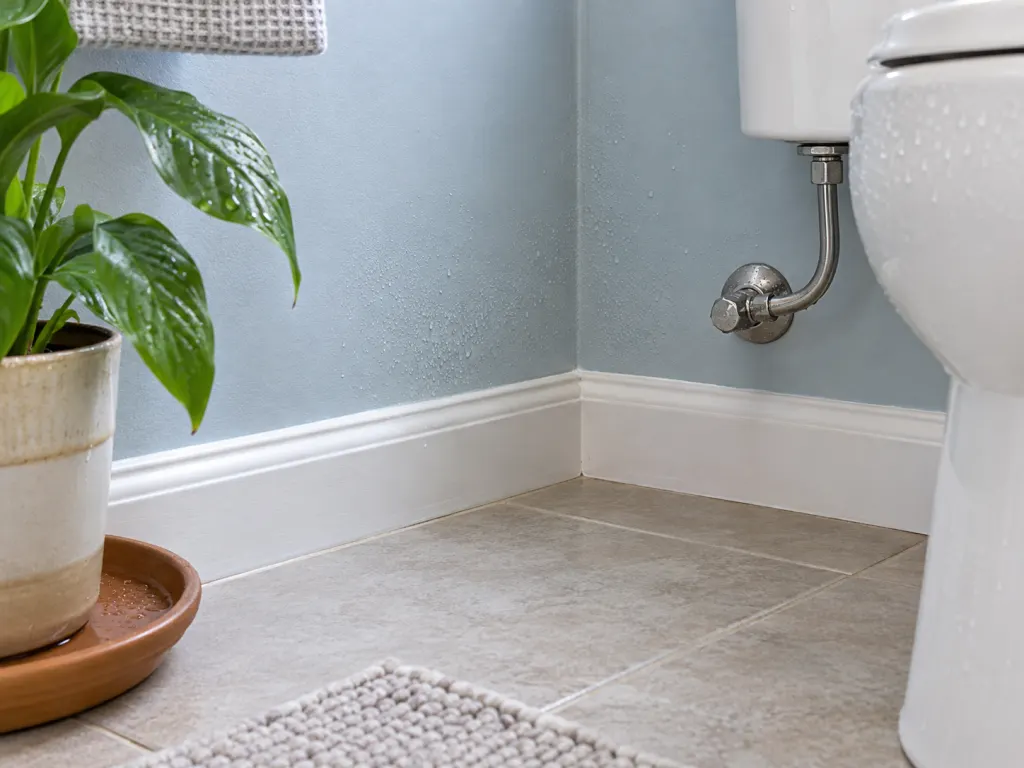
Moisture can make walls attractive even in an otherwise clean home. Damp wall voids, leaky plumbing, condensation, overwatered plants, wet mulch against the foundation, or a humid bathroom can support mold, organic film, or shelter conditions that draw small insects. UC Riverside’s urban entomology material describes damp building areas and wall voids as favorable places for several moisture-associated insects and mites when those spaces remain wet for long periods UC Riverside Entomology. This does not mean every wall insect signals a leak, but repeated sightings in the same bathroom corner, around a window with condensation, below a sink wall, or near a damp basement sill deserve a moisture check. Drying the area often matters more than removing the insects you can see.
Practical moisture checks are simple. Look for peeling paint, soft trim, musty odor, swollen baseboards, condensation on pipes, slow drain leaks, wet plant saucers, and mulch piled against siding. Run a bathroom fan long enough after showers. Empty plant saucers. Pull storage boxes away from basement walls so air can move. If an area stays damp despite normal ventilation, the insect pattern may be a symptom of a building issue rather than a housekeeping issue.
Light, Outdoor Pressure, and Seasonal Movement
Many insects are most visible on walls because they are responding to light or seasonal shelter cues. University of Minnesota Extension notes that crickets commonly enter through doors, windows, foundation cracks, and other openings, and some types are attracted to exterior lighting University of Minnesota Extension. Virginia Tech describes multicolored Asian lady beetles as insects that may shelter in attics, wall voids, and behind siding, then appear around windows or light fixtures when they move into living spaces Virginia Tech. This is why a south- or west-facing wall can suddenly seem active during a warm spell after cool weather. The insects may not be breeding indoors; they may be moving through the structure or trying to get back outside.
Food Sources You May Not Notice
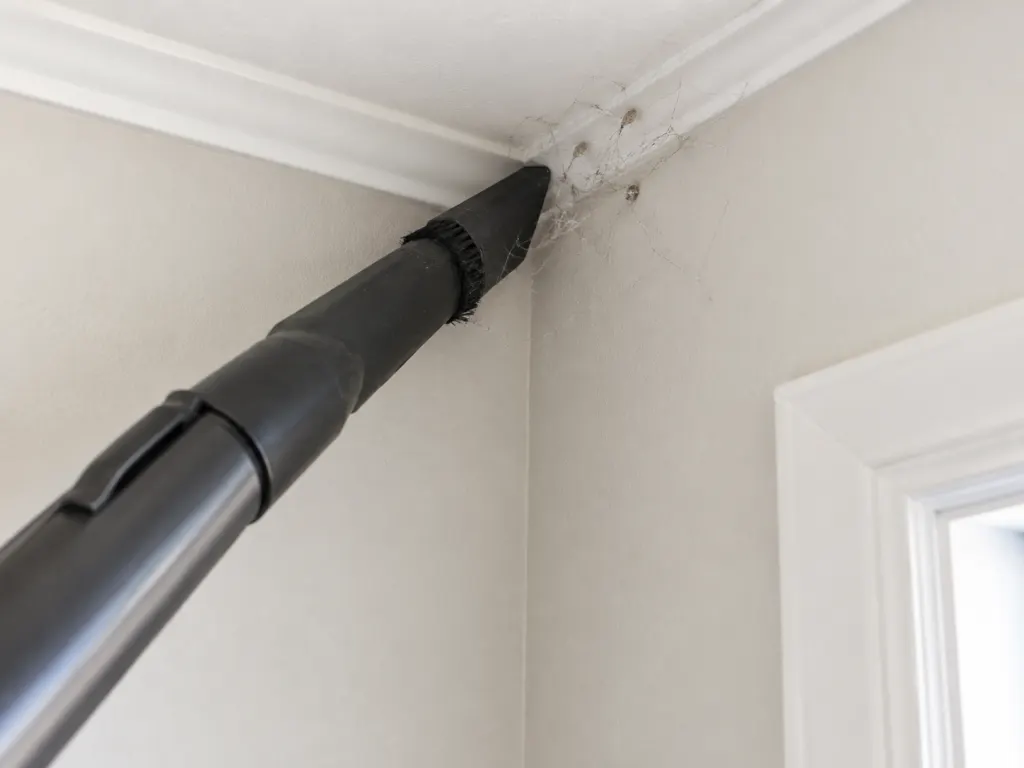
Walls also collect clues about hidden food sources. Some insects feed on crumbs, grease films, stored grains, pet food, lint, hair, dead insects, old nests, or organic debris inside window tracks. Wisconsin Horticulture notes that recurring larder beetles can indicate a food source such as dead insects or another animal-derived material in a wall or attic, and that sealing and screening can reduce access Wisconsin Horticulture. The University of Florida IFAS profile of the household casebearer, often noticed as a tiny case on walls, explains that its larval cases may appear in bathrooms, bedrooms, garages, under spider webs, and near wool rugs or carpets; vacuuming cases and removing spider webs are usually enough for control UF/IFAS.
- Near pantry walls: inspect flour, cereal, rice, pet food, birdseed, spices, and open cardboard packaging.
- Near bathroom or laundry walls: check humidity, drains, lint, and pipe condensation.
- Near windows and lamps: inspect dead insects in tracks, damaged screens, and gaps around trim.
- Near closets or rugs: look for wool, silk, fur, feathers, hair, lint, or old spider webs.
- Near fireplaces or mudrooms: check firewood, outdoor gear, and items brought in from garages or sheds.
How to Read the Insect’s Shape and Behavior
The insect’s shape and movement are useful, even before you know its exact name. Tiny moth-like flies near bathroom walls often point the search toward drains or moist organic film. Small beetles at windows may be emerging from stored products, natural fibers, dead insects, firewood, or wall voids. Ants on a wall usually mean there is a trail between a nest and a resource; the trail may lead to moisture, sweets, grease, pet food, or a gap outside. Cockroaches on walls are more concerning when seen repeatedly, especially in kitchens, bathrooms, or shared housing, because University of Maryland Extension describes their need for tight hiding spaces, food, moisture, warmth, and access through cracks, vents, pipe openings, and windows University of Maryland Extension.
The shape of a household casebearer is especially easy to misread. It can look like a tiny gray seed, lint tube, or speck of dirt stuck to the wall. UF/IFAS explains that the visible case is made by the larval stage and may include silk, sand, soil, hairs, insect droppings, and other fibers UF/IFAS. These cases are often noticed in humid regions and around spider webs. Seeing them does not automatically mean a serious infestation. It means the home has the kind of debris, webbing, humidity, or natural-fiber material that lets them persist.
A Practical Wall-Insect Checkup
Use a slow, room-by-room check instead of chasing every insect individually. Start where you see them most often. Vacuum visible insects, cases, dead insects, webs, and window-track debris. Seal obvious cracks around trim, pipes, vents, and window frames. Repair torn screens and add door sweeps where light shows under exterior doors. Move firewood outdoors or keep only a short supply inside. Store pantry staples in rigid, tight containers. Clean under appliances, around trash cans, and behind pet feeding areas. Reduce excess moisture by fixing leaks, using ventilation, and keeping plant saucers dry. EPA guidance on smart pest control emphasizes closing entryways, keeping screens tight, fixing plumbing leaks, sealing food, removing garbage regularly, and reducing standing water EPA.
If you use traps, use them as information as much as control. Sticky monitors placed behind appliances, near baseboards, or under sinks can show whether activity is rising, falling, or centered in one area. A light trap can reduce some small flying insects, but it will not fix a drain film, wet wall cavity, plant-soil problem, or outdoor entry gap. Keep notes for a week: time of day, room, wall location, weather, whether lights were on, and what the insect looked like. That small record often makes a professional visit shorter and more accurate if you need one.
When Professional Help Makes Sense
Ask a qualified pest professional or local cooperative extension office for help when you cannot identify the insect, when activity continues after sanitation and sealing, when insects are appearing from electrical fixtures, when there is suspected moisture damage inside a wall, or when you see repeated cockroach, termite-like, or ant activity that suggests a structural or shared-building source. EPA advises choosing pest control companies carefully and looking for experience with integrated pest management EPA. A good visit should include inspection, identification, source reduction, entry-point advice, and a clear explanation of any product used.
If a pesticide is used, the label matters. The National Pesticide Information Center says to read and follow label instructions, keep children and pets away during application, remove food and pet items from application areas, ventilate as directed, and keep people and pets out of treated areas until the product has dried or until the label’s waiting period has passed NPIC. EPA first-aid guidance says that if someone has swallowed, inhaled, or gotten a pesticide in the eyes or on the skin, the product label and Poison Control can guide next steps; call 911 if the person is unconscious, having trouble breathing, or having convulsions EPA.
What Usually Solves the Problem
Most wall-insect situations improve when the cause is removed rather than when the visible insects are simply killed. That means drying damp areas, sealing entry points, changing exterior lighting habits, vacuuming webs and dead insects, storing food better, clearing clutter near walls, and repairing screens or door gaps. The answer is rarely one dramatic event. It is usually a series of small corrections that makes the wall less useful as a route, shelter edge, or resting place. If the sightings fade after those steps, you have likely addressed the condition that brought the insects into view.
Wrap-Up
Insects on home walls are usually a clue, not a mystery by themselves. The wall may be near light, moisture, food, natural fibers, dead insects, houseplants, firewood, cracks, or seasonal shelter spaces. Identify the insect, map the location, remove food-water-shelter conditions, and seal entry points before considering pesticides. When pesticide products are used, follow the label and keep exposure precautions central.
Frequently Asked Questions
- → Why do insects gather on walls at night?
Many insects respond to light, and walls near lamps, windows, porch lights, or bright screens can become resting surfaces. Night activity can also reveal insects that hide during the day and move along baseboards, trim, or pipe gaps after the room is quiet.
- → Does seeing insects on a wall mean my house is dirty?
No. Clean homes can still have insects if there are cracks, light leaks, moisture, houseplants, outdoor pressure, firewood, old spider webs, or seasonal insects sheltering in wall voids. Cleaning helps, but the most important step is matching the insect pattern to the source.
- → What are tiny gray seed-like cases stuck to a wall?
They may be household casebearer cases, sometimes called plaster bagworm cases. They are often noticed in humid areas and around spider webs, wool, hair, lint, or other fibers. Vacuuming the cases and removing webs and debris usually helps reduce them.
- → Should I spray the wall as soon as I see insects?
Usually, no. First identify the insect and look for food, water, shelter, and entry points. Spraying a visible wall may miss the source. If a pesticide is used, follow the product label exactly and keep children, pets, food, and dishes away from the application area as directed.
- → When should I call a pest professional?
Call when insects keep returning after basic sealing, cleaning, and moisture control; when you cannot identify them; when activity seems to come from a wall void or fixture; or when you suspect cockroaches, termites, carpenter ants, or a moisture problem inside the structure.
References
This content was developed and refined using reliable sources.
- https://www.epa.gov/pesticides/smart-pest-control-protect-your-health
- https://npic.orst.edu/factsheets/MinimizingExposure.html
- https://ask.ifas.ufl.edu/publication/IN129
- https://www.extension.umd.edu/resource/identifying-common-household-insect-pests
- https://www.extension.umd.edu/resource/cockroaches
- https://extension.umn.edu/garden-and-home/home-maintenance/household-insects/crickets
- https://hort.extension.wisc.edu/articles/larder-beetles
- https://www.pubs.ext.vt.edu/ENTO/ENTO-472/ENTO-472.html
- https://entomology.ucr.edu/ebeling_10
- https://www.epa.gov/pesticide-incidents/first-aid-case-pesticide-exposure