 Save
High blood pressure can come from more than obvious salt-heavy meals or a tense day. The direct answer is that many overlooked contributors affect blood vessel tone, fluid balance, sleep quality, hormones, medicines, or the accuracy of the reading itself. The CDC describes high blood pressure as readings consistently at or above 130/80 mm Hg, and it often has no warning signs, so the only reliable way to know your numbers is to measure them properly and review patterns with a health professional: https://www.cdc.gov/high-blood-pressure/about/index.html.
Start With Patterns, Not Panic
One elevated number is not the same thing as a sustained blood pressure problem. The NHLBI notes that health professionals look for consistently high readings and may compare office readings with home readings when the pattern is unclear: https://www.nhlbi.nih.gov/health/high-blood-pressure/diagnosis. That distinction matters because a rushed morning, a tight cuff, a cold medicine, or a poor night of sleep can nudge a reading upward. The useful question is not, 'What single thing caused this number?' It is, 'What repeated factors may be pushing my usual range higher?'
A practical blood pressure review usually looks across several categories at once:
- Measurement habits, including cuff size, posture, talking, and recent caffeine or exercise.
- Sleep quality, including short sleep, frequent waking, loud snoring, or possible sleep apnea.
- Food and drink patterns, especially sodium, potassium-rich foods, alcohol, and concentrated caffeine products.
- Medication and supplement use, including nonprescription products.
- Underlying kidney, vascular, thyroid, parathyroid, or adrenal conditions.
- Long-running stress, isolation, or mental strain that changes routines and physiology.

1. Sleep Apnea
Obstructive sleep apnea is one of the most commonly missed blood pressure contributors because the key events happen during sleep. The CDC explains that sleep apnea can repeatedly block the airway, reduce oxygen during sleep, and raise the risk of high blood pressure and other heart problems: https://www.cdc.gov/heart-disease/about/sleep-and-heart-health.html. Clues can include loud snoring, witnessed pauses in breathing, morning headaches, daytime sleepiness, or waking unrefreshed. A person can have sleep apnea without fitting a single stereotype, so recurring signs are worth bringing to a clinician rather than dismissing as ordinary tiredness.
2. Short or Broken Sleep
Even without sleep apnea, not getting enough good sleep can work against healthy blood pressure patterns. During normal sleep, blood pressure usually dips; when sleep is too short or repeatedly interrupted, blood pressure may stay higher for longer portions of the night. CDC sleep guidance links sleep problems with high blood pressure risk and encourages working with a health care team to identify sleep barriers: https://www.cdc.gov/heart-disease/about/sleep-and-heart-health.html. This is especially relevant for shift workers, caregivers, people with pain, and anyone whose bedtime routine is regularly squeezed by work or screens.
3. Hidden Sodium in Packaged and Restaurant Foods
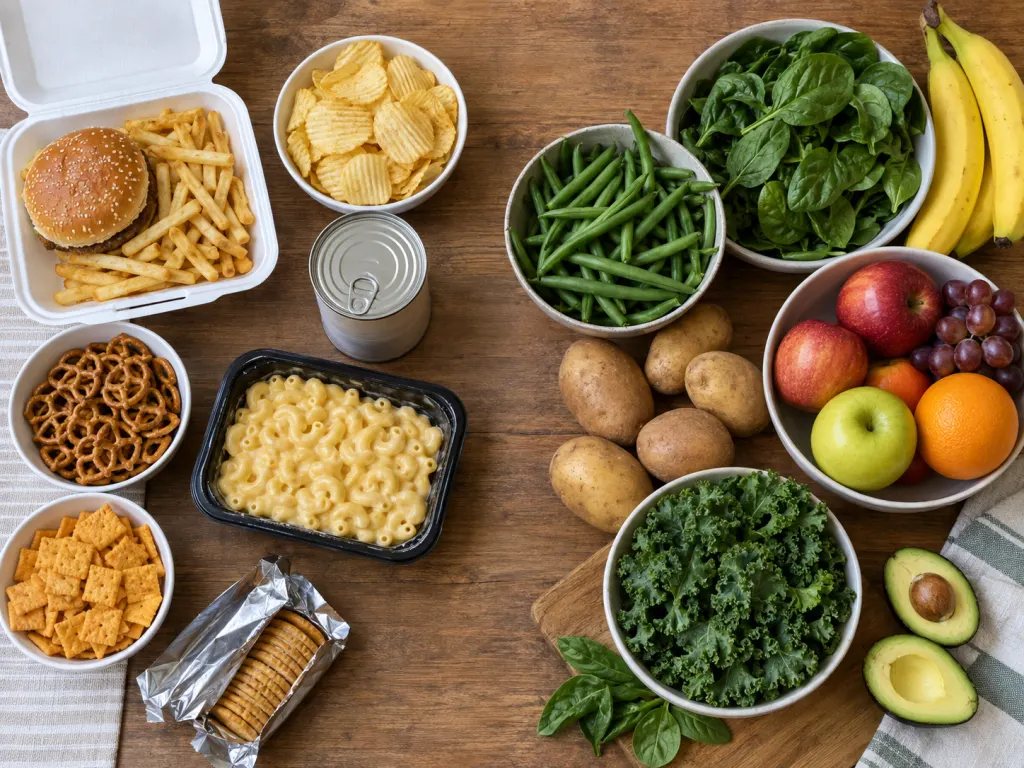
Many people think of sodium only as table salt, but the larger issue is often the sodium already built into breads, sauces, soups, deli meats, frozen meals, snacks, and restaurant food. The CDC notes that too much sodium can raise blood pressure and that most sodium intake comes from processed and restaurant foods rather than the salt shaker alone: https://www.cdc.gov/salt/sodium-potassium-health/index.html. This makes sodium a hidden contributor because a meal may not taste extremely salty yet still contain a large sodium load.
4. Too Little Potassium From Food
Potassium helps the body handle fluid and blood volume, and the CDC explains that too much sodium combined with too little potassium can raise blood pressure: https://www.cdc.gov/salt/sodium-potassium-health/index.html. This does not mean everyone should add potassium supplements or salt substitutes. People with kidney disease or certain prescriptions need individualized guidance. For many otherwise healthy adults, the everyday food pattern is the safer conversation: more beans, potatoes, leafy greens, tomatoes, yogurt, fruit, and other potassium-containing foods when they fit personal health needs.
5. Alcohol Intake That Creeps Up
Alcohol can be easy to underestimate because it may be spread across dinners, weekends, social events, and cooking rituals. The CDC lists high blood pressure among the chronic health problems linked with excessive alcohol use: https://www.cdc.gov/alcohol/about-alcohol-use/index.html. The pattern matters. A person who rarely drinks may not think about alcohol at all, while someone who pours a little more over time may not notice that 'normal' has changed. When readings are trending upward, it is reasonable to include alcohol honestly in the blood pressure diary.
6. Tobacco and Nicotine Products
Nicotine can raise blood pressure, and smoking damages the heart and blood vessels. The CDC names tobacco use as a blood pressure risk factor and explains that nicotine raises blood pressure while carbon monoxide from tobacco smoke reduces the blood's oxygen-carrying ability: https://www.cdc.gov/high-blood-pressure/risk-factors/. This category includes more than traditional cigarettes. Nicotine pouches, vaping products, cigars, and other nicotine sources can be relevant when a clinician is trying to understand blood pressure patterns.
7. Concentrated Caffeine and Energy Drinks
Coffee affects people differently, and moderate coffee habits are not the same as concentrated caffeine products. The American Heart Association notes that caffeine can temporarily raise blood pressure and that higher caffeine intake, such as levels found in some energy drinks or energy shots, has been associated with cardiovascular harm signals including higher blood pressure: https://newsroom.heart.org/facts/caffeine-and-cardiovascular-disease. Timing also matters. A reading taken soon after caffeine may reflect that short-term effect rather than the person's usual resting pattern.
8. Nonprescription Pain Relievers Such as Some NSAIDs
Some nonprescription pain relievers can raise blood pressure or make blood pressure harder to keep steady in certain people. The American Heart Association lists non-steroidal anti-inflammatory drugs, including ibuprofen and naproxen sodium, among substances that can raise blood pressure: https://www.heart.org/en/health-topics/high-blood-pressure/changes-you-can-make-to-manage-high-blood-pressure/managing-high-blood-pressure-medications. This is a good reason to bring all routine medicines to appointments, including products bought without a prescription. For a related medicine-safety discussion, see Everyday Pills That Can Affect Kidney Health.
9. Decongestants and Stimulant-Type Products
Cold and allergy products can be surprisingly relevant. The American Heart Association lists decongestants among substances that may raise blood pressure: https://www.heart.org/en/health-topics/high-blood-pressure/changes-you-can-make-to-manage-high-blood-pressure/managing-high-blood-pressure-medications. The reason is straightforward: some products work by narrowing blood vessels in the nose, and that vessel-tightening effect is not always perfectly local. If blood pressure is already a concern, it is wise to ask a pharmacist or clinician which symptom-relief options fit your situation.
10. Hormonal Birth Control Pills
Hormonal birth control pills can raise blood pressure in some people. Mayo Clinic includes birth control pills among medicines and supplements that can cause or worsen secondary hypertension in some patients: https://www.mayoclinic.org/diseases-conditions/secondary-hypertension/symptoms-causes/syc-20350679. This does not mean everyone using them will have higher readings. It does mean blood pressure checks are an important part of routine care, especially when a new pattern appears after a prescription change.
11. Certain Prescription Medicines
Several prescription categories can influence blood pressure in some people, including some antidepressants, atypical antipsychotics, corticosteroids, and medicines used after organ transplant, according to the American Heart Association and Mayo Clinic: https://www.heart.org/en/health-topics/high-blood-pressure/changes-you-can-make-to-manage-high-blood-pressure/managing-high-blood-pressure-medications. The safest next step is a medication review, not self-editing the medicine cabinet. A clinician can weigh the reason a medicine was prescribed, the timing of blood pressure changes, and whether monitoring or an alternative plan is appropriate.
12. Herbal Supplements and Botanical Stimulants
'Natural' does not automatically mean neutral for blood pressure. Mayo Clinic lists some herbal supplements, including ginseng, licorice, and ephedra, among products that may have blood pressure effects: https://www.mayoclinic.org/diseases-conditions/secondary-hypertension/symptoms-causes/syc-20350679. Supplement labels can also combine caffeine-like ingredients with herbs, making the total effect harder to spot. If you use powders, teas, capsules, pre-workout products, or imported remedies, include them in the same list as prescriptions and nonprescription medicines.

13. Kidney, Blood Vessel, and Hormone Conditions
Some blood pressure patterns come from an underlying condition rather than a daily habit. Mayo Clinic explains that secondary hypertension can be caused by conditions affecting the kidneys, arteries, heart, or endocrine system, including kidney disease, renal artery narrowing, adrenal disorders, thyroid problems, and parathyroid problems: https://www.mayoclinic.org/diseases-conditions/secondary-hypertension/symptoms-causes/syc-20350679. These causes are especially important to consider when blood pressure rises suddenly, appears at an unexpected age, or remains high despite reasonable lifestyle efforts and careful measurement.
14. Chronic Stress, Social Isolation, and Loneliness
Stress can raise blood pressure temporarily through the body's fight-or-flight response, and the American Heart Association says the connection between long-term stress and blood pressure is still being studied: https://www.heart.org/en/health-topics/high-blood-pressure/changes-you-can-make-to-manage-high-blood-pressure/managing-stress-to-control-high-blood-pressure. Loneliness and social isolation can also shape health indirectly through sleep, movement, alcohol, smoking, and access to care. The National Institute on Aging reports that social isolation and loneliness in older adults are associated with higher risks for heart disease, depression, and cognitive decline: https://www.nia.nih.gov/health/healthy-aging/what-do-we-know-about-healthy-aging.
Two Look-Alikes: White Coat Readings and Technique Errors
Some high readings are not hidden causes at all; they are measurement problems or situational readings. CDC guidance says nervousness during measurement, caffeine, alcohol, smoking, or exercise within 30 minutes, crossed legs, unsupported arms, talking, and a full bladder can affect a reading: https://www.cdc.gov/high-blood-pressure/measure/index.html. The NHLBI also notes that readings may be higher in a provider's office than outside it, sometimes called white coat hypertension, or lower in the office than at home, sometimes called masked high blood pressure: https://www.nhlbi.nih.gov/health/high-blood-pressure/diagnosis.
How to Prepare for a More Useful Blood Pressure Conversation
A helpful blood pressure log includes more than numbers. Record the date, time, arm used, recent caffeine or alcohol, exercise, sleep quality, pain, stress, nicotine, cold medicines, and any new prescriptions or supplements. Use a validated upper-arm cuff when possible, sit quietly, keep both feet flat, support the arm at heart level, and take readings the way your clinician recommends. If drinks are part of the pattern you are reviewing, the broader guide Five Drinks That Can Work Against Bone Health may help you think about everyday beverages in a calmer, more systematic way.
The Bottom Line
The most useful way to think about these 14 contributors is as a checklist, not a self-diagnosis tool. Some items are everyday habits, such as sodium, sleep, caffeine, alcohol, and nicotine. Others are medication or supplement clues. A smaller but important group involves kidney, blood vessel, or hormone conditions that require professional evaluation. Accurate measurement comes first because a flawed reading can send everyone down the wrong path. From there, a consistent log and a complete list of medicines and supplements can make the appointment much more productive.
Wrap-Up
High blood pressure can be influenced by sleep apnea, poor sleep, hidden sodium, low potassium intake, alcohol, nicotine, concentrated caffeine, several medicine categories, supplements, kidney or hormone conditions, and chronic stress or loneliness. Measurement technique can also make readings look higher than they are. Track repeated patterns, use careful measuring habits, and review concerns with a qualified health professional.
Frequently Asked Questions
- → Can one high reading mean I have high blood pressure?
One high reading is a signal to measure carefully again, not a complete answer by itself. Health professionals usually look for a consistent pattern across readings and may compare office and home measurements.
- → Which overlooked cause should I check first?
Start with measurement technique because it is easy to get wrong. Then review sleep, sodium, alcohol, nicotine, caffeine, medicines, and supplements. Bring the full pattern to a qualified health professional.
- → Can sleep problems really affect blood pressure?
Yes. Sleep apnea and short or disrupted sleep are linked with higher blood pressure risk. Loud snoring, breathing pauses during sleep, morning headaches, or daytime sleepiness are worth discussing with a clinician.
- → Should I stop a medicine if my blood pressure is higher?
No. Do not change a prescription on your own. Some medicines can influence readings, but the safest step is to ask your clinician or pharmacist to review the full list and the timing of your readings.
- → Are herbal supplements safer for blood pressure than medicines?
Not automatically. Some botanical products and stimulant blends may affect blood pressure. Include supplements, teas, powders, and pre-workout products when you discuss blood pressure with a health professional.
References
This content was developed and refined using reliable sources.
- https://www.cdc.gov/high-blood-pressure/about/index.html
- https://www.nhlbi.nih.gov/health/high-blood-pressure/diagnosis
- https://www.mayoclinic.org/diseases-conditions/secondary-hypertension/symptoms-causes/syc-20350679
- https://www.heart.org/en/health-topics/high-blood-pressure/changes-you-can-make-to-manage-high-blood-pressure/managing-high-blood-pressure-medications
- https://www.cdc.gov/salt/sodium-potassium-health/index.html
- https://www.cdc.gov/heart-disease/about/sleep-and-heart-health.html
- https://www.cdc.gov/high-blood-pressure/measure/index.html
- https://newsroom.heart.org/facts/caffeine-and-cardiovascular-disease
- https://www.nia.nih.gov/health/healthy-aging/what-do-we-know-about-healthy-aging
- https://www.cdc.gov/alcohol/about-alcohol-use/index.html
- https://www.cdc.gov/high-blood-pressure/risk-factors
- https://www.heart.org/en/health-topics/high-blood-pressure/changes-you-can-make-to-manage-high-blood-pressure/managing-stress-to-control-high-blood-pressure