 Save
If you take amlodipine, the most useful things to avoid are grapefruit or grapefruit juice, heavy alcohol use, missed-dose catch-up, stopping the medicine on your own, and adding over-the-counter medicines or supplements without checking first. Amlodipine is a calcium channel blocker used for high blood pressure and certain forms of angina; it works by relaxing blood vessels, and it is usually taken once daily at about the same time each day, according to MedlinePlus. The goal is not to make daily life complicated. It is to keep your routine steady, notice side effects early, and bring the right questions to your pharmacist or doctor.
This guide focuses on practical “avoid” points: foods and drinks that can make side effects more likely, medicine combinations that need review, habits that can confuse blood pressure readings, and warning signs that should not be brushed aside. It is written for adults who have already been prescribed amlodipine and want a clearer safety checklist for everyday use.
1. Avoid Grapefruit and Grapefruit Juice Unless Your Clinician Says Otherwise
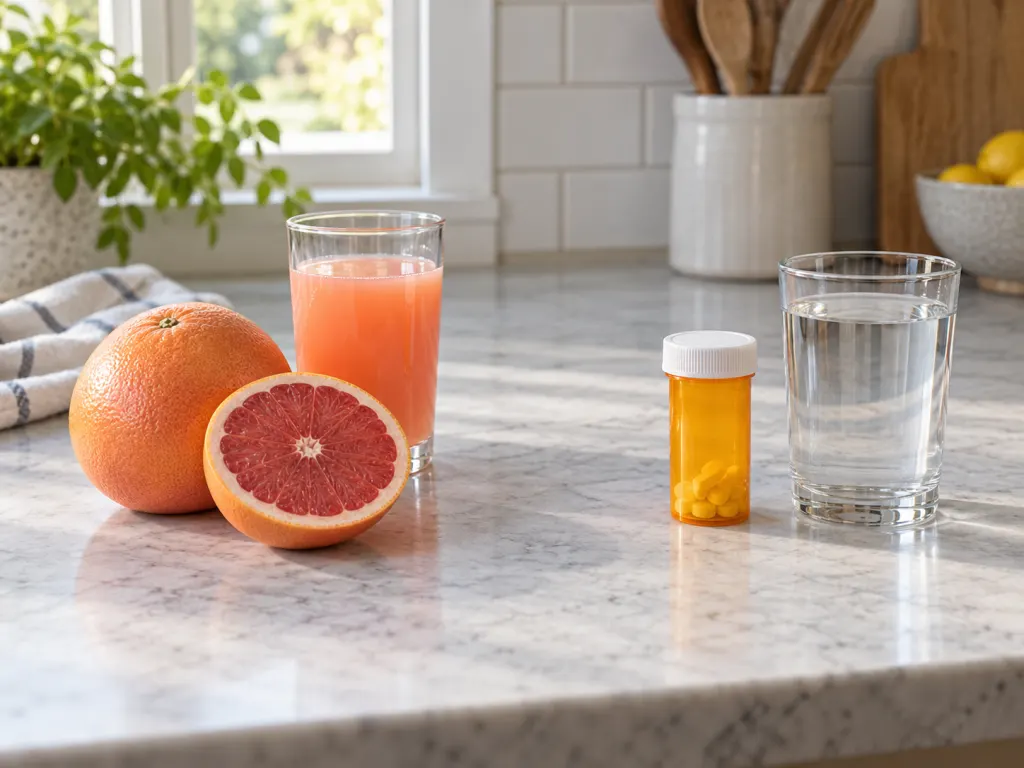
Grapefruit is the food most often mentioned with amlodipine. The NHS amlodipine guide advises people taking amlodipine not to eat grapefruit or drink grapefruit juice because it can increase the chance of side effects. The broader issue is that grapefruit can affect how some medicines are handled in the body, and the FDA notes that grapefruit warnings appear on some prescription and over-the-counter medicines taken by mouth.
For a simple routine, choose another breakfast fruit or juice unless your own prescriber gives different instructions. Be especially careful with mixed juices, smoothies, bottled “citrus blend” drinks, and wellness shots, because grapefruit may not be obvious from the front label. If grapefruit is a regular part of your diet, do not guess about whether a small amount is fine for you; ask a pharmacist, who can look at your full medicine list.
2. Avoid Heavy or Unplanned Alcohol Use
Alcohol deserves caution because amlodipine can already make some people feel dizzy, sleepy, flushed, or lightheaded. The NHS advises limiting alcohol while taking amlodipine because it can raise the risk of low blood pressure. MedlinePlus also lists dizziness, lightheadedness, drowsiness, and excessive tiredness among possible amlodipine side effects.
This does not mean every person has the same limit, but it does mean alcohol should not be treated as separate from the medicine routine. If you notice dizziness when standing, fatigue, flushing, or a “washed out” feeling after drinking, that is useful information to share with your clinician. Safer habits include eating before drinking, pacing slowly, drinking water, avoiding alcohol before driving, and asking directly whether alcohol is appropriate with your health history and other medicines.
3. Avoid Doubling Up After a Missed Dose
A missed dose is common, and panic is not helpful. What matters is avoiding a catch-up pattern that gives your body more medicine than prescribed. MedlinePlus says that if it is less than 12 hours until the next scheduled dose, the missed dose should be skipped and the regular schedule continued; it also says not to take a double dose to make up for one that was missed. The NHS similarly advises skipping the missed dose and taking the next dose as usual.
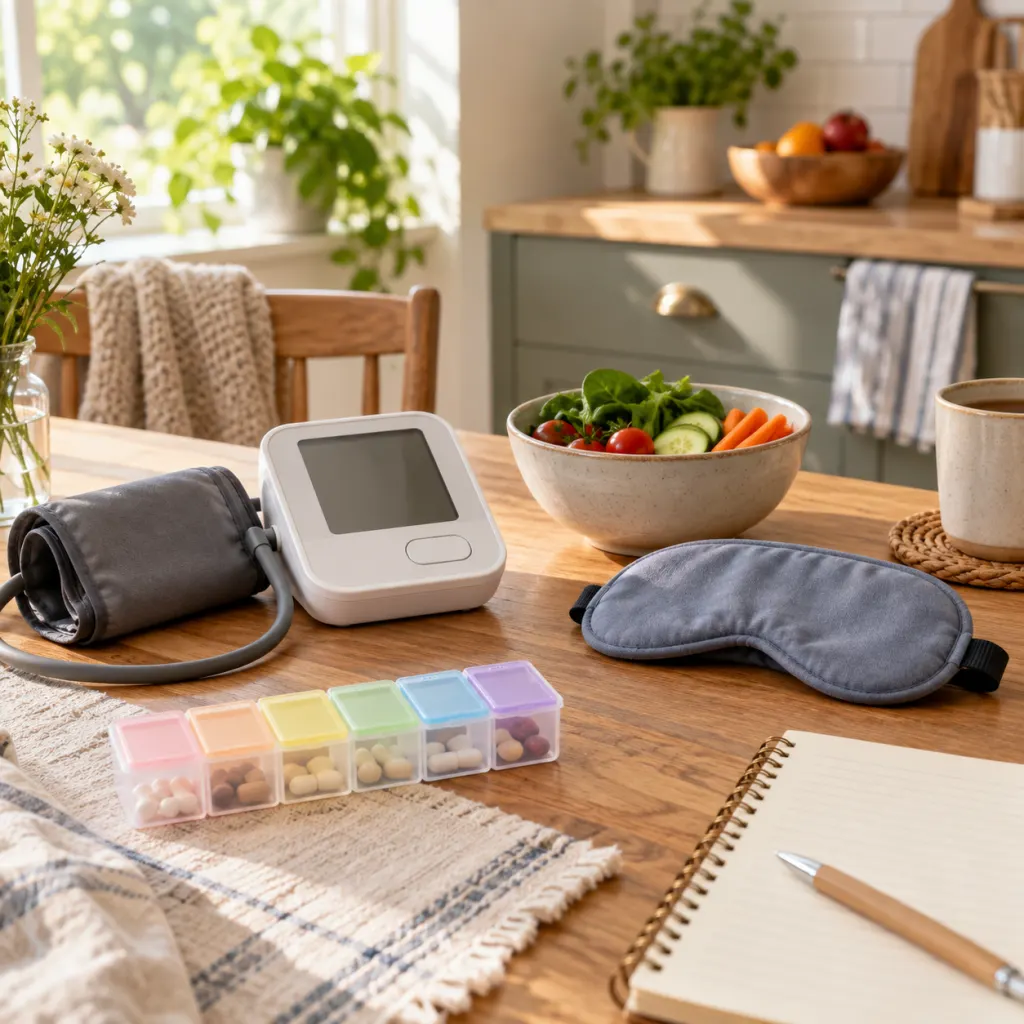
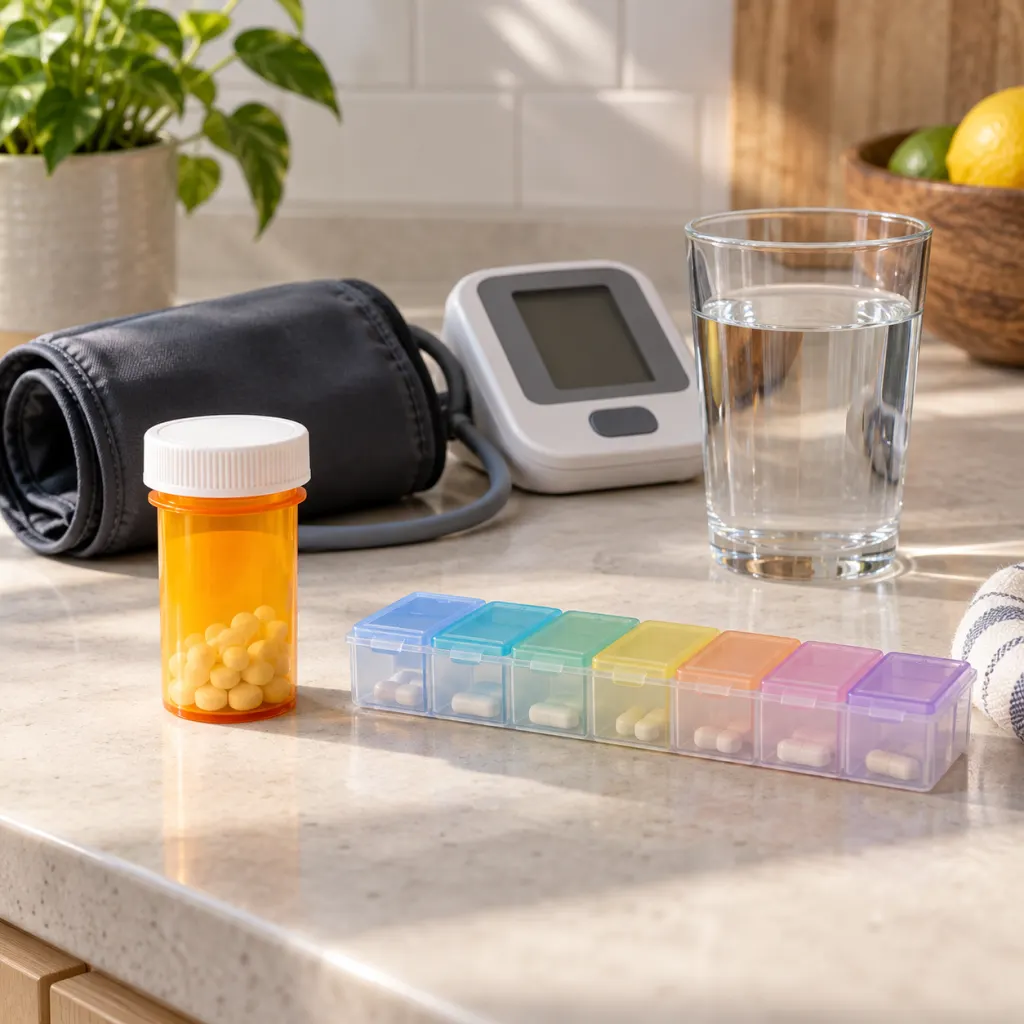
Because individual labels and combination products can differ, follow the instructions that came with your prescription. If missed doses happen often, look for a system rather than relying on memory alone: a pill organizer, a phone alarm, a daily habit link such as brushing your teeth, or pharmacy packaging that separates morning and evening medicines. Consistency matters because blood pressure management depends on patterns over time, not only on how you feel on a single day.
4. Avoid Stopping Amlodipine Just Because You Feel Well
High blood pressure often has no obvious symptoms, so feeling well is not proof that the medicine is no longer needed. The CDC emphasizes taking blood pressure medicine exactly as directed and not stopping without talking to a doctor or pharmacist first. The NHS also warns not to stop amlodipine unless a doctor tells you to.
If side effects bother you, the safer next step is a conversation, not a sudden stop. Your clinician may want to review timing, other medicines, swelling, dizziness, home readings, and the original reason amlodipine was prescribed. Bring specific details: when symptoms started, what time you take the tablet, whether symptoms happen after standing, and whether ankle swelling changes during the day. Clear details make it easier for a professional to decide what should happen next.
5. Avoid Adding New Medicines or Supplements Without a Review
Amlodipine can be part of a larger medicine plan, and that plan should be reviewed before new products are added. The NHS lists several medicines, remedies, and supplements that may not mix well with amlodipine, including simvastatin, some antibiotics, some antifungal medicines, other blood pressure medicines, some HIV medicines, immunosuppressants, and St. John’s wort. The FDA’s high blood pressure medicine guide also tells people using calcium channel blockers to talk with a health care provider about risks when taking medicines such as cimetidine, cyclosporine, fentanyl, sildenafil, simvastatin, tacrolimus, or other medicines.
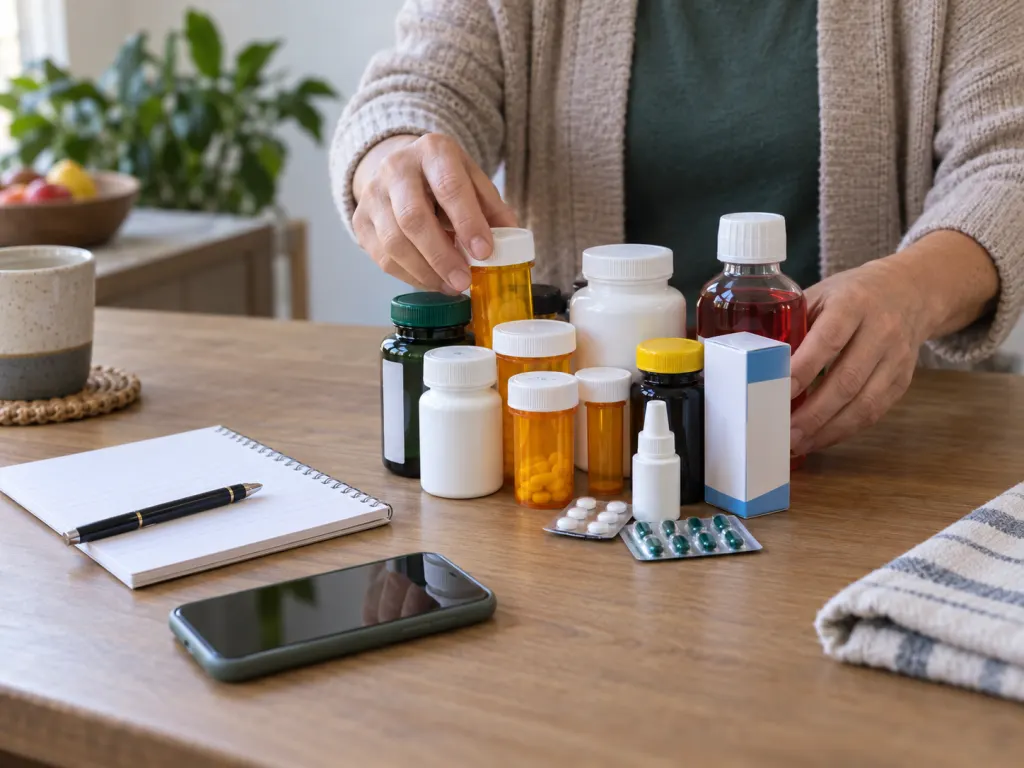
Over-the-counter products count too. Cold and sinus products, pain relievers, sleep aids, herbal capsules, and “natural” products can still matter. The CDC notes that some nasal decongestants can raise blood pressure and affect blood pressure medicines. A practical rule is to ask before starting anything you plan to take for more than a day or two, and to ask sooner if the product is for pain, sleep, congestion, mood, sexual function, or immune support.
6. Avoid St. John’s Wort and Similar Herbals Unless Your Clinician Approves
Herbal products can feel low-risk because they are sold without a prescription, but some have meaningful effects on medicines. The National Center for Complementary and Integrative Health says St. John’s wort affects many types of drugs and may lower drug levels by speeding up body processes that turn drugs into inactive substances. Its detailed St. John’s wort safety page also advises people who take any type of medicine to talk with a health care provider before using St. John’s wort or other herbal products.
The safest wording to remember is simple: “natural” does not mean “irrelevant.” Bring the bottle or a photo of the Supplement Facts panel to your appointment or pharmacy counter. Include teas, powders, tinctures, gummies, and imported products. If you already started an herbal supplement, do not hide it out of embarrassment; clinicians can only protect you from avoidable problems when they know the full picture.
7. Avoid Driving or Risky Tasks When You Feel Dizzy or Sleepy
Dizziness and sleepiness are listed as possible amlodipine side effects by both MedlinePlus and the NHS. The NHS specifically advises people who feel dizzy or sleepy after taking amlodipine not to drive, ride a bike, or use machinery until those symptoms are gone. This is especially important when you first start the medicine, after a prescribed change, after drinking alcohol, during hot weather, or after standing up quickly.
Pay attention to patterns. Does dizziness happen in the morning? After a shower? After exercise? After alcohol? After another medicine? Those details can help your clinician decide whether the issue is likely related to timing, blood pressure changes, dehydration, another medicine, or something else. Until you know how you respond, give yourself extra time when rising from bed or a chair and avoid tasks where a moment of lightheadedness could cause injury.
8. Avoid Ignoring Swelling, Fainting, Chest Symptoms, or a Fast Irregular Heartbeat
Ankle, foot, leg, or hand swelling can occur with amlodipine. The NHS lists swelling in the ankles, feet, and legs as a common side effect, and MedlinePlus lists swelling of the hands, feet, ankles, or lower legs. Mild swelling may still need a routine review if it bothers you, worsens, or appears with weight change or shortness of breath.
Some symptoms need faster attention. MedlinePlus advises calling a doctor immediately or getting emergency medical treatment for more frequent or more severe chest pain, a rapid, pounding, or irregular heartbeat, or fainting. The FDA’s blood pressure medicine guide also lists warning signs for calcium channel blockers, including chest pain, serious rashes, facial or tongue-area swelling, fainting, and irregular heartbeat. If symptoms feel severe, sudden, or unsafe, use emergency services rather than waiting for a routine appointment.
Avoid Letting Home Readings Mislead You
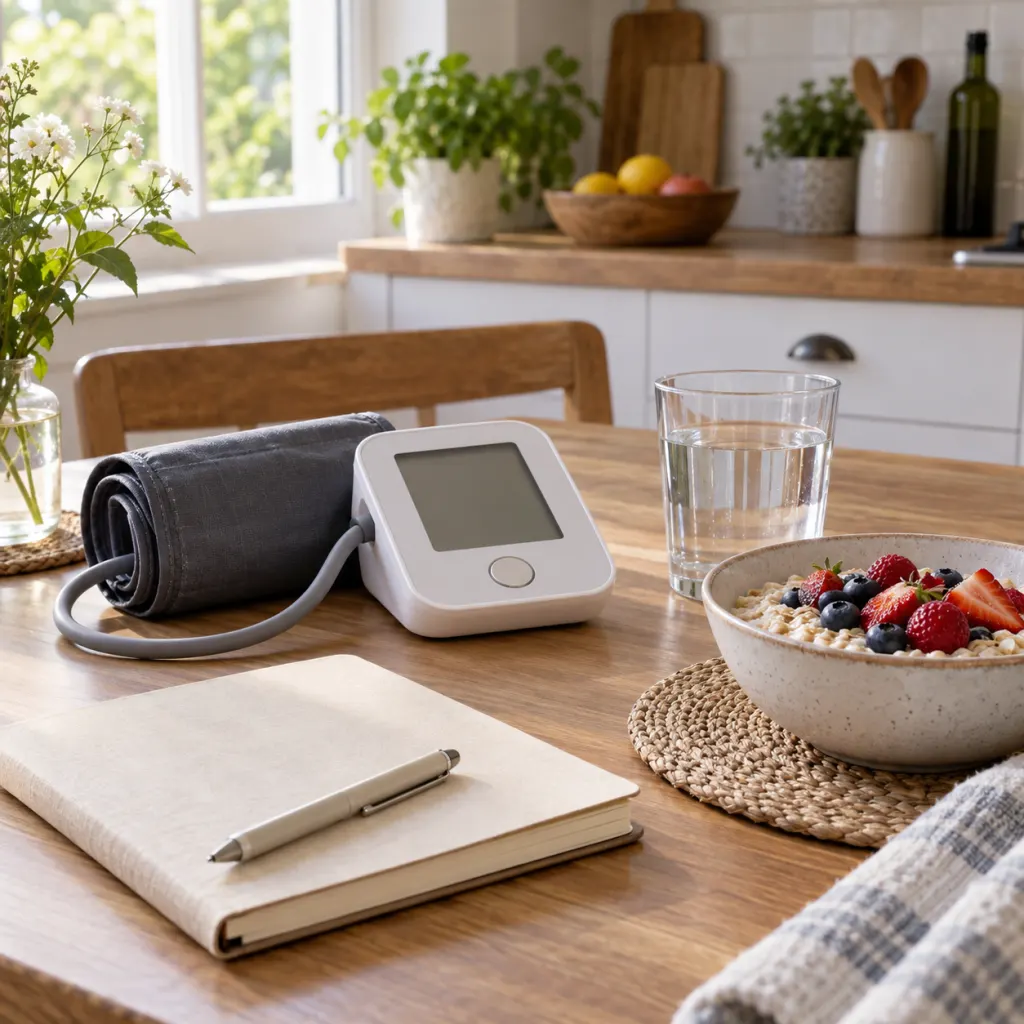
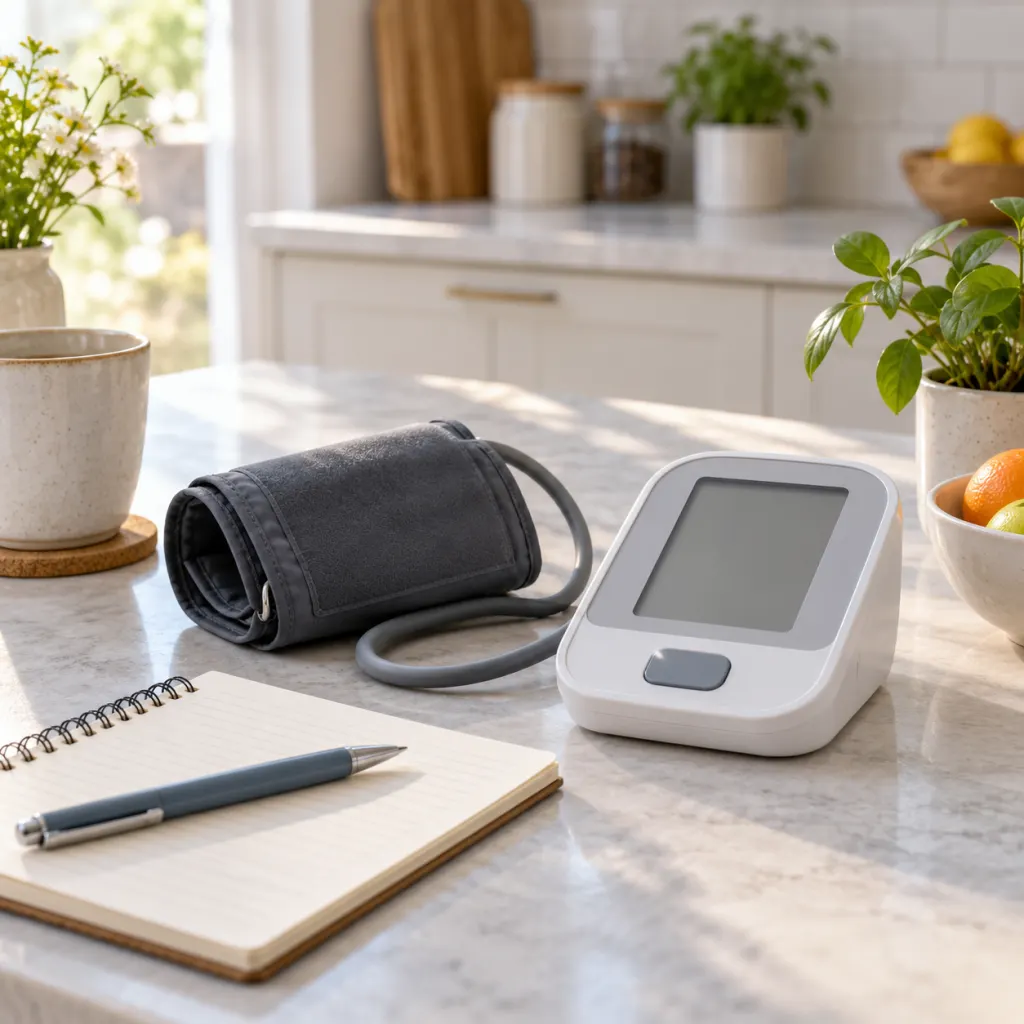
Home blood pressure readings are useful, but only when the method is reliable. The American Heart Association recommends an automatic upper-arm cuff monitor, a validated device, the correct cuff size, quiet rest before measuring, a bare arm supported at heart level, and taking readings at the same time each day when advised. It also says home monitoring does not replace regular doctor visits and that people should not stop blood pressure medicine based on home readings without checking with a healthcare professional.
Before measuring, avoid caffeine, smoking, and exercise for 30 minutes, empty your bladder, sit quietly for at least five minutes, keep both feet on the floor, and do not talk during the reading. A single number is less useful than a written pattern. If readings are unexpectedly high or low, repeat using correct technique and record both numbers, symptoms, time of day, and recent alcohol, caffeine, exercise, or missed doses.

A Practical List to Keep Near Your Medicine
Here is a compact version of the eight avoid points to keep with your medicine list:
- Avoid grapefruit and grapefruit juice unless your pharmacist or doctor says it is appropriate for you.
- Avoid heavy or unplanned alcohol use, especially if you feel dizzy, sleepy, flushed, or unsteady.
- Avoid taking an extra dose to catch up after a missed dose.
- Avoid stopping amlodipine on your own because you feel well or dislike a side effect.
- Avoid adding new prescription, over-the-counter, or online medicines without review.
- Avoid St. John’s wort and other herbals unless your clinician has checked your full medicine list.
- Avoid driving, cycling, ladders, or machinery when dizzy or sleepy.
- Avoid ignoring swelling, fainting, chest symptoms, serious rash, facial swelling, or irregular heartbeat.
What to Ask Your Pharmacist or Doctor
Good questions make medicine visits more useful. Ask whether grapefruit applies to your exact prescription, whether alcohol is reasonable for your situation, and what to do if you miss a dose at your usual time. Ask which cold medicines, pain relievers, supplements, and herbal products are best avoided with your full medication list. If you take simvastatin, sildenafil, tacrolimus, cyclosporine, antifungal medicines, antibiotics, HIV medicines, or other blood pressure medicines, make sure your clinician knows because these are the kinds of combinations authorities tell patients to review.
Also ask what side effects should trigger a same-day call and what symptoms should be treated as urgent. Keep the answer in writing if possible. Amlodipine is often part of long-term cardiovascular care, so the safest routine is not perfection; it is steady use, accurate records, honest symptom reporting, and timely questions.
Wrap-Up
Amlodipine is usually simple to take, but it works best inside a stable, well-reviewed routine. Avoid grapefruit, heavy alcohol, missed-dose doubling, sudden stopping, unreviewed medicines or supplements, risky activities when dizzy, and dismissing symptoms that deserve medical attention. Use careful home blood pressure technique and bring patterns, not guesses, to your care team. The most protective habit is a current medicine list and a willingness to ask before adding anything new.
Frequently Asked Questions
- → Can I eat oranges while taking amlodipine?
Grapefruit and grapefruit juice are the citrus items specifically flagged by the NHS for people taking amlodipine. If you drink mixed citrus juices or take citrus extracts, ask a pharmacist to check the ingredients against your medicine list.
- → What should I do if my ankles swell while taking amlodipine?
Swelling in the feet, ankles, legs, or hands is a known possible side effect. Contact your doctor or pharmacist if swelling bothers you, worsens, or does not go away. Seek urgent help if swelling appears with severe symptoms such as trouble breathing, fainting, chest symptoms, or facial or tongue-area swelling.
- → Is it okay to take amlodipine at night?
Amlodipine is commonly taken once daily, with or without food, and MedlinePlus advises taking it around the same time every day. The best time for you depends on your prescription, symptoms, and routine, so ask your pharmacist or doctor before changing the time.
- → Can I take cold medicine with amlodipine?
Ask first, especially with cold and sinus products. The CDC notes that some nasal decongestants can raise blood pressure and affect blood pressure medicines. A pharmacist can help you choose an option that fits your blood pressure plan and other medicines.
- → Should I stop amlodipine if my home blood pressure reading is normal?
No. The American Heart Association says home monitoring does not replace regular doctor visits and warns not to stop blood pressure medicine without checking with a healthcare professional. Record readings over time and review the pattern with your care team.
References
This content was developed and refined using reliable sources.
- https://www.nhs.uk/medicines/amlodipine
- https://www.medlineplus.gov/druginfo/meds/a692044.html
- https://dailymed.nlm.nih.gov/dailymed/drugInfo.cfm?setid=dc2107cd-edfa-44a6-b139-edee6ccf47ce
- https://www.fda.gov/consumers/consumer-updates/grapefruit-juice-and-some-drugs-dont-mix
- https://www.cdc.gov/high-blood-pressure/living-with/index.html
- https://www.heart.org/en/health-topics/high-blood-pressure/understanding-blood-pressure-readings/monitoring-your-blood-pressure-at-home
- https://www.nccih.nih.gov/health/tips/tips-how-herbs-can-interact-with-medicines
- https://www.nccih.nih.gov/health/st-johns-wort
- https://www.fda.gov/consumers/free-publications-women/high-blood-pressure-medicines-help-you